There’s a reason millions of people describe their cats as their greatest source of comfort. It’s not simply affection talking. It’s something quieter and more grounded than that. You may not have thought of your cat as a therapist, but in many ways, the science says they’re doing a surprisingly good job.
Cats have shared living spaces with humans for at least ten thousand years, and the bond that has evolved between our two species is layered, reciprocal, and genuinely meaningful. Their quiet companionship, soft routines, and gentle presence are deeply therapeutic, often in ways that feel effortless. The more researchers look, the more they find that what cat owners have always known is backed by measurable evidence.
The Science Behind the Human-Cat Connection

Most people assume that feeling better around their cat is just about warmth and comfort. The reality is more physiological than that. Science has shown that petting a dog or cat lowers the stress hormone cortisol, and the interactions between people and their cat or dog increase levels of the feel-good hormone oxytocin, the same hormone that bonds mothers to babies.
This isn’t a placebo. Petting animals triggers the release of oxytocin, often called the “love hormone,” while reducing cortisol, our body’s primary stress hormone. The effect is real, measurable, and happens faster than most people expect. Even a brief interaction can shift your body’s chemistry in a meaningful direction.
Ten Minutes Is All It Takes
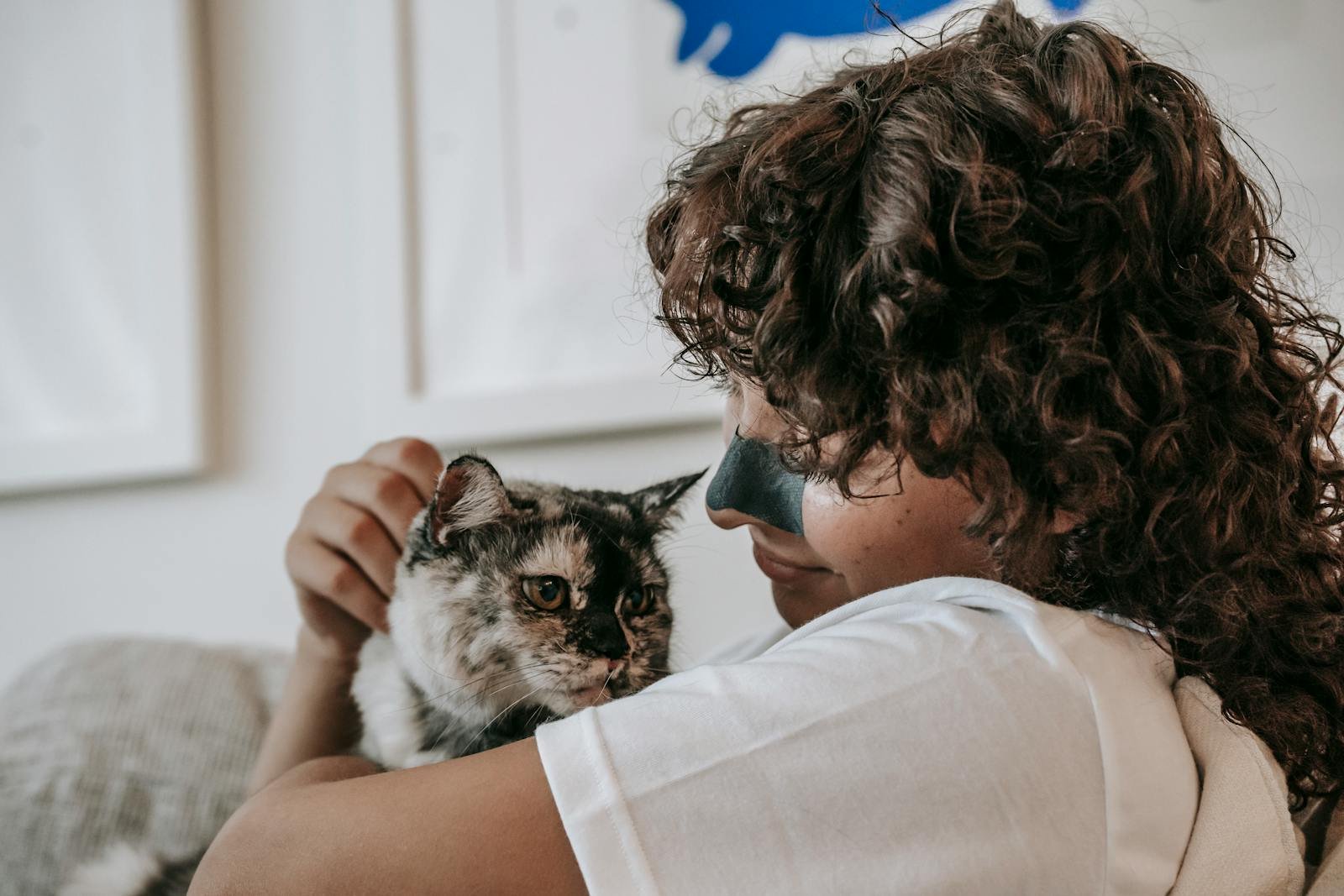
You don’t need hours of cat time to feel the difference. Just 10 minutes of interacting with cats and dogs produced a significant reduction in students’ cortisol, a major stress hormone. That’s a remarkably short window for a measurable biological shift, and it happens without any special technique or training required on your part.
Research about animal visitation programs at college campuses has shown that spending even a short amount of time interacting with cats provides effective stress relief. The presence of a cat has been shown to lower cortisol and boost oxytocin, helping ease anxiety and foster emotional safety. Their study found that college students who spent as little as 10 minutes per day petting a cat experienced decreased levels of cortisol. Given how accessible cats are as companions, this is a remarkably low-effort form of self-care.
Your Cat Can Read Your Emotions
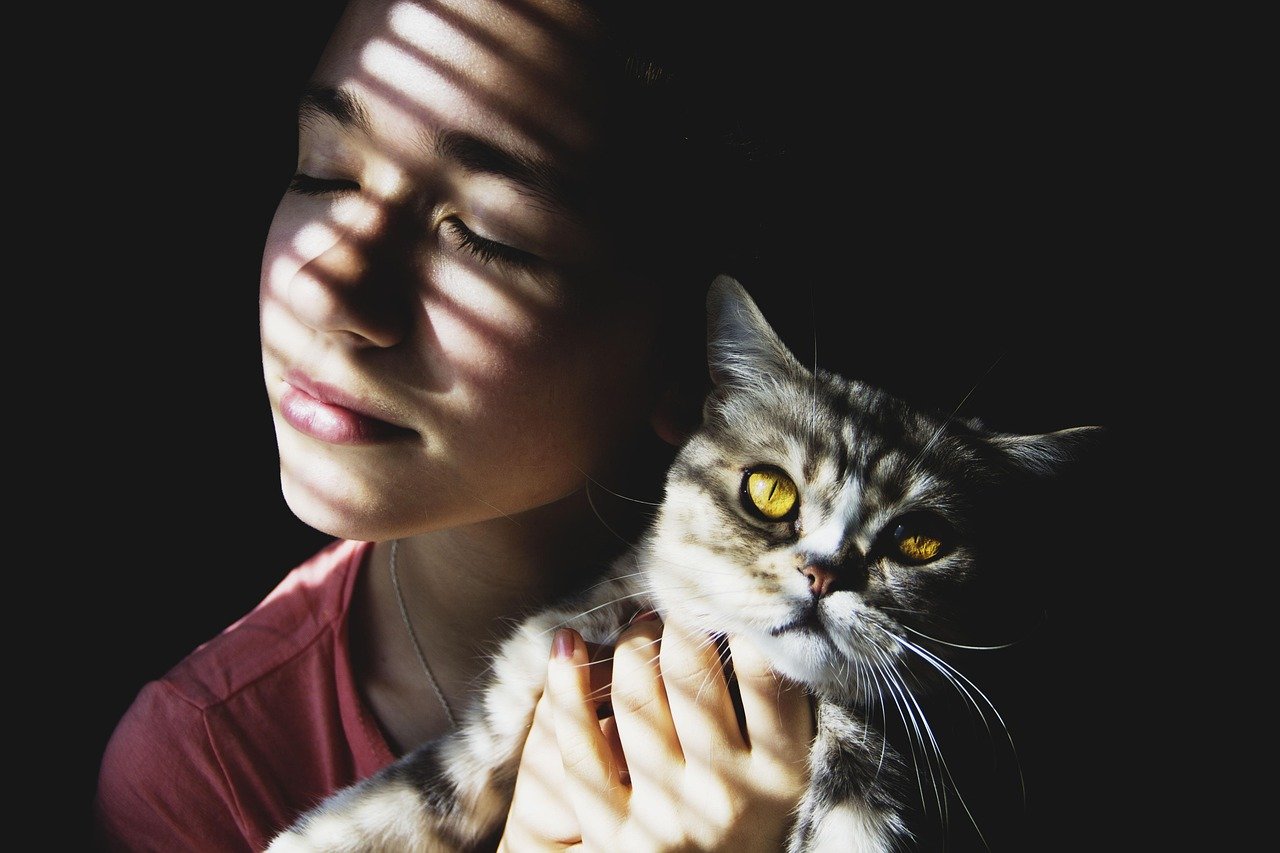
Cats have often been labeled as indifferent or self-serving, but research increasingly challenges that reputation. Cats integrate visual and auditory signals to recognize human and conspecific emotions, and they appear to modulate their behavior according to the valence of the emotion perceived. In other words, your cat isn’t just sitting near you by chance when you’re upset.
A recent study shows cats can detect human emotions through scent, especially fear, suggesting our cat friends might understand us more than we realize. Cats have an uncanny ability to sense human emotions, offering comfort and companionship when we need it most. Their keen observational skills help them detect changes in our behavior, body language, and tone, allowing them to respond in ways that ease stress and anxiety.
The Healing Power of the Purr
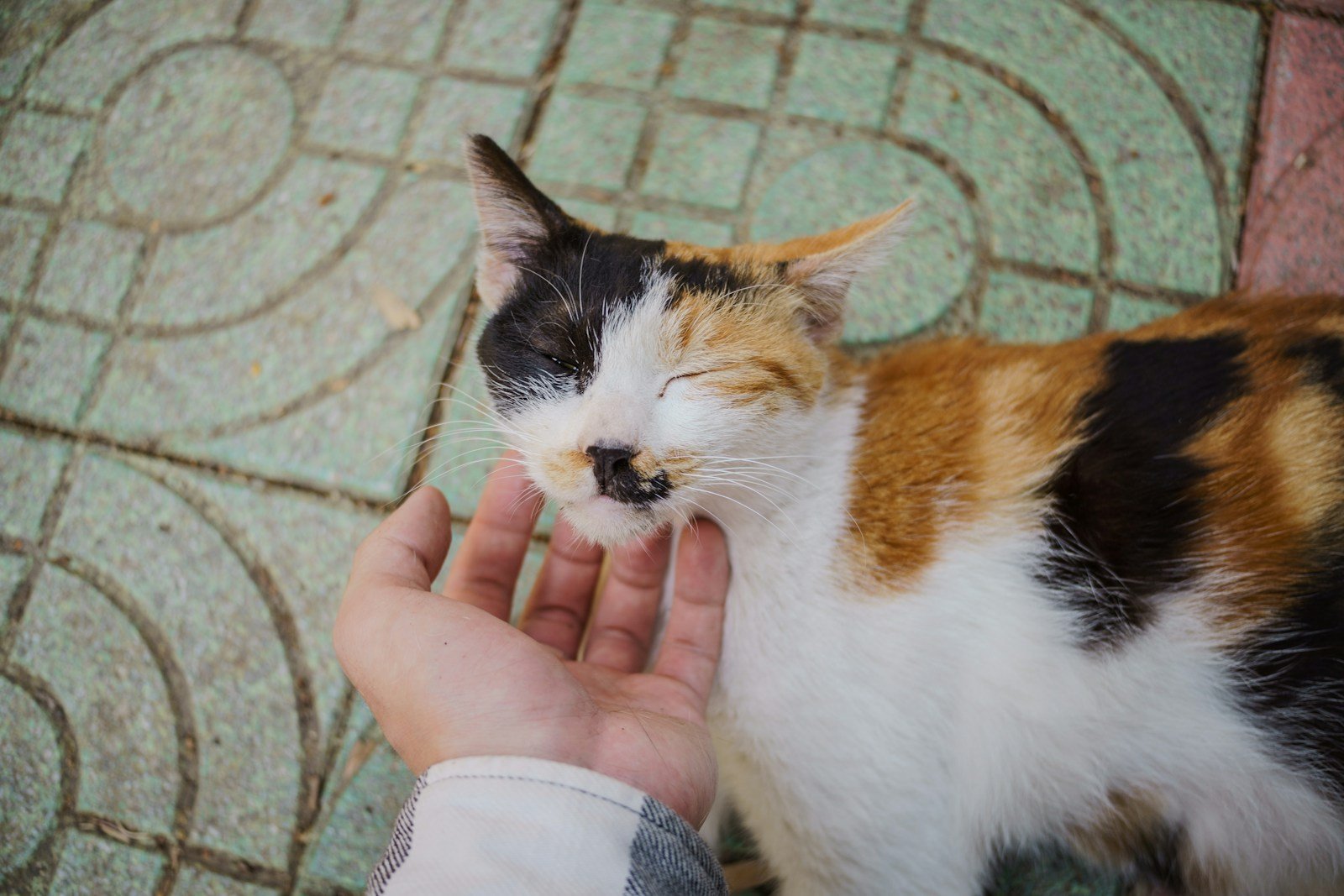
Few sounds are as immediately calming as a cat’s purr. There’s a physiological reason for that. A cat purrs within a range of 20-140 Hz, which is known to be medically therapeutic for illnesses in humans. A cat’s purr can not only lower stress, it can also help labored breathing, lower blood pressure, help heal infections, and even help heal bones.
The repetitive sound of a cat’s purring has a calming, meditative quality that can reduce anxiety and promote mindfulness. The gentle vibrations of purring can have a grounding effect, helping individuals manage symptoms of anxiety or PTSD. Even outside of formal therapy settings, having a purring cat at home can create a sense of routine and predictability. For individuals who experience heightened anxiety, knowing that a cat will purr in response to affection can be a reassuring and stabilizing presence in daily life.
Cats Give You a Reason to Stay Structured
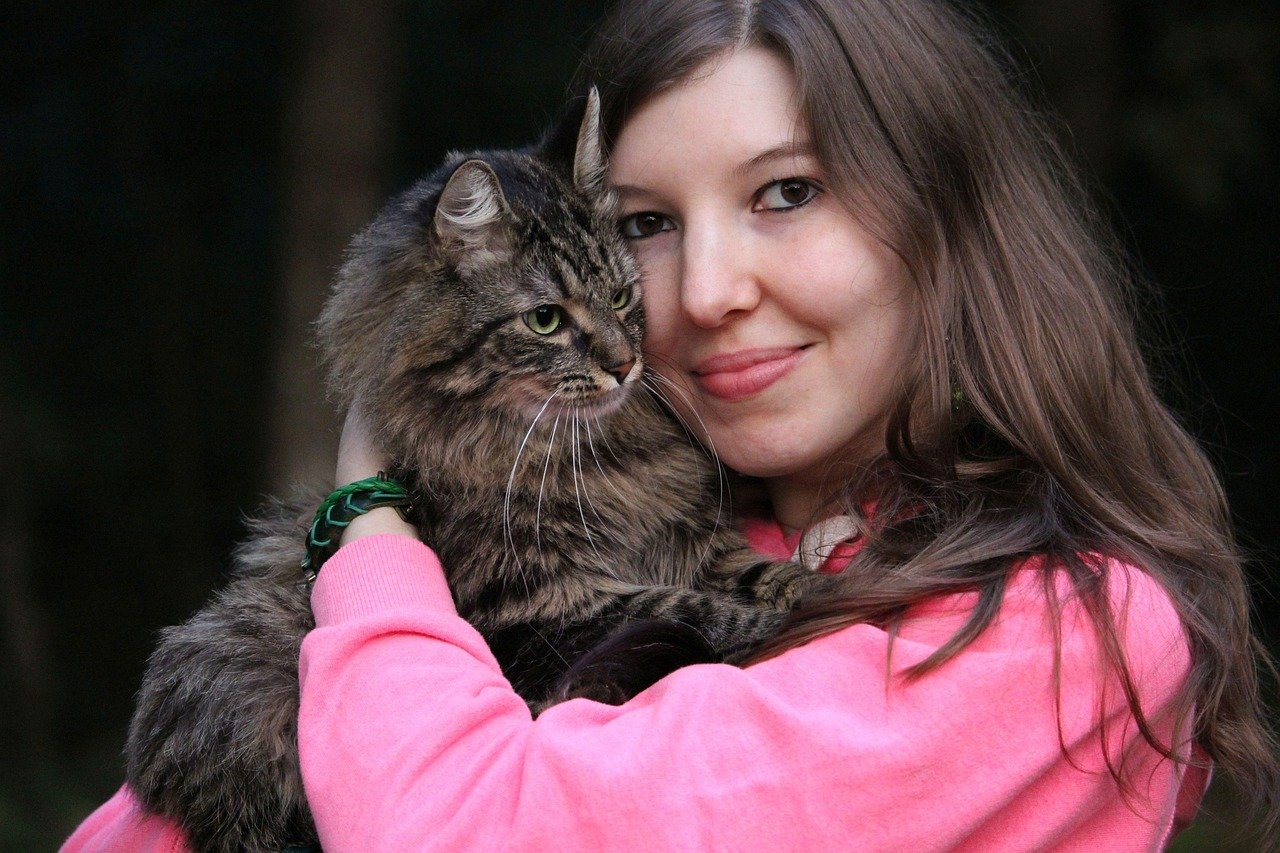
One underrated benefit of cat ownership is the structure it quietly imposes on your day. Cats thrive on routine. Feeding schedules, litter maintenance, and playtime create a predictable daily structure. For individuals with anxiety, predictable routines can provide stability and reduce mental overwhelm. Structured caregiving can anchor the individual’s day and create a sense of purpose.
Cats can be especially low maintenance, but still rely on their humans for food, water, and attention. This responsibility can be motivating, encouraging individuals to get out of bed, start their day, and decrease the chances of isolation. That simple push toward engagement can make a significant difference when depression or anxiety tries to keep you rooted in place.
Cats and the Fight Against Loneliness
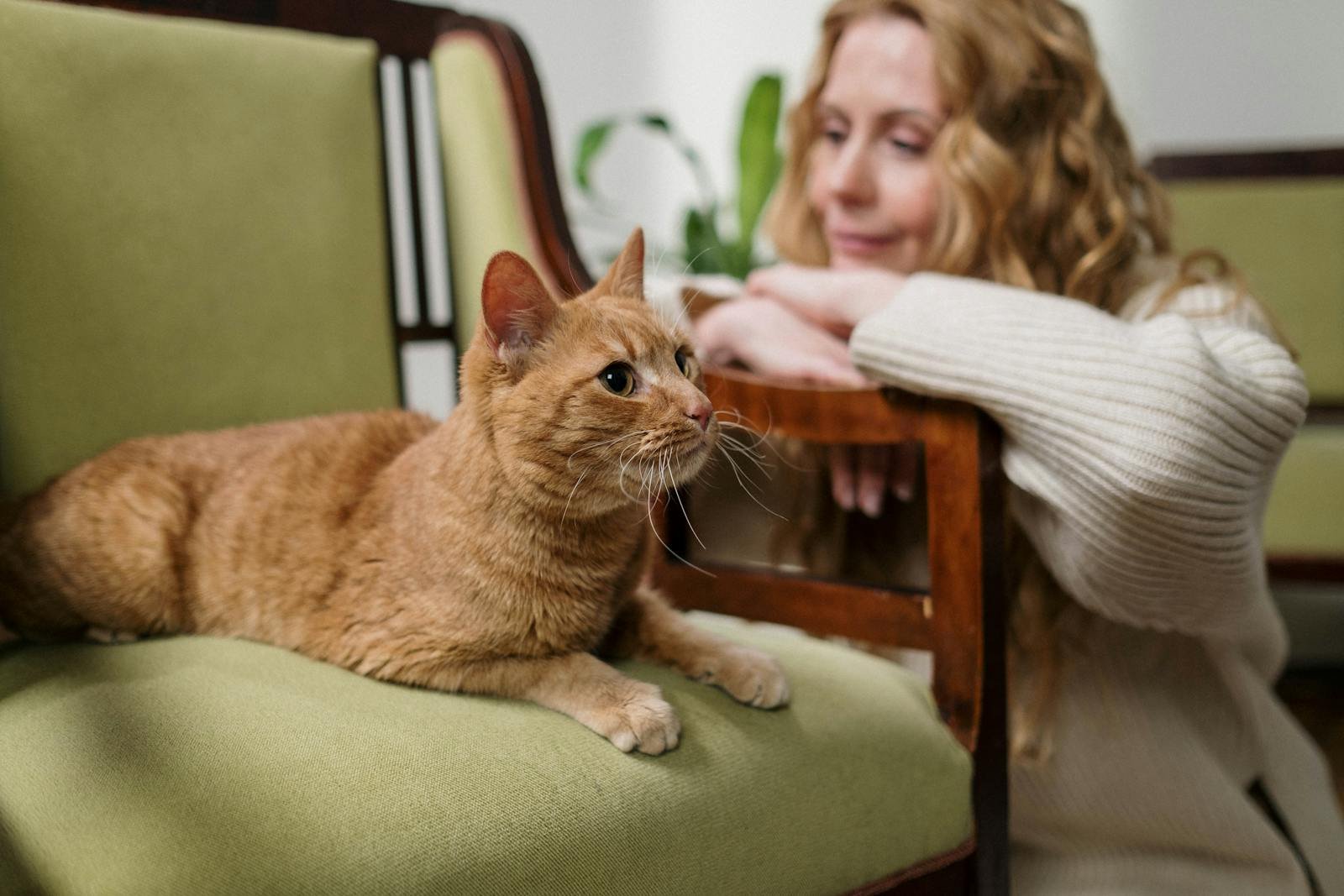
A 2025 analysis from Scientific Reports showed a clear link between pet companionship and reduced loneliness, which is one of the strongest predictors of anxiety, depression, and decreased overall wellness. Loneliness has become one of the more pressing public health concerns of recent years, and cats quietly address it in their own unhurried way.
Cats, in particular, offer companionship that is gentle, reassuring, and consistent, especially appreciated by people who prefer quiet emotional connection. Cats offer quiet companionship, can reduce feelings of loneliness, and their purring has been shown to have a calming effect. Plus, they’re a good choice for people with limited space or who need low-maintenance emotional support.
Cats as Emotional Support Animals

The formal recognition of cats as emotional support animals reflects how much research and clinical experience have confirmed their benefits. Emotional support animals, like cats, offer vital relief to those experiencing anxiety, depression, or other mental health conditions. Their presence fosters trust, security, and companionship, helping people cope with stress and emotional challenges. The bond with a cat provides a sense of comfort, making them valuable partners in managing mental health.
One in five of those with pets said one or more of their pets was certified as an emotional support animal. Cat owners were among the most likely to say their pet had a mostly positive impact on their mental health. That figure reflects a growing cultural acknowledgment that cats belong in the same conversation as other therapeutic companions.
Cats Support Brain Health as You Age

One of the more compelling areas of emerging research concerns what cats may do for cognitive health over the long term. One of the most exciting developments comes from a 2025 study in Scientific Reports, summarized by Harvard Health. Researchers followed older adults for nearly two decades and found that living with a cat or dog was linked to slower cognitive decline and better long-term memory. This means pets may play a quiet, but meaningful, role in keeping our minds sharp as we age.
Research suggests that the overall effect of pet ownership on cognitive decline may be driven primarily by cat and dog ownership, rather than pet ownership in general, and therefore the specific pet species an individual owns influences its possible relationship with changes in cognition. Both dog and cat ownership were associated with better cognitive function. For older adults living alone, that distinction carries real weight.
Cats and Their Impact on Depression
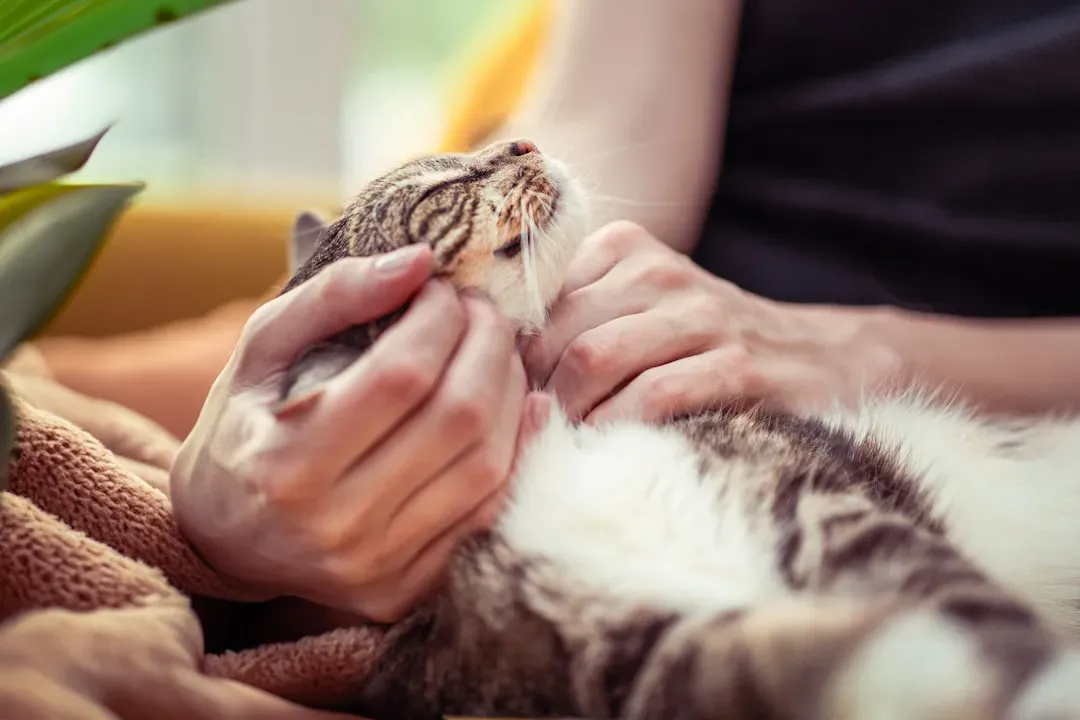
The relationship between cat ownership and lower rates of depression is supported by multiple lines of research. Research has shown that owning pets, especially cats and dogs, may enhance long-term mental health and overall quality of life. Numerous studies indicate that pet owners often report lower levels of anxiety, depression, and loneliness, which contributes positively to their mental health.
Cat owners reported significantly lower levels of depressive symptoms than dog owners in one study of homebound older adults. A 2017 study found that cat parents reported lower feelings of depression, and nearly half of them felt their cats gave them “a sense of safety.” Those numbers point to something more than coincidence. They suggest a genuine protective effect tied to daily feline companionship.
Cats Help Ground You in the Present Moment
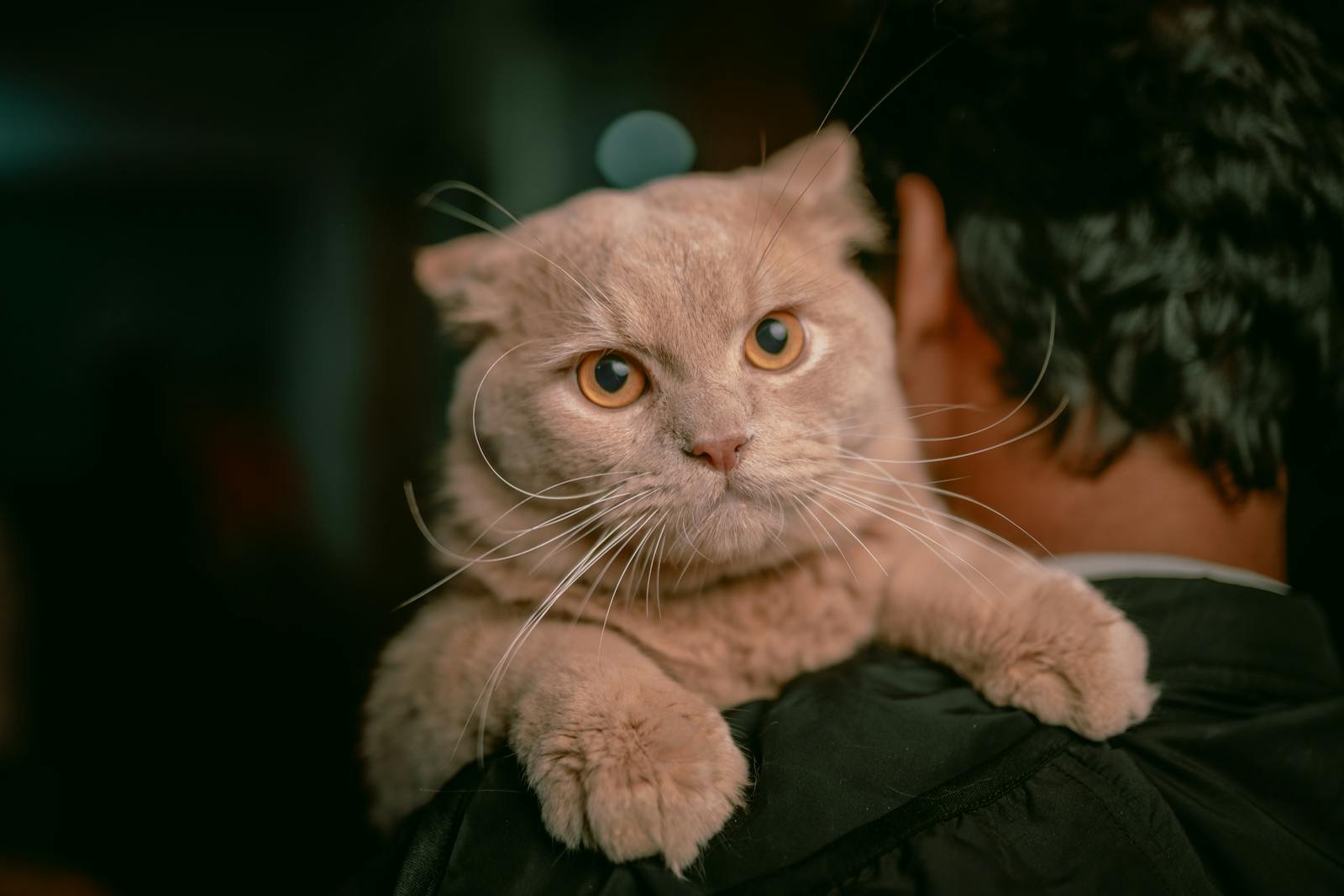
Mindfulness has become a widely recommended tool for managing anxiety and stress. What fewer people realize is that your cat may be nudging you toward it without either of you trying. Petting a cat engages tactile sensation, warmth, and rhythm. This sensory engagement can act as a grounding exercise, pulling attention away from anxious thoughts and back into the present moment. Many therapists recommend grounding techniques for anxiety management; interacting with a cat can naturally facilitate this process.
When you pet a cat’s fur mindfully and slowly, it helps bring you back to right here, right now. Petting and snuggling your cat could also make you feel more grounded, especially when you’re feeling anxious or sad. Engaging with pets creates a sensory experience. The softness of fur, rhythmic purring, or even the sound of a tail wagging provides grounding sensations that help people focus on the present moment rather than their worries.
A Note of Honest Context

It would be incomplete to talk about cats as emotional support masters without acknowledging that the relationship isn’t universally therapeutic for everyone. Cats can help alleviate the symptoms of anxiety for many people, although not universally, and should not be used as a replacement for clinical care. Caring for an animal involves financial cost, veterinary care, grooming, and long-term commitment. For individuals whose anxiety centers on responsibility or fear of making mistakes, pet ownership may intensify stress.
Cats offer comfort and a distraction from our worries. However, they’re also not a replacement for therapy or sometimes medication when you’re dealing with mental health issues. The honest framing is that cats work best as part of a broader support system, not as a standalone solution. When they slot into a life that already has good foundations, they can make a meaningful, lasting difference.
Conclusion
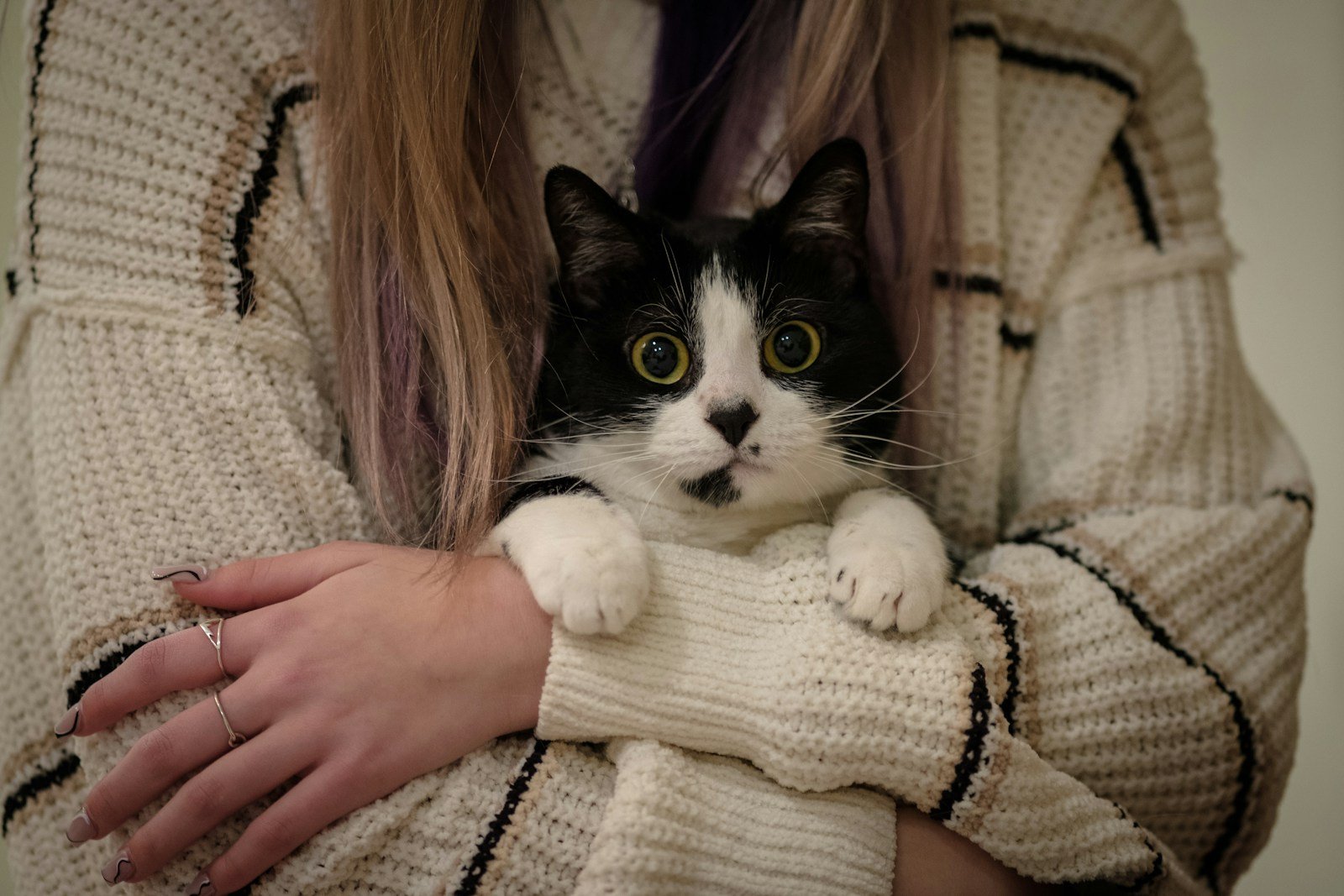
The evidence is clear enough to take seriously, even if it’s still growing. Cats reduce stress hormones, respond to your emotional state, promote daily structure, ease loneliness, and may even slow cognitive decline as you age. These aren’t small effects, and they aren’t imagined.
What makes cats remarkable as emotional support companions is the quality of their presence. They don’t demand conversation. They don’t judge. Whether it’s through soft purrs, quiet companionship, or a gentle nuzzle when you need it most, your feline friend is likely more emotionally in tune than you think.
The next time your cat settles into your lap uninvited on a hard day, it may be worth pausing to appreciate what’s actually happening. They’re not just sharing your space. They’re keeping you company through something you didn’t ask them to notice.
Kristina is a young writer from India. An arts graduate and an avid content creator, Kristina is passionate about animals and wildlife. She enjoys exploring topics related to pet care, animal behavior, conservation, and nature, combining thorough research with engaging storytelling.