There’s something quietly remarkable about the way a cat settles next to you during a difficult day, as if it sensed exactly when to show up. No announcement, no performance. Just warm weight and a soft rumble. For millions of people around the world, that simple presence means more than they can easily explain.
A 2024 study confirmed that people who have a pet, whether a dog or a cat, are generally much happier than those without. Science has steadily caught up to what cat owners have long suspected. The bond between a human and their feline companion carries real, measurable psychological weight. Here are eight ways that living with a cat can meaningfully support your mental health.
Your Cat Acts as a Natural Stress Reliever
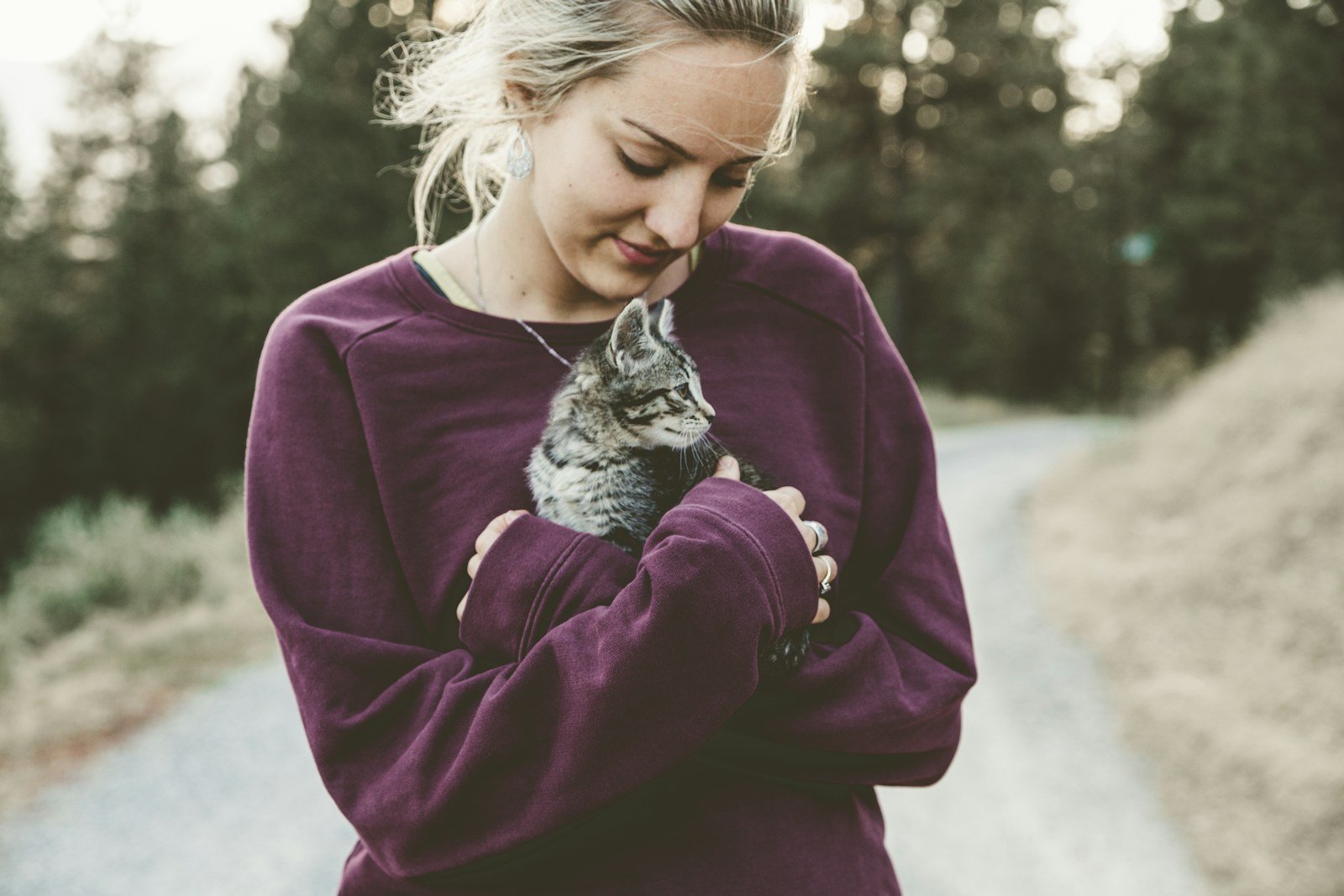
When your day piles on too much and the pressure starts to build, your cat may be one of the most effective tools you have within reach. The presence of a cat has been shown to lower cortisol, the hormone associated with stress, and boost oxytocin. One study found that college students who spent as little as 10 minutes per day petting a cat experienced decreased levels of cortisol.
Before stressful tasks began in one observed study, cat owners had a lower resting heart rate and blood pressure than people who didn’t own any pets. During the tasks, cat owners were more likely to feel challenged than threatened, their heart rate and blood pressure were lower, and they made fewer errors. Cat owners looked the calmest and made the fewest errors when their cat was present. The implication is hard to ignore: your cat’s company doesn’t just feel good, it actively changes how your body handles pressure.
The Healing Power of a Cat’s Purr
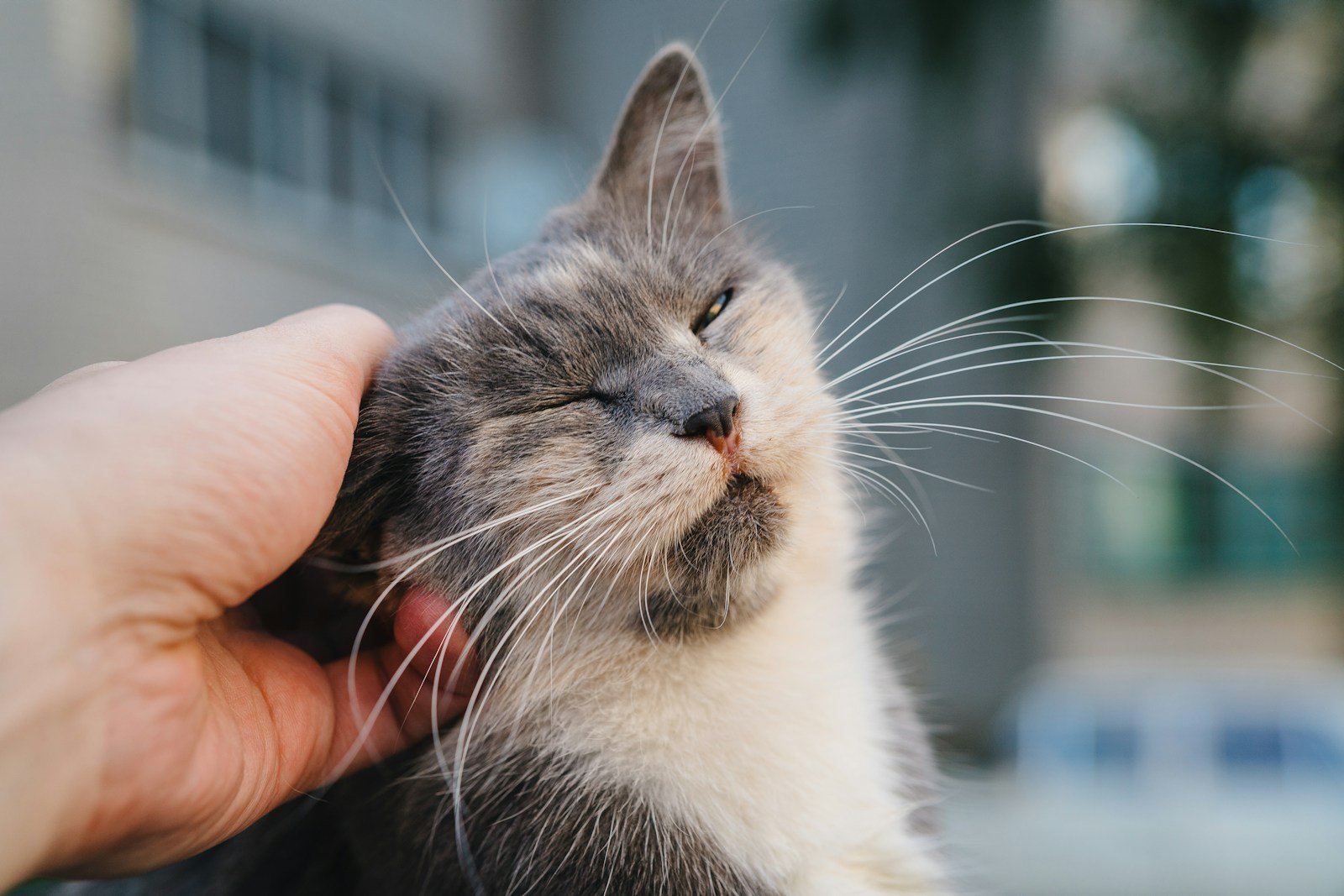
There’s a reason you feel a particular kind of calm when a cat settles on your lap and starts to purr. Studies suggest that the frequency of a cat’s purr, typically between 25 and 150 Hertz, has a relaxing effect on the human nervous system. That range isn’t just soothing to the ear. It overlaps with frequencies used in therapeutic treatments designed to reduce inflammation and promote tissue recovery.
The repetitive sound of a cat’s purring has a calming, meditative quality that can reduce anxiety and promote mindfulness. Petting a cat or simply spending time with one often triggers the body’s relaxation response, helping people feel more grounded and at ease. Some cat owners even report a reduction in symptoms of depression, highlighting the emotional benefits of these feline companions. It’s a form of sound therapy that requires no appointment, no subscription, and no effort beyond letting your cat do what it naturally does.
Cats Give You a Sense of Purpose and Daily Routine
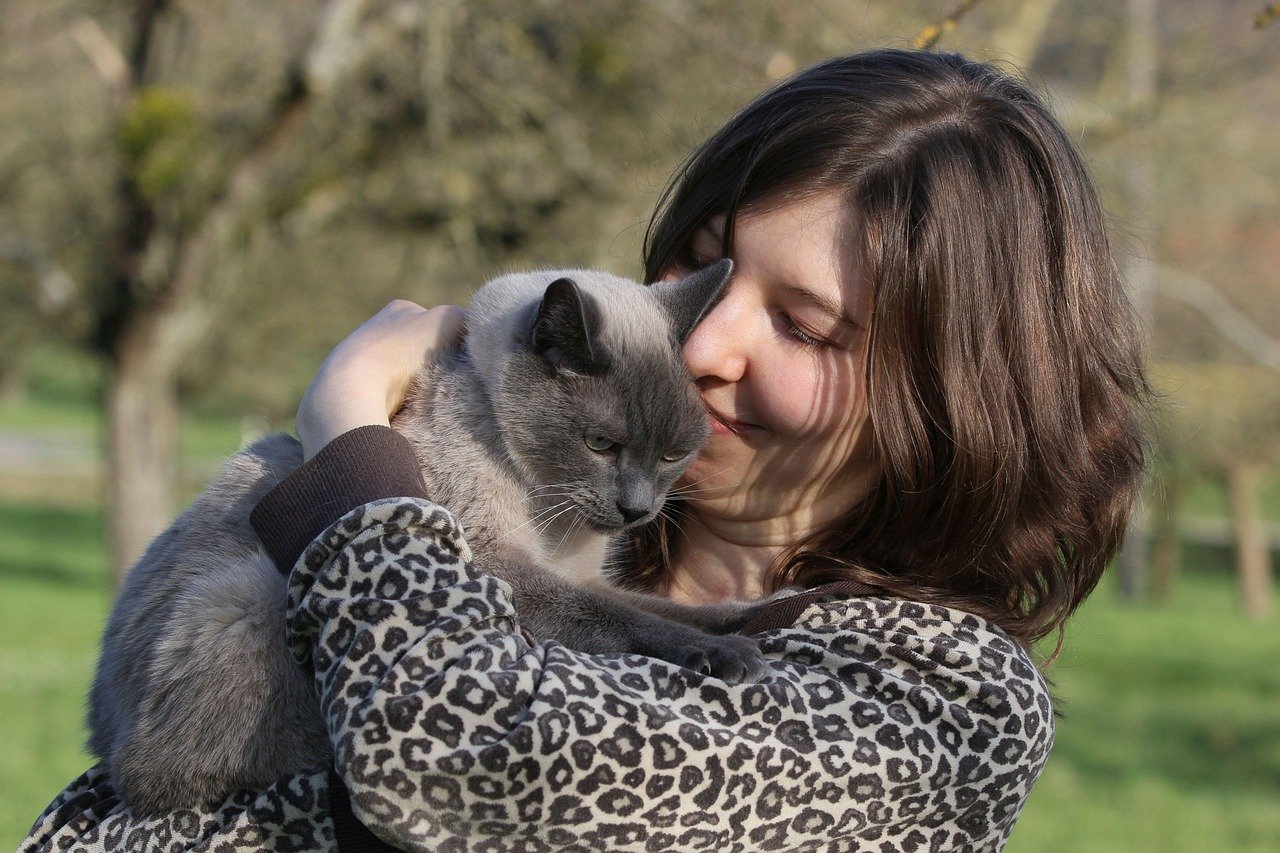
Structure matters more to mental health than most people give it credit for. When you’re struggling with low mood or anxiety, even a basic routine can serve as a quiet anchor. Having to feed and tend to your cat every day offers a clear purpose and set routine that is calming and reaffirming. You’re needed. That small fact carries more weight than it sounds.
Most activities related to caring for a cat were reported to improve well-being. For example, “providing for the cat” increased feelings of enjoyment and enhanced an owner’s reported sense of purpose in life. Caring for a cat helped people lower levels of stress, better manage their emotions, and even increased their ability to handle difficult life circumstances. Routine and responsibility, even on a modest scale, are tools that psychologists consistently recommend for emotional stability.
Cats Help Combat Loneliness and Social Isolation
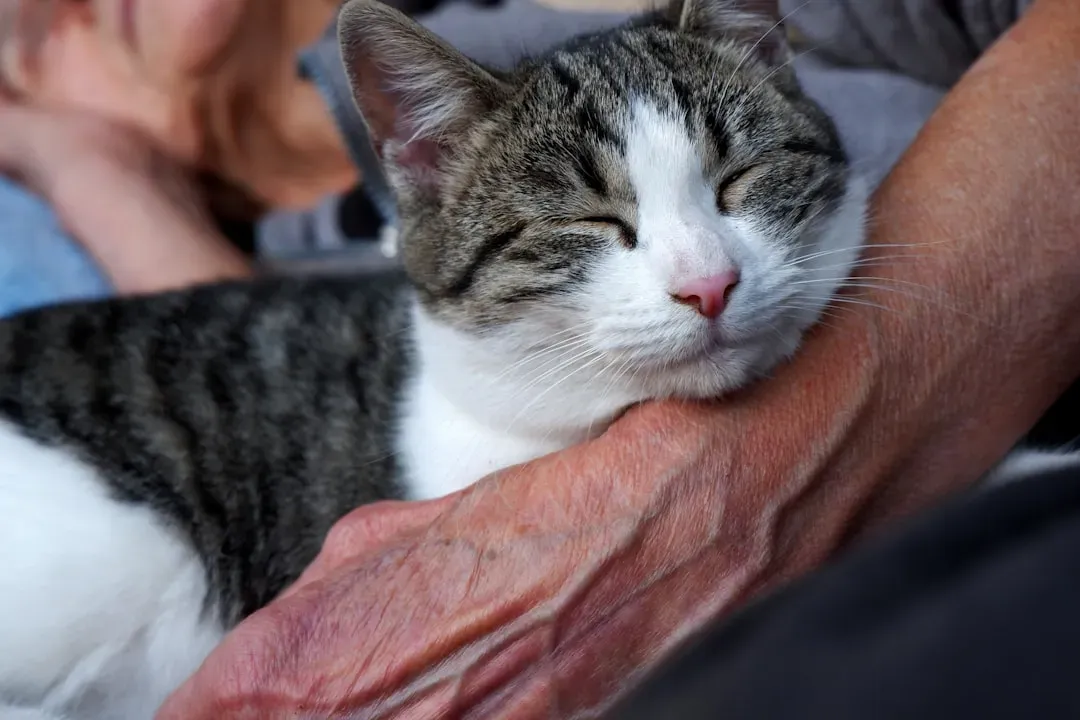
Loneliness isn’t just uncomfortable. It carries serious health consequences, and researchers have described it in terms that demand attention. A 2025 analysis from Scientific Reports showed a clear link between pet companionship and reduced loneliness, which is one of the strongest predictors of anxiety, depression, and decreased overall wellness. Cats, specifically, have shown promise in addressing this gap.
A HABRI-funded feasibility study suggests that fostering a shelter cat may contribute to alleviating loneliness and improving mental health in older adults living independently alone. Researchers noted that cats are a good option for older adults because they are more self-sufficient than dogs but still social enough to engage their owners in play and conversation. Unlike dogs, they don’t require walks or intense physical exercise, which makes them suitable companions for owners with arthritis, heart disease, and other health conditions. The fit is practical as much as it is emotional.
Cats Ease Symptoms of Anxiety and Depression
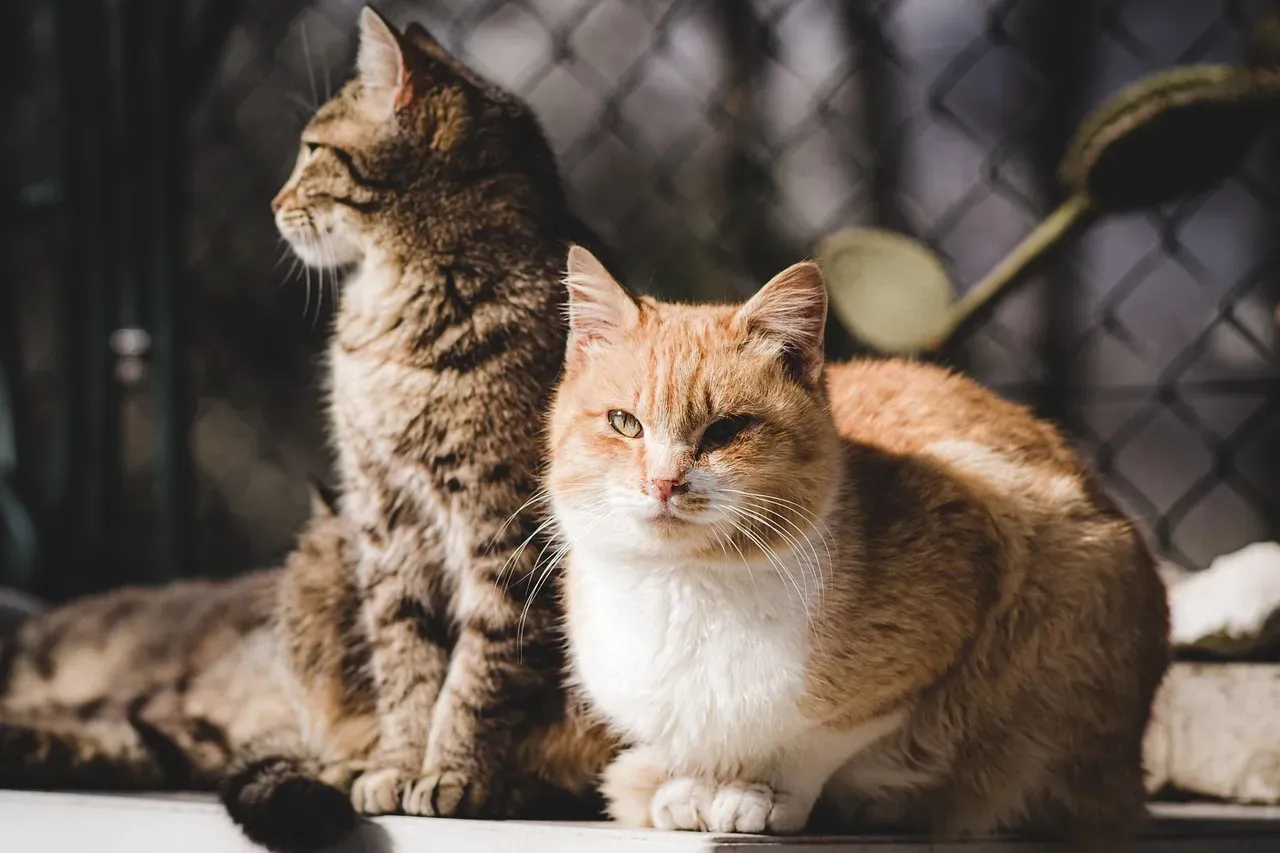
Anxiety and depression affect vast numbers of people globally, and while professional treatment remains essential, there is growing evidence that a cat’s presence can offer meaningful supplementary support. One of the most valuable ways cats improve mental health is by alleviating symptoms of depression. Their non-judgmental nature and constant presence offer comfort. Petting a cat can lift the spirits, while their playful antics may bring moments of joy and laughter. This daily interaction can be enough to combat feelings of hopelessness and help foster a sense of purpose.
Cats offer a unique form of unconditional love and acceptance. They don’t judge; they simply offer affection and companionship on their own terms. This non-judgmental presence can be incredibly therapeutic, fostering feelings of self-worth and security. That kind of steady, uncritical companionship is rarer than it should be, and for people moving through difficult emotional periods, it can feel genuinely sustaining.
Cats Encourage Mindfulness and Present-Moment Awareness
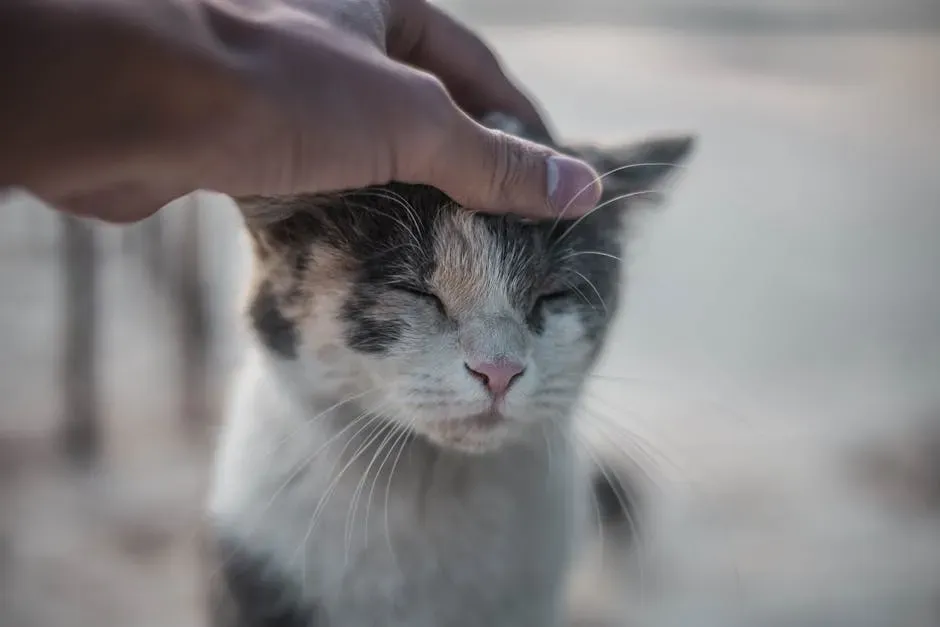
Cats are, in a sense, devoted practitioners of presence. They don’t ruminate over yesterday or plan for next week. They simply exist, fully, in whatever moment they’re in. Cats are natural mindfulness teachers. They are fully present in every moment, whether basking in a sunbeam, watching birds outside a window, or chasing a toy. Observing a cat’s behavior can remind you to slow down and appreciate simple pleasures. Their calm, deliberate actions and serene demeanor often inspire their owners to mirror those qualities.
Engaging with pets creates a sensory experience. The softness of fur, rhythmic purring, or even the sound of movement provides grounding sensations that help people focus on the present moment rather than their worries. Therapists often describe this kind of anchoring to the senses as a core technique in managing anxiety. With a cat, it happens naturally, without any deliberate effort on your part.
Cats Support Emotional Bonding and Social Connection

The relationship between a person and their cat is more emotionally complex than the popular image of feline indifference suggests. In a study of 1,800 Dutch cat owners, half said their cat was family. One in three viewed their cat as a child or best friend and found them loyal, supportive, and empathetic. Another US study developed a “family bondedness” scale and found cats were just as important a part of families as dogs.
This cross-species bonding may benefit human-to-human relationships. For cat lovers, their cat can be part of their social network, and when someone, human or animal, makes you feel good and connected, it builds up your capacity for kindness and generosity. Cats often become a natural topic of conversation, whether with neighbors, friends, or even strangers. People are more likely to engage in conversation about a cat, which can lead to more frequent and meaningful social interactions. The bond ripples outward in ways that are easy to underestimate.
Cats Offer Cognitive Benefits, Especially as You Age
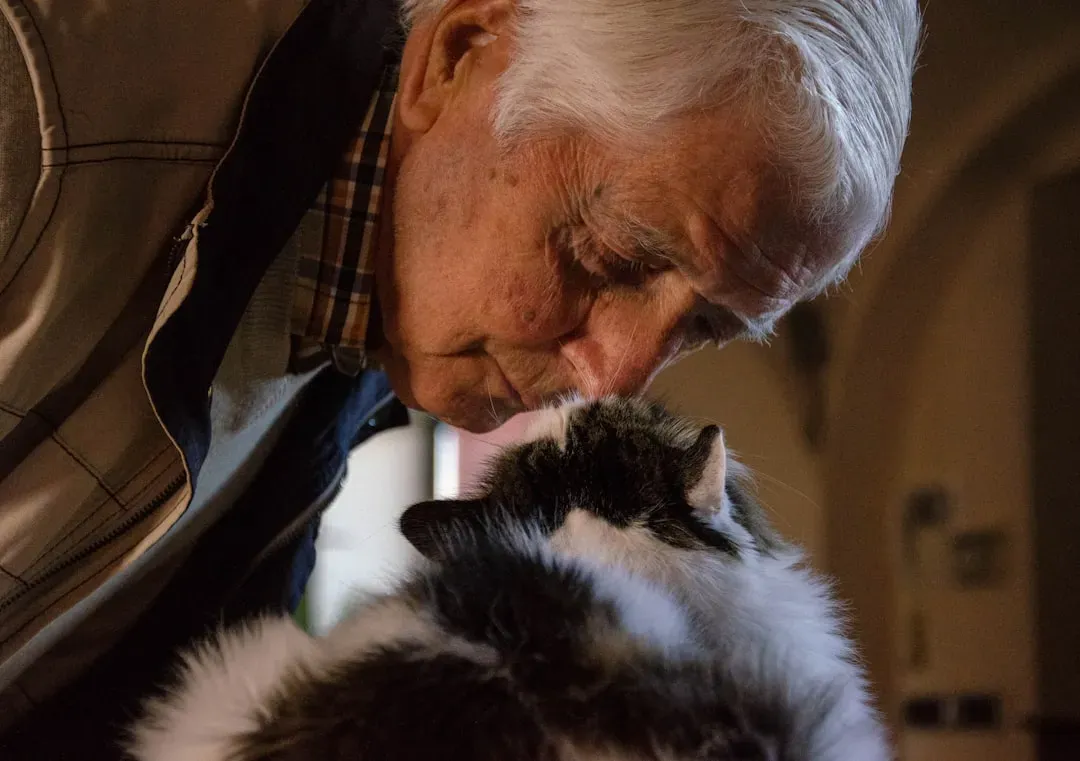
Mental sharpness is something most people want to protect as they get older, and the daily demands of cat ownership may quietly contribute to that goal. Owning a pet, particularly a cat, involves various responsibilities that can help stimulate cognitive functions, which is crucial for maintaining mental sharpness as we age. From tracking feeding times to noticing behavioral changes in your cat, the small decisions add up.
Interacting with a cat stimulates the senses, including sight, sound, and touch, which in turn keeps the brain active. The softness of a cat’s fur, the sound of purring, and the visual cues from the cat’s behavior all contribute to sensory stimulation, which is vital for cognitive health. Pet ownership can have significant mental benefits for seniors, including improved cognitive function, reduced stress levels, and enhanced emotional well-being. Studies have even indicated that seniors with pets tend to have better overall cognitive function and memory retention compared to those without animal companions. For older adults in particular, these benefits carry real long-term value.
Conclusion
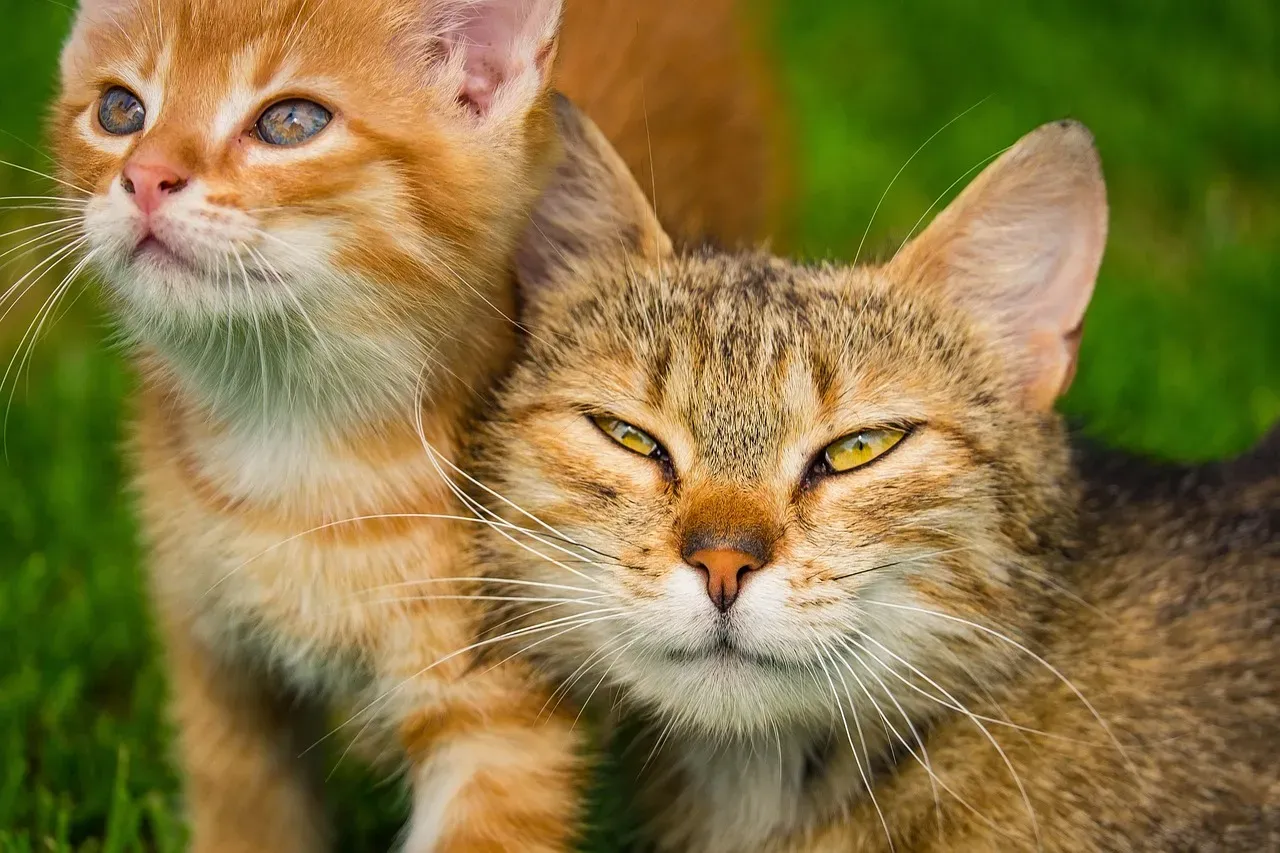
The science behind cats and mental well-being has grown considerably in recent years, and the picture it paints is both reassuring and grounded. Cats reduce your stress hormones, buffer you against loneliness, anchor you in the present moment, and offer a form of companionship that asks very little in return. They won’t solve every problem you carry, and they’re certainly not a substitute for professional mental health care. But as a daily, low-maintenance source of emotional support, they’re surprisingly effective.
What’s easy to overlook is just how much of this happens without any deliberate effort on your part. You don’t need to do anything particularly special. You simply need to be there, and so does your cat. In a world that often overcomplicates wellness, that quiet simplicity might be the most compelling thing about them.
Kristina is a young writer from India. An arts graduate and an avid content creator, Kristina is passionate about animals and wildlife. She enjoys exploring topics related to pet care, animal behavior, conservation, and nature, combining thorough research with engaging storytelling.