Bringing a new cat home is exciting. You’ve picked them out, maybe even named them on the drive back. The harder part comes next – figuring out how to make your resident cats feel like this wasn’t an ambush on their territory.
Cats are naturally territorial, and this territorialism can manifest as apparent aggression when a resident cat tries to “defend” their home range and associated resources. That’s not bad behavior. That’s just cat. The good news is that with a measured, step-by-step approach, most households can reach something between a peaceful coexistence and a genuine feline friendship.
1. Set Up a Dedicated Safe Room for the Newcomer
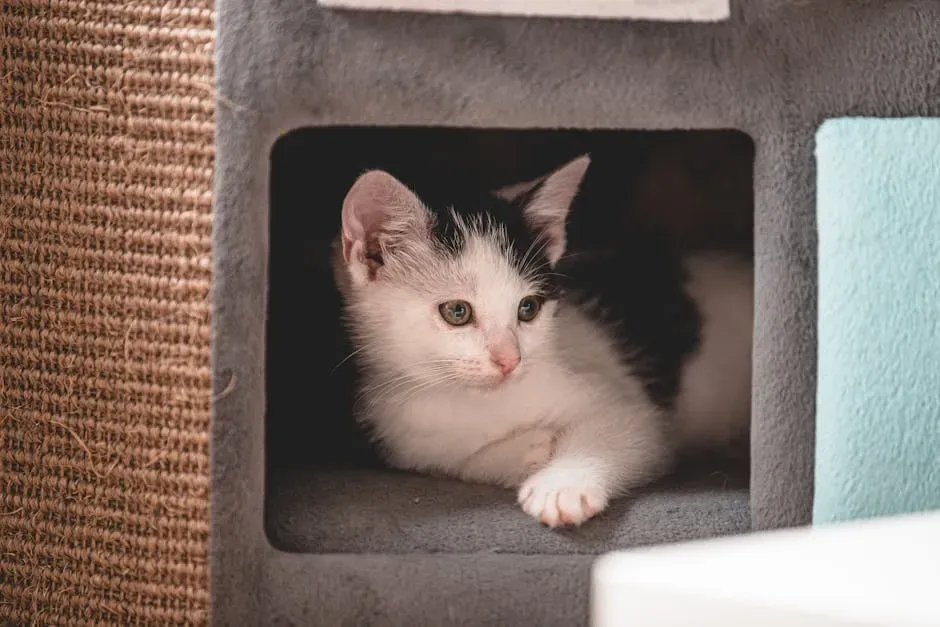
Before your new cat even walks through the front door, their space needs to be ready. A few days before bringing your new cat home, select a room your resident cat doesn’t often use and set it up with the new cat’s essentials: bedding, cat trees and perches with a view outdoors, toys, food and water bowls, and a litter box. This gives the newcomer a territory of their own from day one.
The new cat must be immediately confined to a single room that contains everything they need – food, water, a litter box, a scratching post, and comfortable resting spots. The resident cat should not have access to this room. This separation prevents immediate conflict and allows the new cat to establish a secure territory where they feel safe, while also giving them time to acclimate to the general sounds and smells of the household from a distance.
The day the new cat comes home, take them directly into their new room without allowing any contact with the resident cat. Even visual contact between cats can cause stress and start the relationship off negatively. It sounds strict, but that first impression really does matter.
2. Start With Scent Swapping Before Anything Else

Cats rely on their sense of smell more than any other sense. They can detect things about their environment and the cats that inhabit it from just a whiff of scent. Cats leave each other “calling cards” through urine marking and pheromone deposits, communicating information like who’s in their territory and how recently they passed through. This makes scent the single most important tool in your introduction toolkit.
Scent swapping is the process of collecting one cat’s scent on an object and presenting it to the other cat in a controlled, non-threatening way. You take a piece of bedding, a soft toy, or even a sock that one cat has slept on and place it in the other cat’s area, doing this for both cats by exchanging their scented items. This allows them to “meet” through smell long before they ever see each other – a passive, low-stakes exchange of information with the goal of making the other cat’s scent feel normal and non-threatening.
Swapping food bowls between the cats is another effective technique, as they’ll start to associate the positive act of eating with the scent of the other cat. That’s a simple but genuinely clever move.
3. Use Feeding Time to Build Positive Associations

Feed the cats on opposite sides of the same door. At the next meal, place the two cats’ bowls on either side of the door to that room. The aim is for the cats to associate the pleasurable activity of eating with the presence of the other cat. Gradually move the bowls closer with each feeding. You’re essentially conditioning them to link “other cat nearby” with something they already love.
Switching your existing cat to scheduled meal feeding rather than free-feeding is foundational to this process. Once scheduled mealtimes are established, it sets the stage for both your existing cat and your newcomer to experience a shared, ritualistic routine – they get fed around the same time, a set number of times per day. This routine creates calm predictability, which both cats benefit from during an otherwise unsettling transition.
4. Let Them Explore Each Other’s Territory Without Meeting
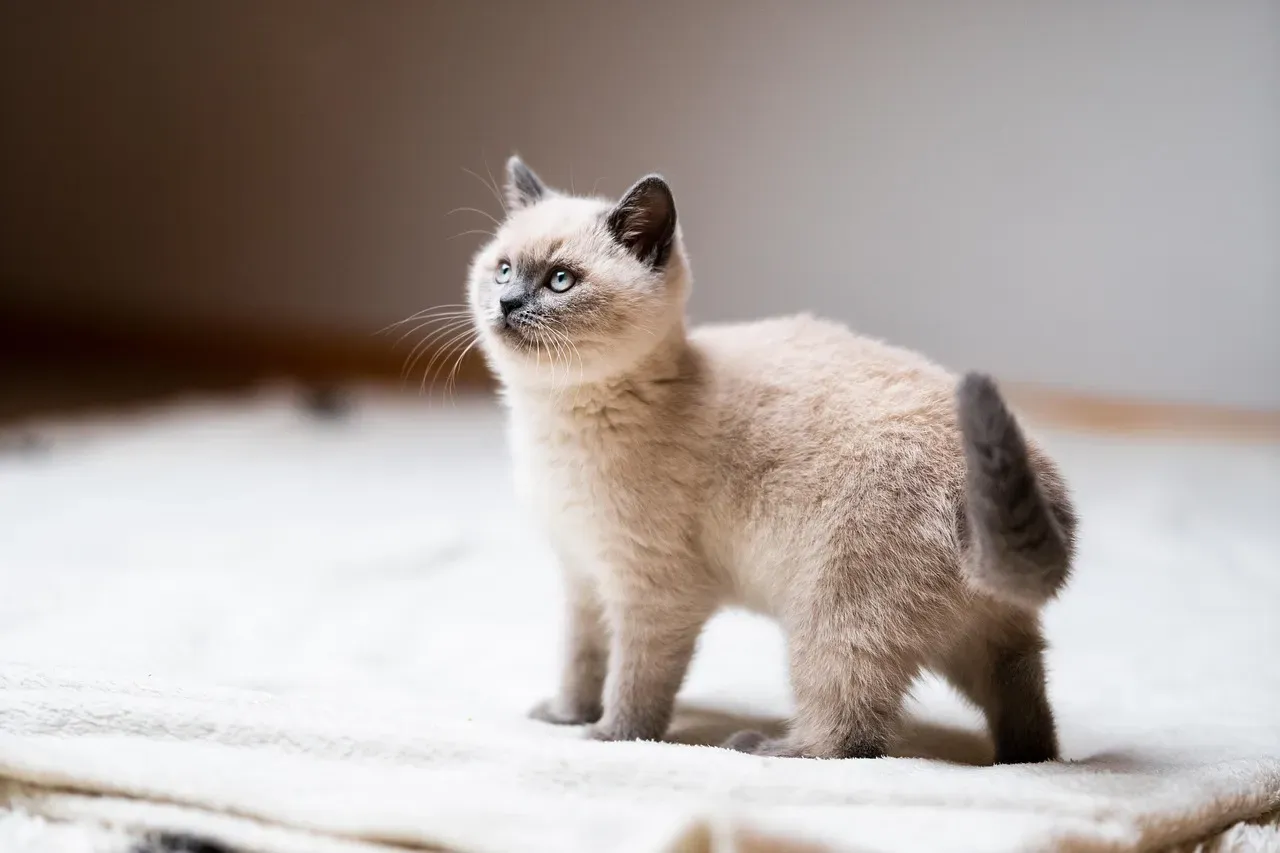
Once your new cat demonstrates a notable comfort level in their base camp, it’s time for site swapping: each cat gets to explore the other’s territory without ever laying eyes on each other. This is also an opportunity for key signposts – like cat trees and litter boxes – to take on a shared scent, which is crucial to the “getting to know you” process since so much of feline communication is based on scent.
Place the resident cat in the new cat’s base camp room and allow the new cat to explore the main part of the house for a short, supervised period of fifteen to thirty minutes. This allows them to investigate each other’s primary territory and scent marks directly, which is a significant step in their mutual investigation. Return them to their original spaces before either shows any signs of anxiety. Keep these swaps brief, calm, and consistent in the early days.
5. Introduce Controlled Visual Contact Through a Barrier

To introduce cats safely, start with gradual visual contact. You can use a baby gate, a cracked door, or a mesh screen to let them see each other without full access. Watch their body language closely and look for signs of curiosity – gentle sniffing or relaxed postures – versus signs of aggression such as hissing, growling, or a puffed-up tail. What you’re watching for isn’t perfection; it’s simply the absence of fear and threat displays.
Start with the cats far enough apart that they are completely calm. Use treats, mild interactive play with a wand toy, lots of attention, or whatever your cats love to make this a positive experience. You’re showing them that good things happen when they see each other, and giving them something to focus on besides the other cat. Start with short sessions throughout the day, five to ten minutes long, a few times daily. If your cats aren’t comfortable with five minutes, don’t force it – start with just one minute if that’s what they need.
6. Use Pheromone Diffusers as a Calming Support Tool

Whether you’re trying to calm an anxious cat or soften the introduction of a new cat to a home where others have already staked their territory, pheromone diffusers claim to promote relaxation, reduce stress, and curb unwanted habits by releasing synthetic pheromones that mimic ones naturally produced by cats. They’re not magic, but they can take the edge off for anxious animals during what is genuinely a stressful period.
Using synthetic feline pheromones can offer several benefits, including reducing stress and anxiety in situations such as the introduction of a new pet. Pheromones are not a substitute for providing a safe, secure, and enriched environment for cats. Especially in multi-cat households, pheromone diffusers can be of some help but are never the sole solution to behavior problems or conflict between cats. Think of them as a helpful layer on top of your structured introduction process, not a replacement for it.
7. Use Positive Reinforcement and Keep Your Resident Cat’s Routine Intact

During introductions, reward both cats with treats when they display calm behavior. Cats learn best through positive reinforcement, which is defined as giving a desirable reward to increase the likelihood of a behavior recurring. Favorite rewards for cats include delicious treats, interactive play, and petting or grooming. The reward must be desirable to that individual cat and should be given immediately – within three seconds – so you don’t inadvertently reinforce an unrelated behavior.
Maintaining your resident cat’s routine during the introduction process is essential. Cats thrive on predictability, and any disruption can lead to stress or anxiety. Keep feeding times, play sessions, and cuddle time consistent. This continuity helps reassure your resident cat that they’re still your priority. Give special attention to the resident cat to reassure them of your loyalty, and give the new cat loving attention only during the resident cat’s absence until such time as they become true friends.
Conclusion: Patience Is the Real Strategy

Introductions, when done properly, can take more time than expected. Building a relationship for some cats may take a few hours or up to a few months. Every cat is different, and the timeline is theirs to set, not yours.
Keep in mind that “success” doesn’t necessarily mean your cats will become best buddies. Some cats become bonded to one another, while others spend the rest of their lives avoiding and hissing at each other. A household where both cats feel safe, eat well, and move around freely without fear – that is already a win worth protecting.
The seven steps above aren’t really about forcing a friendship. They’re about removing the obstacles to one. You set the conditions, remove the pressure, and let your cats figure out the rest. Most of the time, given enough space and time, they surprise you.
Kristina is a young writer from India. An arts graduate and an avid content creator, Kristina is passionate about animals and wildlife. She enjoys exploring topics related to pet care, animal behavior, conservation, and nature, combining thorough research with engaging storytelling.