Cats have lived alongside humans for over ten thousand years, yet they remain among the most misunderstood animals we share our homes with. Somewhere between ancient folklore and modern memes, a whole collection of assumptions about feline personality has taken root, and most of them are simply wrong.
The gap between what people believe about cats and what researchers actually find is surprisingly wide. People’s expectations of cats and their ability to interpret their behavior are influenced by pervasive myths that often paint cats as “low maintenance, self-sufficient” animals, in stark contrast to other popular pets. Getting these things right matters more than you might think, because the way you understand your cat shapes the way you care for them.
Myth 1: Cats Are Naturally Aloof and Don’t Form Real Bonds
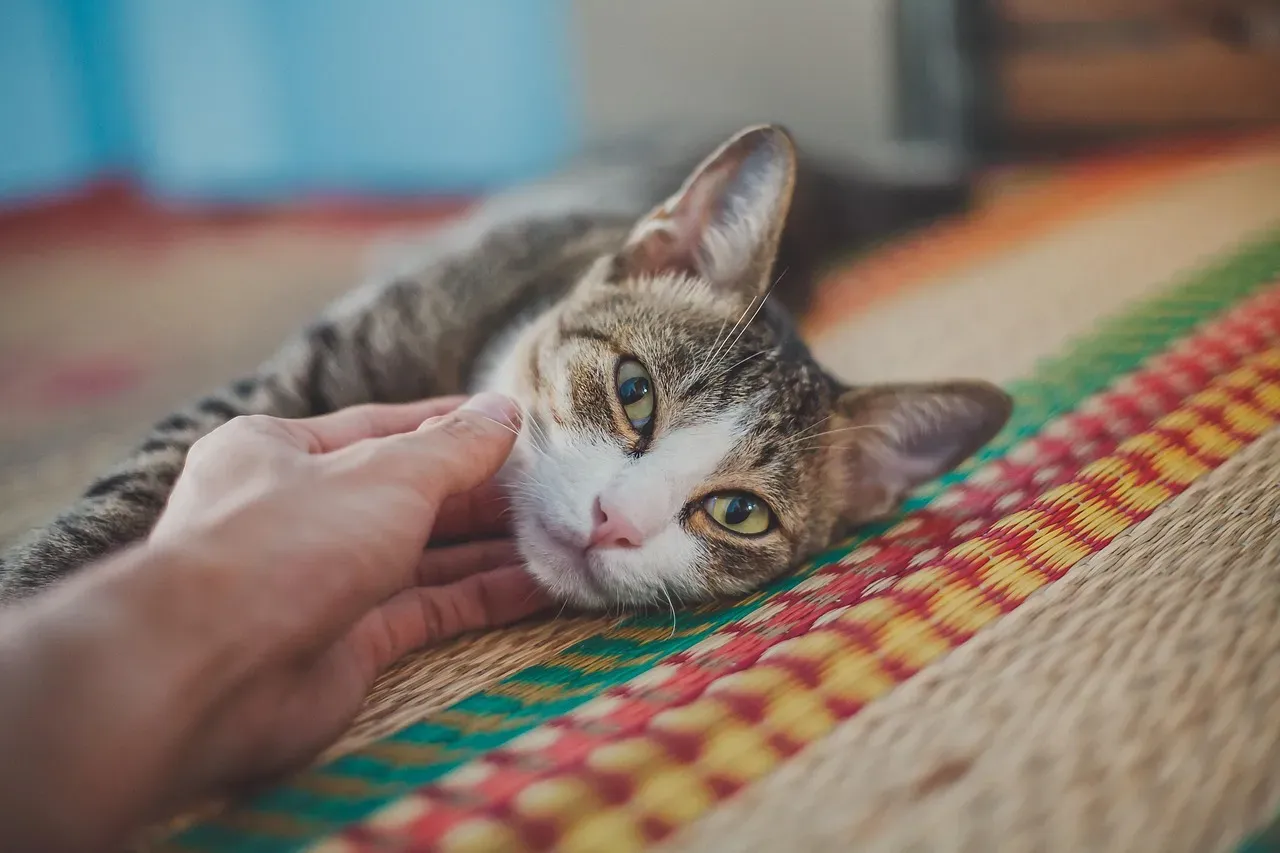
This is probably the most persistent myth of them all. One of the most persistent myths about cats is that they’re cold, distant creatures who don’t form strong bonds with their human companions. It’s a reputation that has stuck for generations, often causing people to underestimate the depth of what’s actually happening between a cat and their owner.
While cats may often be perceived or described as being aloof and independent, the truth is, in fact, much more complex. Most actually appear to have close attachments to their owners who they turn to as a source of safety and security, just the same as dogs do. Research from Oregon State University found that when 38 adult cats were assessed, almost 66% displayed secure attachment. The authors concluded that typical indicators of attachment relationships between cats and their owners were displayed, including seeking contact, distress on separation, and reunion behaviors.
Myth 2: Cats Are Solitary Animals Who Prefer to Be Alone
One of the most enduring myths about cats is that they are solitary animals who prefer to live and hunt alone. While it’s true that cats are more independent compared to dogs, they are not inherently solitary creatures. The label “solitary” comes from a misreading of their evolutionary background, not their social reality.
Domestic cats have complex social structures and form strong bonds with their human caregivers and other pets in the household. They engage in social grooming, play, and even communicate with each other through vocalizations and body language. Research has shown that cats can develop close relationships with both humans and other animals, debunking the myth of their solitary nature. As cat behavior specialist Pam Johnson-Bennett notes, cats have the inaccurate label as solitary. They are solitary hunters but not solitary animals. Their social structure is centered around resource availability and safety.
Myth 3: A Cat That Doesn’t Sit on Your Lap Doesn’t Like You
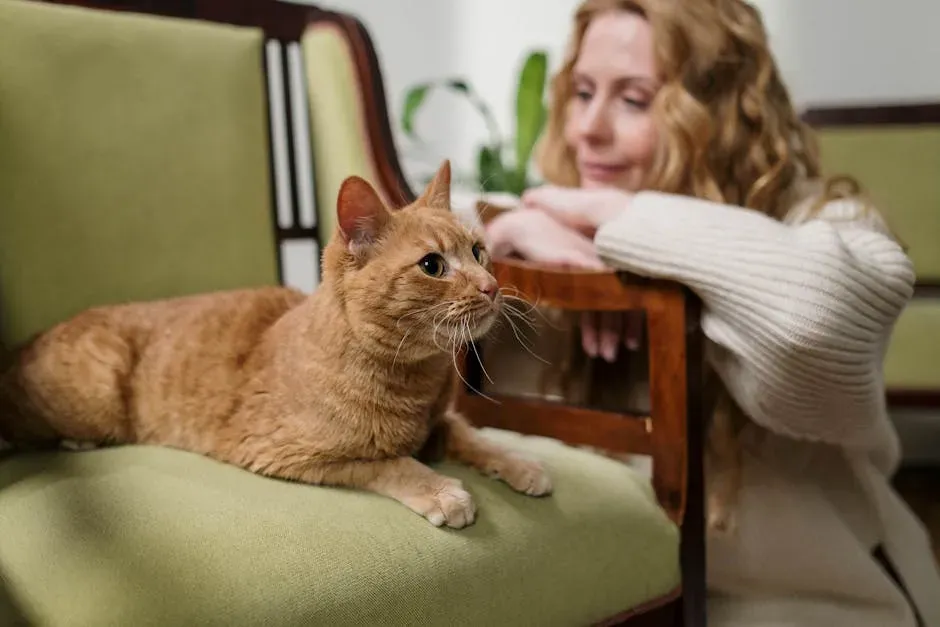
You might feel a little rejected when your cat walks past you and curls up on the opposite end of the sofa. That reaction is understandable, but it’s based on a misunderstanding of how cats actually communicate affection. The truth is that cats show affection differently than dogs. While dogs are often overtly enthusiastic, cats tend to express their love in more subtle ways.
Cats show their love in many ways, like purring, kneading, slow blinking, rubbing up against your legs, and following you from room to room. Each cat is unique, so even if your feline friend isn’t a lap cat, they may show you affection in a different way. Your cat doesn’t have to be a lap cat to be affectionate. They may enjoy sitting next to you or maybe even a few inches away, but that doesn’t mean they’re not affectionate.
Myth 4: Cats Are Nocturnal Creatures
If your cat has ever launched across your face at three in the morning, you’d be forgiven for assuming they operate on an opposite schedule to you. The reality is more nuanced than that. Cats’ bursts of energy at night can give the impression they are nocturnal. In fact, domestic cats are crepuscular, meaning they are most active during twilight hours – dawn and dusk. These activity patterns stem from their wild ancestors’ hunting routines.
Birds and mice are very active at dawn, and cats evolved to take advantage of this by developing the ability to see in low-light conditions. They get the bulk of their hunting done while it’s mostly, but not entirely, dark. If your cat’s evening antics are a problem, consider a play session right before bed and feeding them a small amount – this can re-create the natural hunting cycle, allowing them to ease into the evening.
Myth 5: Cats Don’t Experience Separation Anxiety
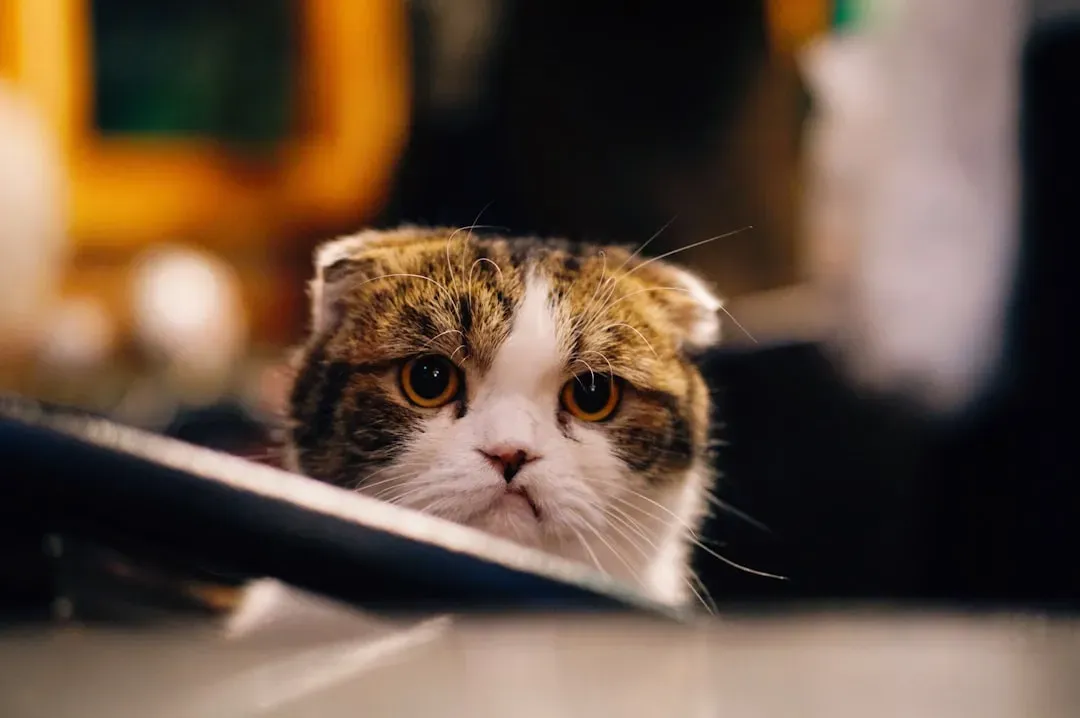
This myth does real harm because it leads owners to dismiss signs of distress as quirky behavior or simple mischief. Many people misjudge cats as loners and think that if you set them up with an automatic feeder and enough water they can be left home alone for a few days. Experts in cat behavior say cats can get separation anxiety just like dogs. They crave attention and love having their family around, even though they may not show it in the most obvious way.
Separation anxiety is much less likely to be diagnosed in cats than in dogs, even though there is evidence to suggest that cats can suffer from this condition. In attachment tests, cats show almost identical search patterns, vocalizations, and other signs of separation distress to dogs upon an owner’s departure. Furthermore, cats can experience distress when their social needs in relationships with humans are not met. Cats with fewer interactions with people and longer periods of time left alone displayed higher numbers of problematic behaviors and were perceived to have higher anxiety levels.
Myth 6: Cats Are Impossible to Train

People repeat this myth so often that many cat owners never even try to train their pets, which is genuinely a loss for both parties. While it’s true that cats have their own unique personalities and may require a different approach to training compared to dogs, they are indeed capable of learning and responding to positive reinforcement techniques. With patience, consistency, and the use of rewards such as treats or praise, cats can be trained to perform a variety of behaviors, including sitting, coming when called, and using a litter box. Training sessions should be kept short and engaging, taking into account the cat’s individual preferences and limitations.
Contrary to the widespread myth, cats are trainable and can learn tricks through positive reinforcement, much like dogs. Cats can learn to sit, fetch, or even compete in agility courses if training is approached with patience, consistency, and rewards like treats or toys. Training enhances the bond between owner and cat while providing cognitive benefits for the feline. The key is adjusting your expectations and working with your cat’s natural motivation rather than against it.
Myth 7: Purring Always Means Your Cat Is Happy
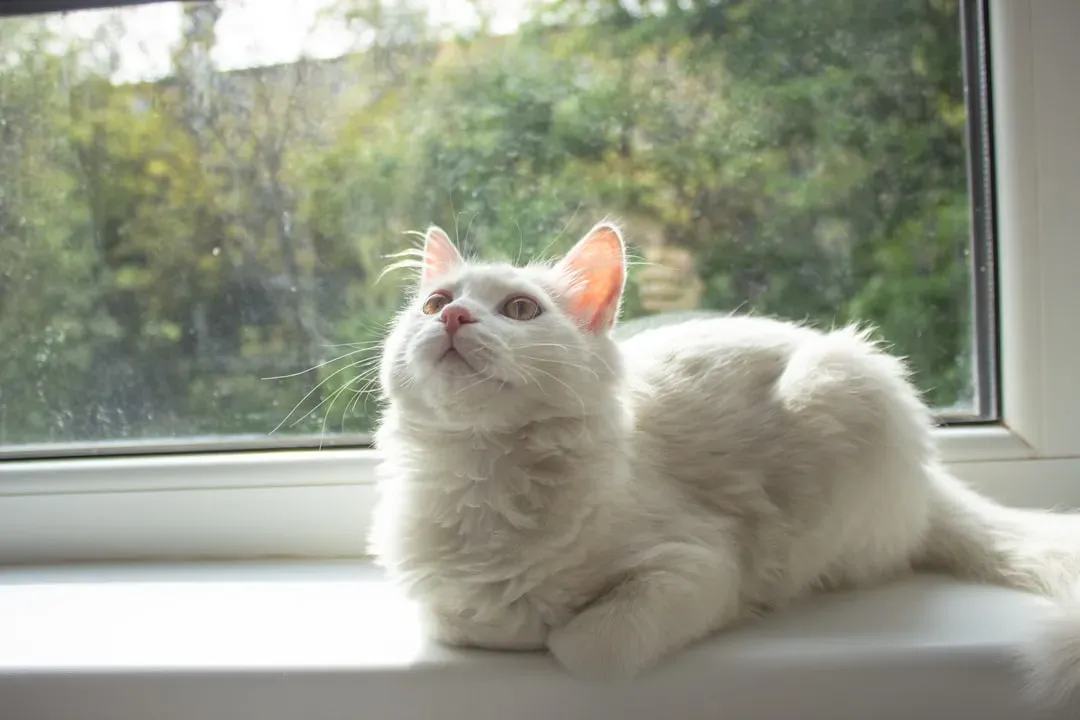
Few sounds are as comforting as a purring cat settled beside you. It feels like approval, or even contentment. The problem is that purring is considerably more complex than a simple happiness signal. We all imagine that purring means a happy cat, which makes sense – it’s the most common reason for purring. It’s not the only one, though: purring can express contentment but can also mean a number of other things. In some cases cats purr when they’re stressed – it can be a way of self-soothing. Cats also purr when they’re in pain for the same reason.
Though many assume that purring is a clear sign of contentment, cats also purr in other circumstances such as when they are anxious, sick, or even in pain. Scientists believe that purring has self-healing properties, as the sound frequency of a cat’s purr may promote healing of bones and tissues. Therefore, while a cat’s purr can indicate happiness, it is essential to observe other behavioral signals for a full picture of a cat’s emotional state.
Myth 8: Cats Are Low-Maintenance Pets That Need Minimal Care
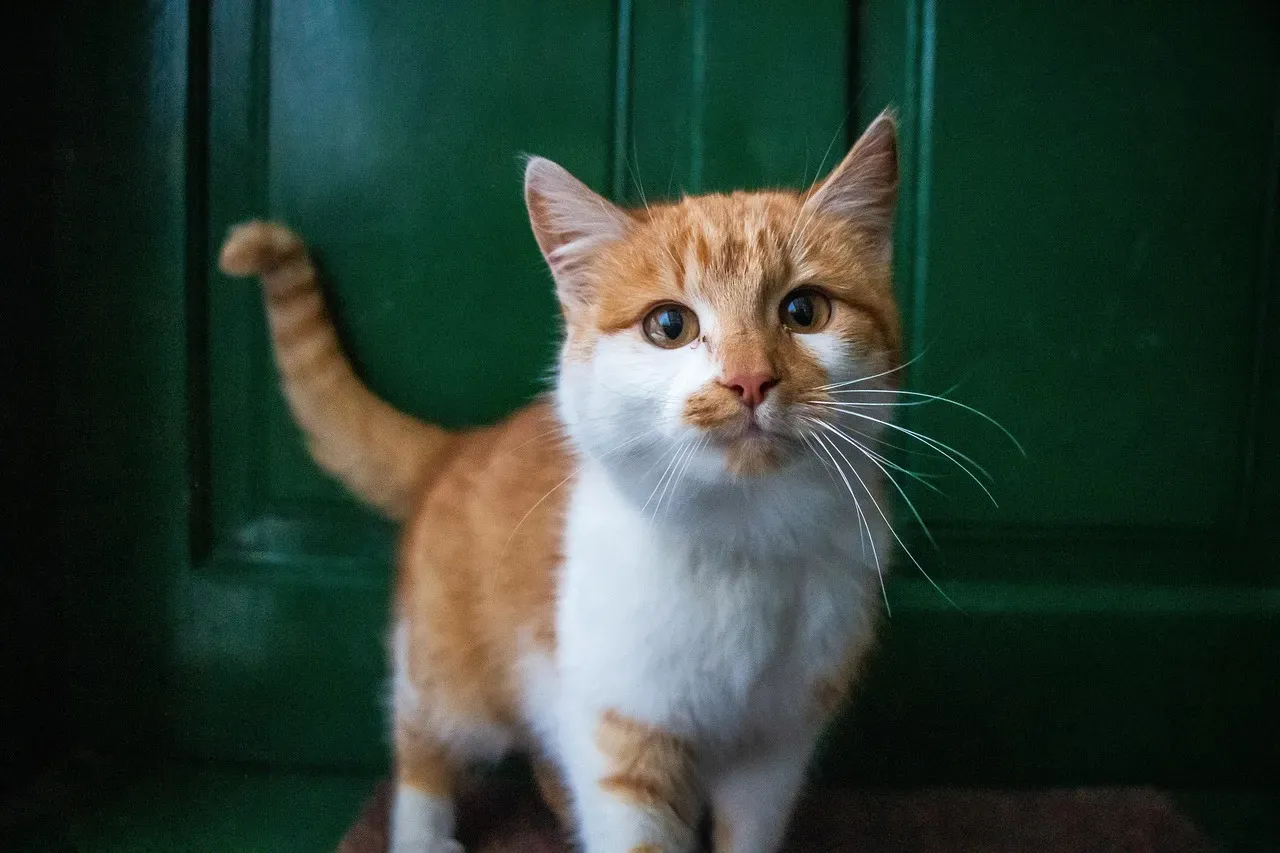
The idea that you can largely leave a cat to its own devices is one of the most consequential myths on this list. It shapes how people prepare for cat ownership and, in many cases, leads to animals that are chronically understimulated. Cats require daily feeding, grooming, and litter box maintenance, as well as regular veterinary check-ups to ensure their health and well-being. While it’s true that cats are generally more independent than dogs and don’t require regular walks or outdoor excursions, they still need adequate care and companionship to thrive.
People’s expectations of cats and their ability to interpret their behavior are influenced by pervasive myths that often paint cats as “low maintenance, self-sufficient” animals. While it’s true that in general, cats can be kept home alone for longer periods than dogs, they are still dependent on us and are not low-maintenance companions. The misconception that cats are independent and require little or no care causes many of them to suffer needlessly both physically and emotionally.
Myth 9: All Cats Have the Same Kind of Personality
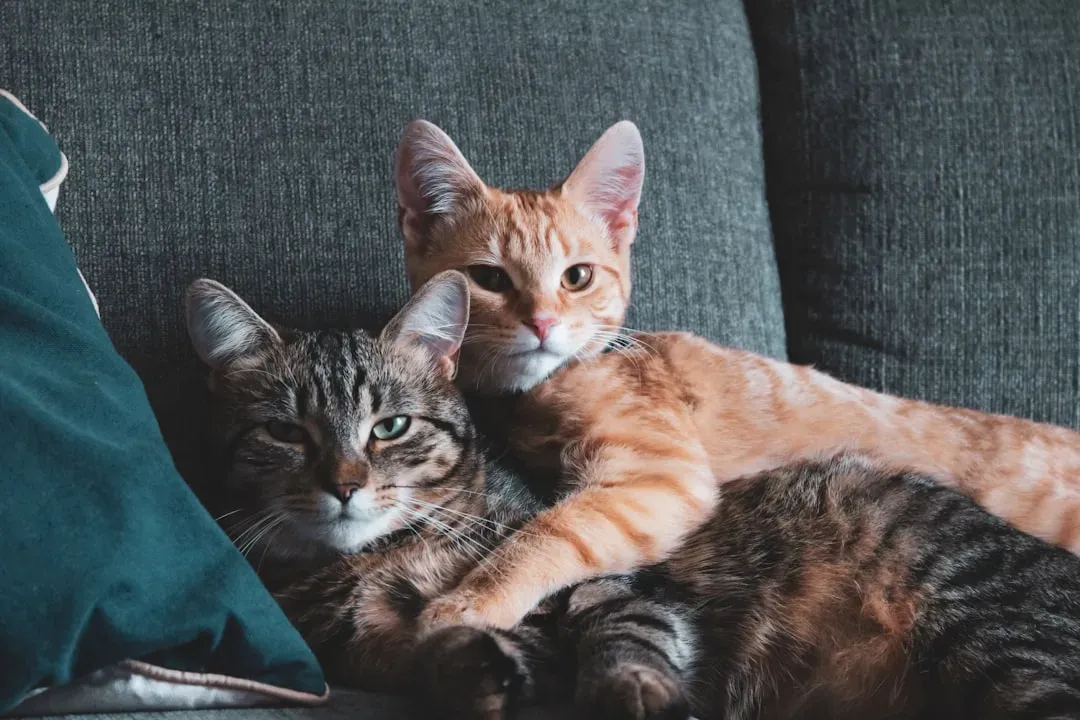
Lumping all cats under one behavioral umbrella is a bit like assuming all people have the same temperament just because they’re human. It doesn’t hold up. Researchers at the University of South Australia developed the Feline Five model, which categorizes cat personalities based on behavioral data from thousands of cats. This model shows that feline personalities are as complex and varied as human ones.
Research has identified five primary personality traits in cats: neuroticism, extraversion, dominance, impulsiveness, and agreeableness. Studies also suggest that a cat’s personality can influence their health and well-being. For example, sensitive cats may be more prone to stress-related conditions like urinary tract issues, while more playful cats may need more exercise to prevent obesity. By understanding your cat’s personality, you can tailor their care to promote a long, healthy life.
Myth 10: Cats and Dogs Can Never Get Along

The classic “cats versus dogs” narrative is so embedded in popular culture that many people treat it as biology. In practice, it’s far less cut-and-dried. Despite the stereotypes, many cats and dogs can learn to live together peacefully, and some even develop strong friendships and bonds. The key is patience and positive reinforcement. Introduce your cat and dog slowly so they have time to become comfortable together. Start by keeping them separate and letting them get used to each other’s scent.
When conditions are right, both species can express friendly behavior towards each other. The compatibility between dogs and cats is influenced by several factors, such as the personality of the individuals, early socialization, and environmental factors. A study carried out in Israel to evaluate interrelationships between dogs and cats living together revealed that, in most of the homes evaluated, dogs and cats demonstrate a friendly relationship, usually visible through mutual play.
Myth 11: A Cat’s Personality Is Fixed and Cannot Be Influenced

There’s a fatalistic streak in how many people think about cats: either your cat is friendly or it isn’t, and there’s nothing much you can do about it. Research tells a more hopeful story. Cat behavioral problems, which are often rooted in anxiety, fear, and social stress, are regularly given as reasons for their abandonment and relinquishment. A better understanding of cat behavior, and an appreciation for each cat’s individuality, will benefit cats as well as caretakers.
Higher owner extroversion was associated with an increased likelihood that the cat would be provided access to the outdoors. Higher owner conscientiousness was associated with the cat displaying less anxious, fearful, and avoidant behaviors, but more gregarious behavioral styles. In short, how you engage with your cat, the environment you create, and the consistency you offer all shape who your cat becomes over time. Your cat spends a great deal of effort getting to know you as a companion, so if you do the same, you increase your chances of having the relationship you’ve always wanted with your feline family member. Cats are marvelous communicators and tell you so much through body language. Paying attention to your cat’s signals will help you create a stronger, more trusting bond.
Conclusion: Your Cat Deserves Better Than the Myths

Every myth on this list has real consequences. When you believe your cat doesn’t care about you, you invest less in them. When you believe they’re low-maintenance, you provide less enrichment. When you believe they’re untrainable, you never try. Viewing cats as asocial can harm them, as their caretakers are less likely to provide affection, exercise, hair brushing, toys, and veterinary care.
Cats are complex, fascinating creatures with individual personalities and preferences. When we move beyond misconceptions and learn to appreciate cats for who they really are, we can build stronger bonds and provide better care for our feline friends. The science is increasingly clear on all of this, and what it points to is simple: your cat is paying more attention to you than you probably realize. The question is whether you’re returning the favor.
Kristina is a young writer from India. An arts graduate and an avid content creator, Kristina is passionate about animals and wildlife. She enjoys exploring topics related to pet care, animal behavior, conservation, and nature, combining thorough research with engaging storytelling.