Most cat owners have had this experience: you hear that familiar retching sound from across the room, brace yourself, and clean up what you assume is just another hairball. You shrug it off, move on with your day, and don’t give it another thought. It’s just what cats do, right?
Not exactly. Vomiting in cats can be due to many underlying health issues, so it’s important to make note of what additional symptoms your cat is showing, the color of the vomit, and when it’s time to call your veterinarian. Your cat’s body is communicating something every single time it vomits. The question is whether you’re paying attention to the message.
Vomiting vs. Regurgitation: Two Very Different Things
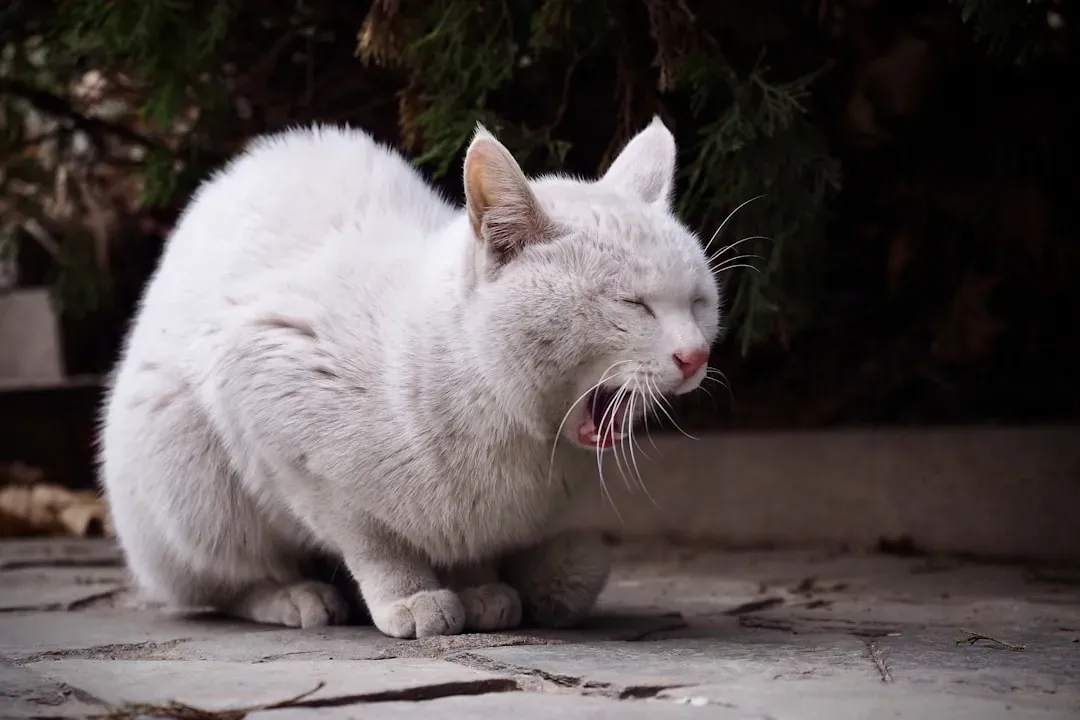
Many cat owners use the words “vomiting” and “regurgitating” interchangeably, but they describe entirely different physical processes with different implications for your cat’s health. Vomiting is the active motion of ejecting contents from a cat’s stomach and small intestines out through their mouth, while regurgitation is a passive motion where no force is needed to eject contents.
Regurgitation is passive and often happens soon after eating. It usually involves undigested food and does not include retching or abdominal effort. Vomiting, by contrast, is an active process and can involve heaving, abdominal contractions, and more bile or stomach fluid. Knowing which one you’re looking at can help your vet pinpoint the cause much more quickly.
The Truth About Hairballs
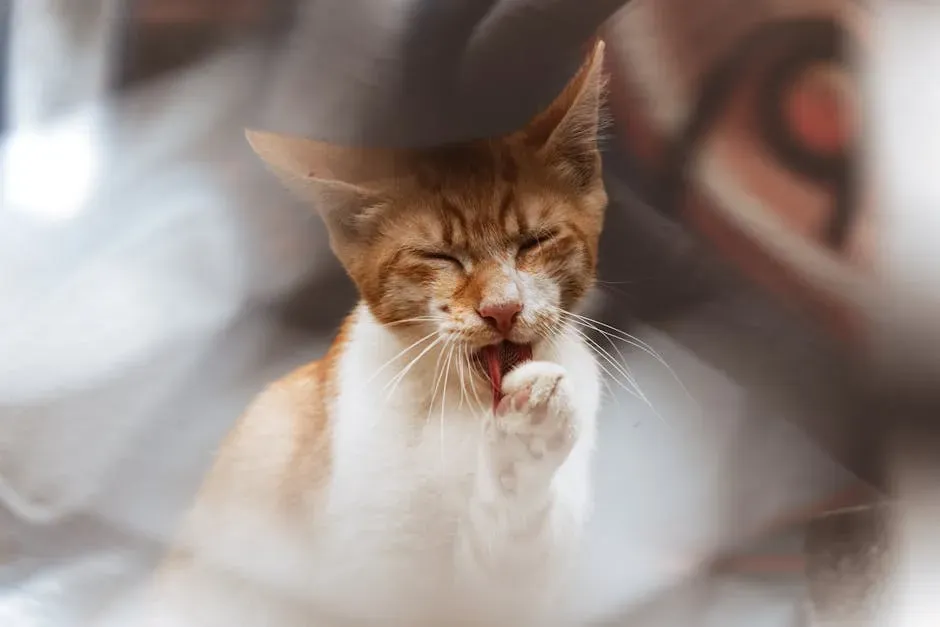
Hairballs are a culmination of the hair your cat swallows during grooming, which clumps together in the stomach and irritates its sensitive stomach lining. Your cat then vomits this hair instead of passing it through the digestive tract normally. Occasional hairballs in an otherwise healthy cat may not raise red flags.
Here’s where it gets more complicated, though. Current studies have confirmed that many cats with routine vomiting of hairballs often have chronic forms of significant gastrointestinal disease when assessed for the chronic vomiting. In other words, cats who are grooming a normal amount but vomiting hairballs frequently usually have an underlying disease. In these cases, the actual hairballs are not the cause of the frequent vomiting, but are just “innocent bystanders” that are just part of what the cat is bringing up.
What Vomit Color Is Really Telling You
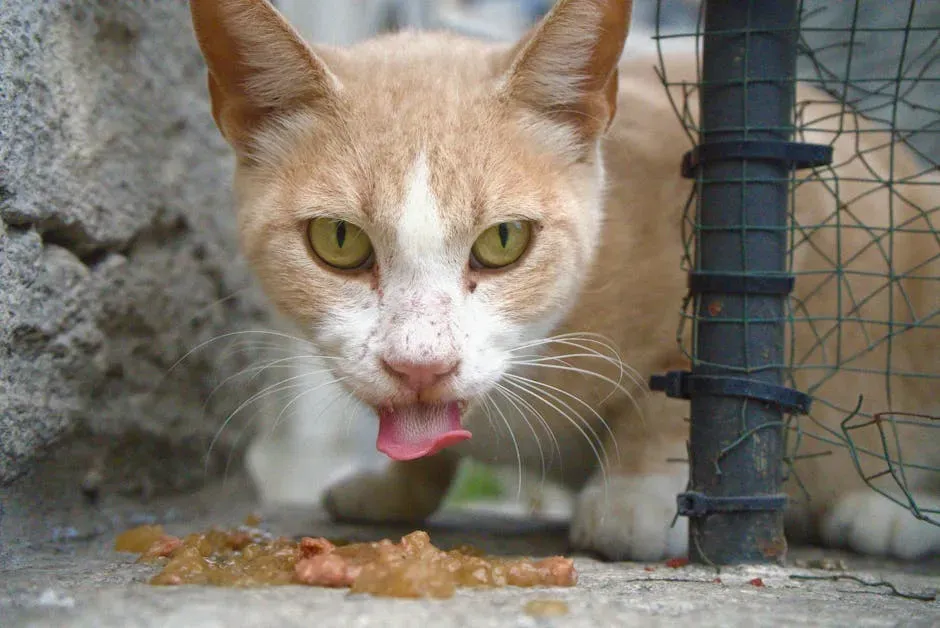
Vomit color offers direct clues about what happens inside a cat’s digestive system. The stomach and intestines release different fluids during irritation, and those fluids change the appearance of what comes up. By observing the shade and texture, vets can narrow down the source of the problem.
Cats will vomit bile, which appears yellow, when they have an empty stomach. This can happen if you are only feeding your cat in the morning and they go many hours without food, or it can happen when cats are anorexic. White foam in cat vomit is often seen because the lining of the stomach and/or small intestines is inflamed from an underlying issue. Vomit that looks like coffee grounds means your cat is bleeding from the upper digestive tract or stomach and may indicate ulcers. When you see anything that looks like blood, that’s not a wait-and-see situation.
When Eating Too Fast Is the Culprit
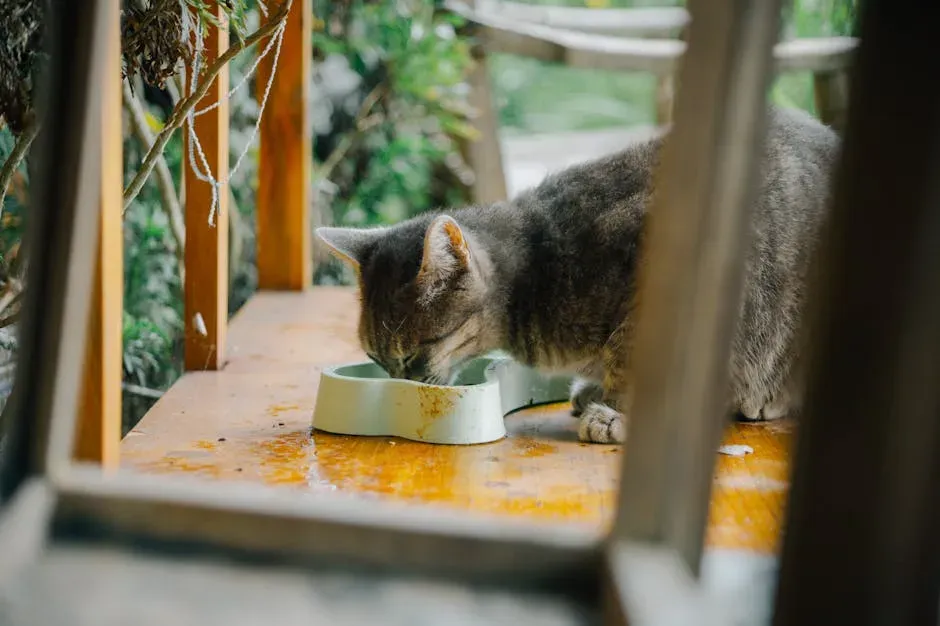
Cats may vomit after overeating due to the stomach being stretched beyond its normal capacity, triggering the vomiting reflex. When this happens, they may experience discomfort and bloating. This is one of the most benign and fixable causes of cat vomiting, but it’s still worth addressing.
Cats who eat too fast may regurgitate their meal shortly after. Unlike vomiting caused by illness, this tends to happen minutes after eating and often includes undigested food. Meal puzzles or slow feeders can help manage this behavior. If your cat regularly inhales their food and brings it back up within minutes, a slow feeder bowl is a practical, low-cost fix worth trying before assuming anything more serious is happening.
Food Sensitivities and Allergies
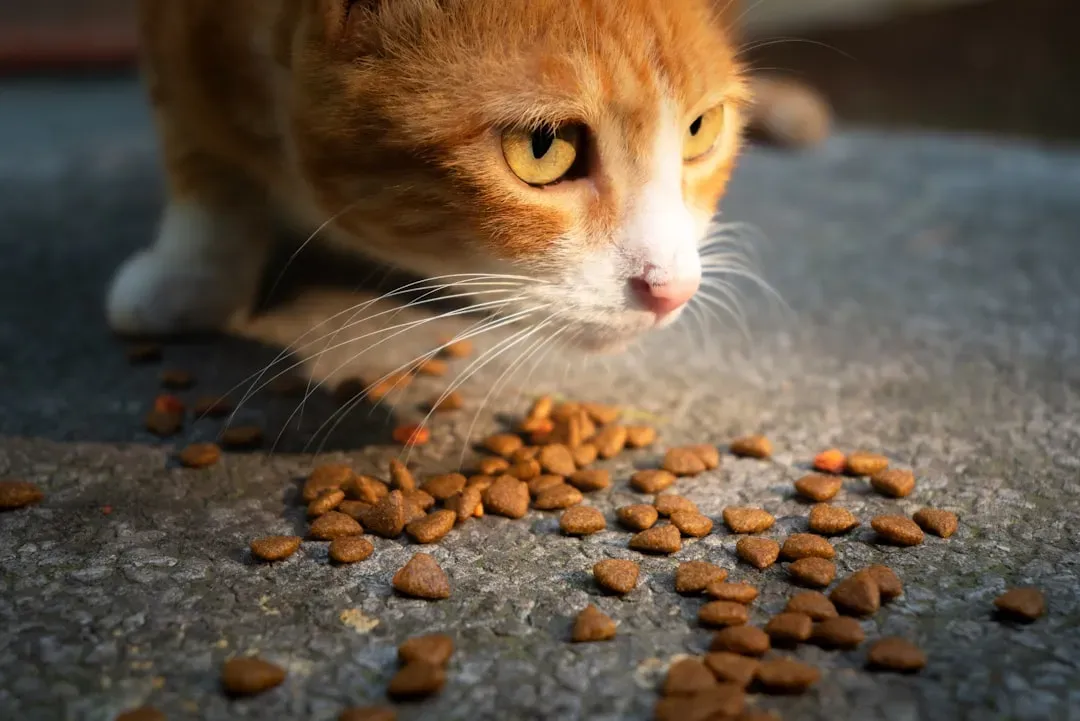
Cats can develop allergies or sensitivities to specific ingredients in their food, such as chicken, beef, fish, or dairy. These reactions don’t always appear immediately after introducing a new food. They can develop gradually over time, which makes them harder to detect without a deliberate process of elimination.
A sudden change in diet for cats can upset the balance of their gastrointestinal flora, leading to digestive disturbances and vomiting. Feline vomiting due to a sudden change in diet may be accompanied by diarrhea and decreased appetite. If your veterinarian suspects a food-related cause, they may recommend a dietary trial, involving switching your cat to a special diet for a period of time, typically eight to twelve weeks, to see if symptoms improve.
Chronic Conditions That Cause Ongoing Vomiting
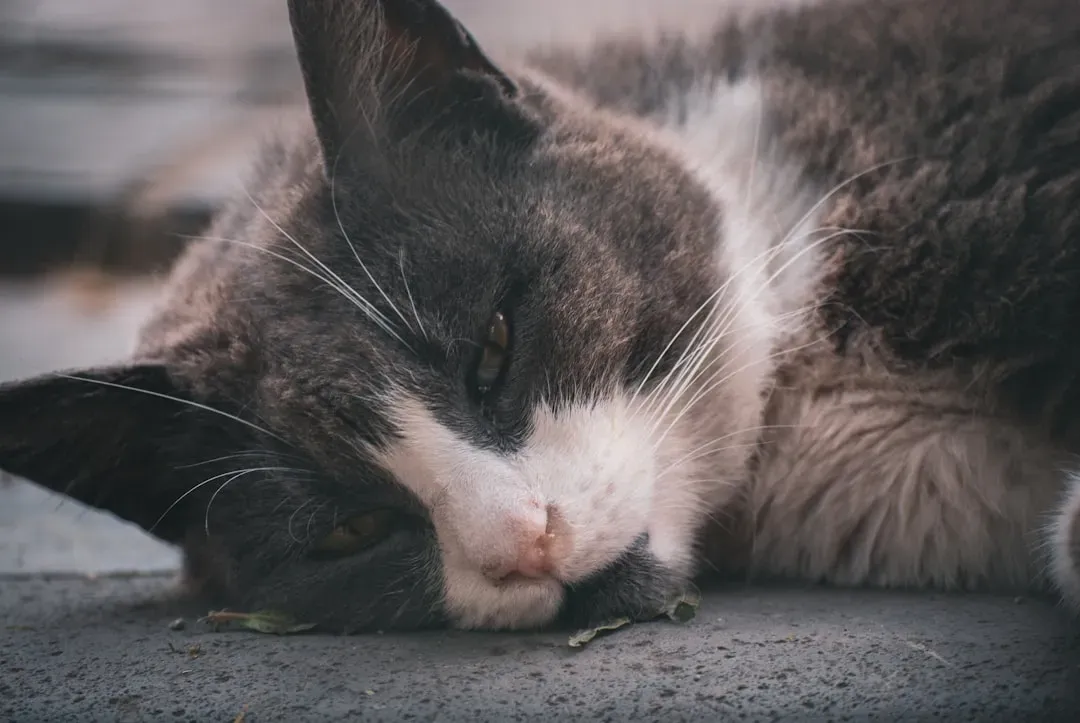
Persistent vomiting could signal a chronic illness such as chronic kidney disease, which is common in older cats; hyperthyroidism, where overactive thyroid glands increase metabolism and gastrointestinal activity; inflammatory bowel disease, which causes chronic vomiting and diarrhea; liver disease; or lymphoma, a common GI cancer in felines. These are serious conditions that require a proper diagnosis and ongoing management.
Feline inflammatory bowel disease is a condition in which a cat’s gastrointestinal tract becomes chronically irritated and inflamed. Inflammatory cells infiltrate the walls of the GI tract, thickening them and disrupting the ability of the GI tract to properly digest and absorb food. Though IBD can’t be cured, it can often be successfully managed with diet trials, medications, and vitamin B12 supplementation to improve quality of life.
Parasites and Infections
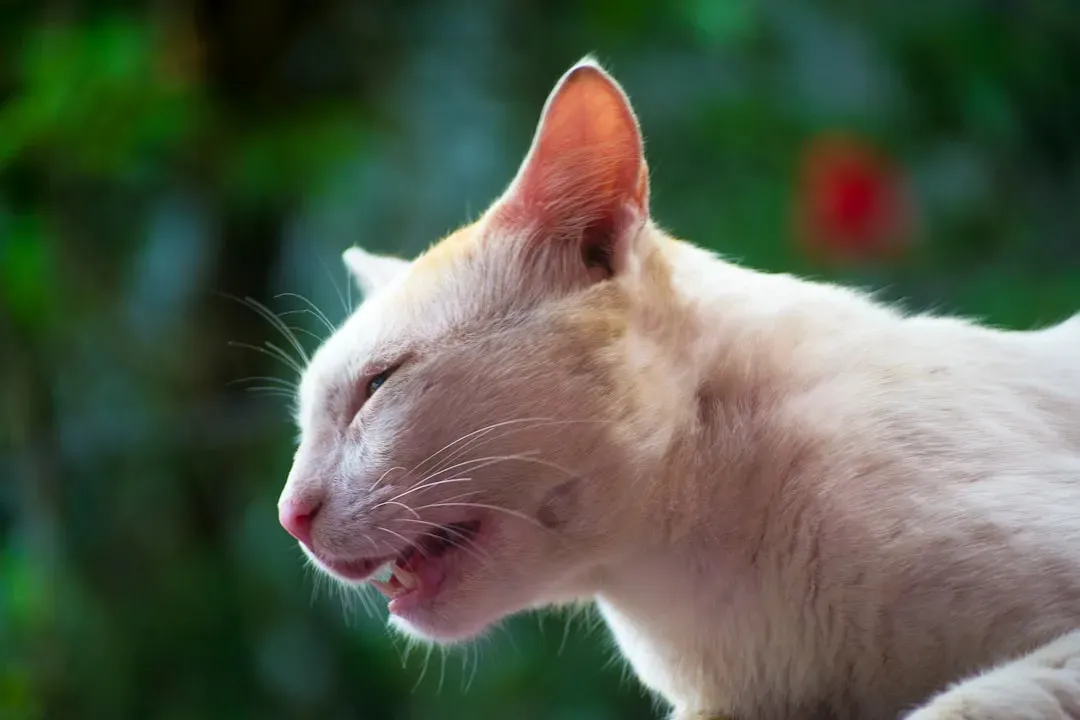
Intestinal parasites, including worms such as roundworms, hookworms, and tapeworms, can cause chronic vomiting. Finding worms in your cat’s vomit is disturbing but not uncommon. Roundworms appear as thin, spaghetti-like strands, and heavy parasite loads cause cats to vomit up these unwanted guests. This is something that needs prompt veterinary treatment.
Various infections can also contribute to vomiting, including feline panleukopenia, which is a serious viral infection that causes gastrointestinal symptoms, and bacterial infections that can disrupt the digestive system, leading to vomiting and diarrhea. Keeping your cat up to date on preventive care can help reduce the risk of infections. Regular parasite screenings are an important part of routine veterinary wellness exams.
Toxins, Foreign Objects, and Emergency Warning Signs
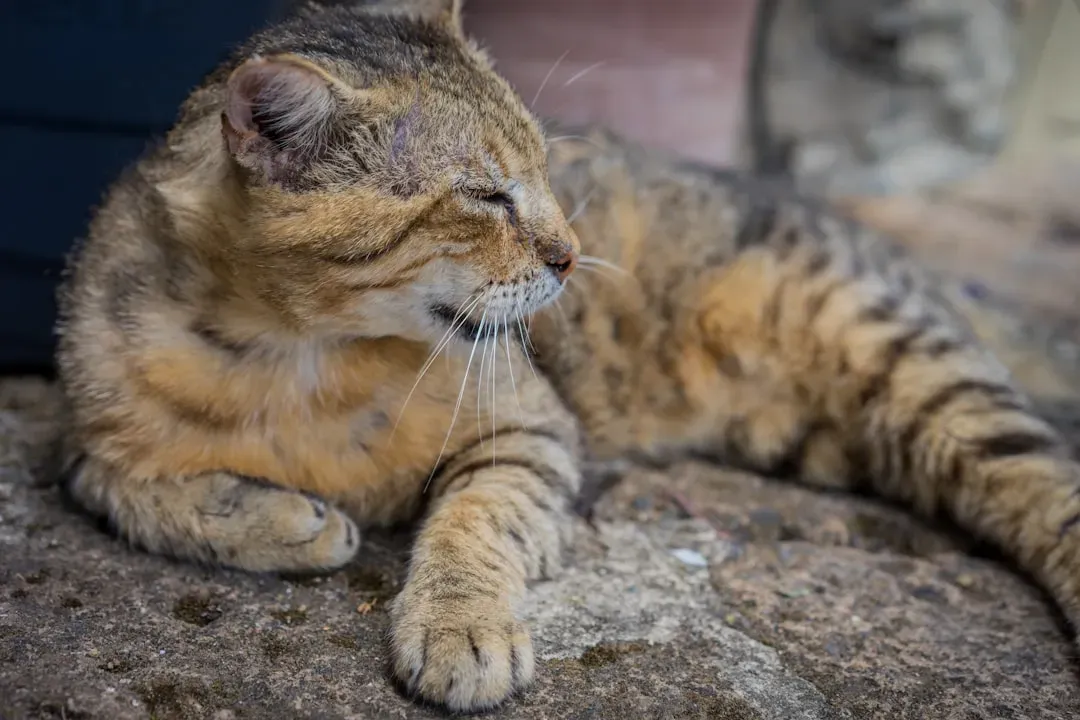
Many household items are toxic to cats. Lilies cause deadly kidney failure. Human medications like ibuprofen are extremely dangerous. Cleaning products, antifreeze, and certain foods including chocolate, onions, and garlic all cause vomiting along with other serious symptoms. If you suspect your cat has ingested anything toxic, treat it as an emergency immediately.
Cats can swallow strings, toys, hair ties, and other dangerous items, which can cause partial or complete blockages. String is particularly dangerous because it can saw through intestines. If your cat is throwing up bright red or dark brown and black bloody vomit, seek immediate veterinary care. These are not symptoms you can afford to monitor from a distance.
Practical Steps to Take at Home and With Your Vet
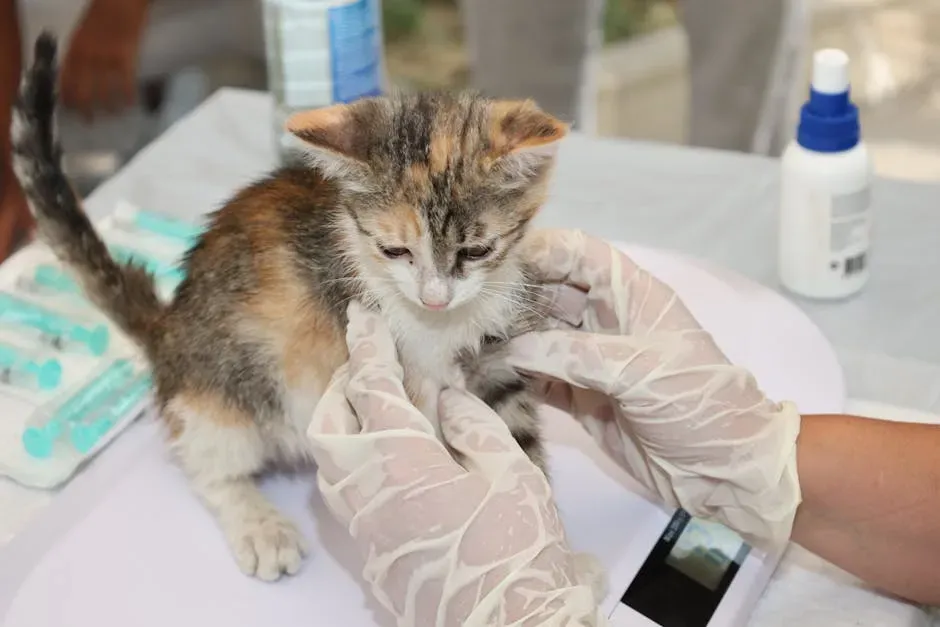
Vets evaluate not only the color of vomit but also how often vomiting occurs, how the cat behaves, and how much it eats or drinks. One isolated episode in an otherwise alert cat often signals minor stomach upset. Still, chronic vomiting can be physically taxing and may lead to dehydration, electrolyte imbalances, and weight loss. Cats are skilled at hiding discomfort, so changes in behavior, energy level, or eating habits are worth noting.
If you want natural remedies for mild cat vomiting, it can help to withhold food briefly to give the digestive system time to rest, or offer a bland diet without additives. Offering fresh water will also help with recovery, as cats who throw up frequently tend to be dehydrated. Installing several water bowls or fountains can encourage your cat to drink more. For persistent or severe vomiting, your veterinarian will ask about your cat’s history, recent dietary changes, and any additional symptoms you’ve noticed. Diagnostics such as blood work, fecal testing, and X-rays may be recommended depending on the suspected cause.
Conclusion
Your cat can’t tell you when something feels wrong. Vomiting is one of the few outward signals their body gives you, and it deserves more than a quick cleanup and a shrug. The difference between “just a hairball” and a chronic illness worth treating can sometimes come down to whether you paid attention to the pattern, the color, and the context.
Cats are masters at hiding illness, so subtle symptoms can be misleading. Chronic vomiting should never be considered normal. The next time your cat vomits, take a moment before reaching for the paper towels. Notice what you see. Keep track of how often it happens. That information could be the first step toward helping your cat feel significantly better, and in some cases, it could genuinely save their life.
Kristina is a young writer from India. An arts graduate and an avid content creator, Kristina is passionate about animals and wildlife. She enjoys exploring topics related to pet care, animal behavior, conservation, and nature, combining thorough research with engaging storytelling.