You’ve probably seen it happen dozens of times. You turn on the kitchen tap, and within seconds your cat materializes from nowhere, jumping onto the counter to get a sip. Meanwhile, a perfectly clean bowl of water sits untouched on the floor just a few feet away.
It seems baffling, maybe even a little rude. But your cat isn’t being difficult on purpose. There are real, fascinating reasons behind this behavior, most of them rooted in instinct, biology, and sensory preference. Understanding them gives you a much clearer window into how your cat actually experiences the world.
Their Wild Ancestors Avoided Still Water
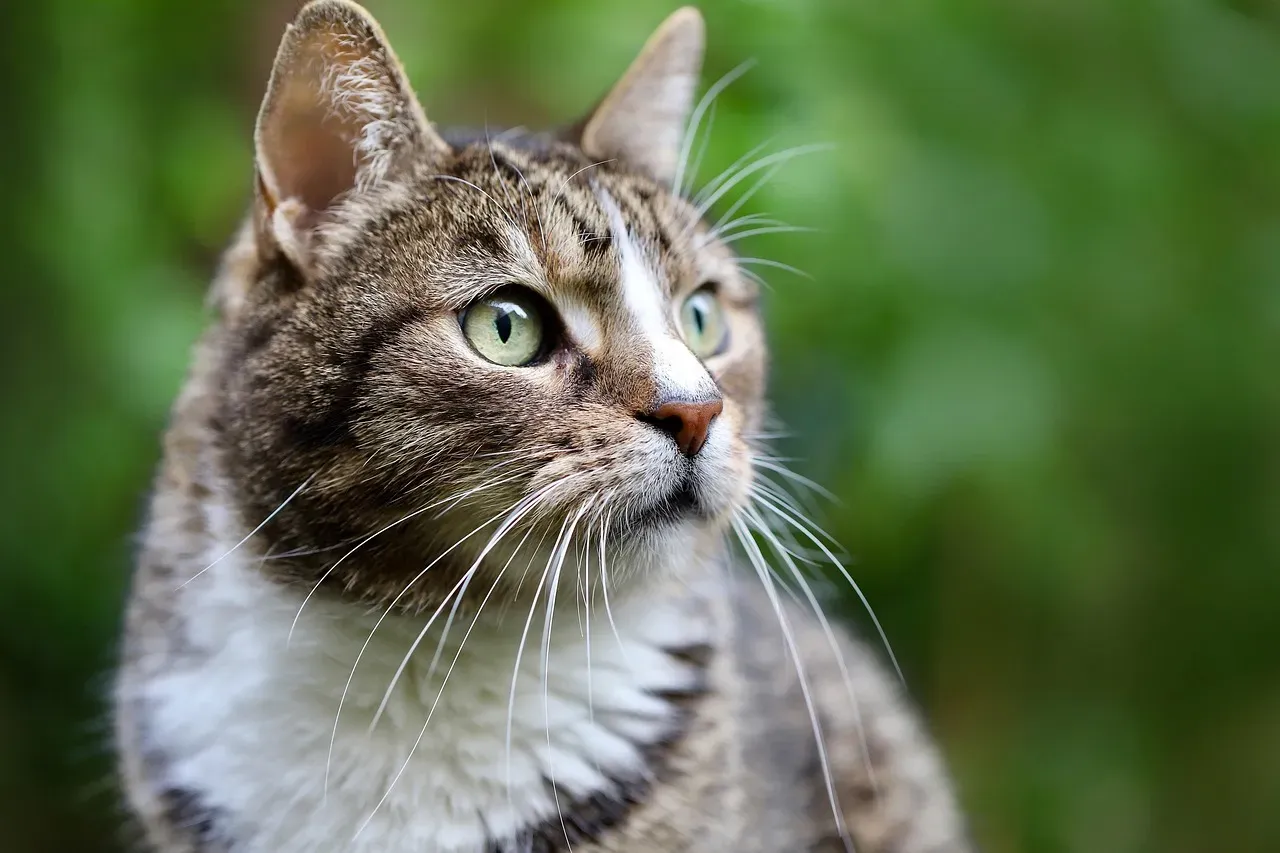
Your cat shares ancestry with the African wildcat, a species that roamed arid regions where survival depended on finding clean, safe water. In those environments, stagnant pools were far more likely to harbor bacteria, parasites, and decaying organic matter. Streams and rivers, by contrast, provided fresher, oxygenated, and generally safer hydration.
This instinct remains hardwired in today’s domestic cats. Even though they live in safe, climate-controlled homes, their brains still send the message: moving water equals safety. It’s a survival shortcut shaped over thousands of generations, and no amount of comfortable indoor living has fully overwritten it.
Your Cat’s Vision Makes Still Water Hard to See
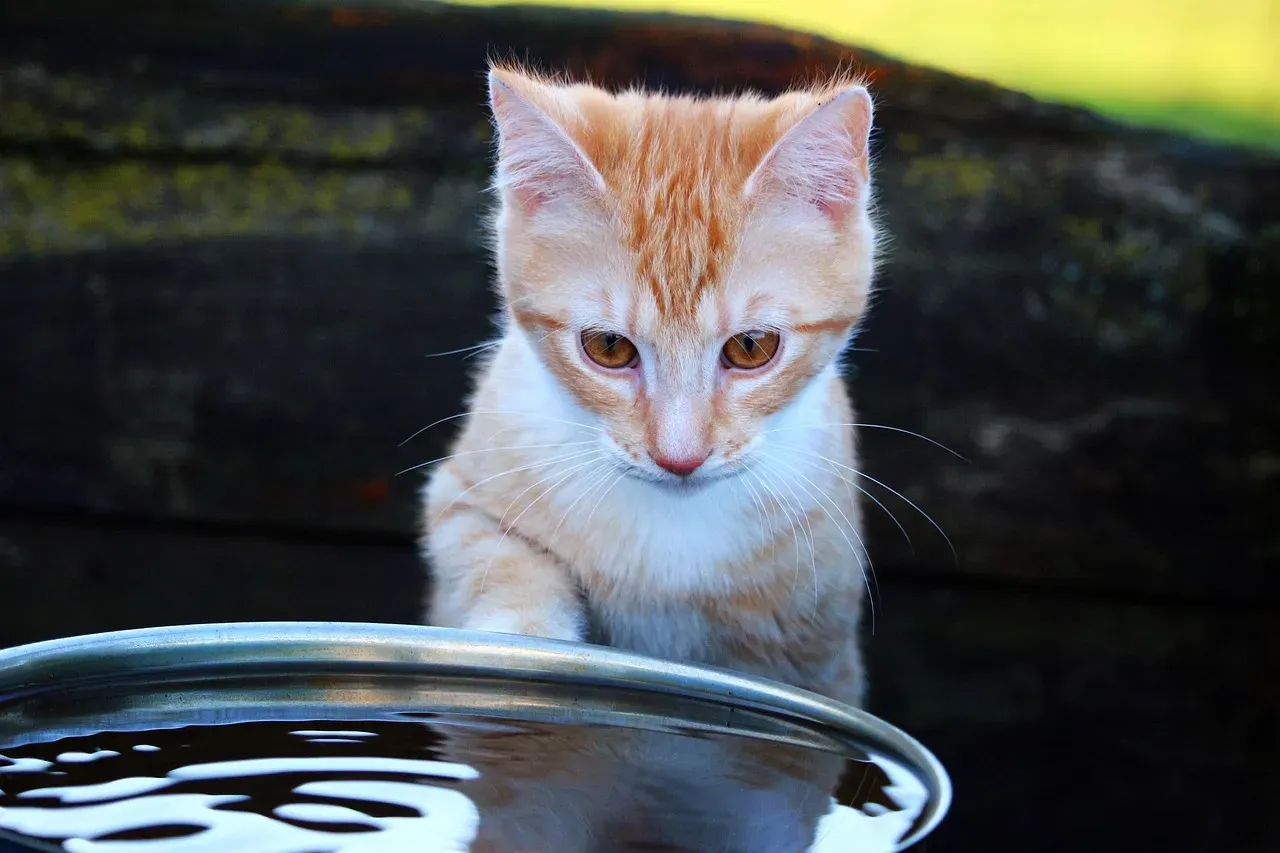
Cats don’t see still water as easily as humans do. Their vision is designed to detect motion, which is excellent for hunting but not ideal for spotting a clear, motionless surface. A still bowl can appear invisible or confusing, especially in certain lighting.
Flowing water solves this problem. The movement reflects light, creates ripples, and gives your cat a clear visual target. That extra sensory feedback makes drinking more appealing and far less uncertain. So when your cat stares intently at the faucet, they may genuinely struggle to locate the water in their bowl. It’s not stubbornness. It’s optics.
Running Water Smells and Tastes Fresher
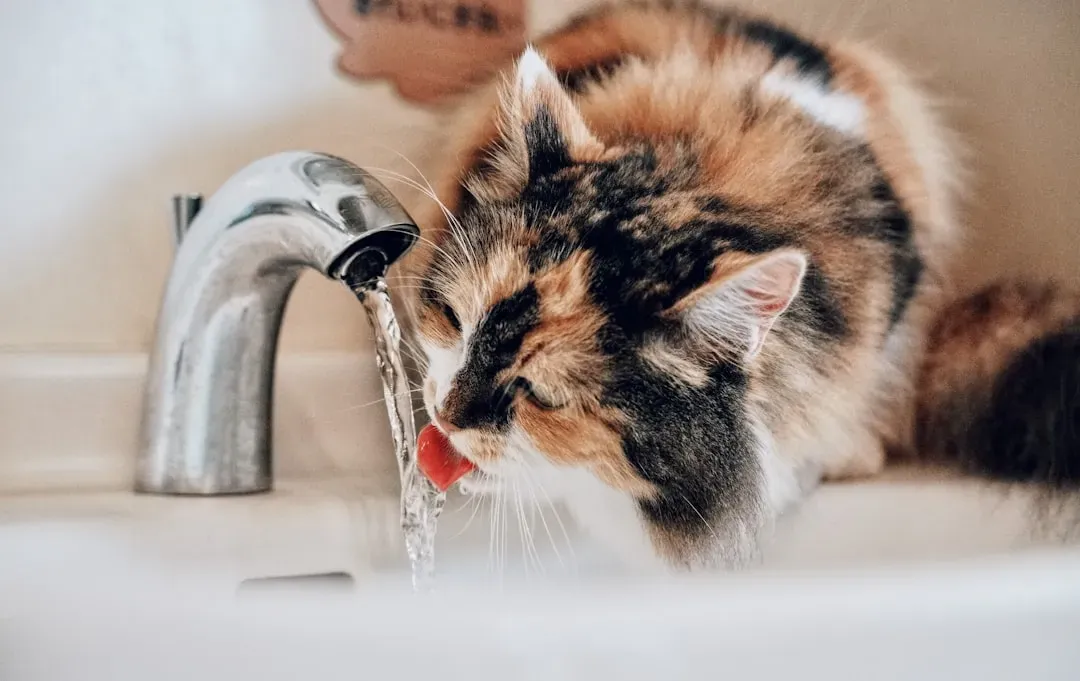
Standing water absorbs odors from food, the environment, and even the bowl itself. To a cat’s sensitive nose, that can make the water smell stale or uninviting. Cats have a sense of smell that far exceeds our own, so what seems fine to you may be genuinely off-putting to them.
As water moves, it becomes aerated. This reduces the flat, stagnant flavors that cats instinctively avoid. Aeration also slightly lowers water temperature, which many cats prefer. Oxygen-rich water has a cleaner profile, and while humans can taste the difference subtly, cats are even more sensitive. Your cat heading to the faucet may simply be chasing the feline version of a cold, crisp glass of water.
Their Saliva Contaminates the Bowl Quickly
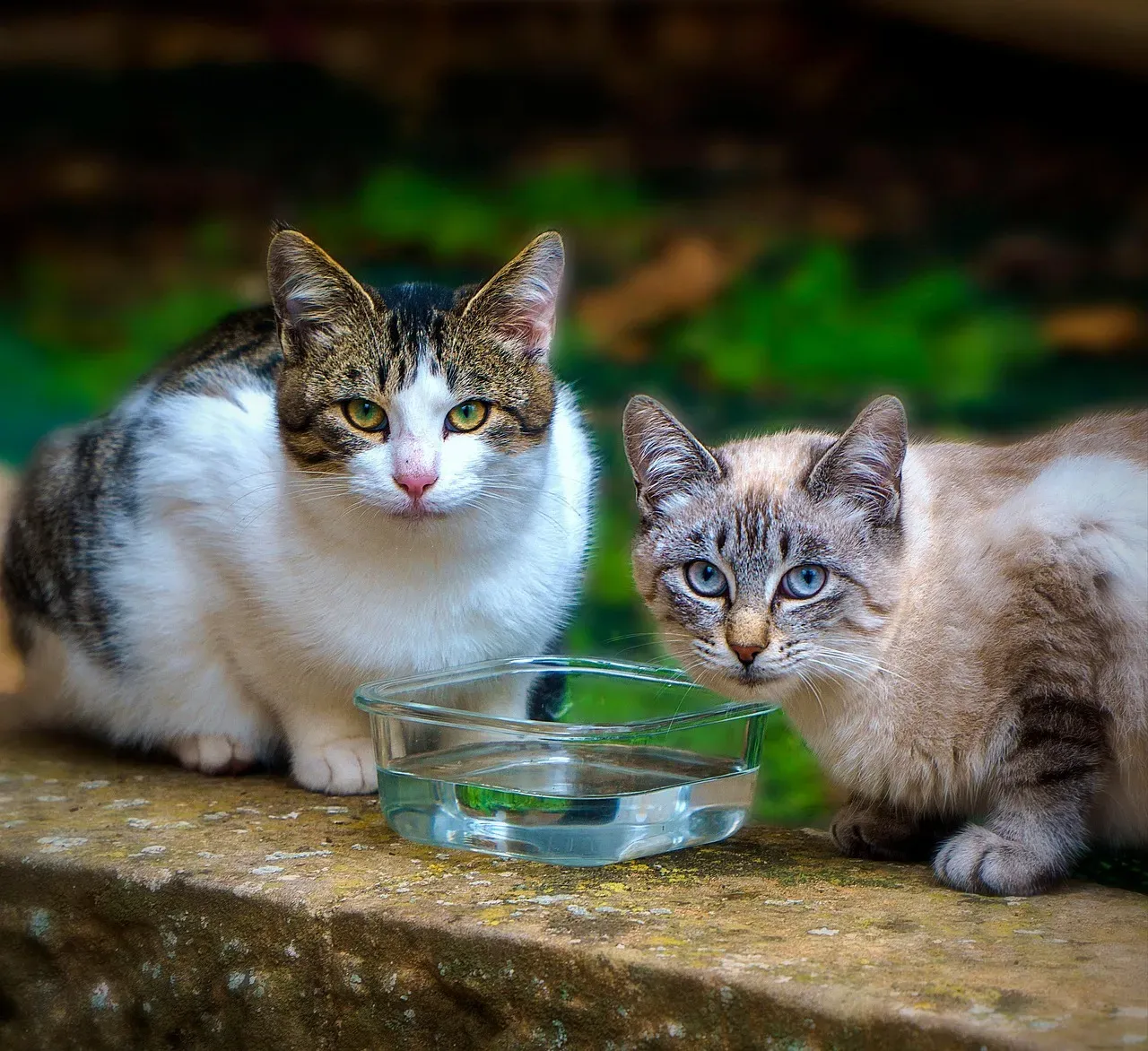
Cats have really thick saliva since it is also used to clean themselves, and drinking out of the same water over and over can cause the water to have a stale taste. This is something most cat owners don’t think about, but it’s a very real factor in why your cat keeps returning to the tap.
Each time your cat drinks from a standing bowl, they introduce saliva into the water. Over time, that builds up and changes the taste and smell of what’s sitting there. The faucet, flowing fresh every time, sidesteps the problem entirely. From your cat’s point of view, it’s simply the more hygienic option.
Whisker Fatigue Makes Bowls Uncomfortable
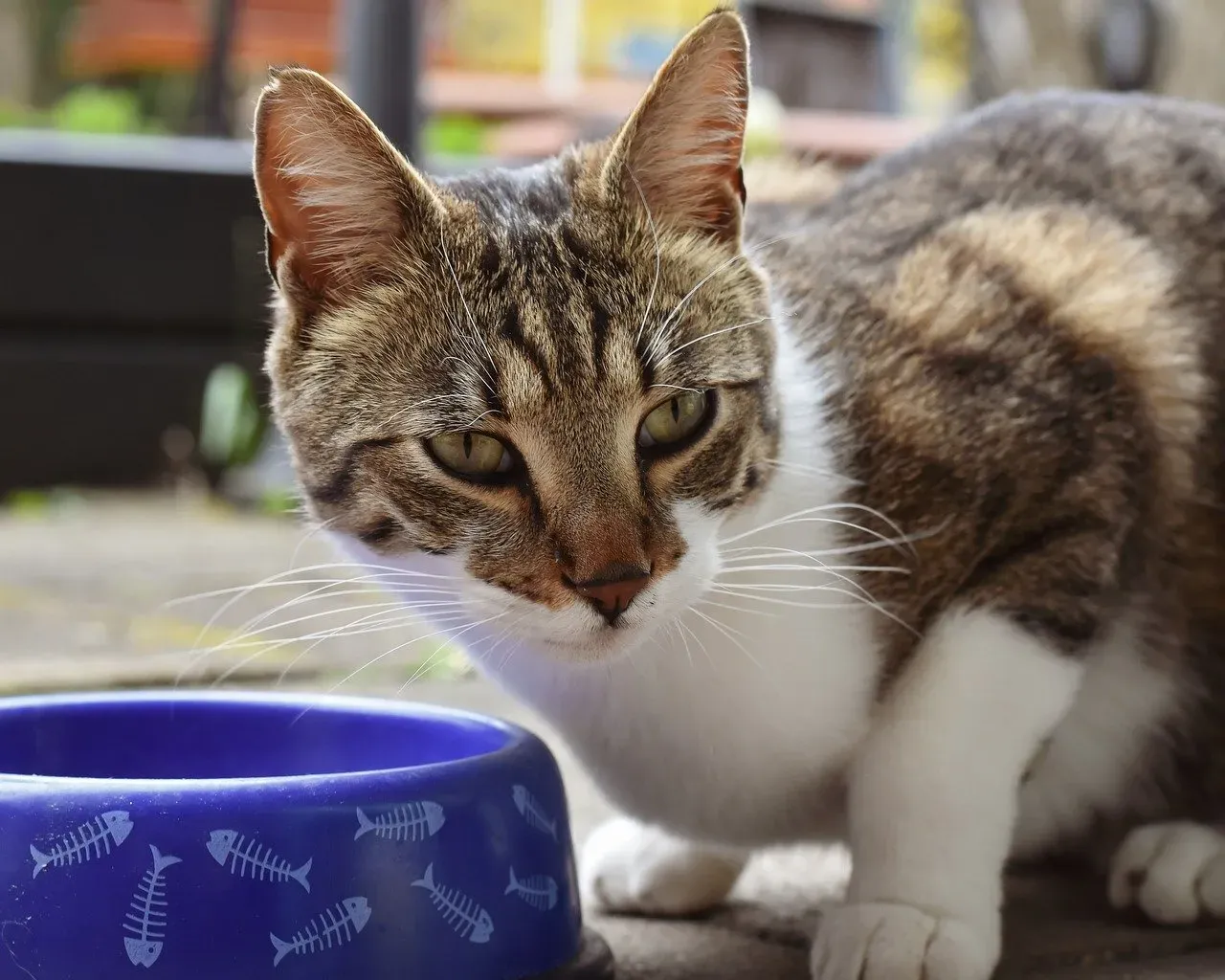
When your cat’s whiskers brush up against the sides of a food or water bowl, they send sensory messages to the brain. Too many of those messages, and your cat could become agitated and refuse food or water from their usual bowls. This condition is known as whisker fatigue, and it’s more common than many people realize.
Whisker fatigue occurs when a cat’s sensitive whiskers repeatedly touch bowl sides or water surfaces, causing discomfort. Running water allows cats to drink without their whiskers making contact with surfaces, making the experience more comfortable. If your cat approaches the bowl, hesitates, then walks away, this might be exactly what’s happening.
The Elevated Position Makes Your Cat Feel Safer
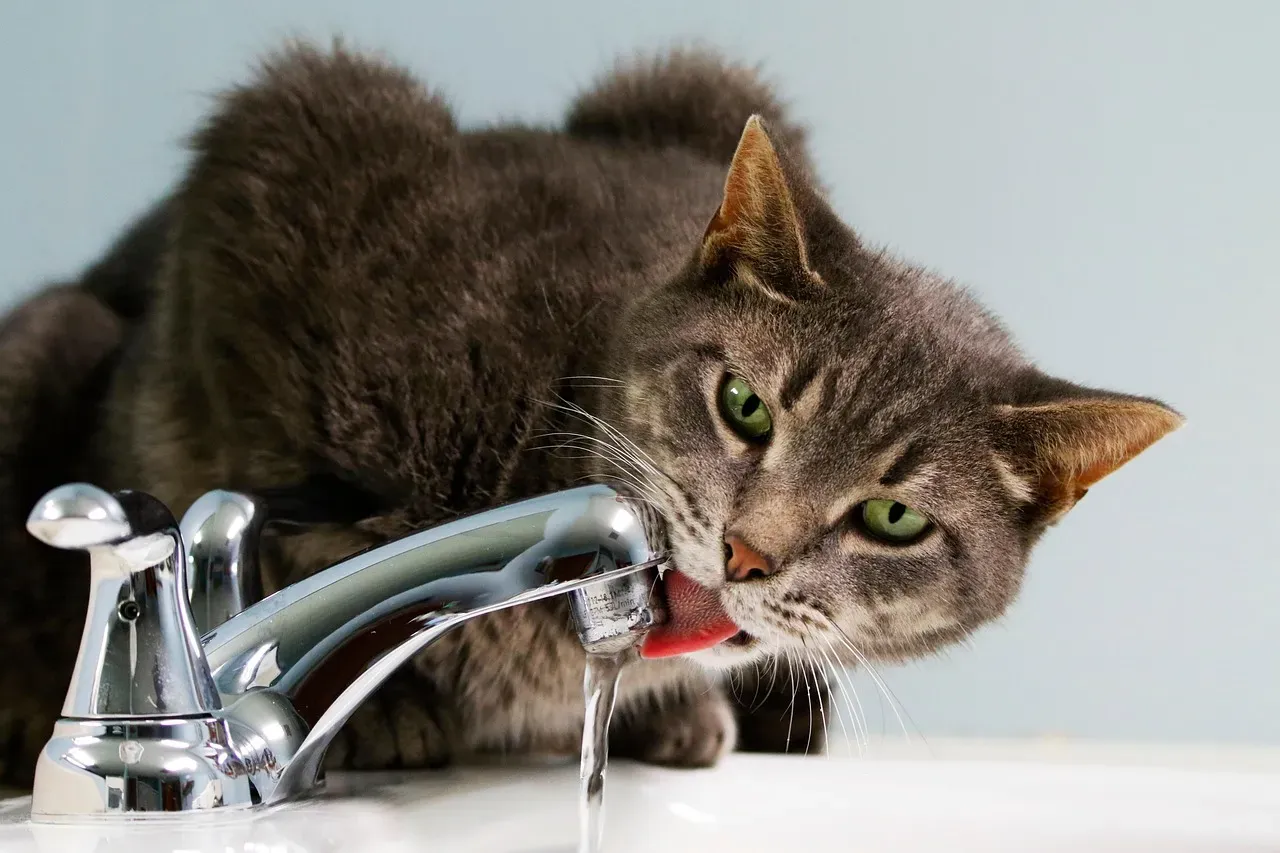
Your cat may drink from the faucet over their bowl because they feel more comfortable up high. The location of your cat’s bowl could leave them feeling trapped or vulnerable while they drink. Faucets are located on a counter, and your cat may feel better taking the time to drink at an elevated location.
The position required to drink from running water is also more natural for cats. They can keep their heads up and maintain better awareness of their surroundings while drinking, which aligns with their instinctive need to stay alert for potential threats. At the faucet, your cat is elevated, visible, and in control. That matters to them more than we often realize.
The Sound of Running Water Acts as a Sensory Beacon
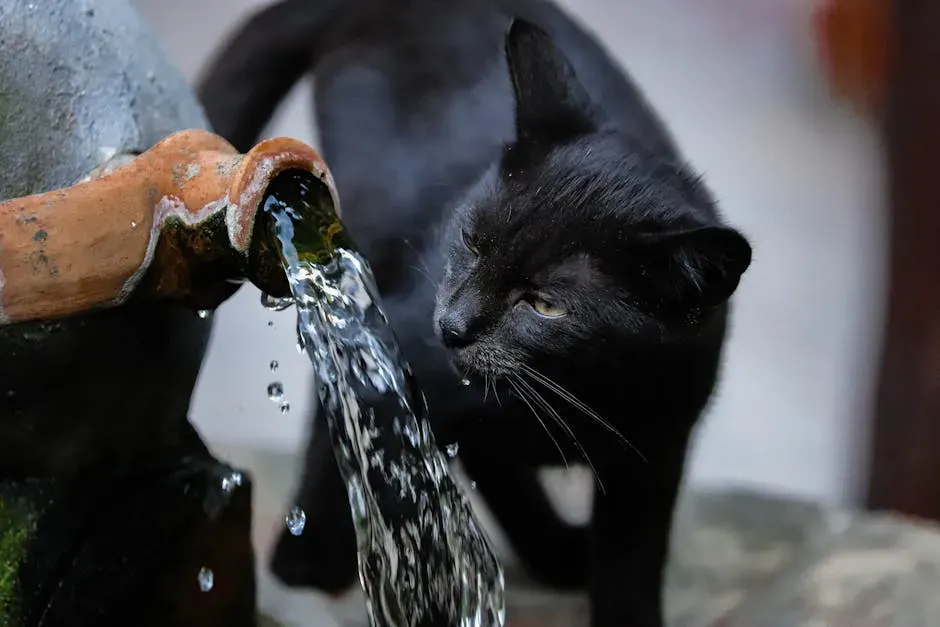
Cats might prefer running water because they can detect it with their keen sense of hearing. It’s easier for cats to find running water using sound than it is to rely on their sight to find still water. Think about how a cat perks up at even the faintest drip from across the house. That’s not coincidence. It’s a survival sense kicking in.
Cats are highly sensory creatures, and running water engages multiple senses simultaneously. The sound of flowing water captures their attention and helps them locate water sources, a crucial survival skill their ancestors needed in the wild. When you turn on that tap, you’re essentially ringing a dinner bell your cat was biologically built to hear.
Their Water Bowl Is Too Close to Their Food
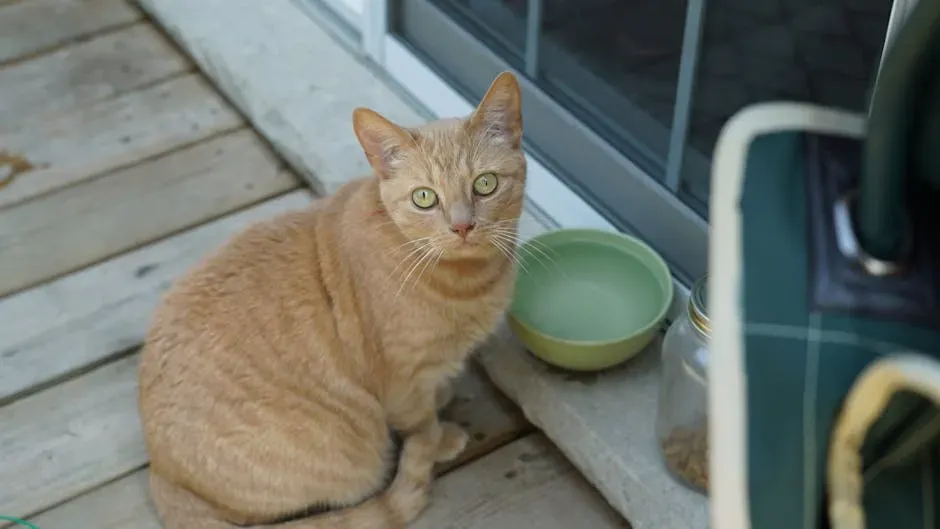
Instinctively, cats prefer to drink water that’s located away from their dead prey which, in nature, may contaminate their water with bacteria. In your home, their food bowl plays the role of “dead prey.” So placing the water right next to it triggers a deep-seated aversion that no amount of training easily overrides.
This bacteria worry is especially prominent if the owner has located the cat’s water next to their food source. This survival instinct means cats will innately think their water is contaminated by the food nearby. Moving the water bowl well away from the food, ideally to a separate room or opposite wall, can dramatically reduce faucet-seeking behavior on its own.
Other Pets or Noise Make the Bowl Feel Threatening
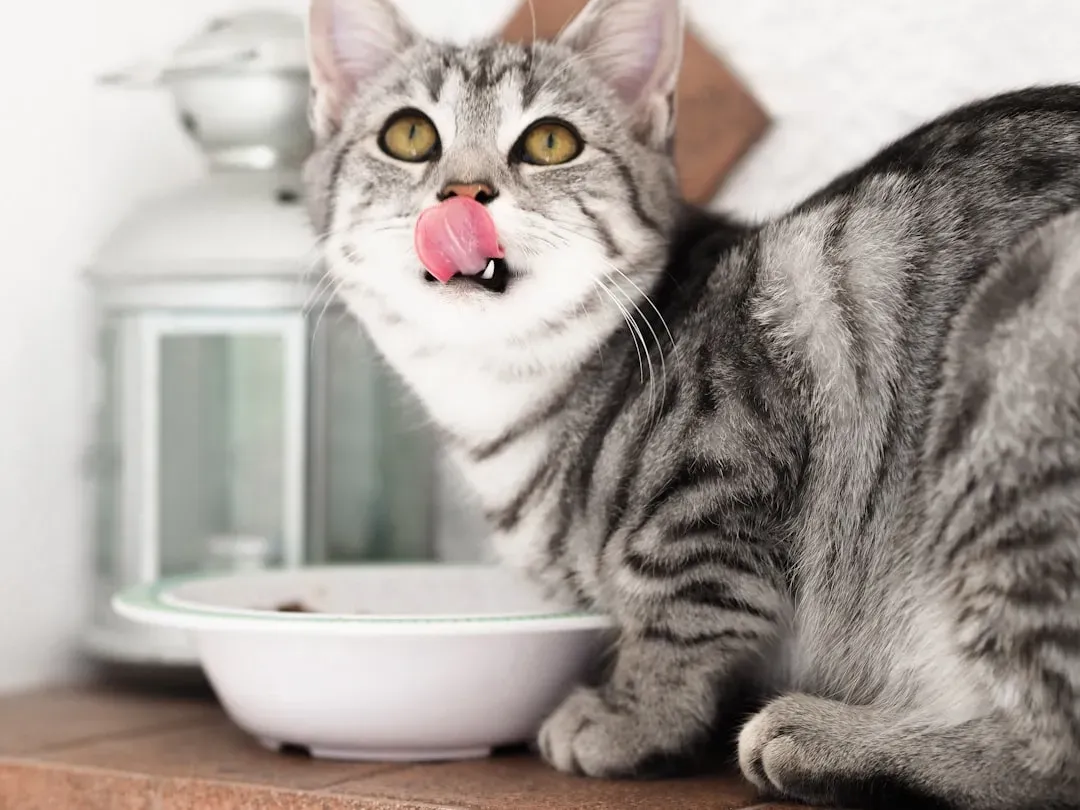
Cats may also be instinctively wary of turning their back on others to take a sip from their bowl. If there are other animals around, even other cats, your cat may feel uneasy putting their head down to take a sip. If another pet chases them away from the water bowl, they may be afraid of lowering their head to drink since that would put them in a vulnerable position.
If you have other pets or kids, your cat might not feel comfortable or safe when trying to drink from their water bowl. If your cat frequently of a less-used sink in the house, they might just be trying to find a quiet and safe place to enjoy their water. The bathroom faucet, away from the household bustle, is often the most peaceful spot in the house for a nervous cat.
It’s Also Just Fun
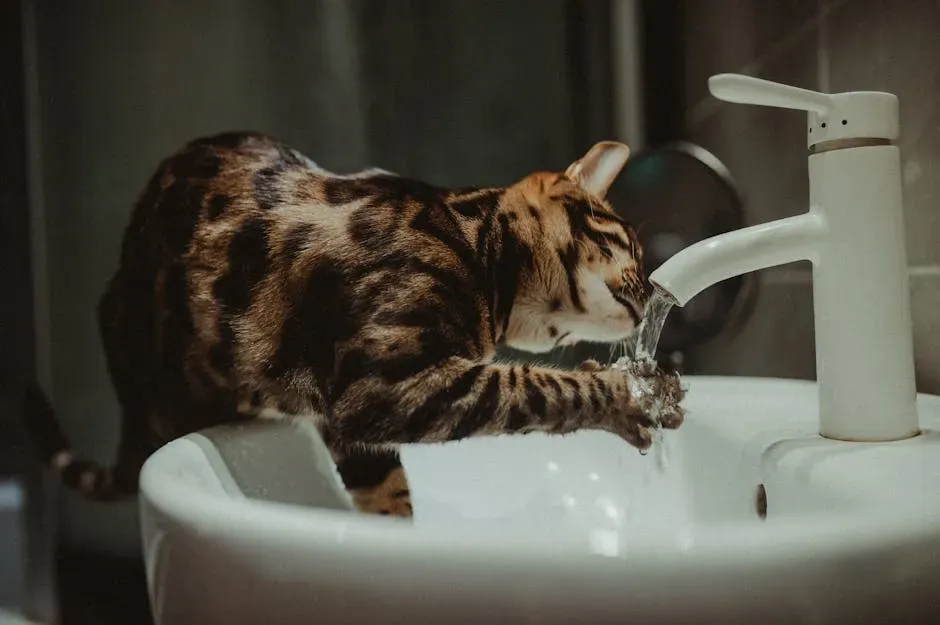
You might catch your cat quietly watching the stream from a faucet or water fountain. The movement, sound, and light reflections are stimulating and interesting to them. For some cats, running water is both a hydration source and a form of entertainment.
Like all of us, cats crave stimulation. Free-roaming cats will spend their days patrolling and hunting, but indoor cats don’t have that ability. They have to find ways to entertain themselves inside, which can sometimes lead them to scratch at furniture or play in a running faucet. For an indoor cat living a relatively contained life, a dripping tap is practically an amusement park. It moves, it splashes, it makes sounds, and it responds when they paw at it. You can hardly blame them.
What You Can Do About It
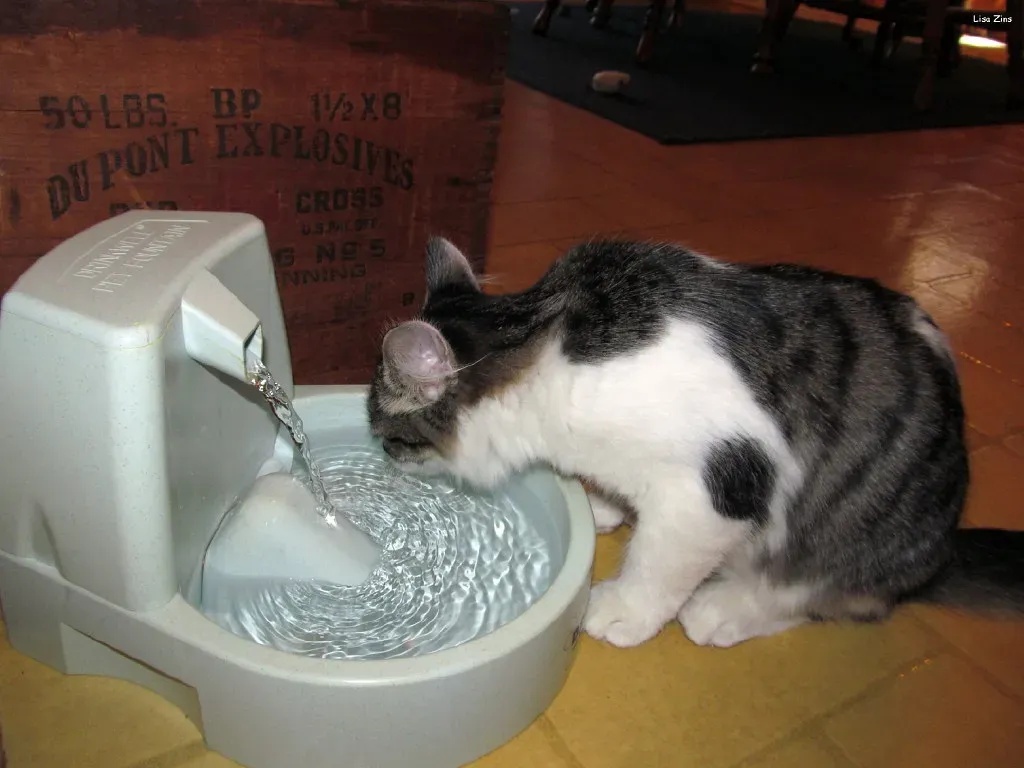
If your cat has a flowing water preference, try a high-quality pet fountain filled with filtered or distilled water. An added benefit of fountains is that cats tend to drink more water than those who have standing bowls, improving their health. It’s one of the simplest upgrades you can make for a cat that’s already telling you exactly what they want.
For any concerned cat owner, one practical approach is to replace the water in the bowl every day, even if the cat did not drink all of it. Providing multiple drinking options by placing at least two water bowls in the areas where your cat spends most of the time, using different types of bowls, also helps. Small adjustments like these respect your cat’s instincts instead of fighting them, which tends to work far better in the long run.
Your cat’s faucet habit isn’t quirky behavior for its own sake. It’s a window into thousands of years of evolutionary programming, all quietly running in the background of your very domestic, very pampered companion. The moment you stop asking why your cat is so strange and start asking what their behavior is actually communicating, everything makes a lot more sense.
Kristina is a young writer from India. An arts graduate and an avid content creator, Kristina is passionate about animals and wildlife. She enjoys exploring topics related to pet care, animal behavior, conservation, and nature, combining thorough research with engaging storytelling.