There’s a moment most cat owners know well. You’ve just walked through the door after a long day, and before you’ve even set down your keys, your cat is already there. Not hovering near the food bowl. Just there, near you, watching. It’s easy to chalk it up to coincidence or routine, but science tells a more interesting story.
A cat’s choice of a favorite human stems from a combination of personality, communication, routine, and environment – not random chance. The idea that cats are emotionally indifferent to the people around them is one of the more persistent myths in popular culture. Research keeps dismantling it, quietly and persistently, study by study.
You’re the Source of Their Sense of Security
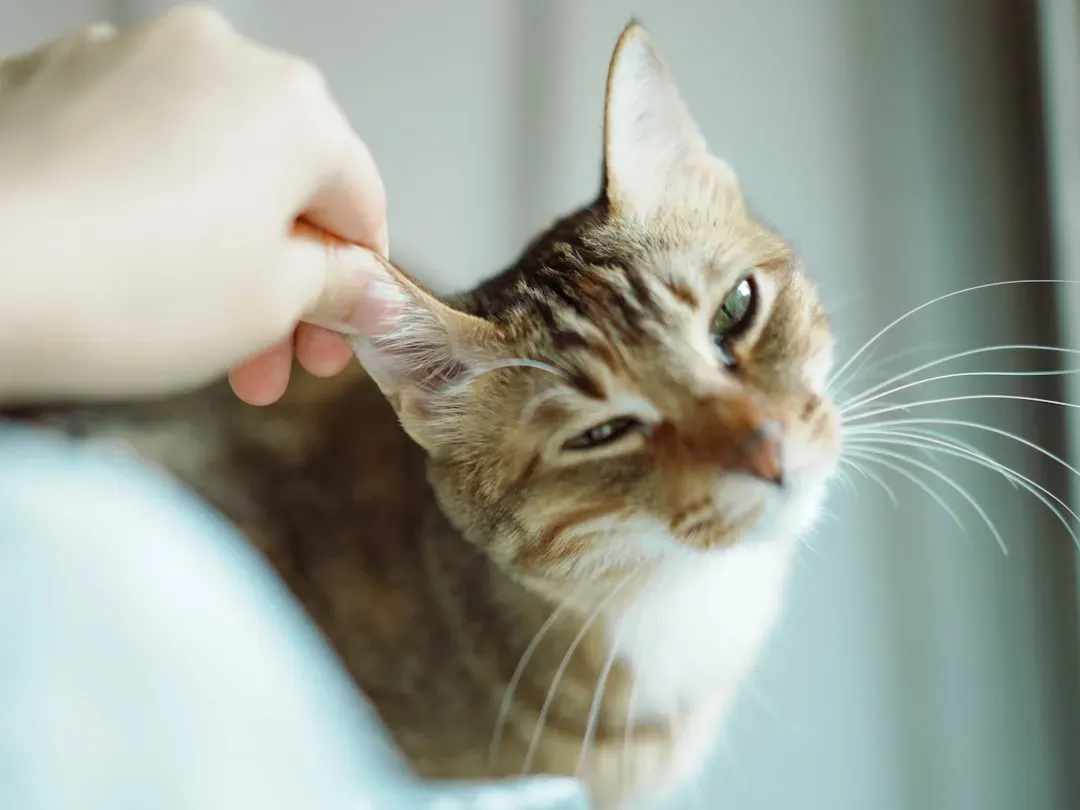
Cats aren’t wired to bond indiscriminately, which makes the bond they do form all the more meaningful. A landmark Oregon State University study found that pet cats form attachments with their human owners that are similar to the bonds formed by children and dogs with their caretakers – the first time researchers had empirically demonstrated that cats display the same main attachment styles as babies and dogs.
When a caregiver returns after a brief absence, cats with secure attachment to that person are less stressed and balance their attention between the person and their surroundings. That balanced response – calm, exploratory, checking in periodically – mirrors what you see in securely attached human infants. The majority of cats use their owner as a source of security, depending on you to feel secure when they are stressed out.
You Respect Their Boundaries Without Being Asked
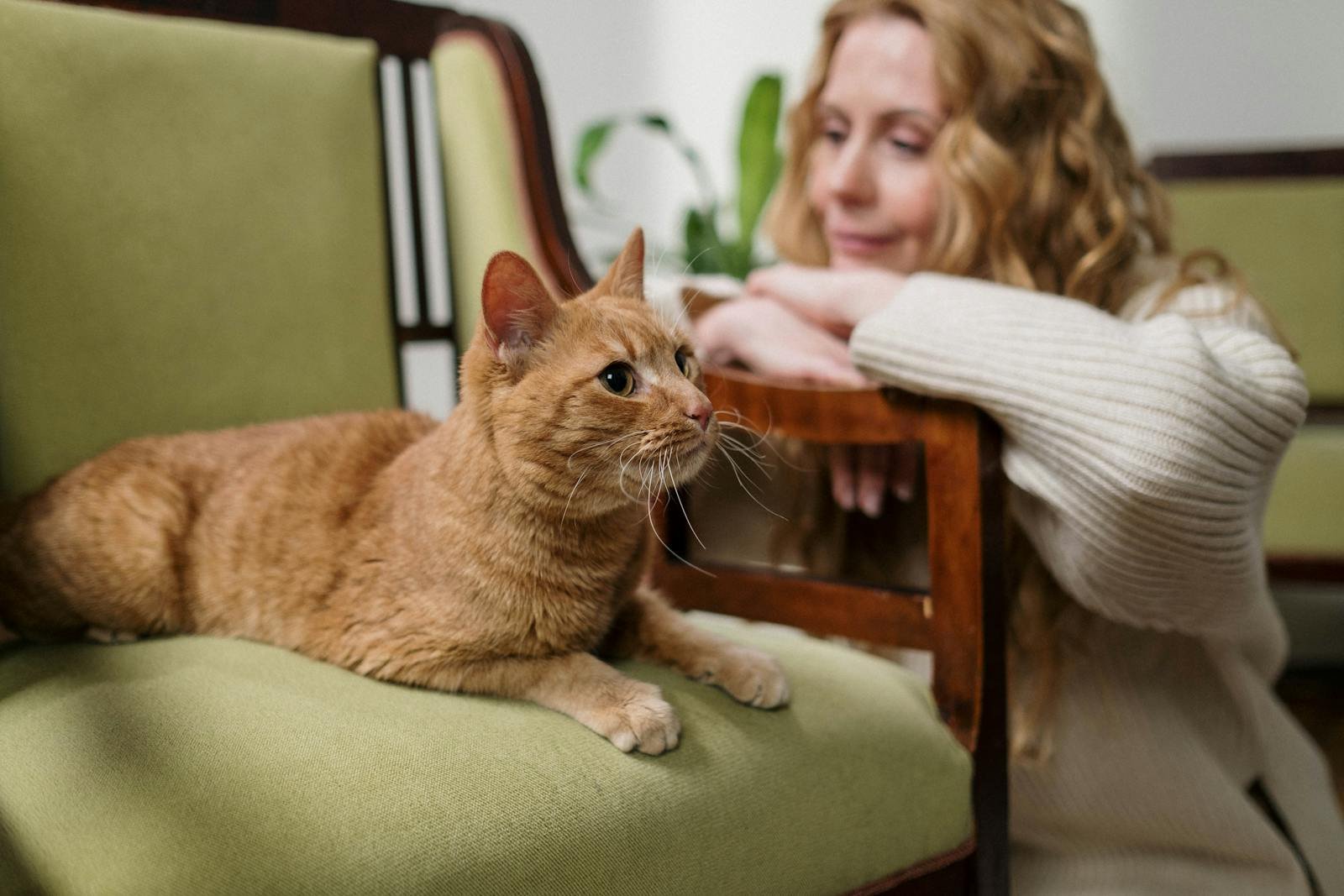
Cats are extremely sensitive to emotional energy. They prefer people who are calm and predictable, move slowly and gently, don’t force attention, and respect boundaries. Cats see loud, unpredictable behavior as a threat, not affection. This is one reason the person who tries the least in a room full of cat-eager guests sometimes ends up with the cat in their lap.
Cats are naturally cautious animals who can become stressed by sudden movements or loud noises. Calm, patient people create a sense of security and predictability that allows cats to feel safe and relaxed in their presence. If you’ve learned to let your cat come to you on their terms, you’ve already done more for the relationship than you probably realize.
You Speak Their Language Through Small Gestures
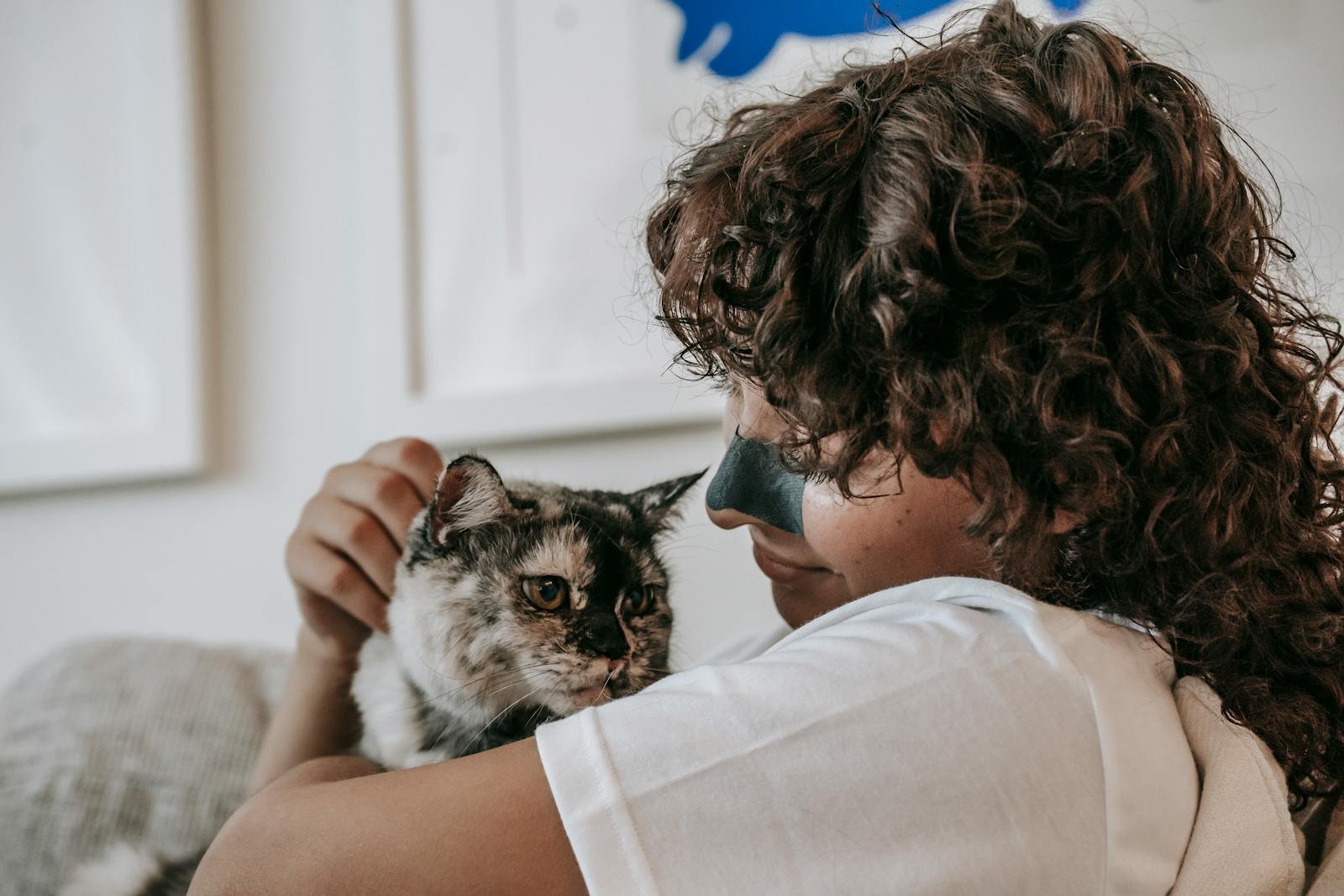
Cats are nuanced communicators. They express themselves through slow blinks, tail position, ear angle, and the direction of their whiskers. The person in a household who notices and responds to these cues – who backs off when the tail starts flicking and reaches out when the slow blink is offered – is the person a cat is most likely to bond with deeply.
Research confirmed that cat half-blinks and eye narrowing occurred more frequently in response to owners’ slow blink stimuli toward their cats. In a second experiment, cats had a higher propensity to approach the experimenter after a slow blink interaction than when the experimenter had adopted a neutral expression. Because cats are prey-predators and naturally wary, closing their eyes can put them at risk of letting their guard down. Cats will only close their eyes and narrow their field of vision around someone they know is safe and won’t hurt them.
You’ve Built a Consistent Routine They Can Rely On
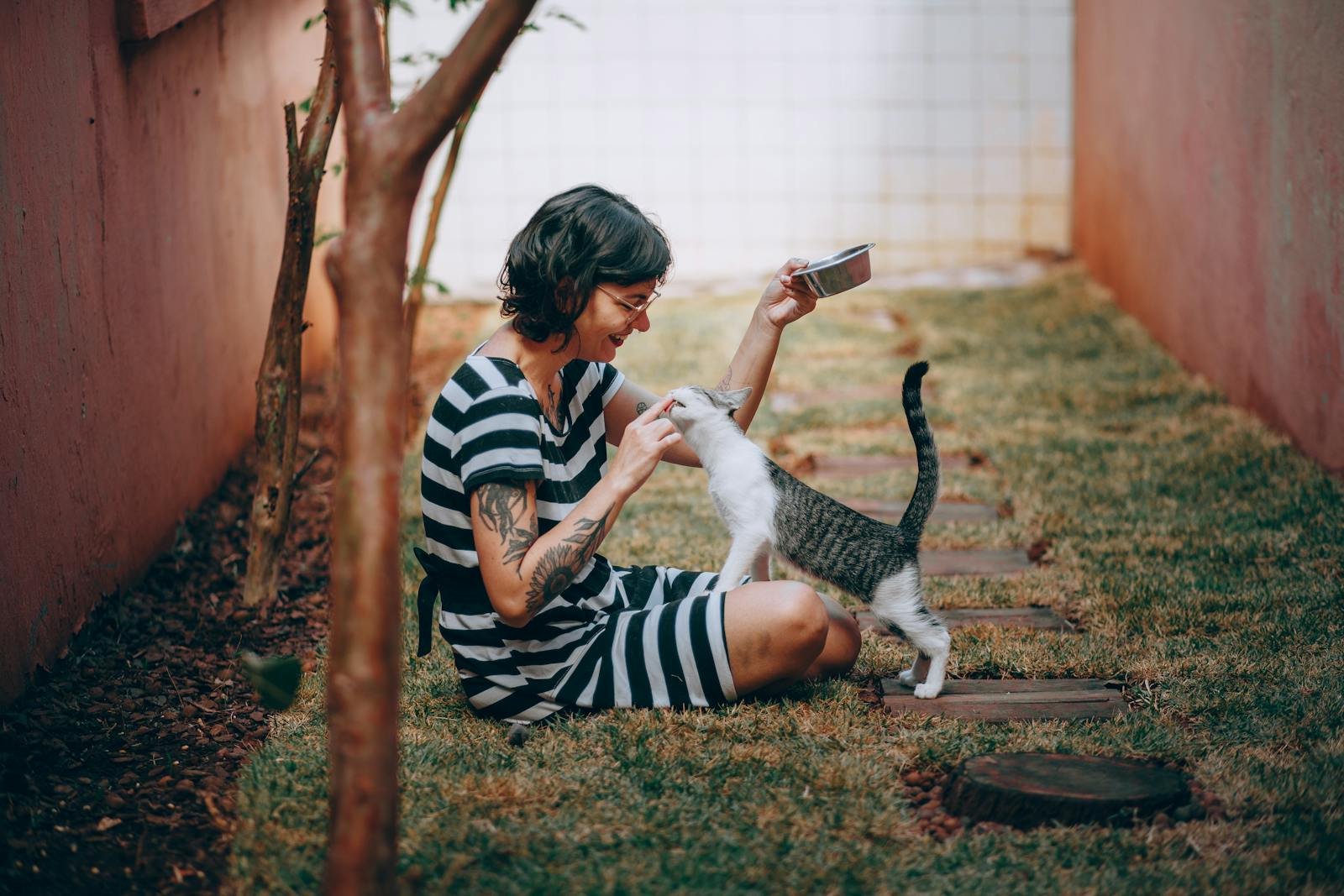
Cats are creatures of habit. Keeping a regular schedule is one of the simplest ways to bond with your cat and become their favorite person. An established feeding schedule helps your cat build trust. Predictability isn’t boring to a cat – it’s reassuring.
The person who shows up reliably at mealtime, especially on a consistent schedule, is signaling something deeply important to a cat: “I will keep you alive and safe.” Cats thrive on predictability, and a regular feeding routine builds trust faster than almost anything else. Over time, your habits become part of your cat’s internal map of what’s safe and what to expect from the world.
You Let Them Initiate – and That Changes Everything
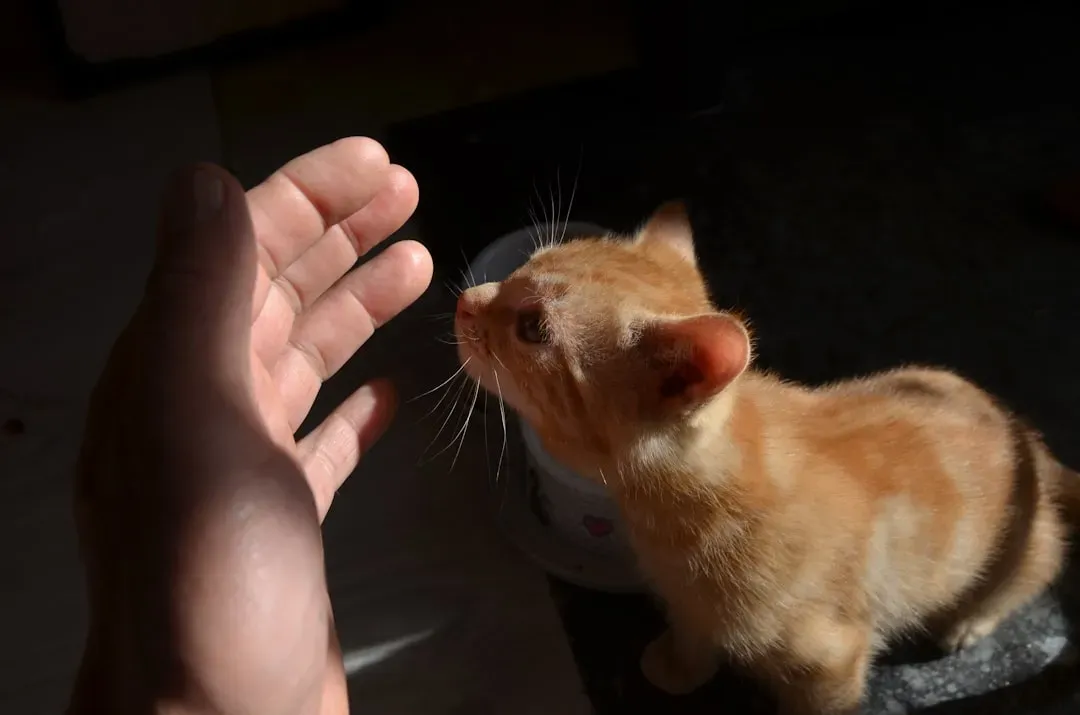
The initiation of social interactions between cats and humans has been shown to influence both the duration of the interaction and total interaction time in the relationship. Compliance with the interactional wishes of the partner is positively correlated between cats and humans across all human-cat relationships examined. In simpler terms: when a cat chooses to approach you, and you respond warmly, the bond grows faster than if you’d forced the interaction yourself.
You can gain your cat’s trust by respecting their preferences and personal space. Maintaining consistent feeding times, engaging in regular play sessions, respecting their space, and creating positive associations through gentle interaction are all key. Being patient and allowing the cat to approach you on their own terms is crucial. The cat that feels in control of an interaction is also the cat that keeps coming back for more of them.
Your Scent Has Become Familiar and Safe to Them
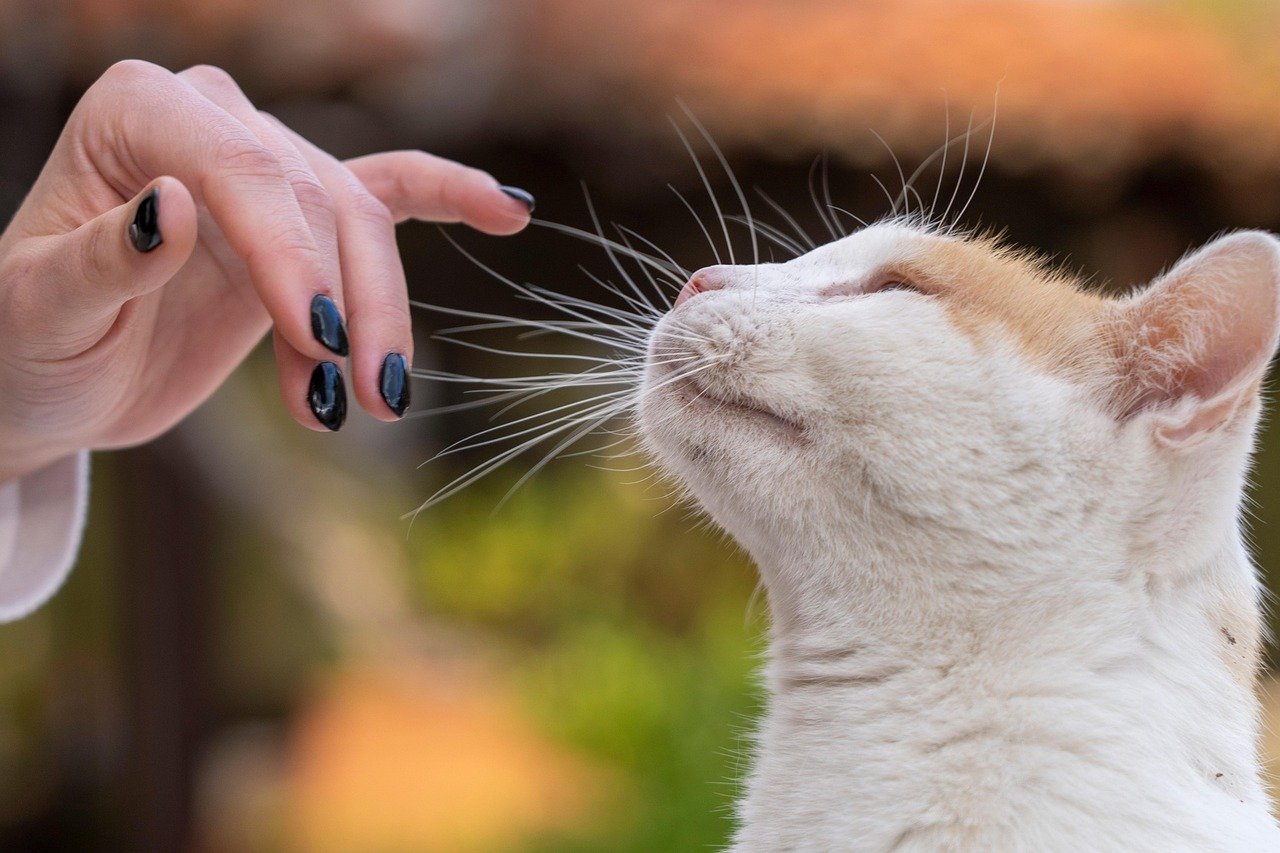
Cats bond through scent marking, often rubbing their cheeks on your furniture – or on you directly. This is how they deposit facial pheromones, signaling “this is safe.” When they rub their cheeks, paws, or tails against you, it creates a shared scent profile, strengthening your bond. It’s a quiet, deliberate act of inclusion.
Head bunting is an allorubbing behavior where cats deposit pheromones from facial glands onto objects or individuals, functioning as both scent marking and affiliative bonding. A 2021 study found that the vast majority of cats rub against their owners after separation, confirming allorubbing as significant reunion behavior. Your scent isn’t just familiar to your cat – it’s emotionally meaningful.
Your Early Interactions Laid the Foundation
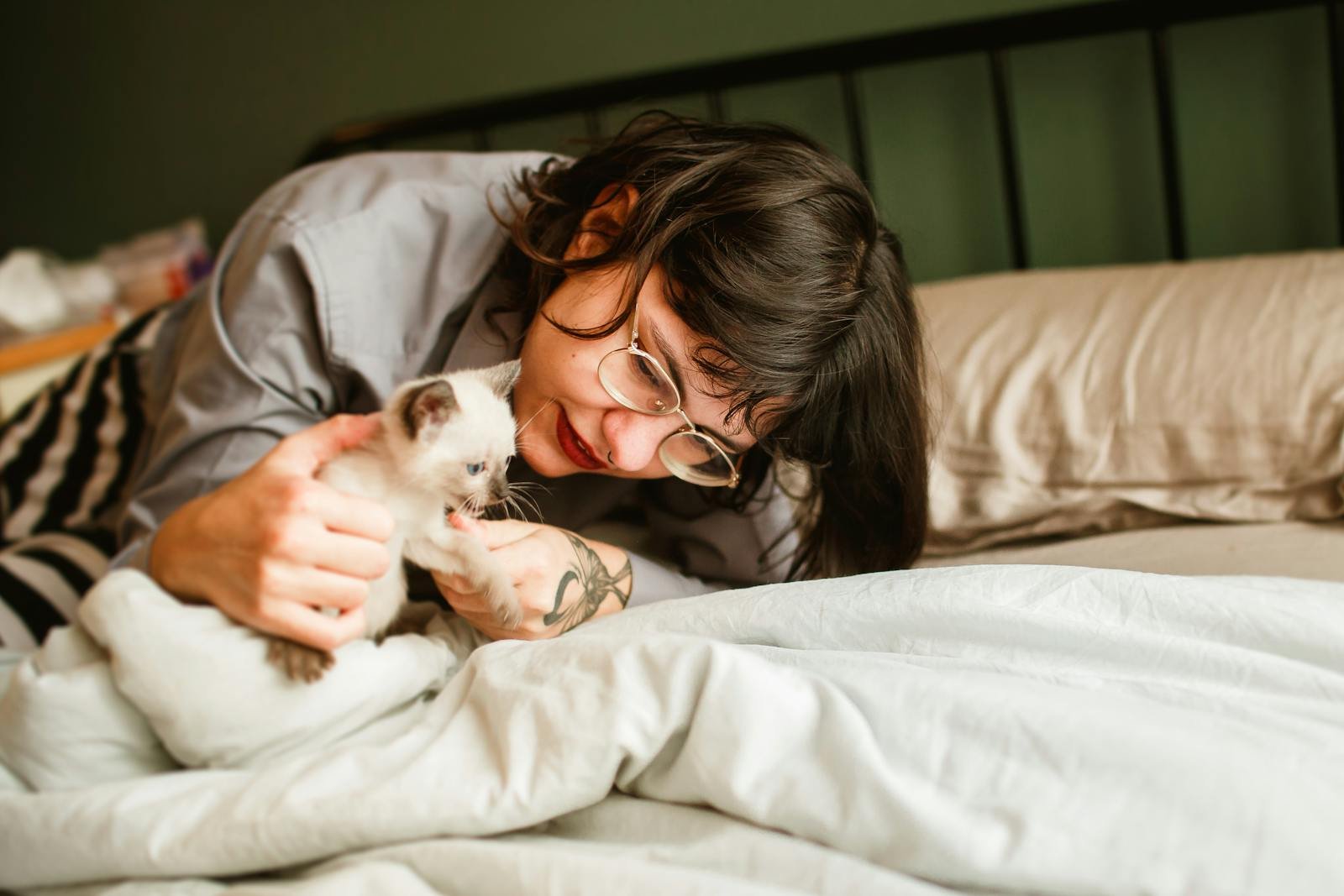
There is a critical window in a kitten’s early social development. The first three to seven weeks of a kitten’s life play a significant role in how they respond to people. Regular handling and exposure to different sounds and smells can help kittens grow into well-adjusted, human-bonded cats. However, kittens without any human interaction during that period will be more guarded, suspicious of other people, or even fearful.
For a cat well-socialized to humans as a kitten, it takes many negative experiences with other people to become wary of such contacts, and very few positive experiences with a new owner to become friendly and trusting of that person. A cat poorly socialized to people as a kitten requires a great deal of positive experience to accept a new person, but very little negative experience to confirm its wariness. If your cat came to you well-socialized, a lot of their openness to you was already in place – you simply stepped into the role they were prepared to trust.
You Provide Both Care and Genuine Companionship
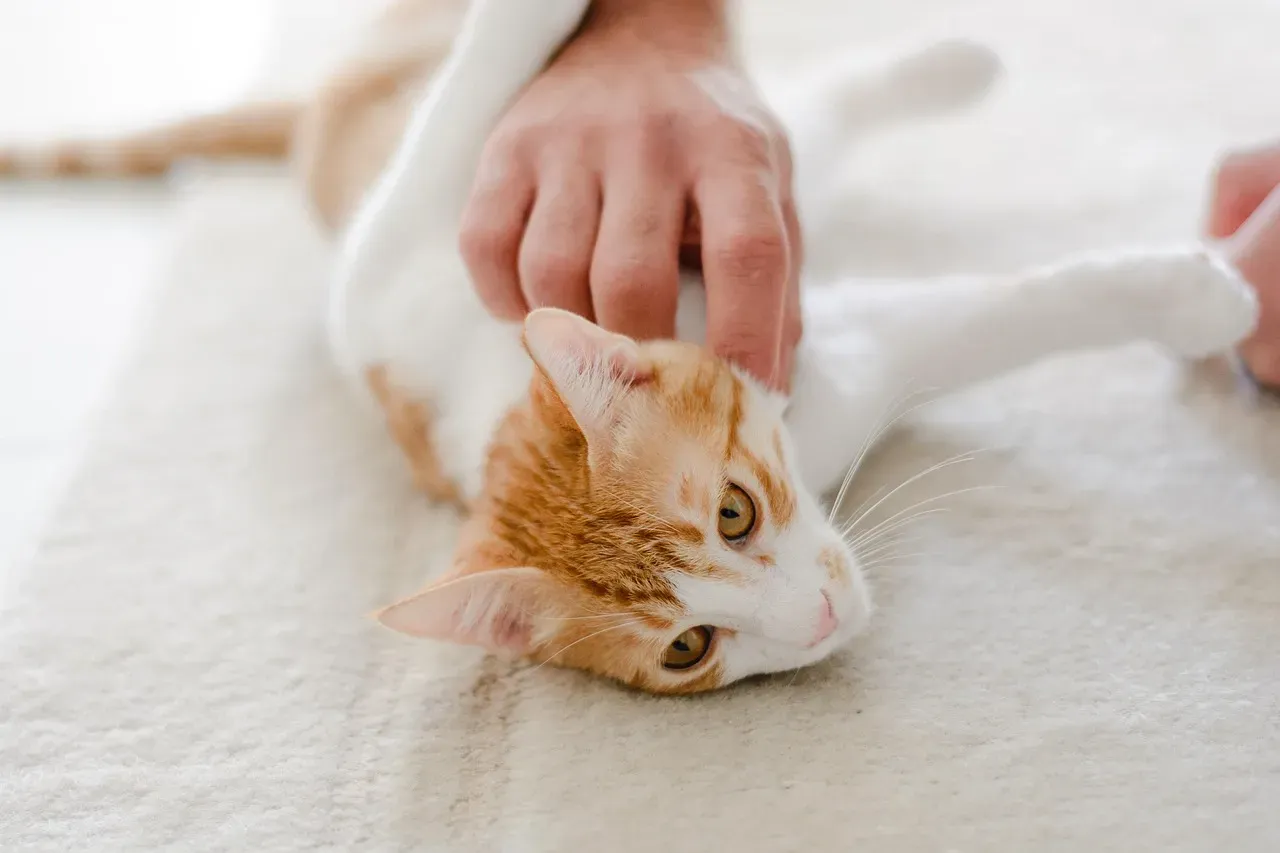
A study published in Behavioural Processes looked at what cats prefer to interact with, offering the options of human interaction, food, toys, or scent. Most cats chose interaction with humans. Food was the runner-up. That finding still surprises people who assume cats are purely motivated by meals and comfort.
While cats may express affection differently than dogs, they are capable of forming deep and lasting bonds with their human companions. While food is definitely a motivator, cats seek companionship, security, and play from their humans, demonstrating that their needs go beyond mere sustenance. Research suggests that quality attention and playtime are equally crucial. Cats often form their strongest bonds with people who provide a balance of physical care, emotional engagement, and respect for their independence.
Conclusion: It Was Never About the Couch
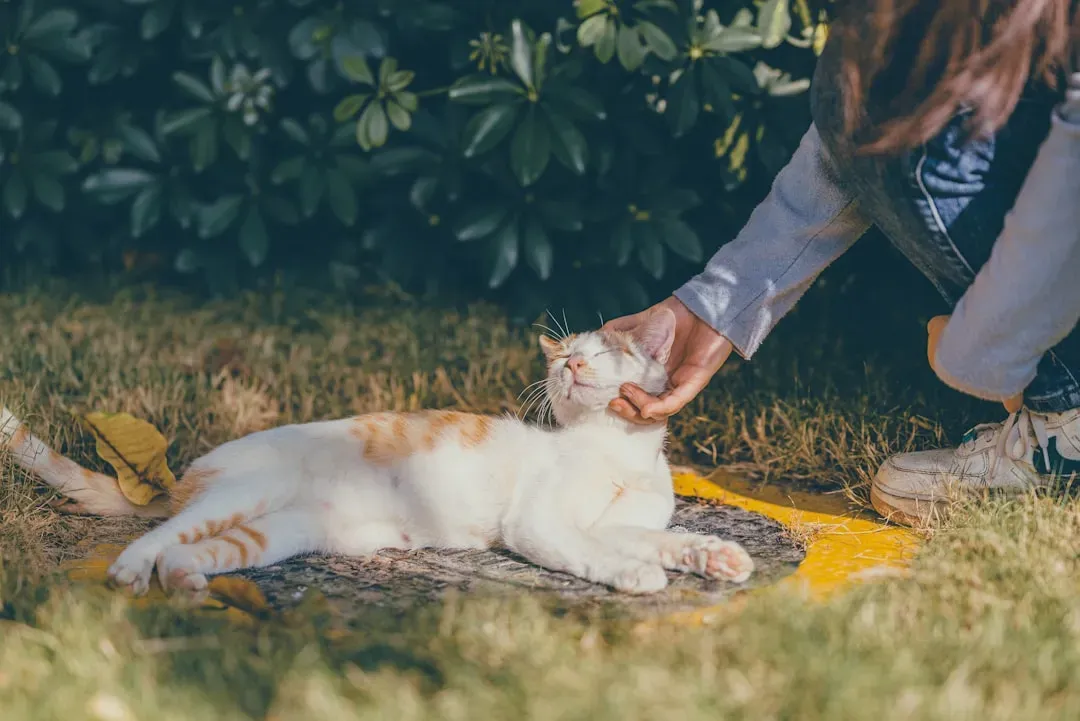
When your cat follows you from room to room, sleeps closer to your side than anyone else’s, or offers that slow, deliberate blink across a quiet room, there’s real science behind it. Cats don’t choose their favorite human by accident. They choose them for very specific reasons. Trust, consistency, calm energy, and genuine communication all factor in.
It’s natural to want to be your cat’s favorite person right away, but sometimes that’s not possible. With cats, trust and love are not guaranteed immediately – the relationship needs careful but worthwhile nurturing. If you take meaningful steps to develop a trusting, loving relationship, you’ll become your cat’s favorite person.
The couch is just furniture. What your cat is really settling into, every time they choose your lap over any other spot in the house, is the steady presence of someone they’ve decided they can fully trust. That’s not a small thing for an animal wired to be cautious. It’s everything.
Kristina is a young writer from India. An arts graduate and an avid content creator, Kristina is passionate about animals and wildlife. She enjoys exploring topics related to pet care, animal behavior, conservation, and nature, combining thorough research with engaging storytelling.