Most people assume their cat is just lazy. The truth is a little more fascinating than that. What looks like endless napping is actually the result of millions of years of biological engineering, and understanding it changes how you see every slow afternoon your cat spends curled up on the sofa.
Cats are not idle creatures. They are precision machines built for short, explosive bursts of activity, and everything about their sleep exists to support that design. From the way they dream to the way weather shapes their rest, feline sleep is far more complex than it first appears. Here are twelve that most owners never hear.
Your Cat Sleeps More Than You Probably Realize
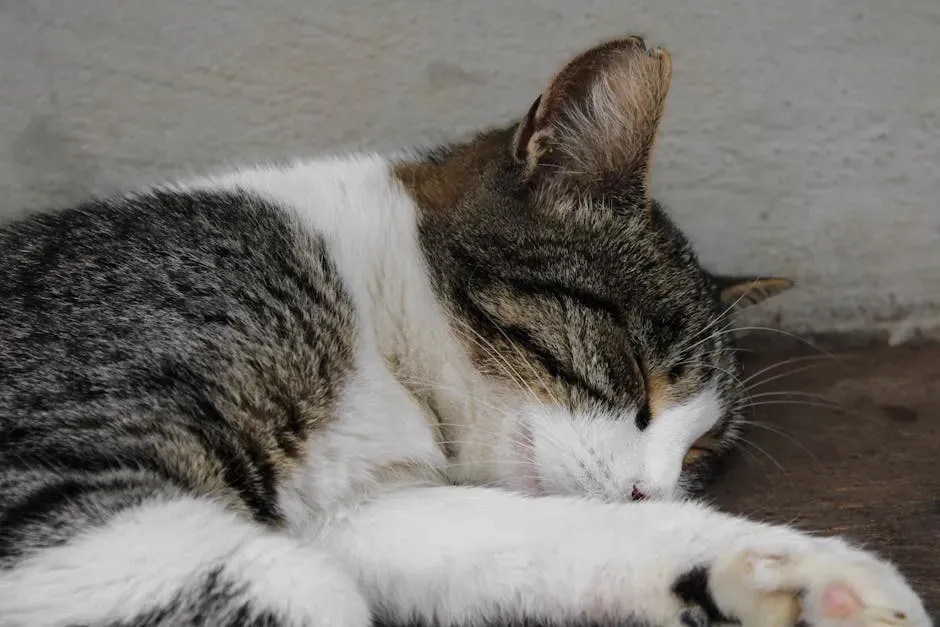
More than half of all cats sleep between twelve and eighteen hours a day, and nearly forty percent of cats sleep more than eighteen hours per day. That is not occasional laziness. It is a consistent biological pattern that plays out every single day, regardless of how active your household is.
On average, cats sleep between thirteen and sixteen hours in a twenty-four-hour day, which is roughly twice the amount their human owners require. The variation comes down to age, personality, and overall health, but the baseline is always remarkably high. For a cat living a comfortable indoor life, sleep is simply the default state.
It All Goes Back to Hunting
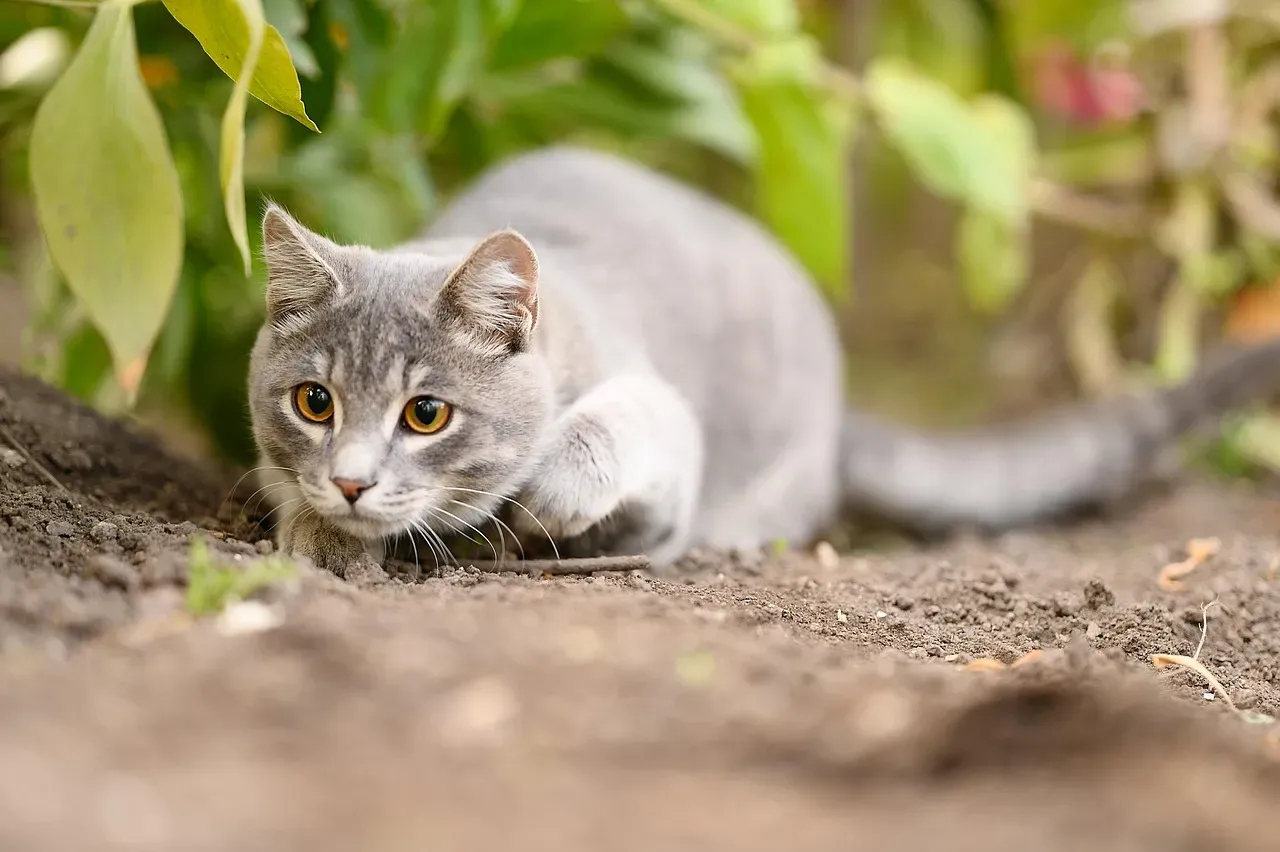
As descendants of wild predators, cats have inherited a sleep-wake pattern quite different from ours. In the wild, their ancestors needed to conserve energy for hunting, a high-energy activity, and this energy-conservation strategy has carried over into the domestic cats we know today.
Fundamentally, cats are predators, and sleeping is vital to conserve their energy after hunts. They are anatomically and physiologically designed to hunt for their food, even if you now provide it for them in a bowl. The fact that your cat’s dinner comes from a bag does not change the wiring underneath. Your cat’s body still behaves as though a hunt is always around the corner.
Your Cat Is Not Actually Nocturnal
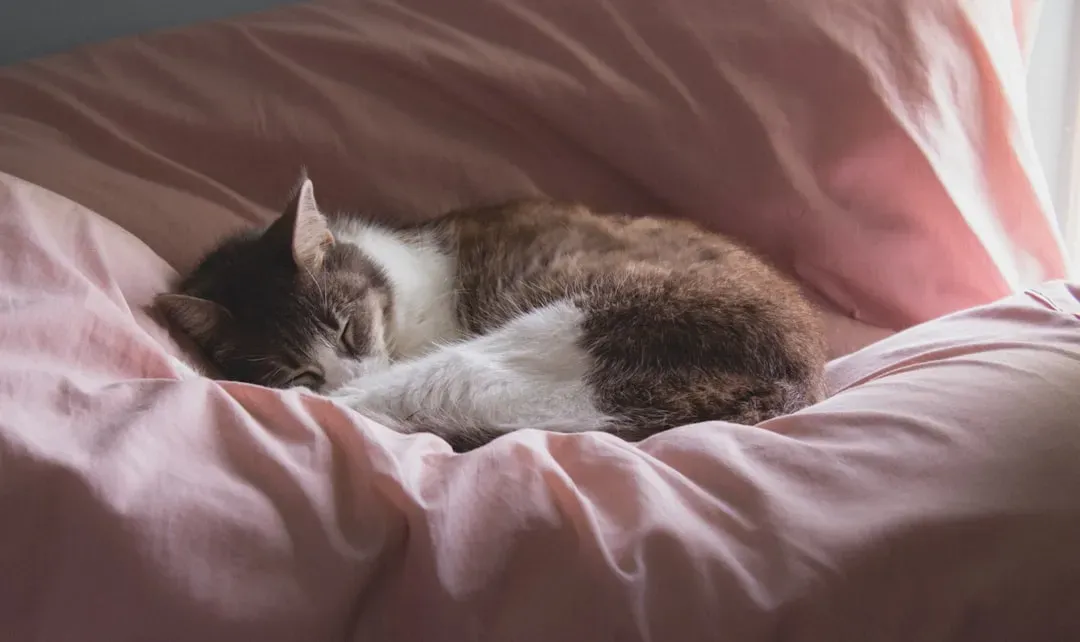
Cat sleeping habits aren’t quite like our own. Contrary to popular belief, cats aren’t nocturnal. They are crepuscular, meaning they’re most active around dawn and dusk, a pattern driven by their hunting instinct that evolved so they would be awake when their prey was at its most active.
Cats are crepuscular, which means they are most active at dawn and dusk. Some kitties are more active through the night, but that doesn’t make them nocturnal animals, which is a popular myth about feline behavior. This distinction matters. The reason your cat is bouncing off the walls at five in the morning is not random mischief. It is biology being perfectly on schedule.
Your Cat Naps in Multiple Short Bursts, Not One Long Sleep
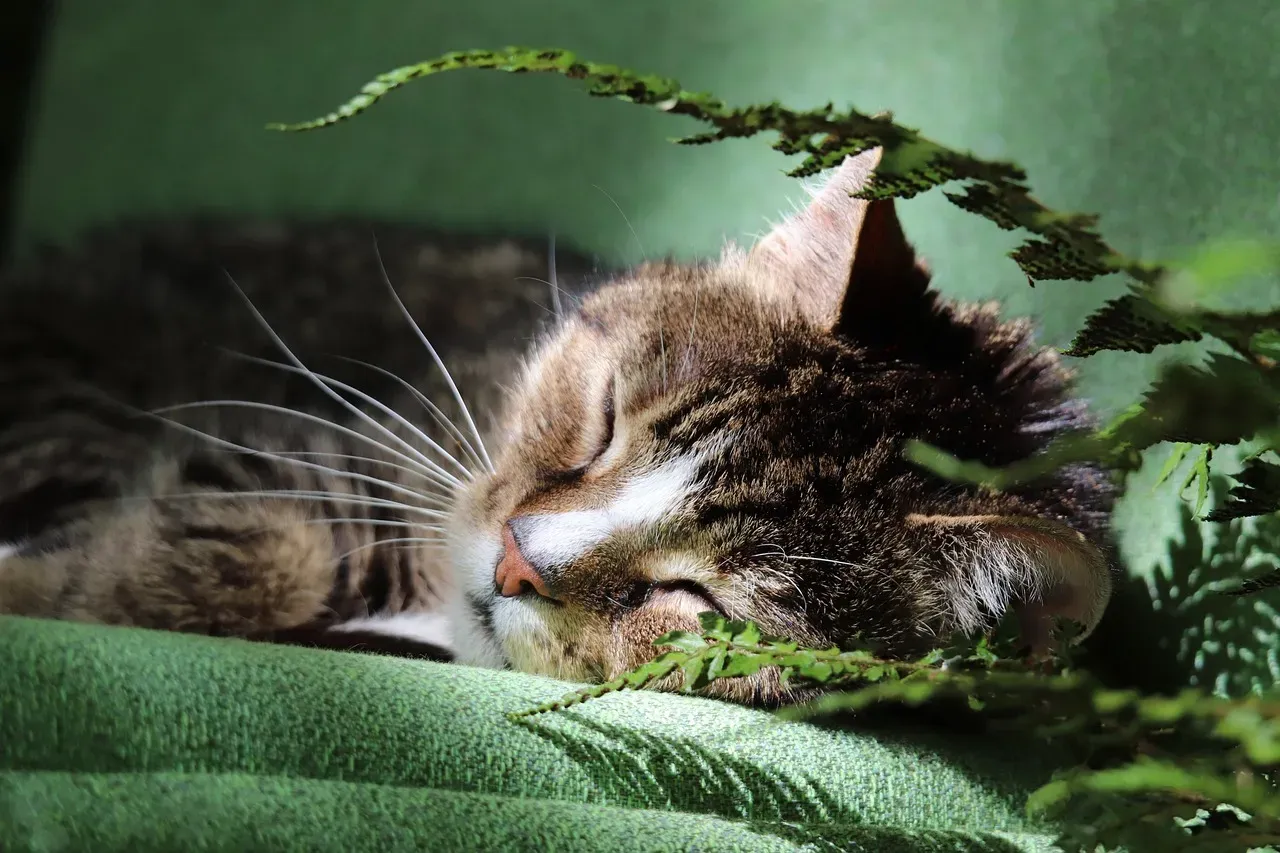
Unlike humans, who tend to sleep in one long time period at night, cats have a polyphasic sleep schedule that is marked by multiple shorter bouts of sleep across both day and night. Think of it less like a single overnight block and more like a series of carefully timed rest stops.
These cat naps average around seventy-eight minutes in length, though cats commonly sleep for periods ranging from fifty to over one hundred minutes at a stretch. It’s believed that cats don’t really sleep for long stretches but rather take frequent catnaps that last fifteen to thirty minutes. Catnaps allow your cat to rest their body and mind without falling into deep sleep, and they allow felines to still react quickly to potential threats in their environment.
Cats Experience Two Distinct Types of Sleep
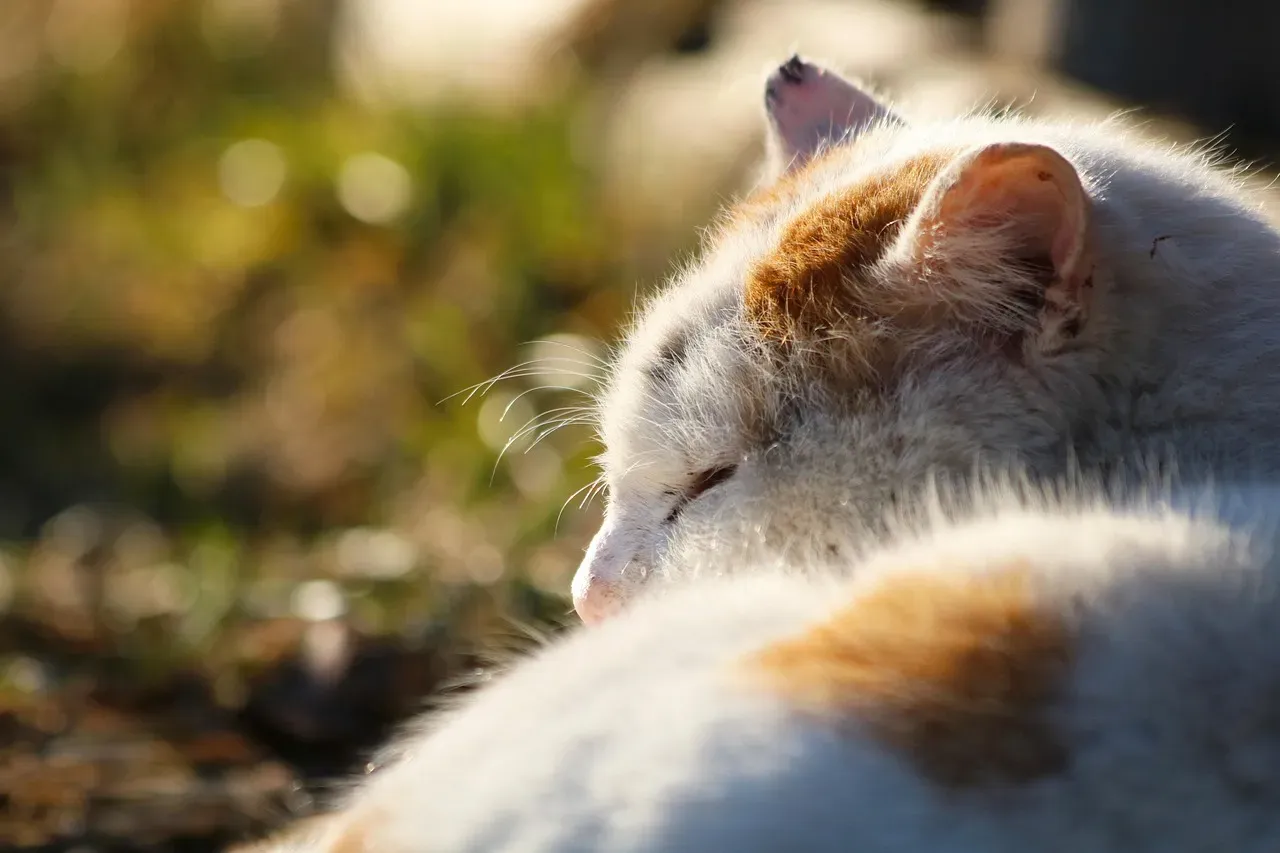
Cats either doze in a light sleep, known as non-REM sleep, or sleep very deeply, known as REM sleep, and alternate between the two. Cats sleep in a kind of standby mode when dozing and stay alert to their surroundings, with their senses remaining at work and the smallest sounds often enough to wake them.
About three-fourths of a cat’s sleep is a shallow, almost-waking rest called slow-wave sleep. The other one-fourth of the time, cats really are out of it, sleeping deeply, often reaching REM sleep. If it looks like they are dreaming when their paws tremble, it is because they probably are. This deep sleep usually comes in five-minute increments broken up by dozing. Two very different worlds, cycling back and forth all day long.
Yes, Your Cat Almost Certainly Dreams
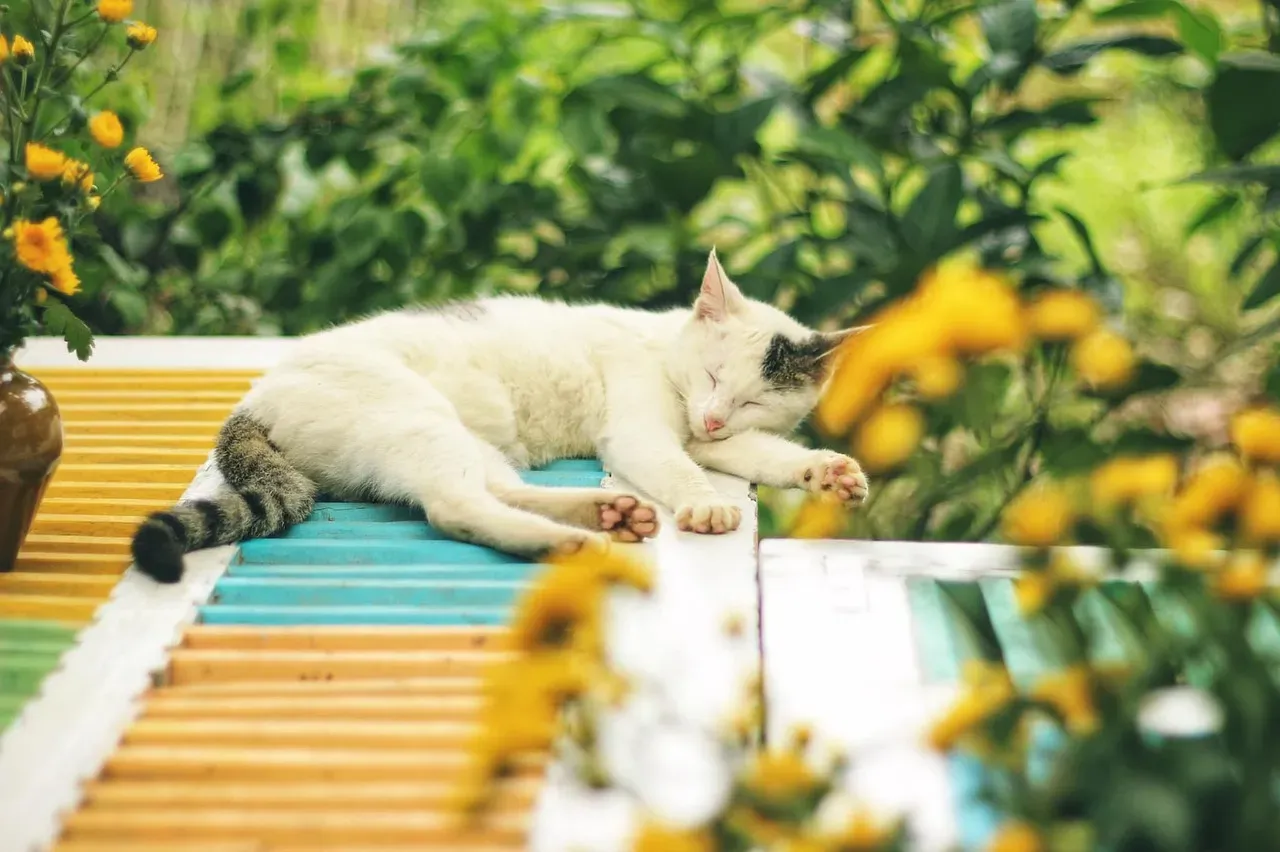
Cats experience both NREM and REM sleep phases, similar to humans, with dreaming occurring during the REM phase. This is not simply an assumption. The brain activity patterns observed in cats during REM sleep are strikingly similar to those seen in dreaming humans.
According to research by French physiologist Michael Jouvet, cats dream about thirty to forty percent of the time they are sleeping. You can tell when your cat is in deep REM sleep because their eyes and ears may start twitching. Those small paw paddles and soft vocalizations you notice during a deep nap are likely the outward signs of an active dream state. What they’re dreaming about, science hasn’t settled yet.
Kittens and Senior Cats Sleep the Most
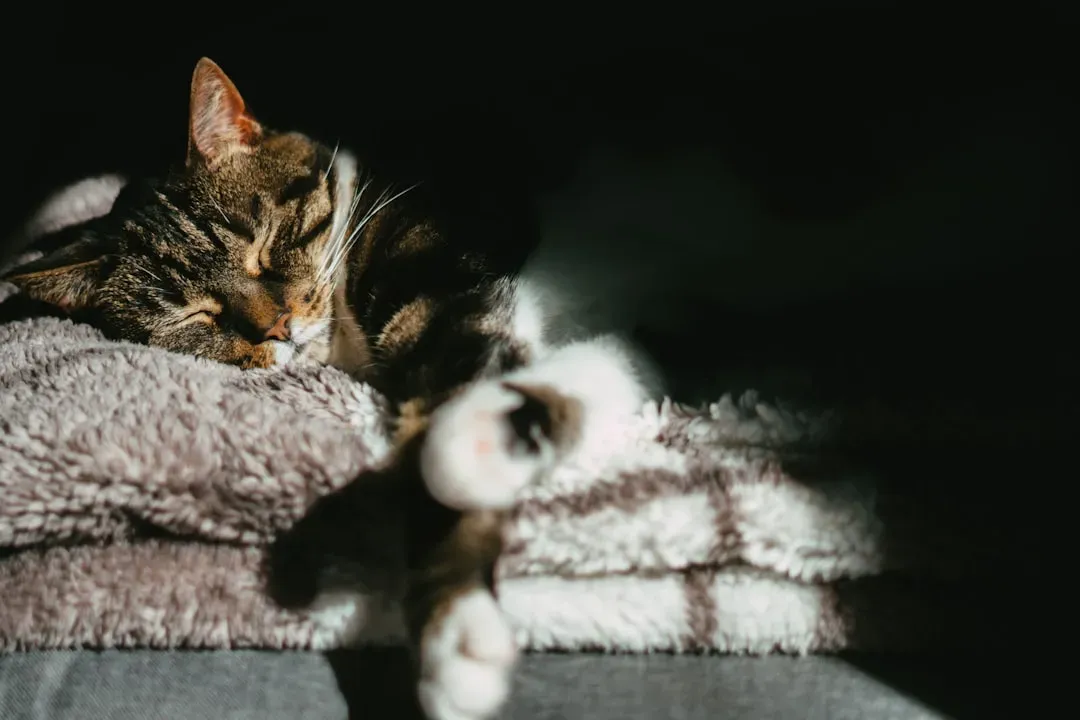
Kittens tend to sleep more than the average cat, and approximately ninety percent of kittenhood is spent snoozing. This is because they need to constantly recharge as their brain and central nervous system is still developing. This time kittens spend sleeping also strengthens their muscles and bones and keeps their immune system functioning.
It’s not just kittens that spend a lot of time sleeping. Senior cats snooze a lot too, usually up to twenty hours a day. This increased sleep is because, just like with humans, when cats get older they tire more quickly. However, if this change comes on suddenly, it’s best to seek advice from your vet. Both extremes of a cat’s life share this need for extended rest, though for very different reasons.
Weather Can Actually Shift Your Cat’s Sleep Schedule
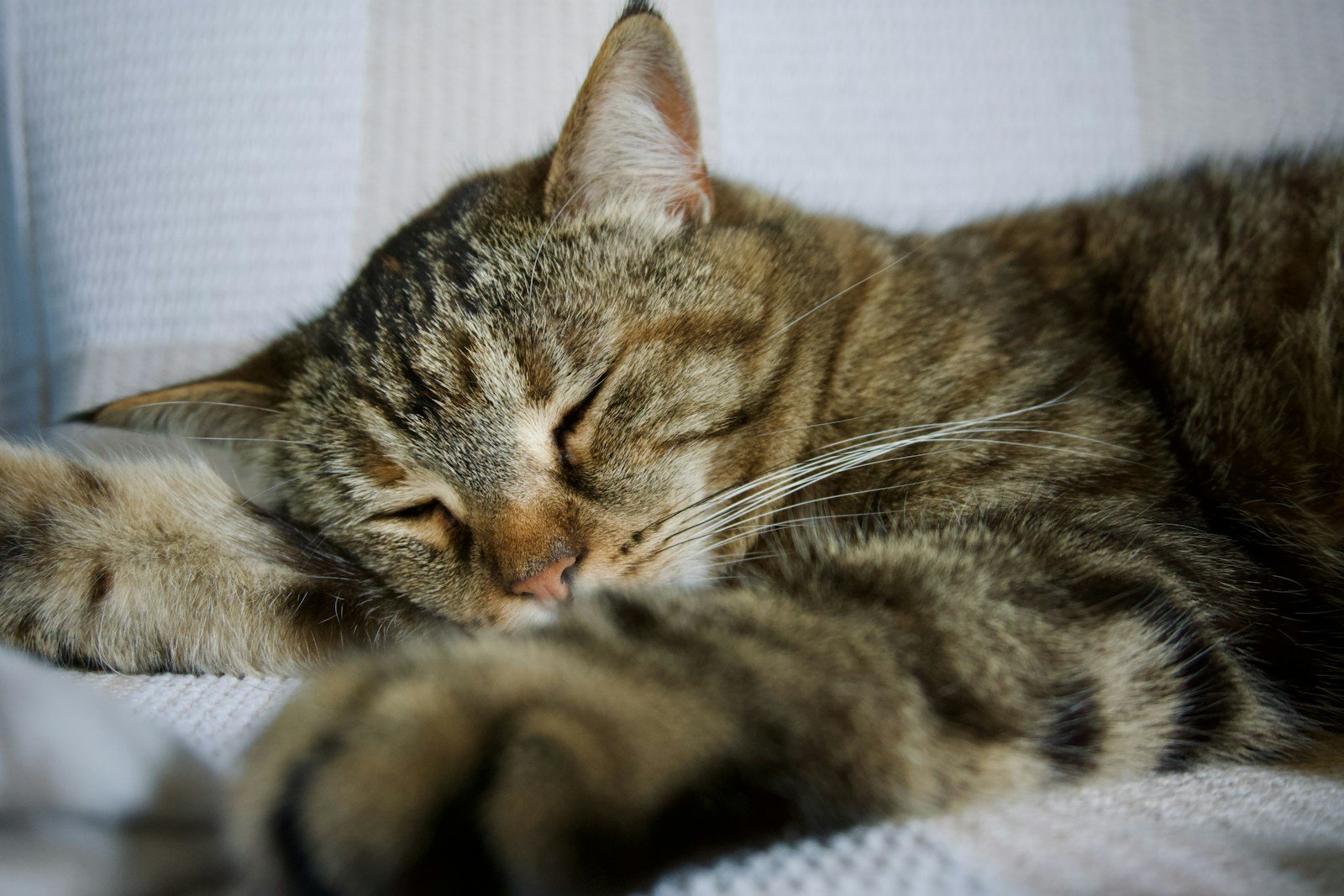
Just like their human companions, cats love to nap on wet and dreary days. Whether you have an indoor or outdoor cat, don’t be surprised if your cat is yawning more and sleeping longer when the forecast calls for rain. It is one of those quiet observations that most cat owners have made but rarely find an explanation for.
You might notice your cat sleeping more when it is cold or rainy outside. Cats do this to save up their energy during periods when outdoor exploration isn’t possible, so they are ready to go once the weather lets them start roaming and hunting again. Even a fully indoor cat seems to sense atmospheric shifts and responds by settling in for a longer rest. The ancestral logic still applies.
Your Cat Can Mirror Your Sleep Schedule
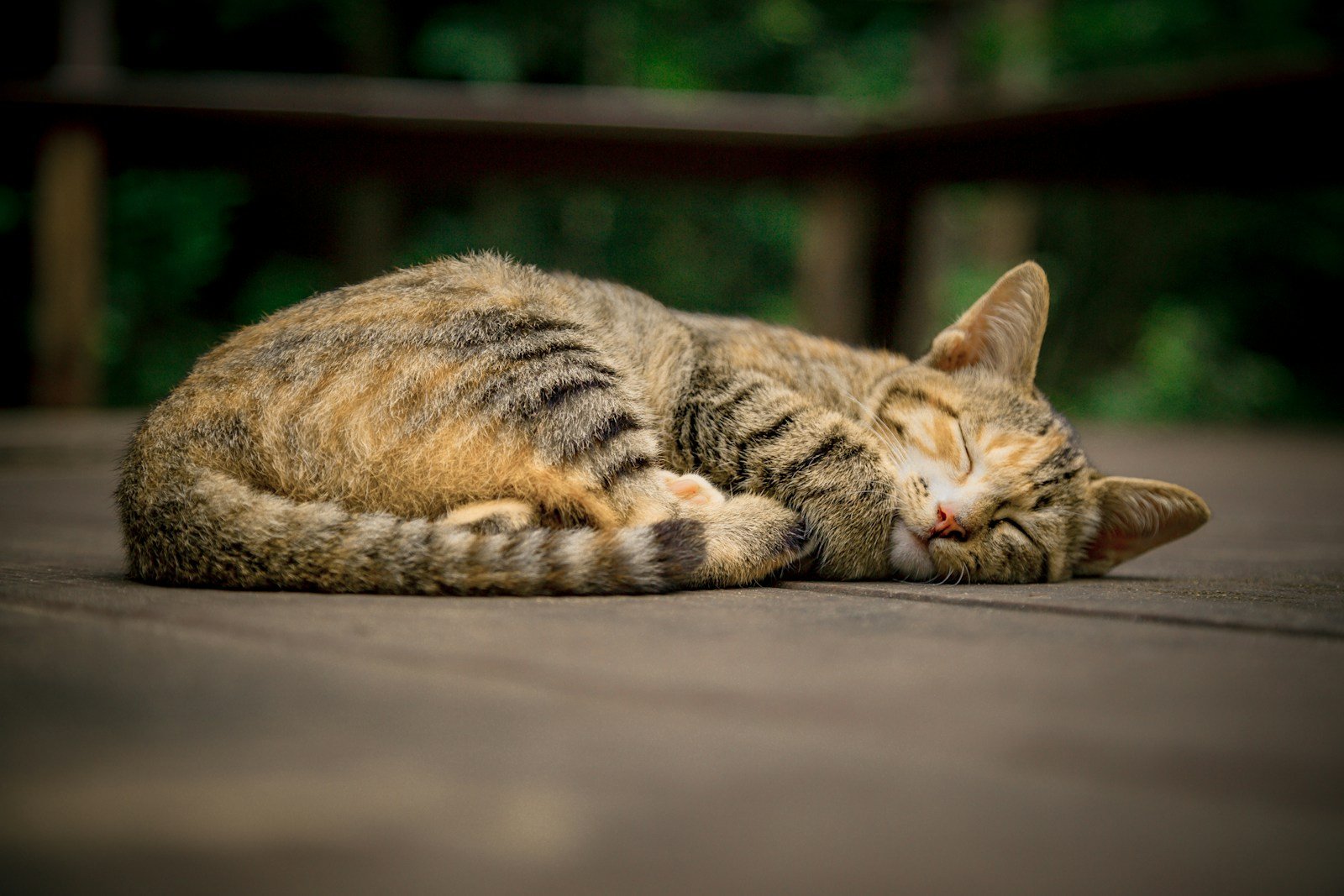
There is some evidence suggesting humans may impact when their cats sleep. One study from Italy’s University of Messina gained insights into this issue after attaching trackers to ten domestic felines, and it was found that cats in a smaller home somewhat mirrored their owners’ sleeping patterns and were more likely to be awake at times their owners frequently interacted with them.
While cats’ internal rhythms are rooted in biology, they are also influenced by the habits of the humans they live with. Research on indoor cats suggests that feeding times are among the strongest drivers of daily activity, and cats quickly learn when food is likely to appear and adjust their wakefulness accordingly. Over time, many indoor cats develop a schedule that at least partially aligns with yours, even if mornings remain their peak enthusiasm window.
Your Cat’s Sleeping Position Is Telling You Something
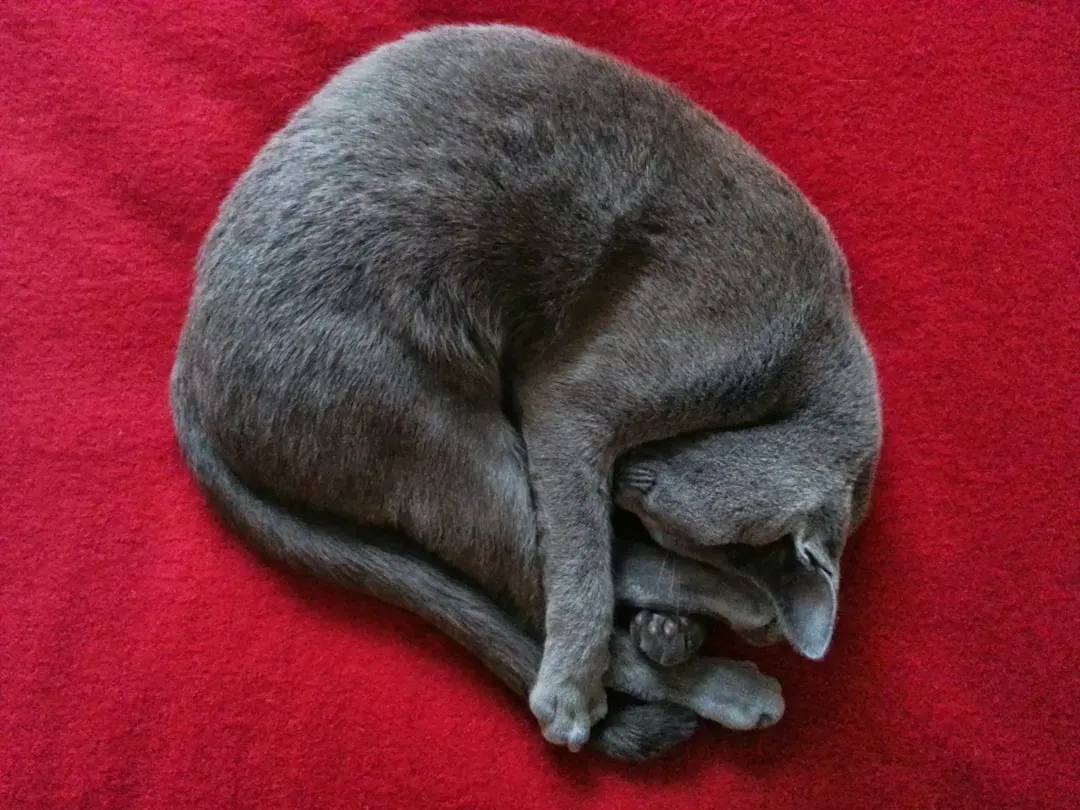
Cat sleeping positions are more than random habits. Every posture reflects a mix of instinct, comfort, temperature regulation, and emotional state. A cat’s wild ancestors had to protect vulnerable organs and stay ready to react to threats even while resting, and those instincts still shape how domestic cats sleep today.
Perhaps the most endearing position is when cats sleep on their backs with exposed bellies. This vulnerable position demonstrates complete trust in their environment and their human companions. By contrast, a cat that consistently sleeps in a tight, hunched loaf with eyes partially open may be experiencing pain, and cats who suddenly switch from relaxed, sprawling positions to tense curling in hidden locations could be signaling illness or stress. The body language is always there. It just takes knowing what to look for.
Your Cat Seeks Out Warmth for a Very Specific Reason
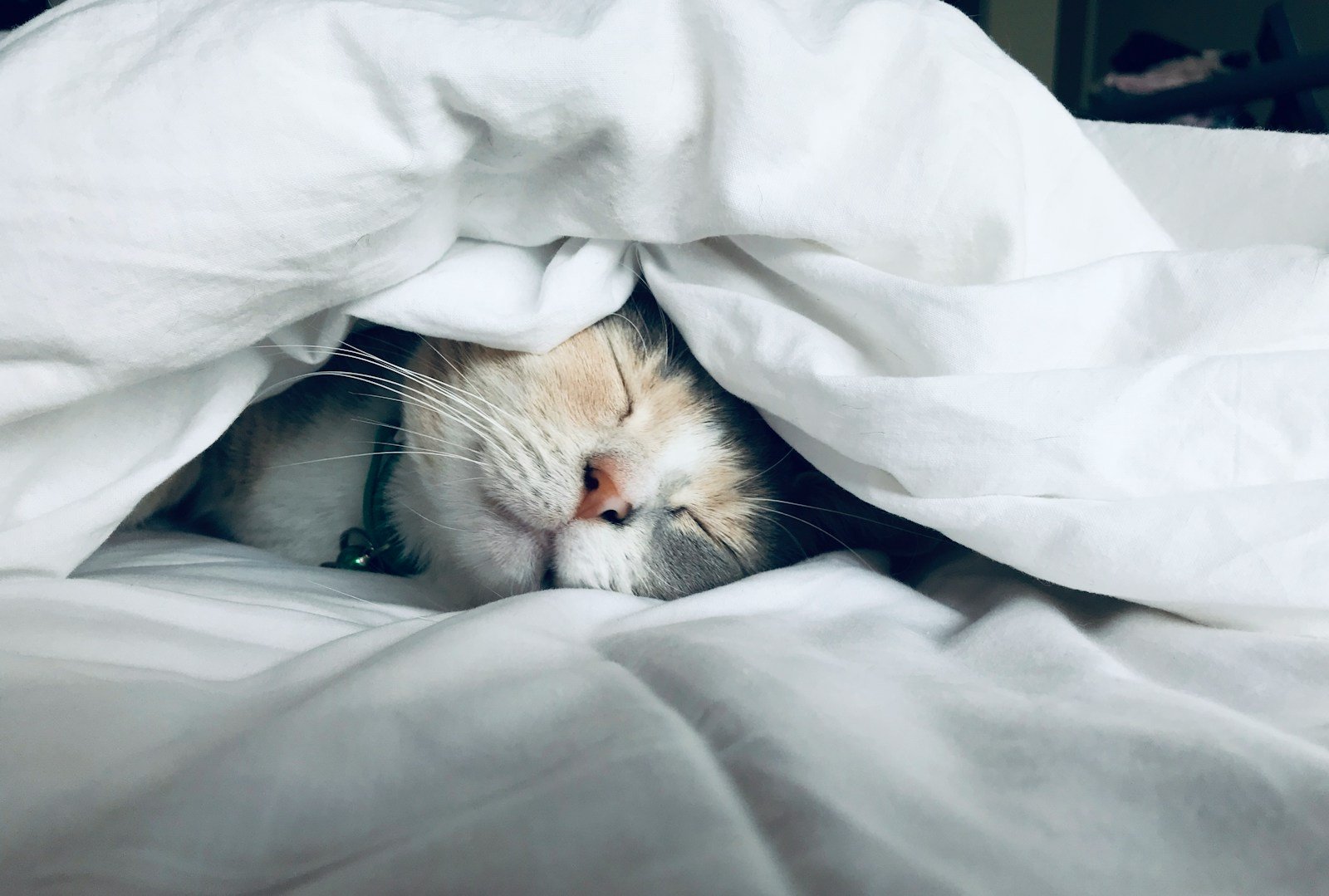
Cats have a body temperature of around 102 degrees Fahrenheit and naturally seek out warm resting places. Your bed offers warmth from blankets, your body heat, and soft surfaces that mold around them. This drive is instinctive, not simply comfort-seeking. Maintaining that high body temperature without burning metabolic energy requires finding external heat sources.
Cats are sensitive to changes in natural light, and ensuring they have access to natural daylight during the day and a dimly lit space at night can help regulate their sleep-wake cycle. Temperature is another crucial element, with cats preferring warm and cozy spots for sleeping, seeking out sunny spots or curling up in blankets. The next time your cat migrates from the sunny window to the warm laundry pile, it is not random. It is efficient thermoregulation dressed up as adorable behavior.
Sudden Changes in Sleep Patterns Can Signal a Health Problem
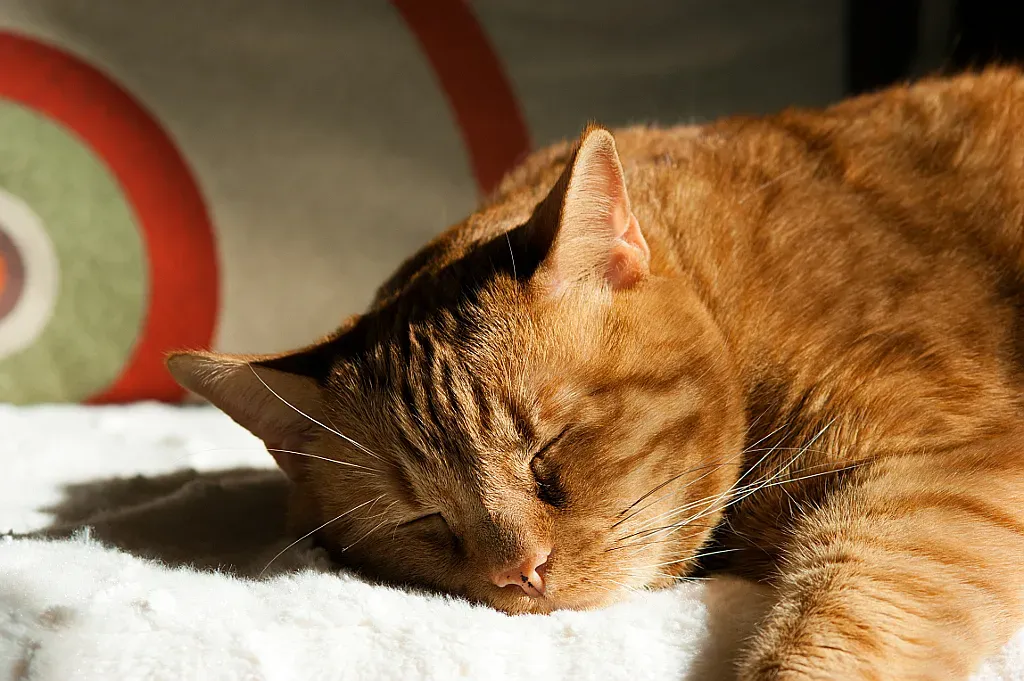
Unusual sleep or excessive wakefulness patterns may indicate an underlying health condition. If your cat is experiencing illness, you may observe other changes such as a shift in bathroom habits, signs of disorientation, or unusual weight gain or loss. For example, cats with kidney disease tend to eat less food, drink more water, sleep more, and be more vocal at night.
As with humans, cats are affected by stress, and one way they express it is by changing their sleep patterns. If your cat is suddenly sleeping more than usual, it could be a sign they’re feeling overwhelmed or anxious about something in their environment. Cats can become stressed or anxious for many reasons, such as when new family members come into the house or if feeding times change. Tracking your cat’s sleep rhythm is one of the simplest ways to catch a problem early. A baseline of normal makes any deviation immediately obvious.
Conclusion: More Than Just a Long Nap
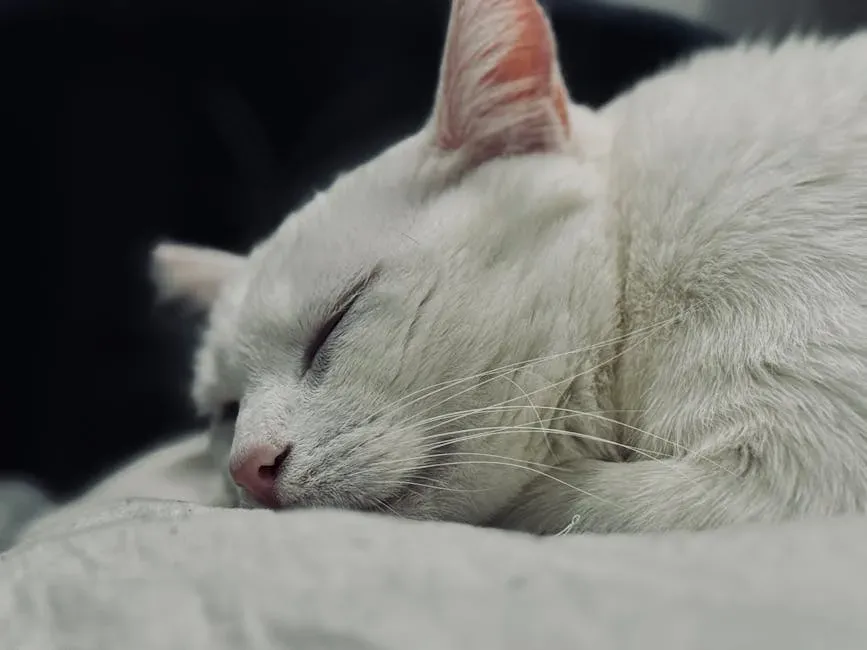
Your cat’s sleep is not a quirk or a sign of indifference. It is a finely tuned biological system, shaped by millions of years of predator evolution, and expressed in dozens of subtle ways every single day.
The position they choose, the spot they migrate to when rain arrives, the way their paws twitch during a deep nap – all of it means something. The more you understand the science behind feline rest, the easier it becomes to read your cat’s overall wellbeing with real accuracy.
Sleep is where a cat restores itself completely. Giving your cat a calm, warm, predictable place to do that is one of the most practical things you can offer. The science agrees, and your cat will never say it out loud, but the curled-up form on your sofa says it well enough.
Kristina is a young writer from India. An arts graduate and an avid content creator, Kristina is passionate about animals and wildlife. She enjoys exploring topics related to pet care, animal behavior, conservation, and nature, combining thorough research with engaging storytelling.