You set up a plush cat bed in the corner, maybe even added a little blanket on top. Your cat walked right past it. Ten minutes later, you found them folded impossibly small inside a cereal box. Sound familiar?
A cat sleeping in unusual places is usually acting on instinct, curiosity, or subtle environmental cues. What looks random to you is, from their point of view, perfectly logical. Cats spend an impressive twelve to sixteen hours each day sleeping, and they don’t just randomly plop down anywhere. They carefully select locations that meet their deep-seated needs for security, warmth, elevation, and proximity to their favorite humans. The spots below are the ones they find without any help from you – the ones you’d never think to look.
1. The Gap Between Your Mattress and Box Spring
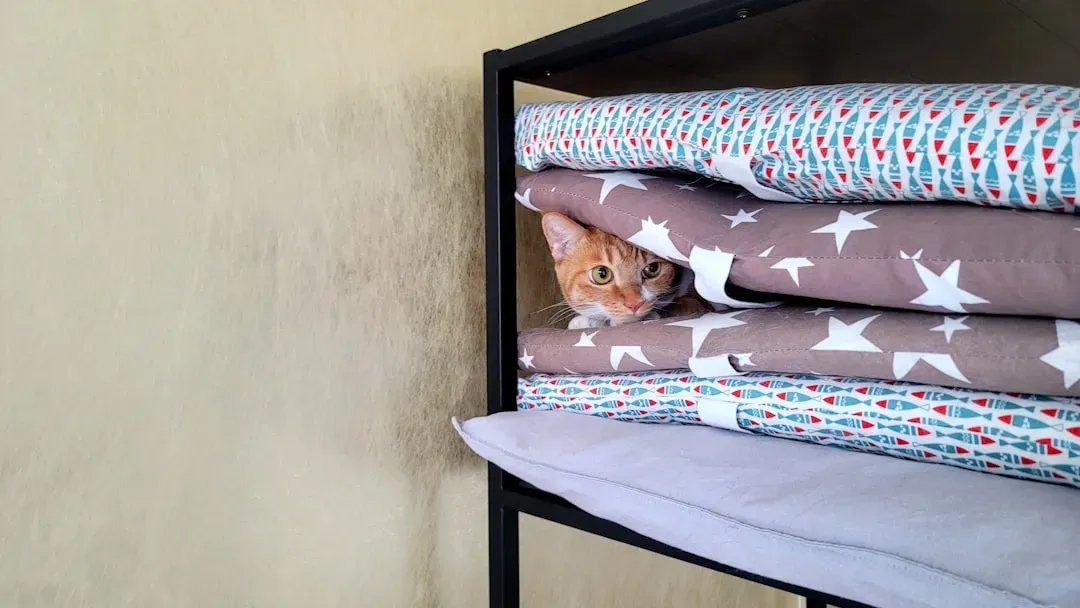
This one surprises a lot of cat owners the first time they discover it. Your cat can slip between the mattress and box spring, where the narrow gap becomes a cozy, hidden refuge. In some cases, they’re difficult to find unless you actually lift the mattress. It’s dark, it’s snug, and nothing about your daily routine disturbs them there.
Enclosed spaces make cats feel protected from sudden movements, loud noises, and unfamiliar activity, and small spaces trap heat, giving them a warm, cozy environment perfect for restful naps. The space under your mattress ticks every one of those boxes, which is exactly why your cat figured it out long before you did.
2. Inside the Laundry Basket
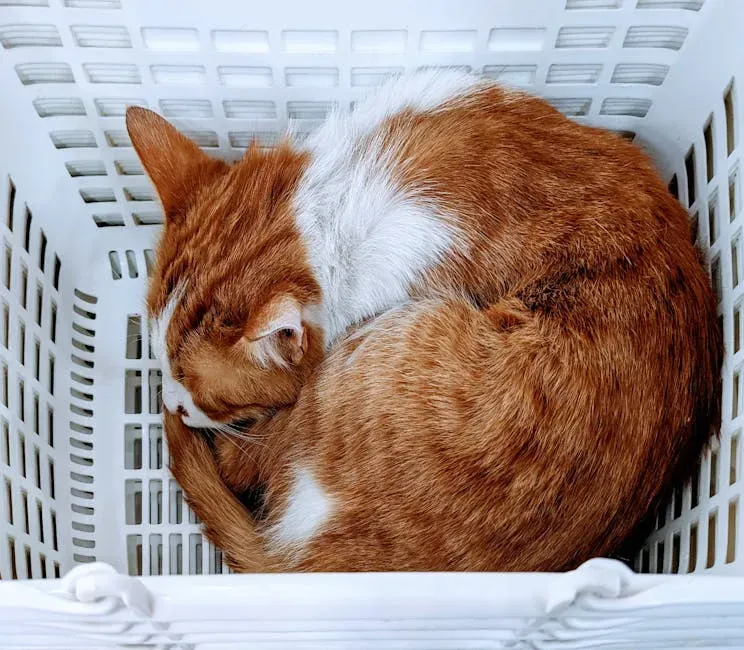
Your cat’s affection for lazing on your bed may transfer over to a love of laundry baskets, preferably filled with fresh-out-of-the-dryer clothes. Freshly dried laundry appeals to heat-seeking cats. The warmth radiating from recently dried fabric is, from a feline perspective, genuinely hard to resist.
Cats also love to relax in baskets filled with dirty laundry since it smells like you – their favorite person. So whether the pile is fresh or forgotten, your cat is working from a combination of warmth and familiarity. Nestling in the basket, they enjoy the comforting scent of their human companions, highlighting their need for warmth and the familiar.
3. The Dark Corner of a Closet
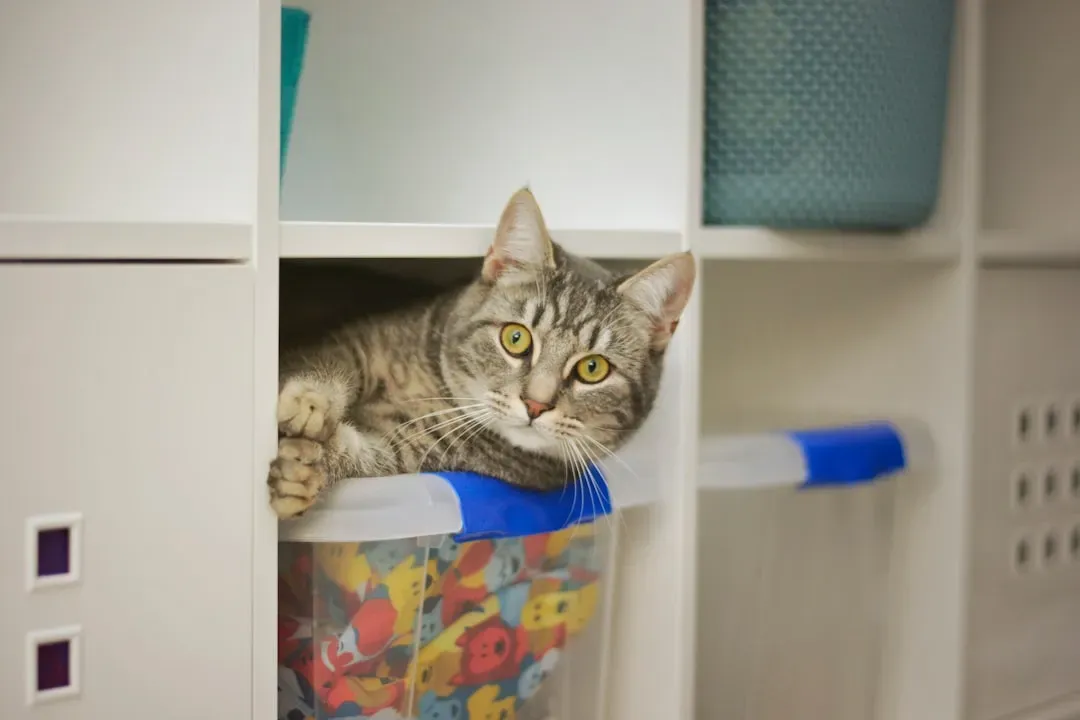
Cats love the closet because it has sturdy, secure walls and an abundance of soft fabric to cuddle. It’s also one of the quieter rooms in the house, which matters more than most people realize. The enclosed space blocks much of the sound emanating from the rest of the home, so your cat can get a solid day’s sleep.
The clothes also smell like you, and your scent can be a great feline stress buster. Your cat isn’t just tolerating the closet – they’re actively choosing it because it combines warmth, sound dampening, and your scent all in one small space. The closet is usually dark and quiet, which makes it extra cozy, and all those clothes make your cat feel hidden and safe, like they’re in their own little world.
4. On Top of the Refrigerator
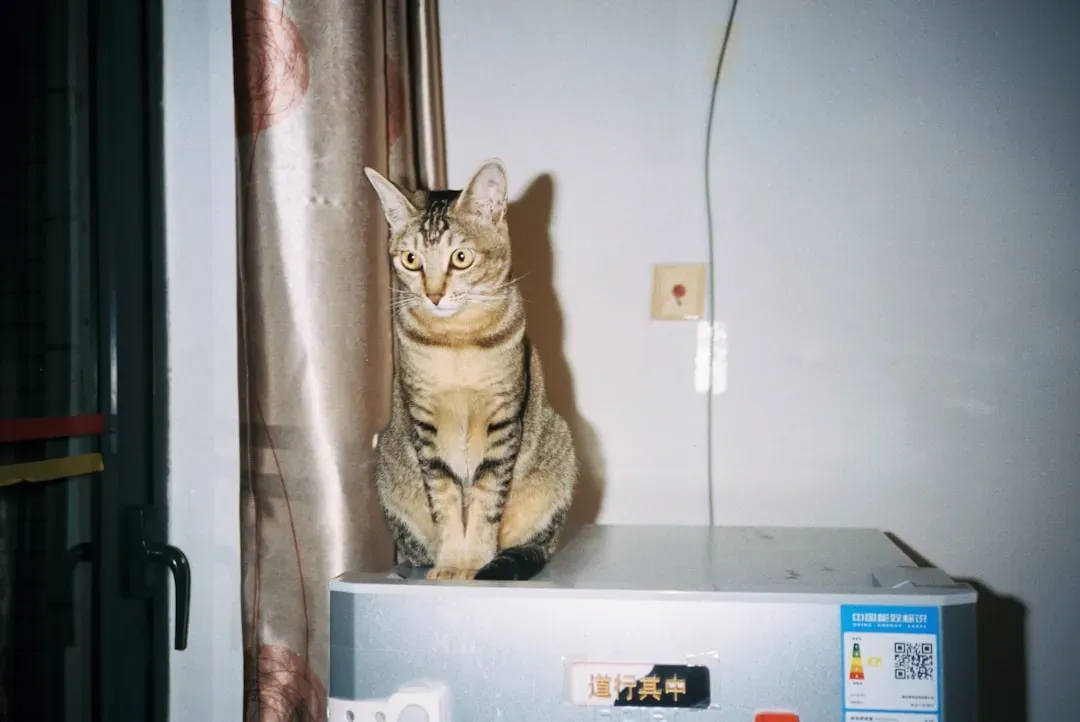
Perched high on the refrigerator, your cat reveals its inner adventurer. This elevated spot offers a perfect lookout, making them feel like rulers of their domain. From this vantage point, they can observe the kitchen’s hustle and bustle without being directly involved. You’d never think to look there, but they’ve mapped the whole kitchen from that angle.
Cats often seek out unique sleeping places for warmth, safety, and comfort. Elevated spots give them a secure vantage point, whereas hidden nooks provide a cozy, stress-free environment. The refrigerator is both – it’s high and it radiates gentle warmth from the motor. From a cat’s perspective, that combination is almost too good to pass up.
5. Behind the Curtains
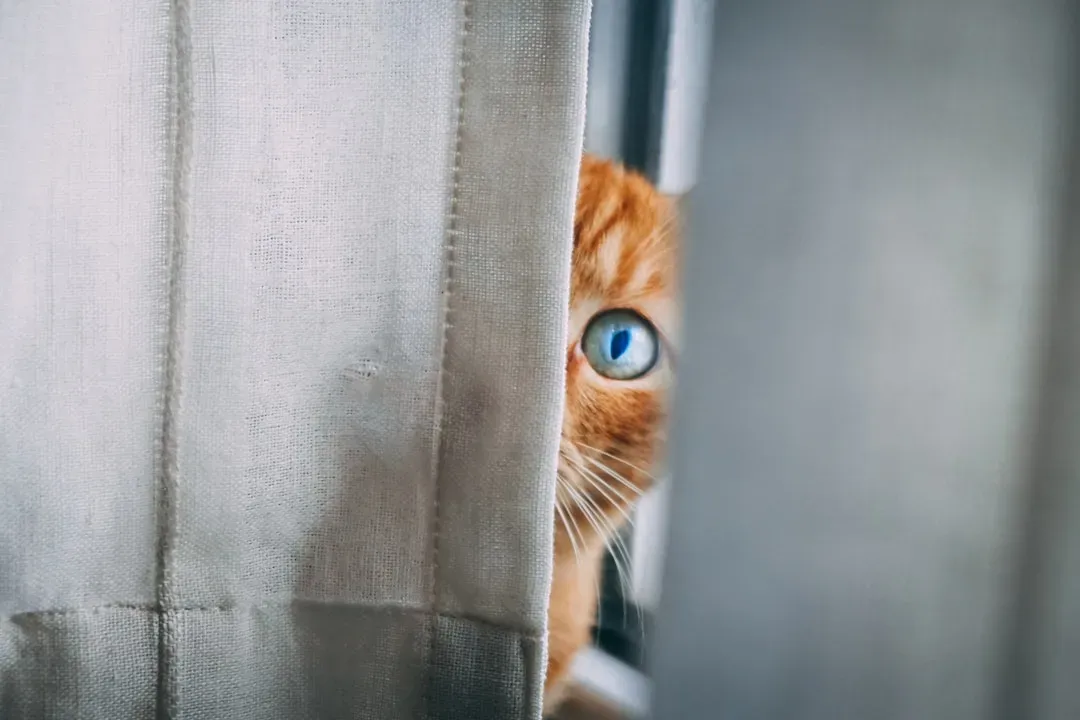
Cats prefer hiding behind curtains or lying there because the cloth is soft, and the animal can peek out while staying hidden. It kind of makes them feel like an invisible creature. There’s something about being concealed yet still able to watch the room that satisfies a very old instinct in them.
If your cat is overwhelmed by activity in the home, it may seek out low-traffic areas. A high shelf or behind the curtains offers solitude and a break from overstimulation. The curtain also pools soft fabric on the floor, especially with longer drapes, creating a draped little den that your cat discovered probably the first week you moved in.
6. Inside an Open Drawer
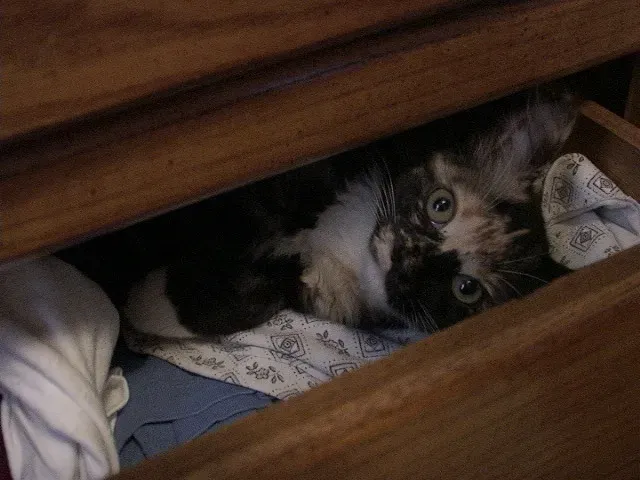
Drawers are just the right size for a cat to stretch out while staying snug, and that cozy, enclosed feeling is hard for them to resist. A kitchen drawer left ajar, a nightstand slightly open, a dresser with a loose runner – any of these becomes a candidate. You might not find them until you reach for something inside.
The appeal of enclosed spaces also relates to temperature regulation and scent concentration. Small, confined areas trap your cat’s body heat more effectively and concentrate familiar scents, creating a comforting microenvironment that promotes deeper, more restful sleep. A drawer does all of this quietly and efficiently, which is precisely why your cat chose it.
7. Beneath the Sofa Cushions
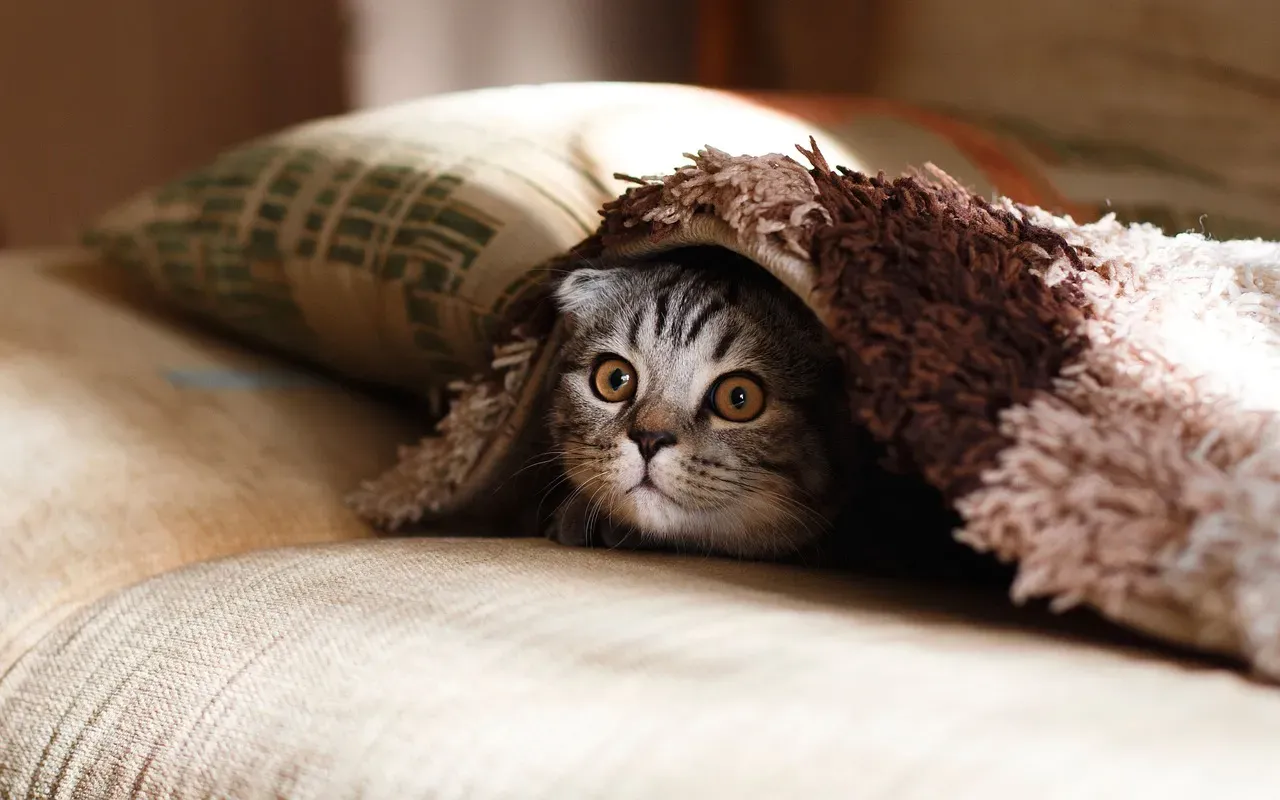
Your cat can easily slip themselves between the soft padding of couch cushions. The cushions provide warmth, as well as keeping them out of sight. It’s a good place to nap without anyone disturbing them. You can sit down and not even realize your cat has been in there for the past hour, doing absolutely nothing except sleeping at room temperature.
In the wild, cats often hide in enclosed, unpredictable places to rest – this keeps them safe from predators and allows them to stalk prey. Your domestic cat may not face wild threats, but the instinct remains. Tucking into the sofa is simply the modern, indoor version of exactly that.
8. Near the Water Heater or Clothes Dryer
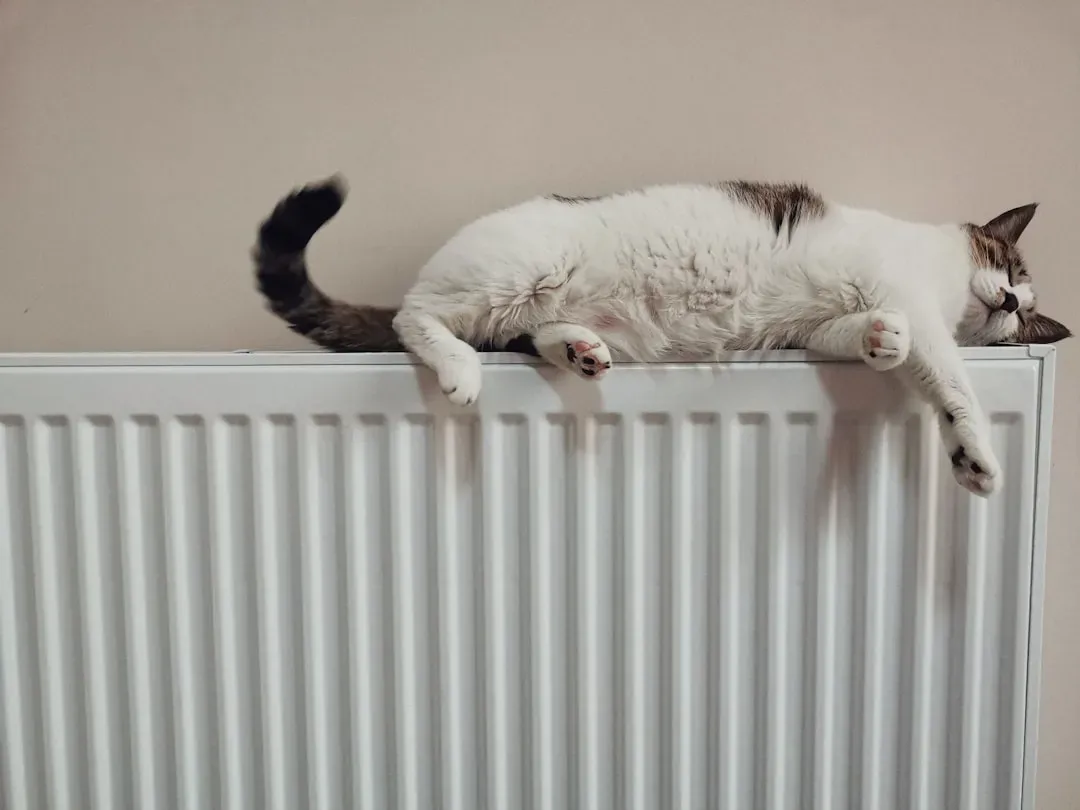
New cat parents often notice their feline friend choosing unique places, such as behind the water heater or inside a seldom-used cat carrier, as their go-to hiding space. The warmth radiating from the appliance is a significant draw. If your cat regularly hides, they probably have a favorite spot, or their hiding is patterned, like settling near the water heater or clothes dryer in the colder months.
Like their Egyptian ancestors, domesticated cats are wired to seek warmth. They are made to thrive in heat, so they seek warm things such as sunbeams or warm air vents. The corner behind your dryer is, in that sense, not a weird choice at all – it’s the closest thing to a warm desert rock that your home has to offer. Worth checking before you run a full load.
9. The Bathroom Sink
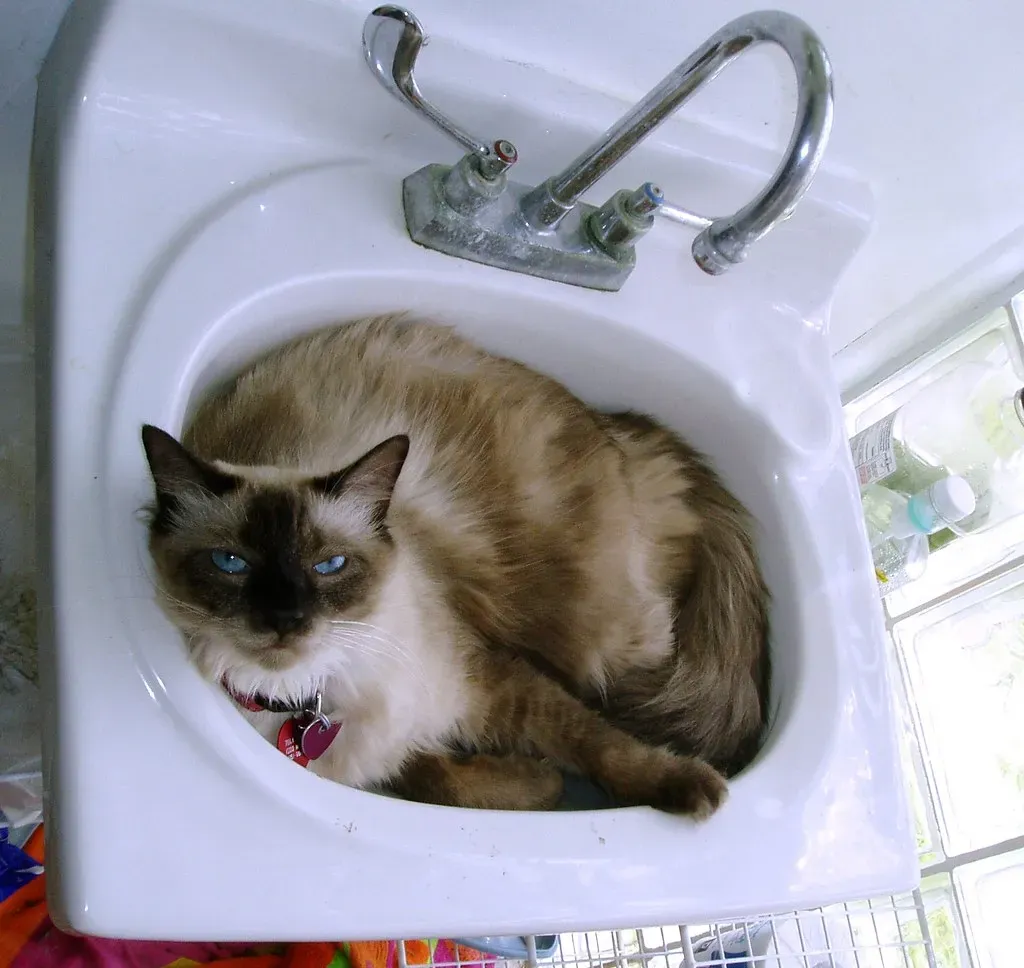
You may be taken aback the first time you catch your cat lounging in the bathroom sink, but it’s actually a pretty great spot. For starters, the average bathroom sink is just the right size to contain your cat, much like a cardboard box. Additionally, cats find the coolness of the sink comfortable. This one tends to be a summer preference, swapping warmth for the relief of cool porcelain.
During warmer months, cats shift their preference to cooler spots, seeking out tiled floors, bathroom sinks, or patches of soil if they have outdoor access. This temperature-seeking behavior demonstrates their remarkable ability to self-regulate their body temperature. Cool surfaces like tile, stone, or even porcelain sinks provide relief from heat while still offering some of the security and comfort cats crave.
10. High Shelves and Cabinet Tops
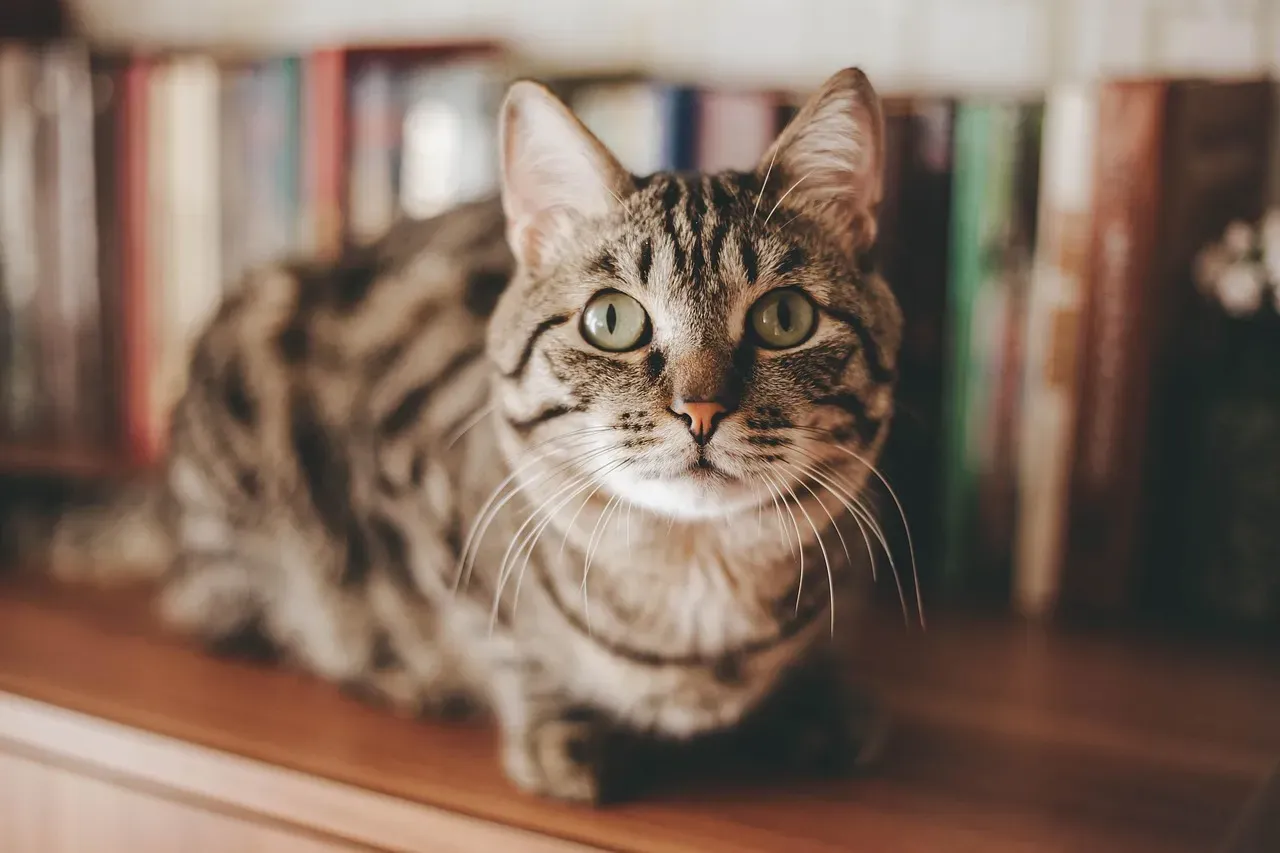
Your cat, when perched high on the top shelves, seems to feel extra safe being far above the ground. From up there, they can watch everything without being disturbed. They love shelves that are hard for people to reach. The height is not coincidental – it’s strategic. Being above everything else means they can see threats before threats see them.
High perches provide a broad view, making cats feel safe and in charge. A boxed corner can serve as a personal haven, away from household noise and activity. Solitary spots allow them to relax without disturbance from other pets or people. The shelf above your wardrobe that you use maybe twice a year? Your cat probably visits it weekly.
11. Inside Paper and Plastic Bags Left on the Floor

Cats prefer to hide themselves inside paper or plastic bags. The crinkling with the confined space is appealing to them. Leave a grocery bag on the kitchen floor for five minutes and see what happens. There’s something about the noise and the enclosure working together that seems to engage them on more than one level at once.
A cat’s natural curiosity often leads them to explore and settle in bizarre places. They love investigating new hideouts. A bag is novel, it crinkles when they move, it smells of the outside world, and it forms a loose little tent over their body. When overstimulated, cats retreat to quiet enclosed spots to calm themselves, and they sleep more deeply when they feel safe and hidden. Even a paper bag can offer that.
12. The Attic, Basement, or Any Rarely Used Storage Room
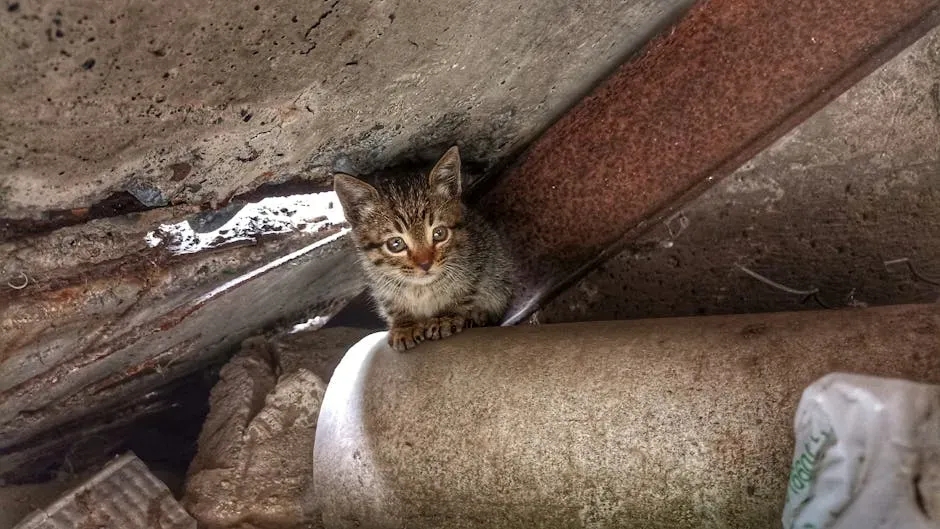
If they can access it, cats will hide between attics or basements. Both are usually quiet and generally out of the way. The dark, secluded space seems like an ideal space to spend many sleeping hours in. These spaces rarely see foot traffic, which is exactly the point. Your cat wants somewhere that belongs entirely to them.
Hiding is completely normal behavior for cats and is not necessarily a reason for concern. Cat parents often find their feline friends under the bed, in the closet, on a shelf, and pretty much anywhere else they may deem cozy and removed. Even well-adjusted cats like sneaking away to safe places to relax and nap. A basement full of boxes and quiet corners is, in feline terms, a five-star resort. The fact that you’d never think to look there is, from your cat’s perspective, a significant part of the appeal.
What All These Spots Have in Common
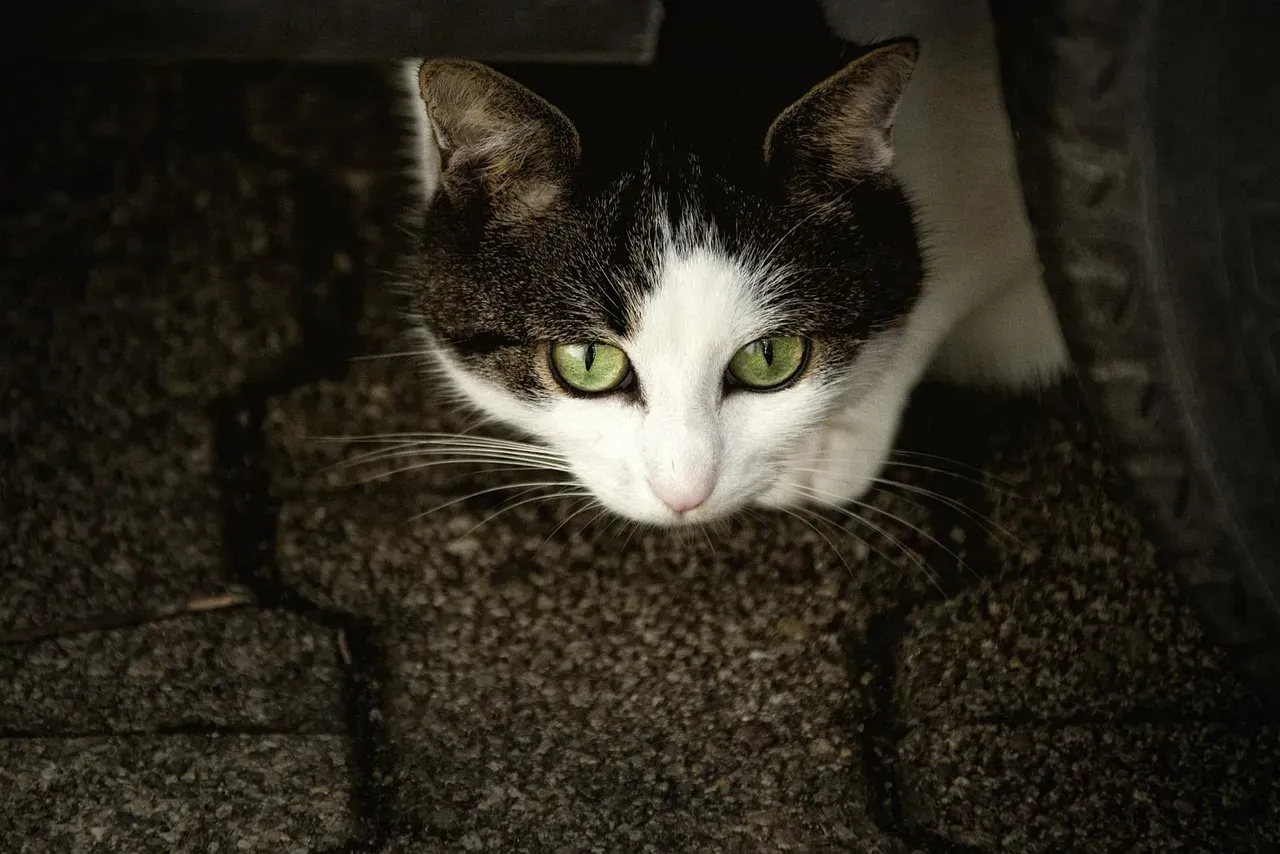
Hiding places provide warmth, quiet, safety, and even a good vantage point to keep watch over their surroundings. Put simply, cats enjoy being in enclosed spaces because they like to feel safe and secure. Every spot on this list delivers at least two of those things, and the best ones deliver all four simultaneously.
Cats often choose sleeping spots based on their need for peace, safety, and routine. Their behavior is responsive, not random. Worth keeping in mind: if your cat begins to sleep in increasingly hidden or hard-to-reach places and shows other signs like reduced appetite, lethargy, or avoidance, it may signal illness or discomfort. Cats instinctively hide weakness, so unusual sleeping patterns may be an early sign something is wrong. Know your cat’s normal patterns, and any deviation becomes easy to spot.
The real takeaway here is that your cat isn’t being mysterious for the sake of it. They’re solving a problem – finding warmth, quiet, safety, and a sense of control in a world that runs on your schedule, not theirs. Every strange spot they choose is, in its own way, a small act of self-care. Maybe that’s worth noticing more often.
Kristina is a young writer from India. An arts graduate and an avid content creator, Kristina is passionate about animals and wildlife. She enjoys exploring topics related to pet care, animal behavior, conservation, and nature, combining thorough research with engaging storytelling.