Your cat’s nose is doing a lot more work than you probably realize. While you’re going about your day, your feline companion is quietly cataloging every smell in the room, building a rich sensory map of their world. Cats have a sense of smell roughly 14 times stronger than humans, and unlike us, they rely on scent to do everything from warning them of danger to saying hello to new kitty friends. That’s a fundamentally different relationship with the world than we have.
What’s especially interesting is how many everyday household scents your cat already has an opinion about. Some of those opinions are enthusiastic. Others, not so much. Here’s a look at the ones that genuinely delight them, plus a few that are best kept out of their reach.
Catnip: The Classic for a Reason
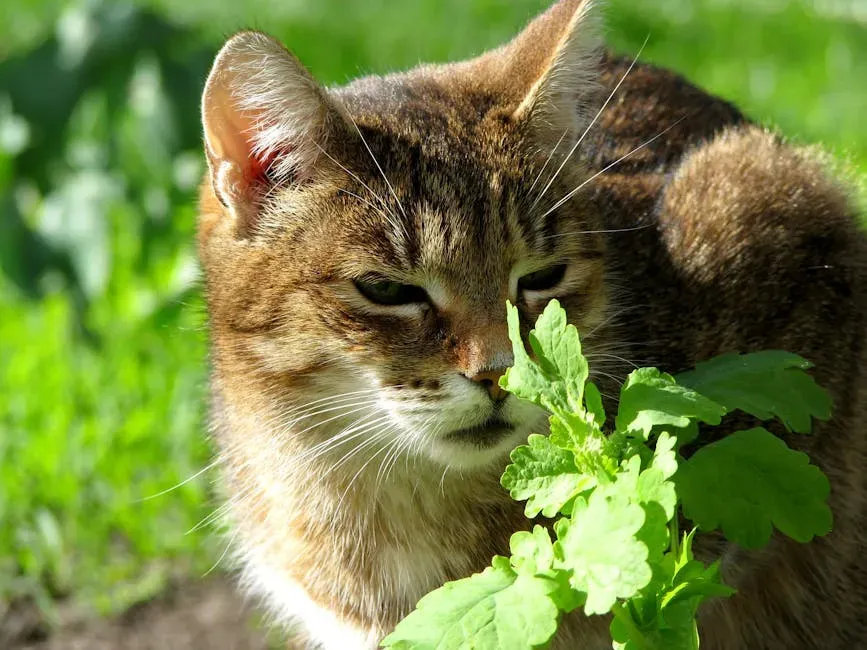
This aromatic herb contains a chemical in its oil called nepetalactone, which is what causes cats to experience a variety of reactions based on their genetics. Depending on your cat, that can mean euphoria, frantic rolling, intense grooming, or just a quiet, blissed-out snooze.
Only roughly half to two-thirds of cats have a reaction to the smell of catnip, so there’s a fair chance your cat could be one of them. If yours happens to be indifferent, don’t take it personally. It’s purely genetic. Potent scents like catnip should be used in moderation, as too much exposure can reduce their novelty and, therefore, their effectiveness.
Your Personal Scent: You’re Their Favorite Smell
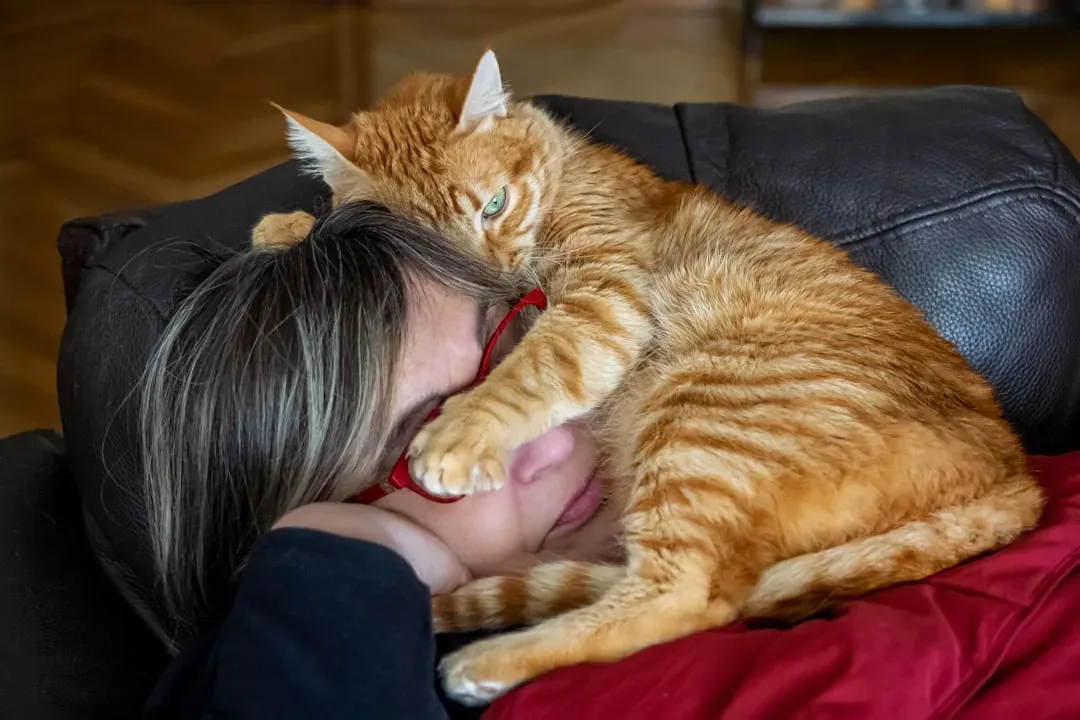
It might surprise some pet parents to learn that one of the smells cats love most is the scent of their human companions. Cats create community scent by transferring their scent to us and taking some of our scent on them, which essentially signals that you are a part of their “colony” and helps them feel safe and secure.
This is one reason your cat may love to sleep with you, head butt you, or snooze in your laundry basket among your clothes. If you’ve ever left a worn T-shirt on the couch only to find your cat completely buried in it later, that’s not coincidence. Placing an unwashed article of your clothing in their cat carrier can also help relax them when traveling to the vet.
Meat and Fish Cooking Aromas: Dinner Is Calling
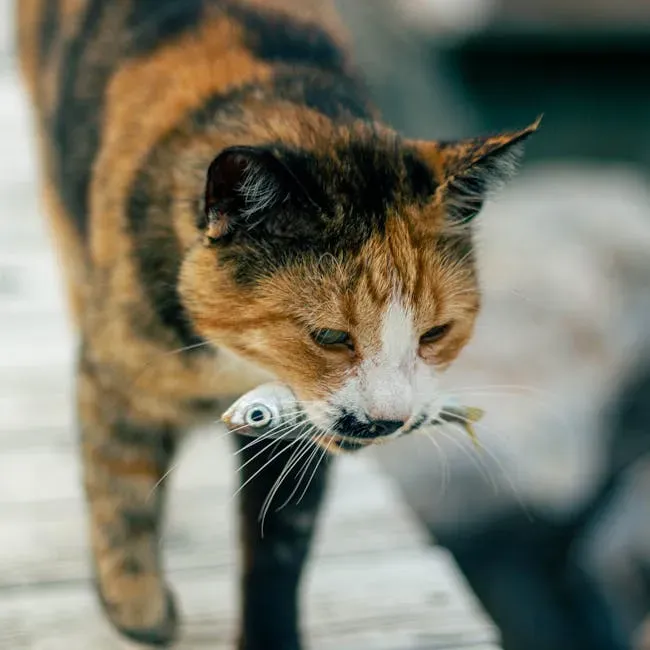
For many cats, nothing beats the tantalizing scent of fish or meat. These aromas are incredibly attractive to cats because they’re obligate carnivores, which means they require meat to fulfill their nutritional needs. When you fire up the stove, your cat isn’t just being nosy. They’re responding to a deeply wired biological pull.
Smelling fish or meat can provoke behaviors like licking their lips, meowing, and showing increased alertness or excitement, and many cats will try to reach for the source of the aroma, drawn by the tantalizing scent of their preferred prey. What seem like mild scents to us may have a pronounced odor to cats, one reason why they find the kitchen so irresistible.
Silver Vine: The Catnip Alternative You Should Know About
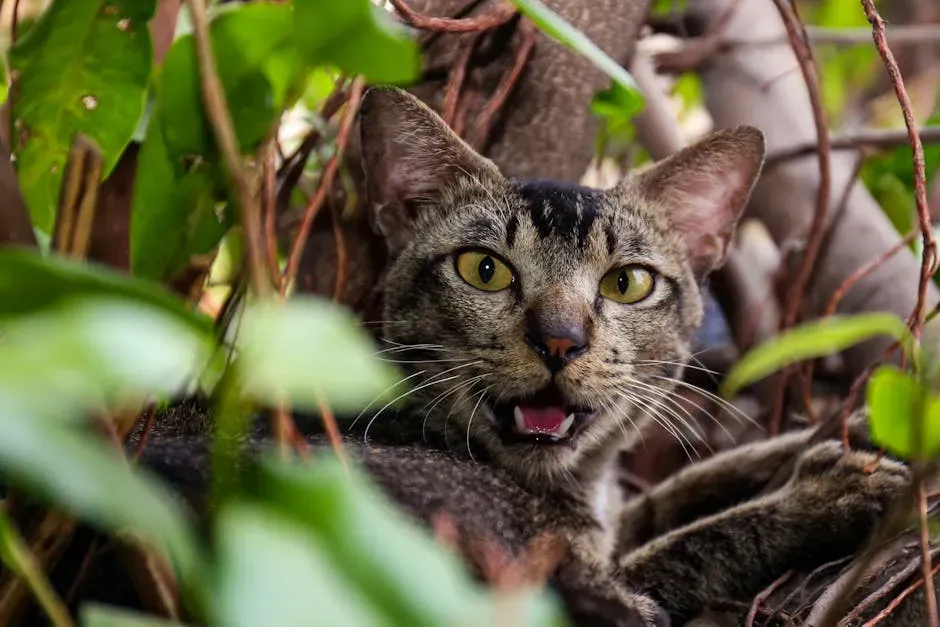
Silver vine is a climbing plant in the kiwi family found in the mountains of Asia, where its appeal to cats has been known for centuries. The smell of this plant causes a similar reaction as catnip in many cats, and some cats who don’t care for catnip love the scent of silver vine. It’s genuinely worth trying if you have a catnip-indifferent kitty at home.
In a 100-cat study, roughly four out of five cats responded positively to silver vine. It should also be noted that nearly three-quarters of cats in the study that didn’t normally respond to catnip responded positively to silver vine. That’s a pretty compelling track record for a plant that most cat owners haven’t even heard of.
Valerian Root: A Calming Herb With a Surprising Effect

Valerian root is commonly used in humans for sleep disorders and anxiety. In cats, though, the smell of valerian can be exciting, much like the more intense reactions they have to catnip. It’s one of those scents that works almost backwards compared to what you might expect.
Valerian root has been studied, along with silvervine and honeysuckle, as a catnip alternative and does seem to appeal to cats who don’t care for the more commonly used kitty scent. In the study of 100 cats, roughly half of cats with exposure to valerian root had a mild to intense reaction to the plant. If your cat has been unimpressed with everything else, this one might be worth adding to your list.
Honeysuckle: A Floral Favorite With a Gentle Effect

One species, Tatarian honeysuckle, has a scent that many cats love. The smell of this honeysuckle has a similar effect on some cats as catnip, often making them calm and relaxed. It’s one of the more mellow responses in the cat scent world, and some owners actively use it for that reason.
If you plant honeysuckle in your garden, you can watch as your cat slowly weaves in and out of the leaves, stopping occasionally to rub up against them, because cats love the scent and it relaxes them as they hang out in the leaves. Just keep one safety note in mind: some parts of the honeysuckle plant are toxic to cats if eaten, including the berries and flowers, so use caution when allowing your kitty to enjoy this scent.
Basil: The Kitchen Herb That Gets Their Attention
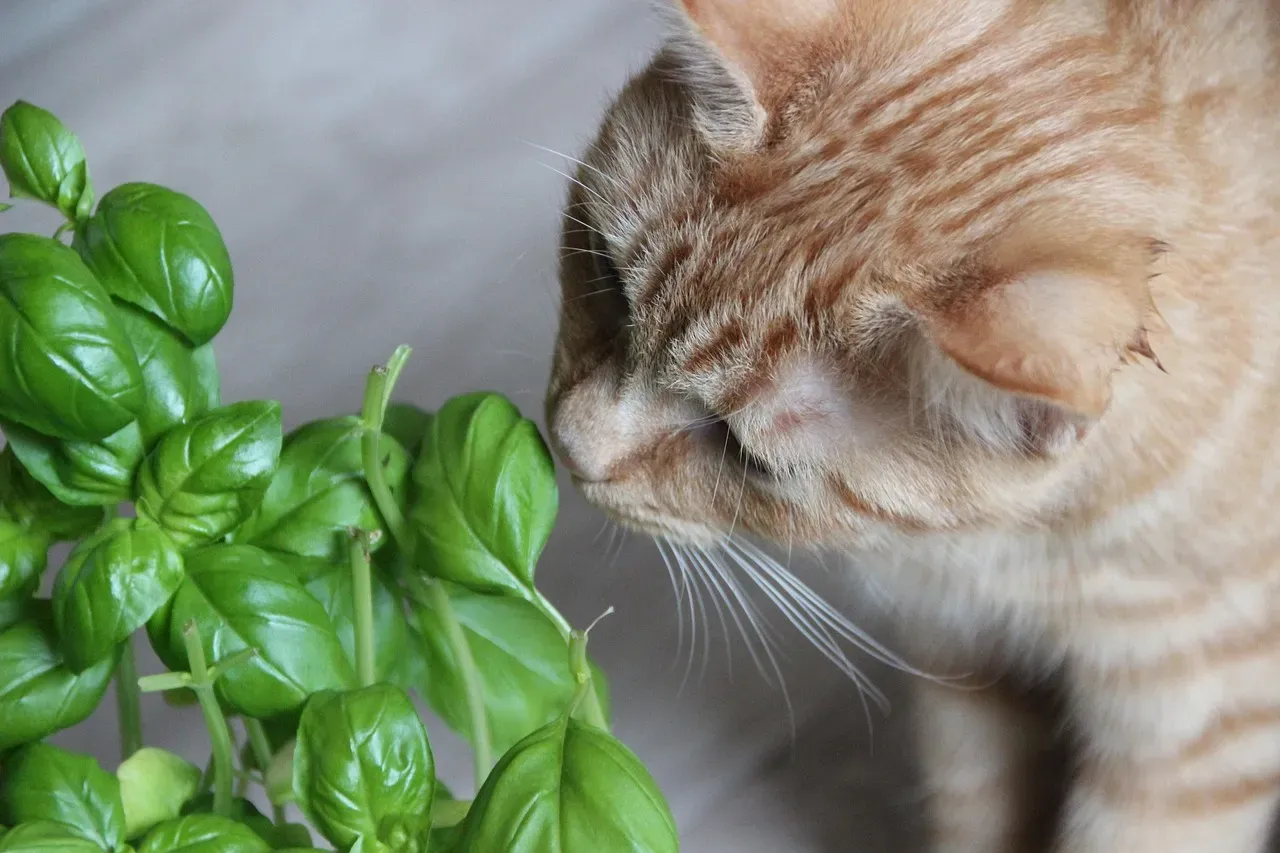
If you’ve noticed that your cat spends more time in the kitchen when you’re cooking with basil, you’re not imagining things. Basil is in the same family as catnip, and cats also seem to be very attracted to it. It’s a surprisingly common reaction that most owners never quite connect to the herb sitting on the counter.
Basil is closely related to catnip and many cats love to smell and chew on the leaves of this plant. Thankfully, basil not only smells good to cats but it’s also non-toxic, although you shouldn’t let your cat eat too much in case it upsets their stomach. Consider keeping a small pot near a sunny windowsill. Your cat will almost certainly appreciate it.
Olives and Olive Oil: A Kitchen Surprise
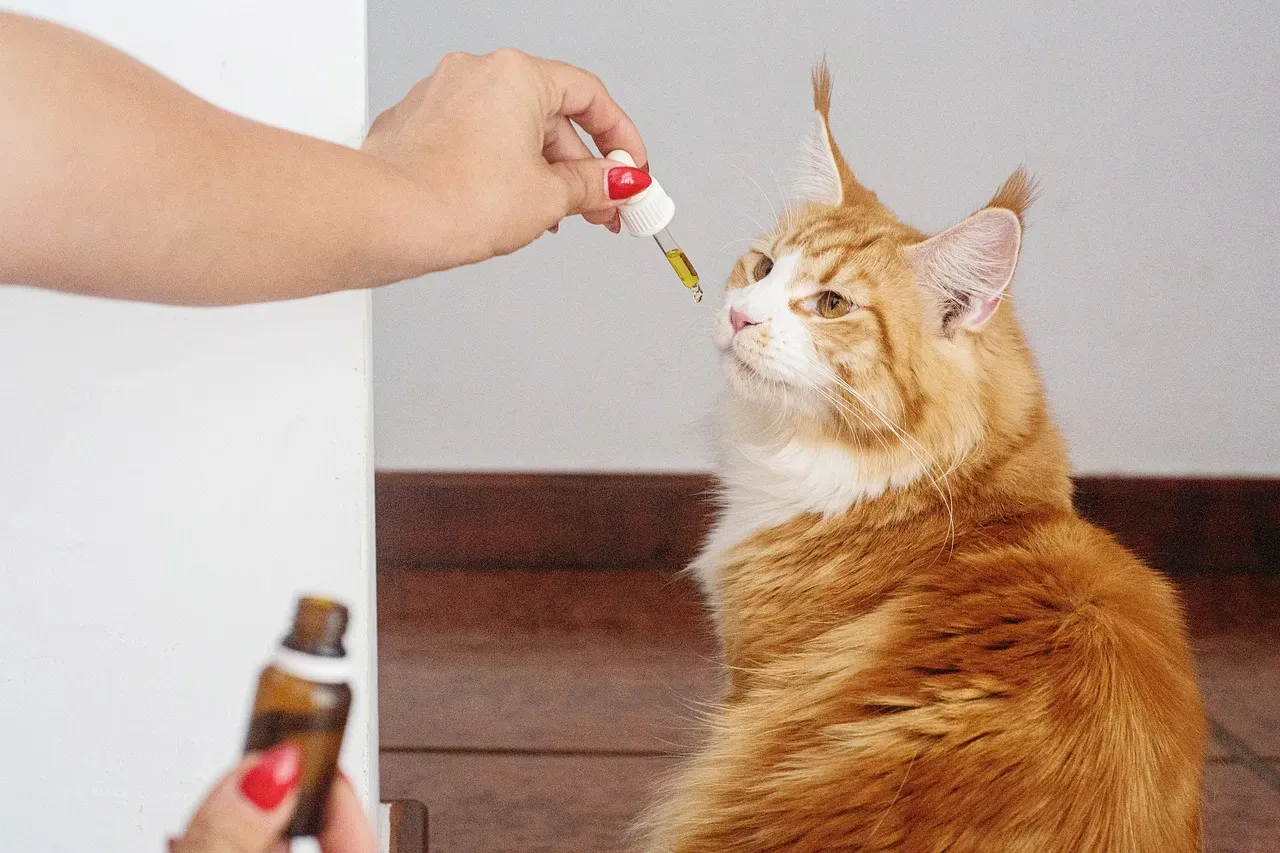
Many cats absolutely adore the scent of olives and olive oil. It’s thought that the smell has somewhat of a narcotic effect on house cats, due to a compound in olives called oleuropein, which can make cats feel excited, or even euphoric. If you’ve ever opened a jar of olives and found your cat suddenly very interested in what you’re doing, now you know why.
While there are no scientific studies as to exactly why cats like olives, there are several theories. Olives have a similar compound to the compound found in catnip, nepetalactone, which is part of the allure for cats. Not every cat responds, but the ones that do tend to react in a noticeably enthusiastic way.
Fresh Air From an Open Window: Simple, Effective Enrichment
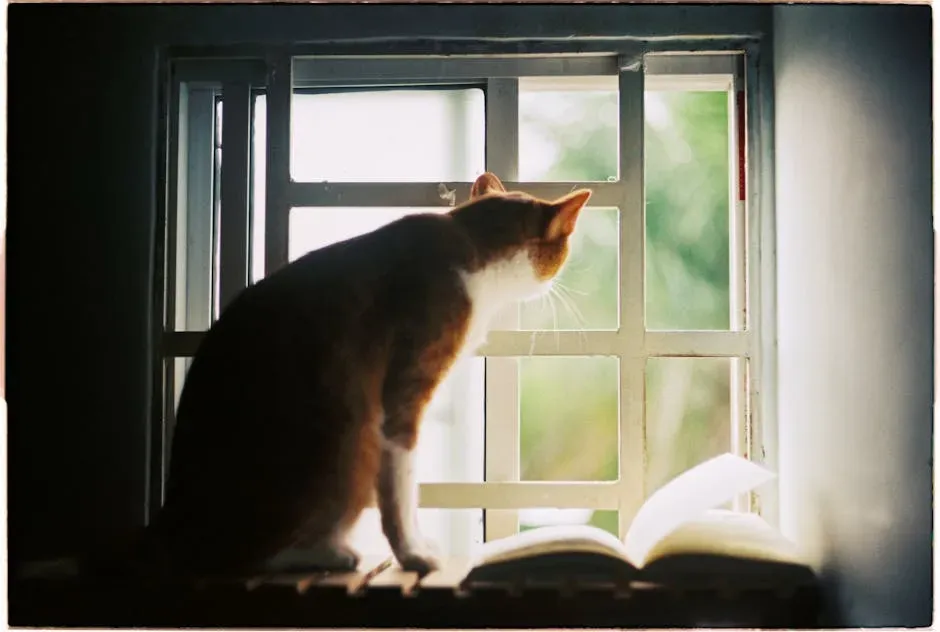
Cats who live exclusively indoors especially love the smell of fresh air wafting from an open window. Outdoors is a whole new world with ever-changing wind currents bringing with them the scents of other animals, people, and plants, and opening windows is a nice way to enrich the lives of your indoor cats while letting them live where they are safest.
Many cats never get a whiff of fresh air, and the smell can be intoxicating fun for them. To ensure they can’t escape, raise the window only a couple of inches to allow the breeze inside. Airborne smells change depending on the weather, so there’s always something new. It’s one of the easiest enrichment tools available, and it costs nothing.
Roses: A Rare Flower That’s Actually Safe
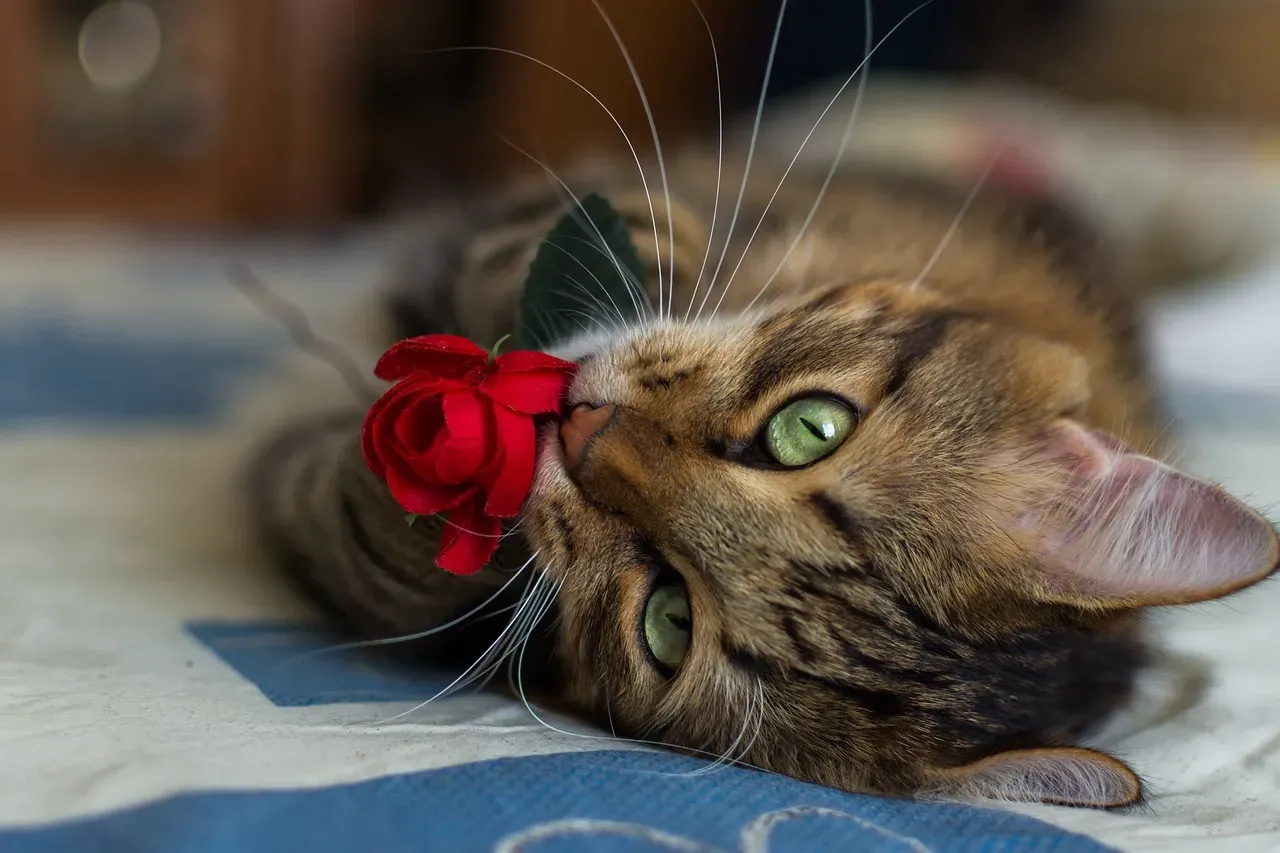
One favorite smell that many cats and humans can agree on is the scent of roses. While many flowers are not safe for cats, roses not only smell good to cats but are safe to chew on as well. That’s a genuinely rare combination in the cat world, where so many attractive scents come with a safety asterisk.
Cats love the scent of roses and are especially attracted to them. Unlike fresh lavender, it’s safe to keep roses in your home because they are non-toxic, which means it’s alright for your cat to chew on some rose leaves now and then. Your rose arrangement may get some uninvited inspection, but at least you won’t need to worry about a vet visit afterward.
Yeast and Baked Bread: An Unexpected Draw

If you’ve ever noticed that your cat tries to steal bites of bread, this is because cats are attracted to the scent and taste of yeast. One study showed that cats preferred foods with a yeast extract added. The warm, slightly fermented aroma that drifts through the kitchen when bread is baking is apparently hard for some cats to resist.
Cats can occasionally eat small amounts of baked bread, but it shouldn’t be included as a regular part of your cat’s diet. Ensure any breads you let your cat taste don’t include toxins like garlic. It’s a harmless curiosity to indulge occasionally, as long as the ingredient list is clean and simple.
A Few Scents Cats Genuinely Hate

We might be drawn to the refreshing scent of lemons, limes, grapefruit, and oranges, but those sweet scents of spring are some of the smells cats hate most. Citrus oils can be overpowering to a cat’s sensitive olfactory system and cause irritation. This is actually useful to know: placing citrus peels near areas you want to protect is a safe, non-toxic deterrent.
Mentholated products like peppermint or strong medicated rubs are also on the list of smells cats dislike, and these scents can be jarring to their sensitive noses. Even fragrances that smell pleasant to humans, like heavily perfumed candles or sprays, can be too much for cats, and overpowering scents can trigger avoidance behaviors, making them hesitant to enter a room or approach their litter box. A gentler approach to home fragrance makes a real difference to how comfortable your cat feels in their own space.
Lavender, while we think of it as calming, is not pleasant to cats and is actually quite toxic. Lavender oils can cause signs like difficulty breathing, drooling, fatigue, and muscle tremors whether inhaled or ingested. Strong cleaning chemicals deserve the same caution: anything with the smell of vinegar, bleach, ammonia, or other strong acidic or noxious smells is going to irritate your cat’s respiratory system and make them uncomfortable, and many are also toxic if your cat licks them off their paws or fur.
Conclusion
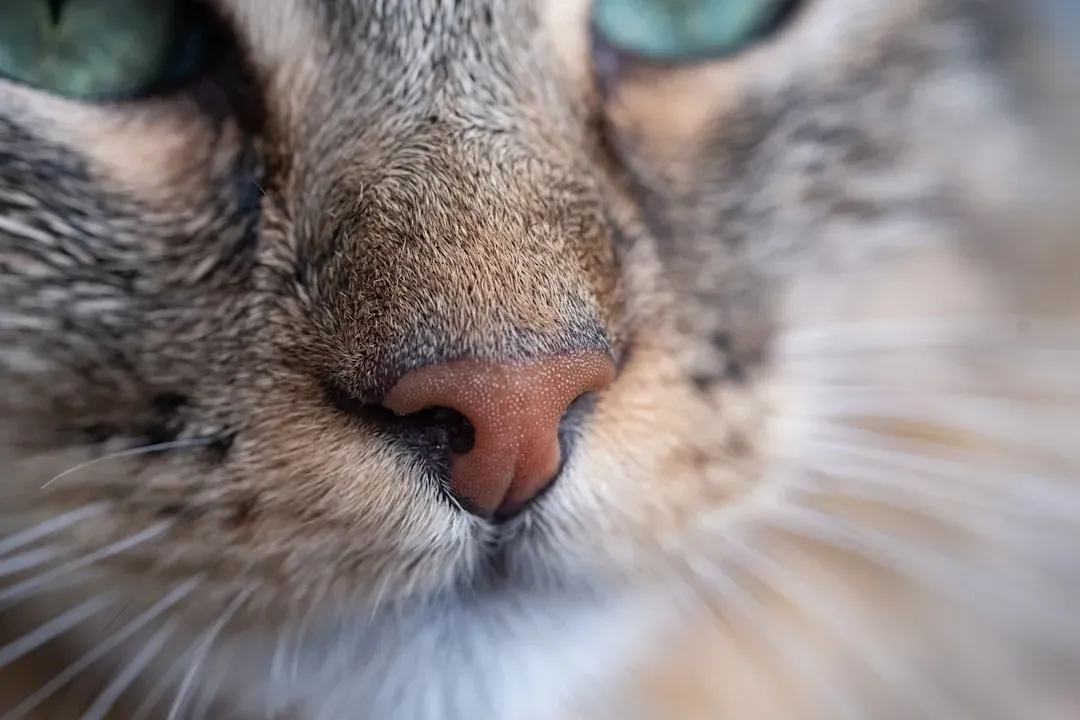
Your cat’s nose is essentially their primary lens on the world. Understanding which scents bring them comfort and which ones cause distress gives you a surprisingly practical set of tools. You can enrich their day with a sprig of basil, a cracked window, or a worn shirt left on the couch. You can also make your home safer by keeping citrus essential oils, heavily scented candles, and harsh cleaning products well out of reach.
The deeper takeaway is that scent enrichment doesn’t need to be complicated or expensive. Giving your cat interesting new things to smell is a form of enrichment that may be as interesting as a new toy. Sometimes the smallest adjustments, things already sitting in your kitchen or growing in your garden, are exactly what your cat’s curious nose has been waiting for.
Kristina is a young writer from India. An arts graduate and an avid content creator, Kristina is passionate about animals and wildlife. She enjoys exploring topics related to pet care, animal behavior, conservation, and nature, combining thorough research with engaging storytelling.