Most cat owners genuinely want the best for their pets. You clean the litter box, you buy good food, you even clear a spot on the couch. Still, there’s a good chance you’re doing a handful of ordinary, well-intentioned things every single day that quietly make your cat’s life more stressful than it needs to be.
Cats are often seen as independent and low-maintenance pets, but they’re far more sensitive than they appear. Much like people, they have their own emotions and needs, and when those needs aren’t met, they experience real stress that shows up in all kinds of ways. The tricky part is that your cat probably won’t make it obvious. Knowing what to look for, and what to stop doing, can make a meaningful difference.
1. Making Too Much Noise During Daily Routines

Cats have ultra-strong hearing, with about three times the upper range of human hearing. That means when the garbage truck rolls by, the doorbell rings, or a neighbor’s dog starts barking, your cat absolutely notices and minds. What feels like background noise to you can register as a startling, disorienting event for them.
High-pitched sounds like humming from lightbulbs, electronics, dimmer switches, or even the kettle heating up could also be adding to your cat’s discomfort. Placing your cat’s litter box and resting areas away from appliances that buzz or make noise can genuinely help. Activities like vacuuming and blasting music are especially jarring, so giving your cat a quiet retreat space during noisy tasks is a simple way to reduce the tension.
2. Using Strong Scents and Heavily Scented Products
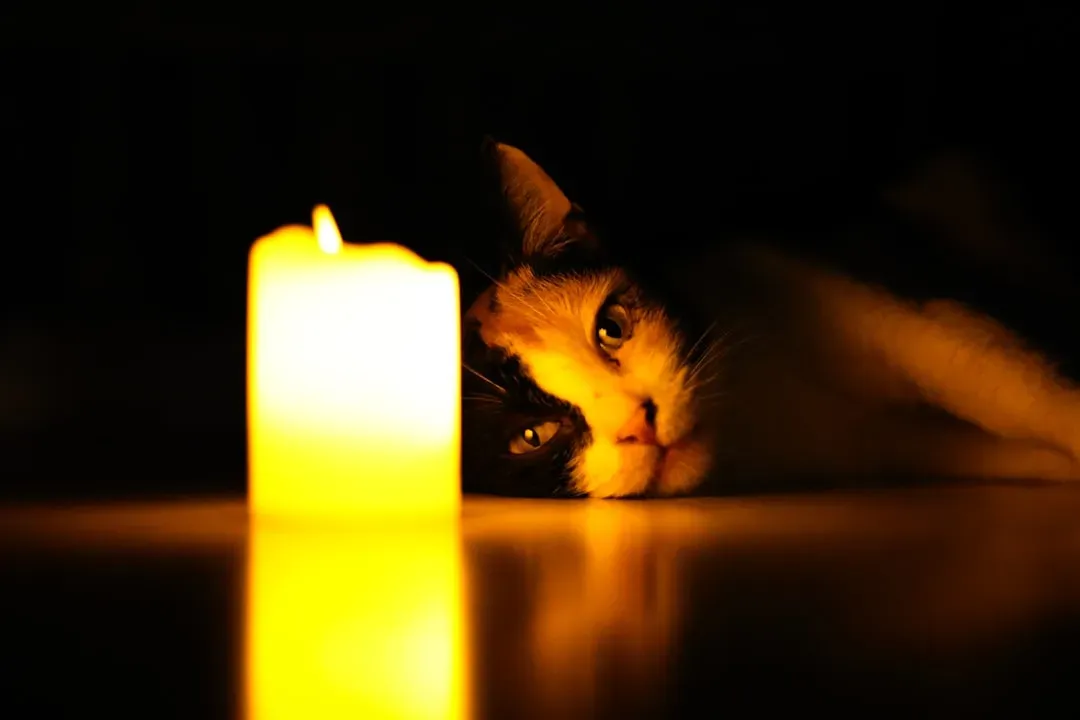
Your cat’s sense of smell is roughly fourteen times stronger than yours. That means when you lightly spritz your perfume on the way out the door, your cat likely experiences something far more overwhelming than you’d ever intend. It’s not a small thing for them, even when it seems completely harmless to you.
Your favorite scented candle, lemon-scented cleaner, or freshly laundered clothes might feel relaxing to you, but your cat may not feel the same. Because cats have such a powerful sense of smell, an offensive odor they cannot escape can become an unexpected trigger. Avoiding citrus scents in particular, choosing non-scented detergent, or keeping your home well-ventilated when cleaning can all help reduce that burden.
3. Disrupting Their Daily Routine
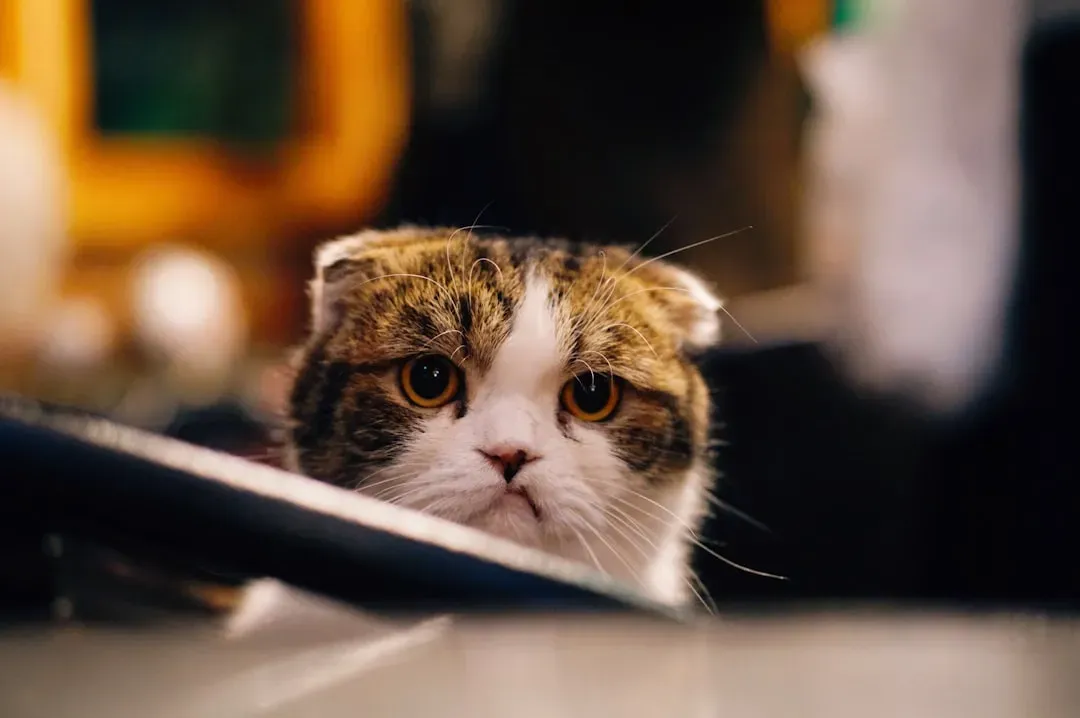
Cats are creatures of habit, and they genuinely thrive on routine. An inconsistent feeding schedule can be a significant source of stress. Cats rely on their human companions to provide regular meals, and when that routine is disrupted, it can lead to real anxiety. Feeding at different times each day, even by just an hour or two, can leave them feeling unsettled.
If you get a new job, change shifts, or start getting home later than usual, your cat can pick up on these changes and get nervous. The reason is simple: cats like for life to go according to schedule, and any deviation can trigger stress. Keeping mealtimes, play sessions, and even your arrival time as consistent as possible gives your cat the sense of predictability they need.
4. Forcing Physical Contact They Didn’t Ask For
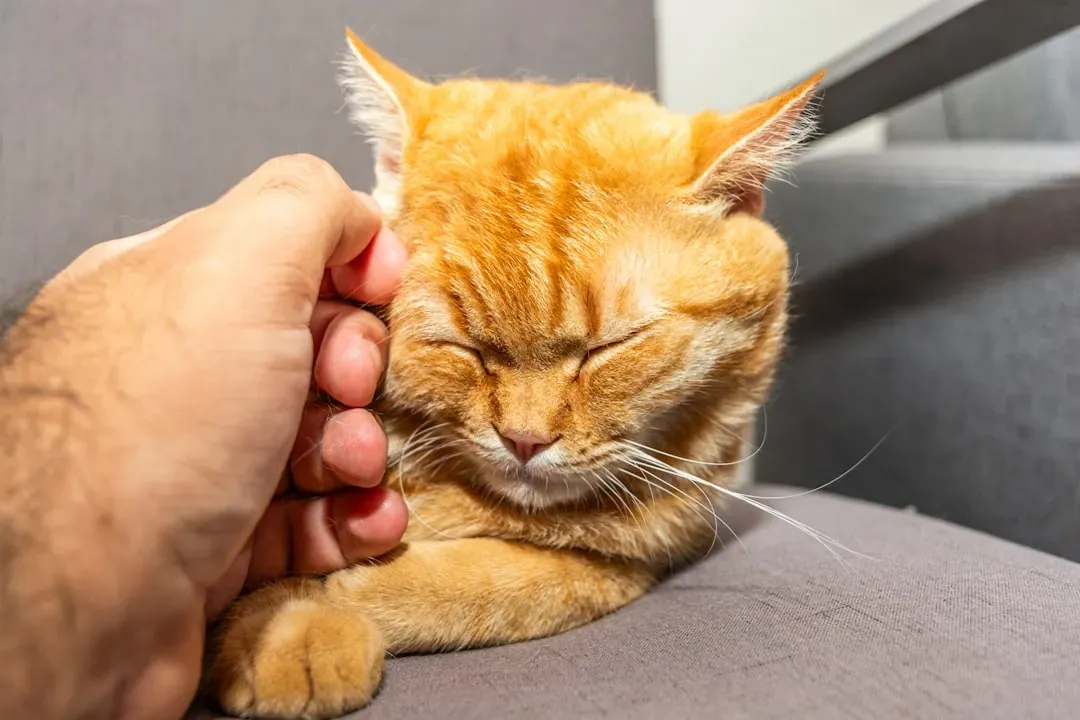
Being stroked or picked up when it’s not wanted or enjoyed is genuinely stressful for cats. It might feel like affection from your end, but if your cat is turning away, flicking their tail, or going rigid in your arms, they’re communicating something you should take seriously. Overriding those signals, even gently, chips away at their sense of safety.
Allowing your cat to initiate contact with you, so they feel they have choice and control over the interaction, is probably the easiest way to establish the quality and quantity of affection they actually want. Most cats don’t like long strokes. Many enjoy being scratched on the head, neck, and shoulders rather than other spots. Following their lead rather than your own impulse is a habit worth building.
5. Rearranging Furniture or Changing Their Environment
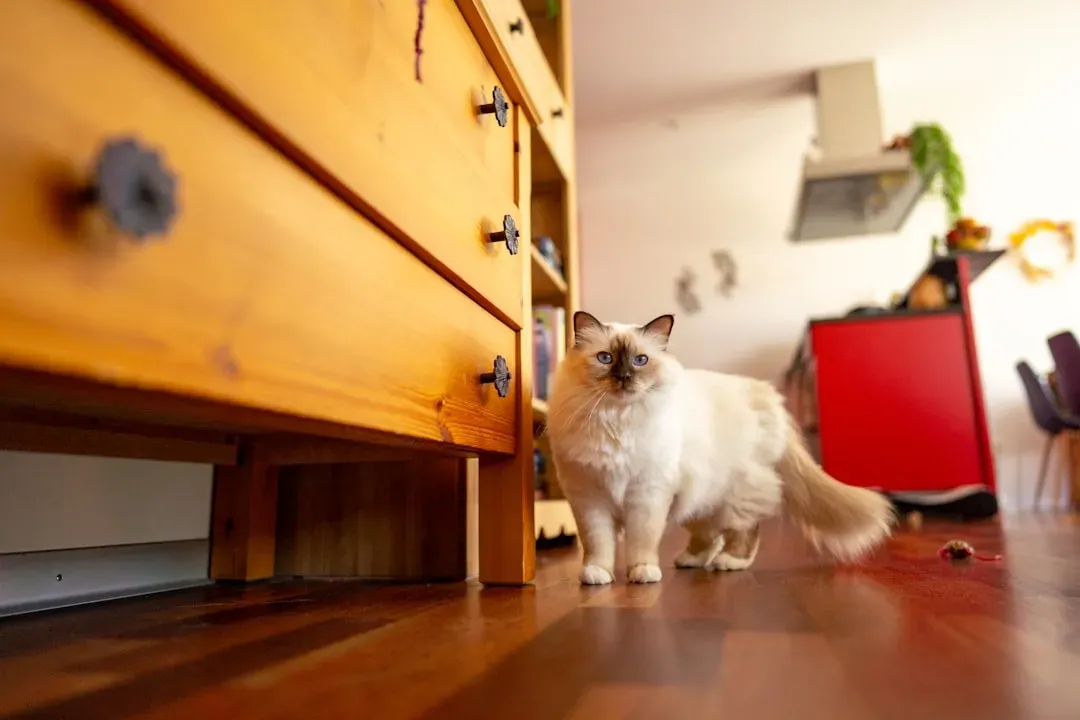
Cats are not fans of change, and frequent alterations in their environment can cause significant stress. Relocating their litter box, moving furniture, or introducing new elements can be deeply unsettling. Making changes gradually can help cats adjust more comfortably rather than feeling thrown off entirely. Something as routine as redecorating a room can feel like a disruption of their entire world.
What seems minor to you, like a new sofa or a rearranged bedroom, can represent a significant environmental disruption from your cat’s perspective. Changes in their surroundings can create genuine anxiety, so keeping things consistent or making changes slowly, allowing your cat to smell new items like curtains or pillows along the way, is the smarter approach. Giving them time to investigate new objects at their own pace helps them reclaim a sense of control.
6. Neglecting a Clean Litter Box
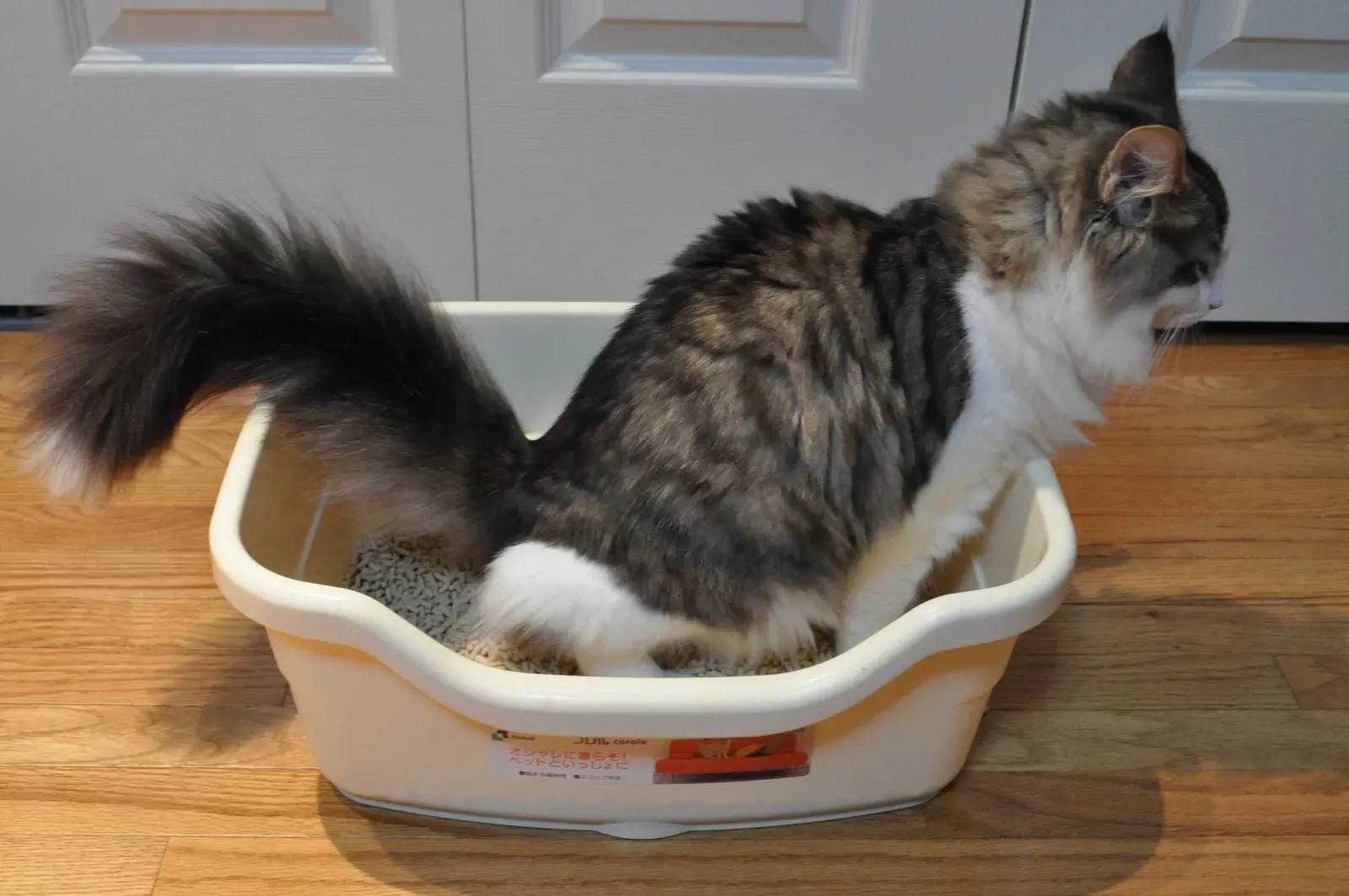
Dirty and full litter boxes are a firm no for cats. It can cause stress and result in them urinating or defecating somewhere else in the house. Scooping the litter box at least twice daily to remove waste helps keep your cat comfortable and reduces the likelihood of stress-driven elimination problems. Cats are meticulous about hygiene, and a neglected box communicates the opposite of what a safe space should feel like.
Sharing facilities is stressful for many cats, and some prefer one box for solids and another for liquids. The general rule is one litter box per cat, plus one extra, placed in different rooms so everyone has easy access. Some cats will even avoid their litter box altogether if it’s uncomfortably close to where they eat. Location and cleanliness both matter more than most owners realize.
7. Sending Mixed Behavioral Signals
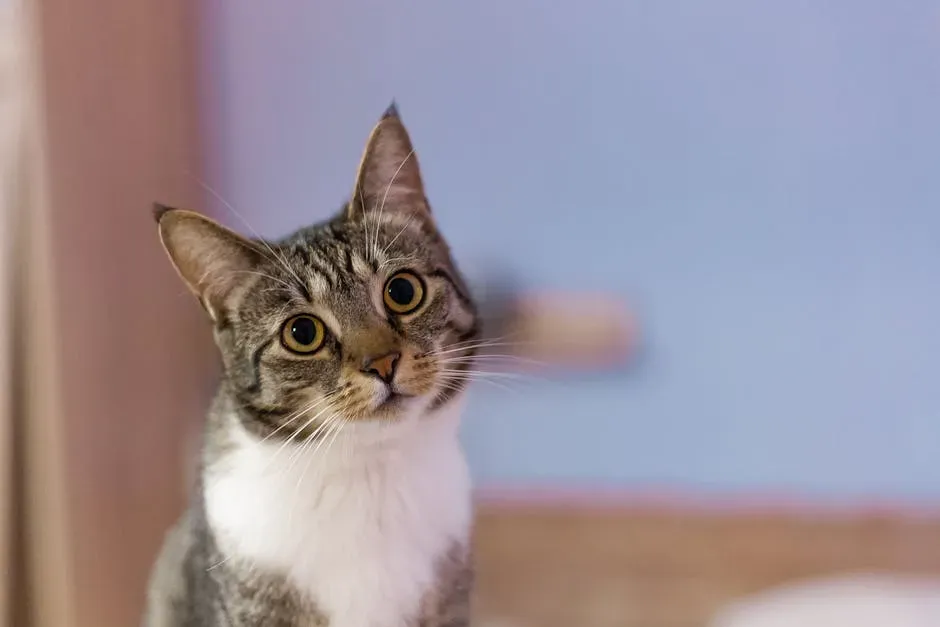
Scolding your cat for sitting on the couch and then inviting them to sit with you to cuddle sends mixed messages and stresses them out. Keeping house rules consistent avoids the miscommunication that creates anxiety. Cats don’t generalize the way humans do, and inconsistency in what you allow or forbid makes it genuinely hard for them to feel secure in their own home.
Never punishing or scolding your cat for unwanted behaviors is important, because this only increases fear and makes things worse. When the rules of the household shift unpredictably, your cat has no reliable way to know what’s expected of them. That uncertainty is its own quiet, persistent stressor that many owners completely overlook.
8. Introducing New People or Pets Too Quickly
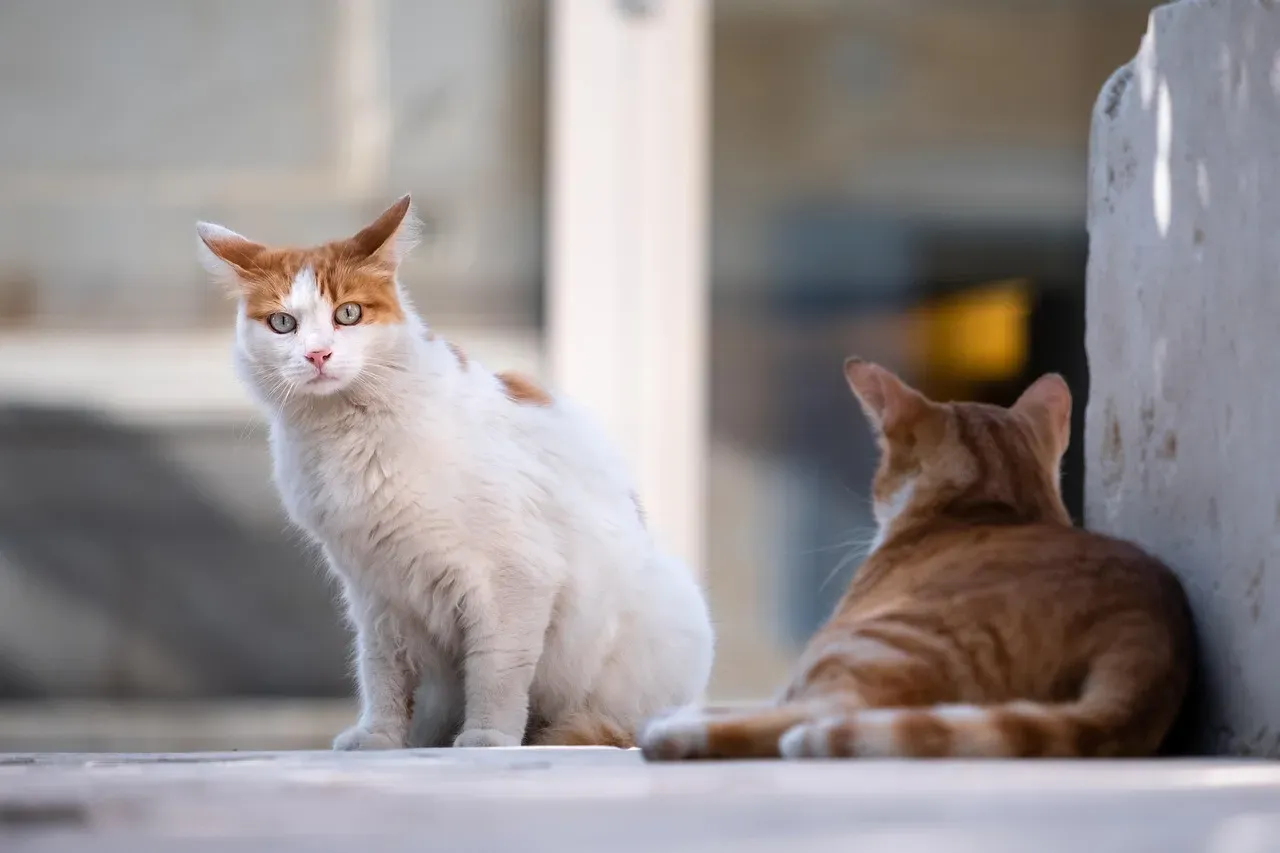
For cats, any change in your inner circle can trigger stress. This includes people leaving the household and new people joining it. In fact, a visit from a stranger was the single most common source of stress for cats, according to a review in the Scientific World Journal. What feels like an exciting houseguest to you can feel like a full-on territorial threat to your cat.
The combination of a potential threat from a new pet and the new scents around the home can cause a lot of stress. Slowly acclimating new cats or other pets by keeping them in separate rooms and allowing them to smell each other before meeting is a far gentler approach. Rushing any introduction, whether it involves another animal or a new person, skips the adjustment period your cat genuinely needs.
9. Carrying Your Own Stress Into the Room
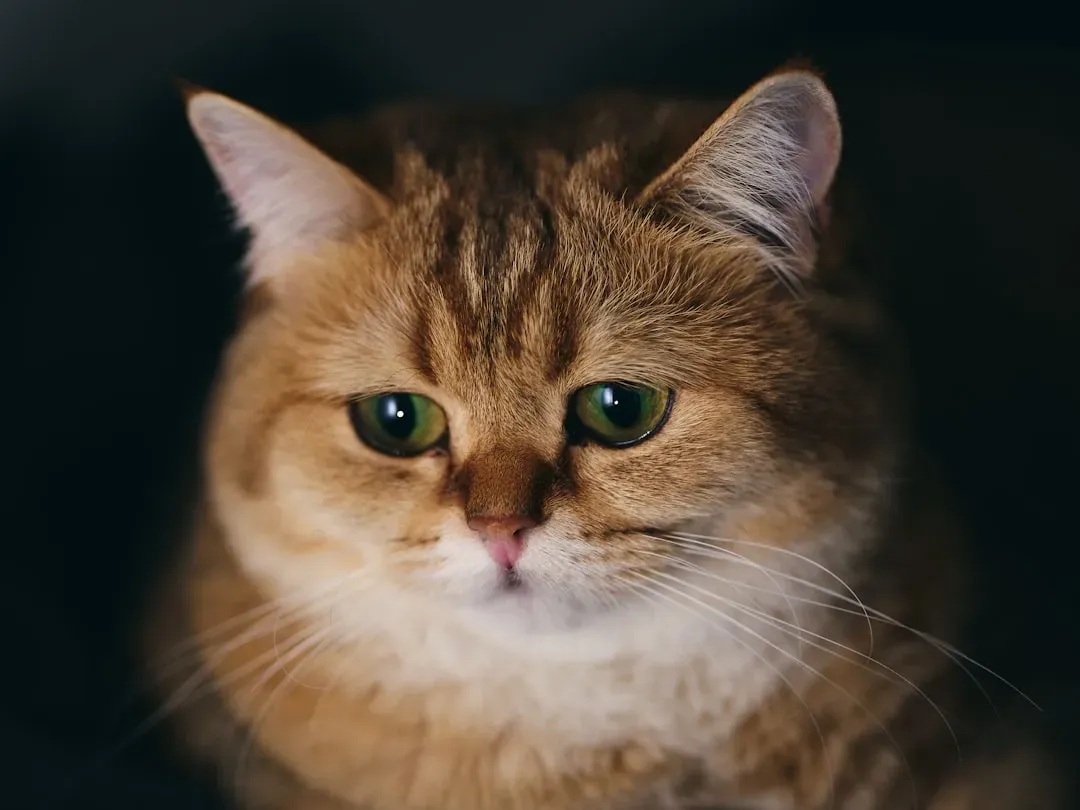
Pets are very attuned to the emotions of their caregivers and are good at reading human body language. If you walk in the door tense, anxious, or visibly distressed, your cat registers that. Things that may not seem stressful to a person can be perceived as extremely stressful by a cat, and the cat’s physiological reaction to those stressors can actually manifest as illness. The connection between your emotional state and theirs is more direct than most people expect.
When people who have close bonds with their cats are stressed to their maximum capacity, it’s difficult for the cat not to feel it. Chronic high stress levels can affect the gastrointestinal system, the immune system, and the skin and coat. Managing your own stress isn’t just good for you. It’s genuinely one of the quieter, more overlooked ways to protect your cat’s wellbeing too.
10. Leaving Them Without Enough Enrichment or Hiding Spaces
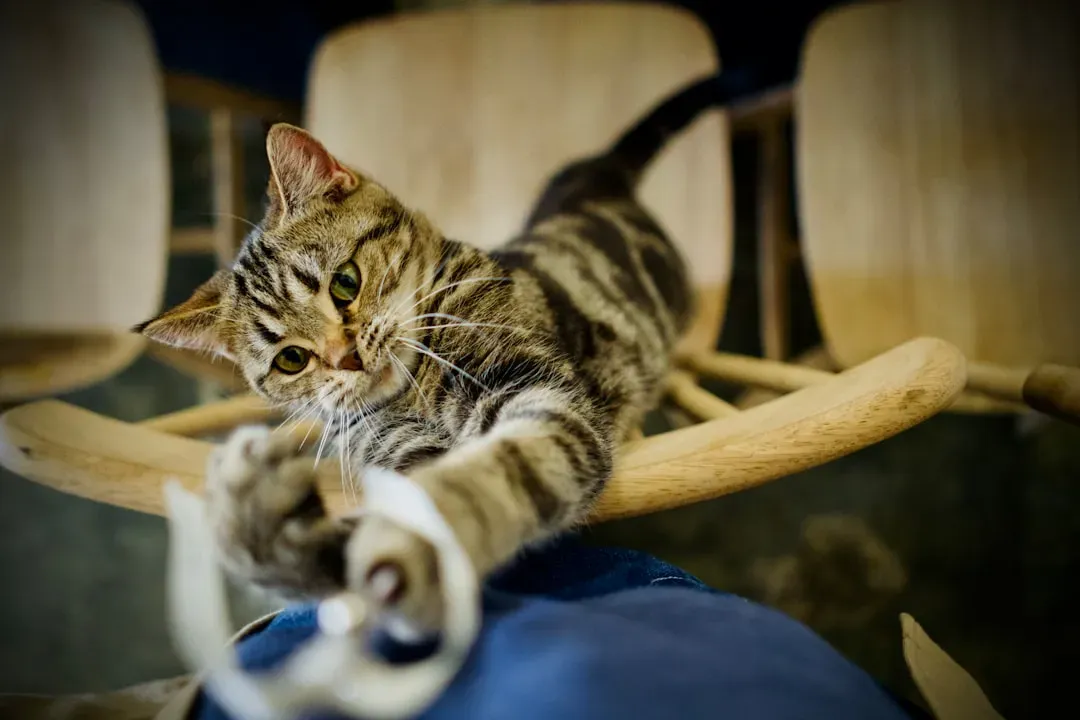
Being confined indoors, being bored, having restricted access to hiding places where the cat feels safe, or insufficient clean litter trays can all be very stressful for some cats. A home that lacks stimulation or safe retreat spaces forces a cat to simply endure their environment rather than feel at ease within it. That passive kind of stress builds quietly over time.
Cats need routine, exercise, and enrichment. Providing food puzzles, vertical climbing space, scratching posts, window perches, and more gives them outlets that genuinely support their wellbeing. You can even create a catio to give your cat safe outdoor access. Environmental enrichment supports emotional and physical health and helps cats feel safe and relaxed. Cat trees, perches, and shelves allow cats to relax far away from perceived danger. These aren’t luxuries. They’re the basics of a low-stress feline life.
Conclusion
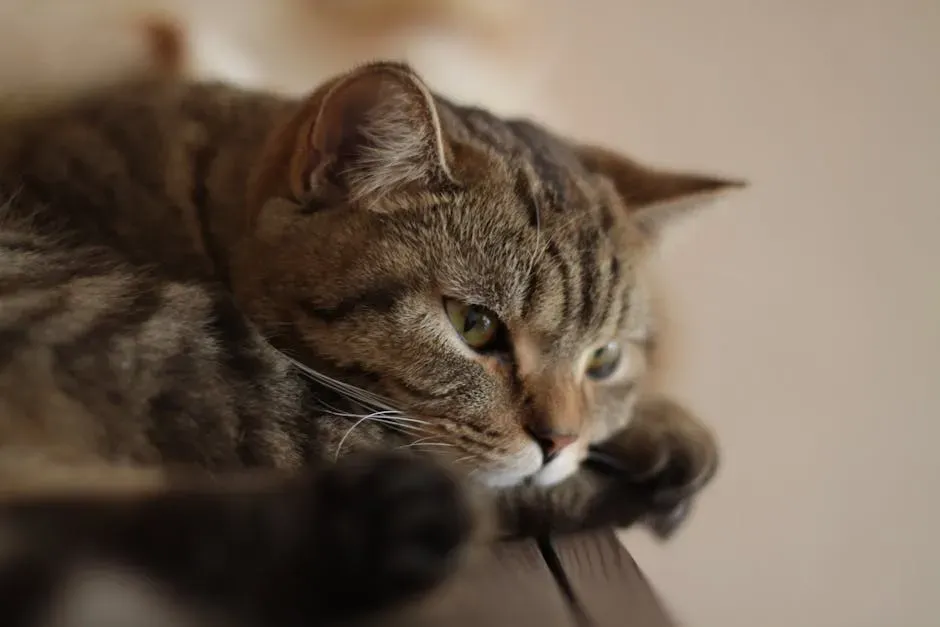
None of the habits on this list come from a bad place. Most of them are things you do without a second thought, which is exactly what makes them worth pausing on. Felines are subtle animals, and it can be tricky to tell if you have a stressed cat in your home. Their behavior might change slightly, or they might start doing things that seem like misbehavior. In fact, the domestic cat can be great at hiding signs of stress, because in the wild, showing weakness would make them an easy target for predators.
Over time, if left untreated, chronic stress can lead to health issues like urinary tract problems, weight loss, and infections. The good news is that most of these triggers are within your control. Small, consistent adjustments to how you move through your home, how you interact with your cat, and how you structure their environment can shift things considerably.
Your cat doesn’t need a perfect home. They need a predictable, calm, and respectful one. That’s usually more than enough.
Kristina is a young writer from India. An arts graduate and an avid content creator, Kristina is passionate about animals and wildlife. She enjoys exploring topics related to pet care, animal behavior, conservation, and nature, combining thorough research with engaging storytelling.