You’ve probably noticed the look. Your cat watches a visitor walk through the front door, studies them for a moment, and then either curls up nearby or quietly disappears into the next room. No negotiation. No second chance. Just a verdict, rendered in silence.
It’s tempting to brush that off as quirky animal behavior. Yet science keeps arriving at a more interesting conclusion: cats are reading people with a precision that most humans simply can’t access consciously. They’re picking up on signals that travel through the air before a word is ever spoken – cues carried in scent, posture, sound, and the chemistry of emotion itself.
Your Cat Is Literally Smelling Your Mood
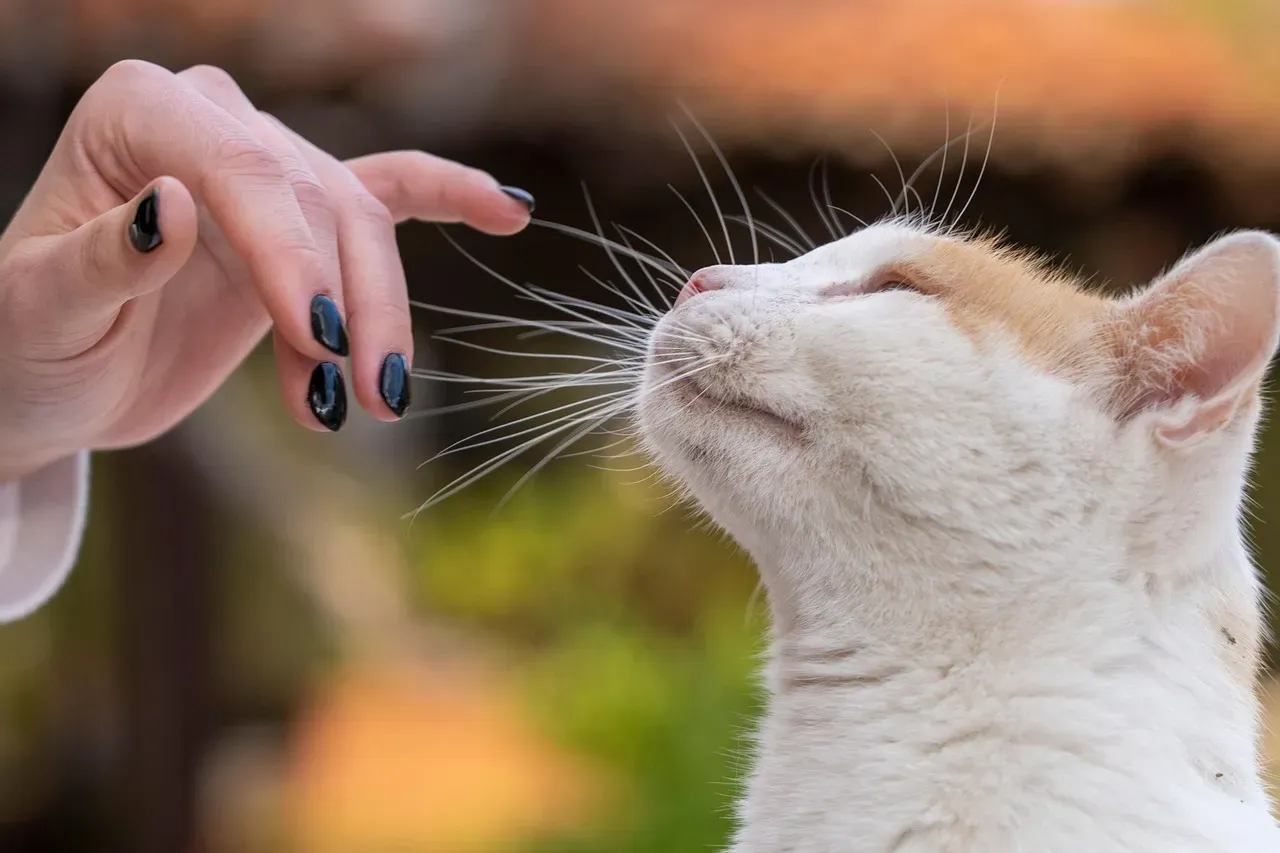
When you’re anxious, your body chemistry shifts measurably. Cortisol rises. Your sweat changes. Your cat notices all of this long before your face betrays anything. Research from the University of Bari Aldo Moro presented cats with human odors collected during different emotional states including fear, happiness, physical stress, and a neutral baseline, and found that “fear” odors elicited noticeably higher stress responses than the neutral and physical stress conditions, suggesting that cats perceived and responded to the emotional valence carried in the scent.
Every one of us carries a unique mix of skin oils, sweat, breath, and traces of the places we’ve been, and cats learn these complex chemical signatures, using them to assess whether we are calm or stressed. That means the moment you walk into a room with tension running through you, your cat already knows. You haven’t fooled anyone, least of all the animal watching from the windowsill.
Cats Read Body Language Better Than Most Humans Expect
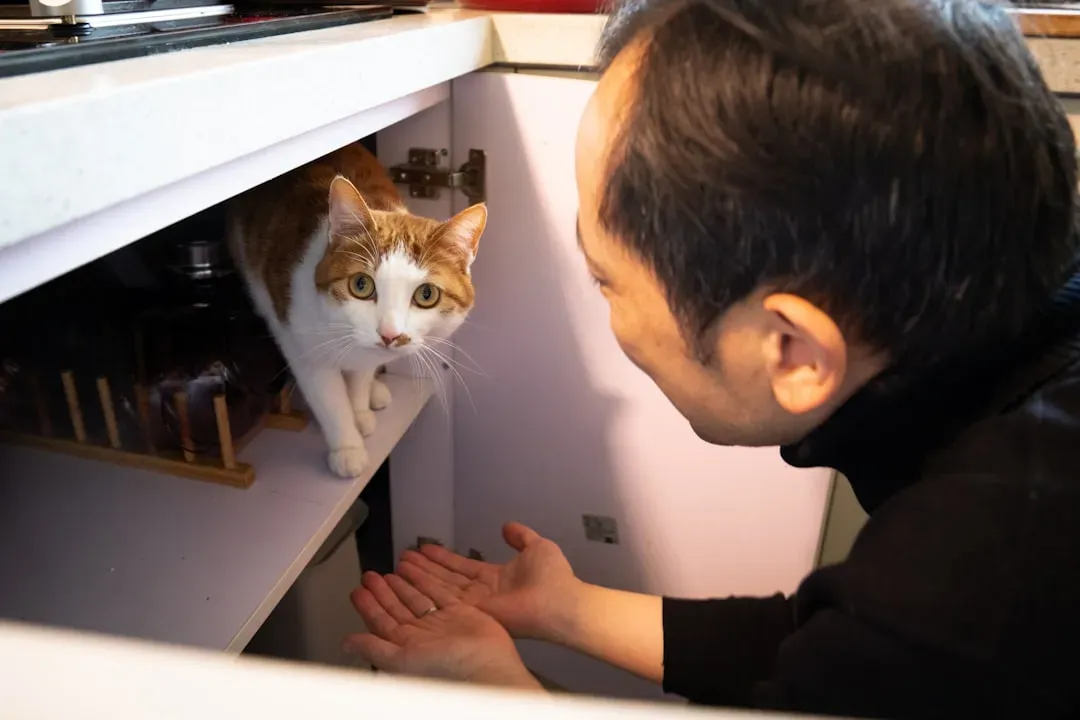
Cats are very good at reading human body language, and as a result, may pick up on nefarious motivations or unusual intentions – potentially noticing that something is “off” about a person before their human companions do. This isn’t mystical. It’s the result of a finely tuned survival system that operates at a speed most conscious thought simply cannot match.
Cats assess people using multiple sensory cues, learned associations, and species-specific social instincts. They don’t moralize “good” or “bad” the way humans do, but they rapidly form judgments about whether a person is safe, predictable, stressful, or rewarding. Your posture, your pace, the tension in your jaw – your cat is cataloguing all of it, quietly and continuously.
The Science of Hearing Emotion in Your Voice
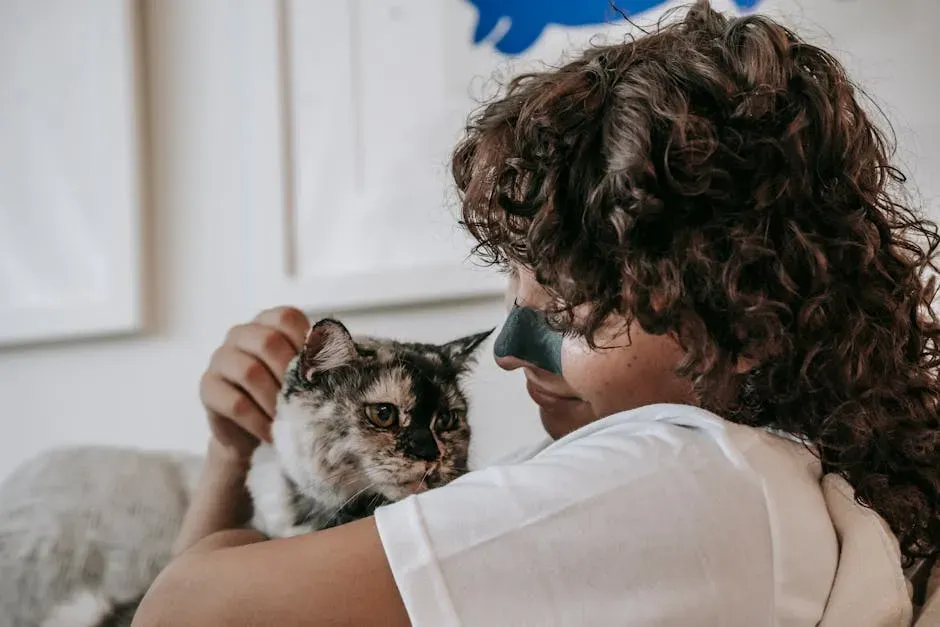
Research demonstrates that cats integrate visual and auditory signals to recognize human emotions, and they appear to modulate their behavior according to the emotional valence they perceive. This is not simply a passive response. It’s active, cross-modal processing – the kind of cognitive work that requires a brain genuinely paying attention.
Cats spontaneously looked longer at congruent facial expressions when hearing human vocalizations of happiness and anger, suggesting they integrated visual and auditory signals into a cognitive representation of the speaker’s inner state. Their behavioral stress levels were measurably higher when responding to angry human emotions than to happy ones. Your tone of voice carries more information than you realize, and your cat is listening to all of it.
That Slow Blink Is a Trust Verdict, Not a Coincidence
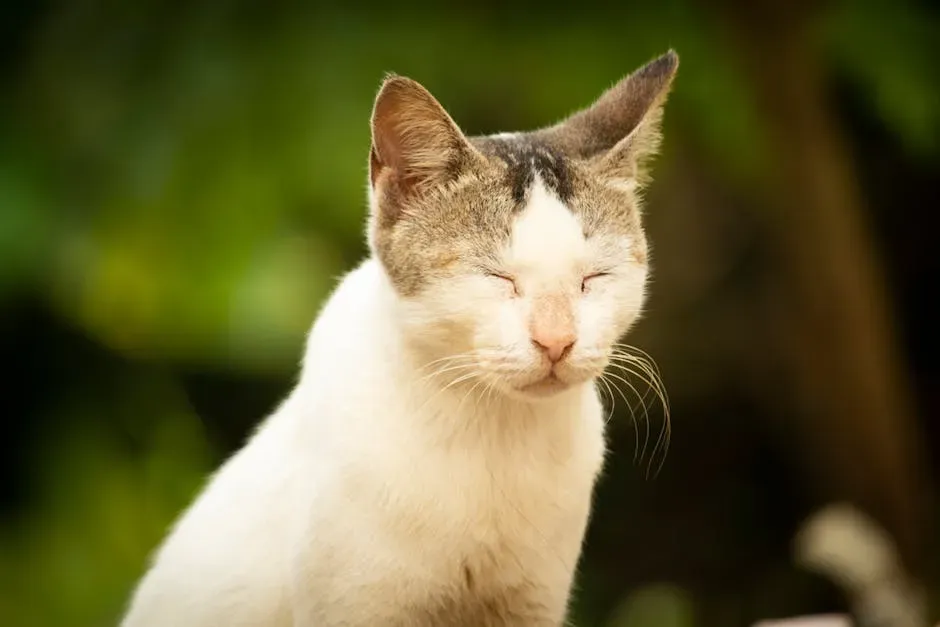
The slow blink sequence, a widely reported cat behavior involving eye narrowing, has been shown scientifically to carry communicative weight. Slow blink sequences typically involve a series of half-blinks followed by either a prolonged eye narrowing or a full eye closure, and in research trials, these occurred significantly more often in response to an owner’s slow blink than during periods of no owner interaction.
When your cat narrows their eyes around you, they’re signaling something close to vulnerability – the message being, “I don’t need to watch you for threats.” Closed eyes in the animal world mean exposure to risk, and the fact that a cat chooses that moment around you demonstrates that you’ve been deemed safe. It’s one of the most honest assessments any living creature can make. There’s no performance in it.
How Your Cat Learns to Read You Specifically
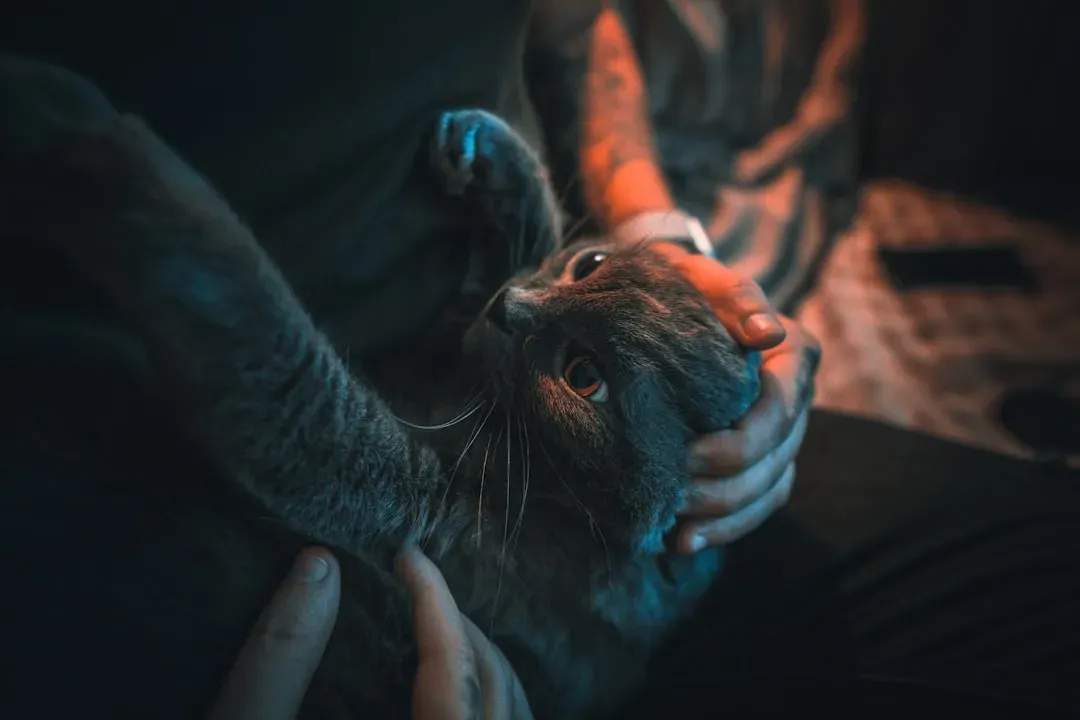
Researchers noticed that cats exhibited similar positive behaviors when placed with strangers, regardless of whether the strangers were smiling, as if giving them the benefit of the doubt. Over time, though, cats learn how to read owner-specific facial expressions more precisely. The longer you live together, the more calibrated your cat’s read of you becomes.
Cats can predict their owner’s face upon hearing their voice, and their lifetime experience with humans seems to affect their ability to cross-modally recognize them. You’ve trained your cat to recognize you without even trying. Every mood, every routine, every subtle shift in your behavior has been quietly filed away in that small but attentive mind.
Your Cat Registers When You’re Sad or Unwell
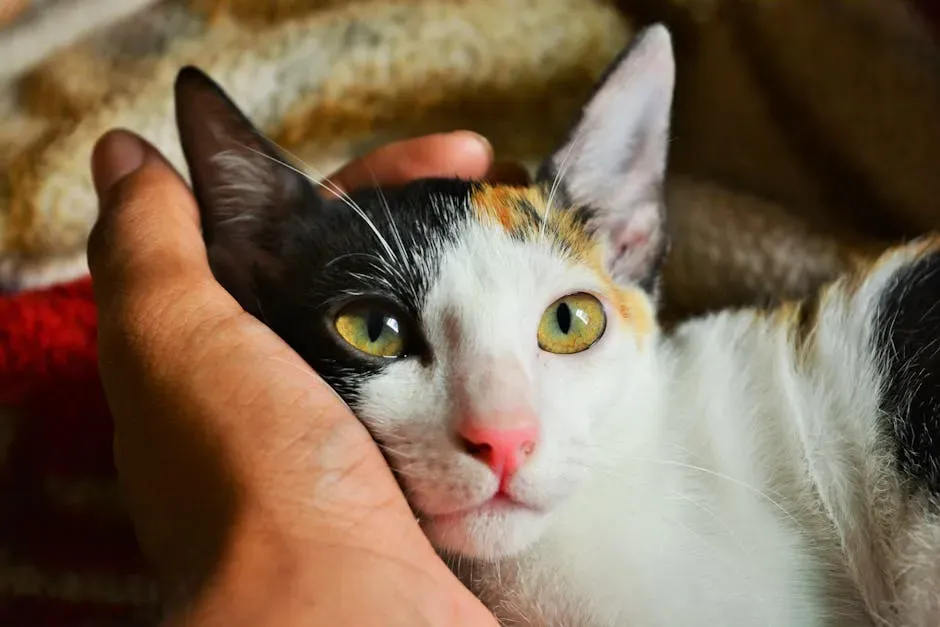
Cats are extremely perceptive when it comes to changes in body language, facial expression, and mood, and there is scientific evidence to suggest that cats can recognize human emotions such as anger or happiness. If their owner is suffering from anxiety or depression and therefore acting differently, it is highly likely their cat will pick up on this due to the strong bond they share.
When an owner is in a depressive state, the cat changes its behavior noticeably when close to that person, vocalizing more frequently and engaging in more head and flank-rubbing than usual. Your cat might not be able to name what you’re going through, but it knows something has shifted. The response is quiet and practical – more presence, more contact, fewer demands.
Your Cat Has a Long Memory for Who Has Treated You Well
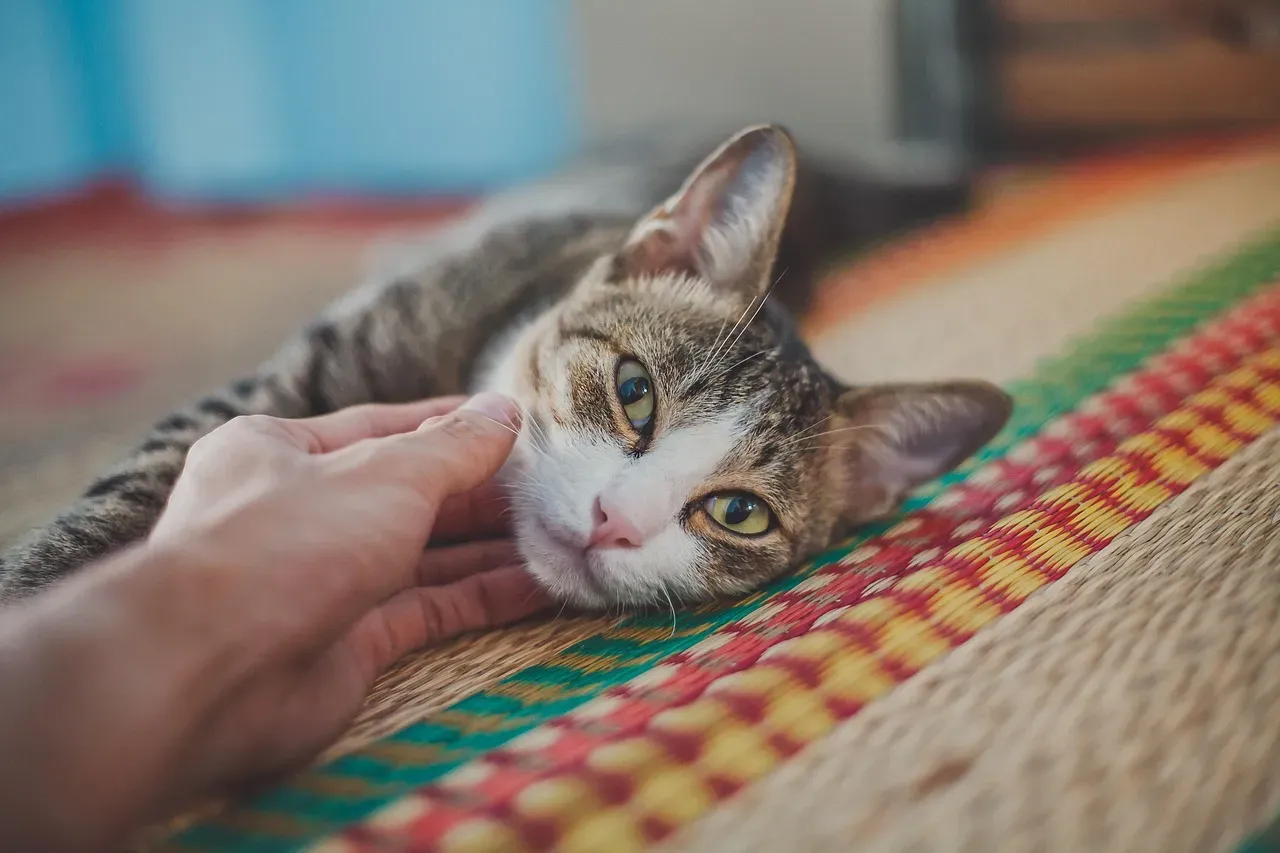
Cats recognize and remember their owners and other significant people primarily through scent and sound rather than visual cues. They form lasting bonds with people who provide positive experiences such as feeding, play, and affection, and can remember these individuals for years – even after long separations. Cats also remember routines and may become stressed if these routines change abruptly.
Cats do not easily forgive, and once they identify that a person is causing them anxiety or discomfort, they tend to keep away. They also possess excellent long-term memories. This isn’t stubbornness for its own sake. It’s a rational system of learned trust, built from evidence and reinforced by memory. The cat that avoids someone today may be acting on something that happened months ago.
What Your Cat’s Personality Might Reflect About You
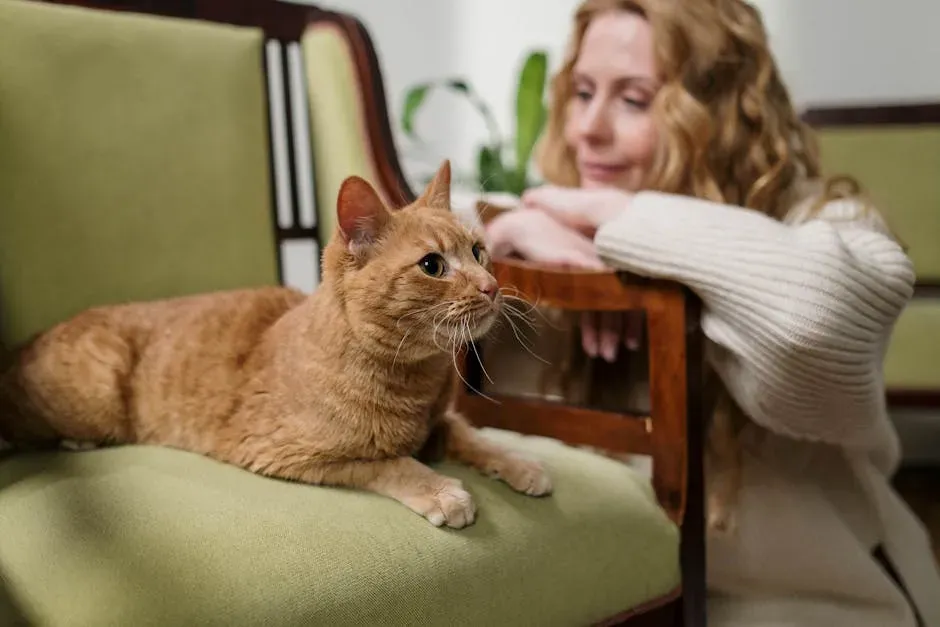
Researchers exploring the relationship between owner personality and cat behavior surveyed over three thousand cat owners and found meaningful correlations. Cats with high social scores were associated with owners who scored high on extroversion, while cats reported to be aloof or avoidant were associated with owners who scored lower on openness, conscientiousness, and agreeableness.
Cats kept indoors for companionship can form a close relationship with their owners or primary caretakers, and recent studies have shown that they attach to their owners in a way that mirrors the relationship between children and parents. There’s a certain humbling quality to this. Your cat may be acting as a quiet mirror, reflecting the emotional atmosphere of the home back at you in feline form.
Your Cat Forms Attachments That Go Deeper Than Most People Assume
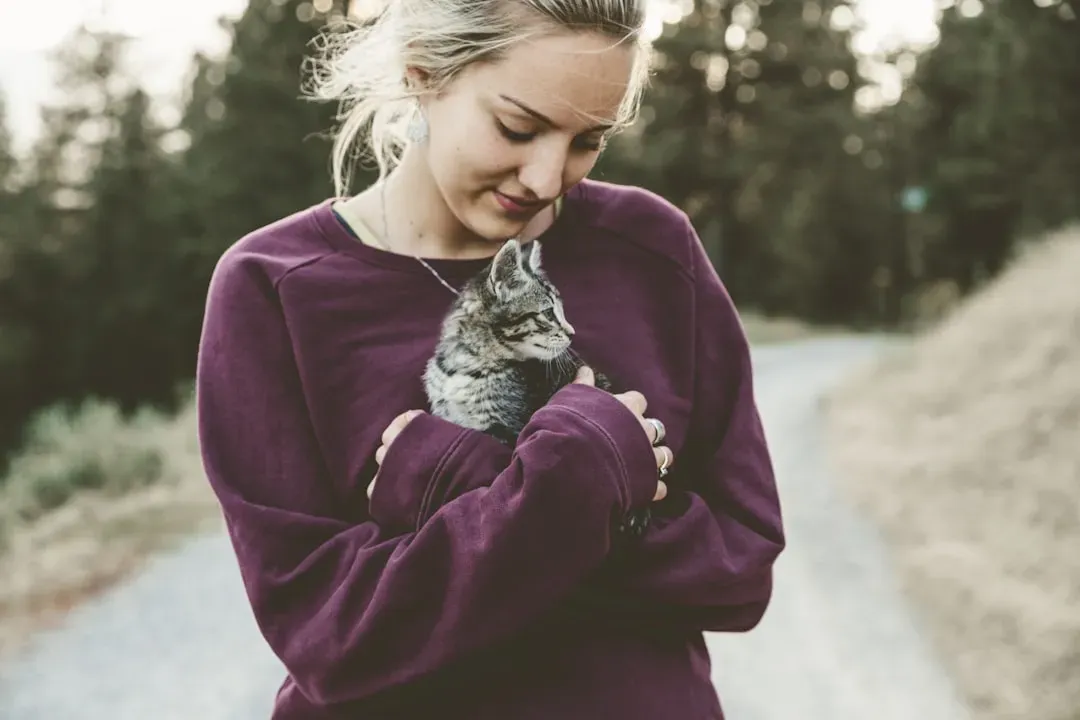
Cats engage in social behavior and form long-lasting bonds with humans that are modulated by each individual’s emotions. It is possible that during domestication, cats developed socio-cognitive abilities for understanding human emotions in order to respond appropriately to human communicative signals. That quiet creature sleeping on your chest isn’t just seeking warmth. It has chosen you, specifically, based on a continuous and remarkably thorough assessment.
The research challenges the enduring stereotype of cats as indifferent to human emotions. While they may not express their attachment in the same overt ways as dogs, cats are clearly tuned into the emotional states of the people around them, and not only recognize human emotions but may respond to them in ways that reflect their own emotional states. The judgment they render is not cold. It is simply honest in a way that social politeness rarely allows humans to be.
Conclusion
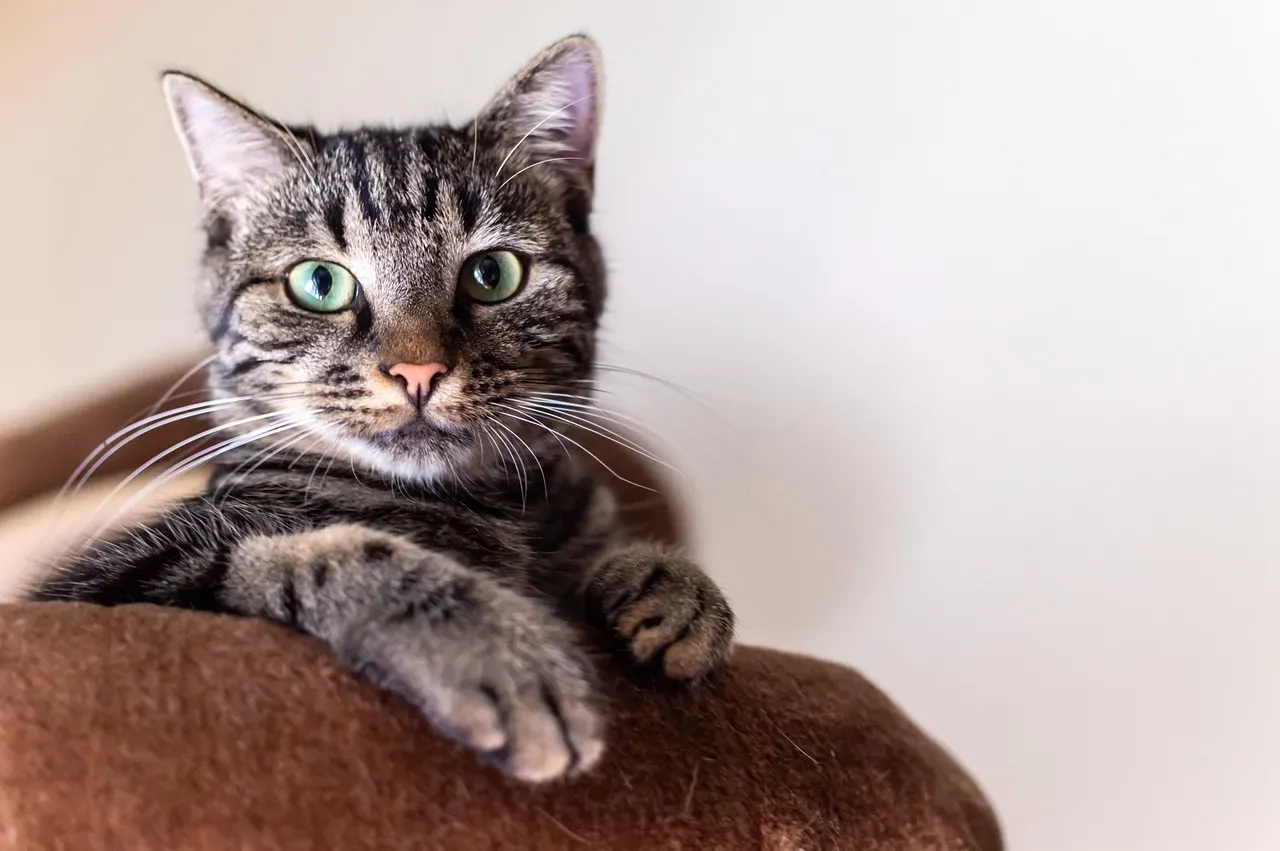
Your cat will never explain its reasoning. It won’t tell you why it chose to sleep beside one person in the room and ignore another entirely. The verdict arrives without ceremony, without small talk, and without the possibility of appeal. That’s what makes it credible.
When you understand the sensory and cognitive machinery behind these silent assessments – the scent detection, the emotional pattern recognition, the long-term memory, the careful observation of posture and tone – you start to see that the cat’s judgment is not a mystery. It is, in its own quiet way, one of the more honest readings of a person that you’re ever likely to encounter. Paying attention to your cat’s reaction to a person is worth something. The cat is often privy to cues you haven’t consciously registered yet.
The next time your cat settles beside someone without hesitation, or leaves the room the moment a particular person enters, take note. That verdict wasn’t random. It was evidence-based, processed at a speed no spreadsheet can match, and delivered with the kind of serene confidence that only comes from having absolutely no reason to lie.
Kristina is a young writer from India. An arts graduate and an avid content creator, Kristina is passionate about animals and wildlife. She enjoys exploring topics related to pet care, animal behavior, conservation, and nature, combining thorough research with engaging storytelling.