Cats have a reputation for being aloof, self-sufficient creatures who tolerate their owners more than they love them. That reputation, while entertaining, misses something important. Cats are actually socially flexible animals, and when they allow a person into their inner circle, they do so with genuine intention. The gestures are just quieter than what you’d get from a dog.
Research has shown that cats interact with humans in the same way they do with other cats, suggesting that they see us as the same, or at least part of their social group. That means you’re not just a food dispenser in their world. You might actually be a fully recognized member of the pride, and your cat has likely been telling you so for years through a set of very specific, very deliberate habits.
They Greet You With a Raised Tail
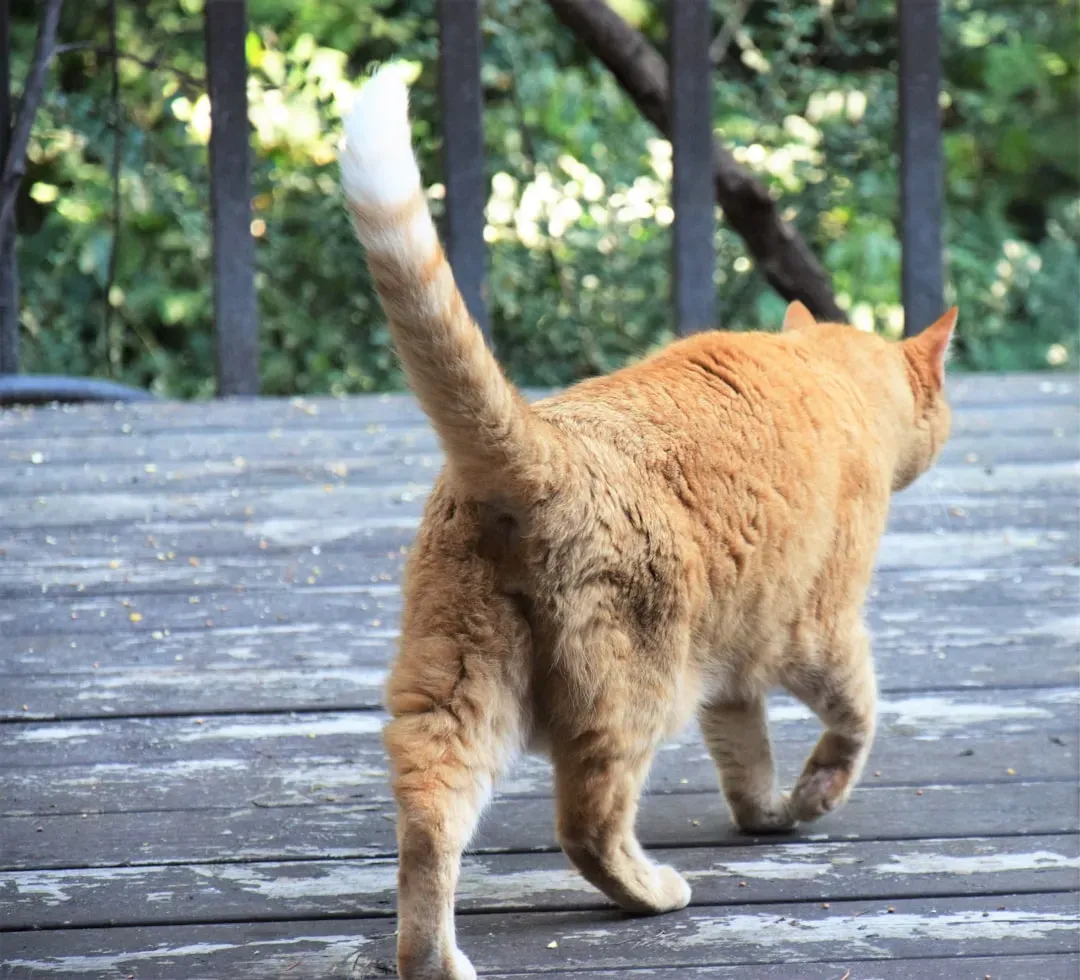
One of the clearest signals your cat sends when you walk through the door is the position of their tail. A tail held vertical to the ground signals friendly intentions upon approach. This isn’t random posturing. It’s a formalized greeting used between cats who trust each other, and when your cat extends it to you, you’re receiving the same social courtesy.
When a cat approaches you with its tail held high, often with a slight curve at the tip, it is a sign of happiness and friendliness, and this behavior shows that the cat is comfortable and trusts you. If you notice this happening consistently when you arrive home or even when you simply walk into the same room, take it as a warm, feline welcome.
They Headbutt or Bunt Against You
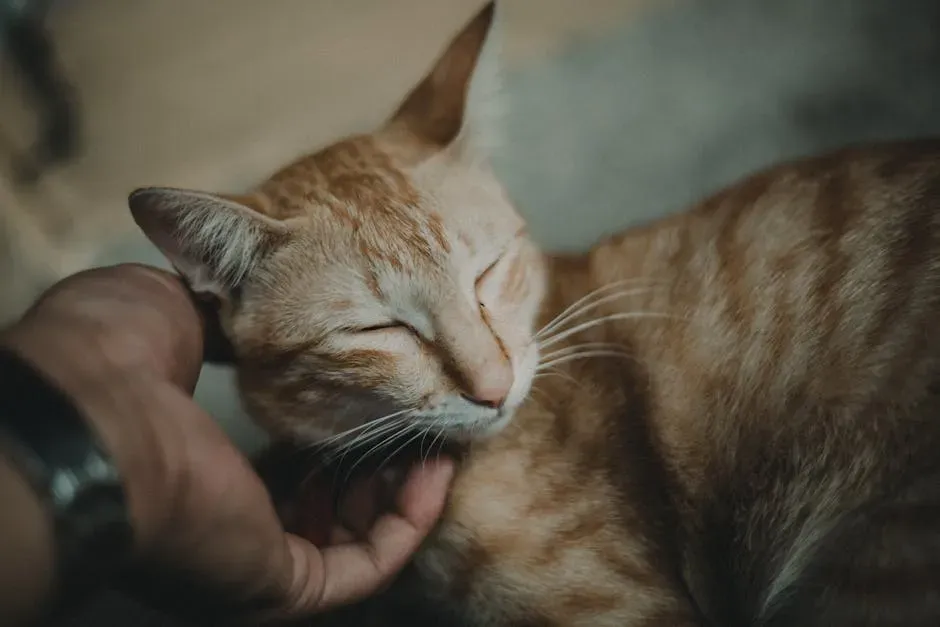
When your cat headbutts or rubs against you, they’re marking you with their scent glands located on their head and cheeks, and this behavior, known as bunting, is a way for cats to claim you as part of their social group. It’s not aggression or a request for food. It’s a social stamp of approval, the feline equivalent of being introduced to the family.
It’s a sign of acceptance and belonging, indicating that they consider you family, and these actions also release pheromones that promote a sense of familiarity and comfort. The more routinely your cat does this, the more settled and certain their bond with you has become. It’s a quiet but meaningful ritual.
They Groom You (Allogrooming)
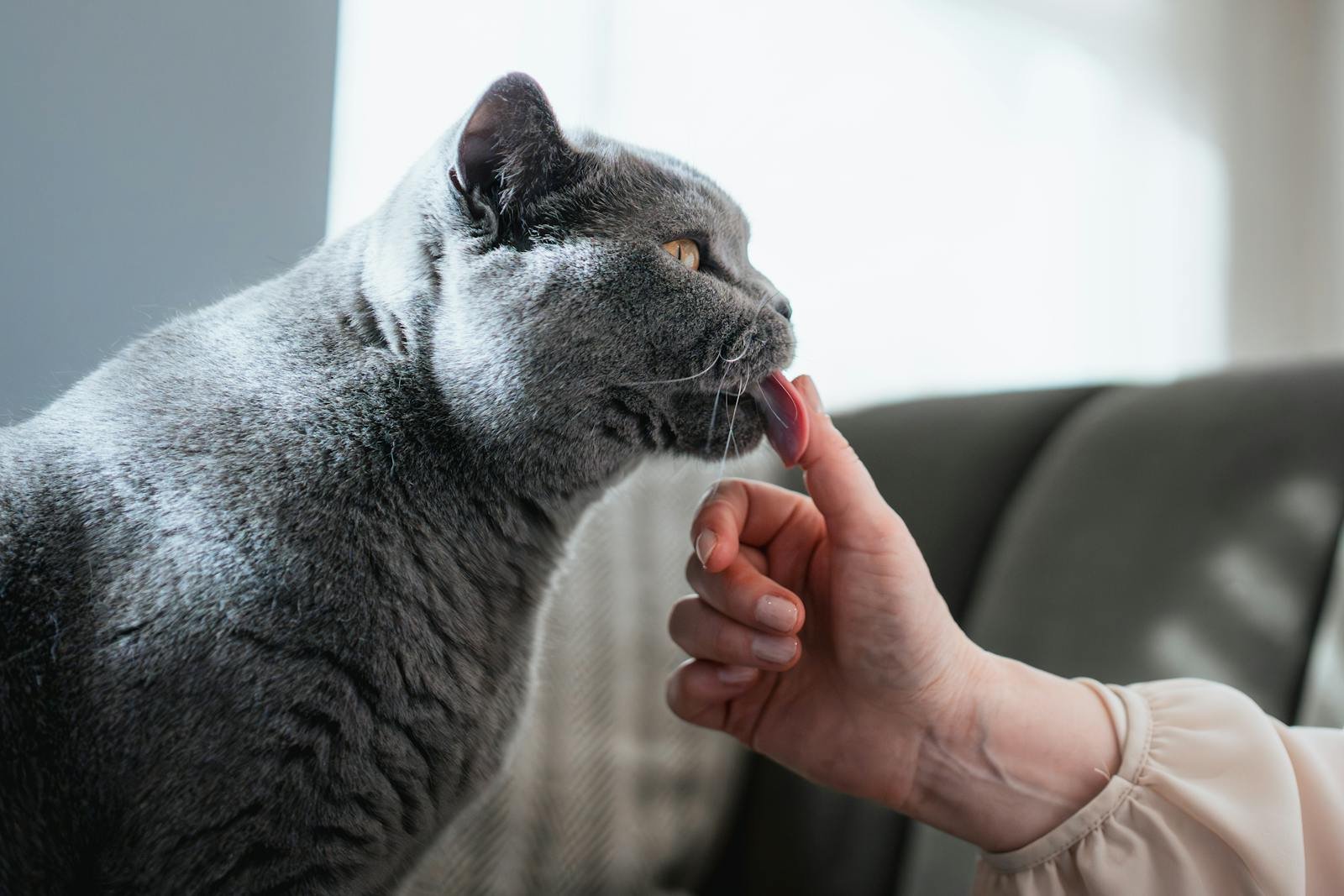
When a cat licks you, it’s not just trying to clean you. Grooming is a social activity in the feline world, often shared between cats that have a close bond. When your cat grooms you, it’s treating you as one of its own, showing a deep level of trust and kinship. This behavior has a name in animal behavior research: allogrooming.
Licking is a gesture that says your cat thinks you are a member of their social group and they accept you as family, and this is one of the ways your cat shows you that you have a strong bond together. Whether it’s a few licks to your hand or an enthusiastic attempt at your hair, don’t pull away. Your cat is simply doing what comes naturally between members of the same group.
They Slow Blink at You
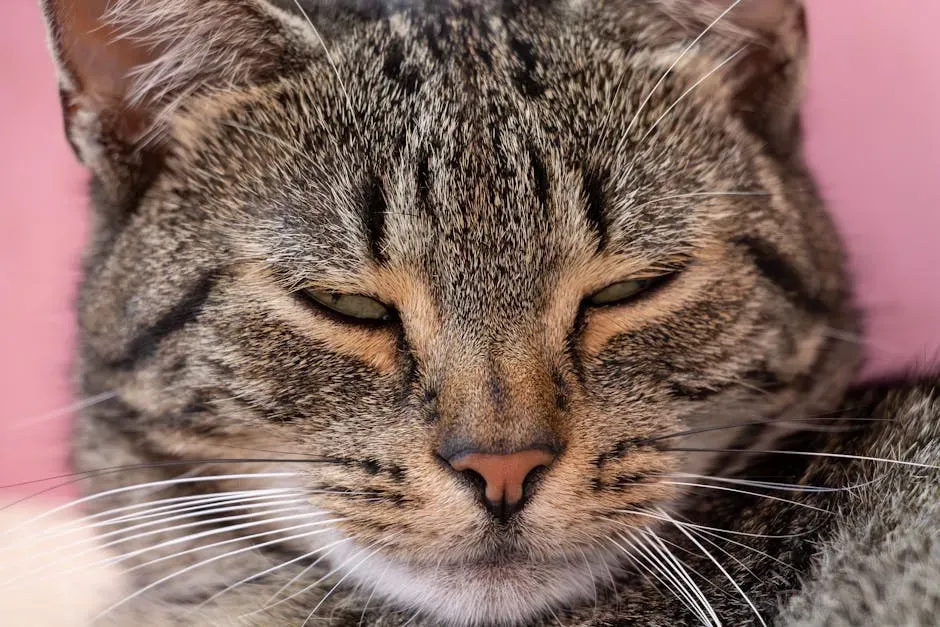
Slow blinking is one of the clearest signs your cat feels relaxed and safe around you, and when a cat slowly closes and opens their eyes in your presence, it’s a signal of trust. In feline communication, a hard, unblinking stare actually signals a threat. The slow blink is the deliberate opposite of that.
Maintaining eye contact without appearing threatening is a profound way cats show affection, and responding with your own slow blink can reinforce this bond. By mirroring their behavior, you communicate in a language they understand, strengthening the connection between you and your feline friend. Try it the next time your cat looks at you from across the room. Their response will likely tell you everything.
They Follow You From Room to Room
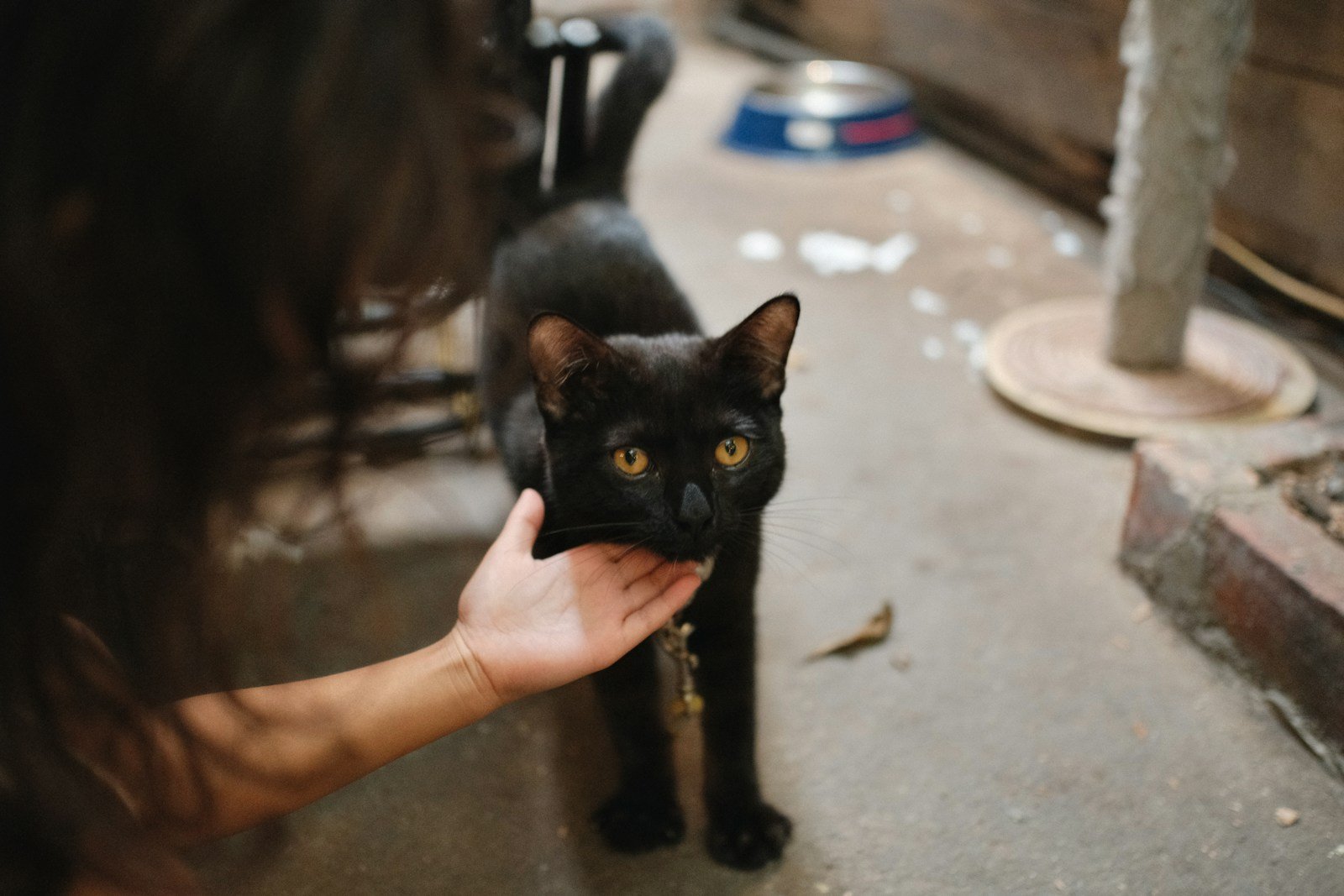
Cats are naturally curious creatures, and when they choose to follow you from room to room, it’s a sign of affection and trust. This behavior shows that your cat enjoys your company and feels secure in your presence. It can look clingy or demanding, but the motivation is actually more social than that.
It’s not just about wanting food or attention. It’s about companionship, and your cat sees you as part of its social group and wants to be where you are. Within a feline group, members stay loosely close to those they trust. When your cat trails you to the bathroom or the kitchen, they’re keeping track of their pride.
They Sleep on or Near You
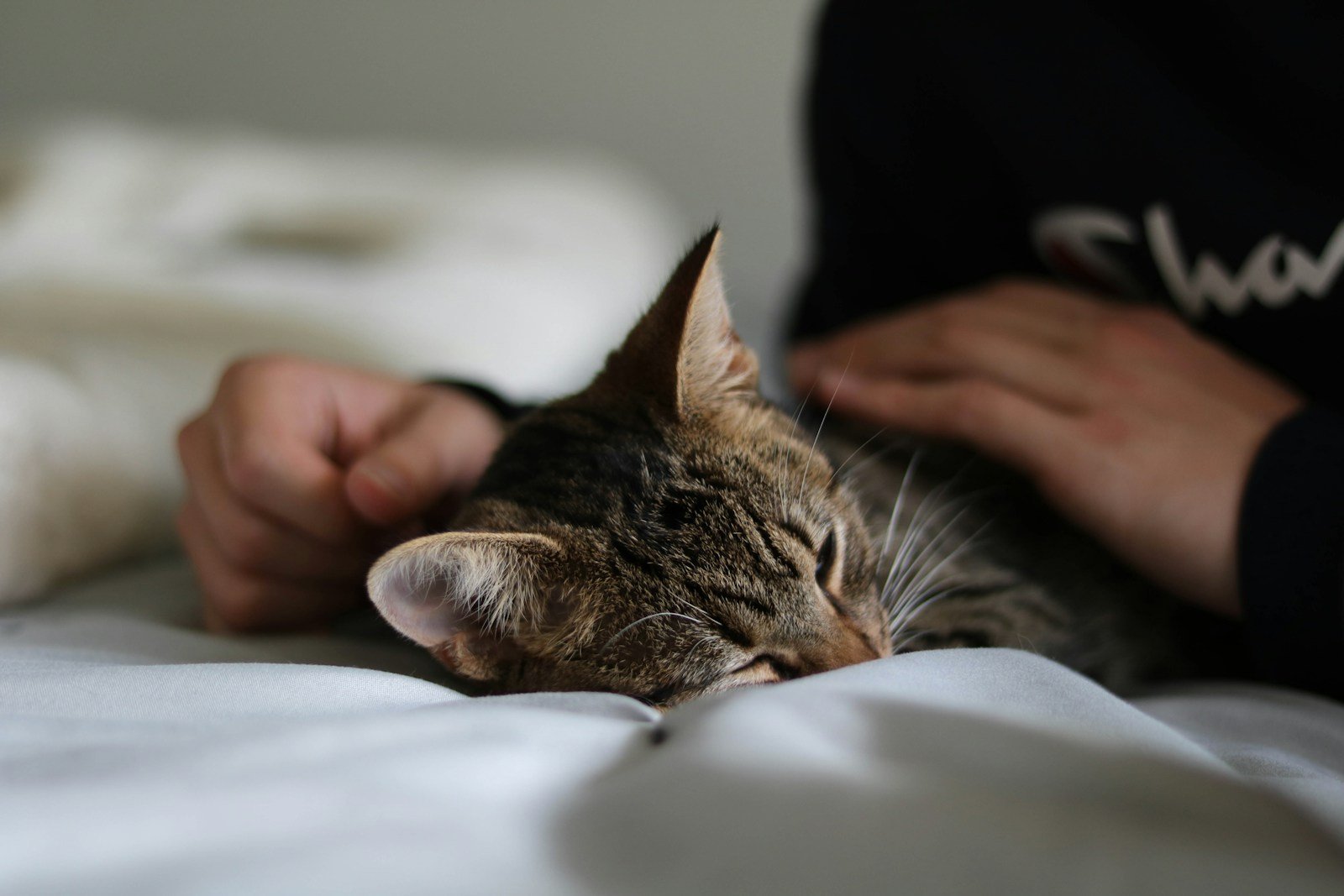
Cats are vulnerable when sleeping, so choosing to sleep near you shows deep trust. Sleep is when any animal is at its most exposed, and cats evolved to be very selective about where and with whom they rest. Choosing you as a sleeping companion is not a casual decision on their part.
Bedtime is a vulnerable time for cats, and choosing to sleep near their owner is a clear sign of trust and safety. Over time, you may notice they pick the same spot relative to you each night. That consistency is a sign the behavior has moved from exploration into habit, which is exactly how pride membership works in the feline world.
They Knead on You
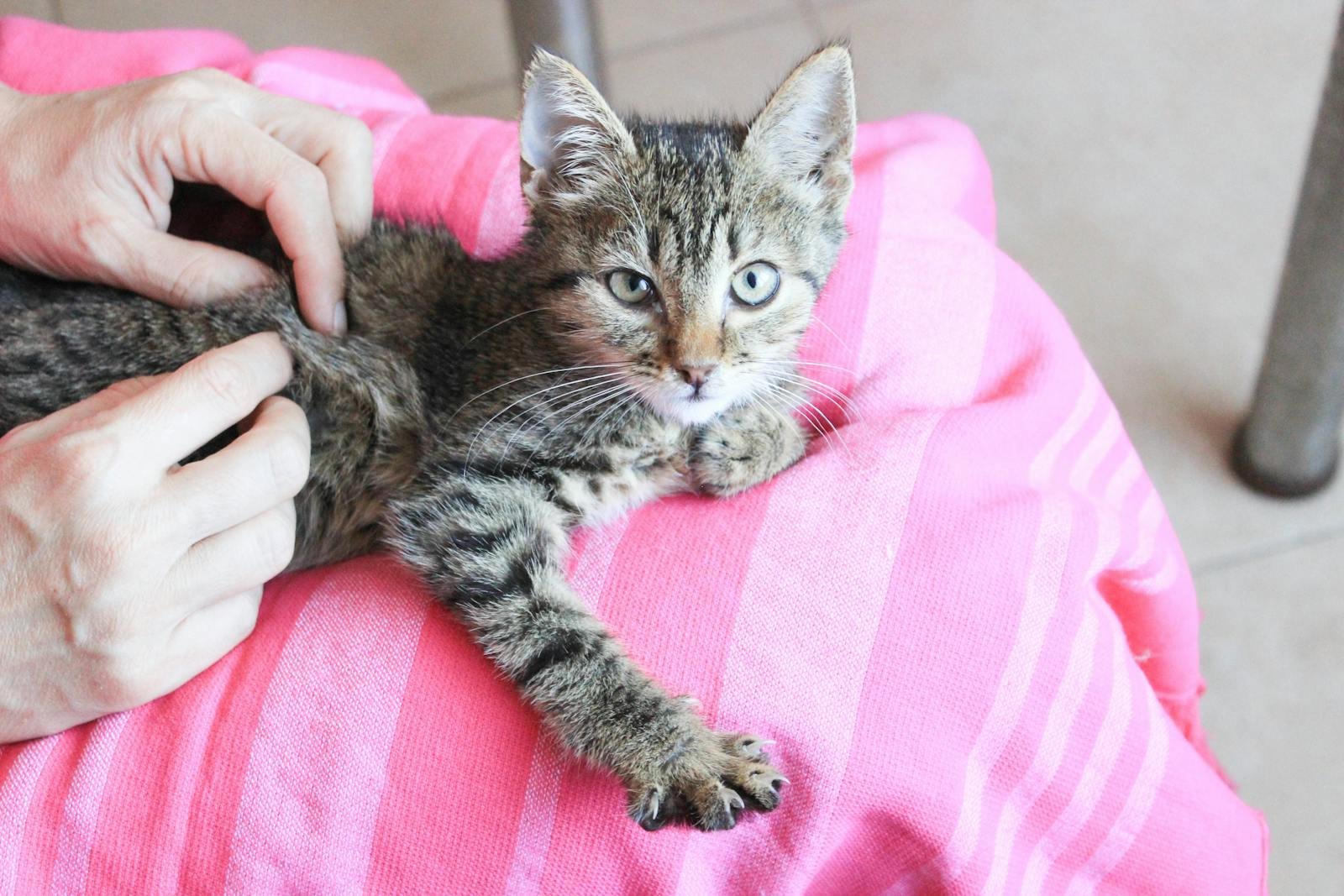
Kneading, sometimes referred to as “making biscuits,” is a behavior cats often display when they are content. This rhythmic motion of pushing their paws in and out against a soft surface reminds cats of their kitten days when they kneaded their mother’s belly to stimulate milk flow. When your cat kneads you, it’s a sign that it feels secure and relaxed in your presence.
Kneading is a comforting behavior from kittenhood, indicating trust and affection, and when cats knead on you, it’s a strong sign your cat is bonded to you, showing they feel secure. The fact that this behavior carries over from early life into the adult relationship with you says something meaningful. You’ve become associated with that original sense of safety and warmth.
They Purr When They’re Near You
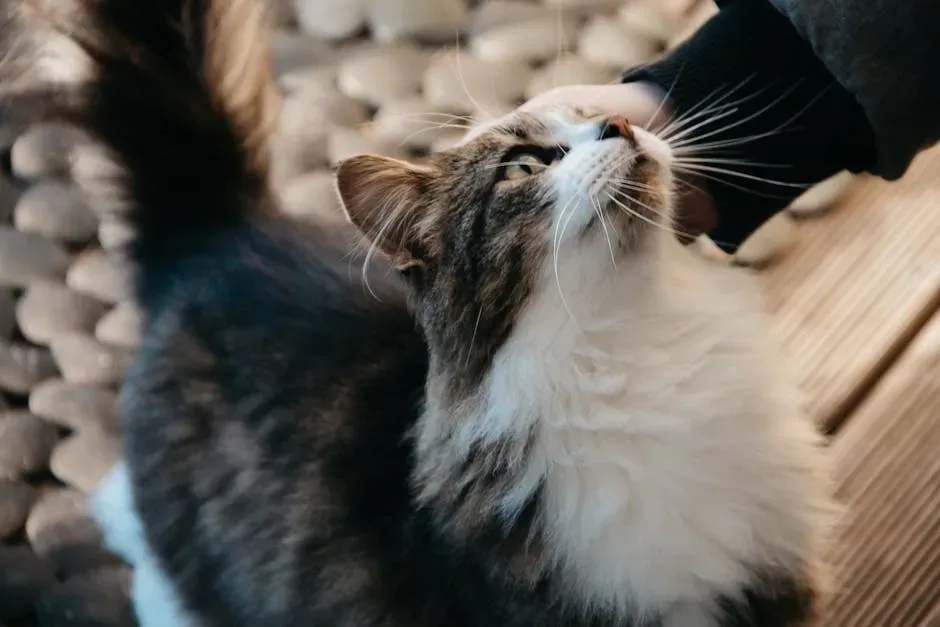
Purring often signals contentment and trust, and it’s a way for cats to express comfort and strengthen emotional connections, rooted in their kitten-mother interactions. While cats can purr for other reasons, including self-soothing during stress, the purr that happens while your cat is pressed against you or sitting in your lap carries a distinctly social weight.
Most often, cats purr as a sign of happiness. Cats do purr for many different reasons, but if your cat is purring and nuzzling into you when you are stroking them, you can be sure that this is a very content purr and they are pleased to be in your company. This is their way of letting you know they are very happy. It’s one of the most unambiguous comfort signals in a cat’s repertoire.
They Bring You Gifts
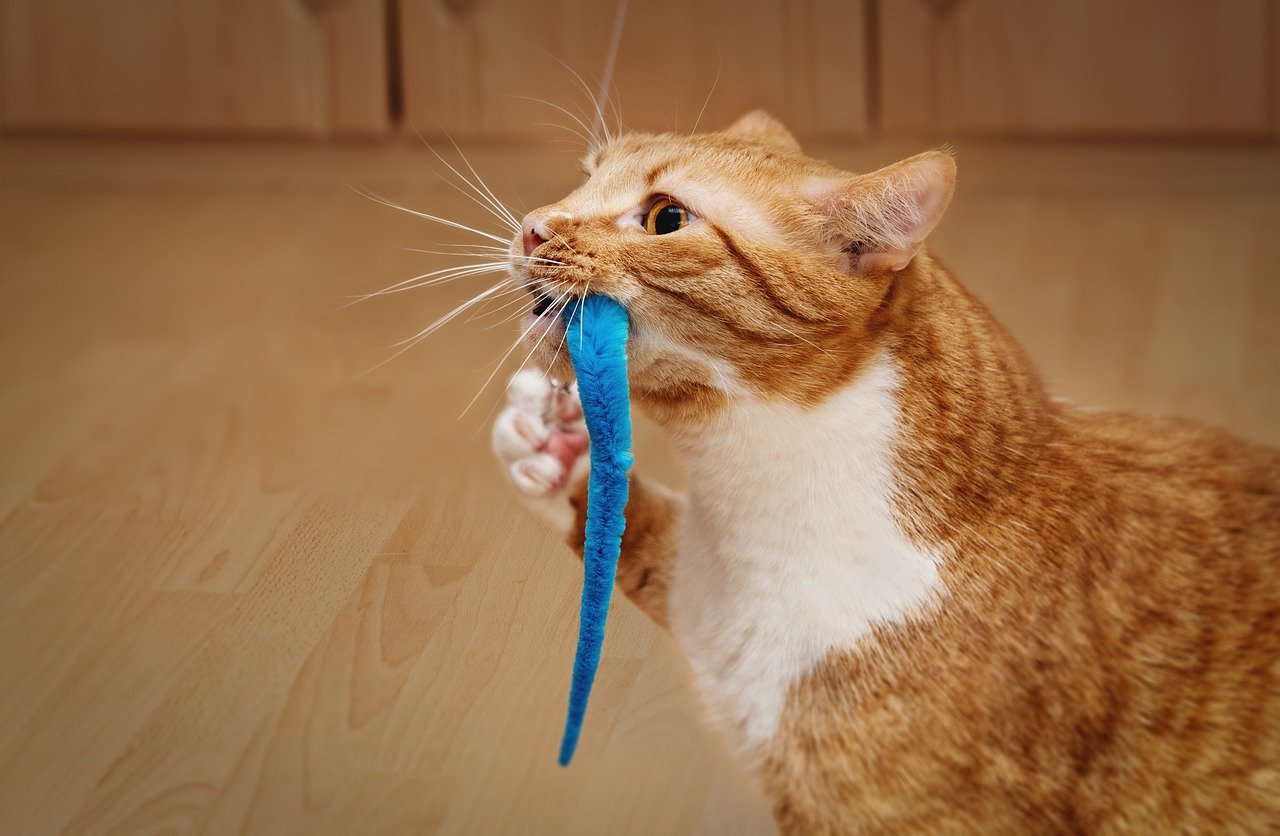
Cats love bringing their favorite people gifts. Sometimes this can be presenting their best toy or comforter, and sometimes they like to bring you some prey they have hunted to share with you. It’s their way of saying you are part of their family and they want you to be involved with something that brings them joy. The instinct here runs deep.
While we can’t know exactly what cats are thinking, it is possible that cats may bring prey to their pet parents as part of their social group behavior. In fact, mother cats bring prey to their kittens to teach them to hunt, and your cat bringing you gifts may reflect this same caregiving instinct. So even if the delivery is a bit alarming, the intention behind it is genuinely generous.
They Expose Their Belly Around You
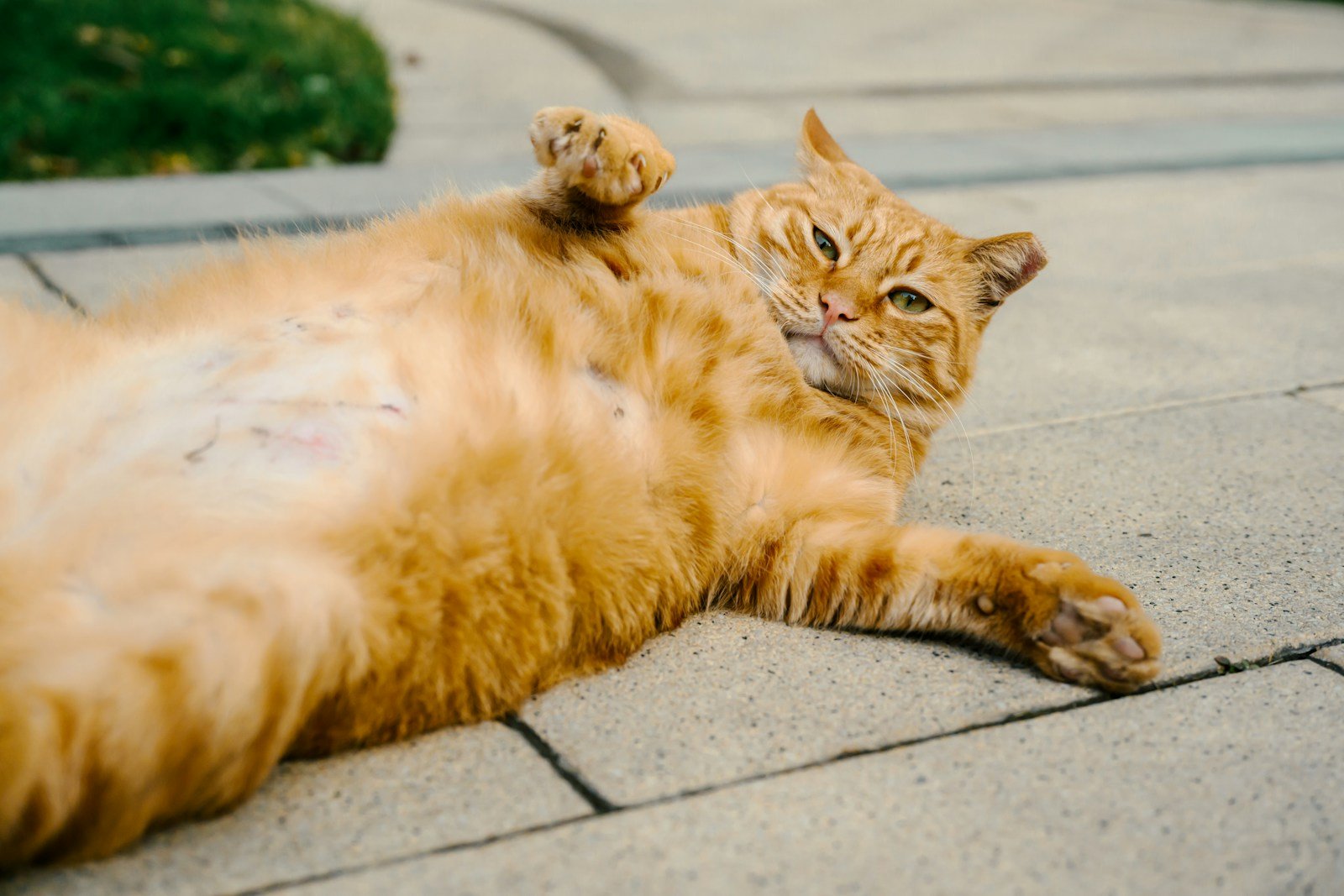
A cat exposing its belly is one of the ultimate signs of trust. The belly is a vulnerable area, and when a cat lies on its back and shows its tummy, it is expressing complete relaxation and confidence in your presence. This posture leaves vital organs exposed, which means a cat will only do it where they feel genuinely safe.
It’s important to note that this doesn’t always mean the cat wants a belly rub. It’s more about the confidence your cat has in the environment and the people around it, and you should respect this gesture as a high compliment from your feline friend. Read it for what it is: a declaration that they have no reason to be guarded around you. That’s rare, and worth appreciating.
They Seek You Out for Comfort When Stressed
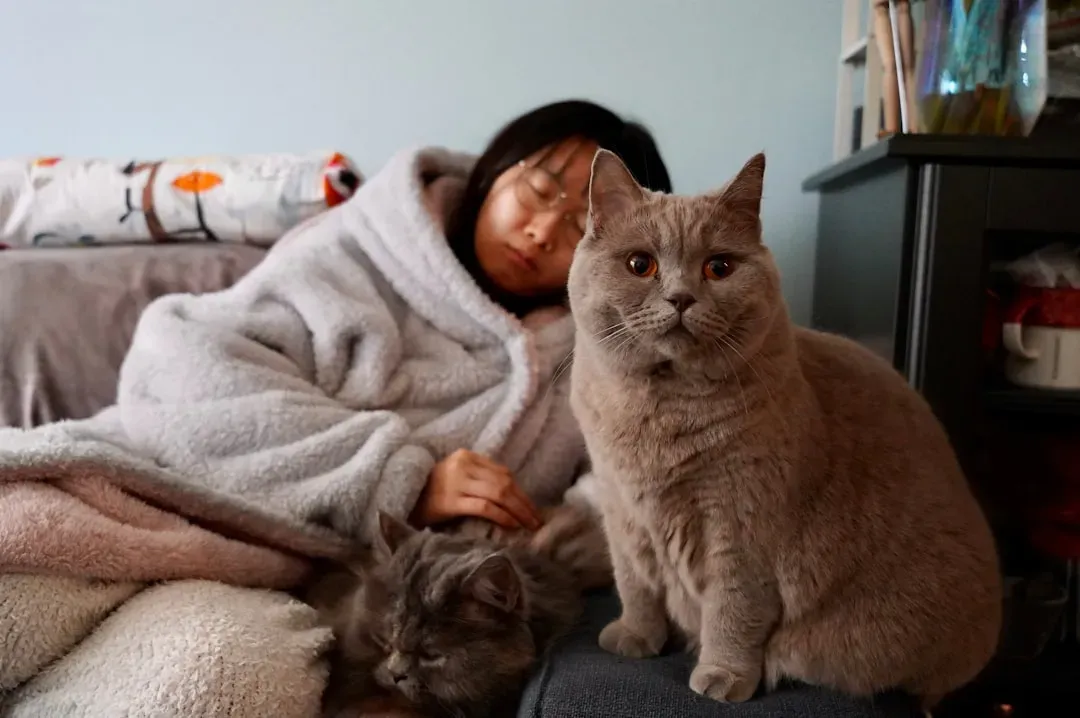
When a cat has imprinted on you, they see you as part of their safe space and a trusted companion. Imprinting is a strong emotional bond, where your cat may follow you around, seek your attention, and show affection in ways that go beyond typical pet-owner interactions. This behavior is a clear sign that your cat loves you, feels secure with you, and considers you an important part of their world.
Bonding is essential for a cat’s emotional and physical well-being, reducing stress and promoting a sense of security. According to the American Society for the Prevention of Cruelty to Animals, cats that form strong bonds with their owners are less likely to exhibit stress-related behaviors like aggression or hiding. When a cat turns to you specifically during an unfamiliar or unsettling situation, it confirms something straightforward: you are their anchor point, the trusted presence within the group.
Conclusion
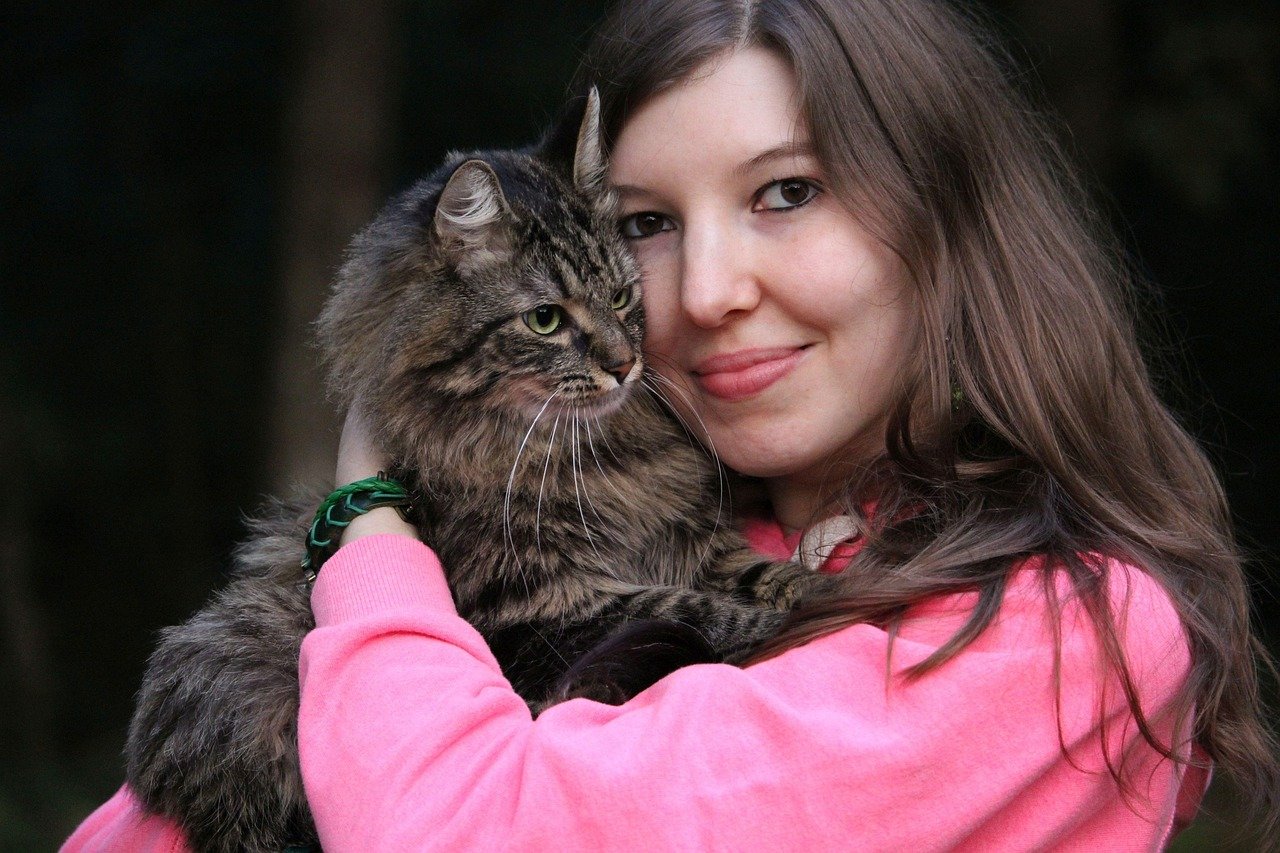
None of these habits are random. Each one maps directly onto behaviors cats use within their own social groups, and the fact that your cat extends them to you says something genuine about how they perceive your place in their world. Cats tend to show love through behaviors that signal comfort and familiarity rather than attention-seeking. Once you understand that, the quiet gestures start to feel a lot less quiet.
The cats we know and love today are socially flexible animals, and domesticated cats create meaningful relationships based on familiarity, scent, and trust. You don’t earn a place in a cat’s pride by being loud or persistent. You earn it through consistency, calm, and time. If your cat is showing you several of the habits above, the membership has already been granted.
Kristina is a young writer from India. An arts graduate and an avid content creator, Kristina is passionate about animals and wildlife. She enjoys exploring topics related to pet care, animal behavior, conservation, and nature, combining thorough research with engaging storytelling.