Cats have a reputation for being aloof, self-sufficient, and perpetually unbothered. They sleep through your homecomings, stare at walls, and knock things off counters with zero remorse. Yet underneath all that theatrical indifference, something quieter is often happening. The bond between cats and their devoted owners is genuinely strong, and despite their aloof reputations, cats can be very loyal, affectionate, and loving.
The tricky part is that cats don’t wear their trust on their sleeve the way dogs do. Cats care about physical comfort and safety, and their trust in you is about whether or not you provide those things in the ways and quantities they need. While they can’t tell you whether you’re doing a good job, they can and do show you through specific behaviors. If you know what to look for, your cat has probably been telling you exactly how they feel all along.
They Give You the Slow Blink
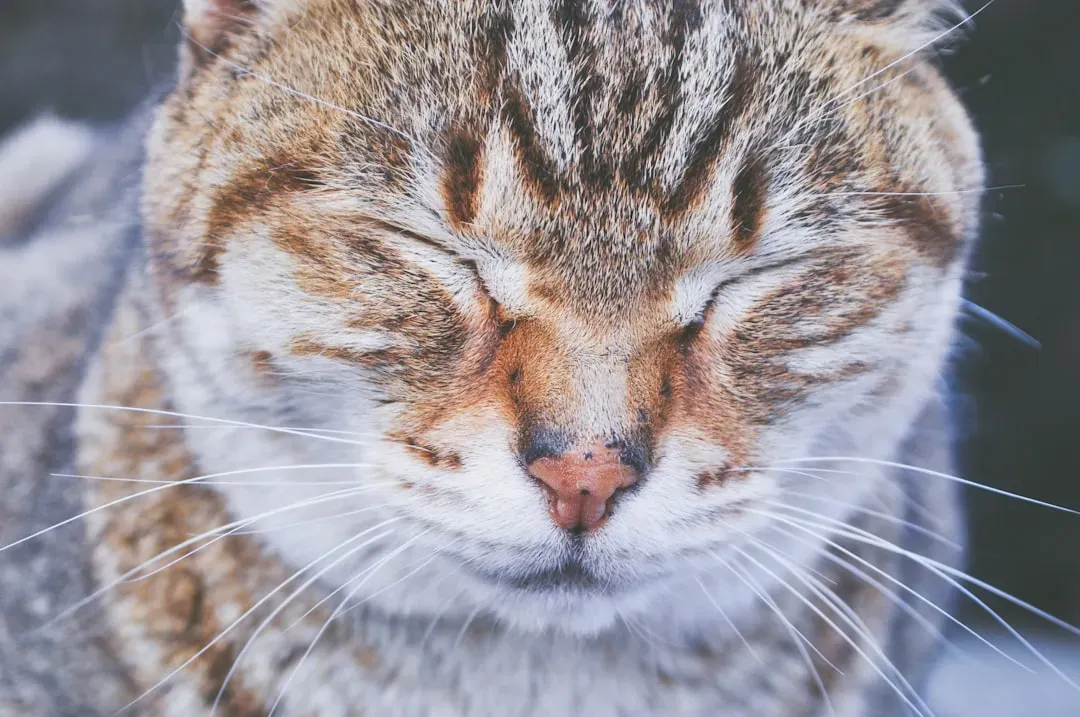
If you’ve ever locked eyes with your cat and watched them lazily close and reopen their eyes, you weren’t imagining a moment of connection. The slow blink is one of the most reliable affection signals cats exhibit. When they look directly at you and slowly close and open their eyes, the message translates roughly to “I love and trust you.”
When a cat slowly closes its eyes while looking at you, it’s showing it feels safe and vulnerable in your presence. You can mirror the slow blink back to your cat and you are communicating in its language, strengthening the bond between you. Think of it as the feline version of a handshake, quiet, unhurried, and surprisingly meaningful.
They Knead You Like Bread Dough
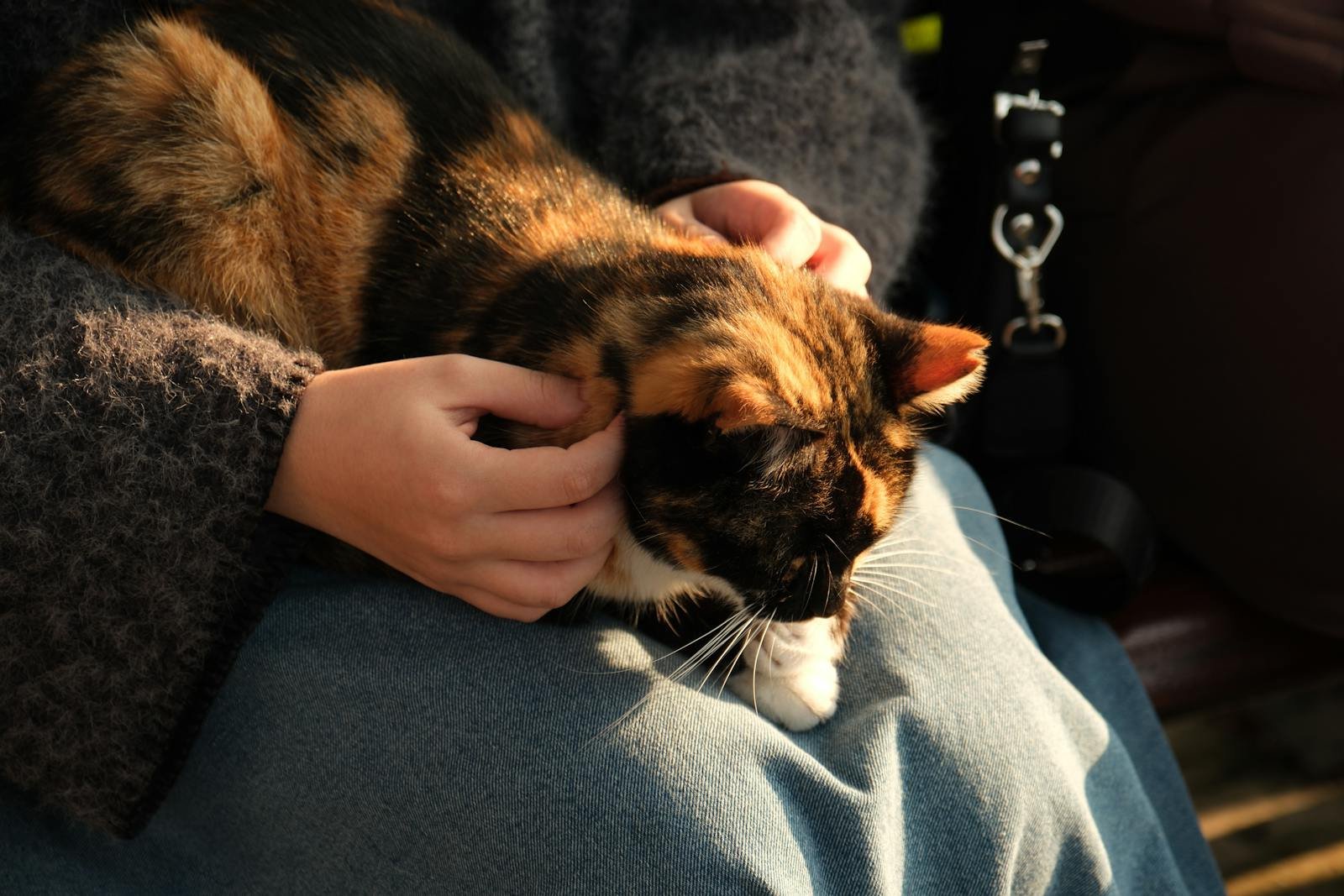
Few things are as oddly endearing as a cat rhythmically pressing their paws into your lap. Kneading begins in kittenhood, when pressing on a mother’s belly helps stimulate milk. As an adult, your cat keeps the motion as a self-soothing habit. When they knead you, they’re pairing comfort with your scent and warmth.
Kneading also lays down scent from glands in their paws, quietly marking you as familiar. You’ll often see half-closed eyes, gentle purrs, and a loose body as signals that your presence feels completely safe. Yes, the claws can be a little sharp. That’s beside the point.
They Sleep on You or Right Next to You
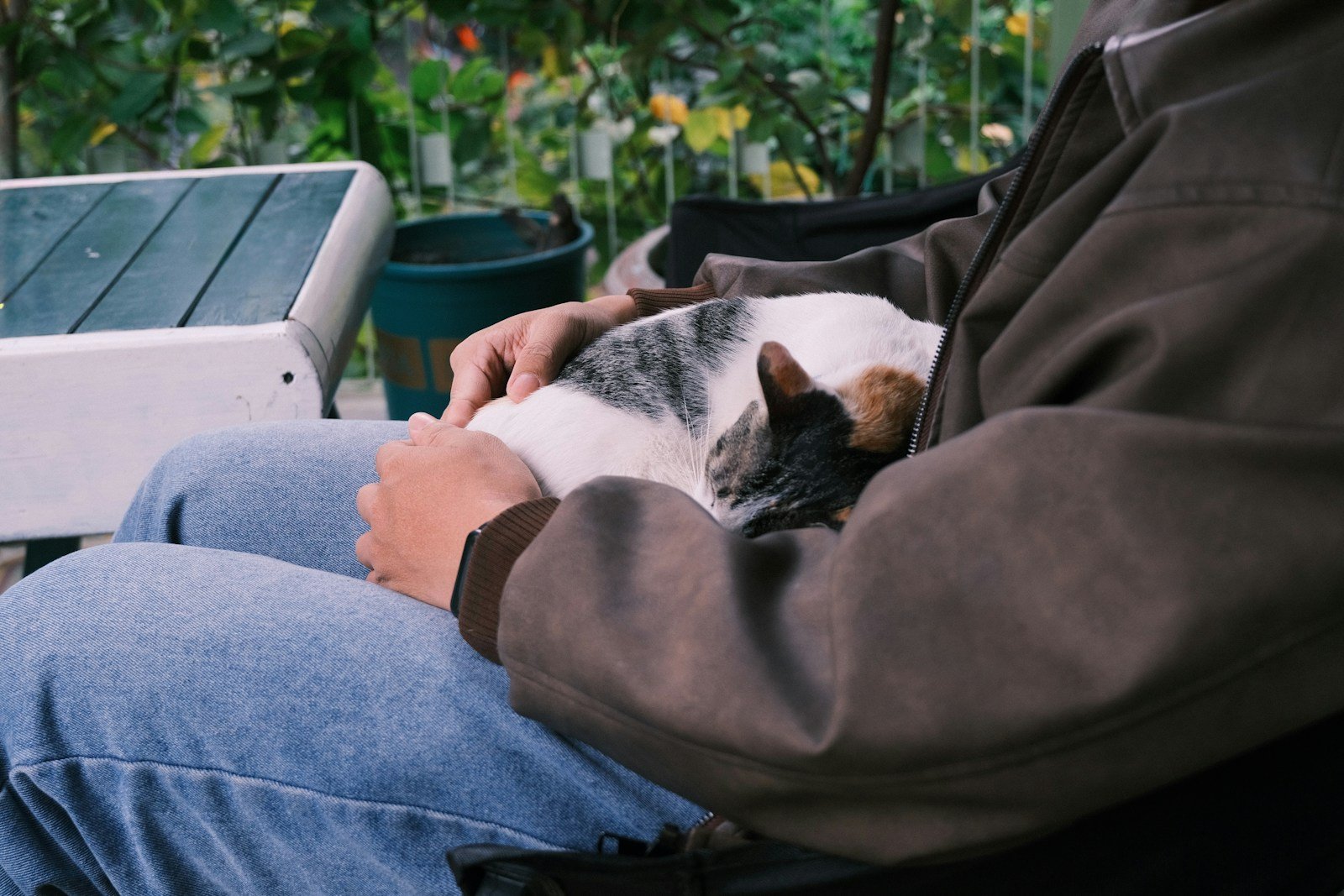
Not all cats like to sleep around their humans. Sleep is a vulnerable state, so if a cat chooses to sleep on or pressed against you, it is one of the deepest signs your cat trusts you and feels comfort. In the wild, a sleeping animal is exposed. Your cat choosing to do that in your presence is not a small thing.
A cat choosing to sleep on or near you is one of the highest compliments they can pay. Since sleep is when cats are most vulnerable, selecting you as their napping spot demonstrates absolute trust and affection. This is especially meaningful when they also expose their belly while sleeping near you.
They Head-Butt and Rub Against You
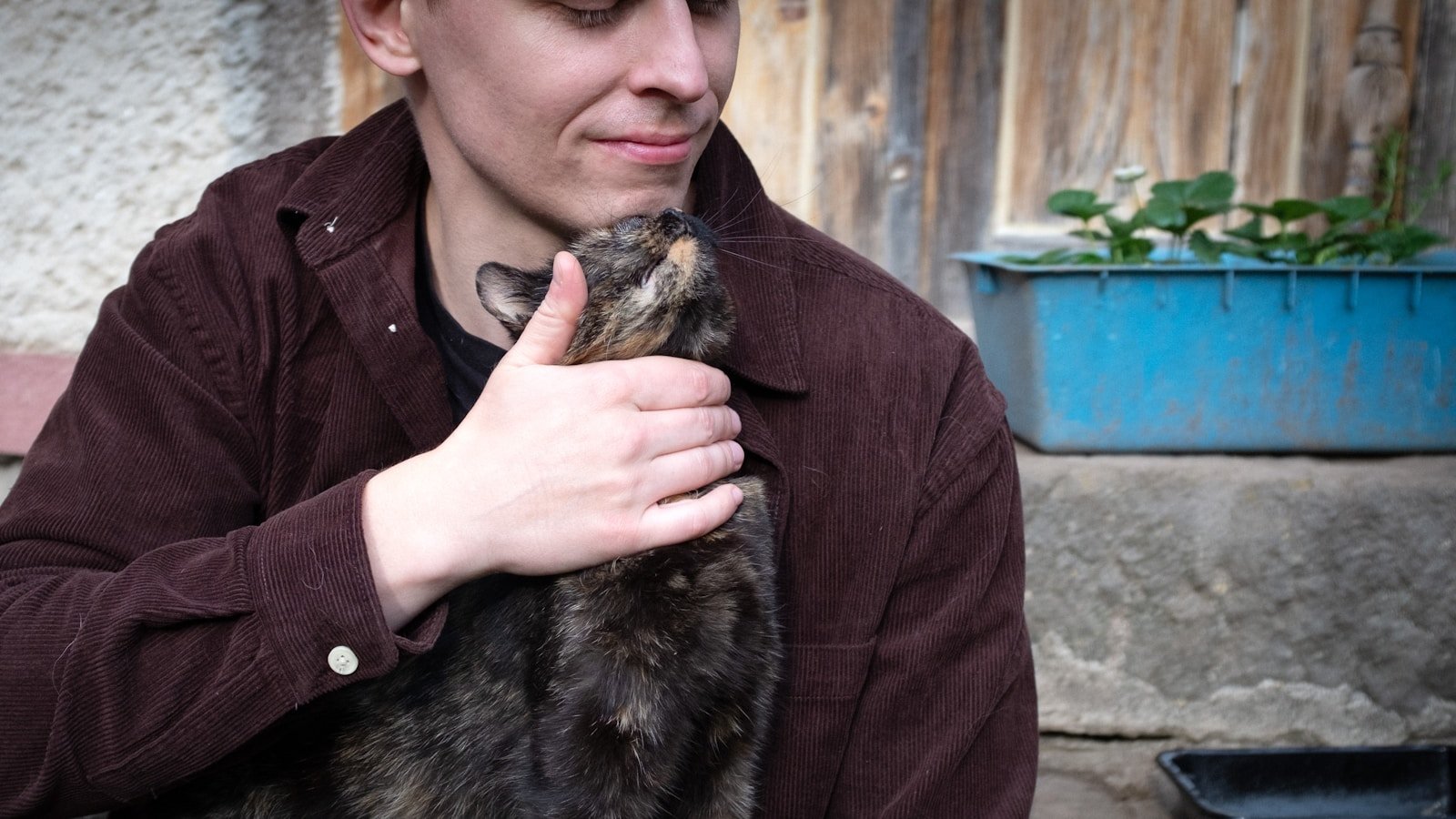
When your cat gently bumps their head against you, it’s not just being playful. Head-butting, also called bunting, is a way for cats to mix their scent with yours. This mingling of scents is how cats claim their favorite people and spaces, creating a shared “family smell.”
When your cat presses their forehead or cheeks against you, they deposit facial pheromones that label you as “safe” and “mine.” This shared scent builds a familiar group fragrance, the feline version of a social handshake. You’ll see more rubbing when your cat feels secure, during greetings, after you return home, or before meals. It’s routine affection, which somehow makes it feel more genuine.
They Groom You
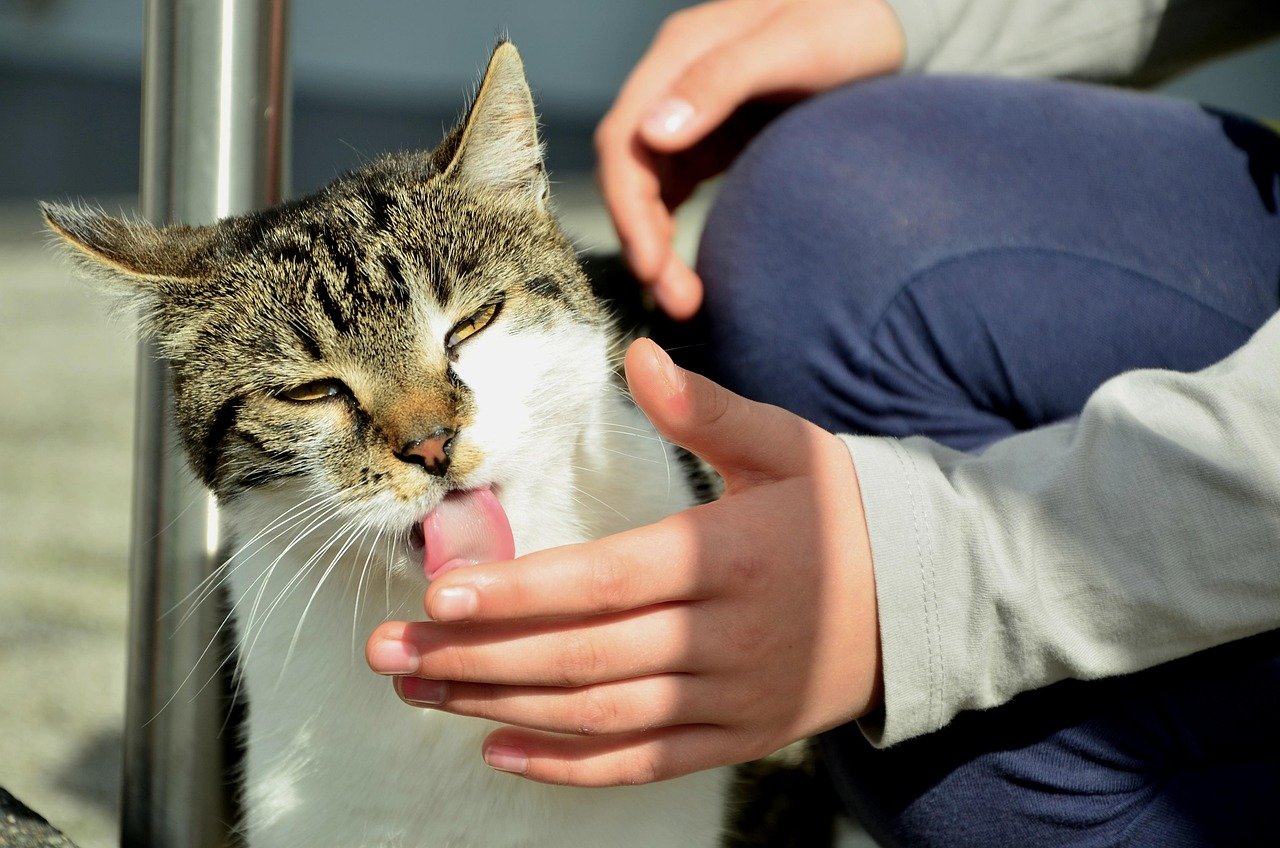
Social grooming, also called allogrooming, is a sign of social bonding and is associated with security. Cats are often solitary animals, but if they live in a bonded pair or group, they will spend time grooming each other. If your cat licks you or grooms you, this is cat behavior indicating trust and love.
In multi-cat households, cats groom each other to establish social bonds and share scent. If your cat licks your hand or even your hair, it is a sign of including you in their social circle. When you get the sandpaper tongue treatment, take it as a compliment. Your cat has officially inducted you into their inner circle.
They Show You Their Belly

Your cat’s belly is a particularly tender spot. If your cat rolls onto their back and exposes their belly, they’re telling you they’re comfortable being around you. This doesn’t necessarily mean your cat wants you to pet their belly, though. It’s mainly a sign that they feel protected when you’re nearby, since being on their back is a defenseless position.
Contrary to popular belief, when cats show you their belly, it is not always an invitation to pet it. It can be an indication that they trust you enough to expose one of their most vulnerable parts. This interpretation is both context and cat dependent. Watch the rest of their body language too. Relaxed ears, soft eyes, and still paws are the green light. Flattened ears and a twitching tail are not.
They Greet You at the Door
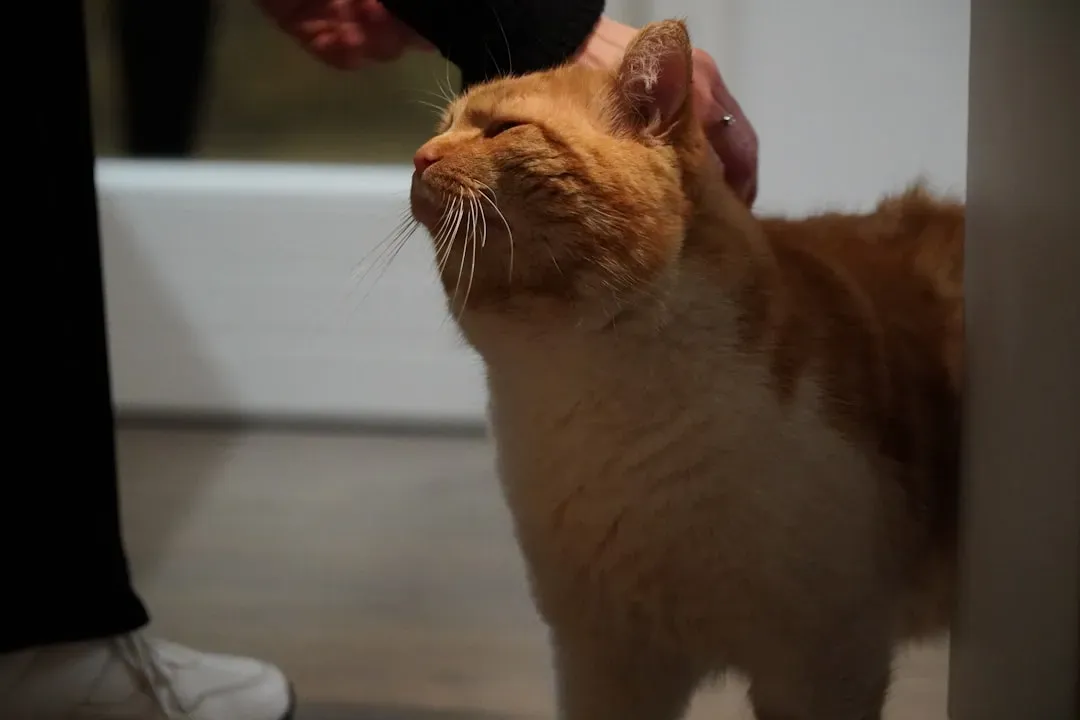
If your cat comes running to greet you when you come home, it’s a good sign that your cat trusts you. Cats are curious creatures and love to investigate when something new happens. Adult cats are also territorial and make a habit of keeping a close eye on their territory. A nervous cat may watch from afar, but if your cat comes running to greet you, this is a good sign that your kitty trusts their human companions.
Your cat is trying to show you that they missed you when they greet you at the door. This is often followed by walking in-between your legs and curling their tail around your legs. Sometimes it’s also accompanied by meowing and “rattle-tail” behavior, where your cat will shake their tail quickly. This is your cat’s way of welcoming you home. It’s brief, occasionally chaotic, and completely sincere.
They Talk to You
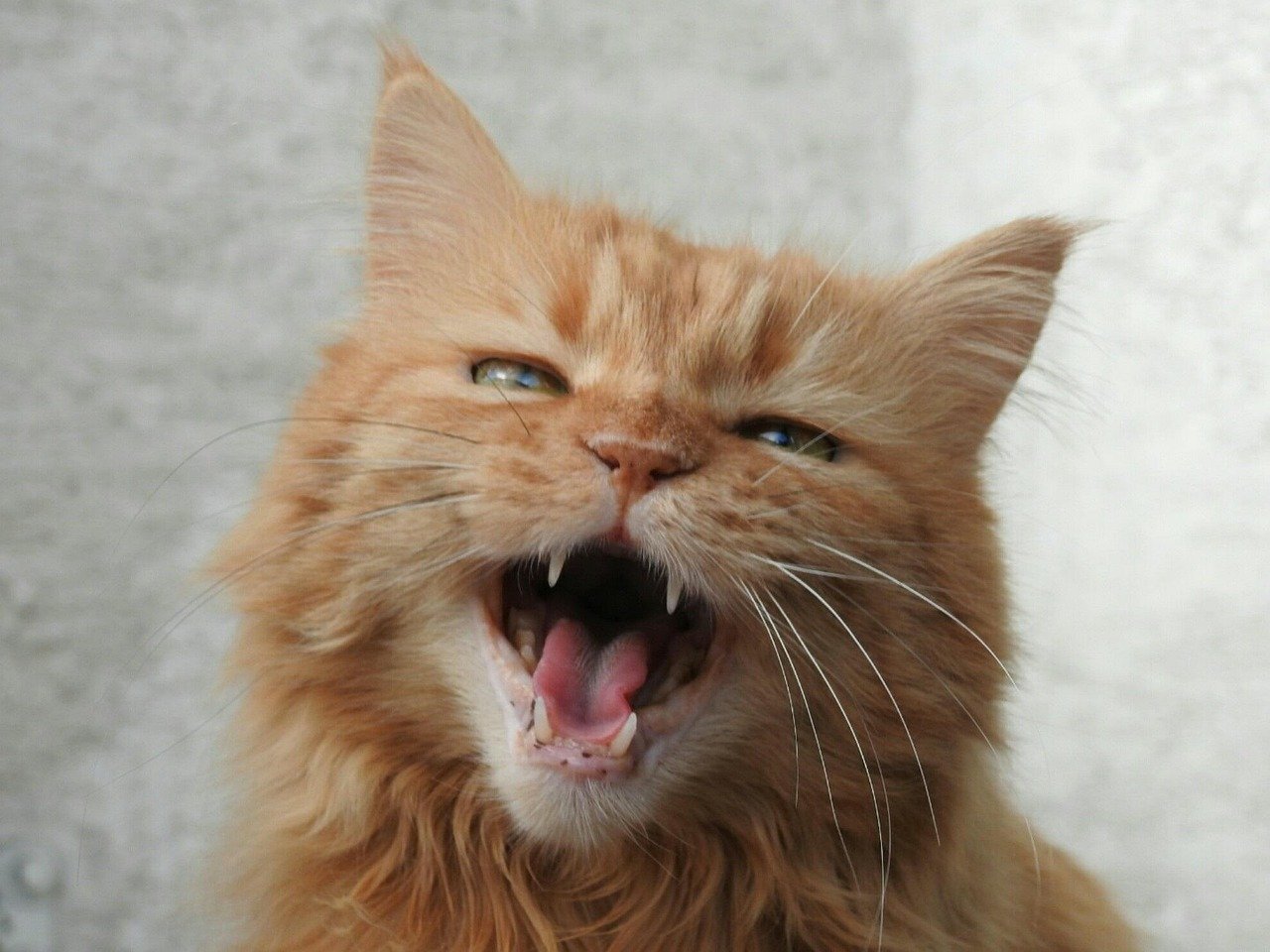
Cats don’t really meow at each other as adults. They meow at their mothers, who provide them with food, warmth, and safety when they are kittens, and they meow at their people, who provide them with the same things as adults. Of course, not all cats meow. Some cats ask for things by tapping you with their paw or rubbing up against you.
Meows, chirps, purrs, and more are a form of social interaction, and cats don’t do that with everyone. If your cat consistently “talks” to you, it is a sign that the cat feels comfortable enough to interact with you and expects a response. Some cats even develop special vocalizations like trills or specific meows exclusively for their favorite humans, indicating a unique bond. That particular chirp they save just for you? That’s personal.
They Bring You Gifts
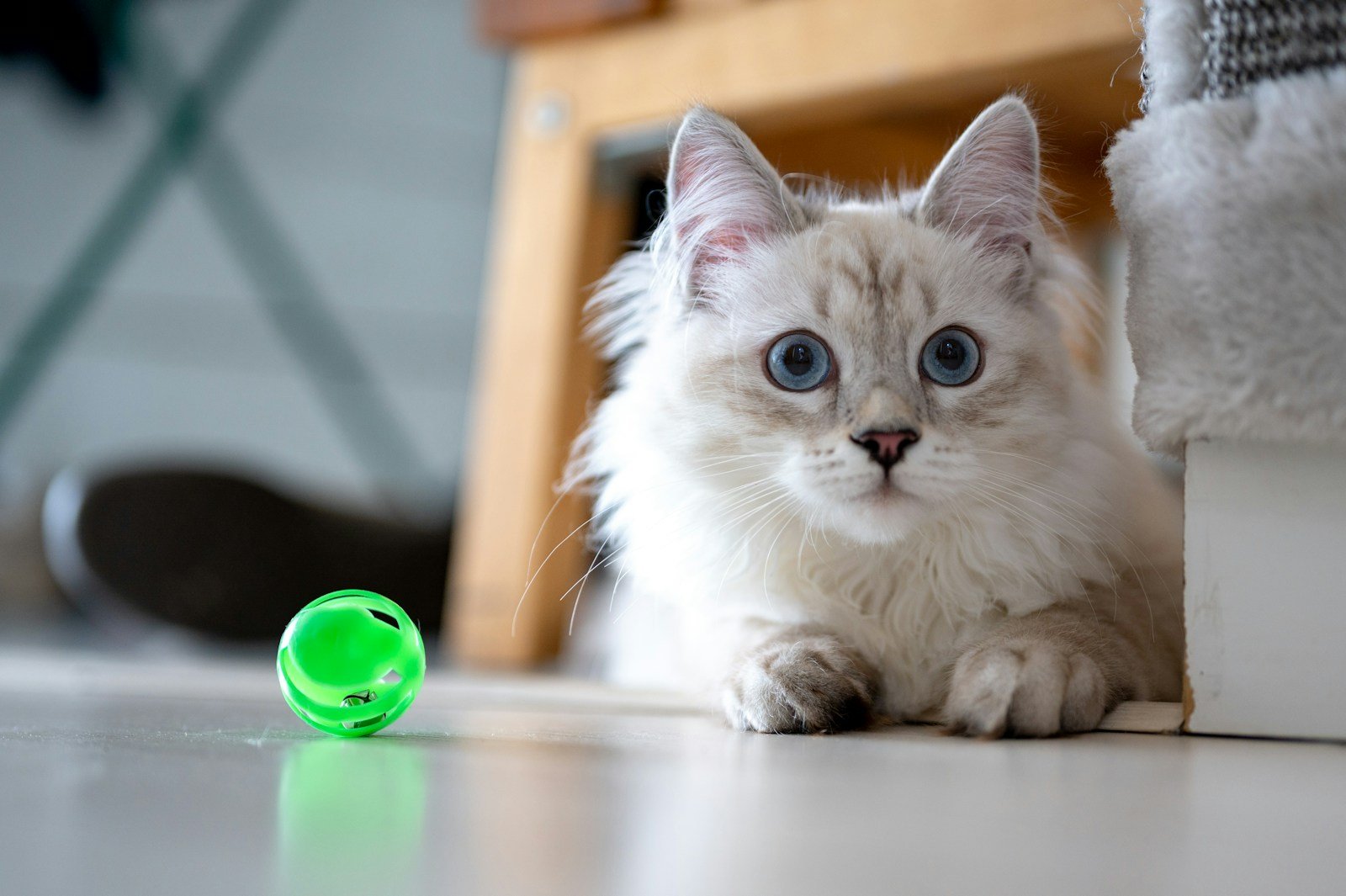
As puzzling as it may seem, cats often present their humans with “gifts” like toys, socks, or even the occasional insect. This behavior is rooted in their natural hunting instincts and is a sign that they view you as part of their family. By bringing you these offerings, your cat is sharing its bounty and showing trust in you as a provider and companion.
Cats are solitary hunters, but if they live in groups they tend to share. In feral cat colonies, some members of the group are hunters and bring back gifts of food to their bonded companions. While it may not always be pleasant to find a surprise on your pillow, remember that this gesture is an expression of love and acceptance. Your cat is including you in its world, and that’s something special.
Conclusion
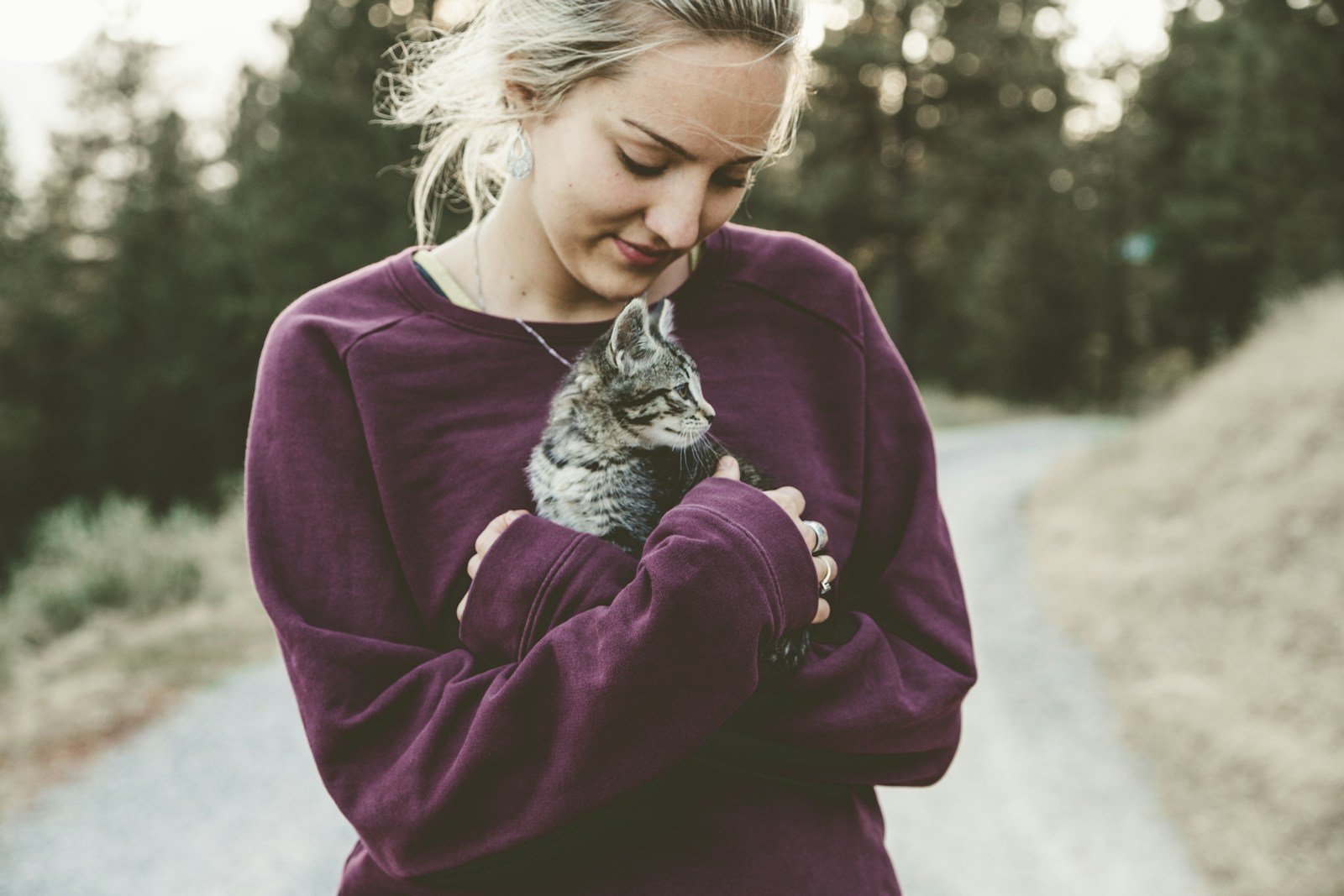
Cats will rarely announce their feelings with a flourish. Their trust is built slowly, shown quietly, and expressed through a language that takes a little patience to learn. The ability and extent to which a cat is able to trust depends on their personality and past conditioning. So if your cat only shows a handful of these signs rather than all nine, that’s completely normal.
A cat’s affection is often expressed in subtle, behavior-based ways rather than obvious displays. These signs may not stand out at first, especially if you expect dog-like enthusiasm. Once you know what to look for, though, they clearly reflect trust, comfort, and a strong emotional bond.
The cat that ignores you all day and then silently settles against your leg at midnight is not being contradictory. They’re just being honest in the only way they know how. That quiet, unhurried closeness is, by feline standards, a fairly loud declaration.
Kristina is a young writer from India. An arts graduate and an avid content creator, Kristina is passionate about animals and wildlife. She enjoys exploring topics related to pet care, animal behavior, conservation, and nature, combining thorough research with engaging storytelling.