You’ve probably seen it happen a dozen times. You set down a cardboard box from a recent delivery, turn your back for thirty seconds, and there’s your cat – already inside, looking deeply satisfied with life. It doesn’t matter how cramped the space is. If anything, the tighter the fit, the better.
This behavior is one of the most universally recognized quirks of cat ownership, and yet it rarely gets the serious attention it deserves. There’s real science behind it, rooted in ancient instinct, physiology, and some surprisingly nuanced emotional logic. Understanding why your cat gravitates toward small, enclosed spaces can change how you think about your pet’s needs – and how well you meet them.
The Predator-Prey Paradox Every Cat Carries
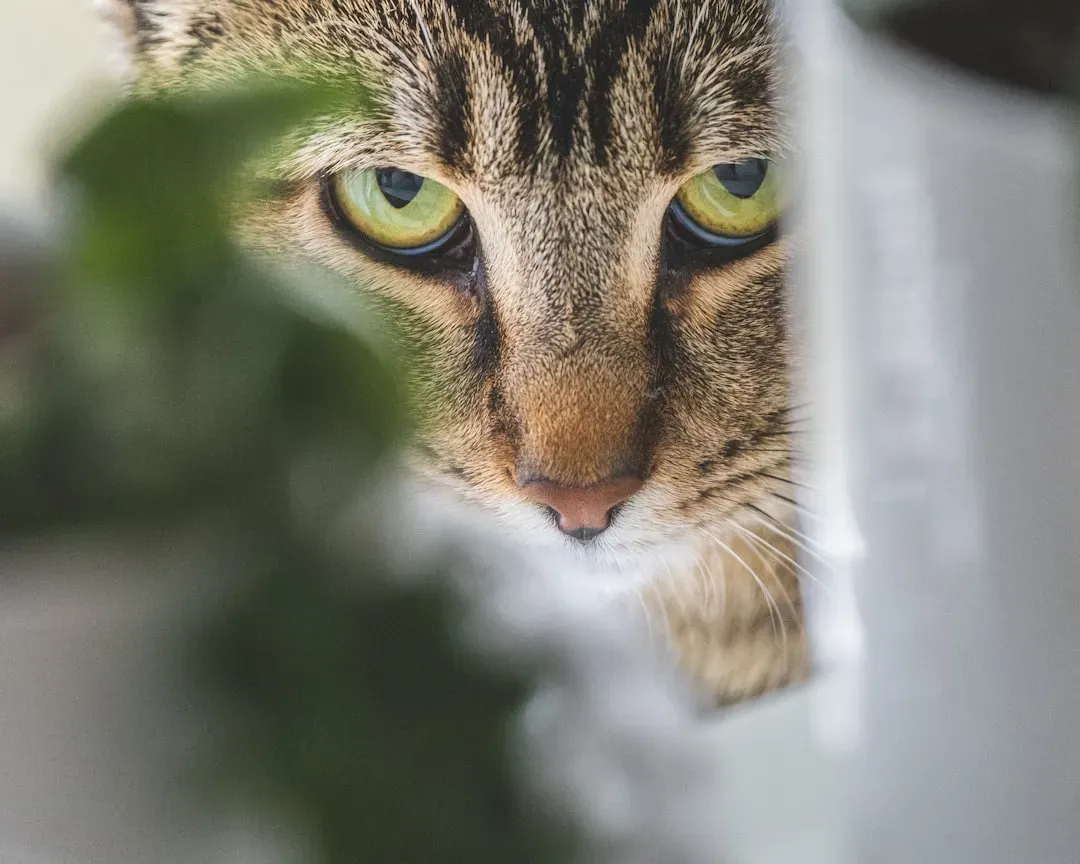
Cats, whether domesticated or wild, are natural predators – but they are also prey. In the wild, small, enclosed areas provide a crucial advantage, allowing cats to observe their surroundings without being seen and protecting them from potential threats. This dual identity is something many people overlook. Your perfectly pampered indoor cat is still running the same ancient software.
Your cat’s attraction to small spaces stems from their dual role as both predator and prey in the wild. These confined areas provided crucial protection from larger predators while also serving as perfect hunting stations for catching their own prey, and this instinctual behavior has been passed down through generations, remaining strong even in pampered house cats today. So when your cat squeezes behind the couch, they’re not being eccentric – they’re operating exactly as nature designed them.
Small Spaces as a Built-In Stress Management System
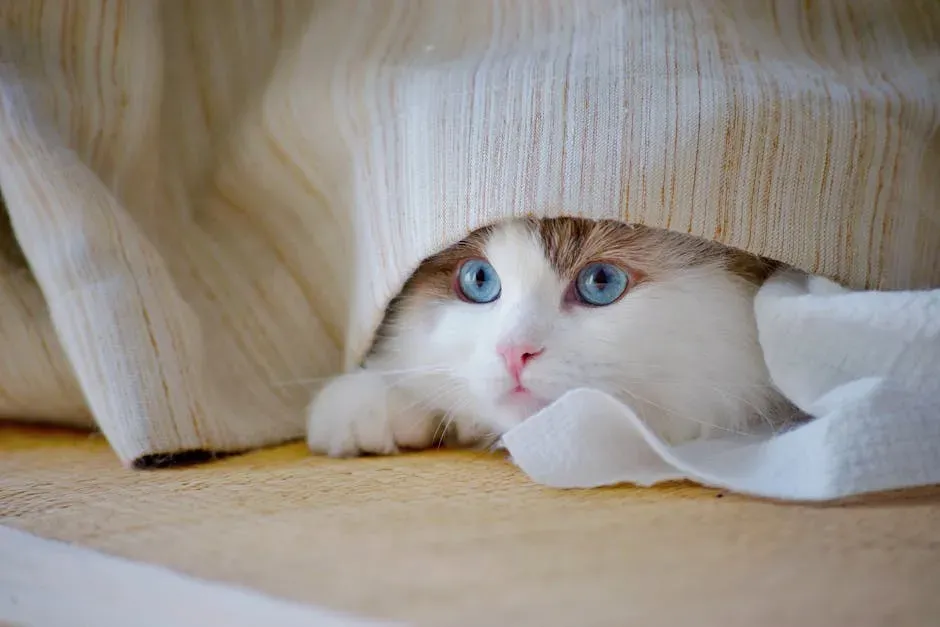
By hiding in a small, enclosed space, a cat can feel shielded from potential dangers, reducing stress and anxiety. For this reason, you might notice your cat seeking out hiding spots when they feel scared or overwhelmed. This isn’t just behavior observation – it’s been validated by research. Stress relief and small spaces are deeply connected in feline biology.
A 2014 study published in Applied Animal Behaviour Science found that shelter cats provided with hiding boxes adjusted faster to new environments, showed lower cortisol (stress hormone) levels, and were more likely to engage socially sooner than cats without hiding options. Think of the hiding box as your cat’s version of a quiet room – a space to decompress without interference from the outside world.
What the Research on Shelter Cats Reveals
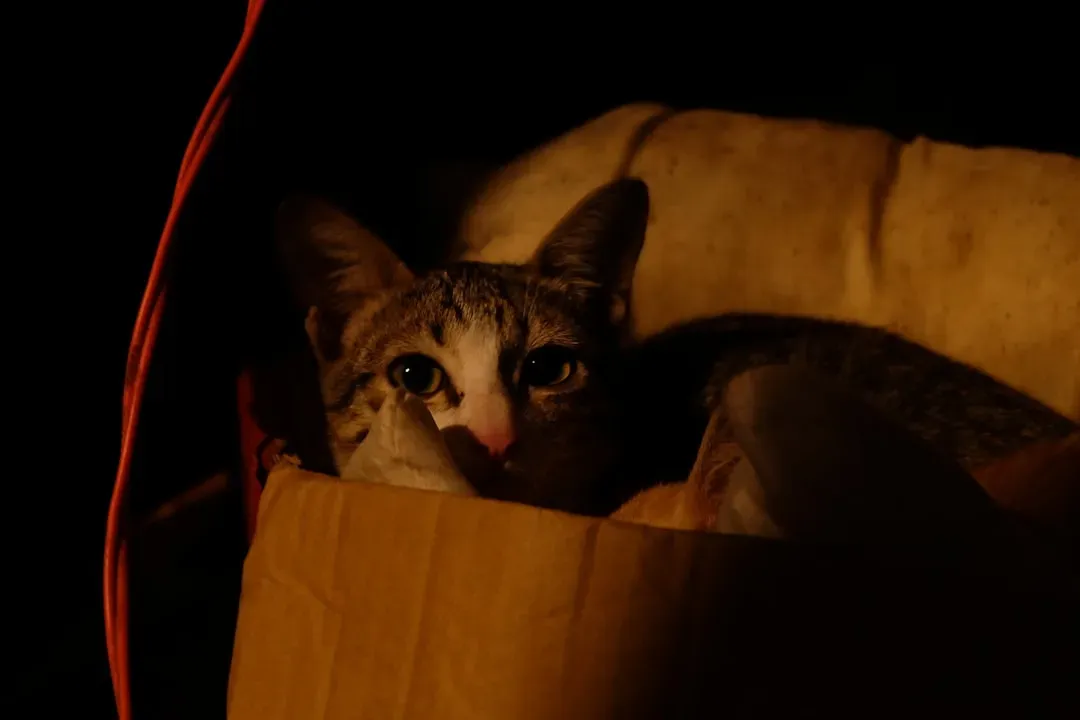
Cats with a hiding box showed a significantly faster decrease in stress scores, reaching a lower steady state seven days earlier than the control group. This kind of measurable difference tells you something important: access to a small enclosed space isn’t just a comfort preference for cats. It’s functionally significant.
Four of five reviewed studies showed moderate evidence that hiding boxes reduce fear and stress in cats, with reduced cat stress scores in cats given a hiding box compared to control groups. The hiding box was found more useful in aggressive cats, as stress scores reduced faster in these groups. If you have a cat that tends to run and hide during tense moments in your home, providing a dedicated, safe hiding spot isn’t indulging bad behavior – it’s genuinely supporting their wellbeing.
Warmth Is a Bigger Factor Than You Might Expect
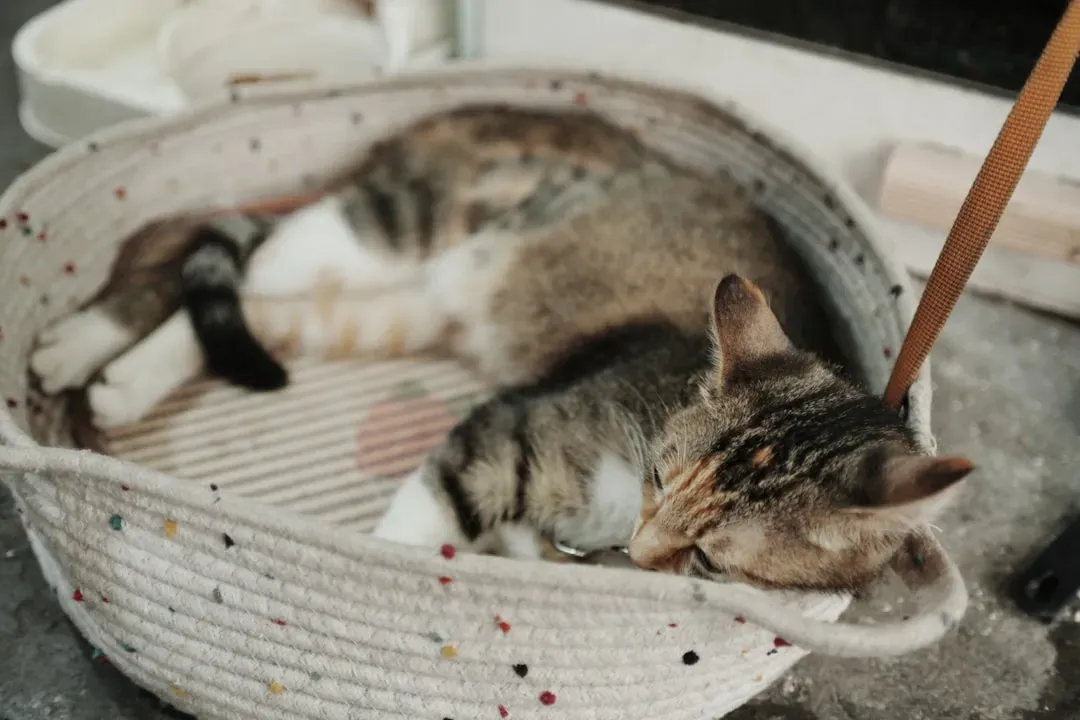
According to research published by the Cornell Feline Health Center, cats maintain a body temperature of 100.5 to 102.5°F and prefer ambient temperatures of 86 to 97°F – significantly warmer than the 68 to 72°F most humans maintain in their homes. That gap matters. Your living room might feel comfortable to you, but your cat is often seeking a warmer microclimate to compensate.
Small, enclosed spaces like boxes or laundry baskets can trap body heat and create a microclimate that is warmer than the surrounding environment. This is why cats often love to squeeze into seemingly uncomfortable nooks and crannies. The walls of a box essentially act like insulation, reflecting the cat’s own heat back onto them. It’s simple physics doing the heavy lifting for feline comfort.
The Endorphin Effect – Why the Snugness Feels Good
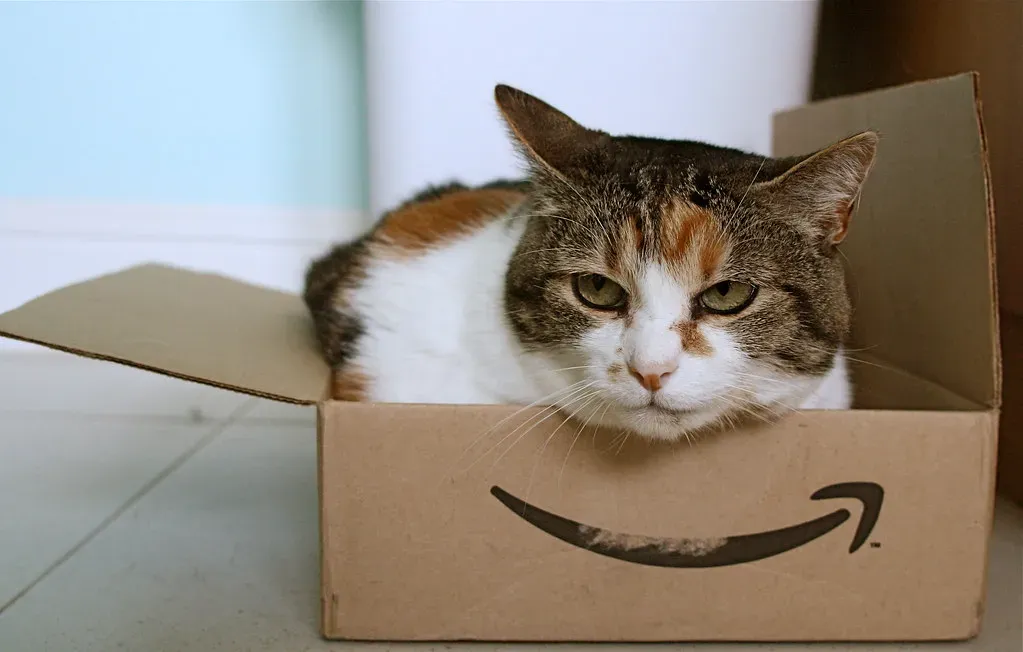
Small spaces are in cats’ behavioral repertoire from the very beginning. When young, they would snuggle with their mother and littermates, feeling the warmth and soothing contact. The close contact with a box’s interior is believed to release endorphins – nature’s own morphine-like substances – causing pleasure and reducing stress. That physical sensation of being gently enclosed isn’t incidental. It’s actively rewarding to your cat’s brain.
Small spaces create a sense of security by providing protection on multiple sides and triggering the release of calming endorphins through gentle pressure on the body. This helps cats feel protected and less vulnerable to potential threats. It’s a bit like how some humans find weighted blankets soothing – the pressure itself is part of the comfort. For cats, that effect is built into their evolutionary experience.
Hunting Strategy: Watching Without Being Watched
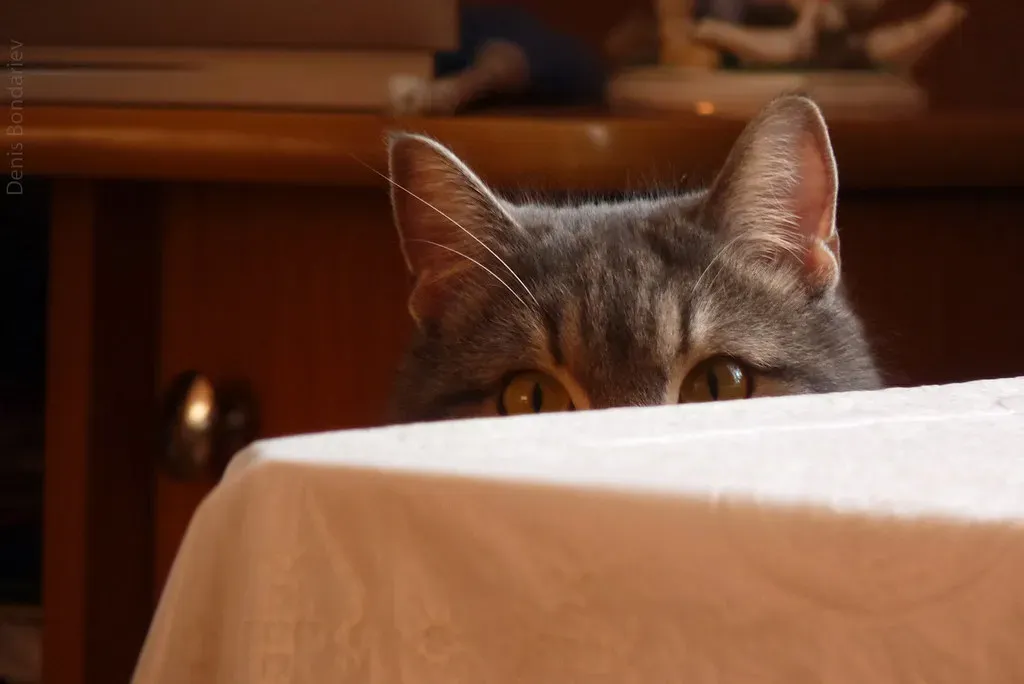
Your domestic cat’s ancestors were predators who would find a place to lie in wait and watch for prey to pass. Today’s indoor cats might not see many rodents wandering past their hiding spots, but they still enjoy watching their humans and housemates from a small, cozy spot where they feel invisible. This quiet surveillance is still wired into their behavior – a living room is just a very low-stakes savanna.
When a cat is hanging out in a cardboard box, bed, or cat cave and sees something interesting go by, they’ll sometimes leap out and pounce. This is also part of a cat’s predator instinct – felines love to use the element of surprise to increase their hunting success, even if they’re only hunting their humans’ feet. That ambush from behind the laundry basket? Completely intentional, and completely natural.
Scent, Territory, and the Need to Own a Space
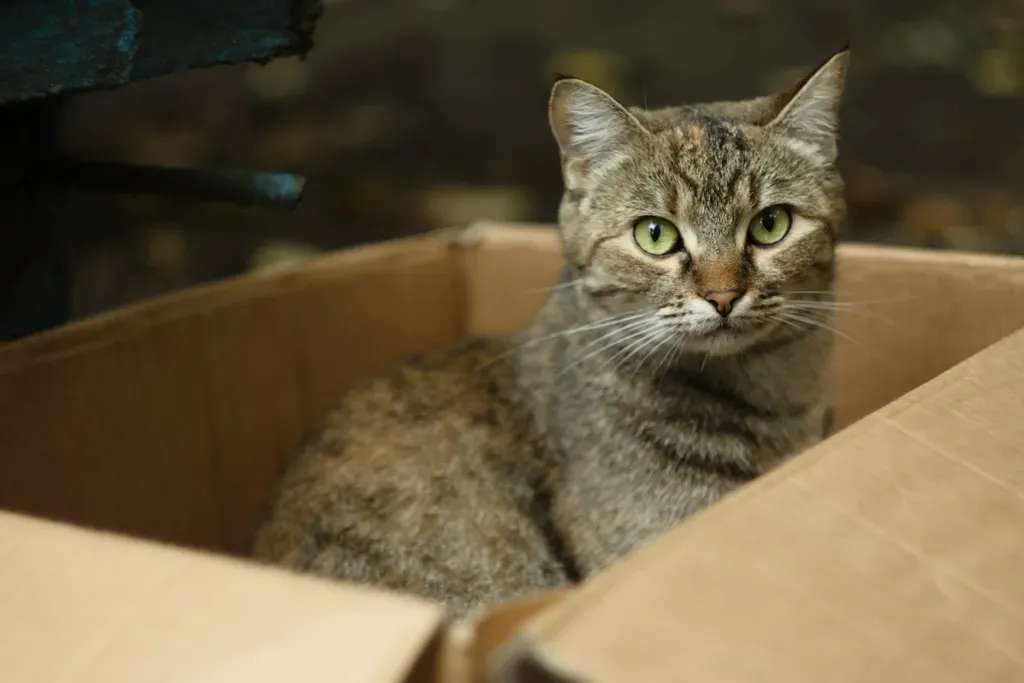
When cats squeeze into small spaces, they’re also engaging in territorial behavior. By rubbing against the sides of their chosen spot, they deposit their scent and claim the area as their own. This scent-marking creates a network of familiar, safe spaces throughout their environment. Your cat isn’t just resting in that box – they’re actively building a map of safe territory within your home.
Cats are soothed by the presence of their own pheromones. As cats move about, the scent glands on their feet leave pheromone deposits – essentially identification stamps. There are also scent glands in the cheeks, the chin, the top of the head, and the base of the tail. Every time your cat rubs against the inside of a favorite hiding spot, they’re reinforcing a chemical signature that says: this place belongs to me, and I am safe here.
When Hiding Crosses Into a Health Warning Sign
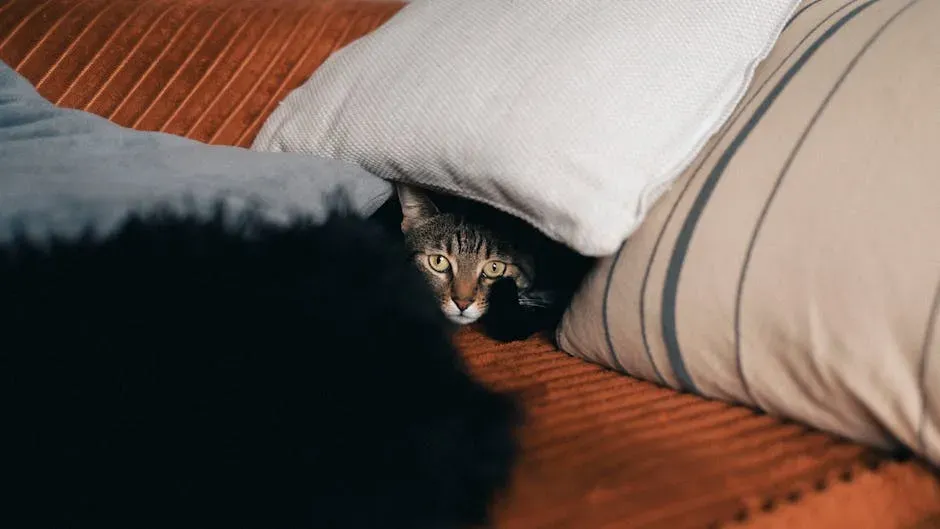
While hiding is a natural and healthy behavior, excessive hiding can sometimes indicate illness. Cats instinctively conceal signs of weakness, which means they might retreat to an enclosed space when they are not feeling well. If your cat suddenly starts hiding more than usual and also exhibits other symptoms like lethargy, loss of appetite, or changes in behavior, it’s a good idea to schedule a vet visit. The behavior itself isn’t the problem – the sudden change in frequency or intensity is the flag worth paying attention to.
Because felines are adept at masking weakness, their withdrawal into small spaces may be the only noticeable symptom before more obvious problems appear. This instinct to conceal vulnerability makes cats notoriously difficult to read when something is medically wrong. Knowing your cat’s baseline hiding habits gives you a real advantage – because any meaningful shift from their normal pattern deserves a closer look.
How You Can Put This Knowledge to Practical Use
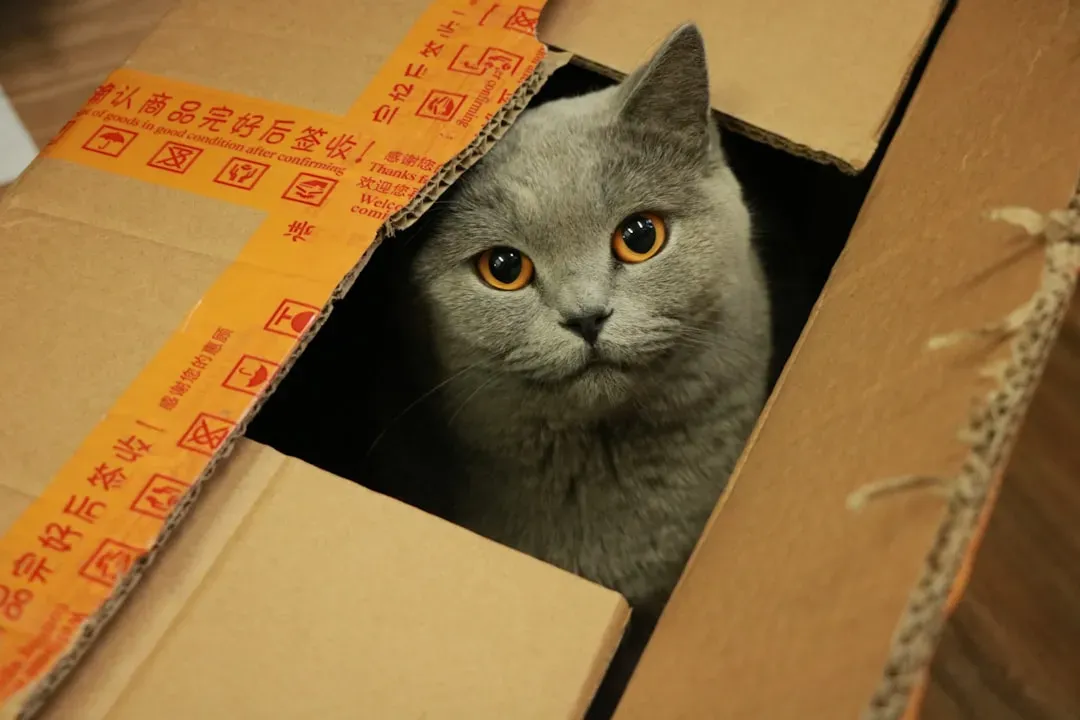
Cats do like to decompress and have some alone time, but offering them several choices works best. When it comes to creating a safe, small place for your cat to curl up, starting where your cat is naturally drawn to – assuming that the place isn’t dangerous – is the right approach. You don’t need to invest in expensive cat furniture. A cardboard box, a covered bed, or a low shelf with a blanket can all do the job well.
If your cat loves to hide, providing designated spaces can make them feel more comfortable and reduce stress. Options include cardboard cat houses designed to enhance natural instincts, cat caves or covered beds that mimic the feel of a den and provide warmth, and cat trees with enclosed cubbies – multi-functional spaces where they can hide, climb, and observe their surroundings. Spreading a few of these around your home gives your cat genuine control over their environment, which goes a long way toward a calmer, more confident animal.
Conclusion
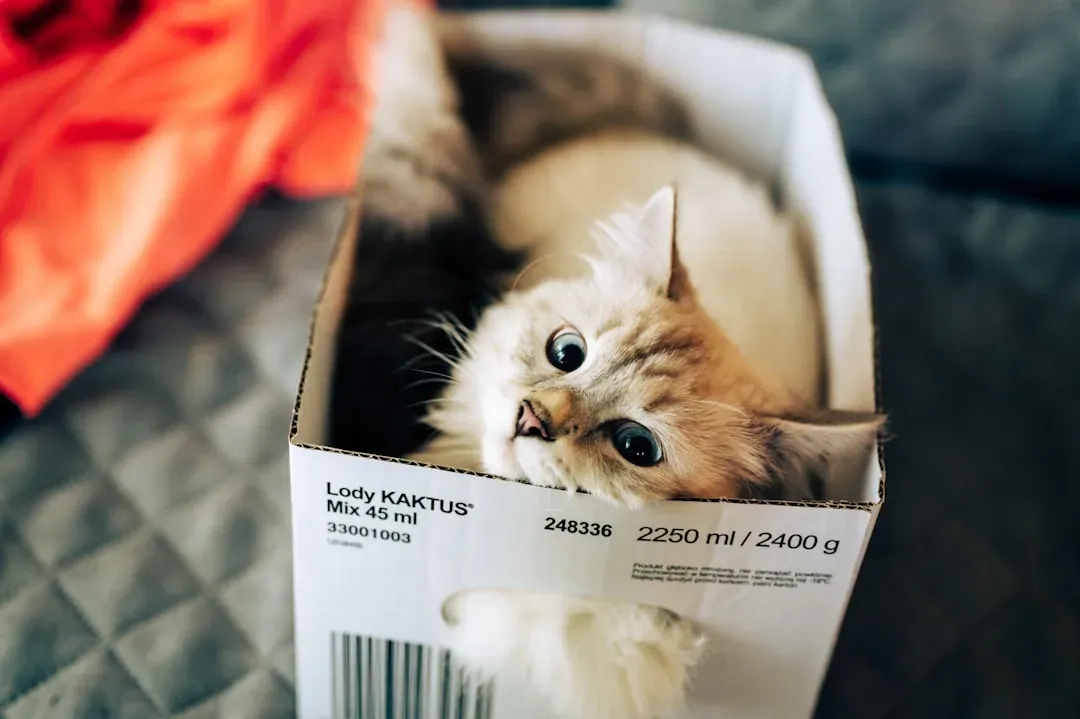
There’s something quietly humbling about recognizing that your cat, curled up in a shoebox or wedged behind the bookshelf, is acting out millions of years of survival strategy. It’s not weird. It’s not random. It’s an animal doing exactly what its biology has always told it to do.
When you understand the why – safety, warmth, scent, endorphins, strategy, and the deep comfort of being enclosed – you stop seeing the behavior as puzzling and start seeing it as a window into what your cat actually needs. Providing intentional, safe small spaces for them isn’t a concession to an odd habit. It’s one of the most straightforward ways to support their health and happiness. The box your cat just claimed? Consider it a compliment to the home you’ve made for them.
Kristina is a young writer from India. An arts graduate and an avid content creator, Kristina is passionate about animals and wildlife. She enjoys exploring topics related to pet care, animal behavior, conservation, and nature, combining thorough research with engaging storytelling.