Picture a creature moving silently through a frozen forest at minus twenty-five degrees, paws barely sinking into the snow, ears tuned to the faintest rustle beneath an icy crust. The Canada lynx doesn’t just tolerate brutal winters. It thrives in them, shaped by millions of years of evolution into something that is almost perfectly calibrated for cold.
Your domestic cat shares a deep evolutionary heritage with these wild cousins, but the gap between a pampered indoor tabby and a snow-hardened lynx is enormous. Understanding exactly how the lynx manages to survive, and even excel, in one of the planet’s harshest environments can teach you something genuinely useful about what your own cat needs to stay comfortable and healthy when the temperature drops.
Built for the Cold: The Lynx’s Extraordinary Fur
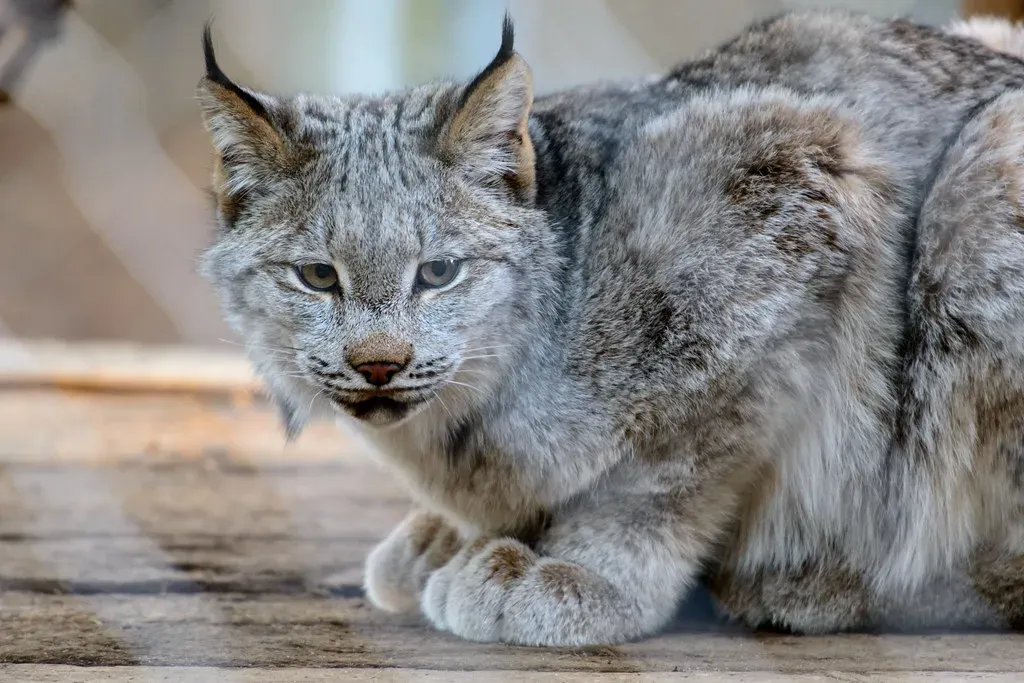
One of the first things you’d notice about a Canada lynx in winter is the coat. It’s not just thick. It’s remarkably dense. While humans average around 200 hairs per square centimeter, a lynx can have up to 9,000. That dense layering traps warm air close to the body, keeping the lynx well-insulated even in harsh winter climates that drop far below freezing.
The coat also shifts with the season. Lynxes have a thick, dense coat that varies in color and density between summer and winter. In the colder months, their fur becomes thicker and longer, providing excellent insulation against harsh winter temperatures, and the winter coat typically appears lighter in color, often with a grayish hue, which helps them blend into snowy environments. This seasonal shift is both a thermal strategy and a camouflage tool wrapped into one.
Your domestic cat has some version of this same ability. All cats have a natural instinct to store energy and conserve fat reserves as soon as the weather becomes colder, and you may notice your cat sleeping or lazing about more in the winter as a result. Recognizing your cat’s own seasonal coat changes, and grooming accordingly to prevent matting, is a small but meaningful way to support that process.
Snowshoe Paws: Nature’s Most Elegant Winter Footwear
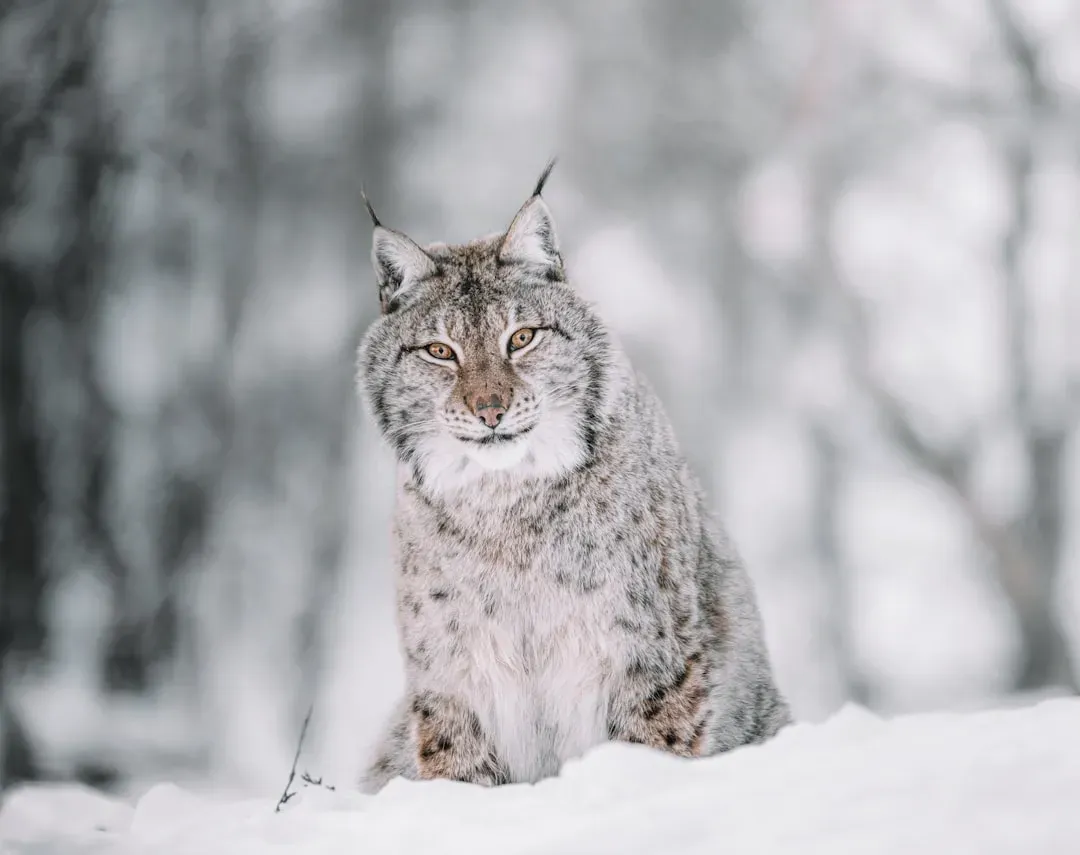
The lynx’s paws are arguably its most famous adaptation, and for good reason. Many lynx species live in regions with deep winter snow, and they’ve evolved the perfect footwear to match. Their paws are extra-large, wide, and naturally webbed, allowing them to spread their weight evenly, almost like built-in snowshoes, helping them move swiftly across soft snow to stalk their prey without sinking.
In addition to their size, the paws are covered with thick fur between the toes, which provides additional insulation and traction on ice and snow. This feature helps them maintain balance while stalking prey or navigating rugged winter landscapes. That fur-lined traction system is the difference between an efficient hunter and an animal burning precious calories fighting through drifts.
Your domestic cat’s paws are much more vulnerable. You can help protect your outdoor cat’s paws from ice and harsh de-icing chemicals by using a little petroleum jelly on the paw pads before she goes outside, since chemicals can be more problematic to cat paws than the snow and ice itself. When your cat comes indoors, gently clean and towel dry its paws, then dab a little more petroleum jelly on the paws. It’s a simple habit that makes a real difference.
Sharpened Senses in the Dark and Cold
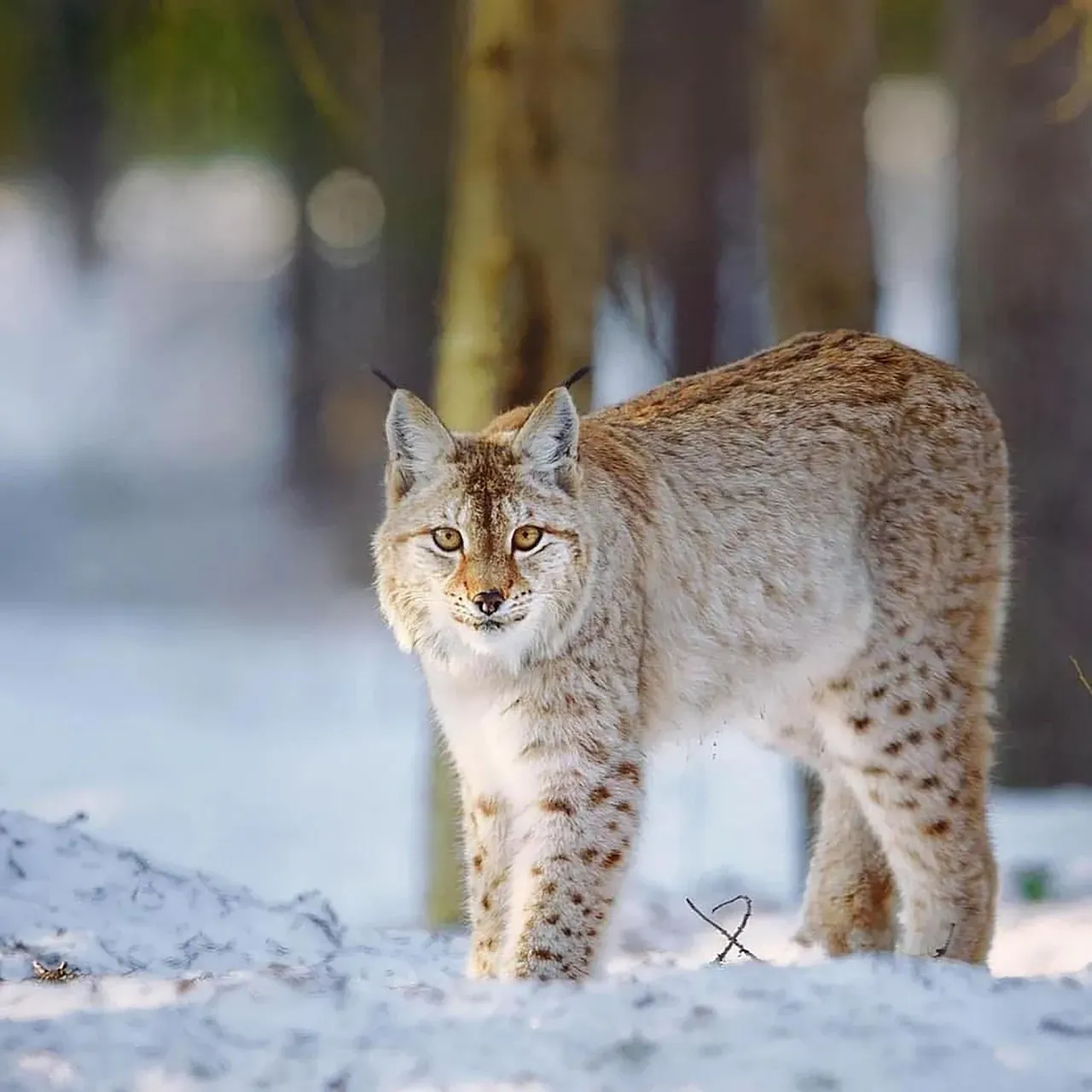
Winter brings long nights and low visibility, and the lynx handles this with senses that are genuinely remarkable. To cope with reduced light and snowstorms, lynxes have highly developed senses that aid in detecting prey. Their acute hearing enables them to locate small mammals moving beneath the snow’s surface, while their sharp eyesight is adapted for low-light conditions common during winter months.
The tufts of hair at the tips of their ears are believed to enhance auditory capabilities by funneling sound more effectively into the ear canal. This subtle but significant adaptation helps lynxes detect prey such as hares or rodents even when they are hidden beneath thick layers of snow. Those distinctive ear tufts aren’t just for show. They’re a precision instrument.
Your domestic cat retains this sensory sharpness, but cold, dry winter air can cause physical discomfort that dulls alertness. Keeping indoor environments humidified during the winter months helps preserve your cat’s comfort and keeps mucous membranes healthy. A cat that isn’t uncomfortable is a cat that stays sharp, curious, and engaged.
The Snowshoe Hare Connection: A Diet Built Around Survival
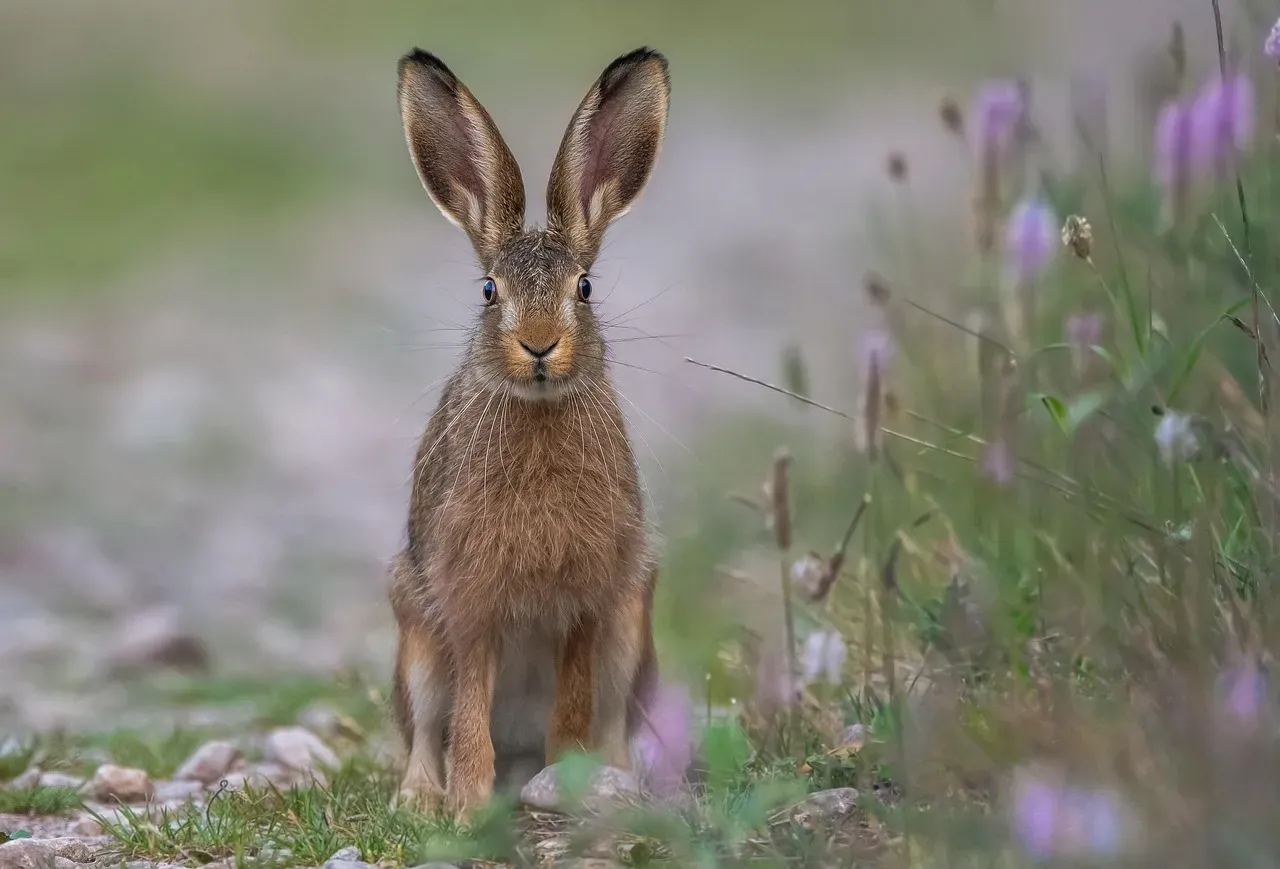
The Canada lynx’s relationship with the snowshoe hare is one of the most studied predator-prey dynamics in wildlife biology. The Canada lynx mainly eats snowshoe hares, which make up about sixty to ninety percent of their diet. This relationship is special because no other cat species is as closely connected to its main food source.
Hares are rich in nutrients, providing lynxes with the necessary energy and fat reserves needed to survive the long, cold winters. When hare populations are booming, lynxes have better survival rates and females can support more kittens to adulthood. The nutritional quality of the prey, not just the quantity, is what carries the lynx through winter’s leanest stretches.
You don’t need to feed your cat live hares, but the principle holds. Cold weather may mean it’s cooler in your house during winter than in summer, and you’ll notice your cat’s appetite increase. Studies suggest indoor and outdoor cats will eat up to fifteen percent more in the winter due to the extra energy they need to keep warm. Adjusting portion sizes slightly and prioritizing high-protein food during winter months is a straightforward, practical response to this seasonal shift.
Smart Hunting Strategy: Patience and Energy Conservation
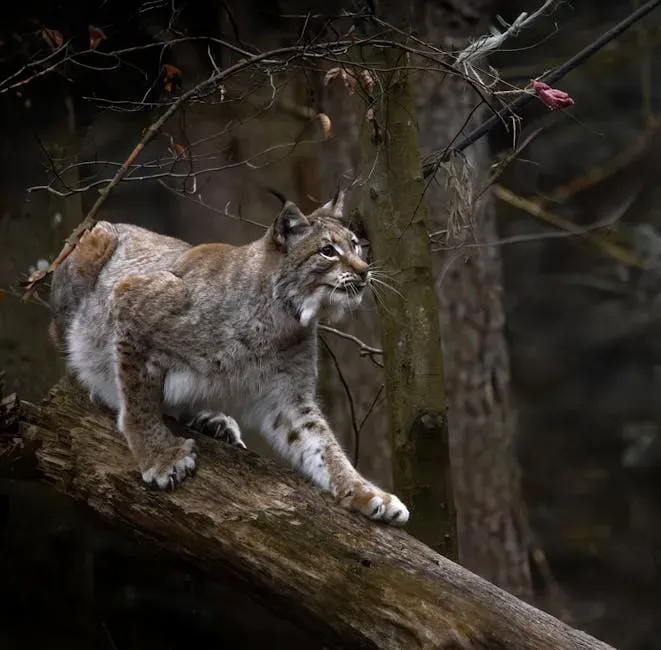
A lynx doesn’t burn energy it doesn’t have to. It uses a combination of stealth, ambush, and occasional chase to capture prey. Because it hunts mostly at dusk and during night hours, it relies on keen hearing and vision, and may wait in “ambush beds” along runways, listening for the faintest movement of the snowshoe hare under the snow. Waiting is itself a survival strategy when calories are scarce.
During periods of hare scarcity, lynxes may expand their diet to include birds, small mammals, and even fish. This flexibility is a quiet but important part of their survival toolkit. Lynxes are highly adaptable predators, capable of adjusting their diet based on prey availability in different climates. Specialization is fine when conditions are ideal, but the ability to pivot is what keeps them alive when they aren’t.
For your domestic cat, channeling that hunting instinct through play is genuinely important in winter. Cats that can’t get outside tend to under-exercise, and a bored, sedentary cat in a warm house is more prone to weight gain and behavioral issues. Short, daily interactive play sessions, mimicking the burst-and-rest rhythm of a real hunt, can keep your cat both mentally and physically balanced.
Metabolic Flexibility: The Art of Doing More with Less
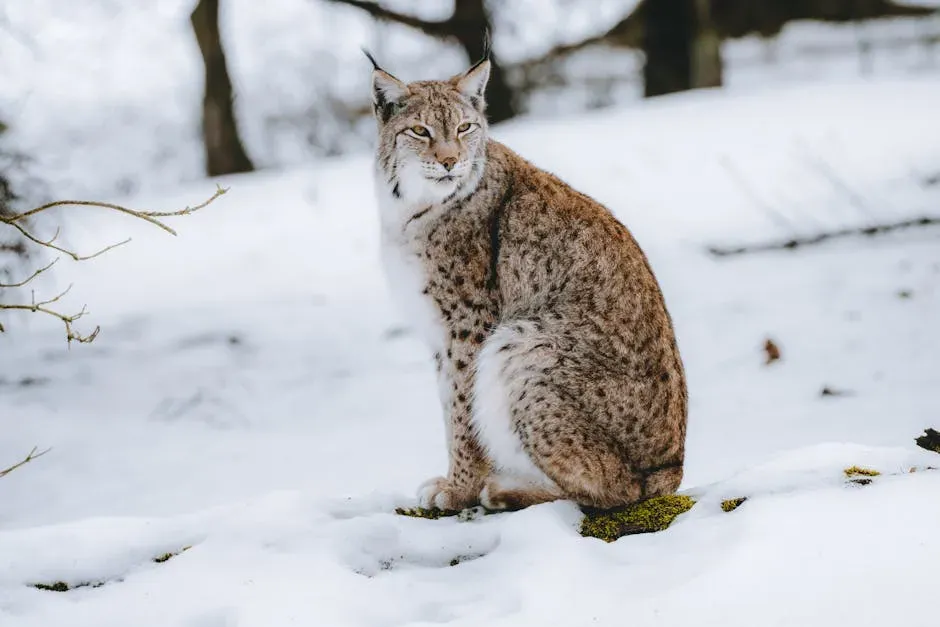
One of the more surprising lynx adaptations is what happens inside the body when food runs short. Like many mammals adapted to cold climates, lynxes can adjust their metabolism seasonally. During winter, they may lower their metabolic rates slightly to conserve energy when food intake cannot meet typical energetic demands. This metabolic flexibility enables lynxes to survive periods when hunting success is poor without exhausting fat stores rapidly.
Lynxes also reduce their activity levels during the coldest periods, conserving energy when prey is scarce. This isn’t laziness. It’s a deliberate, finely tuned biological response to environmental pressure. Their ecological savvy in selecting suitable habitats and maintaining territories further enhances survival prospects, while physiological adjustments including metabolic modulation and fat storage add an additional layer of resilience against the rigors of cold months.
Your cat’s tendency to sleep more in winter is a mild echo of this same mechanism. Rather than fighting it with forced activity or over-feeding, work with it. Ensure your cat has warm, draft-free resting spots, and monitor body condition by gently feeling for ribs. A cat that feels neither bony nor padded is in good shape. Adjust food quantities based on actual activity levels, not just habit.
Seeking Shelter: The Lynx’s Strategic Use of Terrain
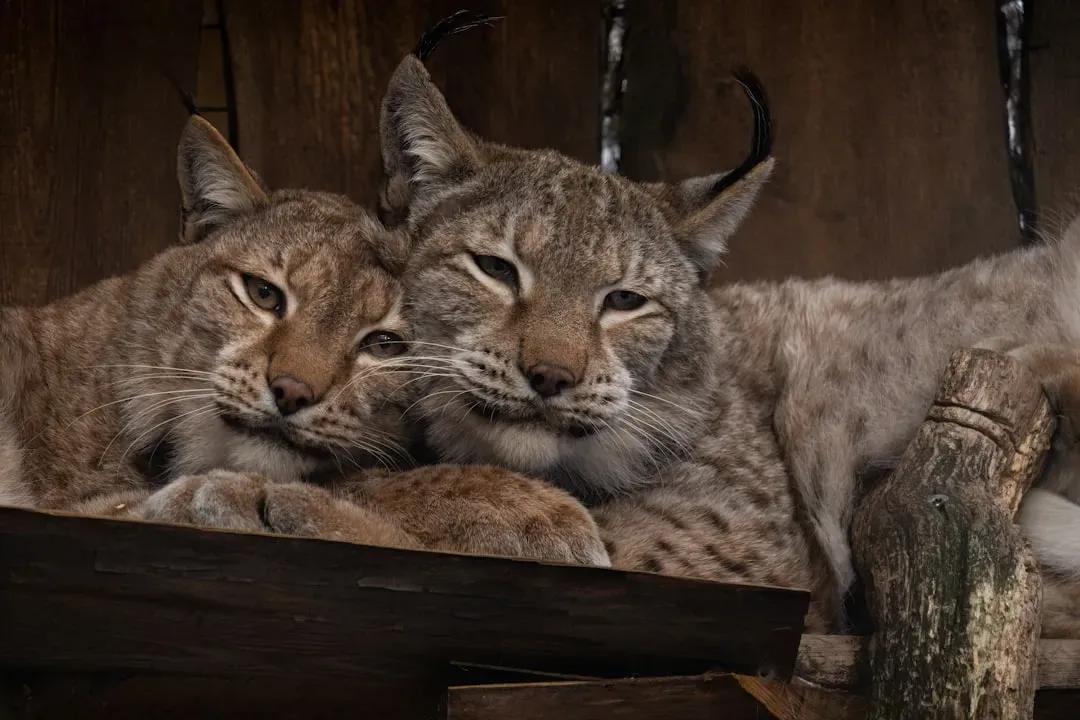
Wild lynxes are deliberate about where they rest. They seek slopes with thick vegetation cover to build their dens and shelter their kittens, and they also hunt in areas with horizontal cover, meaning lots of plants, rocks, and fallen trees close to the ground, since that’s where their prey will hide. The choice of habitat is a survival decision made every single day.
In addition to physical adaptations, lynxes employ behavioral strategies to survive winter. They seek out sheltered resting spots, such as dense thickets or rocky outcrops, that offer protection from the elements. The parallel for outdoor domestic cats is more direct than you might think.
If you have an outdoor or semi-feral cat in your care, providing a proper insulated shelter is one of the most effective things you can do. The shelter doesn’t have to be big. Ideally, it will be small enough to trap the cat’s body heat to self-warm the interior. Insulating the shelter with straw to repel moisture is also highly recommended. The logic mirrors what a lynx does naturally: find a small, enclosed space, and let body heat do the work.
Territorial Boundaries: Why Knowing Your Space Matters
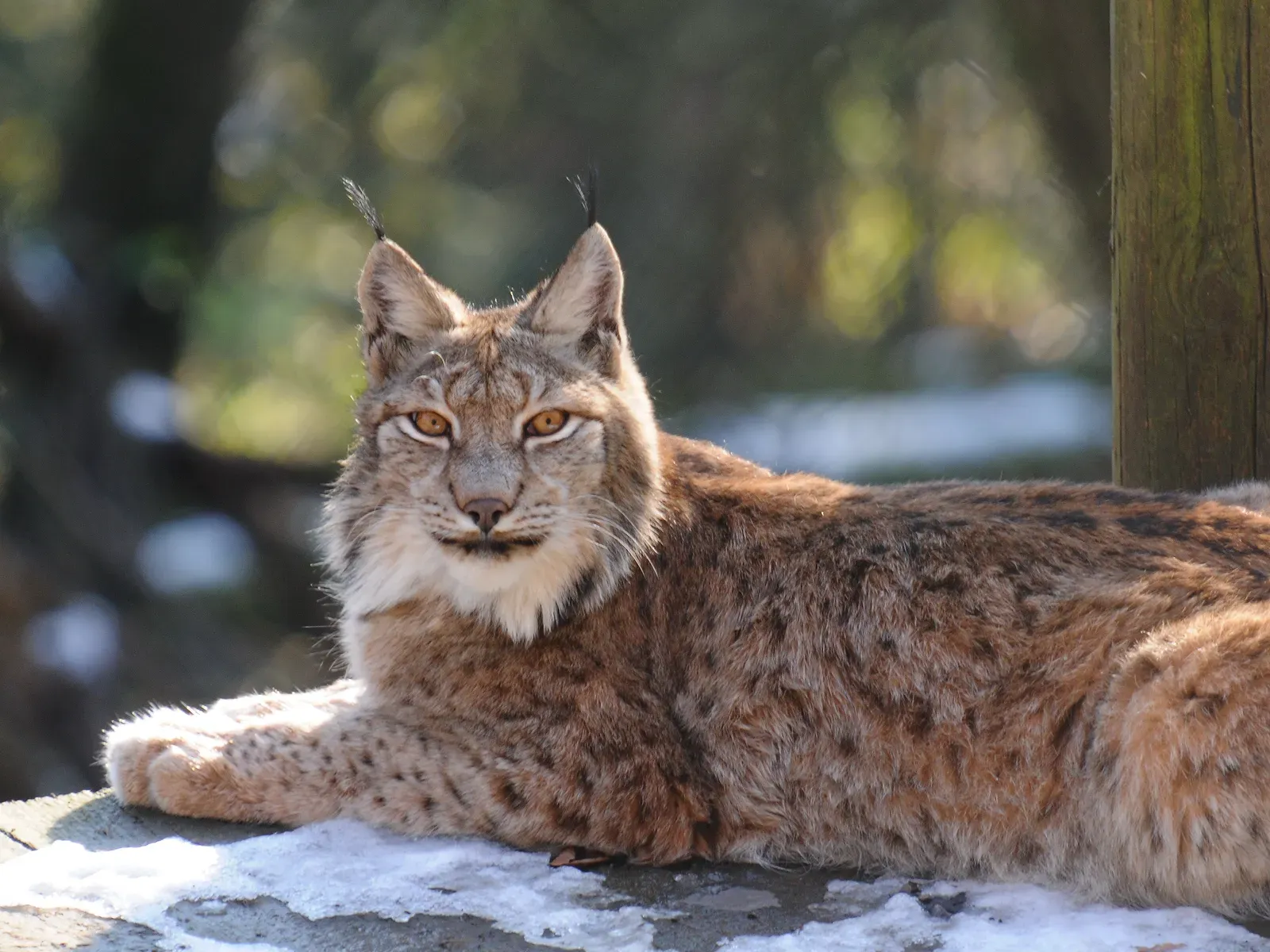
Lynxes don’t wander aimlessly. They manage territory with real intention. Lynxes are territorial animals that establish and defend territories year-round, but especially so during winter when resources become scarce. Maintaining a territory rich in prey means less time and energy spent hunting across large areas.
Territorial boundaries are marked with scent glands and visual cues such as claw marks on trees. By clearly delineating territories, lynxes minimize direct confrontations with other individuals while ensuring exclusive access to vital resources within their home range throughout demanding winter months. Efficiency, not aggression, is the real purpose here.
Your indoor cat has a version of this territorial behavior too, and cold weather can amplify it. Multi-cat households can see increased tension in winter when cats spend more time indoors and have less personal space. Providing vertical spaces, separate feeding stations, and plenty of hiding options gives each cat a sense of territory that reduces stress and keeps the peace through the colder months.
Climate Pressure on Both Wild and Domestic Cats
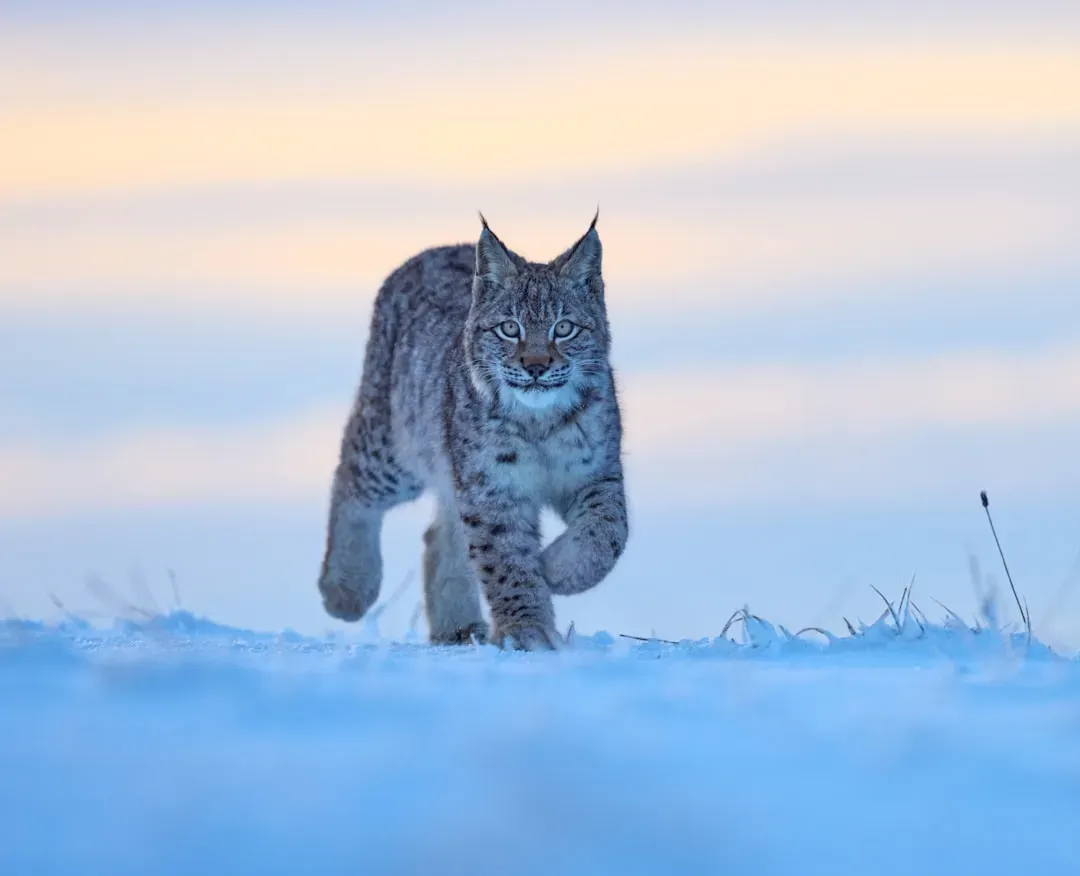
The lynx’s winter mastery is increasingly under pressure. With less consistent snow cover, lynxes lose their competitive winter advantage and face greater competition from coyotes and bobcats. The very conditions that make them exceptional winter hunters, deep snow, are becoming less reliable. Any crash in the snowshoe hare population has devastating effects on the specialized lynx, and earlier snowmelt now makes this an unfortunate annual possibility.
Both species are vulnerable to a changing climate. As temperatures increase and warmer seasons become longer, Canada lynxes and snowshoe hares migrate to find colder weather. This creates smaller ranges for both species and will ultimately reduce both populations. It’s a fragility hidden inside an impressive set of adaptations.
For your domestic cat, erratic winter weather is its own challenge. Warm spells followed by sudden hard freezes can catch outdoor cats off guard. Subzero temperatures can cause serious medical issues like frostbite and hypothermia, both of which can result in death. Staying aware of weather forecasts, checking outdoor shelters after snowstorms, and ensuring fresh, unfrozen water is always available are the simplest ways to help your cat navigate an unpredictable winter.
Conclusion
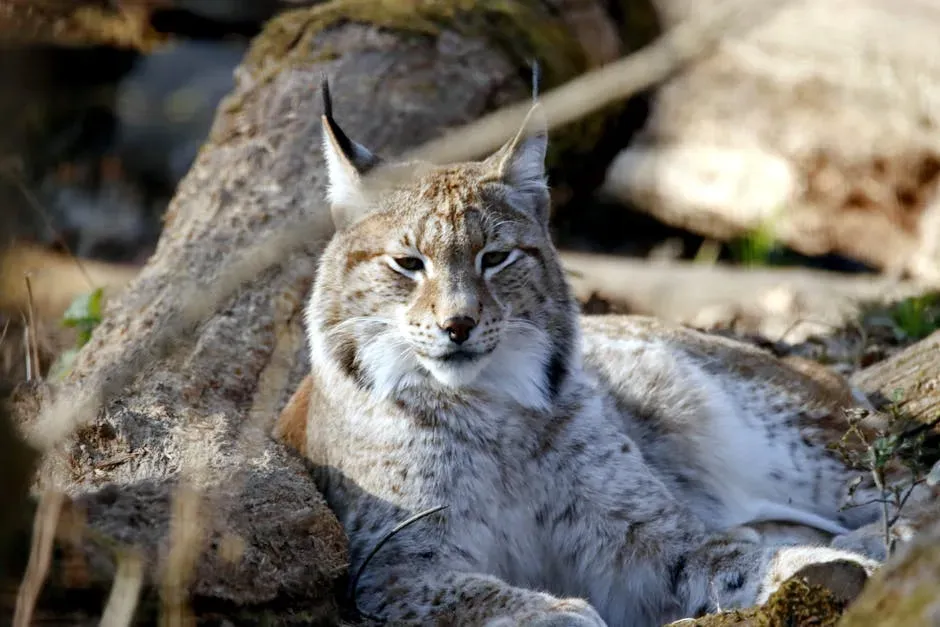
The Canada lynx is a masterclass in winter living: thick insulating fur, precision-built paws, metabolic flexibility, deliberate shelter use, and a diet calibrated to the season. None of these strategies are accidental, and most of them took thousands of generations to perfect.
Your domestic cat can’t grow lynx-grade fur or webbed snowshoe paws overnight. What you can do, though, is draw from the same principles. Keep them warm, feed them well for the season, give them small enclosed spaces to retreat to, and let them rest more than usual without guilt. The biology behind all of it is older than domestication itself. You’re not reinventing anything. You’re just paying attention to what nature already worked out.
Kristina is a young writer from India. An arts graduate and an avid content creator, Kristina is passionate about animals and wildlife. She enjoys exploring topics related to pet care, animal behavior, conservation, and nature, combining thorough research with engaging storytelling.