You’ve probably watched your cat go absolutely sideways over a little pouch of dried herbs and thought you understood exactly what was happening. Most cat owners do. Catnip is one of those topics that feels well-covered, familiar, almost obvious. Yet the reality is that a surprising number of widely held beliefs about it are either wrong or only partially true.
Catnip has long been surrounded by curiosity among cat lovers, and despite being discussed in households around the world, several persistent myths keep circulating, leading to real confusion. Whether you’ve had cats for two years or twenty, some of these facts may genuinely catch you off guard.
Myth 1: All Cats Go Crazy for Catnip
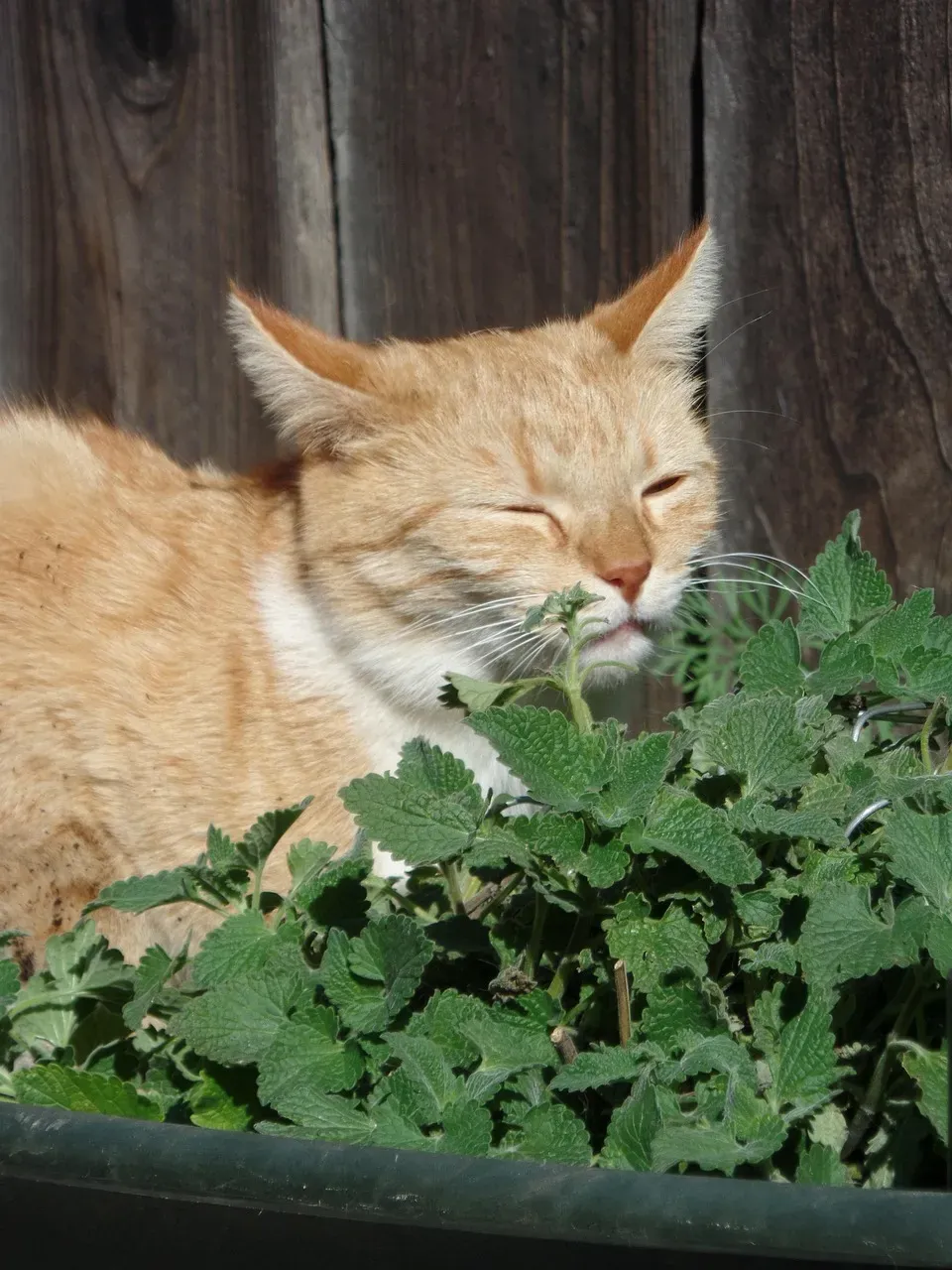
This is probably the most common assumption, and it falls apart pretty quickly under scrutiny. Approximately half to three quarters of cats are affected by catnip, while others may show little to no response due to genetic predisposition. If your cat has ever ignored a catnip toy completely, you weren’t imagining things.
Sensitivity to the essential oil in catnip, called nepetalactone, is actually an inherited trait, and not all cats are susceptible. About one-third of cats are not affected by catnip at all, and the behavior is hereditary. So if your cat walks past a catnip-stuffed mouse without so much as a sniff, their genetics are simply working as intended.
Myth 2: Catnip Works Like a Drug and Is Dangerous
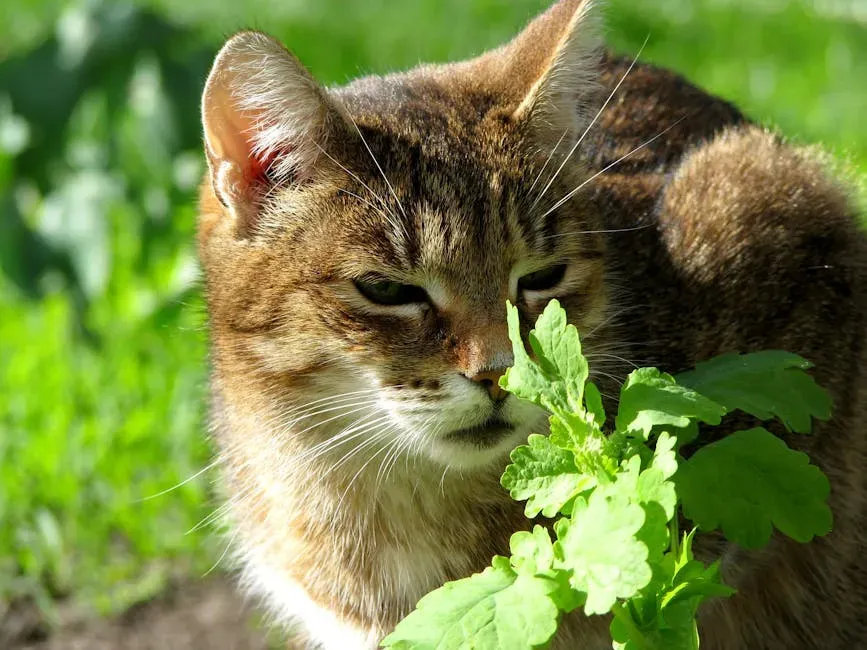
This myth arises from the euphoric effects some cats experience. Catnip does stimulate your cat’s senses, leading some owners to mistakenly label it a “drug.” In truth, catnip acts more like a pheromone that triggers a natural, instinctual response. The comparison to recreational drugs is misleading and a little unfair to a perfectly ordinary herb.
Scientific studies have shown that catnip doesn’t affect the brain in the same way as drugs like marijuana or cocaine do. Cats are completely aware of their surroundings when under the effects of catnip, they’re just much “happier.” Catnip doesn’t have any long-term effects on the brain, it’s not addictive, and it’s considered very safe. That’s a very different picture from what the word “drug” implies.
Myth 3: Catnip Is Addictive
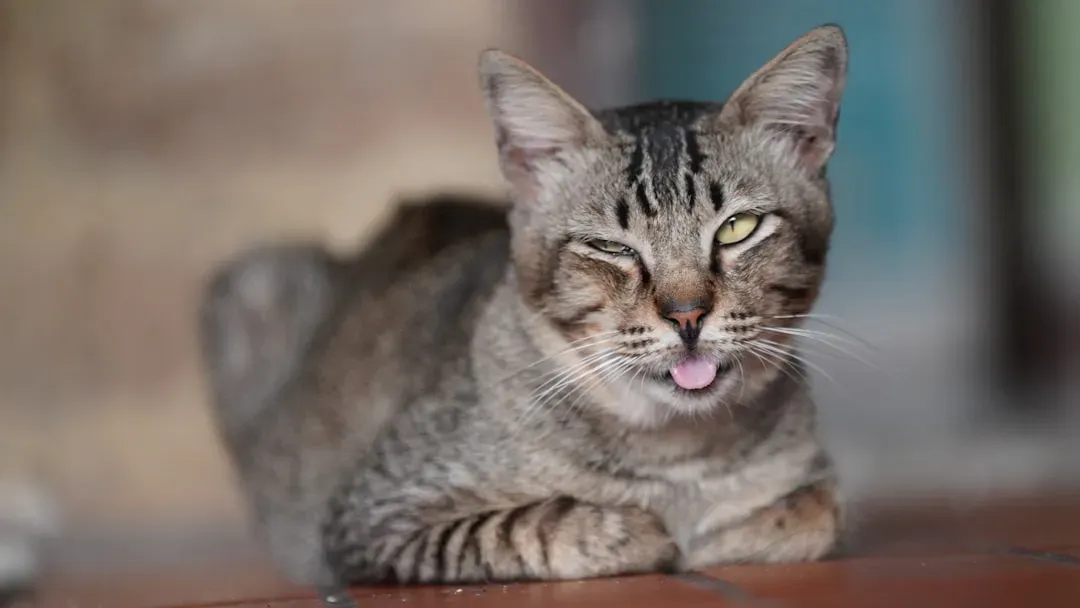
You might worry that regular exposure will create some kind of dependency in your cat, but the science simply doesn’t back that up. After exposure to catnip, many cats will experience a state of euphoria that lasts about ten to fifteen minutes, after which they may lose interest in catnip for a while. There are no adverse effects, and it won’t lead to any dependency or addiction.
Repeated exposure to nepetalactones does not induce opioid withdrawals in cats, probably because endogenous beta-endorphin secretion is controlled. In practical terms, your cat won’t come looking for a fix. There’s no need to worry about your cat becoming dependent on catnip. It’s not a drug, and its effects are temporary. After a brief period, your cat will return to its normal behavior, and they won’t feel the need for more.
Myth 4: Kittens Love Catnip Just as Much as Adult Cats
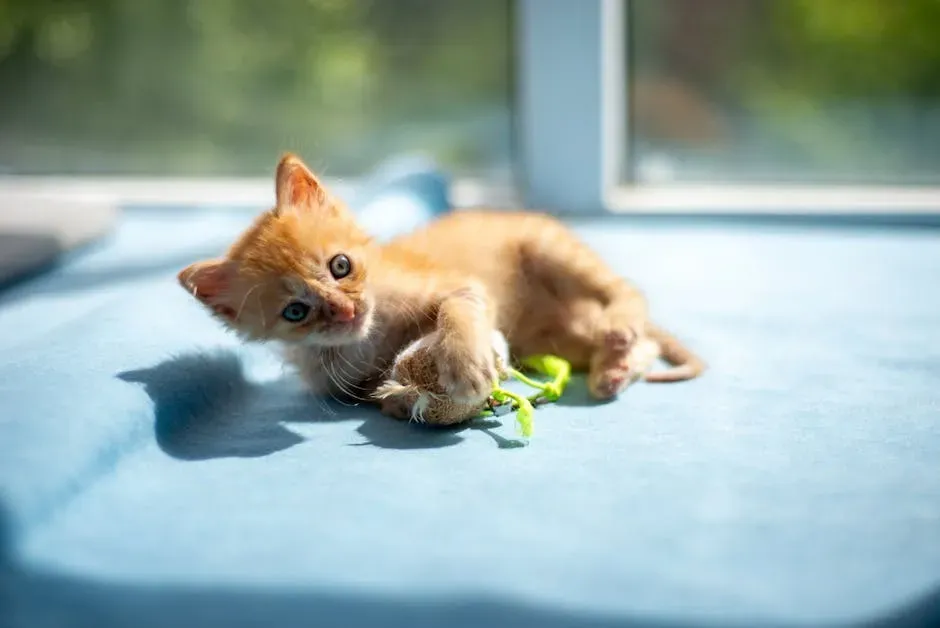
It’s a natural assumption, especially when you’re trying to engage a young kitten in play. The problem is that catnip simply doesn’t work on very young cats. Response to catnip is hereditary, and catnip does not affect kittens until they are about six months old and begin to reach sexual maturity.
Cats younger than six months might not exhibit behavioral change to catnip. In reality, kittens can also respond to catnip, although most don’t exhibit any reactions until they are around six months old. Sensitivity to catnip generally develops as cats mature and is thought to be linked to their genetic makeup. So save the catnip toys until your kitten is closer to that threshold.
Myth 5: Catnip Works Through the Vomeronasal Organ
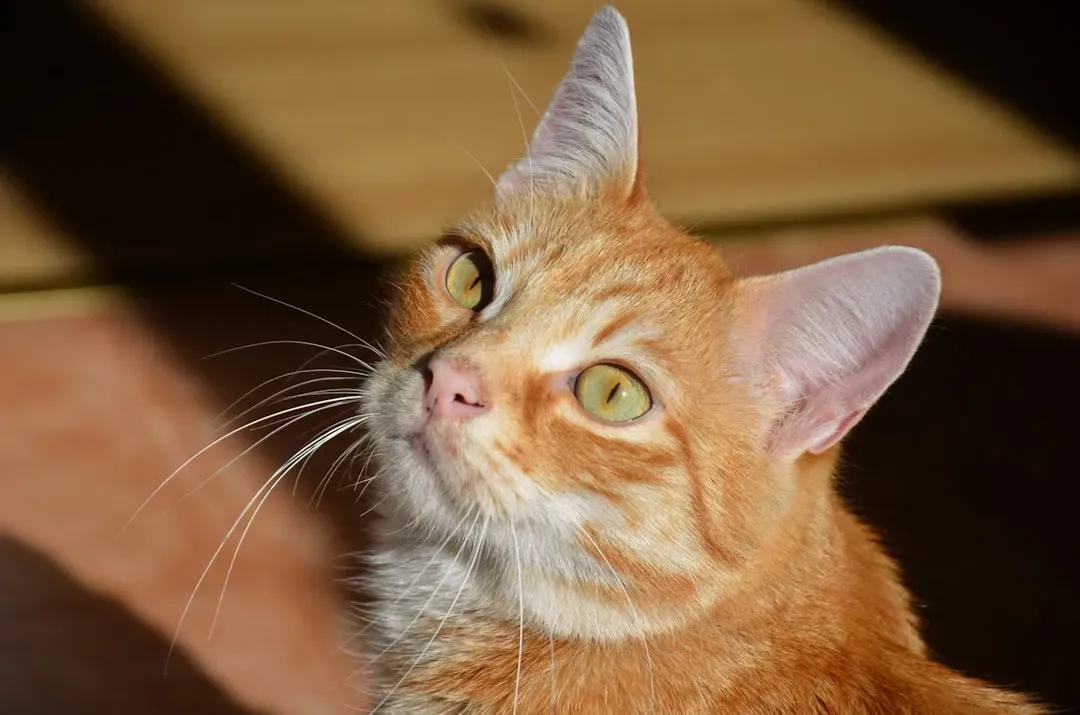
This one is surprisingly widespread even among knowledgeable owners. Many people assume that the famous flehmen response, where cats curl back their lip to route scents to a specialized gland in the roof of the mouth, is how catnip gets processed. That’s actually not accurate. Cats detect nepetalactone through their olfactory epithelium, not through their vomeronasal organ. At the olfactory epithelium, the nepetalactone binds to one or more olfactory receptors.
Nepetalactone, one of catnip’s volatile oils, enters the cat’s nasal tissue, where it is believed to bind to protein receptors that stimulate sensory neurons. These can then trigger particular sensory neurons to signal to other neurons and eventually the brain, including the olfactory bulb, a region at the front of the brain responsible for processing smells. This region then signals other regions, including the amygdala, responsible for emotional responses, and the hypothalamus, responsible for behavioral responses. It’s a more straightforward sensory pathway than many people realize.
Myth 6: Fresh Catnip Is the Only Effective Form

There’s a persistent belief that dried catnip is a lesser product, essentially a pale shadow of the real thing. While fresh catnip does carry a somewhat more intense concentration of nepetalactone, dried catnip is far from useless. While fresh catnip does tend to be more potent, dried catnip can still be effective. When you purchase catnip toys, look for products that use high-quality, dried catnip. Proper storage can preserve its potency; keep it in a sealed container away from direct sunlight to maintain its freshness for longer periods.
Catnip does lose its potency over time, so it’s recommended to keep it in an airtight container for maximum freshness. Fresh catnip is more potent than the dried form, so you won’t need to give your cat as much of it. The takeaway is that form and storage matter more than people think. A well-stored dried batch can absolutely do the job.
Myth 7: Catnip Makes All Cats Playful and Energetic
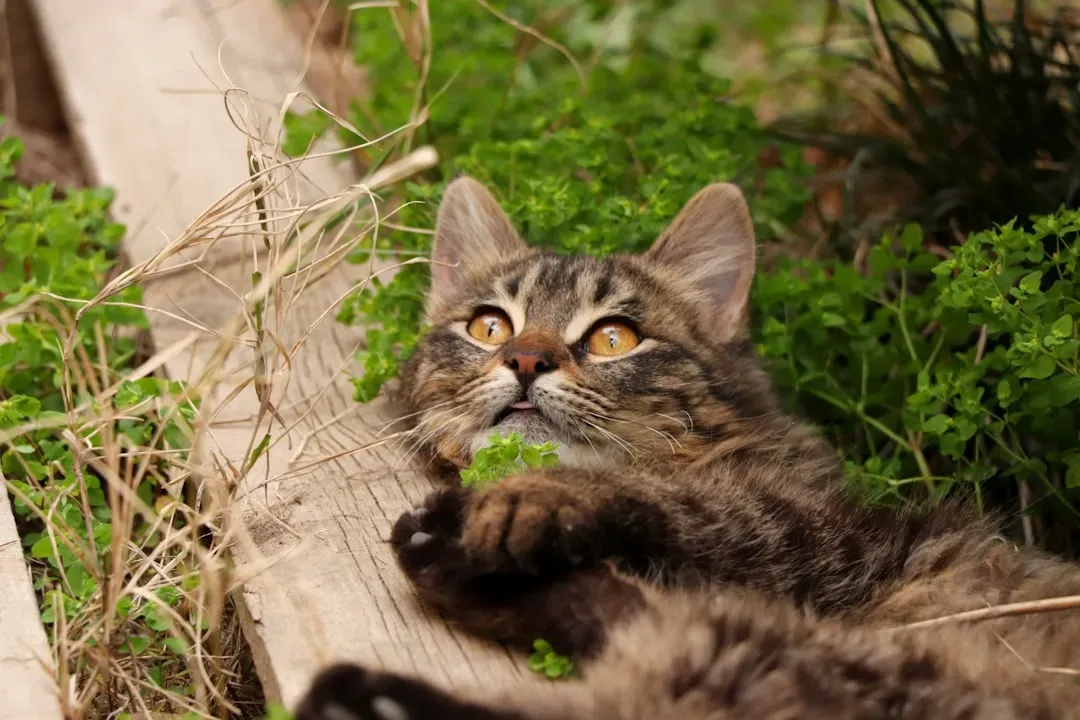
Many owners picture the classic catnip scene: a cat rolling around, batting at toys, and sprinting across the room. That happens, sure. But the response is far more varied than that image suggests. Each cat has a unique personality and reacts differently to the herb. While some may become highly energetic and playful, others might become mellow and calm.
Some cats may simply sniff and rub against the catnip, whilst others may prefer to eat it, particularly when it’s fresh. When eaten, catnip often has a particularly mellowing effect. While most cats who respond to catnip seem to enjoy a kind of euphoric high from the plant, catnip can actually make some cats aggressive. The causes behind this are both genetic and personality-driven. Sensitivity to catnip is inherited; some cats may not possess the genes that make them sensitive to its effects. Just as in humans, some cats may simply respond differently to a stimulus than others. These differences will determine not only their emotional response, but may also affect what they do with the catnip.
Myth 8: Catnip Was Designed by Nature to Attract Cats
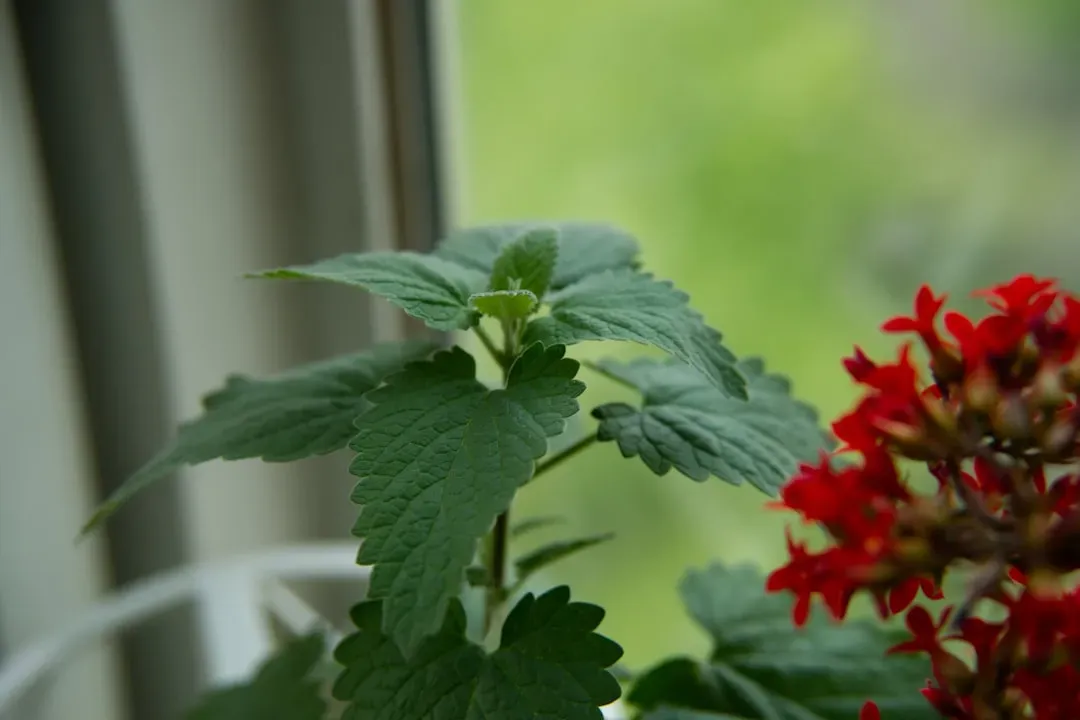
Here’s perhaps the most surprising fact of all. You might assume catnip evolved specifically to lure felines. The plant seems almost purpose-built for it. But that’s not quite how the story goes. Most likely, the adaptive function of nepetalactones in Nepeta is to protect against herbivorous insects, not to stimulate cats; notably, nepetalactones can repel insects with efficiencies comparable to the synthetic repellent DEET.
While nepetalactone drives a large portion of cats wild, likely by mimicking sex pheromones, its real purpose is protecting catnip from pests. Nepetalactone belongs to a class of chemicals called iridoids, which can repel insects as effectively as DEET. Many of catnip’s relatives in the mint family use iridoids as chemical armor. Your cat’s fascination with the plant is, essentially, a wonderful biological accident. Catnip began to evolve a biochemical pathway for making iridoids about twenty million years ago, long before anyone had a cat lounging on their couch.
Conclusion
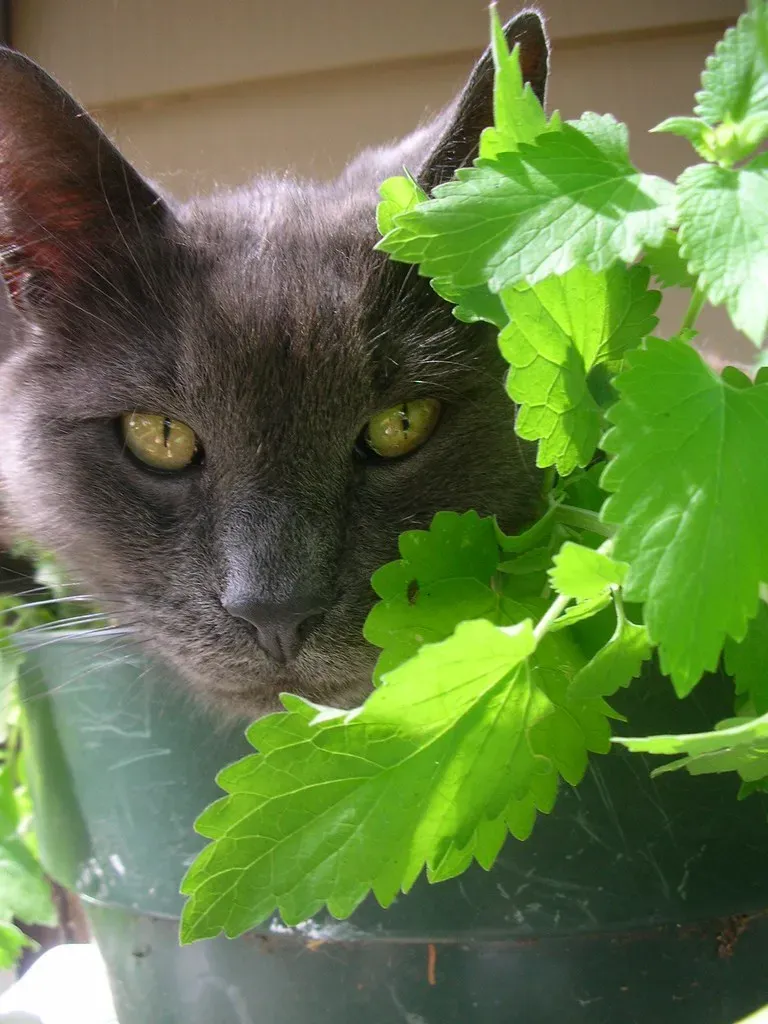
Catnip is one of those subjects that rewards a second look. What seems obvious on the surface turns out to be considerably more nuanced once you start pulling on the threads. From the genetics of responsiveness to the real reason the plant produces nepetalactone at all, the story is richer than most owners ever expect.
The practical upshot is simple. Catnip is safe and non-toxic for cats, providing benefits such as stress reduction and increased physical activity. Catnip toys can enhance bonding between cats and their owners, promoting interactive play and mental stimulation. You can use it with confidence, as long as you understand what it actually does and doesn’t do.
The next time your cat goes into full rolling-purring mode over a dusty little pouch of dried herb, you’ll have a much clearer picture of what’s actually happening inside that small, unpredictable brain. And if your cat ignores it entirely, well, now you know that’s not a problem at all. It’s just genetics doing its thing.
Kristina is a young writer from India. An arts graduate and an avid content creator, Kristina is passionate about animals and wildlife. She enjoys exploring topics related to pet care, animal behavior, conservation, and nature, combining thorough research with engaging storytelling.