There’s something quietly unsettling about the idea that one of North America’s most powerful predators might be moving through the green belt behind your neighborhood. Most people assume mountain lions keep to the deep wilderness, far removed from backyards and bike trails. That assumption is increasingly worth revisiting.
Though typically absent from highly populated areas and mostly avoidant of people when possible, mountain lions do inhabit the wildland-urban interface, where they may occasionally come into contact with humans. As cities expand and wild habitat shrinks, that interface keeps shifting, and so do the habits of the big cats that call it home.
Who Exactly Are Mountain Lions?
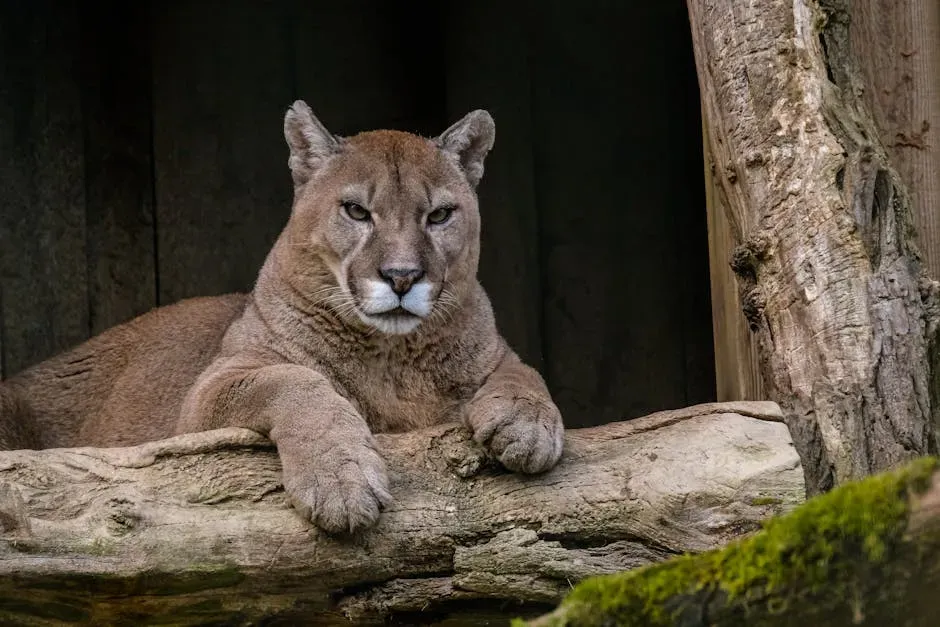
The mountain lion, also known as the cougar, puma, panther, or catamount, is a sleek, powerful feline native to diverse habitats across the Americas, cloaked in soft, tawny-beige fur that seamlessly blends with rocky hillsides and forests. These stealthy predators move silently through their territory, which makes them notoriously difficult to detect even when they are relatively close.
One of their most remarkable traits is their impressive adaptability. Mountain lions thrive in environments ranging from deserts to snowy mountain slopes, with their body size varying significantly depending on latitude. Typically, those living closer to the equator are smaller, while those found nearer the poles grow significantly larger, with adult males weighing between 115 and 220 pounds on average.
How Much Ground Do They Actually Cover?
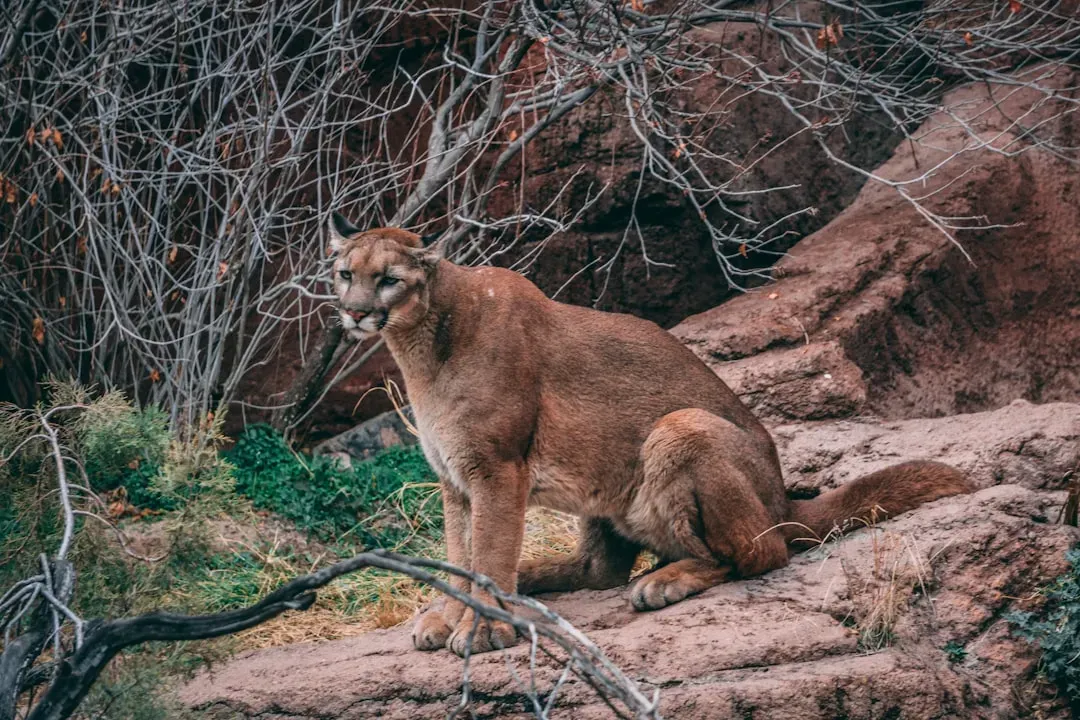
On average, male mountain lions may roam areas spanning 100 to 250 square miles, while females typically occupy smaller ranges of 30 to 100 square miles. These elusive creatures can travel several miles each day in search of food, mates, or new territories, with some individuals documented to cover distances of up to 20 miles in a single night.
Mountain lions exhibit daily movement patterns that are influenced by their need to hunt, patrol territories, and conserve energy. On average, a mountain lion may travel between 2 to 6 miles per day, though this can vary significantly based on factors such as habitat, prey availability, and individual behavior. Given those numbers, it’s not hard to see how a mountain lion’s daily circuit can bring it through areas that humans also regularly use.
Where the Wild Meets the Suburban Edge
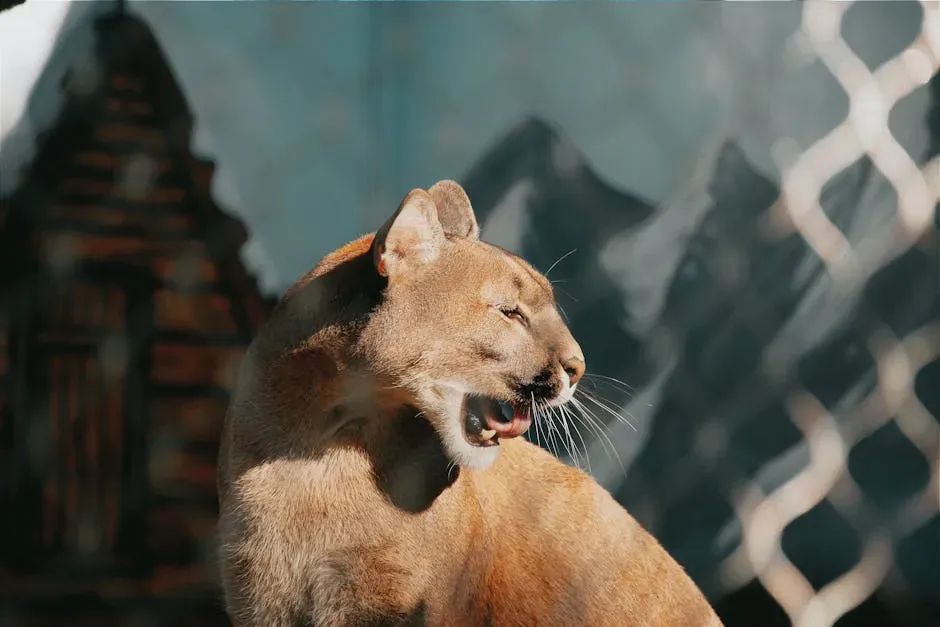
Mountain lions typically avoid developed areas but are likely to be present in or near the wildland-urban interface because of their proximity to large wildland habitats, the availability of prey, and lower human densities. They may be attracted to areas and remain in those areas if they provide access to food, water, or shelter.
Food sources found near people’s homes include deer, elk, javelina, rabbits, unsecured domestic animals, or livestock. Water for drinking can include a swimming pool, fountain, pond, or even a pet’s water bowl. In other words, a well-irrigated suburban yard with deer wandering through it can look like a perfectly reasonable rest stop to a hungry mountain lion.
The Nocturnal Shift: Adapting to Human Schedules
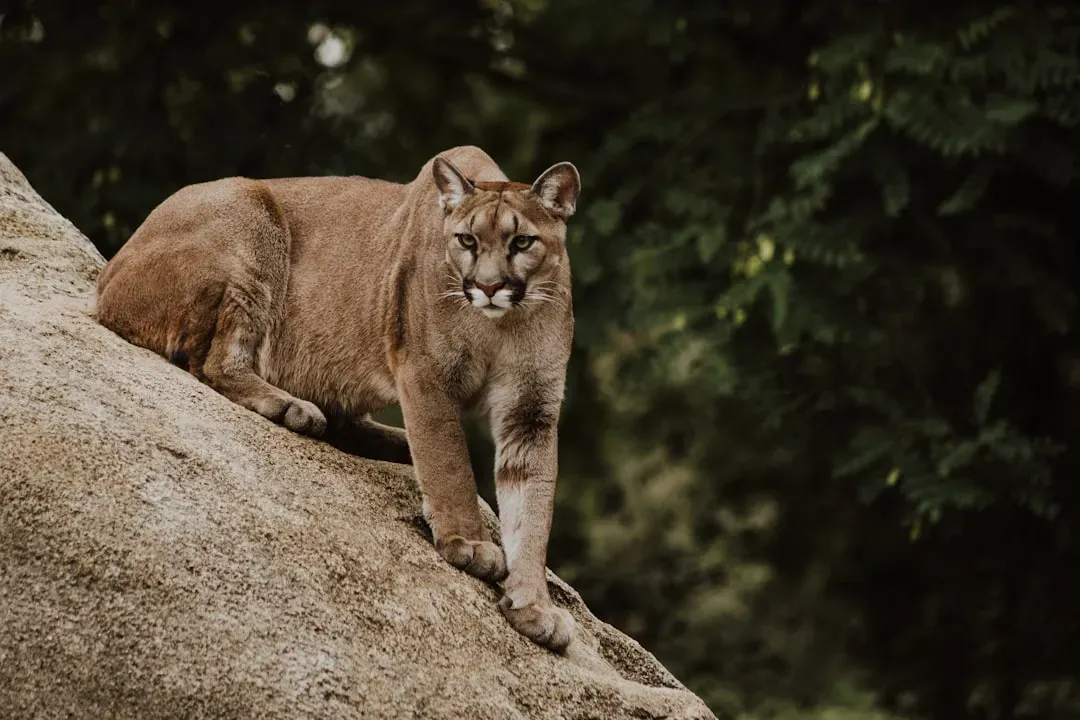
Mountain lions are typically active during dawn and dusk but can shift to more nocturnal behaviors to avoid overlap with human activity. This behavioral flexibility is well documented and has been studied extensively in areas where urban recreation overlaps heavily with lion territory.
Research published in Biological Conservation found that mountain lions living in areas with higher levels of human recreation, like Griffith Park or the Verdugo Mountains, shifted their activity toward the middle of the night and were less active around dawn or dusk. Two male mountain lions living in small, isolated natural areas with many trails and high levels of human recreation were found to be the most nocturnal, and both occupied two of the smallest home ranges ever recorded for male adult lions.
What Draws Mountain Lions Closer to People?
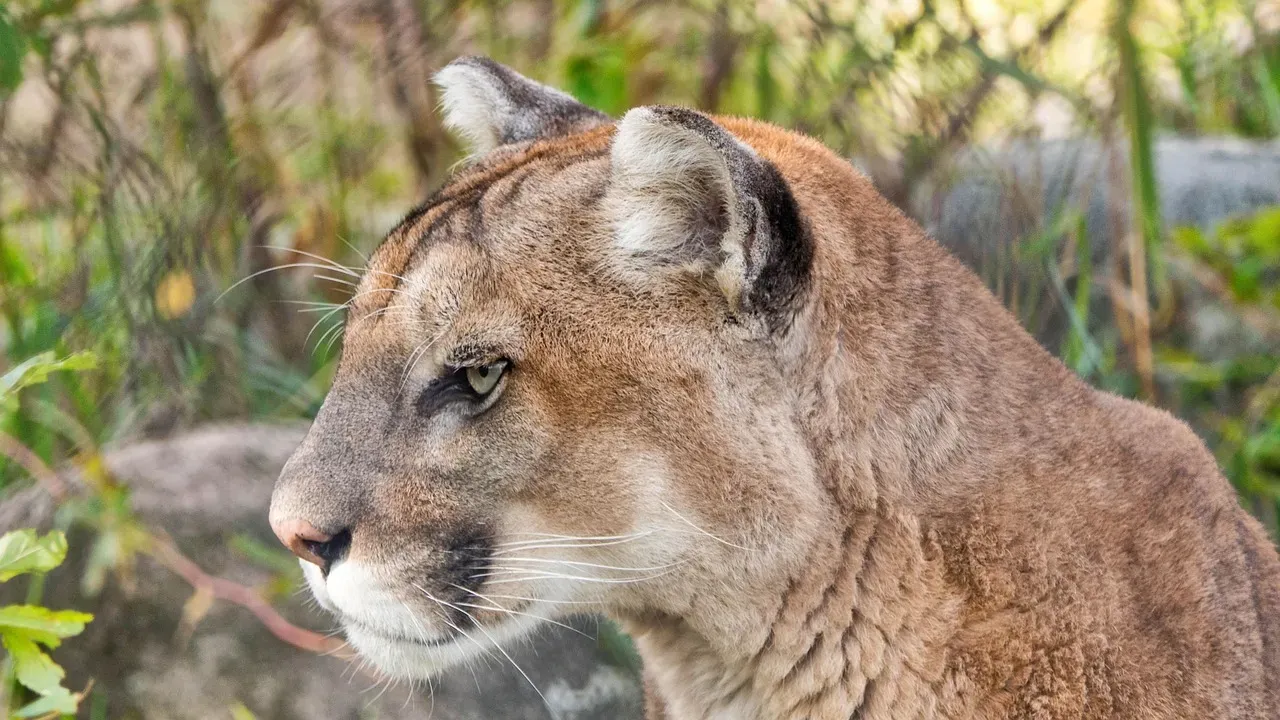
Several factors may contribute to mountain lions’ presence around humans. Drought drives wildlife into urban areas in search of food and water. Wildfires damage vital habitat and force animals into other areas. Habituation to humans can also develop through close contact, exposure, and increased development near wildlife habitat.
Feeding wildlife, specifically mountain lion prey such as deer, elk, javelina, rabbits, and other small mammals, or having livestock adjacent to wildlife habitat, may inadvertently attract mountain lions that prey upon them. If you live near open space, your habits around food, pets, and water sources matter more than you might think.
How Habitat Fragmentation Changes Everything
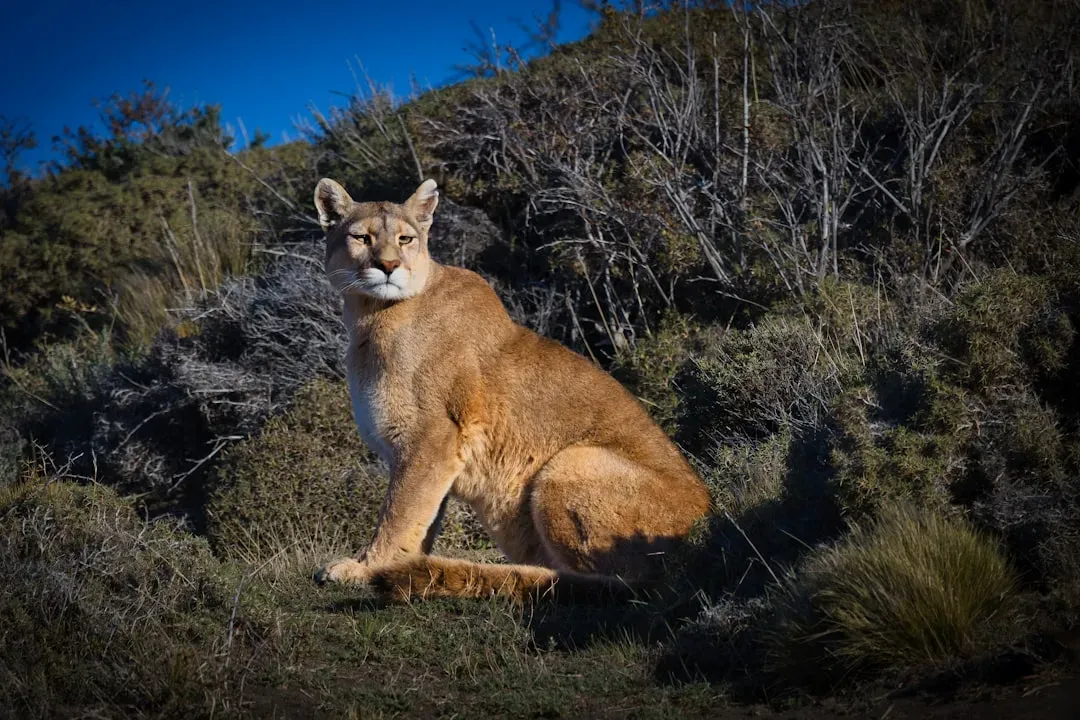
Mountain lions are adept at navigating fragmented habitats caused by urban expansion. These big cats traverse between isolated patches of forest, adapting their routes to minimize human encounters. Such flexibility in movement is crucial for accessing food, mates, and other resources.
One of the most direct impacts is habitat loss due to urbanization, agriculture, and infrastructure development. This fragmentation restricts their ability to roam freely, often confining them to smaller areas and increasing the likelihood of human-wildlife conflict. Mountain lions may travel longer distances in search of suitable territories, prey, or mates, but human-made barriers like roads, fences, and settlements disrupt these natural movements, leading to reduced genetic diversity and increased isolation among populations.
What the Research Tells You About Encounter Risk
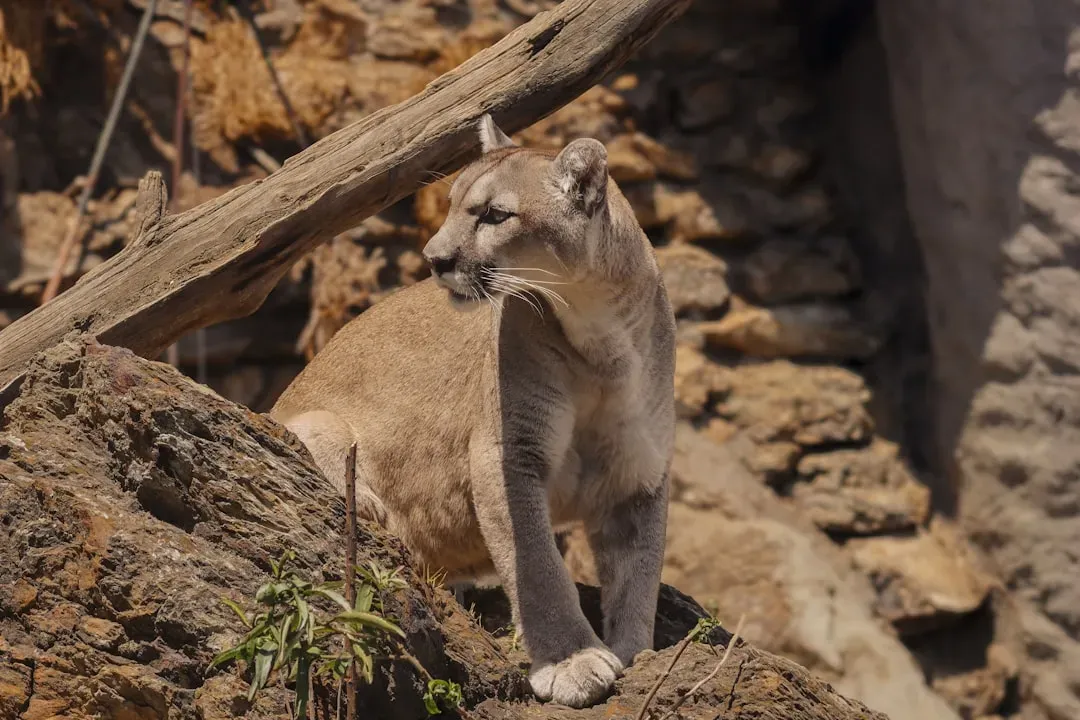
Mountain lion attacks on humans are extraordinarily rare. Across North America, fatal encounters average fewer than one per year, despite tens of millions of people recreating in lion habitat annually. Given the rate at which wildlife habitat is being lost and fragmented, you may think that human-puma conflicts are a common occurrence, yet in reality there are very few, fewer than three, public safety incidents each year. Misinformation about the level of risk posed by large carnivores to humans is prevalent and may contribute to people having a disproportionate fear towards them.
A four-year study in the Casper area revealed mountain lions showed resilience to human disturbance at feeding sites, staying longer at such sites and often returning multiple times to finish their meals. Mountain lions rarely abandoned their prey but instead waited for disturbances to end and resumed feeding activities, extending the time dedicated to feeding at the carcass. That resilience is worth knowing about, because it means even a brief human presence doesn’t automatically push a lion away from the area.
Practical Safety Steps for Living Near Lion Country
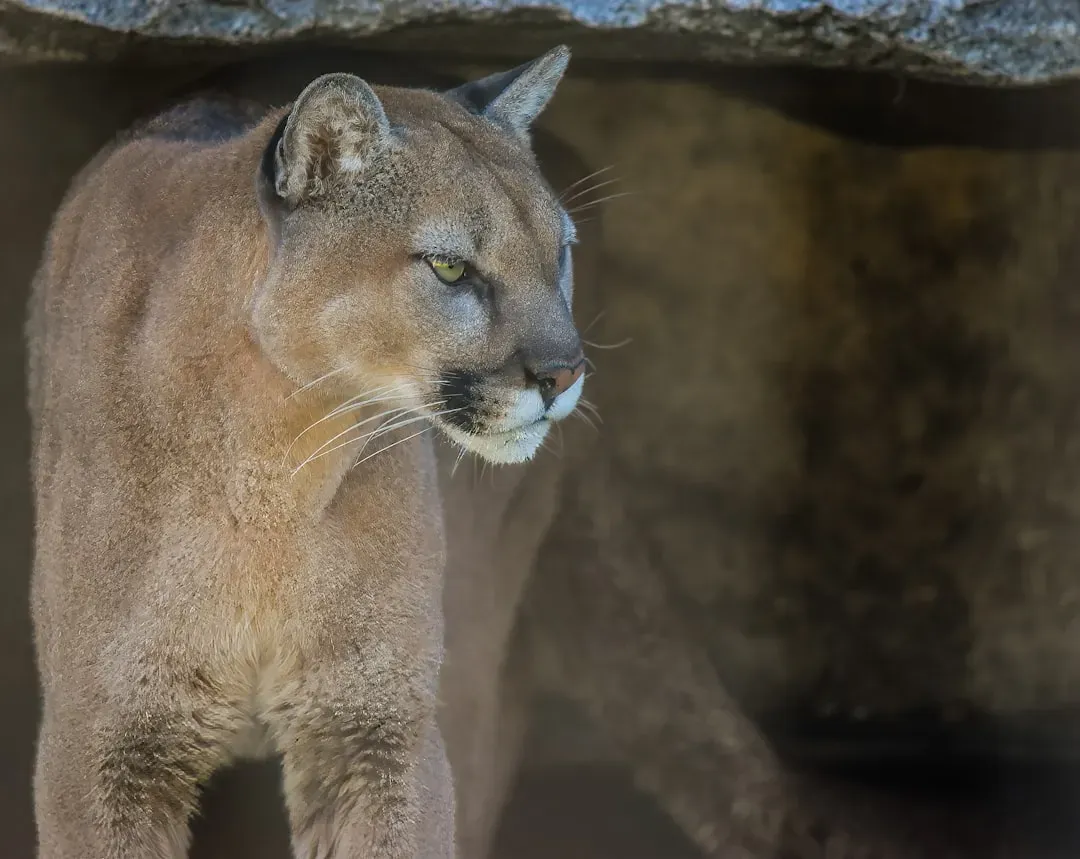
Mountain lions tend to avoid human interaction, but encounters with them can happen, and most encounters are nonaggressive. Although the risk of being attacked by a mountain lion is very low, they are large predators that can seriously injure or kill humans if they feel threatened. Various factors, such as habitat fragmentation and growing human populations, may increase the likelihood of encounters, especially in urban-wildland areas.
To stay safe in mountain lion country, you can carry pepper spray or a loud safety horn, travel in a group, supervise children, stay vigilant, and consider bringing a dog. You should avoid hiking or jogging when mountain lions are most active, namely at dawn, dusk, and at night. If you do come face to face with one, do not run. Stand tall, make yourself look larger, and back away slowly without turning your back.
Wildlife Corridors and the Path Forward
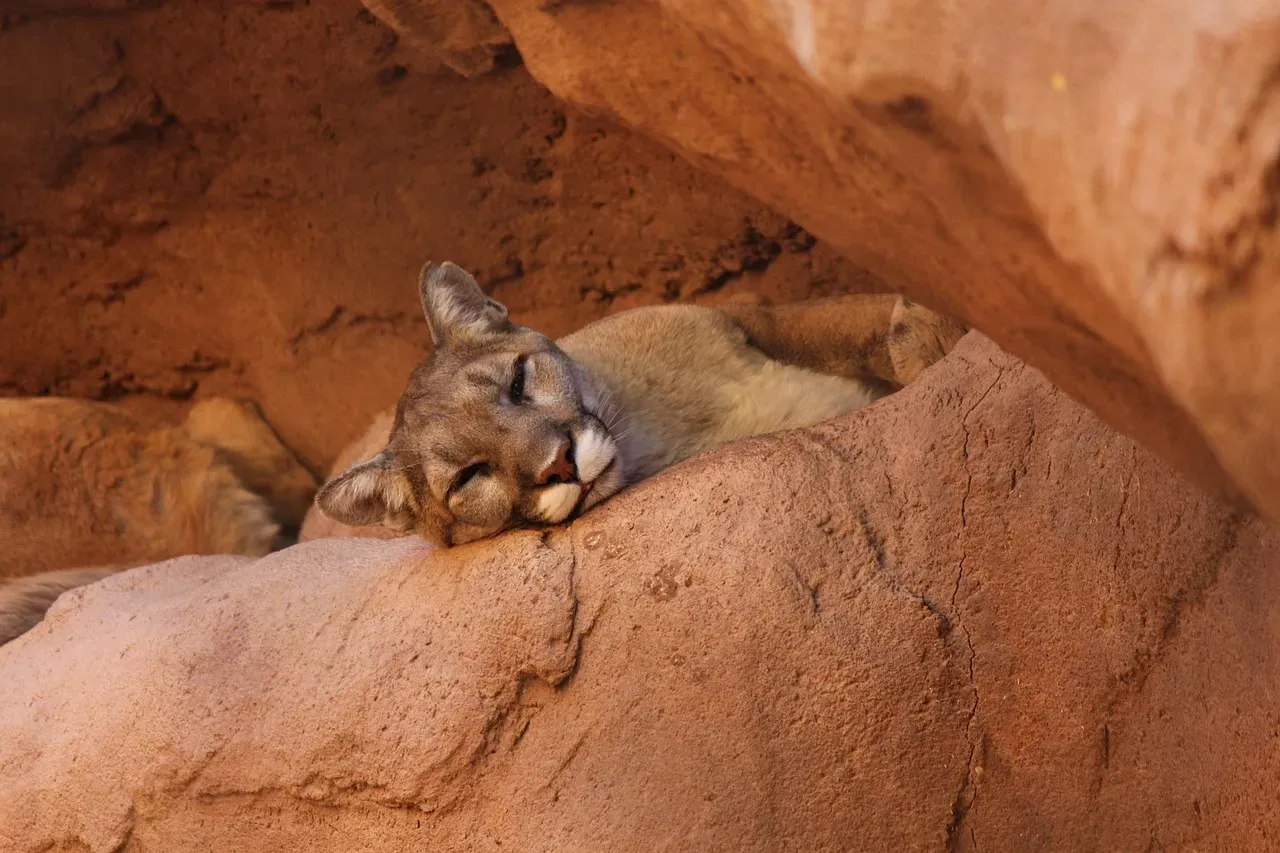
More than 100 years of urbanization has taken its toll on mountain lions in central California. Roads and rural residential development have fractured the large, connected territories that they rely on for hunting, breeding, and survival. These changes threaten mountain lions and the crucial role they play in maintaining a healthy regional ecosystem.
Efforts to enhance genetic diversity often involve creating wildlife corridors that connect fragmented habitats, allowing for the movement and interbreeding of individuals from different populations. These corridors can mitigate the effects of isolation by facilitating gene flow and increasing genetic variation. One practical approach involves constructing wildlife overpasses and underpasses, designed to allow animals to safely cross roads and other barriers. These structures have proven successful in several regions, significantly reducing wildlife-vehicle collisions and promoting safe passage for mountain lions and other species.
Conclusion
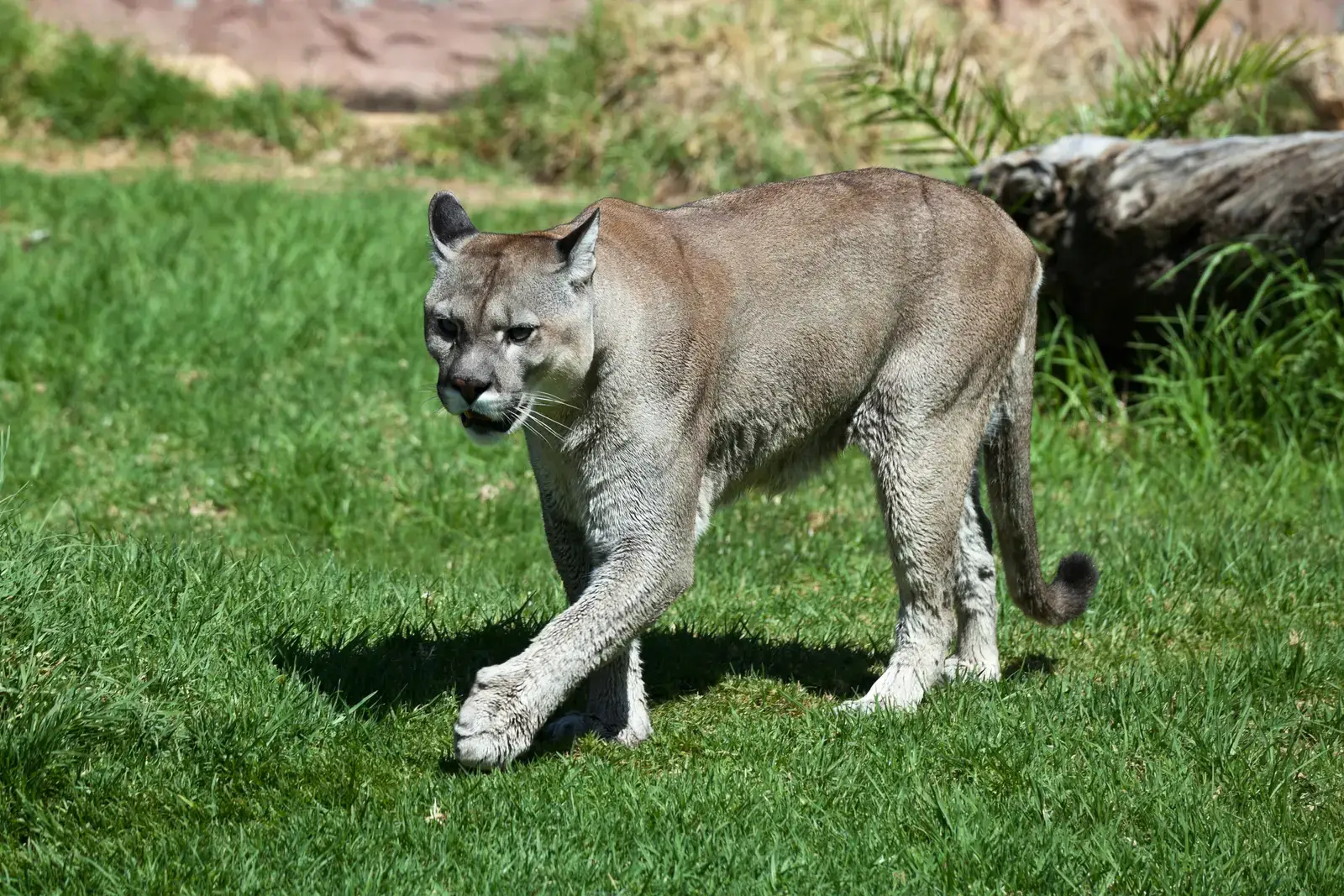
Mountain lions are neither the bloodthirsty predators of folk legend nor invisible ghosts that never brush against human life. They’re highly adaptable, deeply territorial animals doing exactly what their biology requires, which sometimes puts them at the edges of neighborhoods, parks, and hiking trails you know well. Understanding their habits doesn’t need to translate into fear. It can just as easily translate into respect.
The most honest takeaway is this: if you live near open space in the American West, there’s a reasonable chance a mountain lion has passed through your area at some point, probably at night, probably without you ever knowing. That quiet reality says less about danger and more about how resilient these cats still are, and how much the decisions made about land use and habitat connectivity in the years ahead will determine whether that resilience holds.
Kristina is a young writer from India. An arts graduate and an avid content creator, Kristina is passionate about animals and wildlife. She enjoys exploring topics related to pet care, animal behavior, conservation, and nature, combining thorough research with engaging storytelling.