You’ve probably lived through it at least once. You shuffle to the kitchen on a quiet morning, half-awake and reaching for coffee, only to find something dead on the floor near your feet. Your cat is sitting beside it, looking, frankly, quite proud of themselves. It’s one of those moments that perfectly captures the strange, layered relationship between humans and domestic cats.
This behavior has puzzled cat owners for as long as people have kept cats indoors. It’s instinctive, surprisingly layered in meaning, and worth understanding properly. There’s more going on beneath the surface than a simple gross-out moment.
Your Cat Is a Predator First and a Pet Second
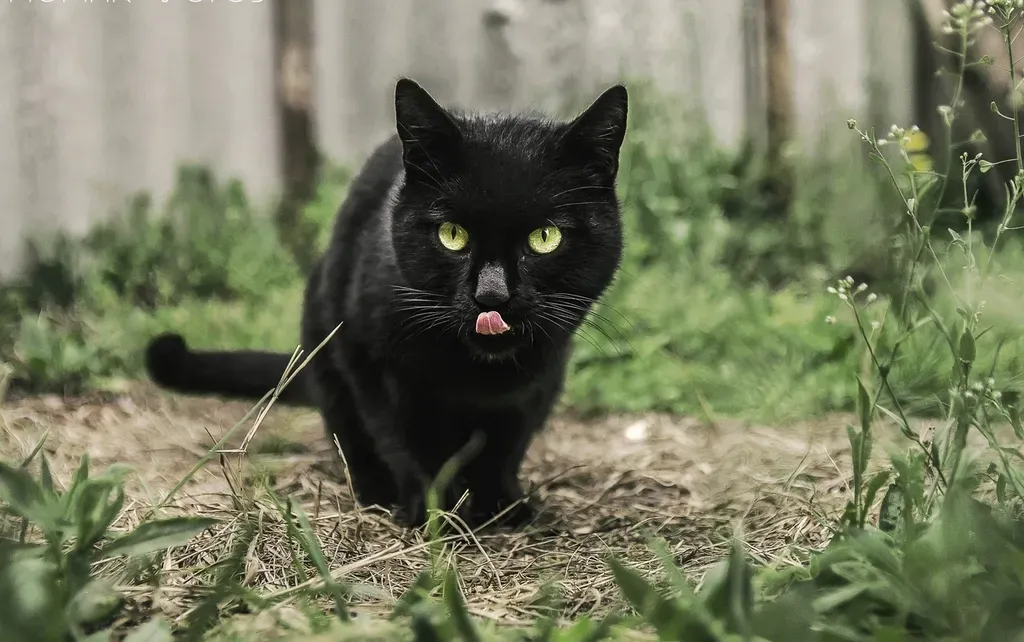
To understand why your cat brings you dead animals, you first need to understand what cats fundamentally are: predators. No matter how pampered your cat might seem, they carry thousands of years of hunting instinct inside them. Even a cat that has never once needed to hunt for food will still stalk, pounce on, and catch prey, because for cats, hunting isn’t simply about hunger.
Cats were thought to have been first domesticated around 10,000 years ago, which is nowhere near as long as dogs, who were first domesticated around 30,000 years ago. This means they still retain many powerful instincts, such as hunting. Hunting behavior is not simply driven by hunger; it’s a strong natural urge for cats.
The Deep-Rooted Instinct Behind the ‘Gift’
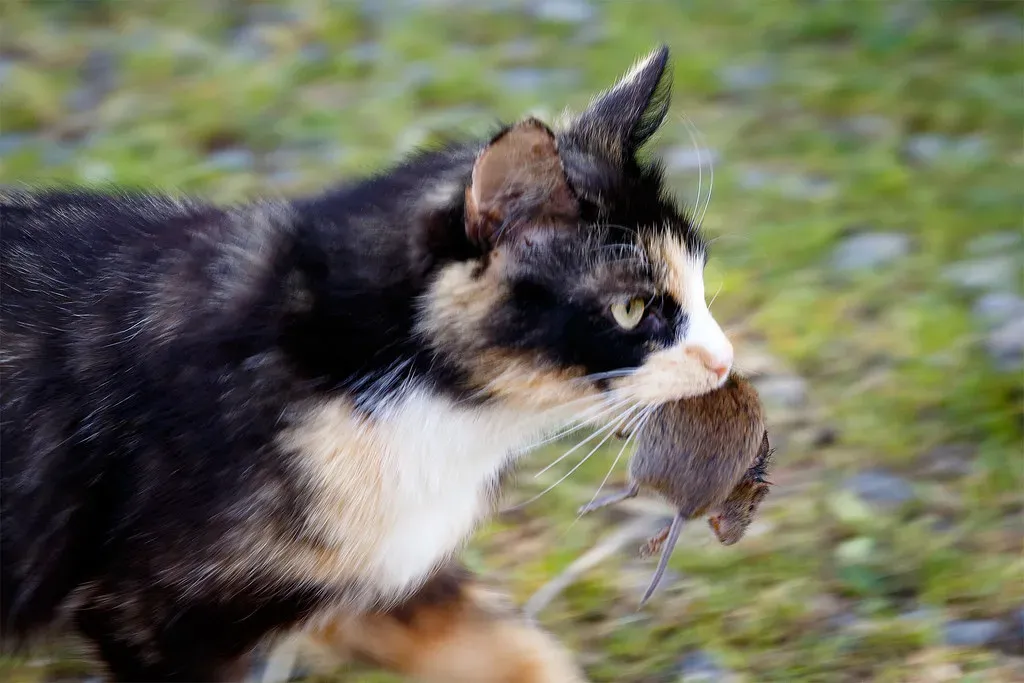
Historically, cats weren’t kept as pets and fed by loving owners. They had to provide for themselves and hunt for their own food, like their big cat cousins such as lions and tigers. A limited amount of prey meant that only the most successful hunters survived and reproduced, so your cat is descended from hunting-savvy ancestors.
According to International Cat Care, if cats were to rely only on their own catches to sustain them, they’d need to catch around ten to twenty critters a day. Due to this high demand, cats have evolved to try and hunt whenever they can, regardless of whether or not they are hungry, so they’ll try and catch prey whenever the opportunity presents itself.
She’s Teaching You to Hunt (Yes, Really)
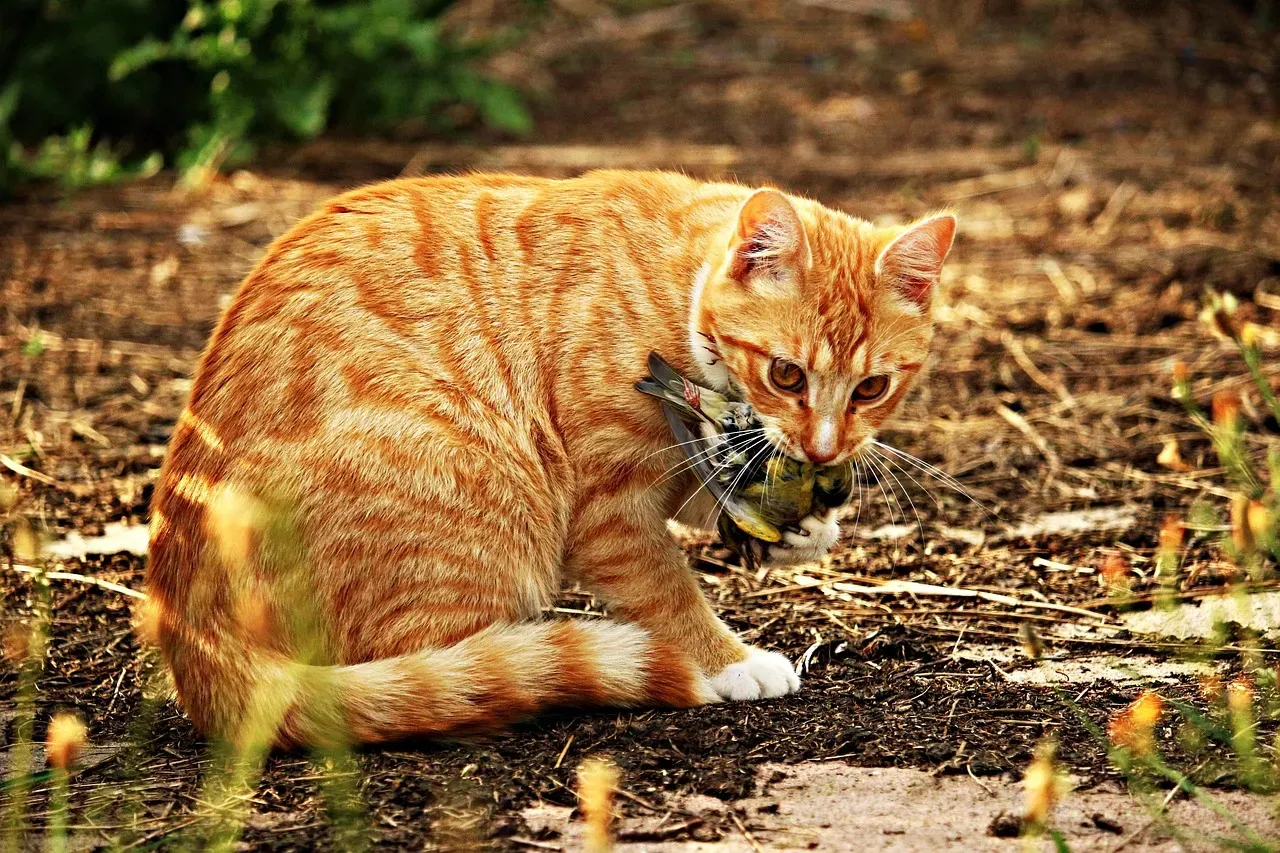
In the wild, mother cats go out and hunt and then bring the food back for their kittens. This not only feeds the young cats but also provides something for them to play with, practice how to hunt, and recognize prey. So, in the context of human pet owners, your cat may see you as a “not so efficient kitten.”
Mother cats bring live prey to their kittens so that the young cats can practice their hunting skills in a relatively controlled environment. Your cat may be doing exactly the same thing for you, by presenting you with prey and essentially inviting you to have a go. From their point of view, you’re getting a practical lesson.
It’s an Expression of Trust and Affection
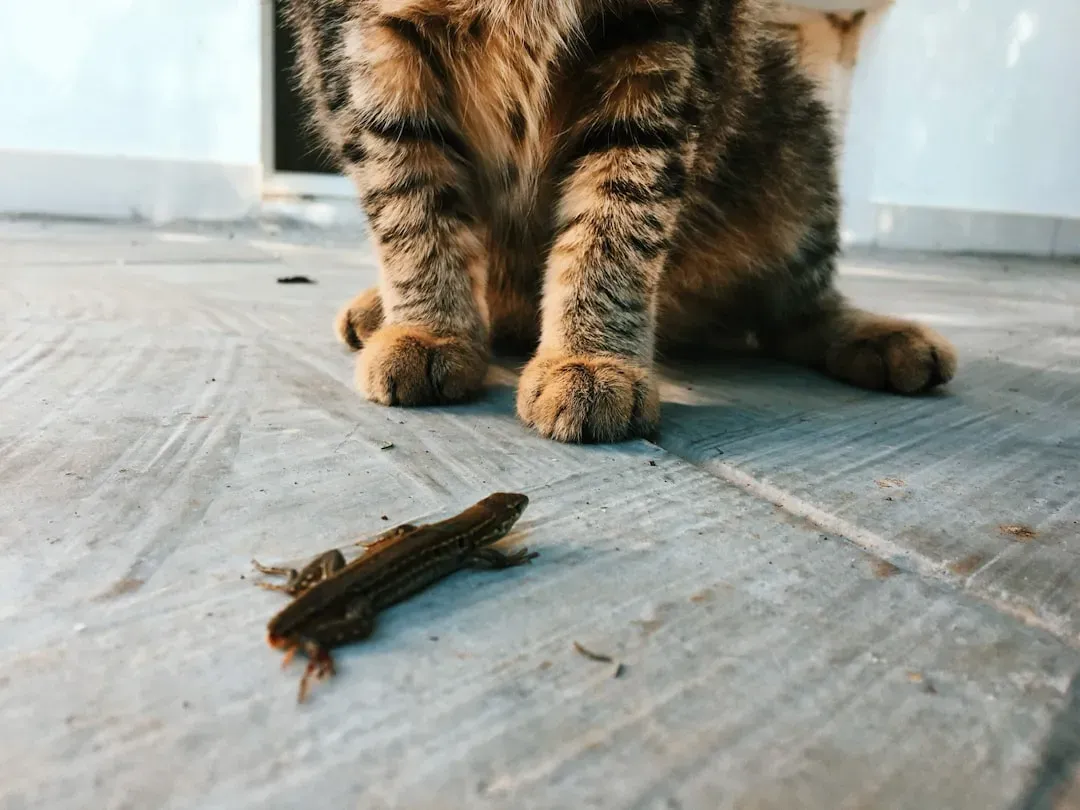
Bringing you prey is a genuine gift, and an expression of affection and trust. Cats are not naturally inclined to share resources. The fact that your cat is choosing to bring their catch to you, rather than simply eating it themselves, says something significant about the bond they feel with you. This behavior is particularly common in cats that have formed strong attachments to their owners.
The social component is where the behavior transforms from pure instinct into a form of communication. When your cat deposits a “gift” at your feet and looks up at you, they are engaging in a complex social ritual. First and foremost, it’s a sign of trust and bonding. In the feline world, sharing food, or what they perceive as food or prey, is an act of immense social significance.
Your Home Is Their Safe Space
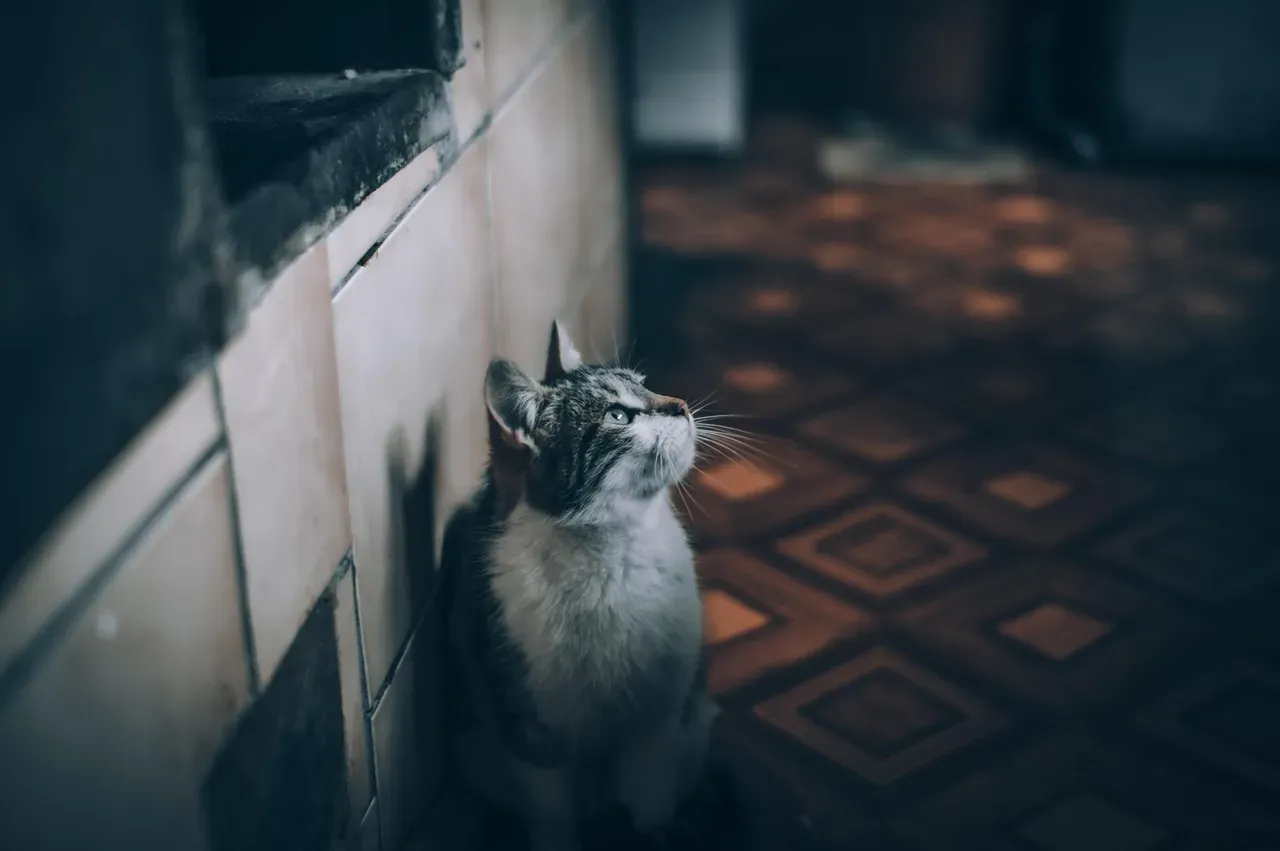
The real reason why cats bring these “gifts” home is because their home is where they feel safe and secure. When cats catch prey, they may not want to eat it or leave it where other animals could steal it from them.
Another theory is that cats may feel safer eating their prey at home rather than in the outside world. In this case, cats see your home as a place of refuge, where they can have their privacy, stash their cache, or eat their meal in peace. The gift isn’t always meant for you specifically. Sometimes you’re just the lucky bystander standing in their preferred safe zone.
Indoor Cats Have Their Own Version of This Behavior
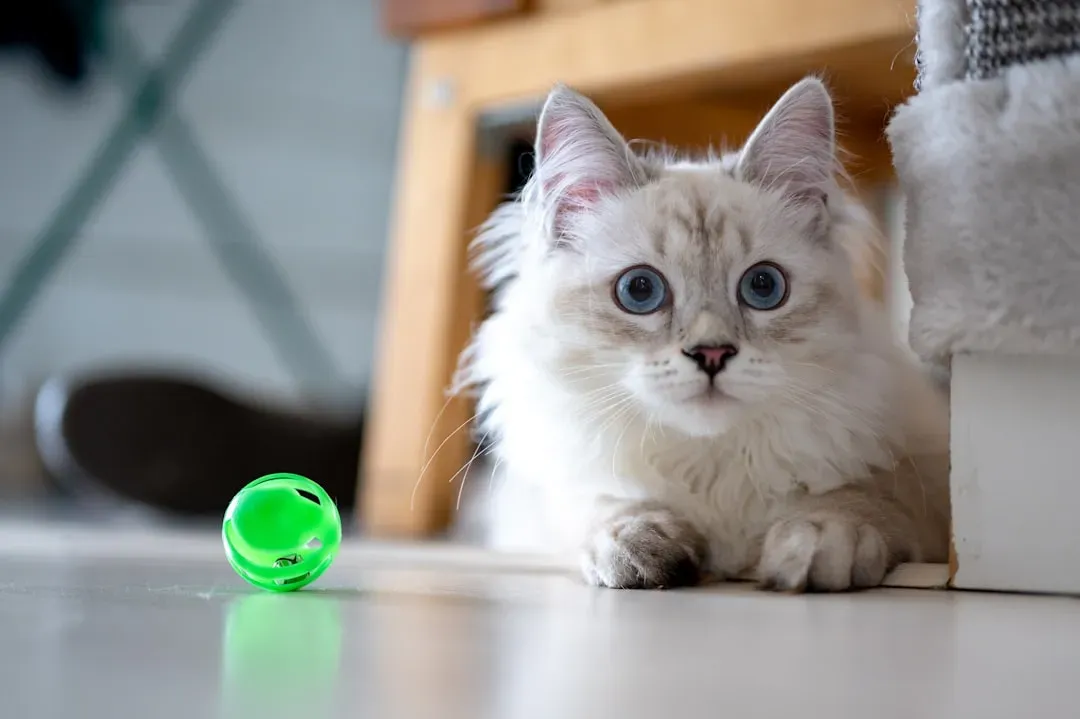
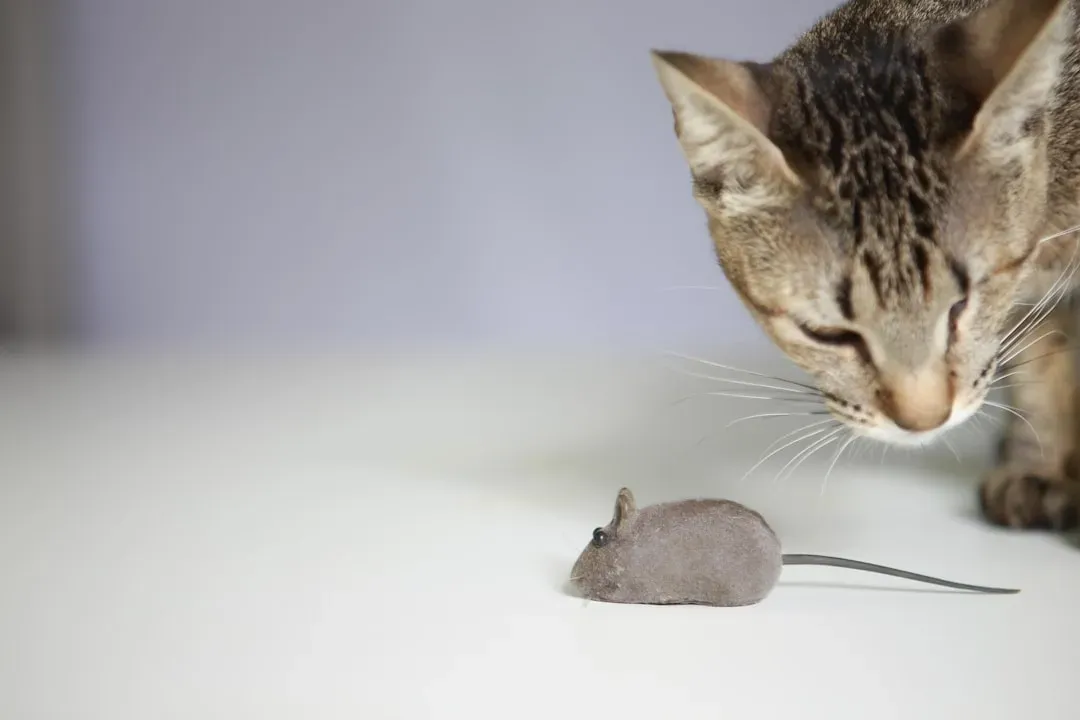
Not all cats bring dead animals to their owners. Some cats may bring toys, leaves, or other objects as gifts. This behavior is not limited to cats that hunt, as even indoor cats can exhibit this behavior. If your indoor cat regularly drops a toy mouse at your feet in the morning, you’re witnessing the exact same impulse, just without the wildlife.
Even though most pet cats don’t need to hunt to be able to eat and survive, the instinct to chase and kill is still strong, and this can be seen even with indoor cats who enjoy chasing and “killing” toys. In the wild, cats may prolong the hunt to exhaust prey or ensure it’s safe to eat. For domestic cats, this play reinforces their hunting skills and provides mental stimulation.
Not All Cats Do It, and That’s Normal Too
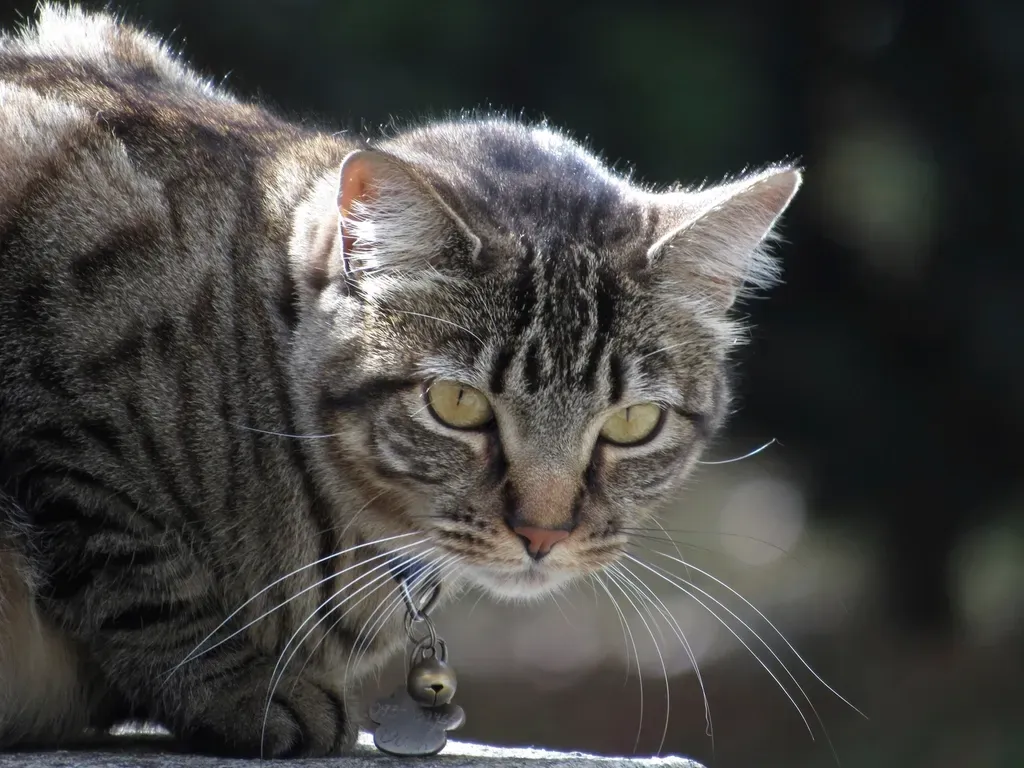
Although some cats hunt constantly, others rarely do. Researchers have long noted this discrepancy among domestic cats. Domestic house cats show individual preferences for different prey species, and hunting efficiencies of individual cats vary markedly among different prey species. Some cats are simply more driven than others.
How much hunting a cat does depends on both its environment and how much time it spends outside. For instance, a cat that lives in a rural area may have more space to roam and access to more prey than city cats do, so urban pet owners may get fewer dead animals brought to them than those in the countryside. Your cat’s individual personality and daily environment both play a significant role.
The Risks You Shouldn’t Overlook
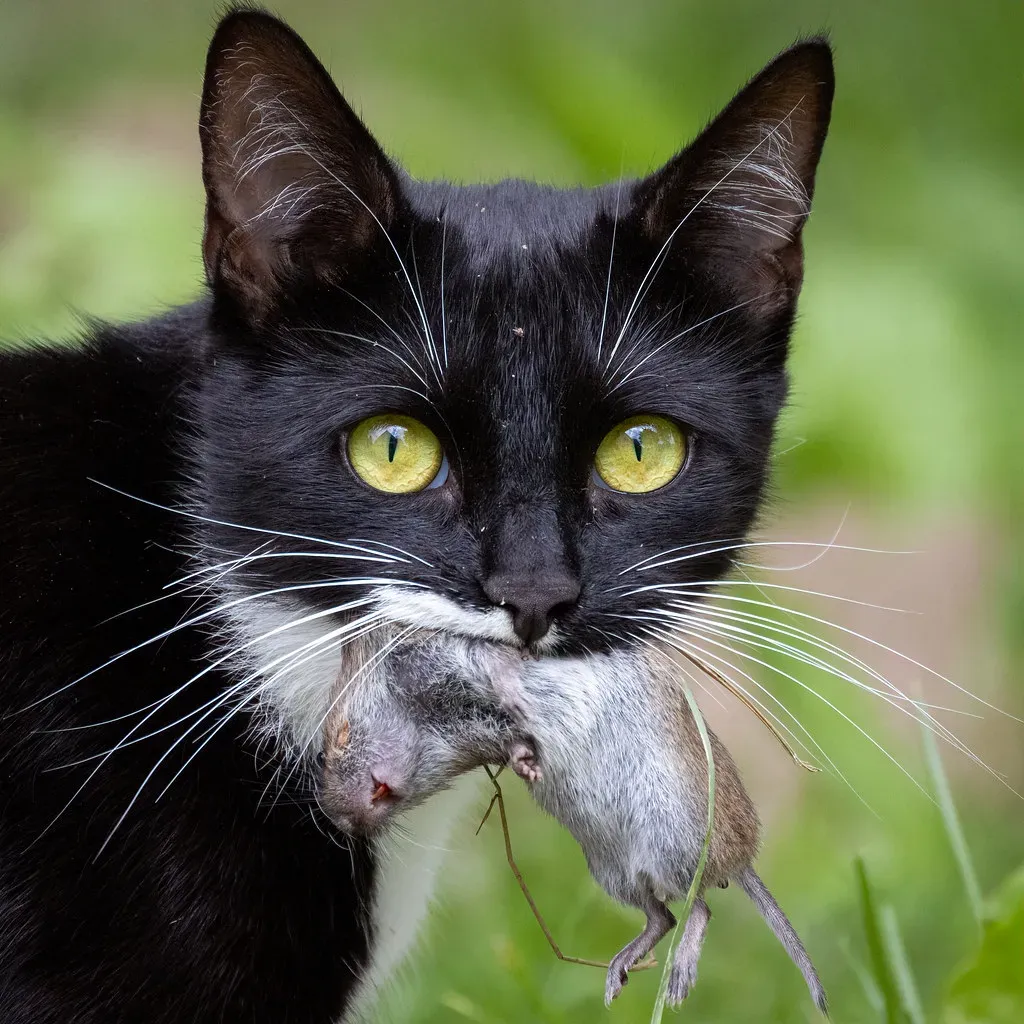
Cats are incredibly efficient hunters that can do an extensive amount of damage to wild bird numbers in any given area. According to the American Bird Conservancy, cats kill around 2.4 billion birds in the United States every year. That figure alone makes the behavior worth taking seriously beyond the immediate household inconvenience.
Small rodents, such as mice or rats, that your cat might put in their mouth can carry parasites like tapeworms or might have ingested rodenticide poisons, both of which can make your cat sick. Your cat could also be injured if the prey animal bites or scratches them. The risks run in both directions, for wildlife and for your cat.
How to Respond and What You Can Realistically Do
It’s important not to punish your cat for catching wildlife or bringing their prey home. They won’t understand what they’ve done wrong. As hunting is a natural instinct for cats, shouting at them won’t deter them from doing it again. It will only cause them stress, which could lead to other unwanted behaviors.
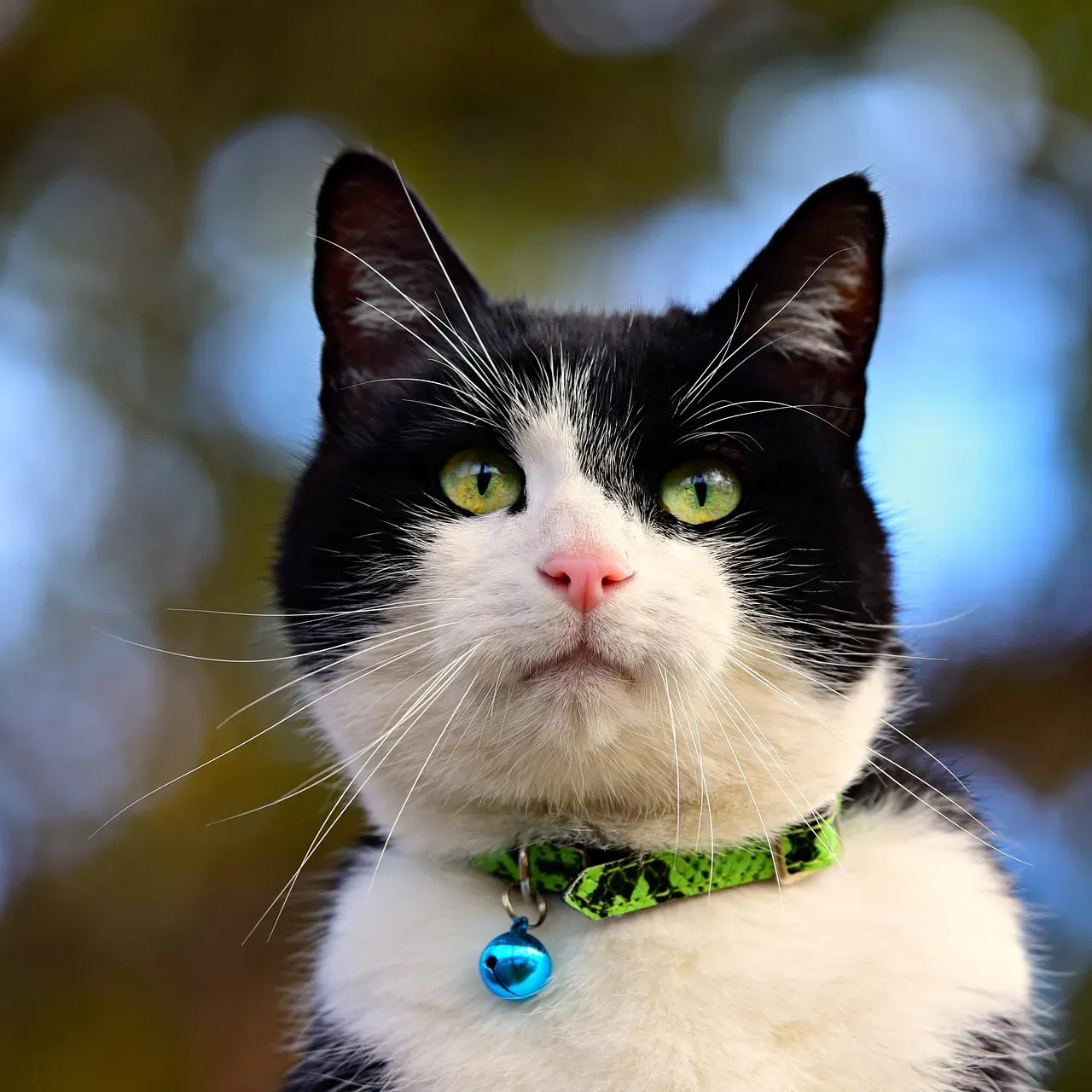
Putting a bell on your cat’s collar is one of the easiest ways to prevent many of your cat’s successful hunts. A bell will alert wildlife to your cat’s approach and give them time to fly or scurry to safety. Always make sure it is a quick-release collar, though, as this will undo if your cat happens to get stuck on something. Redirecting your cat’s hunting instincts through frequent play is one of the most effective methods in helping to reduce or eliminate hunting behaviors. Play provides mental stimulation for your cat and helps to satisfy their hunting desires.
Conclusion
Understanding why your cat drops a dead mouse at your feet doesn’t make the experience any less startling. What it does do is shift the frame entirely. This behavior is a deeply rooted communication method for your cat, driven by instinctual needs for hunting, sharing, and safety. That changes the way you can respond to it.
Your cat isn’t being morbid or strange. They’re doing the most generous thing they know how to do, offering you proof of their competence and a share of their success. The vocabulary is just very different from yours. Understanding why cats bring dead animals to you is just one small piece of the puzzle when it comes to decoding feline behavior. Cats communicate, think, and experience the world in ways that are endlessly fascinating, and the more you understand the reasons behind their actions, the richer your relationship with your cat becomes.
There’s something quietly remarkable about a creature that has been shaped by millions of years of solitary survival, choosing to walk through your door and drop their prize at your feet. Even if you’d genuinely prefer they didn’t.
Kristina is a young writer from India. An arts graduate and an avid content creator, Kristina is passionate about animals and wildlife. She enjoys exploring topics related to pet care, animal behavior, conservation, and nature, combining thorough research with engaging storytelling.