Keeping a cat indoors is one of the most responsible decisions you can make as a pet owner. Indoor cats typically live significantly longer than their outdoor counterparts, largely because they’re less likely to contract potentially deadly diseases and face other dangers. The tradeoff, though, is real: four walls and a food bowl don’t come close to replicating the richness of the natural world your cat is wired to explore.
Cat enrichment means creating an environment where your feline has plenty of opportunities to express their natural instincts and behaviors in appropriate ways, and meeting those mental and emotional needs will help them lead a happier, healthier life with fewer behavior issues. The good news is that you don’t need to spend a fortune or overhaul your home. Small, consistent changes go a long way.
1. Set Up a Window Perch for Daily “Nature TV”
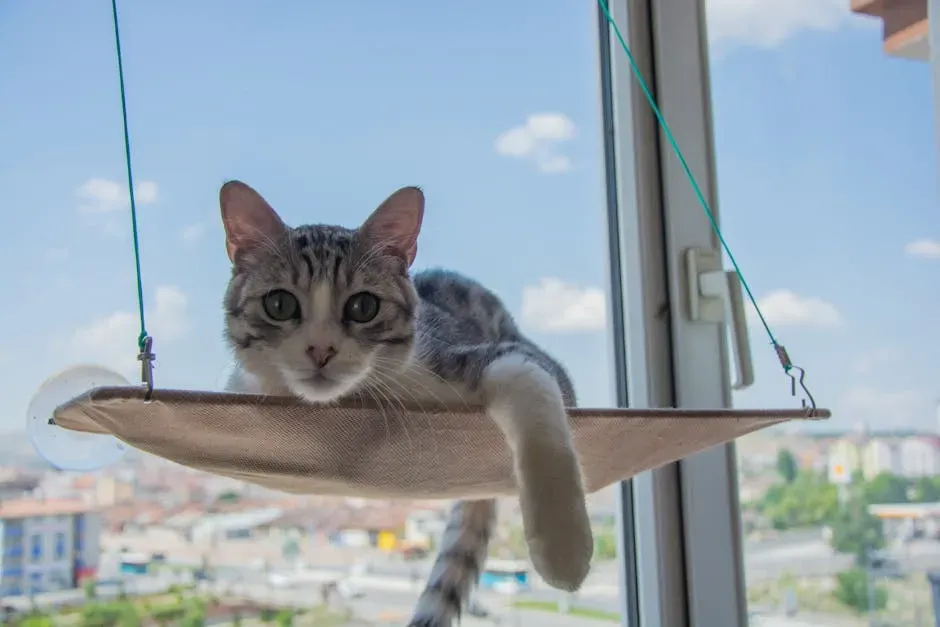
Setting up a comfortable perch near a window creates a front-row seat to the outside world, and cats are genuinely fascinated by bird activity, passing wildlife, and changing scenery. By providing a window view, you enable them to engage with the sights and sounds of the outdoors, stimulating their senses and preventing boredom. It’s one of the simplest upgrades you can make, and it costs almost nothing if you already have a windowsill your cat can reach.
A birdbath or bird feeder placed within sight of the window can increase your cat’s enjoyment considerably. Just watch out for roaming cats in your yard, as the sight of other cats nearby can sometimes trigger stress or urine marking in an indoor cat. Moving beds and perches around regularly also helps, since it mimics a changing outdoor environment and encourages your cat to keep exploring.
2. Use Puzzle Feeders to Turn Mealtime Into a Game
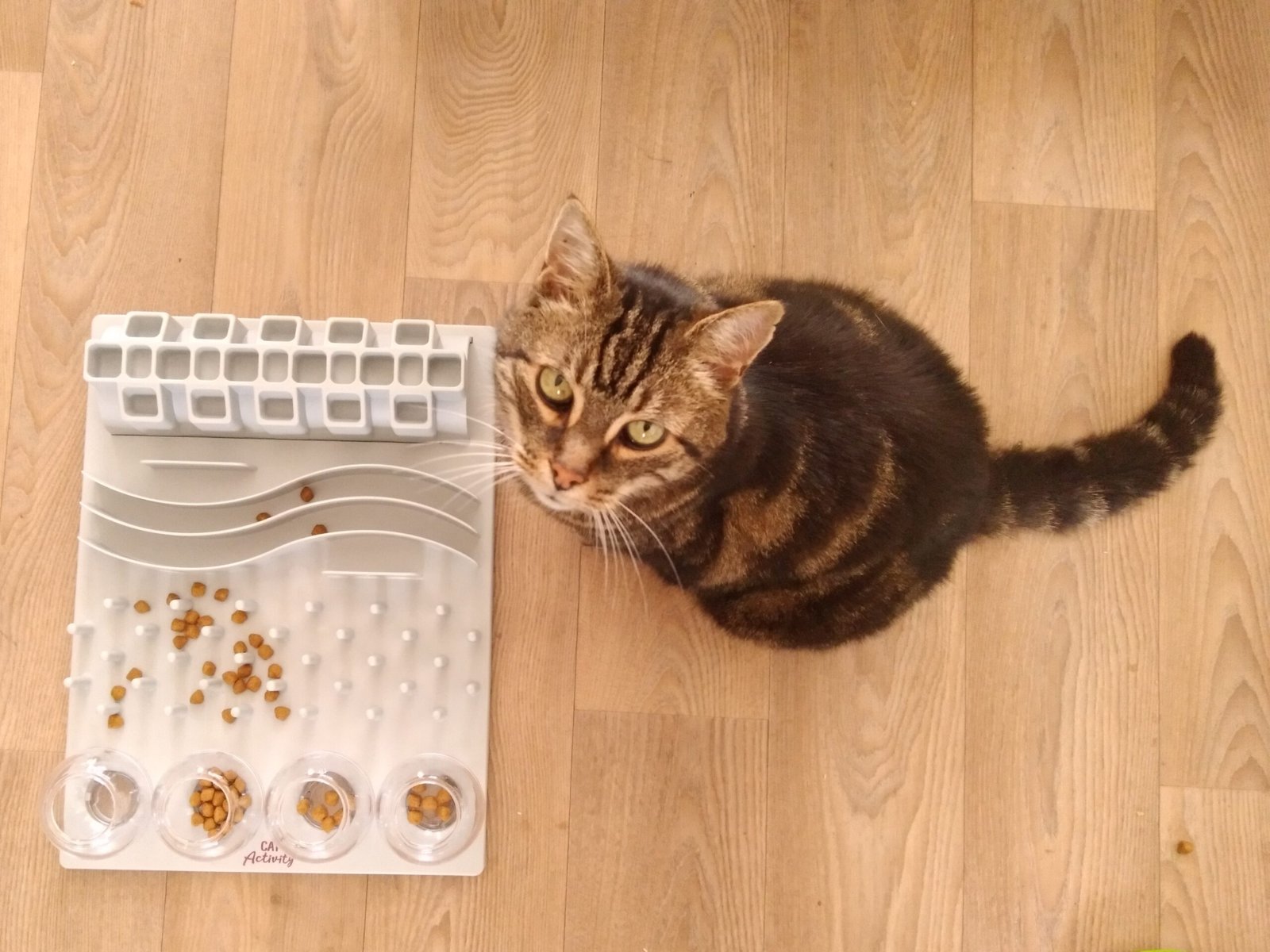
Puzzle feeders and interactive toys simulate hunting behavior and make mealtime a genuinely stimulating experience. Instead of a bowl, use a puzzle feeder to encourage your cat to “hunt” for their food, which keeps their mind engaged and helps prevent overeating. In the wild, cats would hunt for as many as ten to twenty small meals per day, so the contrast with simply eating from a dish twice daily is a significant one.
Making dinner time more interactive means your cat will burn energy, practice problem-solving, and eat more slowly. You can start with a basic puzzle feeder and gradually increase the difficulty as your cat gets more confident. Just make sure all the food is eventually consumed, as cats can become seriously ill if they don’t ingest enough calories daily.
3. Build Vertical Space for Climbing and Perching
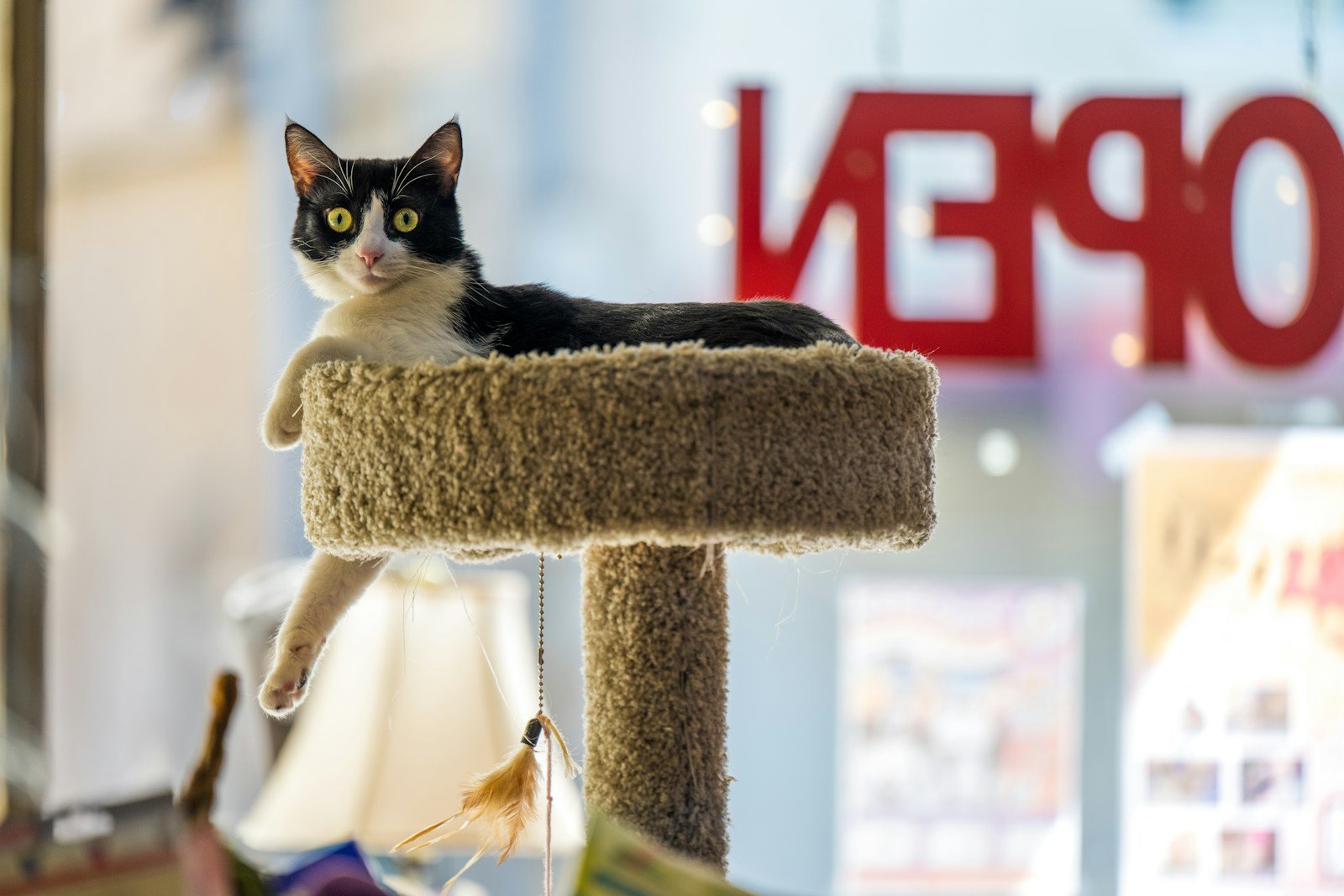
Cats love to climb and explore their surroundings from different perspectives, so creating vertical spaces in your home satisfies their climbing instincts. You can install cat trees, wall-mounted shelves, or provide sturdy, carpeted perches. These vertical spaces not only offer exercise opportunities but also allow your cat to observe their territory, providing mental stimulation and a sense of security.
If you don’t have space for a traditional floor cat tree, consider hanging sturdy shelves on the wall for your cat to perch on, climb, and explore. Providing an elevated cat bed in a sunny spot by a window is particularly appealing to most cats. Keep in mind that a previously sedentary cat may need encouragement to climb, so try feeding treats or a portion of their meal on the cat tree to get them used to using it.
4. Schedule Daily Interactive Play Sessions
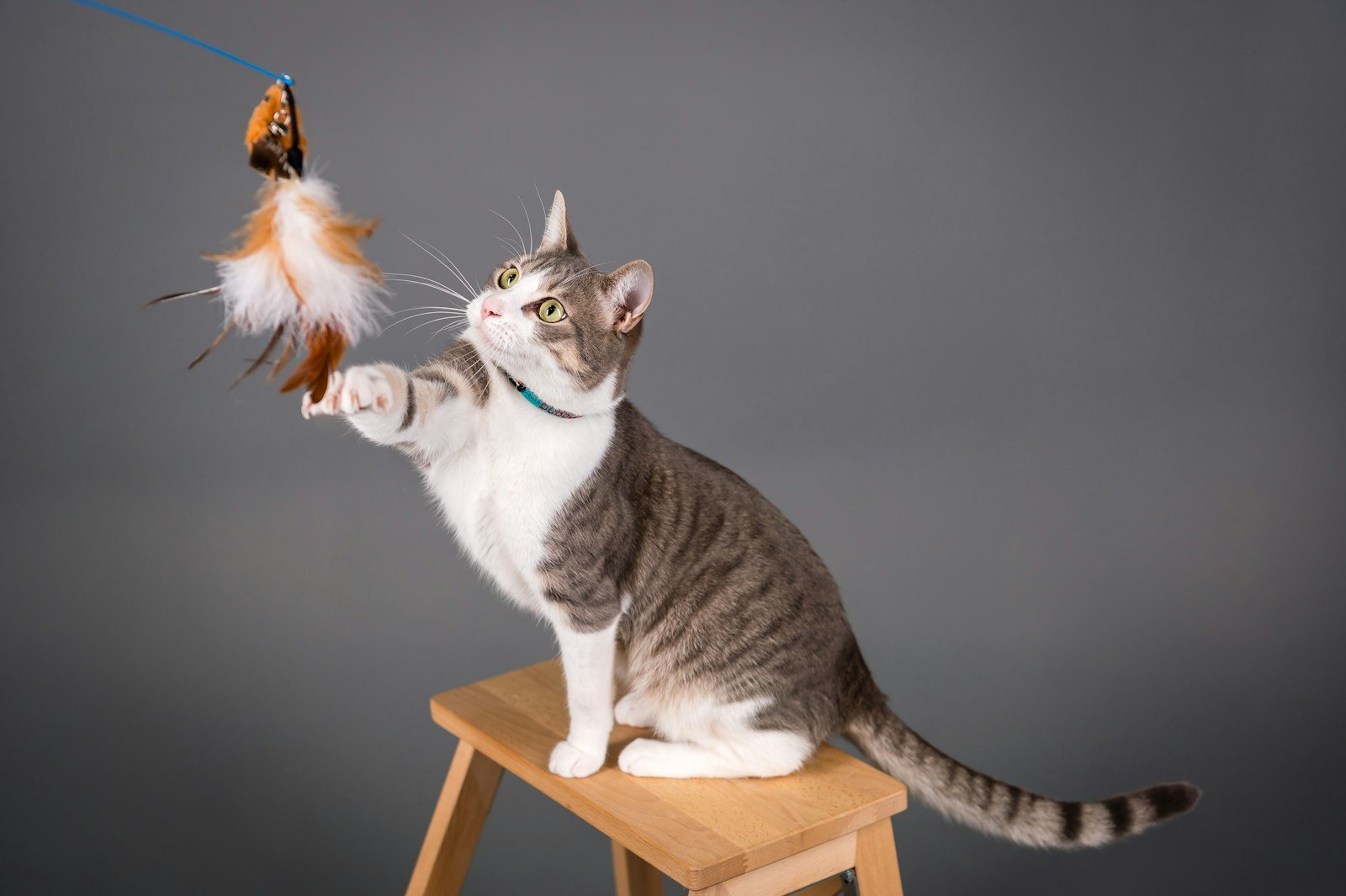
Social activities with humans can be the single most effective way to enrich your indoor cat’s environment. Even just ten to fifteen minutes of interactive play a couple of times per day can provide much-needed stimulation, and you should allow your cat to stalk, pounce, and “catch” the toy at the end of the play session to satisfy their full hunting cycle. Ending a session without the satisfaction of a “catch” can leave some cats feeling restless or frustrated.
A cat’s desire to hunt is not connected to the sensation of hunger. Even well-fed cats will stalk when they see or hear potential prey, and almost anything that moves rapidly or makes a high-pitched sound can trigger this instinctive behavioral response. Play preferences also vary quite a bit. Some cats prefer quiet, slow-moving toys, while others respond strongly to erratic movements or sounds, so observing your cat’s reactions will help you discover what works best.
5. Engage Their Senses With Safe Scents and Plants
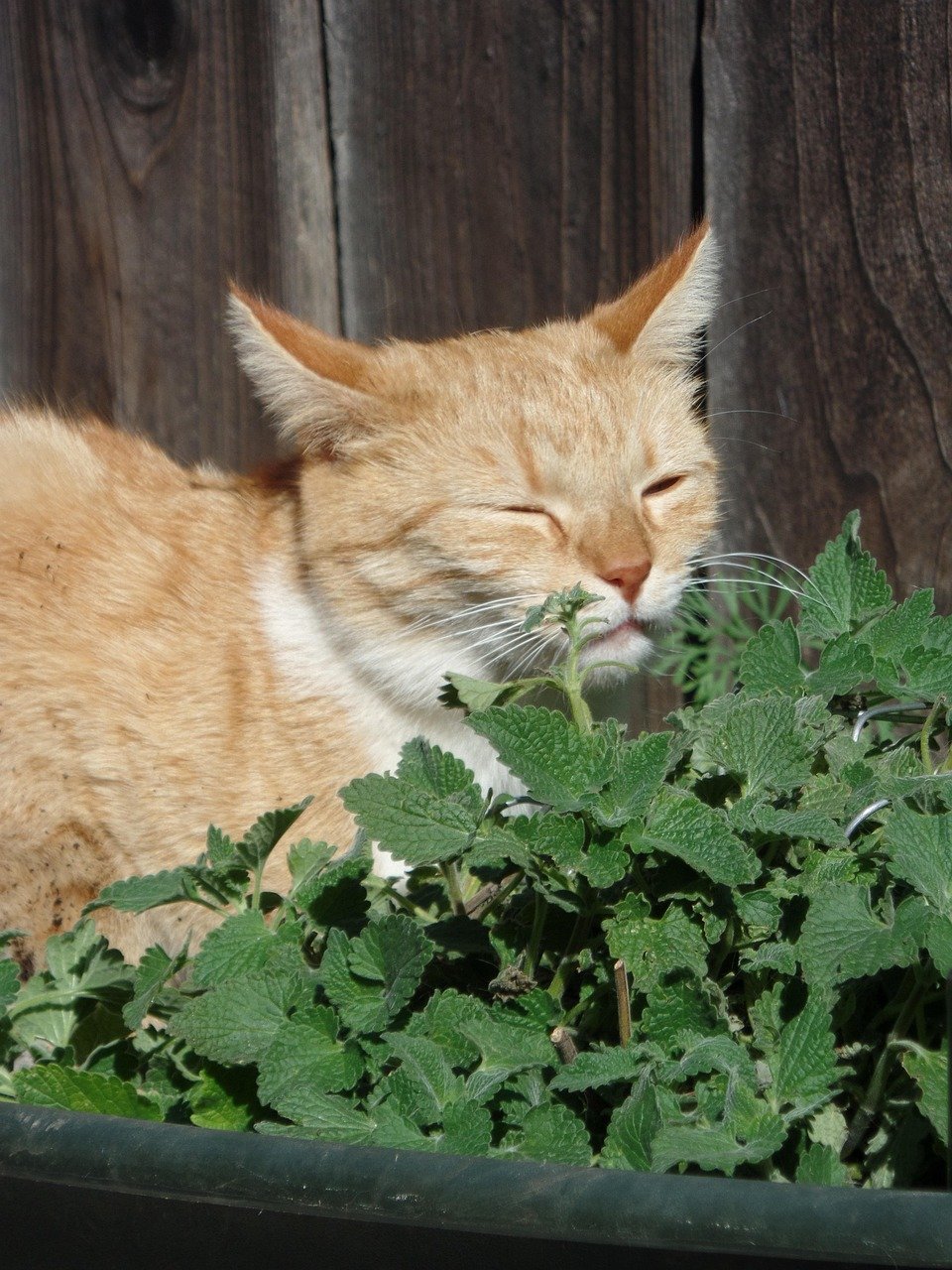
Cats experience the world largely through scent, so providing safe, stimulating scents adds another meaningful layer of enrichment. Catnip, silver vine, and valerian root are popular choices that can encourage both play and relaxation, and you can also introduce potted cat grass, which many cats enjoy nibbling on and which adds natural texture to their environment.
You can create a small indoor cat garden using cat-friendly plants, including cat grass, catnip, silvervine, spider plants, and impatiens. The ASPCA maintains a Toxic and Non-Toxic Plants List that’s worth checking before you introduce any new greenery. You can also rotate toys infused with different natural scents, but always ensure the plants or scents you use are non-toxic and safe for your cat.
6. Rotate Toys Regularly to Prevent Boredom
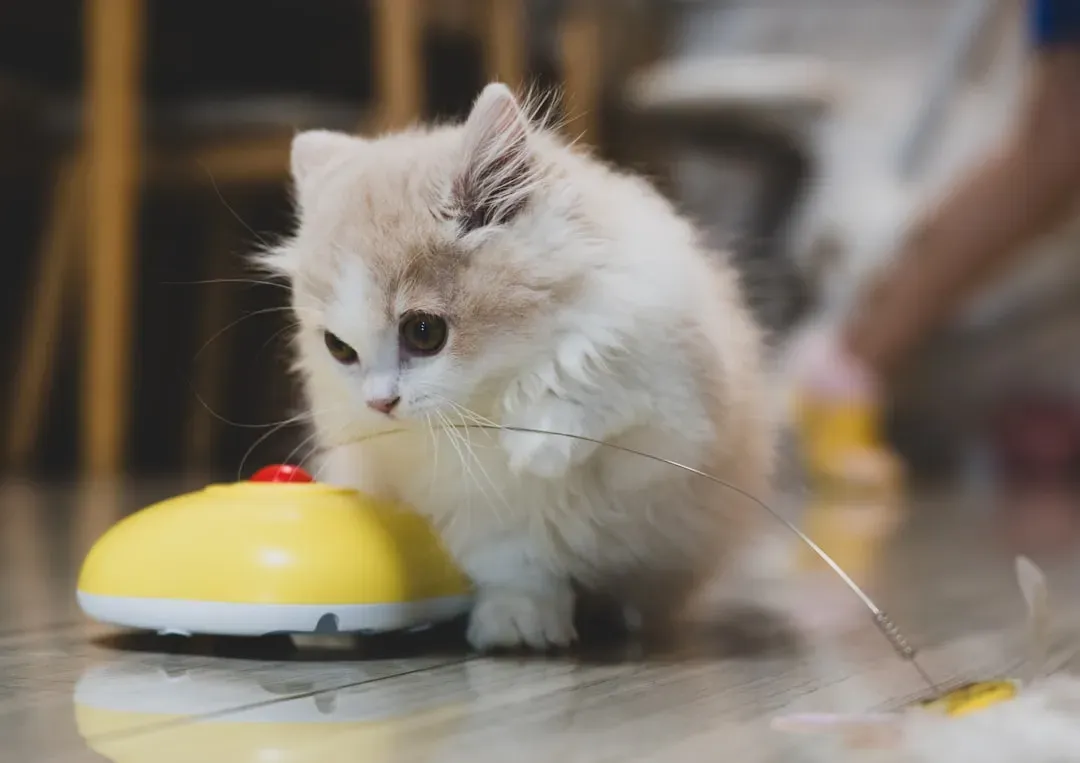
Cats will get bored with a toy after a while, so it’s important to provide only a few toys at a time on a rotating basis to keep their interest alive. Cats tend to lose interest in items that are always available, so rotating toys, perches, or hide-and-seek challenges keeps things fresh and ensures long-term engagement. Even small changes in your home environment, like moving a tunnel to a new room or introducing a different textured blanket, can renew your cat’s interest.
Just like people, cats can get bored with the same toys. Keeping things interesting by swapping toys in and out every few days helps, and storing “resting” toys out of sight means they feel new again when reintroduced. Interactive toys also help strengthen the bond between you and your cat, letting you share fun and positive experiences while providing exercise and allowing your cat to feel like the predator they were born to be.
7. Teach Your Cat Tricks Through Positive Reinforcement
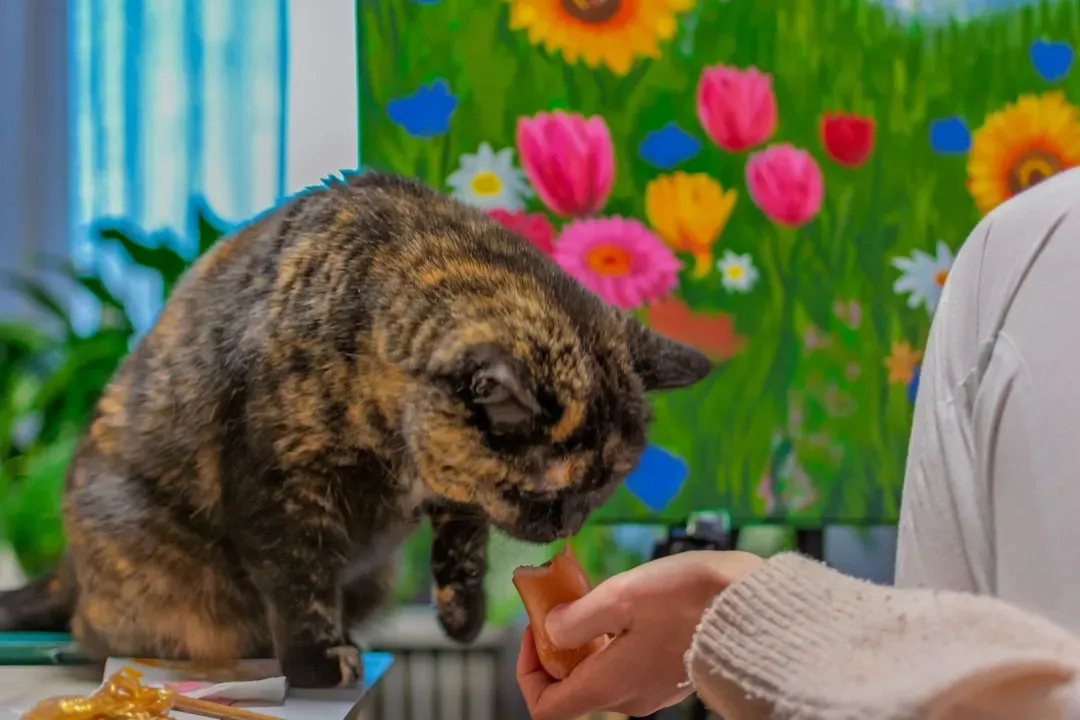
Teaching cues and tricks can provide excellent mental stimulation for cats. Your cat can learn to respond to any number of cues, from “sit” to “down” to “wave,” and using positive reinforcement is both more effective and more fun for both of you. One of the best methods for this is clicker training. Most people assume cats can’t be trained the way dogs can, but with patience and the right incentives, they’re genuinely capable of picking up new skills.
Using positive reinforcement, like praise, a gentle scratch behind the ears, and treats, rewards your cat as they pick up each new trick. Some tricks you can teach include fetching a toy, sitting on command, and giving you a high-five with a gentle swat of their paw. For indoor cats, chronic stress has real health consequences, including an increased occurrence of obesity, type 2 diabetes, and urinary tract issues, but providing your cat with regular activity gives them an outlet for excess energy and can help with problem behaviors like aggression and litter box issues.
Conclusion: Small Efforts, Big Difference
Indoor cat enrichment ideas don’t have to be complicated to genuinely improve your cat’s life. Whether it’s a window perch, a rotating toy drawer, or a five-minute clicker session before dinner, the consistency of your effort matters more than the scale of it. Enrichment for cats means providing outlets for them to act on their natural instincts to run, climb, play, and hunt, as well as giving them activities that challenge them both mentally and physically.
Enrichment isn’t just about keeping your cat entertained. It’s about nurturing their well-being and giving them a fulfilling life. A cat that feels engaged, stimulated, and secure is generally a calmer, healthier, and more affectionate companion. That’s a good deal for everyone sharing the home.
Kristina is a young writer from India. An arts graduate and an avid content creator, Kristina is passionate about animals and wildlife. She enjoys exploring topics related to pet care, animal behavior, conservation, and nature, combining thorough research with engaging storytelling.