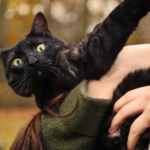
Picture this: your cat watches, utterly transfixed, as water spirals down the drain. Or better yet, you turn on the bathroom faucet and your little furball appears from nowhere, dipping a paw into the stream with barely contained delight. For an animal that supposedly despises all things wet, that’s a strange way to behave. The truth is, the idea that cats universally hate water is one of the most persistent misconceptions in pet ownership.
The real story is far more layered. Cats’ relationships with water are not completely black-and-white, and they love to keep us guessing with their fascinating behavior. Their connection to water is shaped by ancestry, genetics, individual personality, and even the kind of fur they were born with. Once you start pulling on that thread, the whole myth unravels rather quickly.
Where the “Cats Hate Water” Myth Actually Comes From
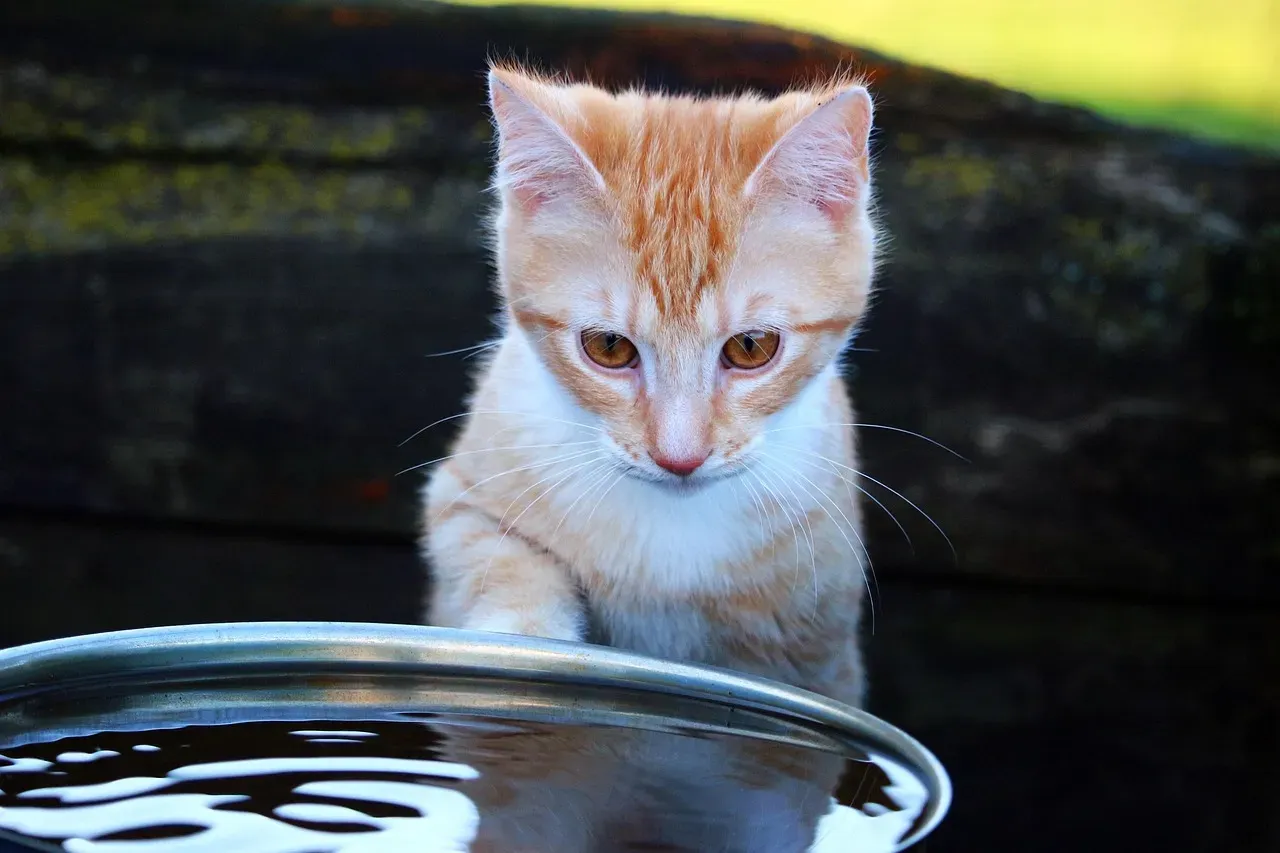
Most assumptions about cats and water trace back, at least partly, to their ancient origins. Domestic cats evolved from a single ancestor from the Middle East, the Near Eastern Wildcat, and because the Middle East has a dry desert climate with scarce water, cats’ ancestors were rarely exposed to rain, lakes, and rivers, so all water besides drinking water was unfamiliar to them. That unfamiliarity carried forward through thousands of years of evolution.
Even though many of their kitty descendants come in contact with water much more often, their ancestral reluctance lives on. So when your cat retreats at the sight of a bath, it isn’t necessarily expressing hatred. It’s following a deeply buried script written long before your house, your bathtub, or you ever existed. The behavior has roots, but that doesn’t make it an absolute rule.
Why Most Cats Dislike Getting Wet (It’s Not Just Drama)
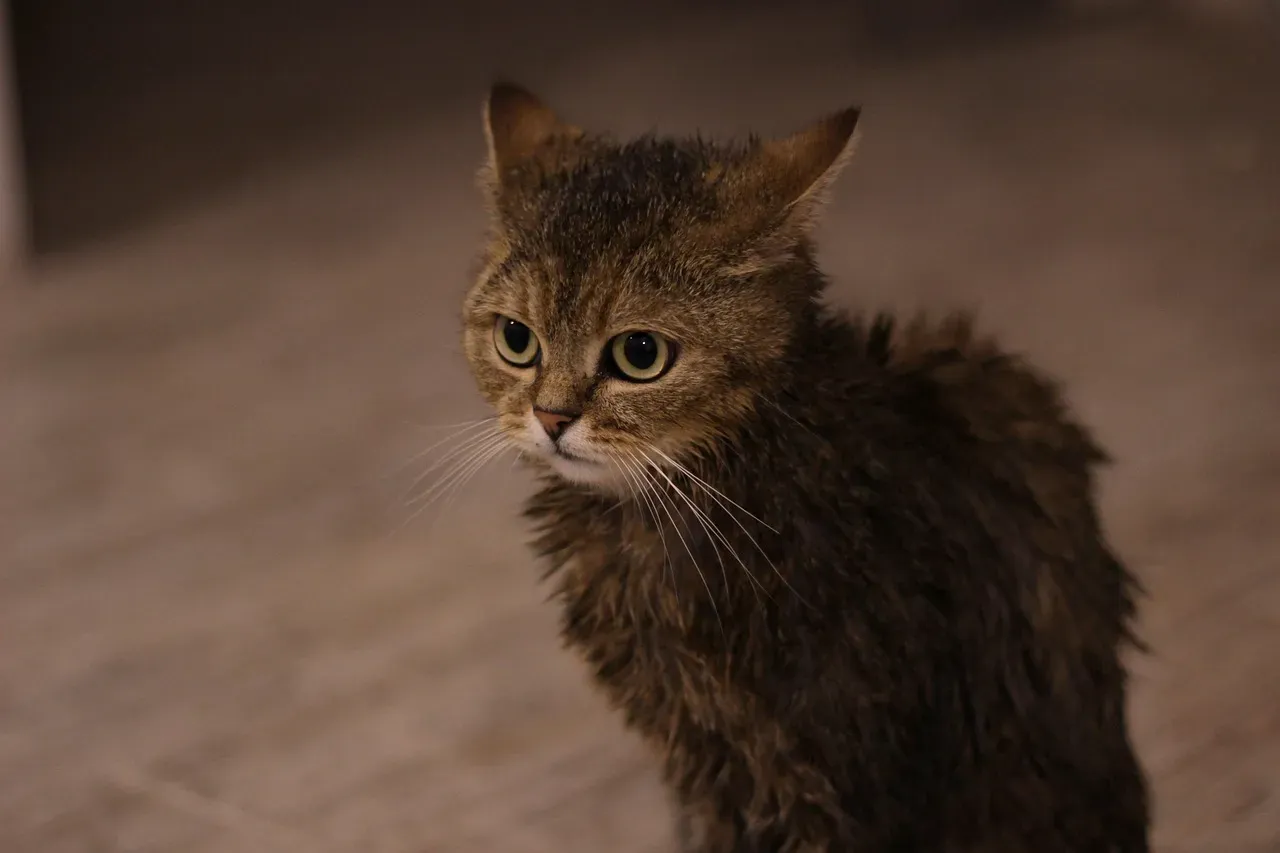
There are a few solid, practical reasons why many cats genuinely prefer to stay dry. Most cats’ fur is soft and holds water, so if their coat gets waterlogged it gets very heavy and weighs them down. Not only does this make them cold, but it also means that they could not escape from any predator as quickly, as their wet fur would slow them down. For an animal wired around self-preservation, that’s a significant drawback.
Cats are meticulous self-groomers and spend about 30 to 50 percent of their waking hours carefully grooming themselves. It makes sense they don’t want their coats drenched and all their hard work to go to waste. Then there’s smell. Cats’ strong sense of smell also helps explain why they don’t appreciate water, as felines are especially sensitive to the odors and chemicals found in water, so they don’t enjoy the smells lingering through their groomed coat. It’s less about drama and more about deeply sensible instincts doing their job.
Cats Can Actually Swim – Every Single One of Them
Here’s where the myth gets truly interesting. It might seem hard to believe after watching your cat desperately claw their way out of a tub, but swimming is a natural instinct for all felines. Your cat knows how to swim whether or not they’ve ever had the chance to practice. That’s not a typo. Every cat, regardless of breed, carries this ability within them.
While researchers believe the oldest cats came from desert areas and didn’t need to swim often, cats still evolved to instinctively know how to paddle their feet and keep their heads above water. Many wild cats swam across rivers and lakes to track prey, avoid predators, or get to wherever they needed to go. Your pampered indoor cat still has all of that coded into their biology. Contrary to popular belief, domestication did not erase swimming from the feline skillset, and domestic house cats, no matter how pampered, know how to swim when their lives depend on it.
The Cat Breeds That Actually Love Water
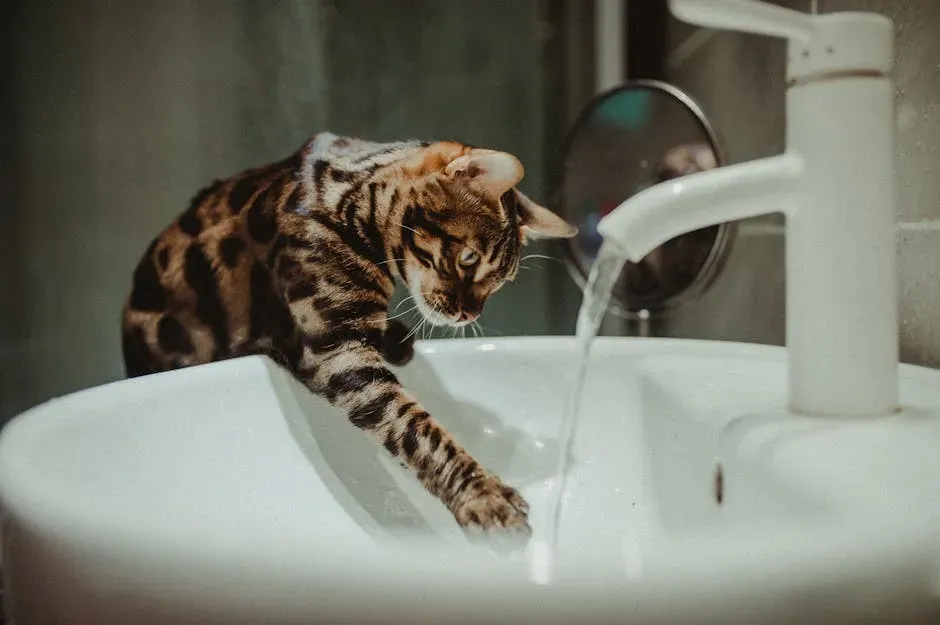
Some breeds don’t just tolerate water – they actively seek it out. The Turkish Van is known as the “Swimming Cat.” This rare and ancient breed is naturally fond of water and takes its name from Lake Van in southeastern Turkey. They have a single coat of water-resistant fur with no undercoat. Their coat structure makes getting wet far less unpleasant than it would be for most other cats.
Bengals’ wildcat ancestry from Asian leopard cats might contribute to their attraction to water. Savannahs also have wild cat genes from the African Serval. Maine Coons adapted to the harsh Maine climate, and their thick, water-repellent fur might contribute to their greater appreciation for water compared to other breeds. These aren’t outliers so much as proof that the “water-hating cat” is genuinely more of a stereotype than a species-wide truth.
Why Your Cat Is Fascinated by the Dripping Faucet
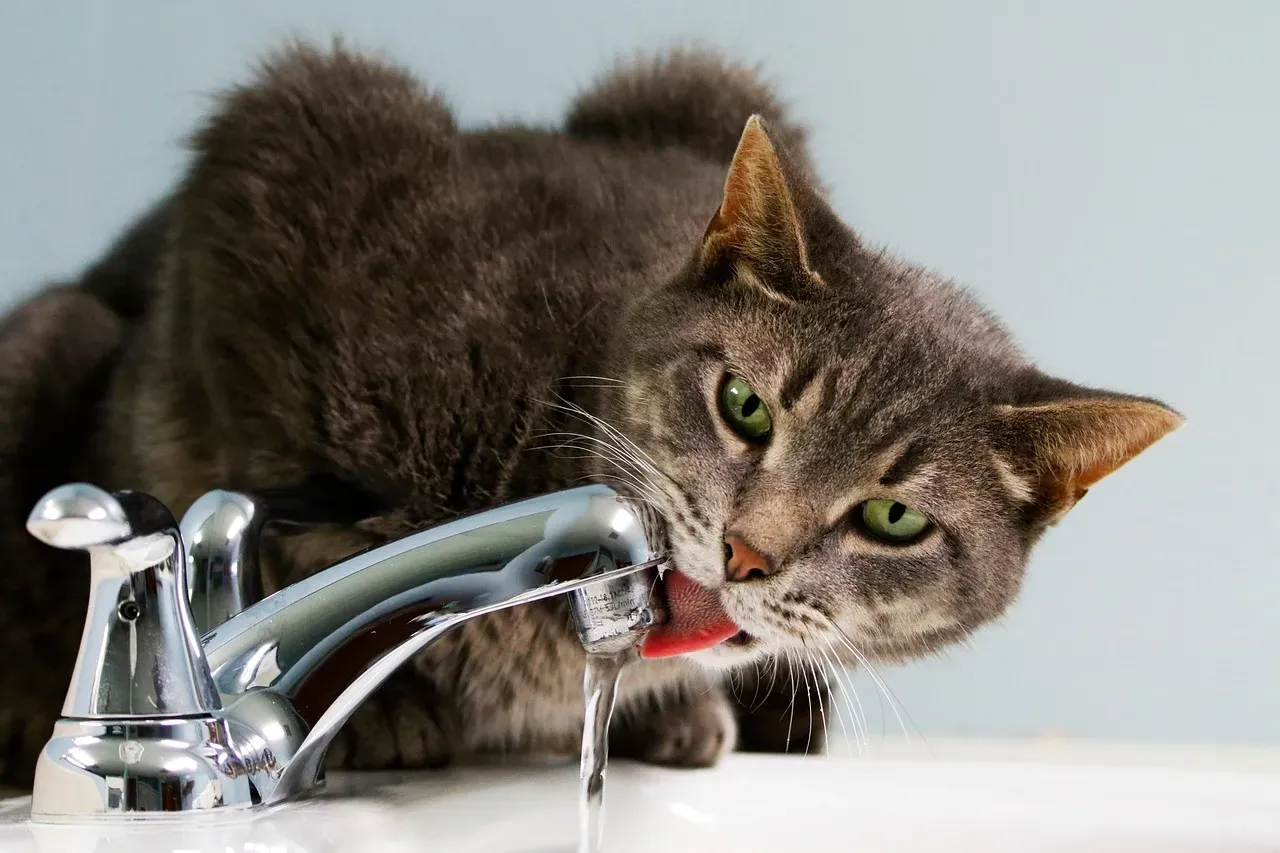
If your cat has ever perched beside the kitchen sink staring at a dripping tap, you’ve witnessed something rooted in ancient logic. Cats’ preference for running water is deeply rooted in their evolutionary history. Wild cats learned that moving water sources like streams and rivers were typically safer and fresher than stagnant pools, and this ancient survival instinct remains strong in domestic cats today, making them naturally drawn to the sight and sound of flowing water.
Cats do not see still water as easily as humans do. Their vision is designed to detect motion, which is excellent for hunting but not ideal for spotting a clear, motionless surface. A still bowl can appear invisible or confusing, especially in certain lighting. Cats’ whiskers are intricate touch receptors connected to their nervous system. When your cat goes to drink water out of a bowl, her whiskers may touch the bowl and the water itself, which can stress or overstimulate her and lead to what is known as “whisker fatigue.” Running water sidesteps that discomfort entirely.
The Curious Cat: Playing With Water Is Not the Same as Hating It
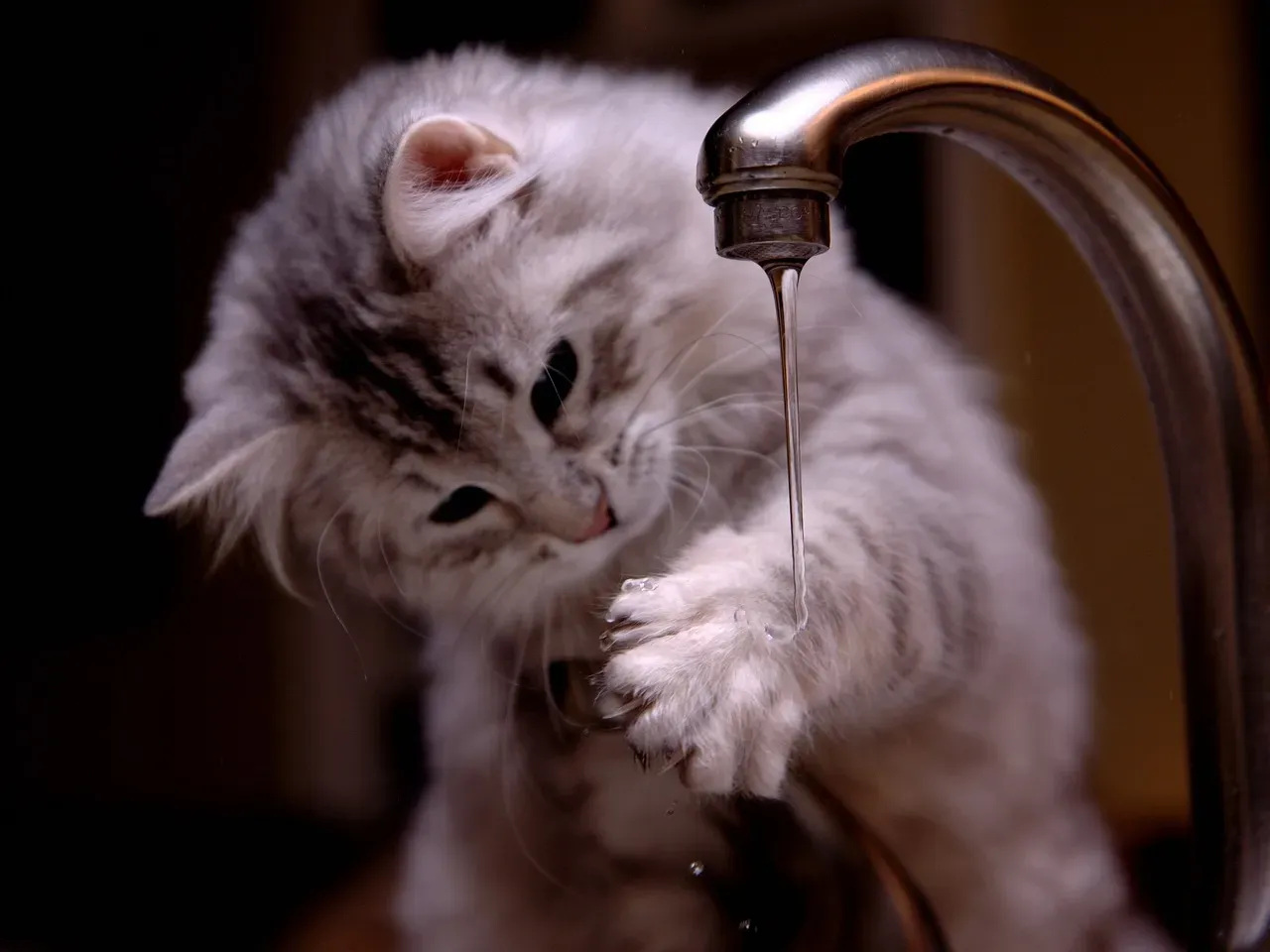
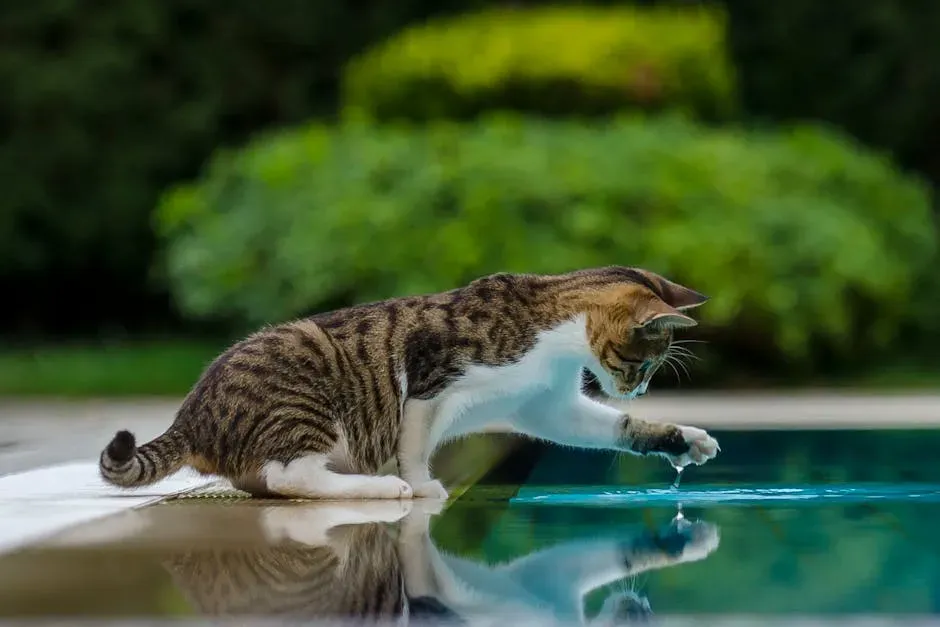
There’s an important distinction that often gets overlooked in this conversation. While it’s true that many cats do not like to swim or be fully submerged in water, this doesn’t necessarily mean they hate all forms of water. Some cats may actually enjoy playing with water, such as batting at dripping faucets or playing with toys in a shallow pool of water. Your cat’s relationship with water is almost certainly more nuanced than you’ve given it credit for.
The cats who do like water probably fit into one of three categories: curious cats, copycats, and swimming cats. Curious cats are the ones that love watching the faucet run, splashing in their water bowl, and generally having fun playing with water without actually getting very wet. Copycats are the ones who surprise you in the bathroom. They like to do what their owners do, including taking a shower. Swimming cats are the ones who will deliberately get wet and seem to have a natural affinity for water. Any of those sound familiar?
When a Sudden Love of Water Could Signal Something Medical
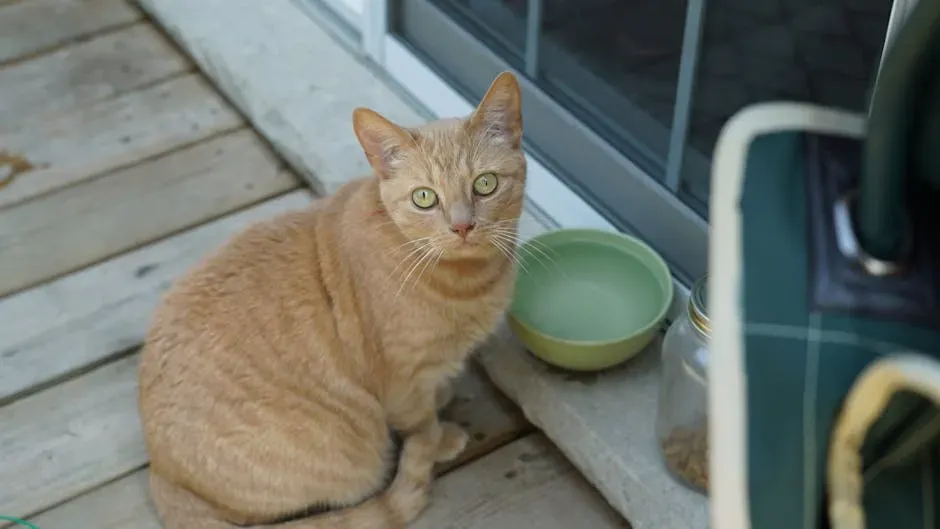
You should pay attention if your cat’s water behavior shifts dramatically without any obvious reason. If your cat was a typical “water is my nemesis” cat and is now more of a “show me the water” cat, you may want to have your veterinarian check them out, particularly if they’re an older cat. Health issues that are associated with increased thirst, like hyperthyroidism, diabetes, and kidney disease, could be the underlying reason behind your cat’s change of heart.
If your cat is showing signs of increased thirst, like drinking from the faucet, drinking from a sink or toilet, or drinking more than a cup of water per 10 pounds of body weight each day, it’s a good idea to take them for a health check. Not all new water curiosity is a red flag, but it’s worth noting when a cat who never showed interest in water suddenly can’t seem to get enough of it. Context matters here.
How to Help Your Water-Reluctant Cat Stay Hydrated
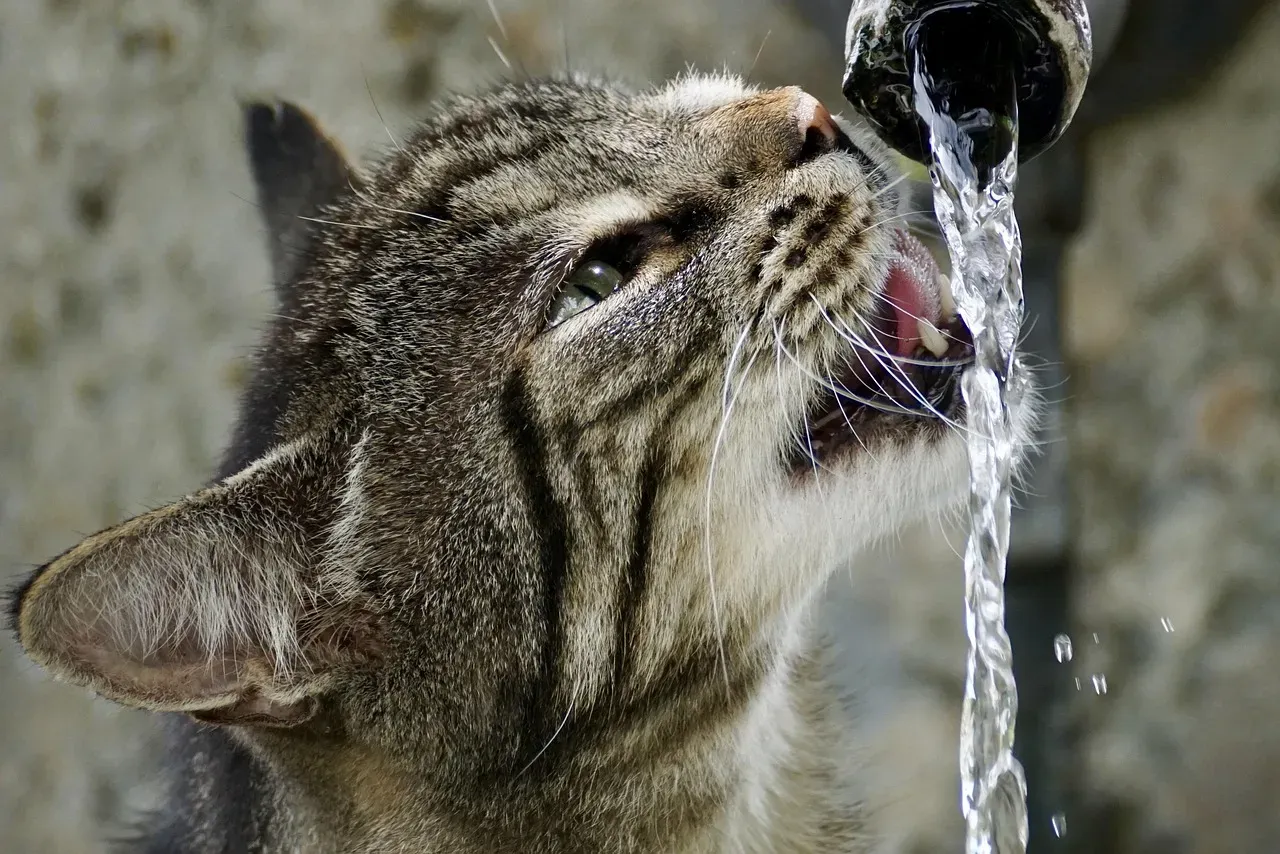
Given that many cats don’t drink enough on their own, making water more accessible and appealing is genuinely worthwhile. One option is to provide a cat water fountain, which can mimic the sound and movement of running water and may encourage cats to drink more. It works with your cat’s instincts rather than against them, which is almost always the more effective approach.
Many cats avoid drinking water that’s placed right next to their food bowl. This behavior likely comes from their survival instinct. African wildcats usually avoid eating their prey near their water source because the water could become contaminated by the remains of the prey. Our pet cats have the same natural instinct. Cats’ urine will actually become more concentrated if they’re not getting enough water to help their bodies adjust. Because cats may not drink enough on their own, it’s helpful to feed them some wet, canned food alongside dry food to ensure they get extra water through their food and stay well hydrated.
How to Introduce Your Cat to Water Without Stress
If you’re curious whether your cat might actually enjoy water, the key is patience and positive reinforcement. Teaching your cat to comfortably explore water is all about desensitization and positive reinforcement. If cats are up for it, they can learn new things at any age. Forcing the process, on the other hand, can create lasting negative associations that are genuinely difficult to undo.
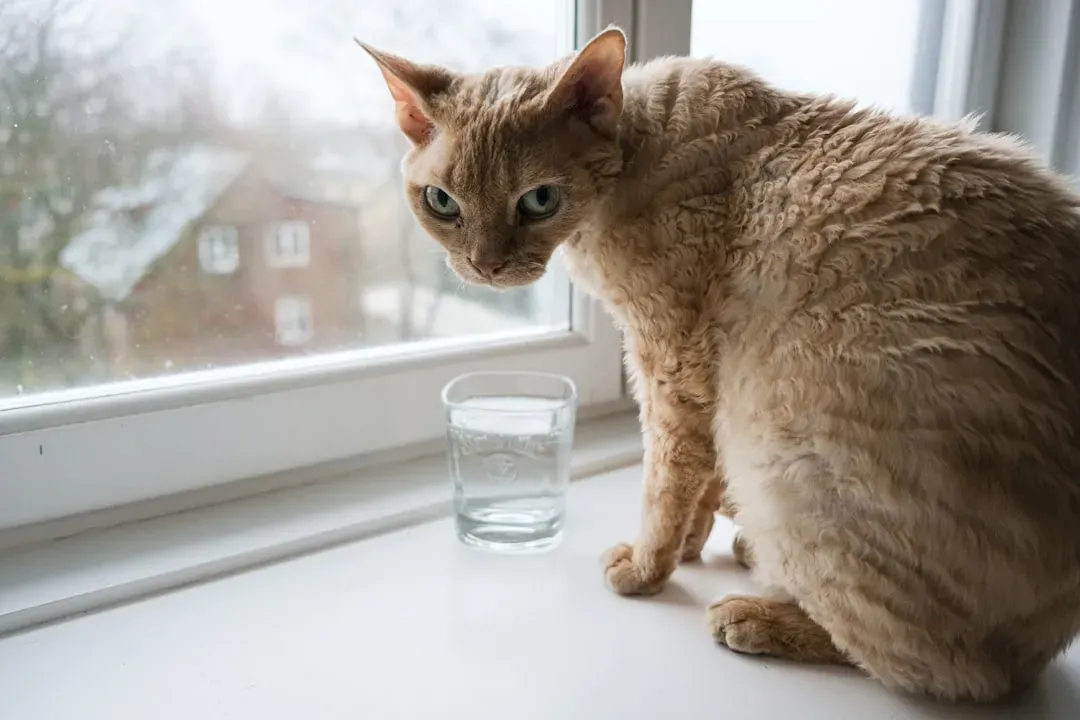
It is possible, though challenging, to train your cat to like water, particularly if they are still a kitten. As with most experiences, if a cat is bathed often as a kitten, they tend to like or at least tolerate water better than an adult cat with no previous water exposure. Running water, ponds, fountains, or even leaving glasses of water around the house can help enrich your cat’s environment. With patience and gentle training from a young age, many cats can learn to tolerate a bath. Start small, reward often, and let your cat set the pace.
The Verdict: A Myth That Deserves to Be Retired
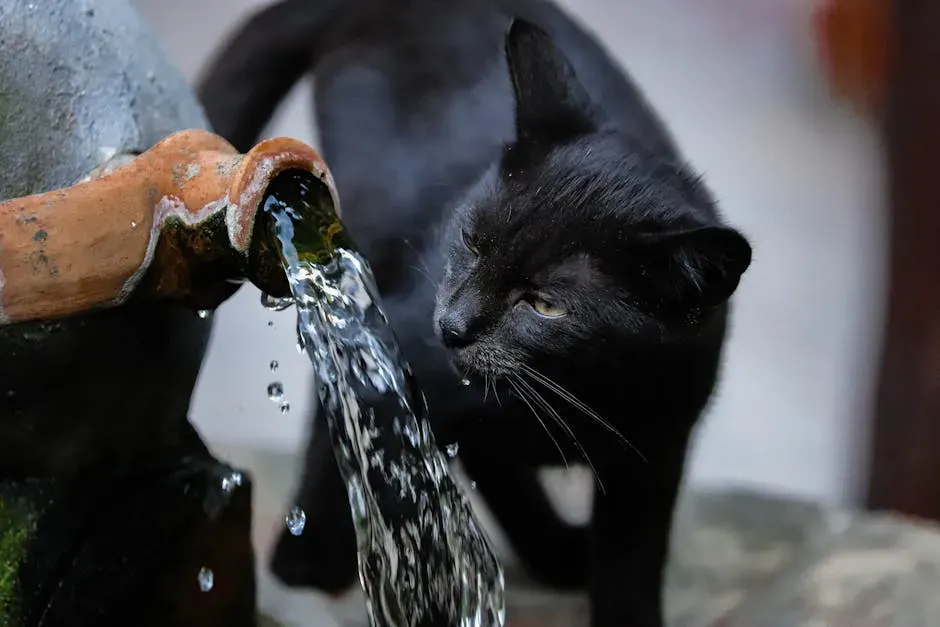
The idea that all cats universally hate water is, at best, an oversimplification. It’s true that most cats have a strong aversion to water, but not all of them. It depends on their breed, their water experiences as kittens, and, of course, their individual personalities. That’s a far more honest picture than the cartoon version of a cat clinging to the ceiling at the sight of a bath.
Cats’ attitudes toward water are deeply rooted in their evolutionary history. Descended from desert-dwelling African wildcats, domestic cats inherited a naturally low thirst drive and the ability to obtain most of their hydration from prey. This heritage explains why some cats appear hesitant around large bodies of water while remaining perfectly capable of interacting with it when necessary. Your cat is shaped by millions of years of survival strategy, and water is just one small piece of a far bigger story worth knowing.
The next time your cat watches the tap with those wide, calculating eyes, consider that you might not be looking at fear. You might be watching pure, ancient curiosity doing exactly what it was built to do.
Kristina is a young writer from India. An arts graduate and an avid content creator, Kristina is passionate about animals and wildlife. She enjoys exploring topics related to pet care, animal behavior, conservation, and nature, combining thorough research with engaging storytelling.