There’s something about the ocelot that stops you in your tracks. It’s not the biggest cat in the Americas, not the loudest, and certainly not the easiest to spot. Yet once you know what you’re looking at, it’s hard to imagine a more precisely engineered predator. Small enough to slip through dense jungle underbrush, beautifully marked enough to stop human civilizations in their tracks for centuries, and ecologically important enough that whole forest communities depend on its presence.
The ocelot is one of the largest small wild cats found in the Americas. These medium-sized felines live in Central and South America, particularly in northern Argentina, Mexico, and Brazil, yet their story reaches all the way to the brushlands of South Texas. What makes this cat so genuinely remarkable goes well beyond its famous spotted coat. Here are eight reasons the ocelot stands in a class of its own.
A Coat Pattern That Belongs to No One Else
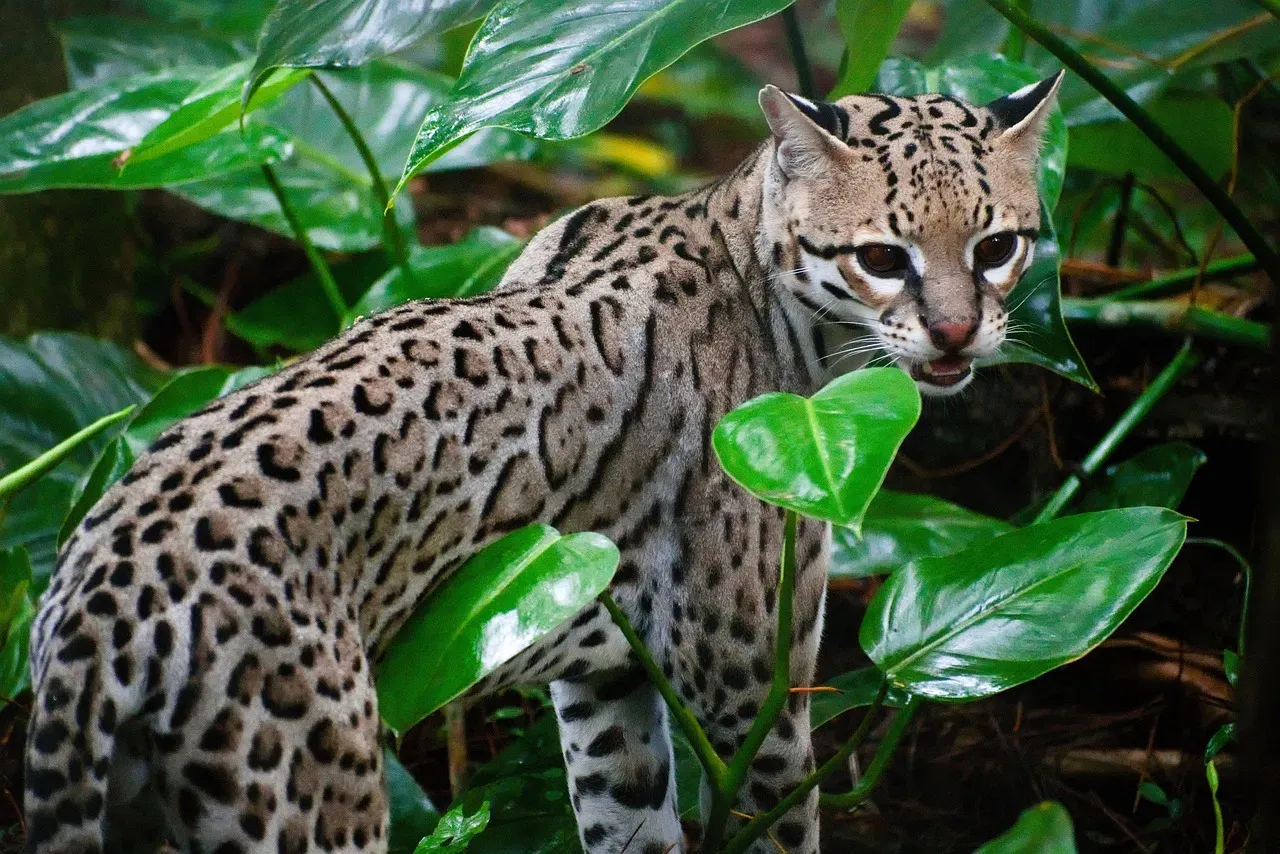
You could line up a hundred ocelots and not find two that look exactly alike. Each ocelot has a unique color pattern, which can be used to identify individuals. Researchers and wildlife biologists have used this trait for years, photographing ocelots on camera traps and comparing their markings to track individual animals across vast home ranges without ever needing to capture them.
The right and left side patterns and color of an ocelot’s coat are not the same, making the asymmetry part of what makes each animal visually distinct. The coat features a complex pattern of black-bordered spots, rosettes, and stripes set against a tawny, yellow, or reddish-gray background, and this intricate design creates disruptive coloration, functioning as camouflage by breaking up the cat’s outline in the patchy light of the forest floor and canopy. It’s one of the most effective natural disguises in the animal kingdom.
Night Vision Built for Total Darkness
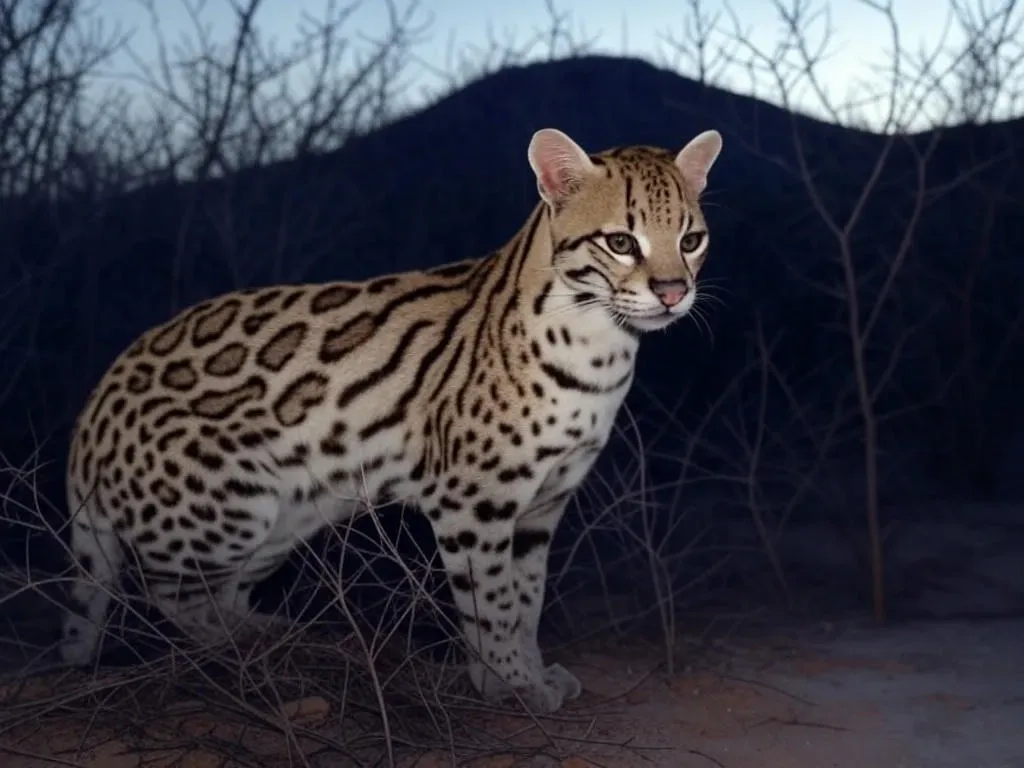
Ocelots are nocturnal, meaning they’re most active at night. To make this lifestyle work, they’ve evolved a remarkable visual system. For hunting in low-light conditions, the ocelot uses superior sensory tools, including night vision supported by the tapetum lucidum, a reflective layer behind the retina that maximizes light absorption. This is the same biological structure that makes a cat’s eyes glow when you catch them in a flashlight beam at night.
Like all small cats, ocelots have very good vision and hearing. Their eyes have a layer that reflects light, so ocelots see much better in the dark than we can. In fact, it is as easy for an ocelot to walk around at night as it is for you to walk around during the day. On top of that, long whiskers help ocelots feel their way around in the densest of cover, giving them a near-complete sensory picture of their surroundings even when visibility drops to almost nothing.
An Extraordinary and Diverse Diet
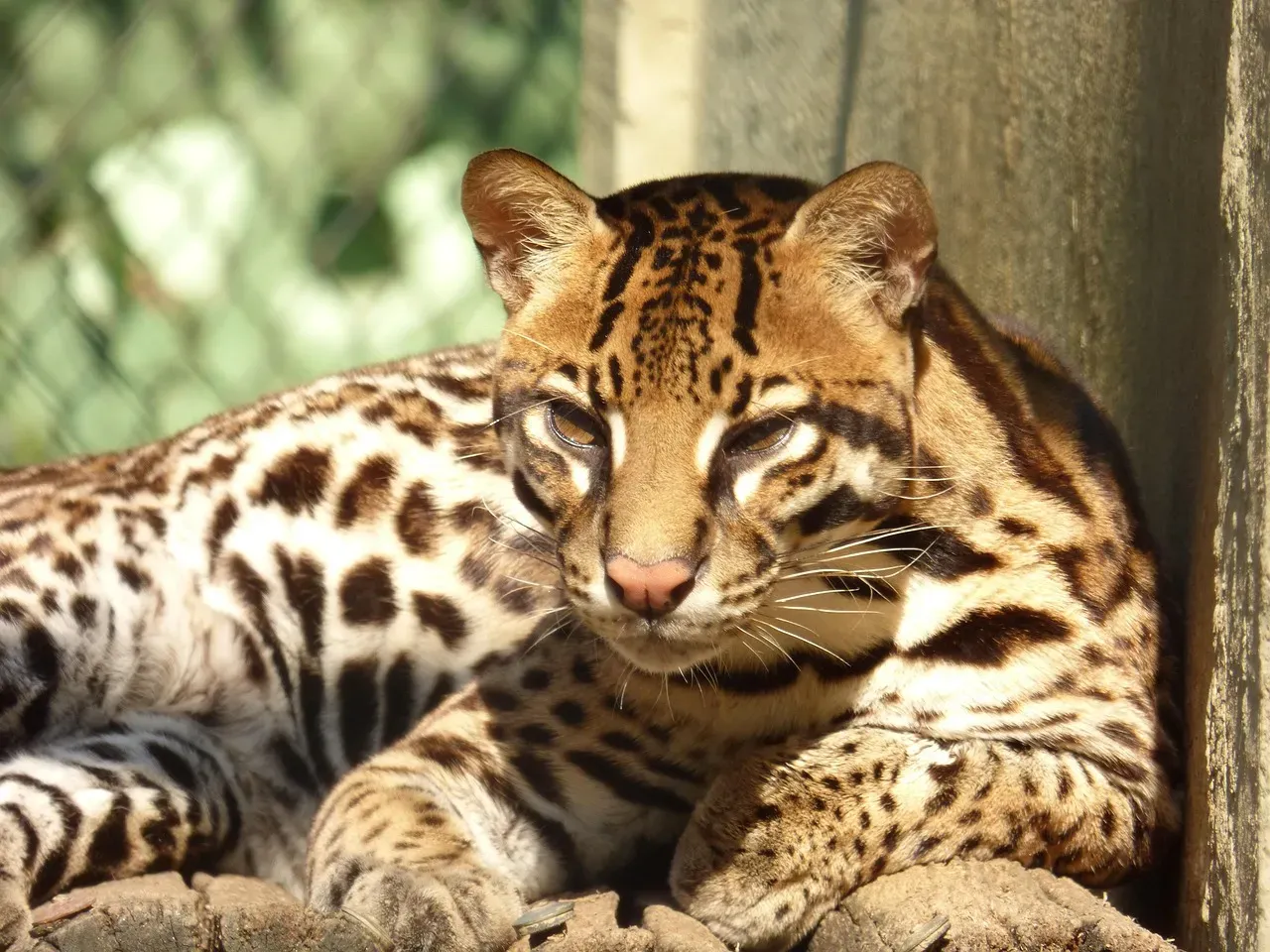
Ocelots are not picky eaters and can eat up to 80 different types of animals. You might assume a cat this size sticks to rodents and little else, but the ocelot’s menu is genuinely impressive. They use their sharp vision and hearing to hunt rabbits, rodents, iguanas, fish, frogs, monkeys, and birds. That range of prey – from fish pulled from shallow streams to monkeys plucked from low branches – reflects just how versatile this hunter really is.
The ocelot’s strong forepaws and skull allow it to prey on bigger species such as sloths, monkeys, peccaries, and deer, which is remarkable given its medium size. What’s more, most cats remove feathers and fur from their prey as they eat it, but ocelots pluck off all the feathers and fur before they start to eat it. That level of fastidiousness in a wild predator is genuinely unusual, and it sets the ocelot apart from nearly every other small cat species in its range.
A Stealthy and Patient Ambush Hunter
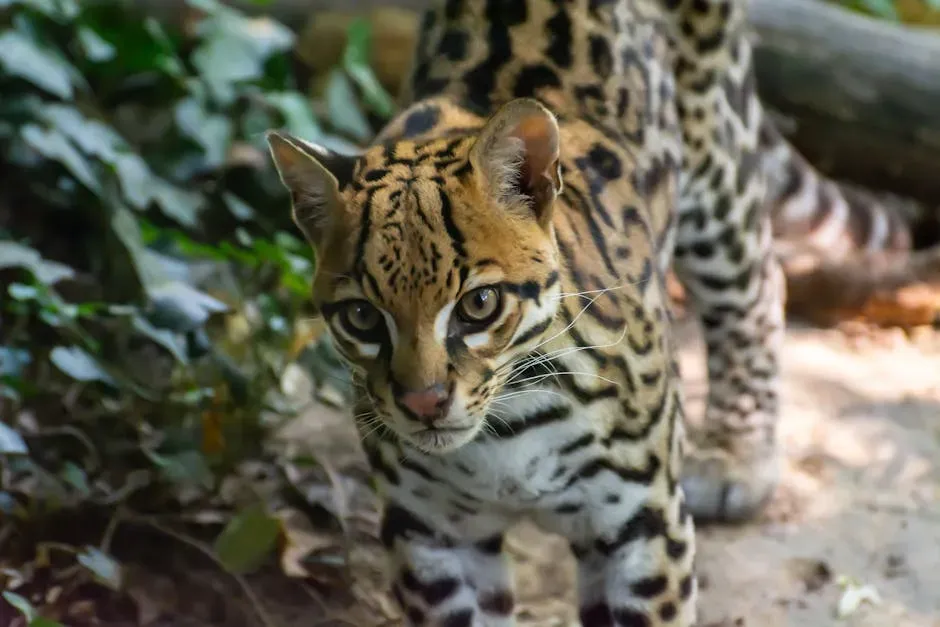
The ocelot is primarily an ambush predator, employing a patient and stealthy approach rather than engaging in long pursuits. Its hunting behavior revolves around silent movement and utilizing dense cover to get close to its target before making a swift, powerful pounce. Patience is the key weapon. Unlike cheetahs built for speed, the ocelot is built for precision and surprise.
The cat often moves slowly along game trails, listening intently for signs of prey. One common technique is the “sit and wait” strategy, where the ocelot remains motionless, sometimes for up to an hour, near a prey trail or water source. Alternatively, the “hunting walk” involves a slow, deliberate stalk once the cat detects an odor or sound cue. Ocelots also exhibit a remarkable ability to adapt their hunting strategies based on the type of prey and environmental conditions. For example, when targeting arboreal creatures, they leverage their climbing skills to navigate trees and branches stealthily. Conversely, when hunting ground-dwelling animals, they use the terrain to their advantage, blending seamlessly with the surroundings to launch a surprise attack.
An Impressive and Vast Geographic Range
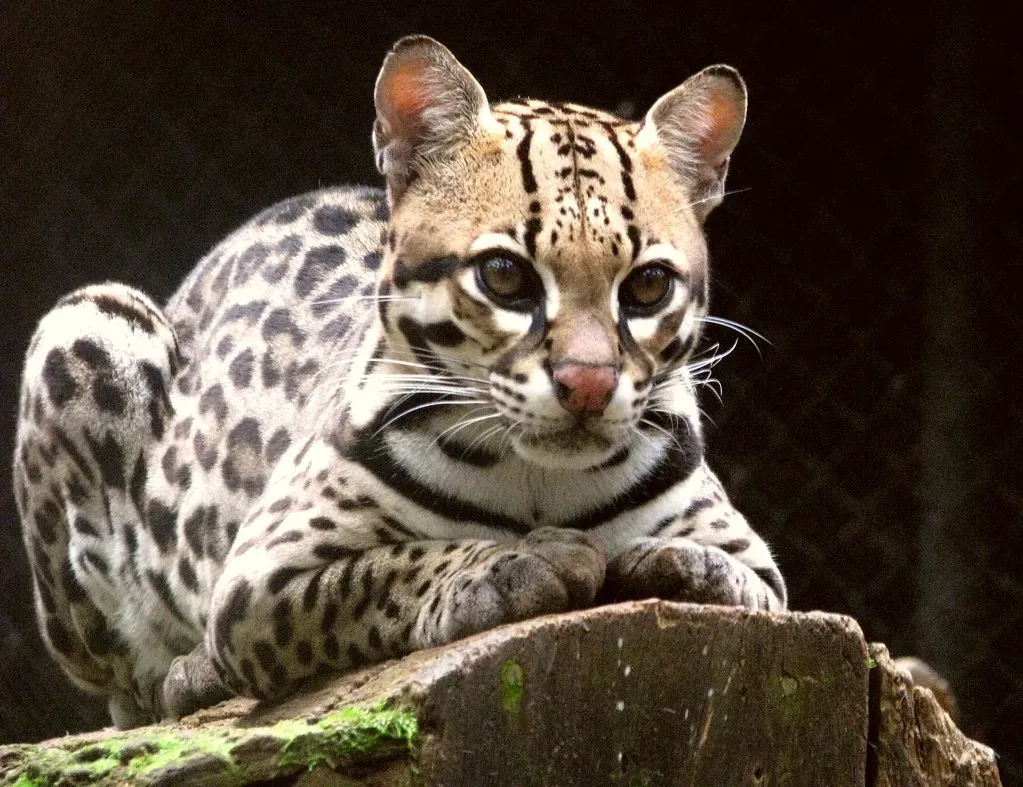
The ocelot’s wide range stretches from northern Mexico down to Argentina, with a few isolated populations in the United States. They have been known to live in a wide variety of habitats including savanna grasslands, woodlands, mangroves, swamps, and various types of dense forests. Few medium-sized wild cats span such a variety of ecosystems so successfully. The ocelot’s adaptability is, quite simply, exceptional.
Ocelots are found in a variety of habitats, including tropical forests, savannah grasslands, mangrove forests and marshes, and thorn scrub regions. They generally live at elevations below 1,200 meters, but have been sighted at 3,800 meters as well. Their primary habitat requirement is dense vegetative cover. From sweltering lowland rainforest to dry scrubland bordering the Texan desert, if the cover is thick enough and the prey is present, an ocelot can call it home.
A Fingerprint in Fur: How Each Individual Is Identified
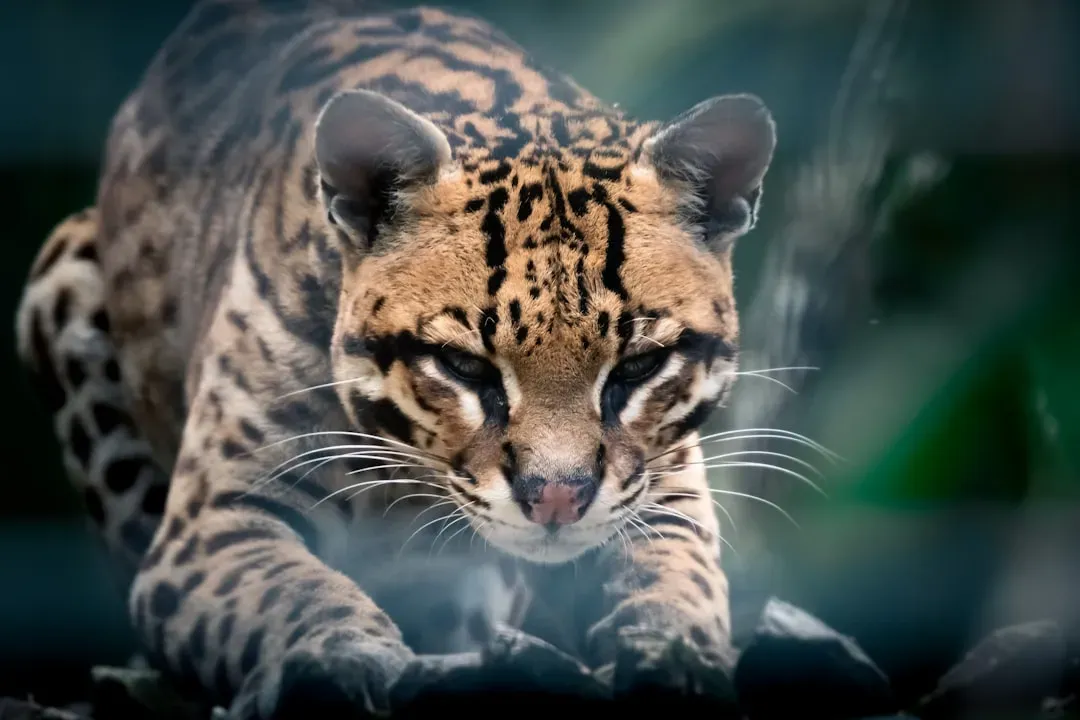
Each ocelot has a unique fur pattern, which can be used to identify individuals, much like human fingerprints. This has transformed how scientists study the species in the wild. Rather than relying on invasive capture methods, researchers can set up camera trap networks across large areas and identify every ocelot that passes by based on its coat alone. It’s a cleaner, less stressful way to monitor wild populations.
Each ocelot has a unique fur pattern, similar to human fingerprints, which researchers use for identification, and this approach has been critical in fragmented landscapes where capturing individual animals repeatedly would be impractical. Pelage coloration also varies with habitat, as ocelots from arid scrub regions have grayer coats than those found in tropical forests. So even between populations, the coat tells a story about where the animal lives and how it’s adapted to its specific environment.
A Crucial Role as a Mesopredator in Forest Ecosystems

Ocelots occupy a functional role in the food web known as a mesopredator, meaning they are mid-level carnivores that primarily prey on smaller animals. This position is significant because it exerts top-down control on numerous prey species, preventing their populations from becoming unsustainable. When you remove a predator like the ocelot from an ecosystem, the consequences ripple outward in ways that aren’t immediately obvious but are deeply damaging.
As predators, ocelots play a role in keeping prey populations like small and medium-sized rodents in check and ensuring healthy forest regeneration. The ocelot serves as a living barometer for the overall health and connectedness of its environment. Ocelots are highly dependent on dense vegetative cover for hunting, resting, and raising their young, and they actively avoid open areas and human settlements. Their reliance on this specific habitat structure means their continued survival signals that a region’s ecosystem is intact and functioning. In short, where ocelots thrive, forests tend to thrive too.
A Conservation Story That Is Still Being Written
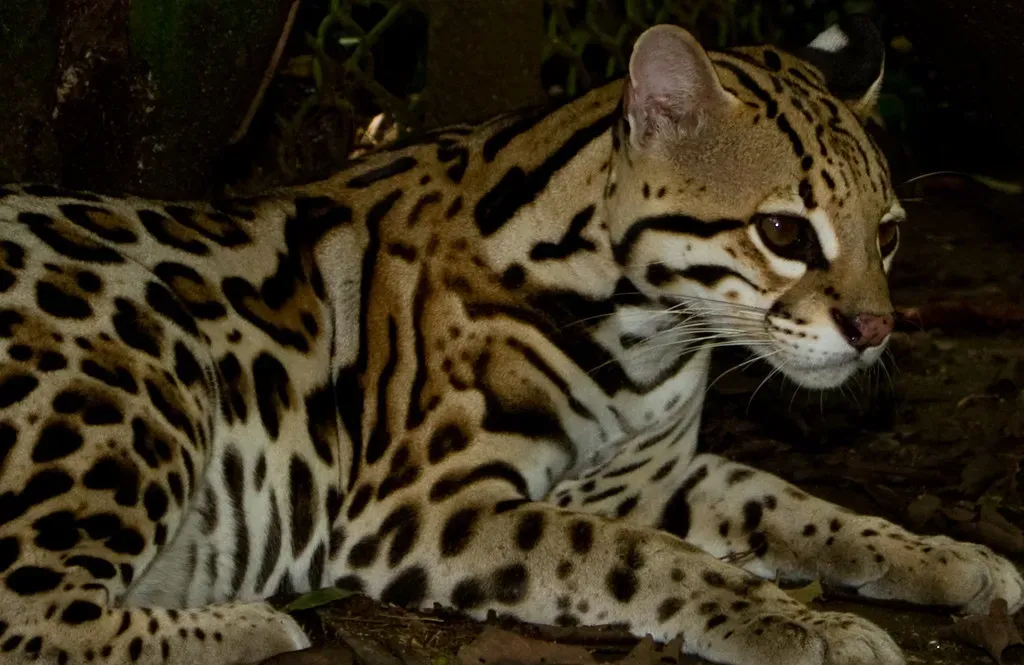
In Mexico and in the United States, the ocelot is listed as Endangered. In the United States, in Texas, the ocelot has declined dramatically, with numbers estimated at a mere 50 to 80 individuals. Vehicular collisions are the leading cause of death for these cats in Texas, a grim reflection of how dramatically human development has encroached on what was once continuous ocelot habitat stretching across the entire Gulf Coast region.
Their small litter sizes and slow growth rates make it difficult for populations to bounce back quickly from these pressures. Yet conservation efforts are gaining ground. Conservationists are working tirelessly to secure the ocelot’s future through habitat protection, the creation of wildlife corridors to prevent road deaths, and managed breeding programs like the Species Survival Plan. The biggest population is thought to live in Brazil, where numbers are thought to reach over 40,000 individuals. In areas of the Amazon basin, ocelot populations seem to be stable, offering a genuine reason for cautious optimism alongside continued vigilance.
Conclusion
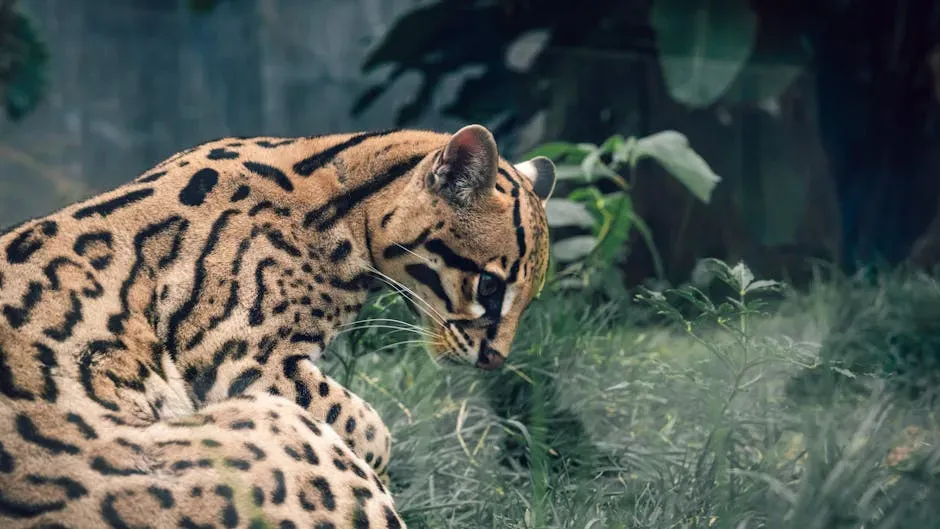
The ocelot is not a cat that shouts for your attention. It moves quietly, hunts at night, and prefers the deep cover of forests over open ground. That restraint is part of what makes it so captivating. Every detail about this animal, from its one-of-a-kind coat to its role in holding entire ecosystems in balance, reflects millions of years of precise biological refinement.
Understanding the ocelot matters not just for wildlife enthusiasts but for anyone who cares about the health of the Americas’ forests. Protect the ocelot, and you protect the ecosystem logic that holds those forests together. It’s a small cat carrying an outsized responsibility, and it’s doing it quietly, in the dark, exactly as it has always done.
Kristina is a young writer from India. An arts graduate and an avid content creator, Kristina is passionate about animals and wildlife. She enjoys exploring topics related to pet care, animal behavior, conservation, and nature, combining thorough research with engaging storytelling.