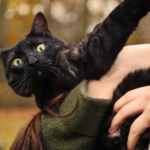
Most cat owners have felt that mix of surprise and slight bewilderment: you wake up to a small, limp offering on the doorstep, or your indoor cat drops a toy mouse at your feet with unmistakable ceremony. It’s tempting to brush it off as odd animal behavior. The truth, though, runs much deeper than that.
At the heart of every domestic cat lies the persistence of a hunter, driven by an instinctual desire to stalk, chase, and capture prey. This instinct isn’t solely an impulse for survival; it’s a deeply ingrained behavioral pattern that shapes how your cat interacts with everything around them. When that behavior gets directed at you, it means something personal.
Understanding what your cat is really communicating through their predatory instincts changes how you see them entirely. These moments aren’t accidental, aggressive, or random. They’re your cat’s most honest language, and they’re almost always speaking about you.
The Ancient Blueprint Behind Every Pounce
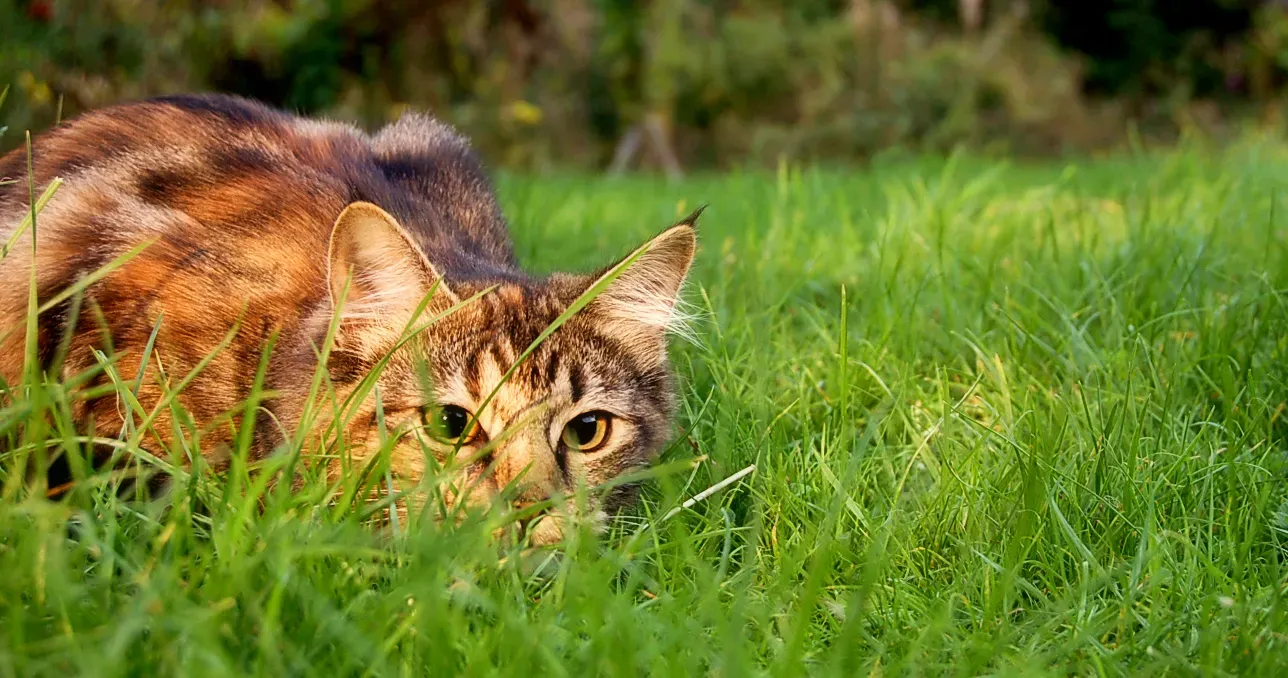
Historically, cats were not kept as pets and fed by loving owners. Before they became domesticated, they had to provide for themselves and hunt for their own food, not unlike their larger tiger and lion cousins. Limited prey meant only the most adept hunters could survive and reproduce. That competitive edge didn’t disappear when cats moved indoors.
Until quite recently, cats were mainly kept to control rodent populations rather than as pets, and during this time only the best hunters survived and reproduced, meaning our pet cats today descended from the most adept hunters. There’s been very little selective breeding of cats, so their instinctive need to hunt remains strong. When your cat crouches low and fixes their gaze on something across the room, that’s thousands of years of evolutionary programming quietly running in the background.
Your Home Is Their Safe Territory
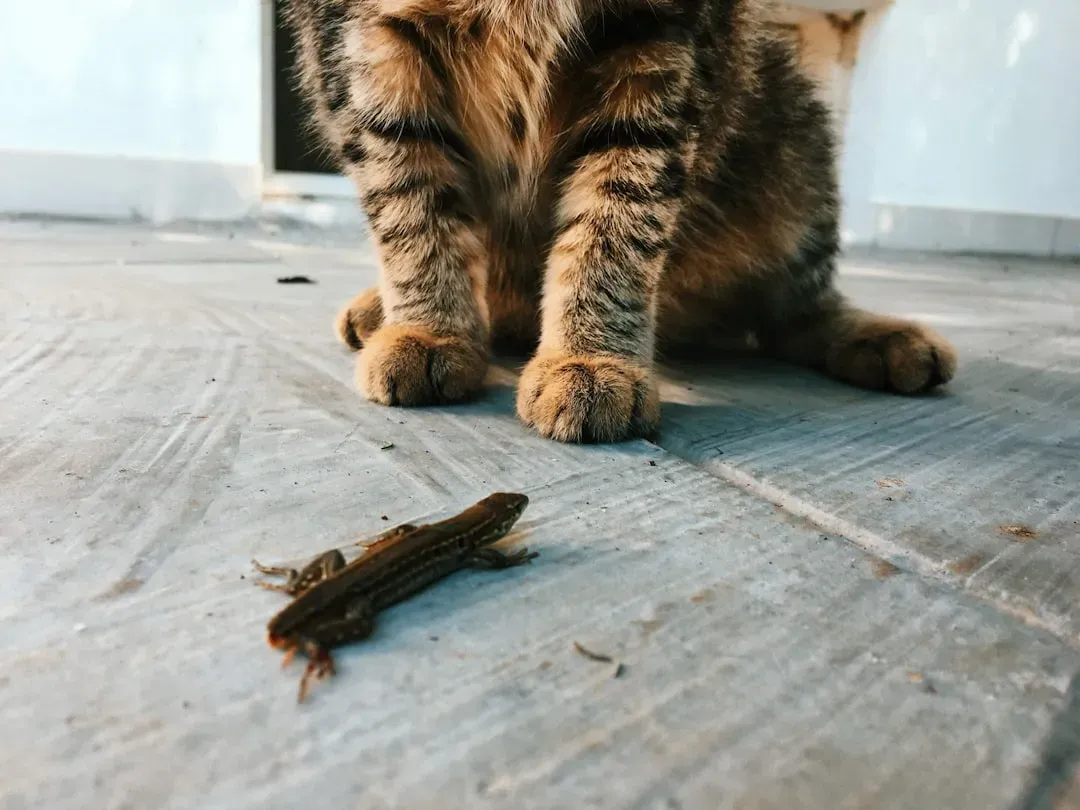
The simple answer to why your cat brings you dead animals is because it’s their natural instinct to do so. Your feline is a tiny predator, and although they have been domesticated for thousands of years, this instinct to stalk and hunt can still be seen in your cat today, even though they have no need to hunt for food. The fact that they bring that hunt back to you specifically matters enormously.
When your cat brings their spoils home to potentially store for later, this shows your cat feels happy and safe in your home, even secure enough to trust you in looking over a potential snack. Your presence in their world doesn’t represent confinement. You represent the safest place they know.
When Your Cat Brings You a Gift, Read the Room
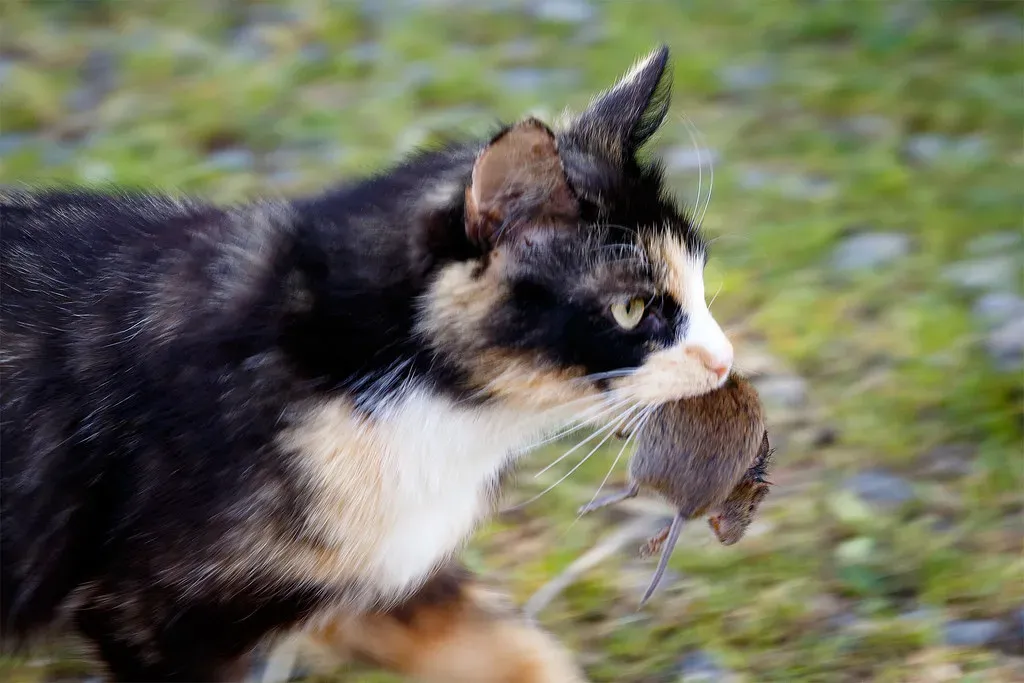
When cats bring dead animals to their owners, it’s their way of showing affection and appreciation. In a feline’s mind, this presentation is akin to offering a gift. By bringing their owners a successful hunt, cats aim to reciprocate the predictable care and provision they receive. This behavior is particularly common in cats who have a strong bond with their owners.
This gift-giving behavior is as instinctual for cats as scratching their posts, grooming their fur, kneading, and other classic feline activities, and it’s actually a positive indicator of how they feel about you. The instinct to share their most prized resource with you is, in its own quietly profound way, one of the most meaningful things your cat can do.
The Maternal Connection You Didn’t Know You Had
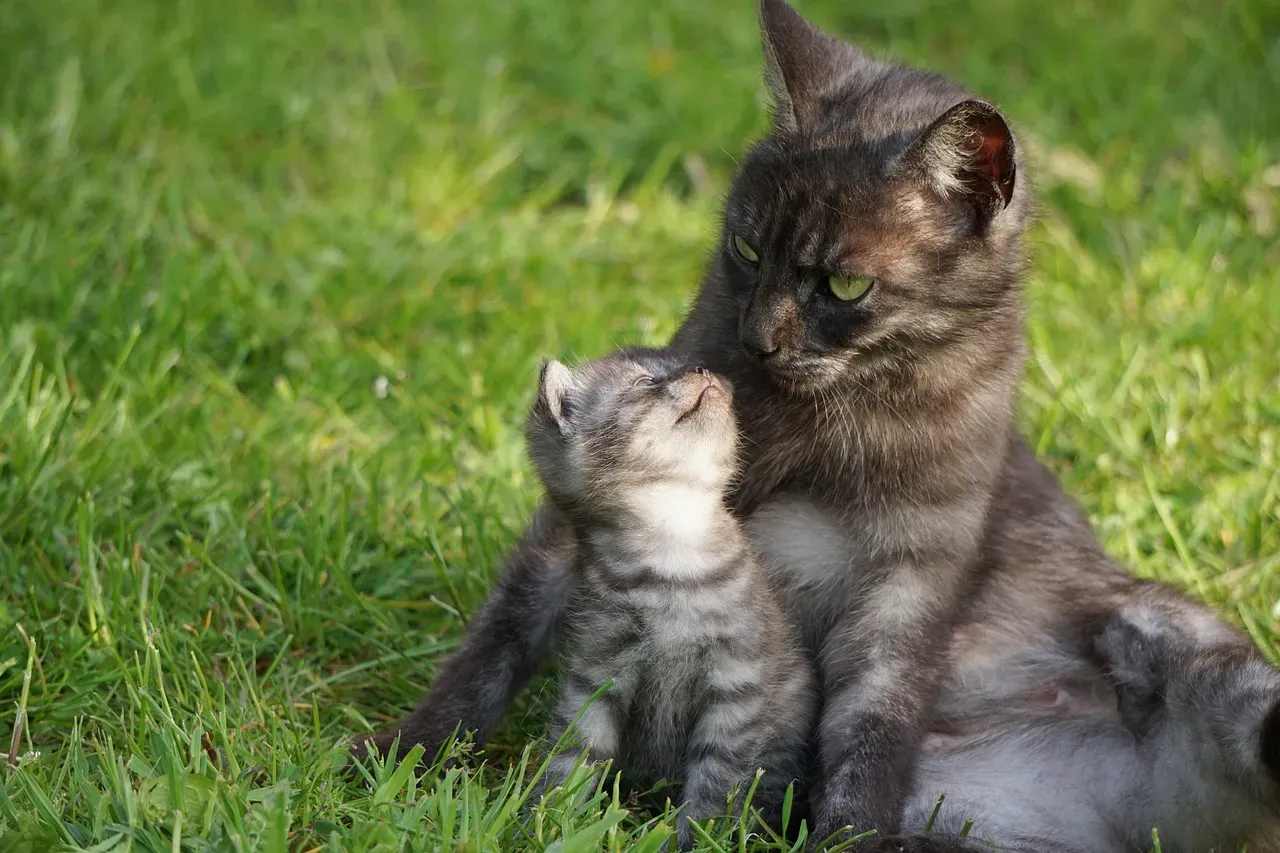
A critical factor to consider is the role of maternal instincts in cats. Female cats often bring back prey to their kittens, teaching them essential survival skills. This nurturing behavior is extended to their human family members, with the cat treating its owners as part of its litter or social group. By bringing gifts, the cat is expressing a form of maternal care and protection, indicating a deep bond and a desire to provide.
In the wild, mother cats teach their young how to hunt and eat their prey by bringing home dead or injured animals. Domestic cats may be doing the same. Spayed female cats are most likely to bring gifts to their owners. Unable to have kittens of their own to pass on their knowledge to, their humans become the next best thing. So when your cat brings you a dead mouse, she may be acting out her role as mom and teacher.
How the Predatory Sequence Reveals Your Cat’s Inner Life
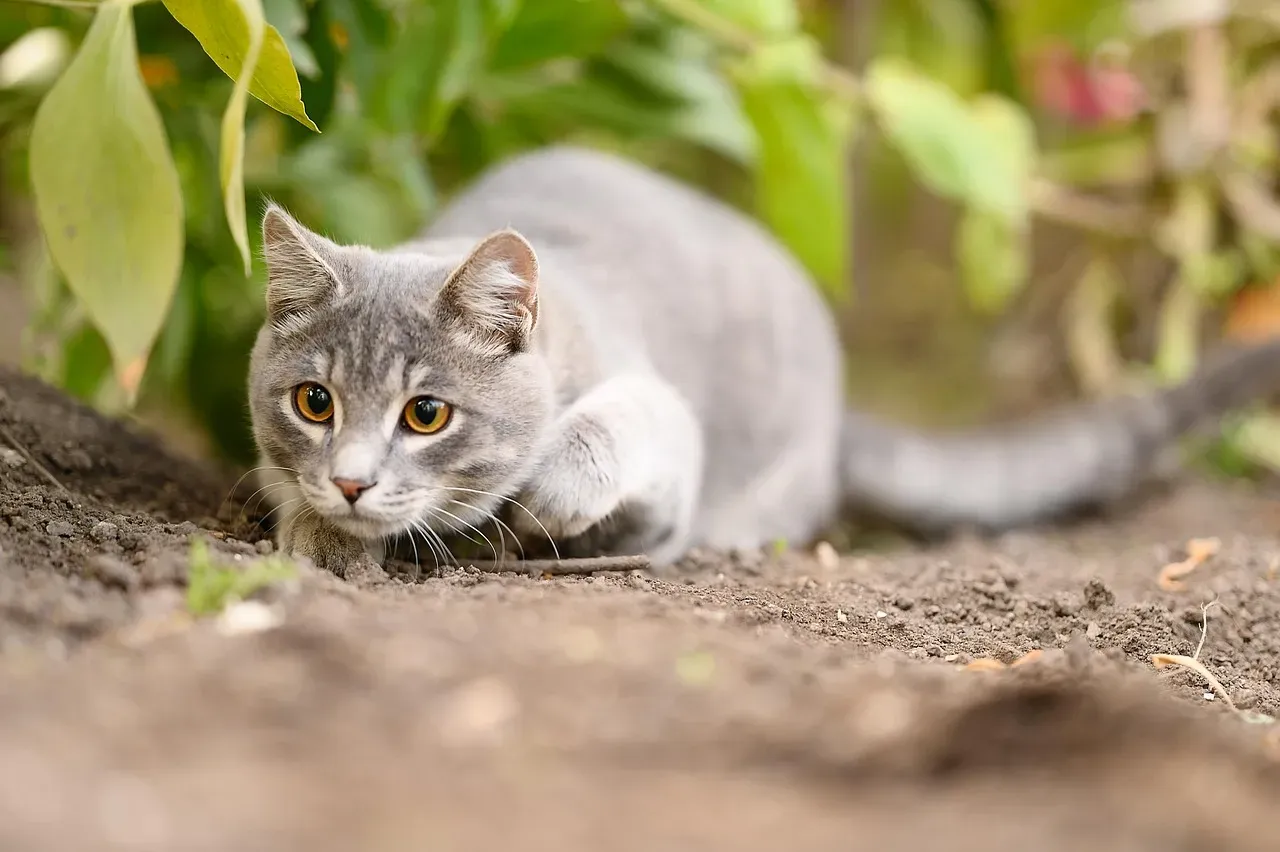
Predation can be broken down into several phases: searching, stalking, chasing, capturing, and consuming. Research shows that the so-called appetitive phase, which includes the searching and stalking, activates the dopamine system in the brain. Since dopamine is associated with motivation and pleasure-seeking, this suggests that cats will feel good even if the hunt ends unsuccessfully.
This internal feedback loop makes the act of hunting self-reinforcing, even without a successful outcome. It has even been suggested that simply observing prey-like movements can trigger a dopamine release. So it’s not the actual killing and consuming of prey, but the process itself that provides a satisfying mental and physical challenge. When your cat performs any part of this sequence near you, they’re in a state of genuine engagement, not aggression.
Playing Together Is Actually a Trust Ritual
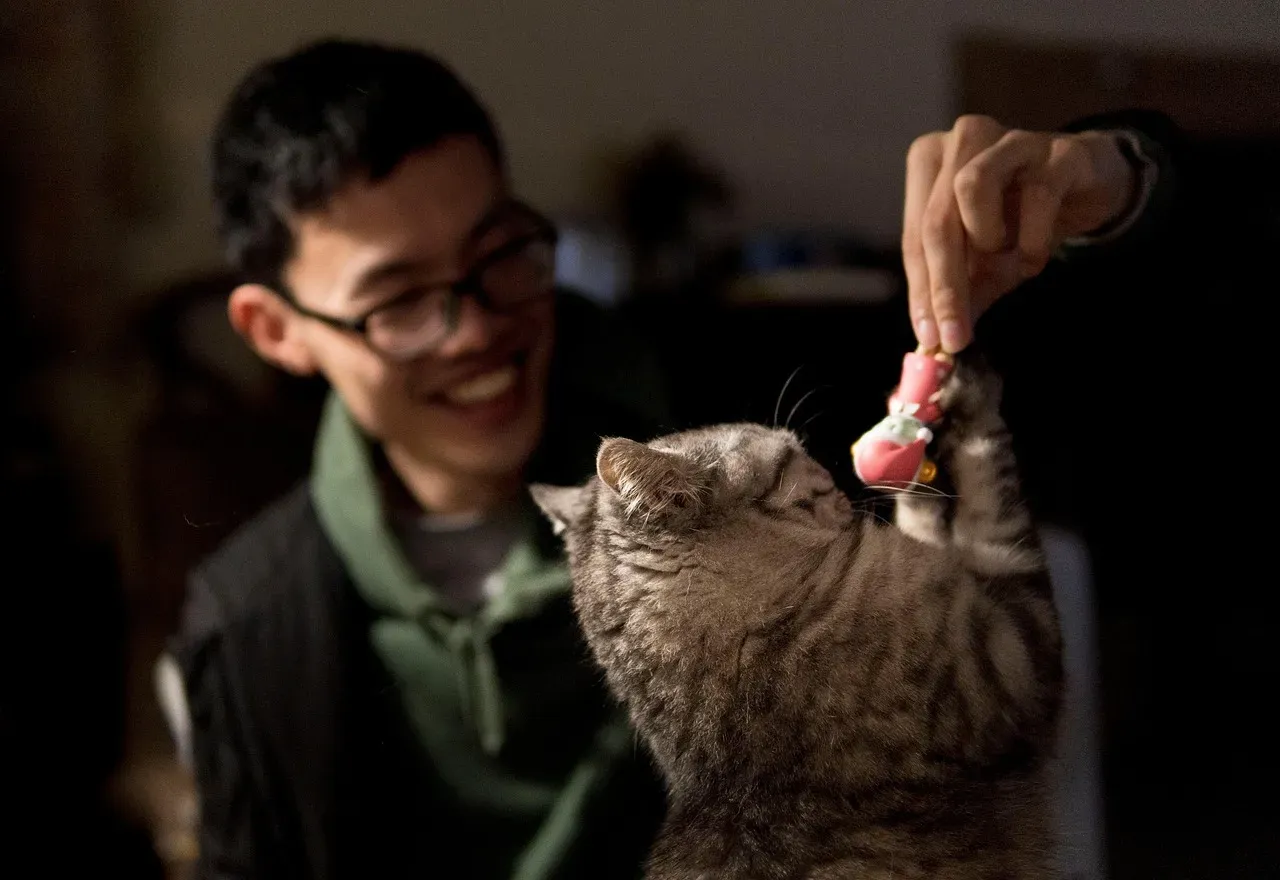
Research confirms that structured play strengthens bonds, reduces stress, and reinforces trust between cats and their owners. Play is one of the most powerful tools for building confidence and companionship. A wand toy in your hand isn’t just entertainment. It’s a shared language.
Through play, cats refine their coordination and agility, while simultaneously practicing their techniques for stalking, chasing, and pouncing, skills that would have been crucial for survival in the wild. Playtime creates an invaluable opportunity for bonding between owner and cat, fostering trust and enhancing the human-animal relationship. The cat who eagerly chases your feather wand is also choosing to share their most instinct-driven moments with you.
What Toys and Indoor Hunting Tell You About the Bond
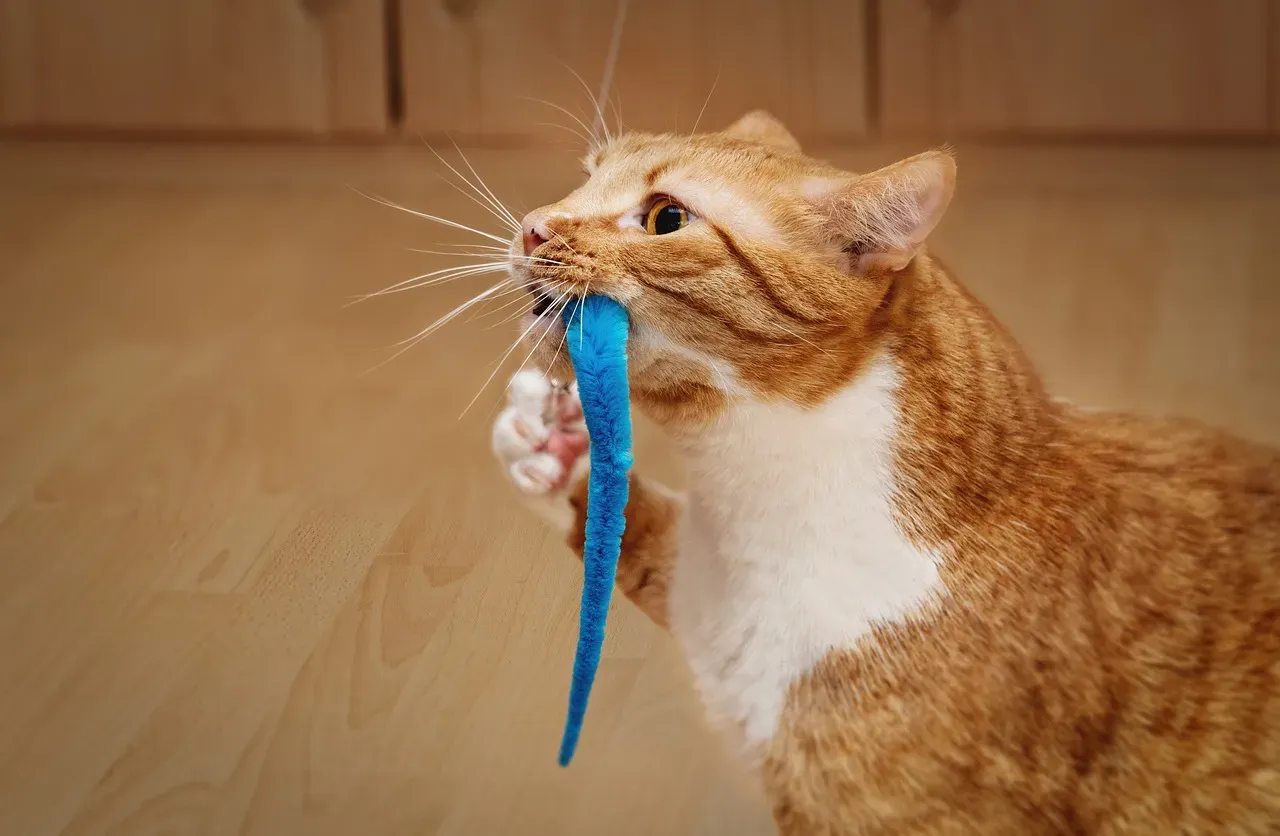
If your cat brings you toys, it could be for a variety of reasons. It might be a sign that they’re bored and want to play with you. Cats play with their littermates and mothers as kittens and remember those times warmly, so bringing you toys is a sign that your cat considers you family. Take it as a compliment.
In the cat’s mind, it’s sharing something valuable with you. The prey it caught represents a significant investment of time, energy, and skill. By giving it to you, the cat is showing that it cares about you and wants to share its bounty. It’s a feline expression of affection, albeit a somewhat unconventional one. Indoor cats who never touch a live animal still redirect this emotional generosity toward their toys, and ultimately toward you.
How to Respond Without Breaking the Spell
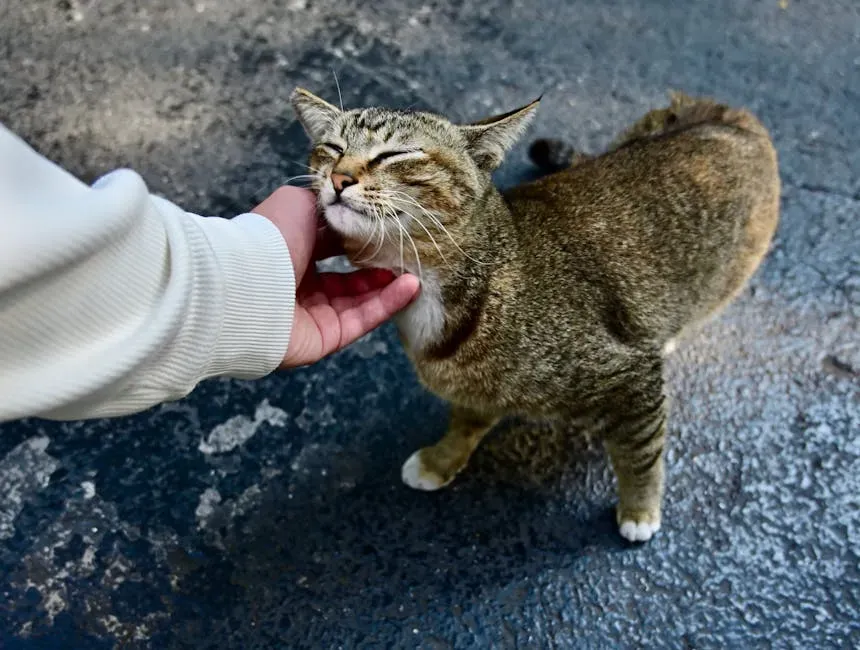
It’s important to remember that your cat is acting on instinct, and punishing it for this behavior is unlikely to be effective and could damage your relationship. The worst thing you can do is punish your cat for bringing you a gift. Even an involuntary grimace can register as rejection in a creature this perceptive.
Instead of scolding, distract your cat with toys or treats when they approach with an unwanted gift. If possible, interrupt their hunting behavior before they catch their prey by calling them inside or providing alternative entertainment. Avoid punishing or showing frustration toward your cat, as it may harm the bond of trust between you. Calm acknowledgment, followed by gentle redirection, keeps that trust fully intact.
Channeling the Hunt Into Something You Can Both Enjoy
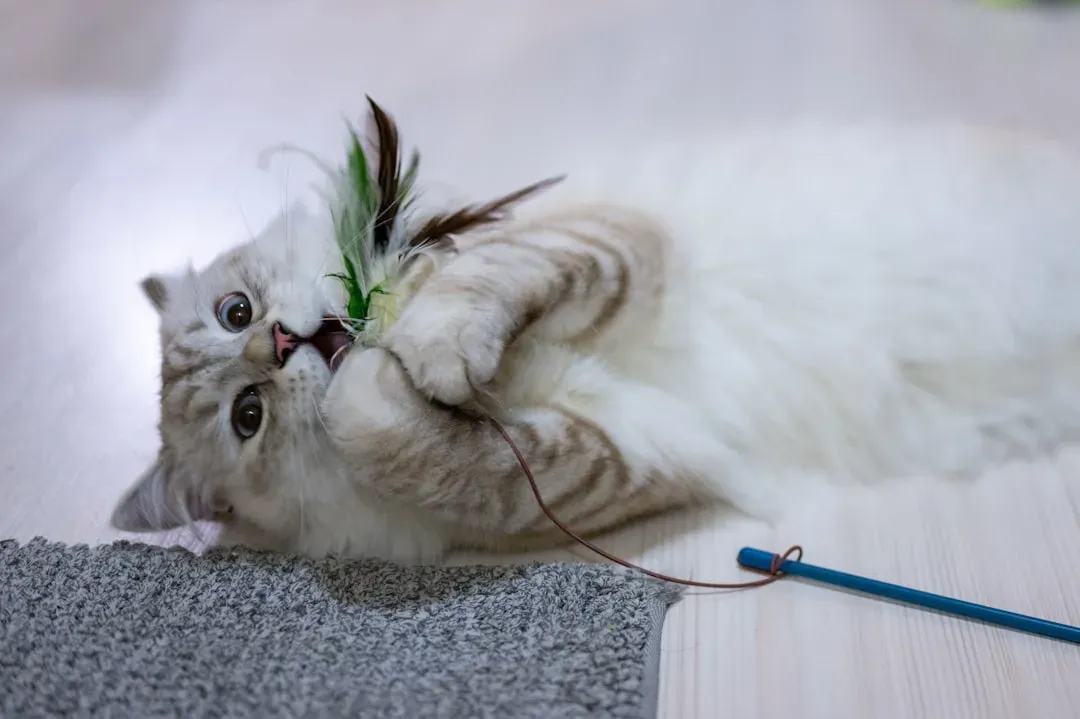
Play with your cat more. Short, frequent play sessions most closely resemble a cat’s natural predatory pattern. Choose toys that look and feel like their natural prey to increase engagement. By engaging in activities that simulate hunting, you can help satisfy their natural instincts and prevent behavioral issues that may arise from unexpressed hunting behaviors.
A study by Cecchetti et al. found that providing cats with toys, play sessions, and food puzzles can meet their behavioral needs while also significantly reducing their predation on wildlife. A key message for cat owners is that preventing a cat from hunting actual wildlife does not appear to compromise their wellbeing if they are offered well-managed, non-harmful behavioral and environmental enrichment activities. Everyone wins when you build the hunt into your daily routine together.
Conclusion
Your cat’s hunting instincts aren’t a relic of wildness that survived domestication by accident. They’re a living, active part of who your cat is, and importantly, they’re part of how your cat relates to you. Every gift dropped at your feet, every toy brought to your lap, every stealthy approach across the living room floor carries a message your cat has no other way to send.
The relationship you have with a cat isn’t built through obedience or dependency. It’s built through a quieter kind of mutual recognition. When your cat chooses to hunt for you, play with you, and share their most instinct-driven moments in your presence, they’re telling you something worth hearing: you are their safest place, their most trusted companion, and the center of their small but complete world.
Kristina is a young writer from India. An arts graduate and an avid content creator, Kristina is passionate about animals and wildlife. She enjoys exploring topics related to pet care, animal behavior, conservation, and nature, combining thorough research with engaging storytelling.