Everyone loves to say cats are aloof, forgetful little creatures who live purely in the moment. That myth is comforting, but it’s dead wrong. Cats actually run a quiet, detailed memory system in the background of every interaction you have with them – and they never hit delete.
They don’t forget the day you scared them. They don’t forget who fed them when they were sick, or who yelled first and asked questions later. Keep reading, because by the time you reach #13, you may realize your cat has been grading you this entire time – and the file they’ve built might not say what you think.
#1 – The First Time You Broke Their Trust
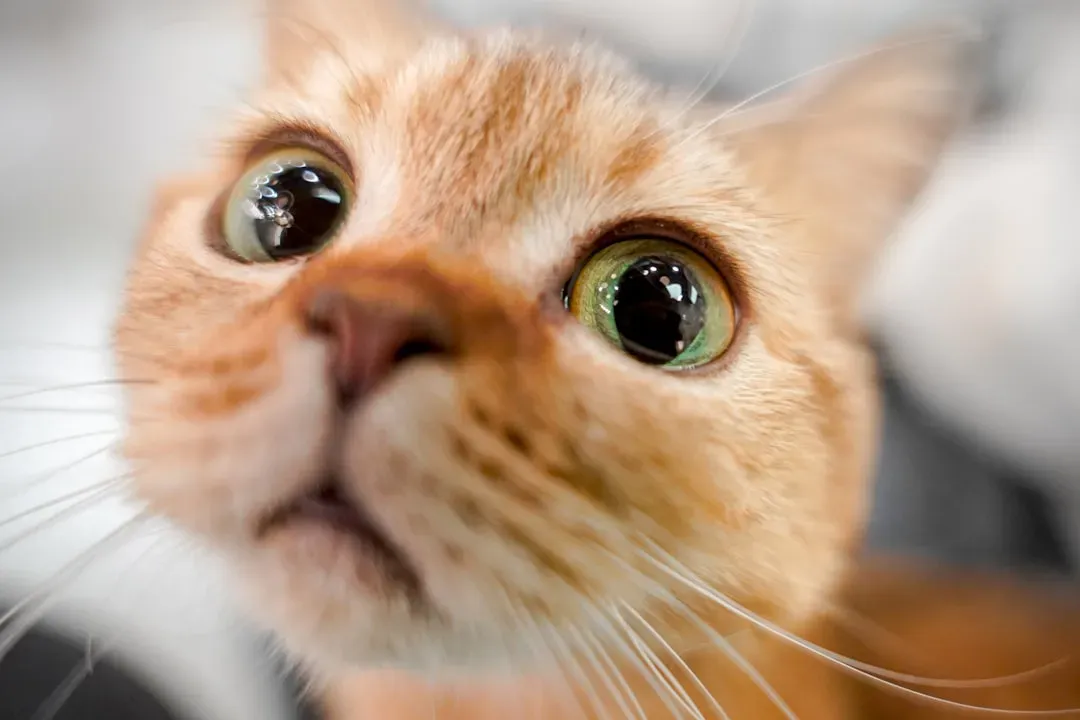
Your cat may forgive, but they don’t forget the exact moment they first felt betrayed by you. Maybe it was the day you grabbed them roughly to shove them in a carrier, or pinned them down to clip their nails with zero warning.
Cats build their entire sense of safety around predictability. The instant you violate that, they start quietly recalculating how close they can afford to be to you – which is why so many owners suddenly notice their cat dodging hands or bolting at the sound of a zipper.
That’s not moodiness. That’s memory doing exactly what it’s built to do.
And that’s nothing compared to what your cat remembers about the people who walked out of their life in #2…
#2 – The Human Who Left and Never Came Back
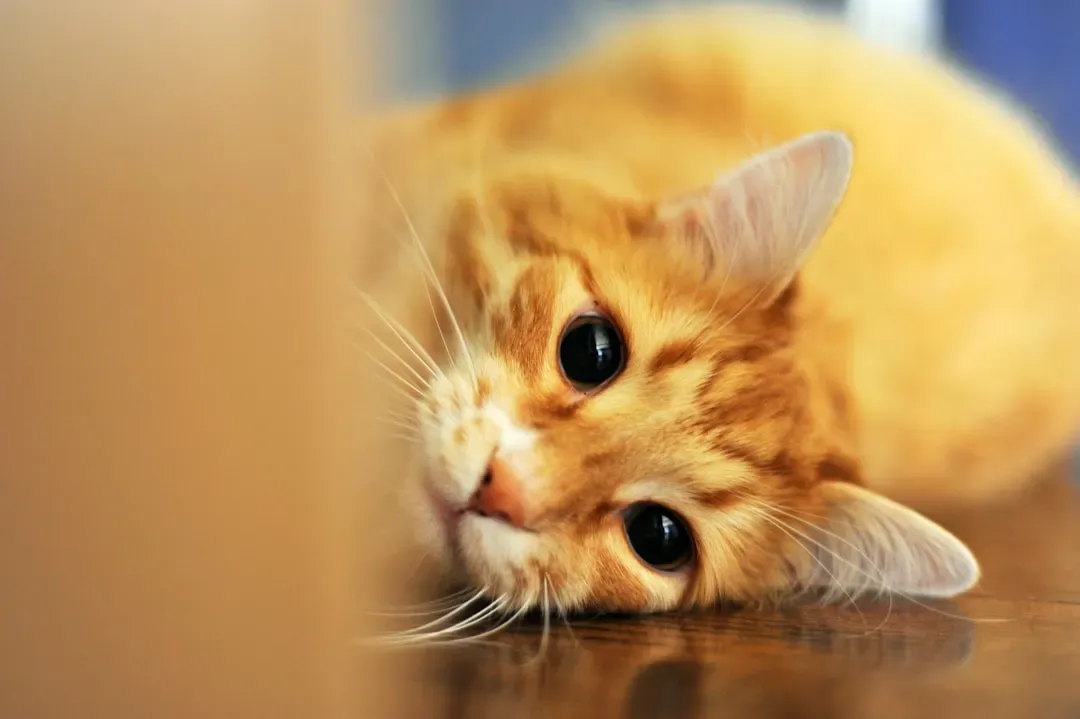
People love to say “cats don’t miss people like dogs do,” but anyone who’s watched a cat wait by the door knows that’s a myth. When a favorite human leaves through a breakup, a move, or a death, the cat often keeps searching long after everyone else has moved on.
They remember the scent, the voice, the exact footsteps that used to arrive at a certain hour. It can show up as pacing, crying at doors, or curling up on that person’s old sweater like it’s still warm.
Here’s the part nobody talks about: your cat is quietly tracking who’s still showing up. That’s why they suddenly get clingier with one person and colder with another – they’re reallocating trust in real time.
Fast Facts
- Grieving cats may search the home for days or weeks after a person disappears
- Appetite changes are common in the first days after a loss
- Old blankets, sweaters, or shoes carry scent memory that can be genuinely comforting
- Remaining household members often see a temporary spike in clinginess
But even that loyalty gets tested the day you bring someone new into the house, which is exactly what happens in #3…
#3 – The Day You Brought a New Pet Home
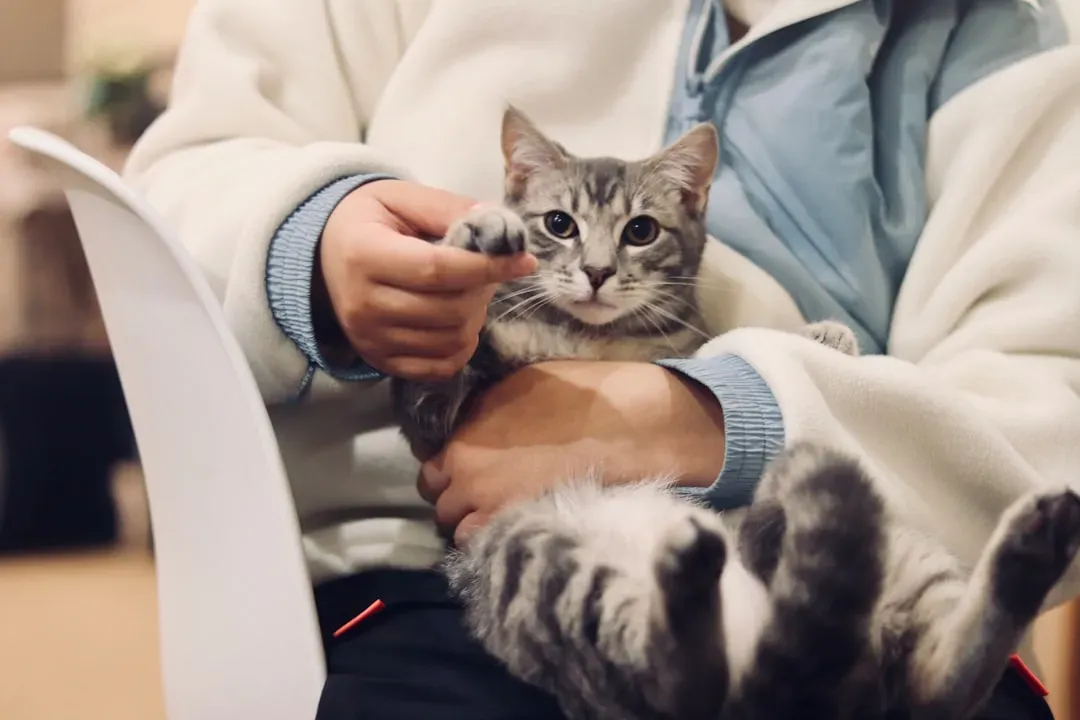
People love filming “cute” introductions where the resident cat meets a new puppy or kitten. Your cat usually experiences it less like a meet-cute and more like a hostile takeover of everything they own.
Territory is everything to a cat, and they remember precisely when it stopped being fully theirs. You didn’t just add a friend in their eyes – you let a noisy stranger into their food, their litter box, and their nap spots, without so much as a vote.
If that first introduction was rushed or chaotic, they file the whole day under “life got worse.” That’s why some cats stay wary of the new animal for months, or even years – they’re not being dramatic, they’re working off an accurate memory of exactly how badly it went last time.
But even that sting is nothing compared to what your cat remembers about painful vet trips in #4…
#4 – The Vet Trip You Thought They’d “Get Over”
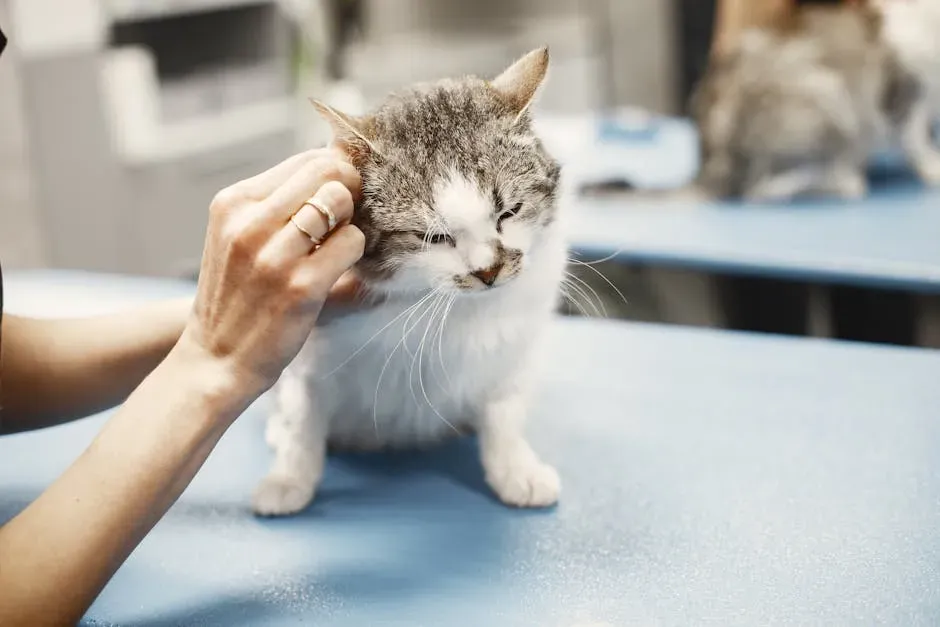
You might forget the date of that miserable vet appointment. Your cat doesn’t. From the second you pulled out the carrier and the room’s whole energy shifted, they started recording everything.
Cats attach fear to specific cues: the carrier, the engine sound, the smell of the clinic, the way you gripped them tighter than usual. If that visit involved rough handling or a loud, chaotic waiting room, it becomes a permanent red flag stored somewhere they can’t reason their way out of.
That’s why they vanish the second you open the closet where the carrier lives. They’re not being difficult – they’re predicting danger based on a very real, very specific memory.
And if you think they don’t hold a grudge over physical pain, wait until you see what they log about how you touch them in #5…
#5 – The Time You Ignored Their Pain Signals
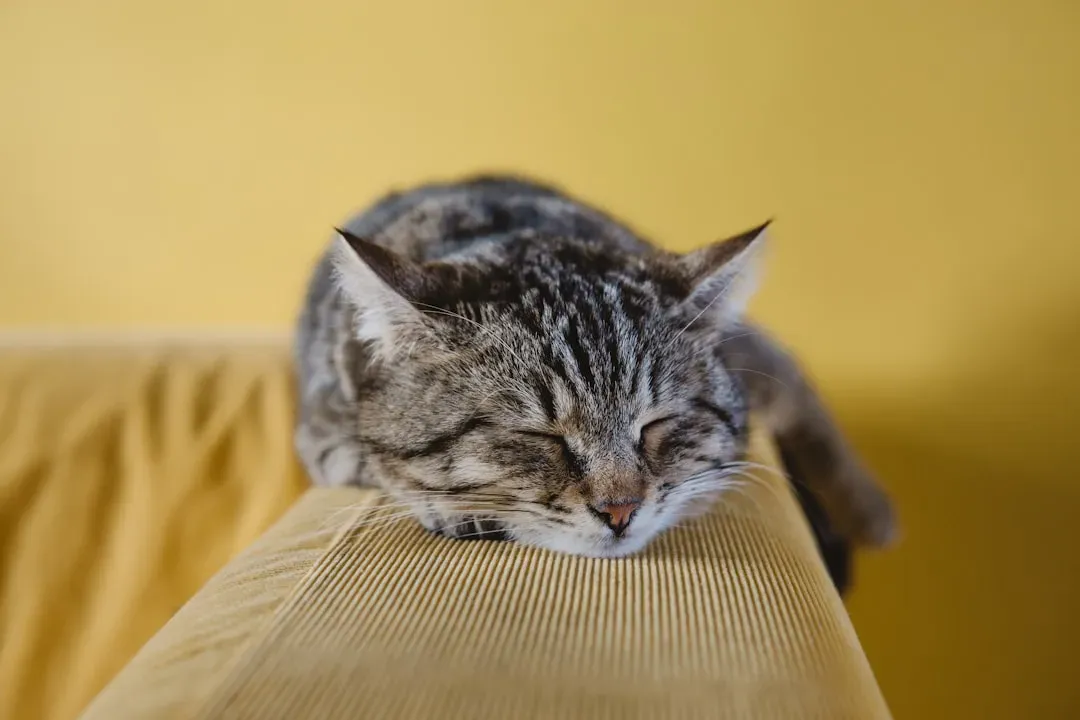
Most owners miss this one entirely. Cats signal discomfort in tiny, easy-to-miss ways first – flinching near the hips, obsessively grooming one spot, or quietly avoiding a jump they used to make without thinking.
When you keep picking them up, playing rough, or poking that sore area “because they used to like it,” your cat learns one simple lesson: you don’t listen. That feeling sticks far longer than the injury itself.
Maybe you laughed once when they yowled after you stepped on their tail. You moved on immediately. They didn’t – and many “random” bites later on are really just the final page of a long file of ignored warnings.
Worth Knowing
- Cats instinctively mask pain, a survival trait inherited from wild ancestors who couldn’t afford to look vulnerable
- Reduced jumping, missed litter box visits, and hiding more than usual are common early red flags
- Over-grooming one spot can signal localized pain, not just stress
- Routine wellness checkups can catch issues long before obvious symptoms appear
But it’s their memory for unfair punishment that really changes how they see you – just wait for #6…
#6 – The Time You Punished Them for Something They Didn’t Understand
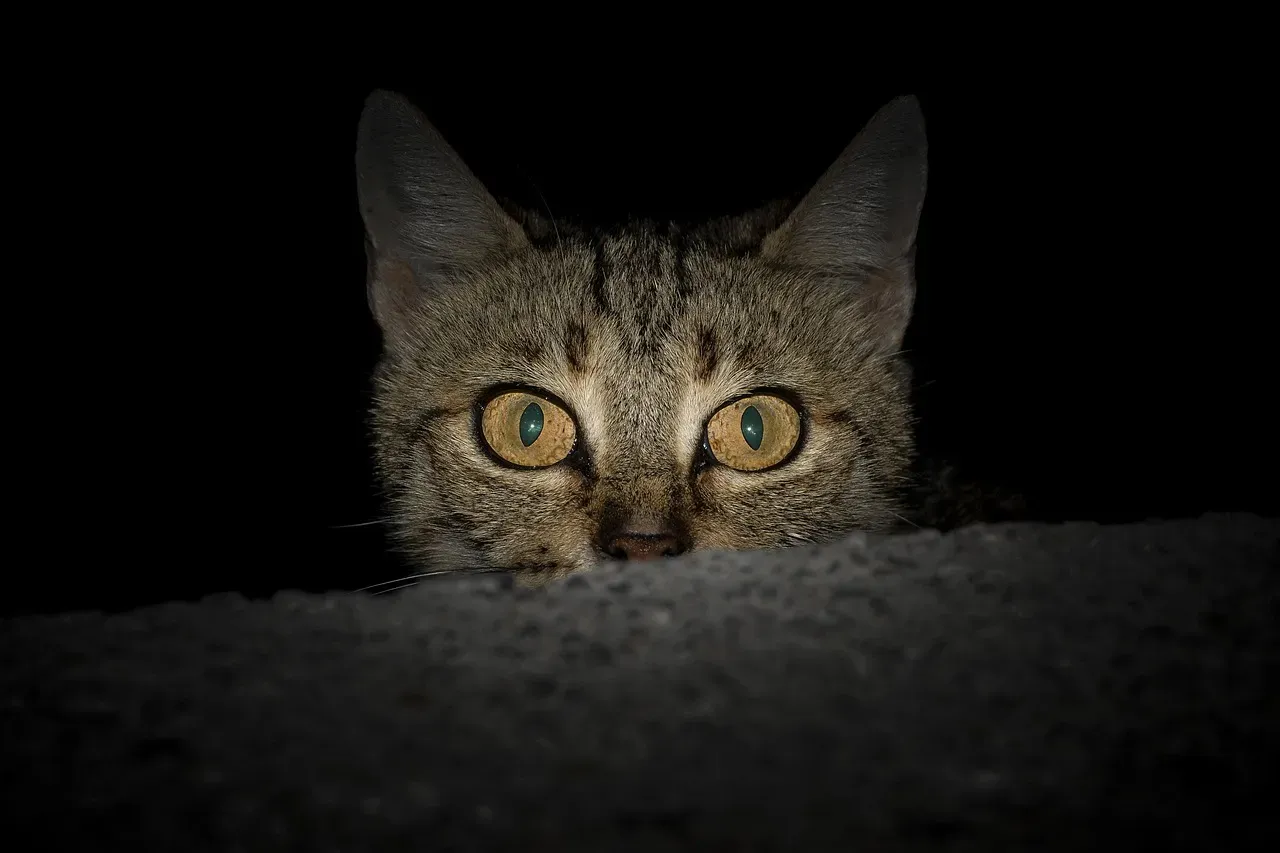
This is where a lot of people lose their cat’s trust for good. You walk in, see shredded toilet paper or a knocked-over plant, and you yell. In your head, you’re disciplining bad behavior.
In your cat’s head, you’ve just become unpredictable and unsafe. Cats can’t connect delayed punishment to something they did an hour ago – all they log is “human walked in calm, then exploded for no reason.”
Even in-the-moment punishment often teaches nothing useful. What actually sticks is your tone, your height looming over them, and the helpless feeling of not knowing how to make it stop – which is exactly why some cats now flee whenever your voice rises, even when you’re not talking to them.
And if you think cats don’t track your emotional extremes, their memory of your mood swings in #7 will surprise you…
#7 – Every Time You Came Home in a Bad Mood
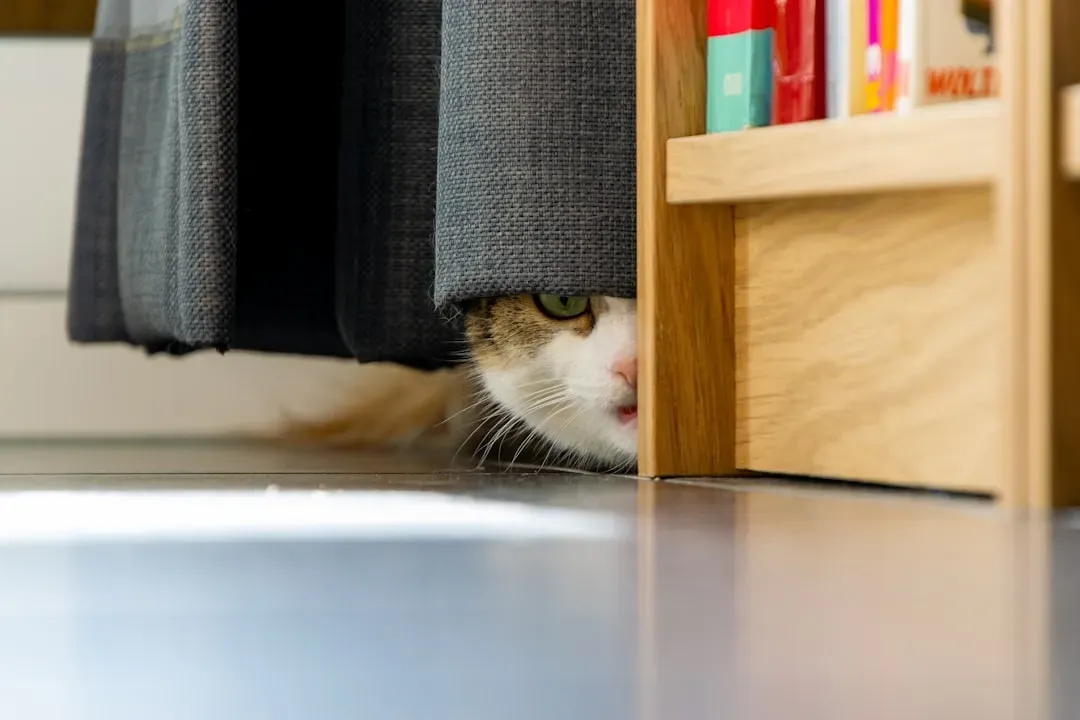
Cats have a reputation for not caring about your feelings. That reputation is a lie. They quietly monitor your emotional weather, and they remember every storm.
If you regularly walk in slamming doors or snapping at anything that moves, your cat starts associating your arrival with tension – which is why some cats start hiding the moment they hear your car in the driveway.
Meanwhile, cats from calmer homes trot straight to the door, because their history tells them your presence means safety, not danger. That split isn’t personality. It’s a pattern they’ve logged one bad night at a time.
And when it comes to logging where they truly feel safe, nothing matters more than their “favorite person” file in #8…
#8 – Who Actually Took Care of Them (Not Just Who Loved Them the Most)
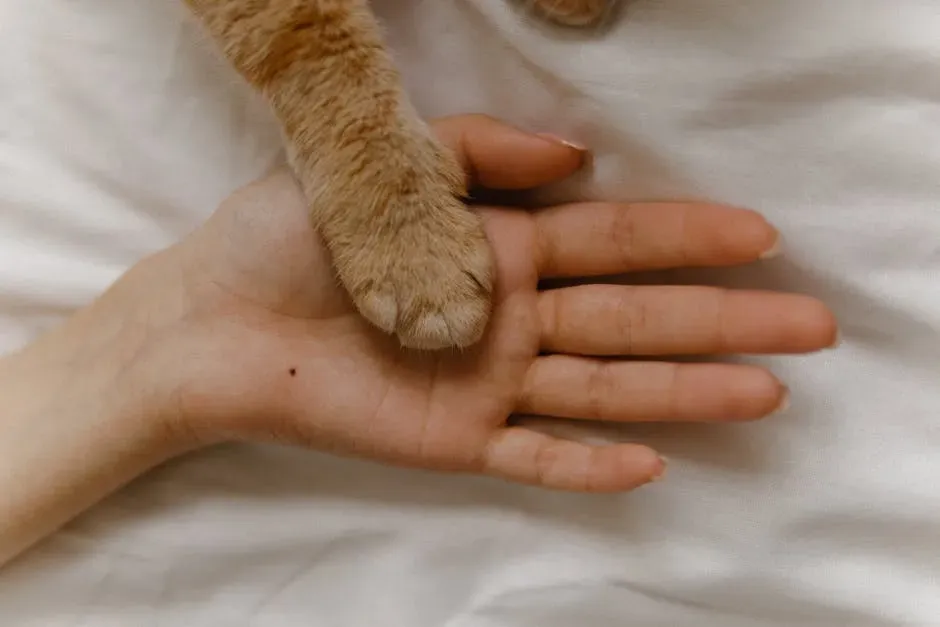
In almost every multi-person household there’s a strange, consistent pattern: the cat bonds hardest with whoever feeds them, plays with them, and respects their boundaries – not necessarily whoever claims to love them most.
Cats track who shows up for the boring, unglamorous stuff – fresh water, a clean litter box, noticing when they skip a meal. They remember those routines with almost military precision.
They also remember who only shows up on their own terms – scooping them up for selfies, waking them for cuddles, roughhousing while they’re trying to sleep. Over time, one person quietly earns the slow blinks and headbutts, while everyone else just gets tolerated.
But even the favorite human gets demoted fast if they mess with the sacred topic of food, which brings us to #9…
#9 – The Time You Changed Their Food Overnight
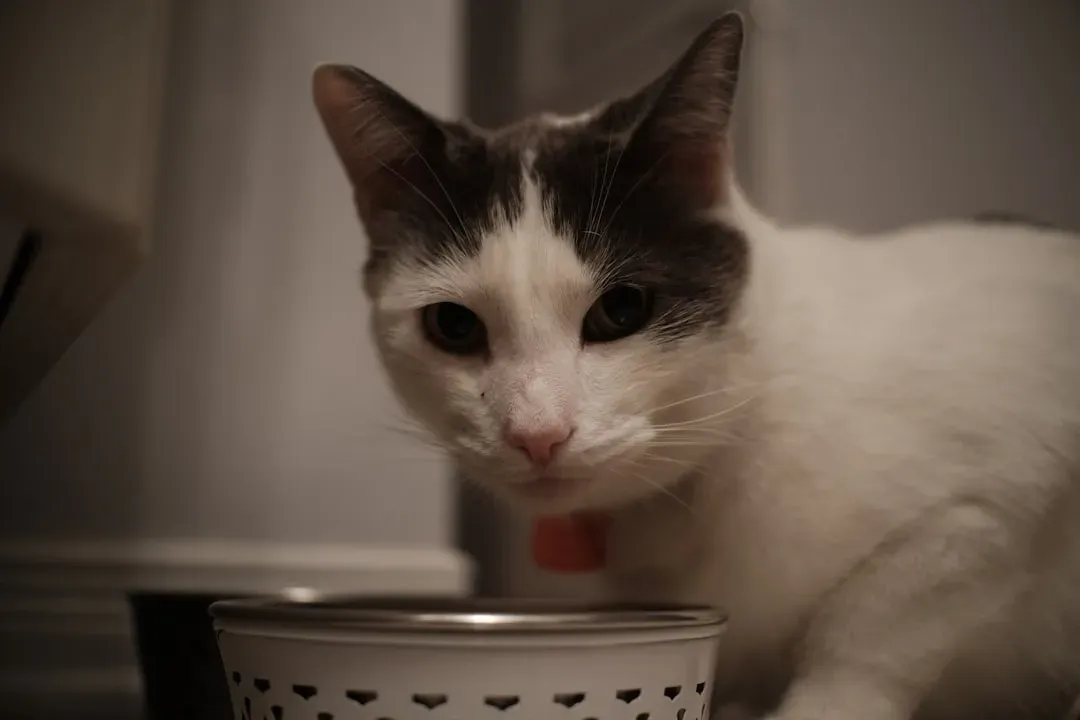
Most people have no idea how seriously cats take their food routine. Switch the brand, the flavor, or the schedule suddenly, and your cat doesn’t just notice – they log it as a small betrayal.
A cat’s relationship with food is really about security. When the bowl smells different or dinner shows up late, they don’t think “new brand, cool” – they think, “can I still count on this person to keep me fed?”
If that new food caused an upset stomach, that memory gets stamped in bold. You’ll see it later when they sniff the bowl and walk away, or start begging at odd hours because the schedule no longer feels reliable – and owners often mistake it for being “picky” instead of what it really is.
Quick Compare
- Gradual switch (7-10 days, mixing old and new): fewer digestive upsets, steadier trust in the routine
- Overnight switch: higher odds of vomiting, diarrhea, or outright food refusal
- Consistent feeding times: reinforces the “I can count on this person” memory
- Irregular feeding times: can trigger begging, guarding, or anxious pacing near mealtime
But nothing flips their internal alarm quite like rearranging the literal layout of their world, as you’ll see in #10…
#10 – The Day You Rearranged “Their” World
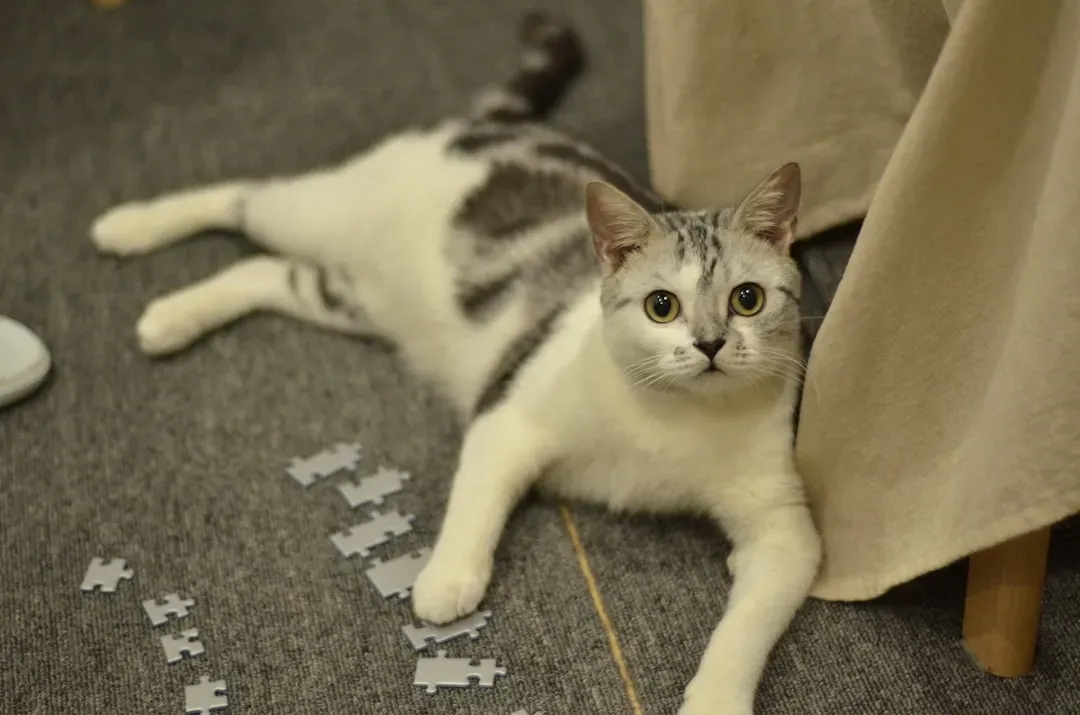
You think you just redecorated. Your cat thinks an earthquake hit. Furniture shifts, favorite hiding spots vanish, sunbeams stop landing where they used to – and your cat remembers exactly when home stopped matching the mental map they’d spent months building.
Cats rely heavily on spatial memory: the safe routes, the high points, the escape hatches. When you drag the couch or block a favorite lookout, they log it as a major event, not a minor inconvenience.
Some cats adjust with curiosity. Many react with extra grooming, hiding, or litter box accidents – not because they’re being difficult, but because the world just stopped fitting the blueprint they trusted.
Yet even bigger than physical space is the emotional space of the first night they truly chose you, which they keep archived in #11…
#11 – The First Night They Slept on You
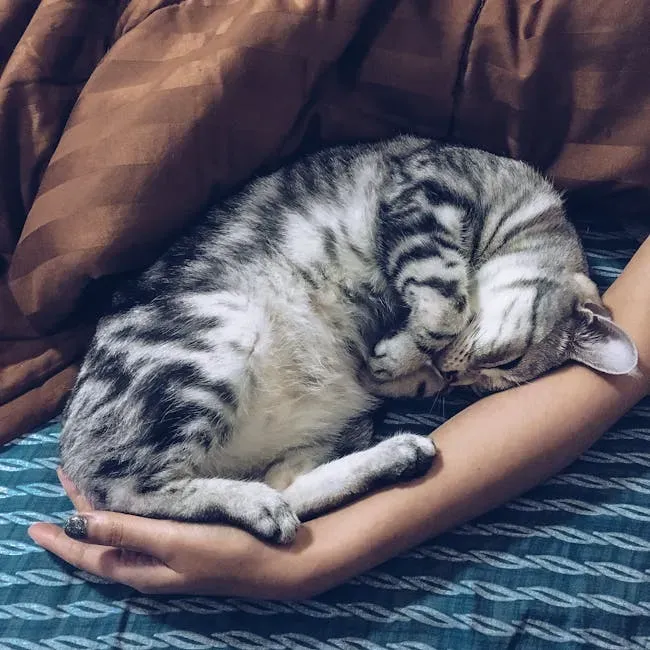
This feels small to us, but to a cat, it’s a headline event. The first time they deliberately curl up on your chest or beside your head at night, they’ve made a high-risk, high-trust decision.
Sleep is when a cat is most vulnerable, so choosing your body as a bed means they’ve quietly decided you’re safe. They remember your breathing rhythm, how you shifted, and whether that sleep was peaceful or interrupted.
If you shoved them off or yelled about cat hair on the sheets, they file it as a loud rejection – and some never try again. If you stayed still and let it happen, they’ll often repeat it forever, which is exactly how “he always sleeps by my feet” rituals get started.
And yet, their deepest memories often go back much further, all the way to where life started, which hits hardest in #12…
#12 – The Place They Came From Before You
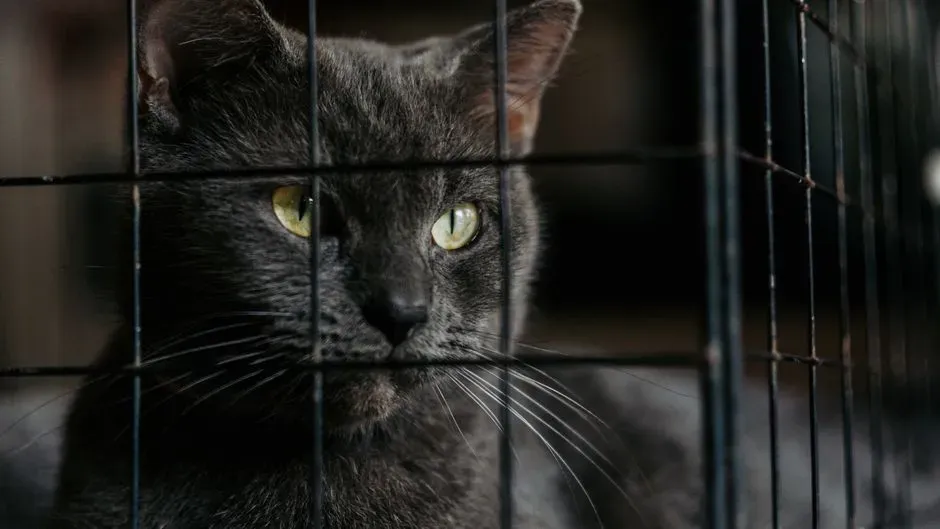
Adopted cats aren’t blank slates. Whether they came from a shelter, a hoarding situation, a street colony, or a previous home, they carry that history like invisible luggage.
They remember scarcity, noise, fear – and whoever, if anyone, was kind during that chapter. A cat from a crowded shelter might always flinch at loud kennel sounds on TV. A cat from the street might guard food or bolt at the sound of a garbage truck.
Those aren’t quirks. They’re echoes. Time and safety help enormously, but their brain was wired around survival in that old environment long before they ever met you.
At a Glance
- Many rescue groups reference a “3-3-3” adjustment guideline: roughly 3 days to decompress, 3 weeks to learn the routine, 3 months to fully settle in
- Sudden loud noises or crowded spaces can trigger flashback-style reactions in formerly stray or sheltered cats
- Food guarding often traces back to a history of scarcity, not current stinginess
- Patience and predictable routines are consistently the fastest path to rebuilding trust
And all of that previous life feeds into the single file that matters most: the day they realized you were truly theirs, in #13…
#13 – The Exact Moment They Decided You Were “Home”
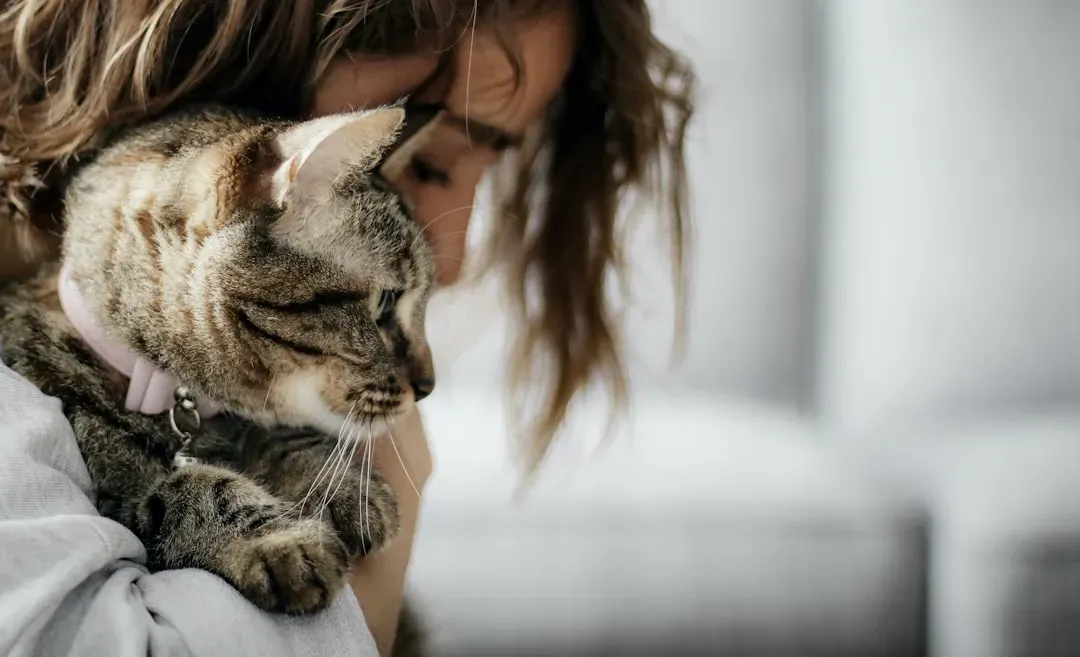
Every long-term cat owner can point to one turning point: a look, a slow blink, a nuzzle that felt different from all the others. That’s the moment your cat quietly moved you from “large unpredictable primate” to something closer to family.
Maybe it was the first time you came home from a trip and they greeted you with a tiny, indignant meow before gluing themselves to your side. Maybe it was the day you sat on the floor and cried, and they silently settled in beside you without being asked.
From that point forward, everything you do gets filtered through that one file – the good and the bad both counted. That’s why some cats still choose the lap of someone who’s made real mistakes: they’re betting on the core truth of “you’re mine,” even when the evidence is mixed.
There are two means of refuge from the miseries of life: music and cats.
Albert Schweitzer
Cats aren’t goldfish with whiskers. They’re quiet, long-term archivists of every high and low you’ve ever brought into their world – from the first broken trust to the exact day you finally became home.
Most people underestimate how much of their own behavior is being graded in real time. The uncomfortable truth is that your cat may love you and still not fully trust you yet. The hopeful truth is that the file isn’t closed – gentler handling, steadier routines, and fewer “they’ll get over it” moments can genuinely rewrite it.
Your cat isn’t just living in your house. They’re keeping the receipts. The only real question left is which ones you’re adding to today.
Kristina is a young writer from India. An arts graduate and an avid content creator, Kristina is passionate about animals and wildlife. She enjoys exploring topics related to pet care, animal behavior, conservation, and nature, combining thorough research with engaging storytelling.