Most people assume their cat only shows up when it’s dinnertime, treating every human on the couch as a warm, breathing food dispenser. But a growing body of feline behavior research tells a very different story – one where cats are quietly clocking your worst days and responding to them in ways most owners completely miss.
Veterinary behaviorists and bioacoustic researchers have spent years decoding these subtle signals, and what they’ve found reframes almost everything we thought we knew about “aloof” house cats. Some of these behaviors are backed by hard data. Others are still debated. All fourteen are worth understanding the next time your cat does something strange right when you need it most.
#1 – The Sudden Chest-Sit That Isn’t Random
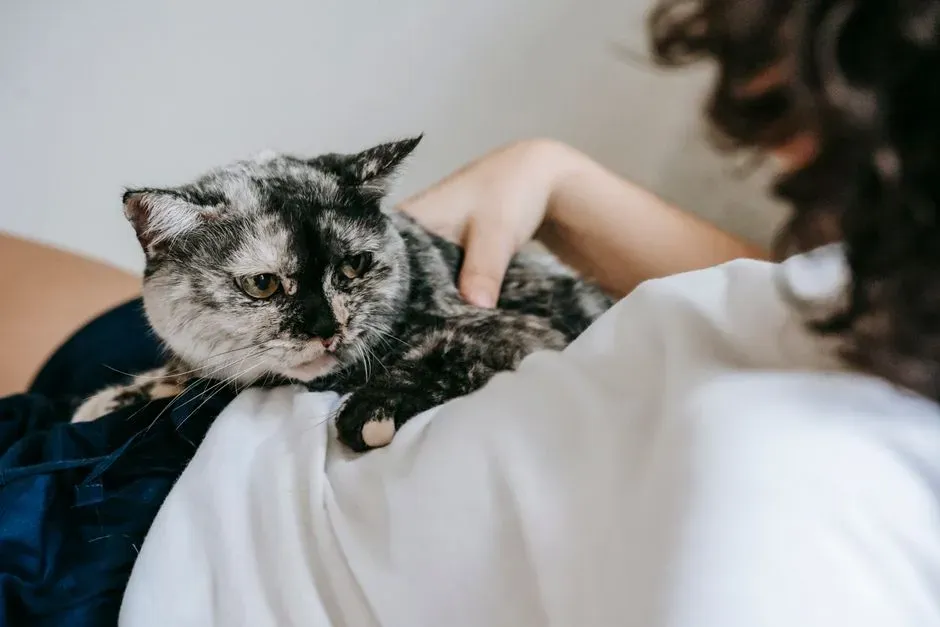
When you’re crying, stressed, or just had the worst day of your year, your cat suddenly appearing on your chest isn’t a coincidence. Cats are highly sensitive to changes in human breathing patterns, posture, and vocal tone – all of which shift dramatically during emotional distress. Most people don’t realize cats can detect these physiological changes before a person even consciously registers being upset.
This behavior often gets dismissed as the cat “wanting warmth” or “wanting attention,” but the timing tells a different story. Cats that rarely seek lap time will frequently break pattern specifically during a bad night. Behaviorists point to this shift as a response to distress cues, not coincidence.
#2 – The Purr That Might Actually Be Healing You
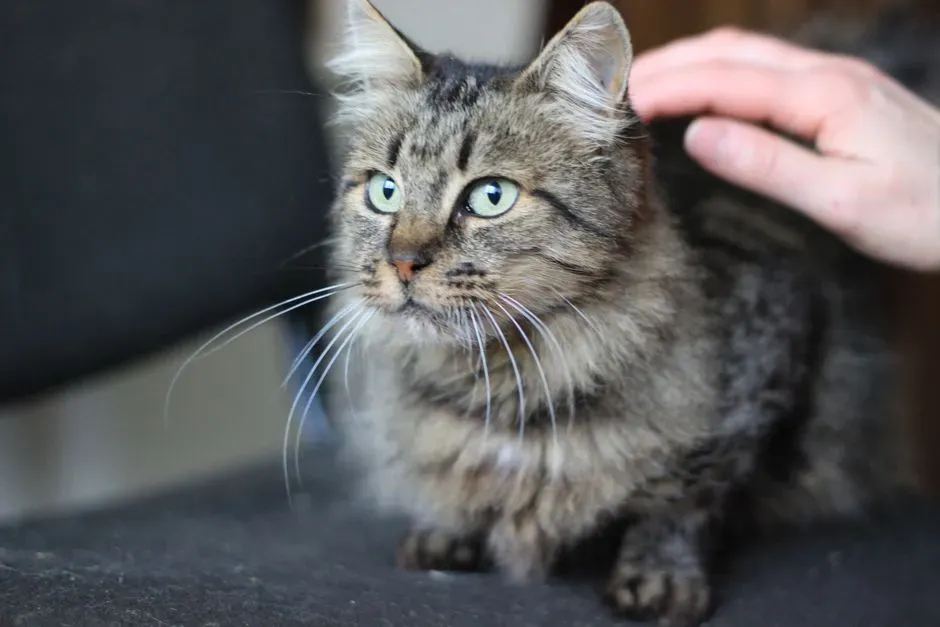
Turns out, that rumbling sound isn’t just contentment – it may be a literal repair mechanism. Cats purr during both inhalation and exhalation at a consistent frequency between 25 and 150 Hertz, and researchers have shown that sound frequencies in this range can improve bone density and promote tissue healing. Experts say this healing-frequency range is nearly identical to therapeutic vibration devices used in physical rehabilitation.
This is why a purring cat on your lap after a brutal day feels different from ordinary background noise. Low-frequency purring vibrations are already used in a form of vibrational sound therapy thought to reduce inflammation and improve circulation. Some researchers have even studied this frequency range in the context of astronaut bone loss, exploring whether it could help humans dealing with muscle atrophy and reduced bone density.
Fast Facts
#3 – The Slow Blink Is a Scientifically Confirmed “I Love You”
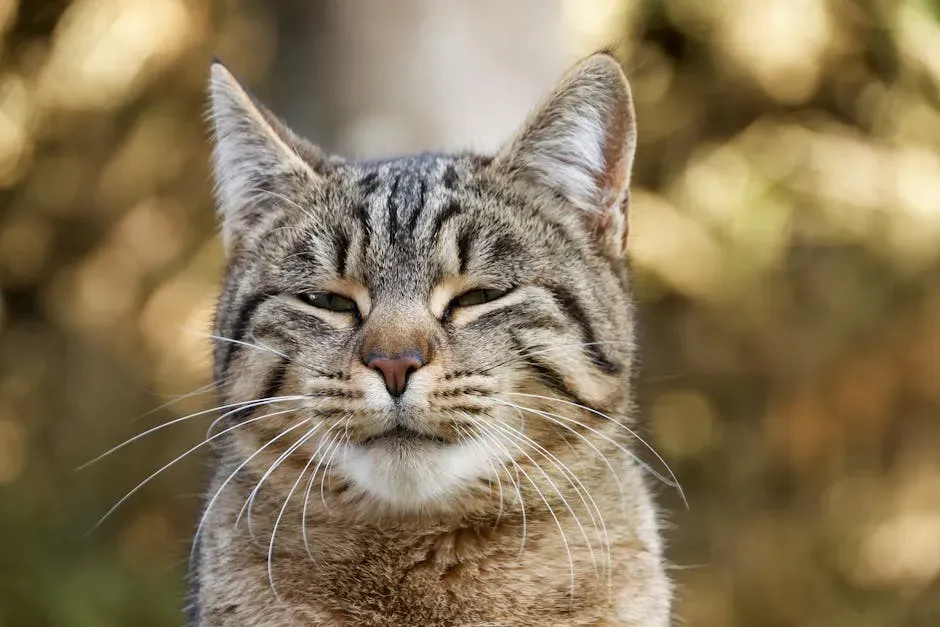
Secretly, your cat has a love language, and it’s not what most owners assume. According to a landmark 2020 study, the secret lies in one small gesture: instead of smiling the way humans do, cats communicate friendliness by narrowing their eyes and blinking slowly. Most people miss this signal entirely because it looks like sleepiness, not affection.
Researchers didn’t just observe this casually – they tested it directly. Psychologists from the Universities of Portsmouth and Sussex found that cats were more likely to approach humans who slow-blinked at them first. Even more revealing, the gesture is tied to the release of oxytocin, the same bonding hormone that underlies social attachment in humans. When your cat slow blinks at you mid-meltdown, that’s not indifference – it’s a deliberate, trust-signaling gesture aimed squarely at you.
“It’s something that many cat owners had already suspected, so it’s exciting to have found evidence for it.”
Karen McComb, Professor of Animal Behaviour, University of Sussex
#4 – Kneading Is a Leftover Comfort Behavior From Kittenhood
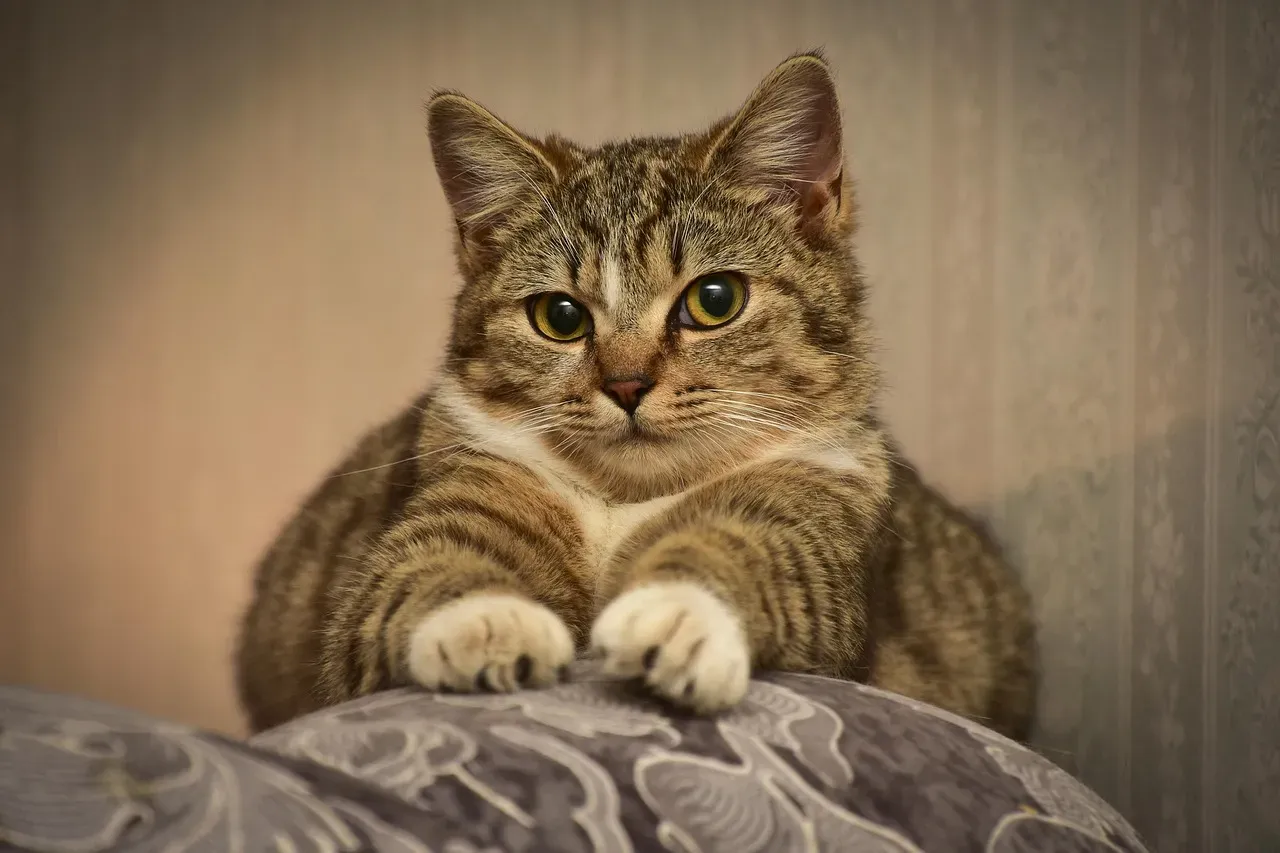
That rhythmic paw-pressing on your blanket or stomach has deep roots, and it isn’t random muscle memory. Kittens knead their mother’s belly to stimulate milk flow, and adult cats retain the behavior specifically during moments of contentment or self-soothing. Experts note that stressed or grieving owners frequently report their cats kneading more intensely during hard emotional stretches, almost as if the behavior escalates alongside human distress.
This isn’t proven as a targeted “comfort delivery system,” but veterinary behaviorists consistently link kneading to the same oxytocin-driven bonding states triggered by petting and purring. A cat kneading you while you’re upset is essentially recreating its earliest memory of total safety, and choosing to share that state with you. It’s a strange kind of empathy, and it’s more common than most owners admit.
#5 – Shadowing You From Room to Room Isn’t Neediness
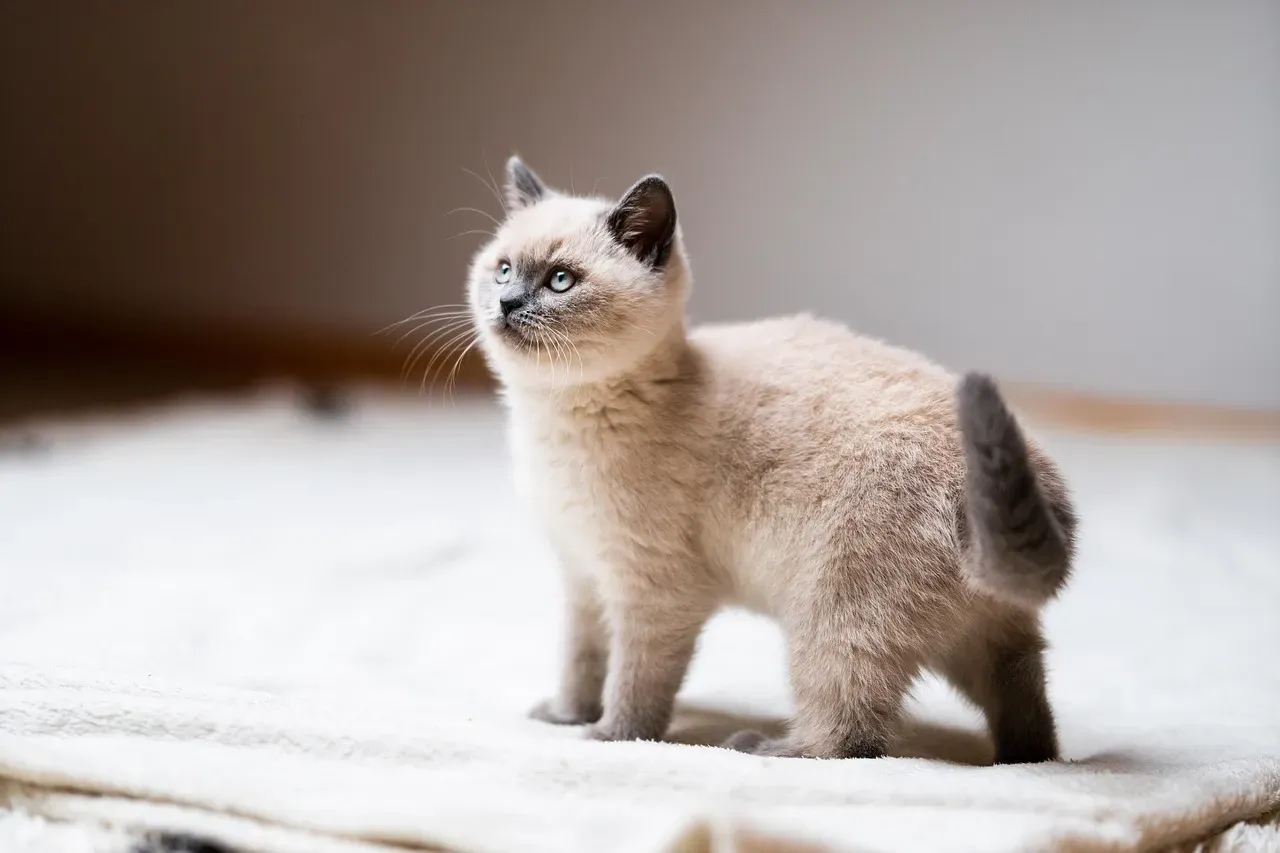
If your cat has been silently trailing you all day, that’s not clinginess – it’s monitoring. Cats that abruptly increase this “shadowing” behavior are often responding to shifts in a person’s routine, tone of voice, or activity level. Most owners misread this as attention-seeking, when it’s frequently closer to vigilance.
Feline behaviorists describe this as a low-key check-in behavior, especially in cats closely bonded to one person. Unlike dogs, cats rarely follow humans out of pure boredom; the behavior tends to spike specifically around emotionally unusual days – arguments, crying spells, illness. Even some of the so-called “independent” breeds, the ones with reputations for standoffishness, show this shadow-following intensify the most during hard stretches, contradicting the stereotype entirely.
#6 – Head Bunting Is a Scent-Based Bonding Ritual
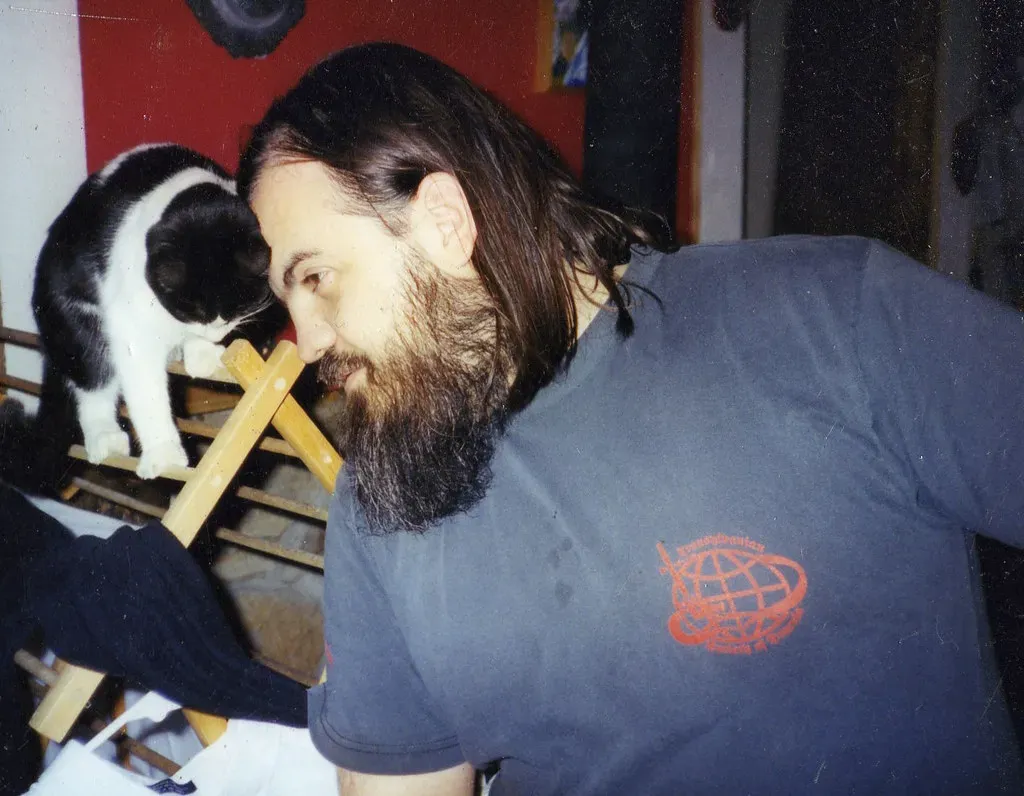
The head bonk your cat gives your hand or forehead is loaded with more meaning than a simple greeting. Cats have scent glands concentrated around their cheeks and forehead, and bunting deposits their scent onto you as a way of marking you as part of their trusted social group. Most people don’t realize this “headbutt” is functionally similar to a hug in feline social language.
Cats reserve bunting almost exclusively for beings they trust, rarely directing it at unfamiliar people or hostile animals. When a cat head-bunts more frequently during an emotionally rough week, it’s reinforcing a bond signal at a moment it may sense you need reassurance. This is actually one of the more contested comfort theories among behaviorists – some argue it’s purely territorial marking with nothing to do with human emotion at all.
#7 – Grooming You Mimics Cat-to-Cat Comfort Bonds
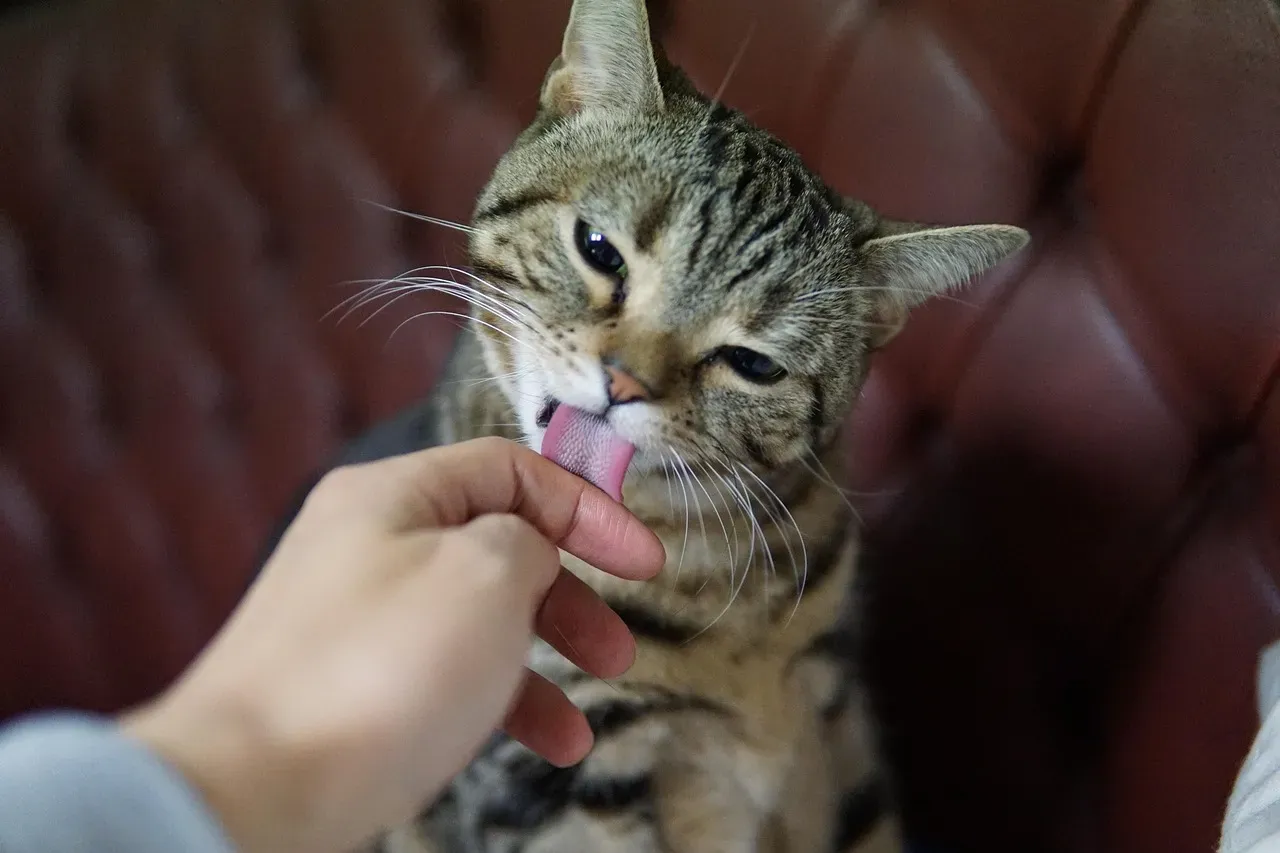
When your cat licks your hand, arm, or hair, it’s replicating a behavior reserved for its closest social relationships. Allogrooming – grooming between two animals – is typically limited to cats within the same trusted “colony” group in feline social structures. Experts note that cats rarely groom humans they don’t consider close, bonded partners, making this one of the clearer trust signals available.
This behavior often increases specifically during moments when a person is unusually still, quiet, or visibly upset – conditions that mimic how cats groom each other during rest or after conflict in multi-cat households. It’s uncomfortable for some owners, since cat tongues are anything but gentle, but the underlying signal stays consistent. Some behaviorists consider this one of the strongest comfort indicators cats display, full stop.
#8 – The “Gift” Behavior Is Provisioning, Not Just Instinct
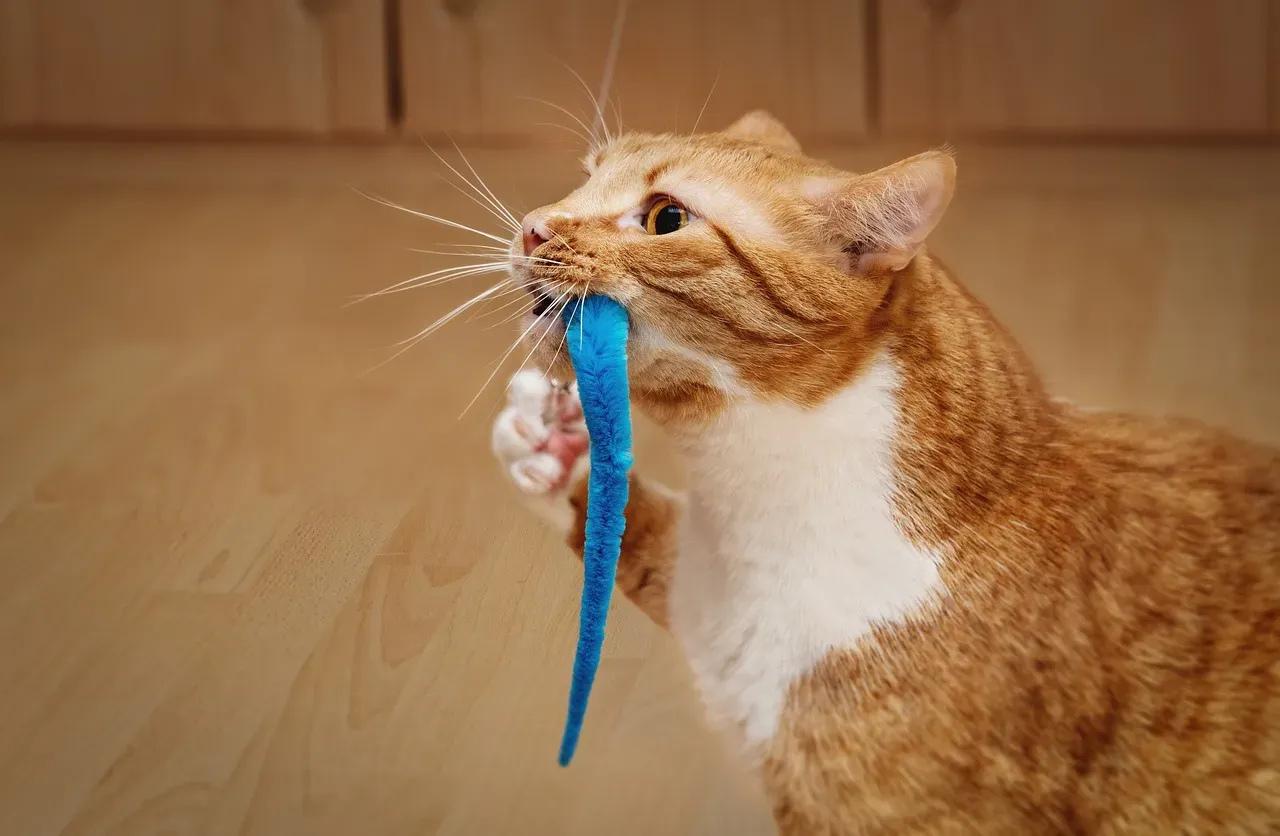
Finding a toy, sock, or occasionally something far less pleasant on your pillow isn’t your cat being weird – it’s provisioning behavior rooted in predatory instinct repurposed for social bonding. Cats that bring objects to specific people, especially during emotionally heavy periods, are often exhibiting a form of resource-sharing historically tied to feeding kittens or bonded companions. Most people don’t realize this “gift-giving” timing frequently clusters around stressful days for the owner.
This theory remains debated – some researchers argue it’s simply displaced hunting behavior with zero emotional intent behind it. But many behaviorists note the timing correlation is too consistent to dismiss outright. It’s one of the more polarizing entries on this list, and cat owners tend to have strong, split opinions about whether their cat actually “means” anything by it.
Quick Compare
- Pure instinct theory: Gift-dropping is simply displaced hunting behavior with no emotional message attached.
- Bonding theory: Gift-dropping mirrors how cats provision kittens or trusted companions during moments of need.
- The tell: The timing overlap with an owner’s hardest days is consistent enough that many behaviorists question pure coincidence.
#9 – Sitting on Your Laptop or Paperwork Is Targeted Disruption
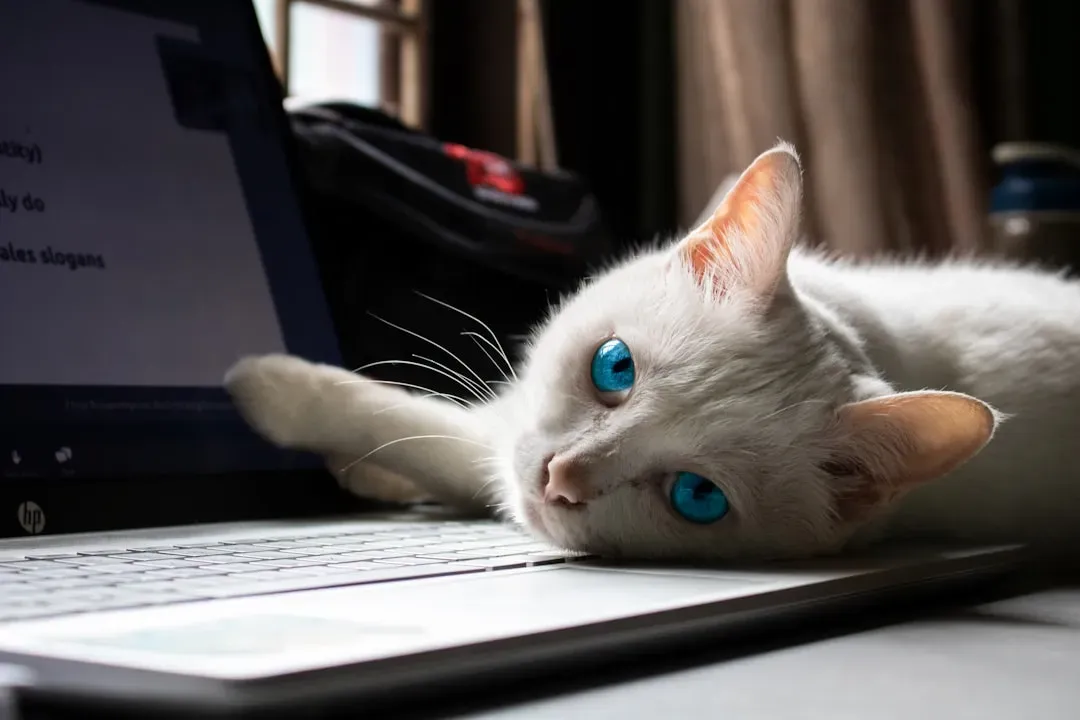
Cats sitting directly on your keyboard, phone, or paperwork during a stressful task isn’t just poor timing – it’s frequently intentional interruption. Behaviorists note that cats are highly attuned to when their person becomes visibly tense, frustrated, or hyper-focused, and many will deliberately insert themselves into the situation. Most owners assume this is attention-seeking, but the timing often lines up suspiciously well with visible stress spikes.
This is one of the more contested behaviors among feline researchers – some argue it’s simply that laptops run warm, making them appealing regardless of your mood. Others counter that cats consistently choose the exact moment of peak frustration to interrupt, which seems too well-timed to be coincidence. Either way, the disruption tends to work: it forces a pause, a laugh, or at the very least a break in the tension.
#10 – Sleeping Near Your Head Signals Deep Trust
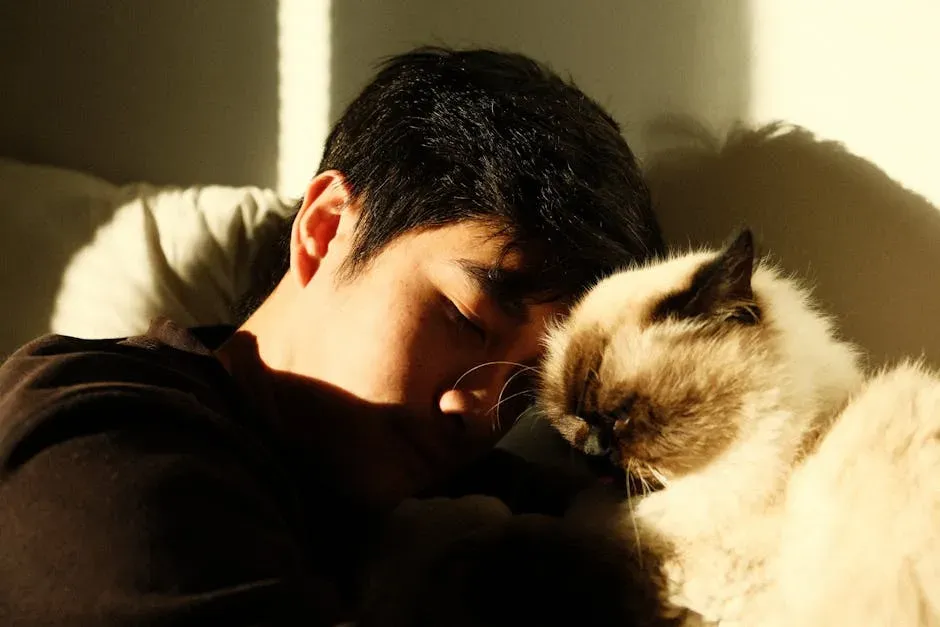
If your cat has started sleeping closer to your head or face specifically during a hard stretch, that positioning matters more than most owners think. Cats are vulnerable during sleep, and choosing to rest near a person’s face – close to breath, sound, and movement – reflects a much higher trust level than sleeping at the foot of the bed or across the room. Most people underestimate how selective cats actually are about proximity during sleep.
This shift in sleeping location often becomes more pronounced during emotionally heavy periods, according to behaviorists who track changes in feline sleep habits relative to household stress. It’s not universal – some cats maintain rigid sleep spots no matter what – but a noticeable location change is one of the more reliable non-verbal comfort signals owners consistently report.
#11 – Trilling and Chirping Are a Direct Emotional Check-In
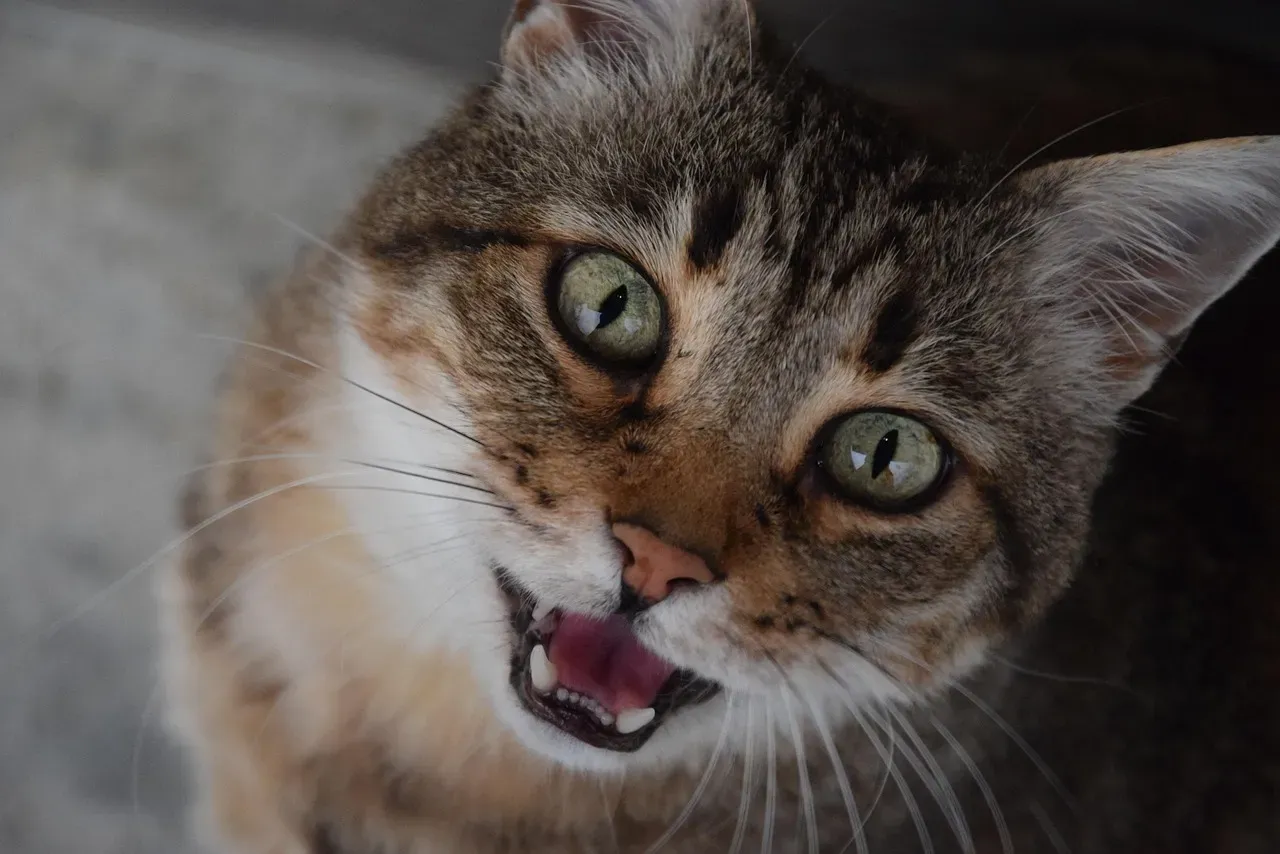
That soft, bird-like chirp your cat makes when it enters a room isn’t the same as a meow – it’s a distinct vocalization typically reserved for greeting and social engagement. Cats rarely direct trilling at strangers or unfamiliar animals; it’s a sound largely saved for trusted humans and close feline companions. Most owners don’t realize this chirp-trill combination is functionally closer to a verbal greeting than a demand.
Some cat owners report their cats trilling more frequently, and more softly, specifically when approaching them during visible distress – crying, illness, or unusual quietness. This remains anecdotal rather than rigorously studied, and some behaviorists caution against reading too much emotional intent into vocalization frequency alone. Still, the pattern shows up often enough across households that many experts consider it worth taking seriously.
#12 – The Tail Wrap Functions Like a Physical Embrace
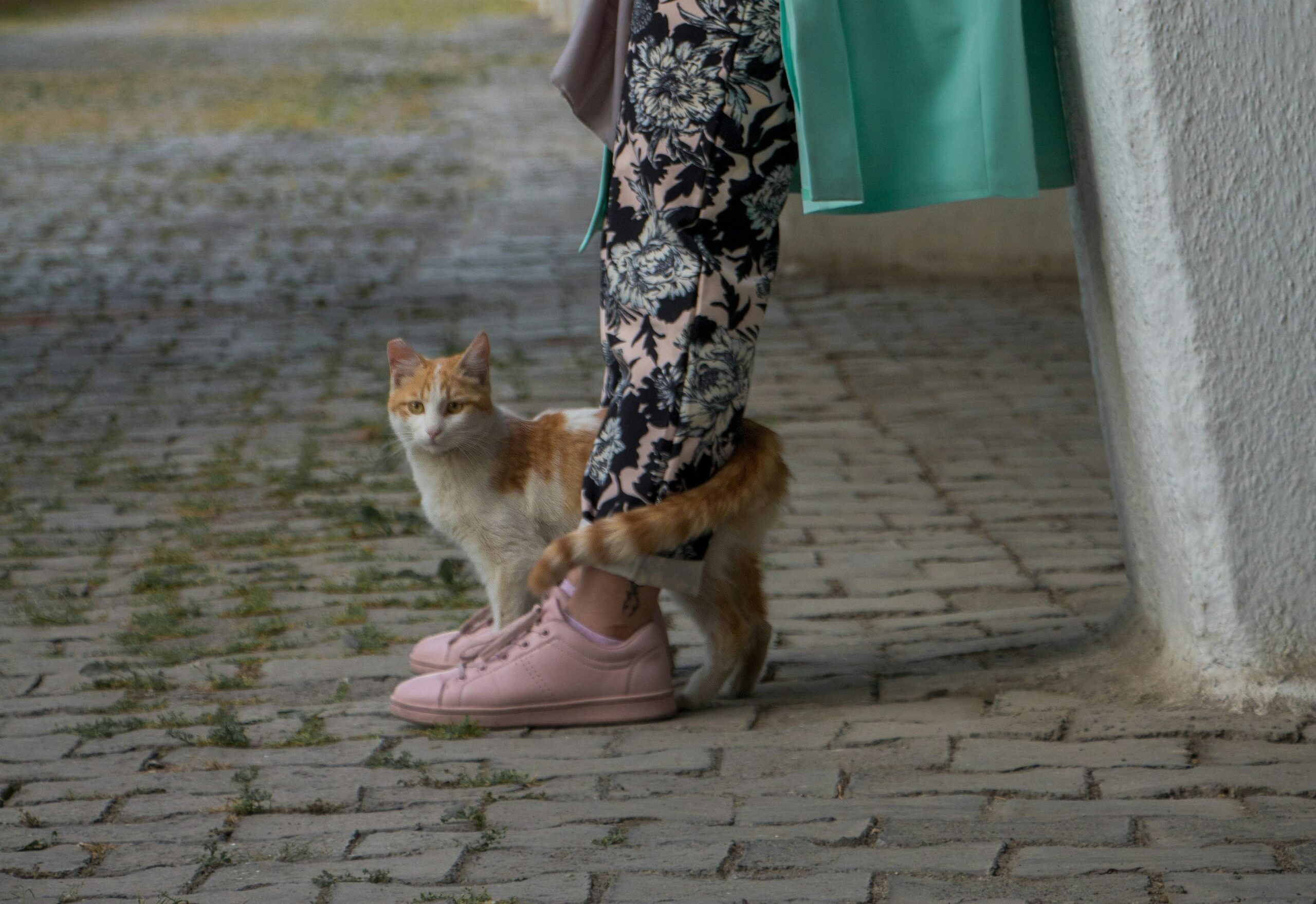
A cat wrapping its tail around your arm, leg, or waist while sitting close to you is doing something functionally similar to an embrace. Tail-wrapping is a recognized affiliative gesture between bonded cats resting together, and it transfers directly to trusted humans in many households. Most people don’t clock this as intentional – they assume it’s just where the tail happened to land.
Behaviorists note that tail-wrapping frequency tends to increase specifically during close physical contact moments, like being held or sitting quietly together, rather than during casual interaction. Since closing their eyes near another creature makes cats vulnerable, and demonstrating that vulnerability signals they feel safe in your company, the tail wrap follows the same logic – tightening a physical connection at a moment the cat has chosen to be exposed.
#13 – The Belly Reveal Is the Ultimate Trust Signal
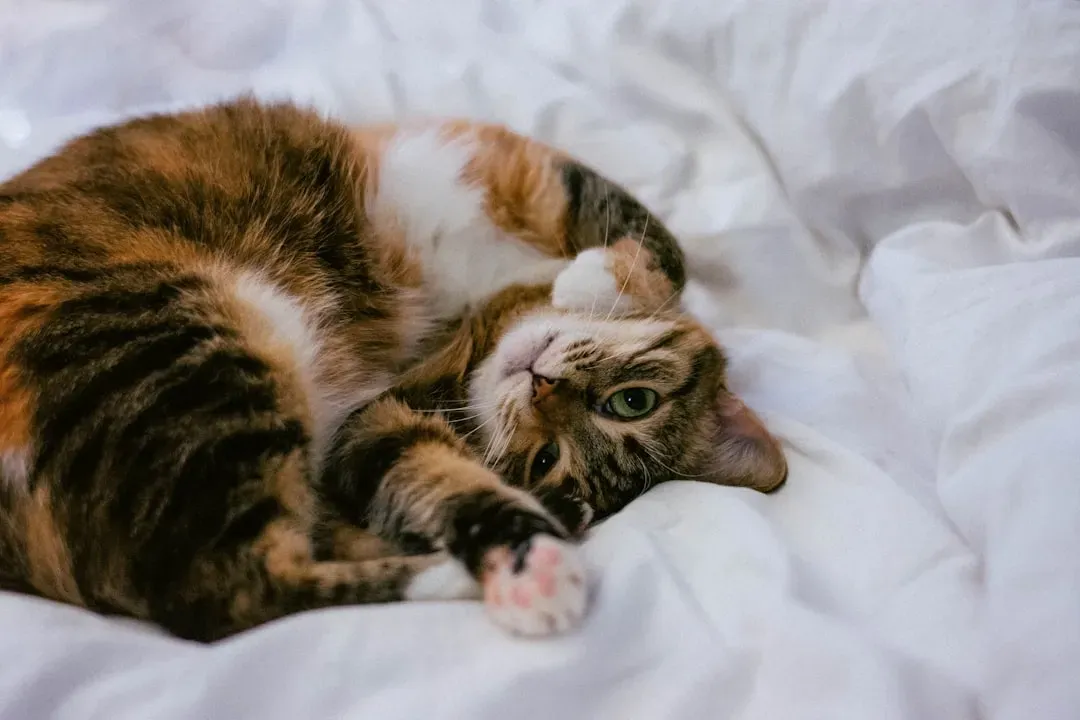
If your cat rolls over and exposes its stomach during a hard day, that’s arguably the single strongest trust signal in the entire feline behavioral repertoire. Tummy display is one of the clearest ways cats show affection, since it’s a highly vulnerable position, and cats only show it once they feel completely comfortable around their owner. Most people mistakenly interpret this as an invitation for a belly rub, which frequently backfires.
This is one of the more genuinely controversial pieces of cat behavior advice out there: many experts now argue that touching the exposed belly, even in an affectionate moment, is often the wrong move and can break the trust being displayed. The gesture itself, not the touch, is the actual comfort signal. A cat choosing to expose its most vulnerable spot next to you during a rough day is communicating safety, not requesting physical contact.
Worth Knowing
- A cat’s vital organs sit close to the belly surface with almost no protective muscle covering it.
- An exposed stomach is widely considered the clearest voluntary vulnerability display in feline body language.
- Touching the belly, even gently, can trigger an instinctive defensive grab-and-kick reflex.
- Many behaviorists suggest responding with a slow blink instead of a touch when this happens.
#14 – Simply Staying Present Is the Most Powerful Signal of All
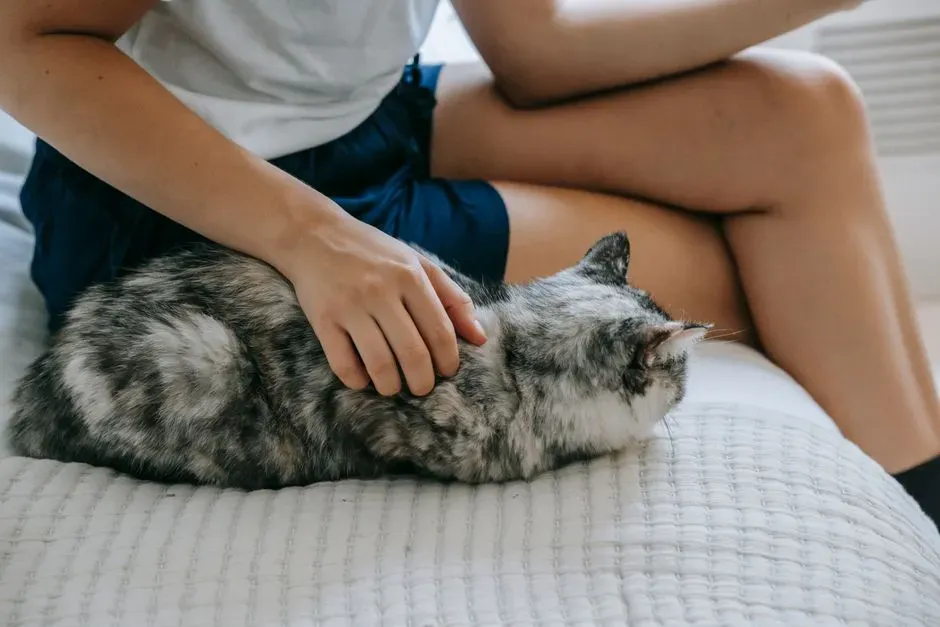
After cataloging thirteen distinct behaviors, the most consistent comfort signal researchers and behaviorists keep circling back to is the simplest one: cats choosing to stay. Cats are not obligate companions the way dogs often are – they can leave a room, retreat to a hiding spot, or ignore a person entirely with zero social consequence. Most people underestimate how significant it is when a cat deliberately chooses proximity during a hard day instead of exercising that freedom.
Unlike almost everything else on this list, sustained presence doesn’t require decoding subtle signals – it’s the baseline choice underneath all of them. A cat curling up nearby for hours during an emotionally difficult stretch, instead of drifting off to sleep elsewhere as usual, is arguably the clearest evidence that something is shifting in response to your state. The purring, the blinking, the bunting – all of it is detail layered on top of one foundational decision to stay close.
The Bottom Line
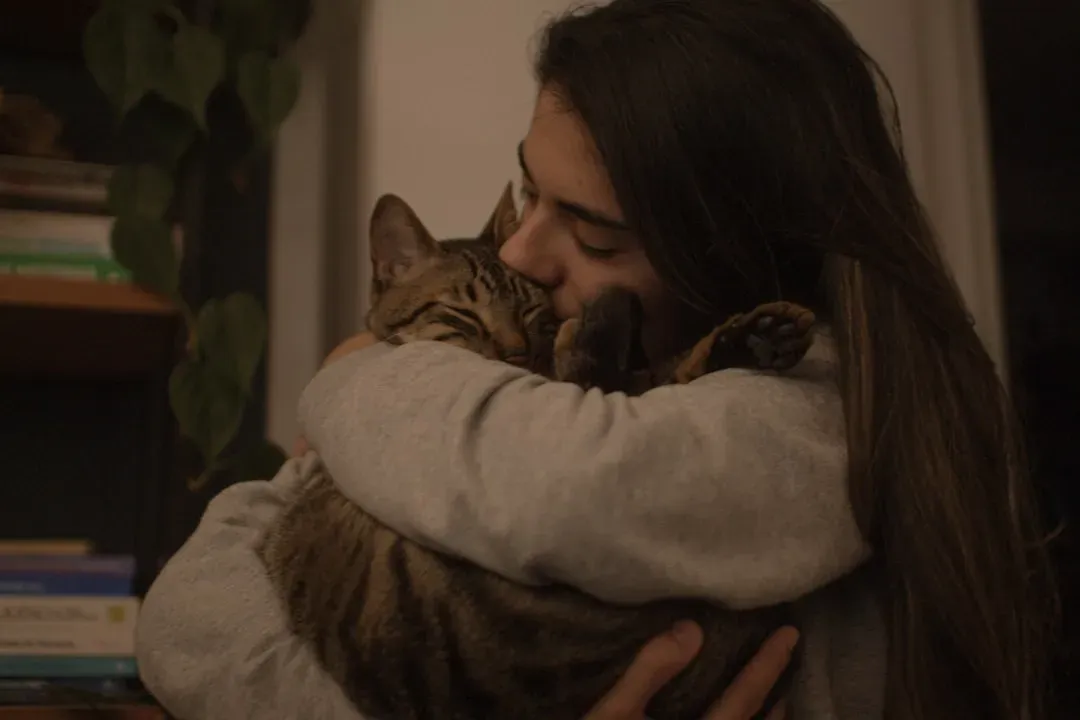
The evidence adds up to something most skeptics don’t want to admit: cats are not the emotionally indifferent animals pop culture insists they are. The purring alone sits in a frequency range scientifically linked to healing and stress reduction, and the slow blink has been experimentally confirmed as a genuine trust signal, not folklore.
Here’s where this gets opinionated: the “aloof cat” stereotype has done real damage. It’s talked people out of noticing comfort behaviors happening right in front of them, on the exact days they needed to see them most. Cats aren’t bad at showing up for us – we’ve just been bad at reading the language. Which of these fourteen has your cat done on your hardest day? Drop it in the comments.
Kristina is a young writer from India. An arts graduate and an avid content creator, Kristina is passionate about animals and wildlife. She enjoys exploring topics related to pet care, animal behavior, conservation, and nature, combining thorough research with engaging storytelling.