Most cat owners assume their pet is just a lazy, aloof roommate who only cares about food and warm laundry spots. Meanwhile, that same “aloof” cat may be quietly logging your scent, your breathing, your heartbeat, and your mood swings like a tiny furry surveillance system that never clocks out.
It sounds like folklore dressed up as science – until you look at what veterinarians and feline researchers are actually documenting. Here are 13 things senior cats appear to notice about their humans long before the humans notice it themselves, and a few of them are unsettling enough to change how you look at your cat tonight.
#1 – The Body Odor Shift You Can’t Smell But Your Cat Can
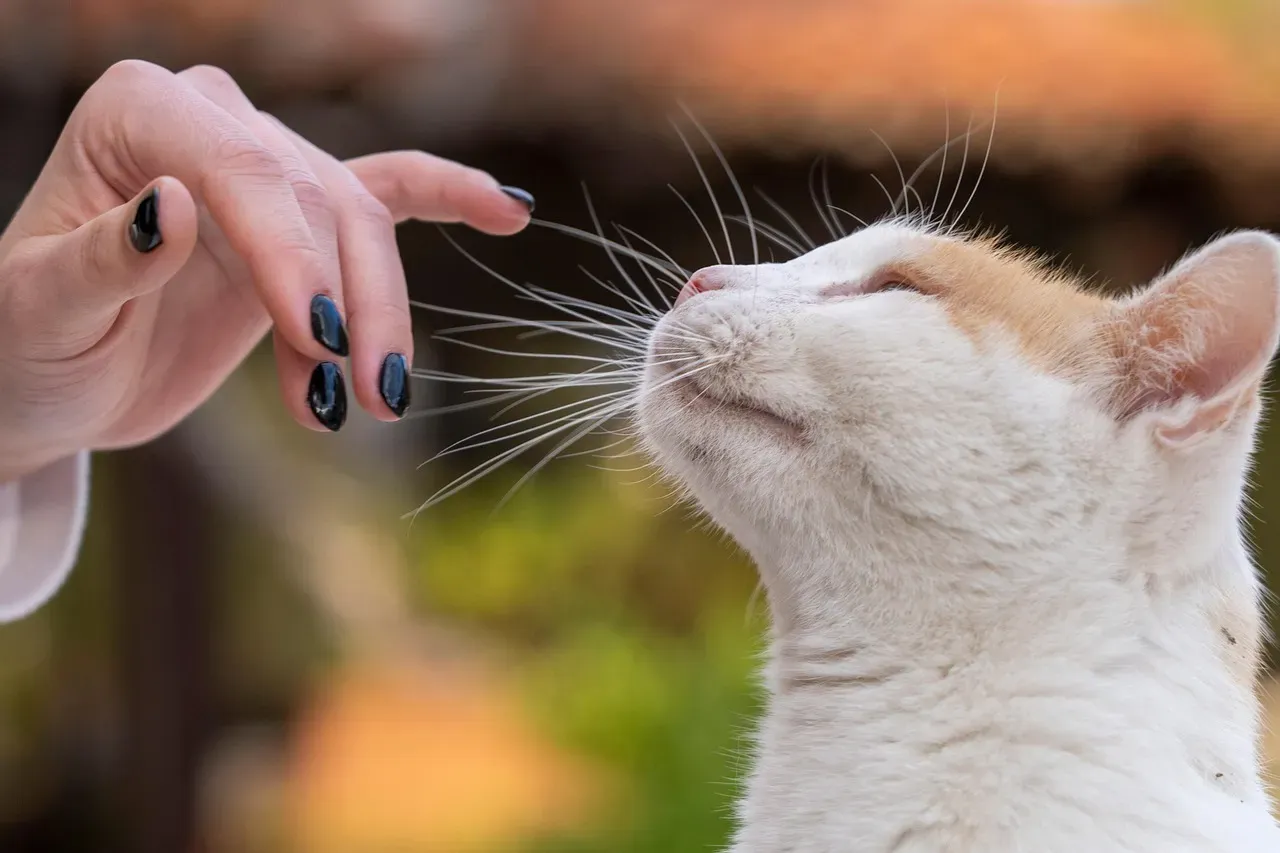
Your cat’s nose is working overtime, and it’s picking up things your bathroom mirror never will. A cat’s sense of smell dwarfs a human’s in almost every measurable way, with roughly 40 times more olfactory receptors packed into that tiny face. That means shifts in your body odor – the kind triggered by hormonal changes, inflammation, or metabolic stress – register with your cat long before you’d ever notice a difference yourself.
This is why an old cat might suddenly start sniffing you obsessively or avoiding a spot they used to love curling into. Researchers have noted that cats can detect fluctuations in blood sugar, hormone levels, and inflammation that are completely invisible to the human nose. Most owners write this off as “weird cat behavior.” It might actually be the earliest health alert you’ll ever get, and you’re rolling your eyes at it.
Fast Facts
- Cats carry an estimated 200 million scent receptors in their nose, while humans only have 5 million.
- On top of that, humans have 2 variants of this protein; dogs have 9 variants; but cats have a whopping 30 variants of the V1R receptor used to tell similar scents apart.
- That combination lets a cat register chemical shifts in your body chemistry long before those shifts are visible to you.
#2 – The Breathing Change Only Your Cat Feels First
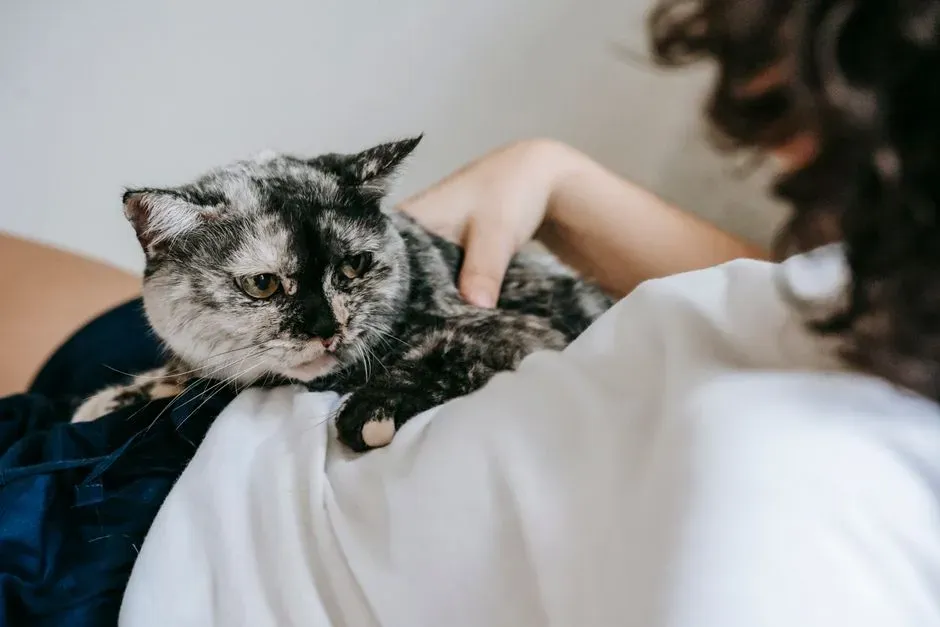
Long before you feel short of breath, your senior cat may already be watching your chest rise and fall differently. Cats that spend hours curled against your body are essentially living stethoscopes. Hypertension is often accompanied by shortness of breath and an increased heart rate, and a cat pressed against your ribcage will notice that shift almost immediately.
This is one of the more scientifically defensible feline “superpowers” out there – it isn’t magic, it’s proximity plus sensitivity. Cats also have remarkably keen hearing, sharp enough to pick up subtle changes in respiratory rhythm that a human partner sleeping beside you would sleep straight through. Most people assume their cat just likes lounging on their chest. It might actually be monitoring you.
#3 – Your Heartbeat Going Off-Script
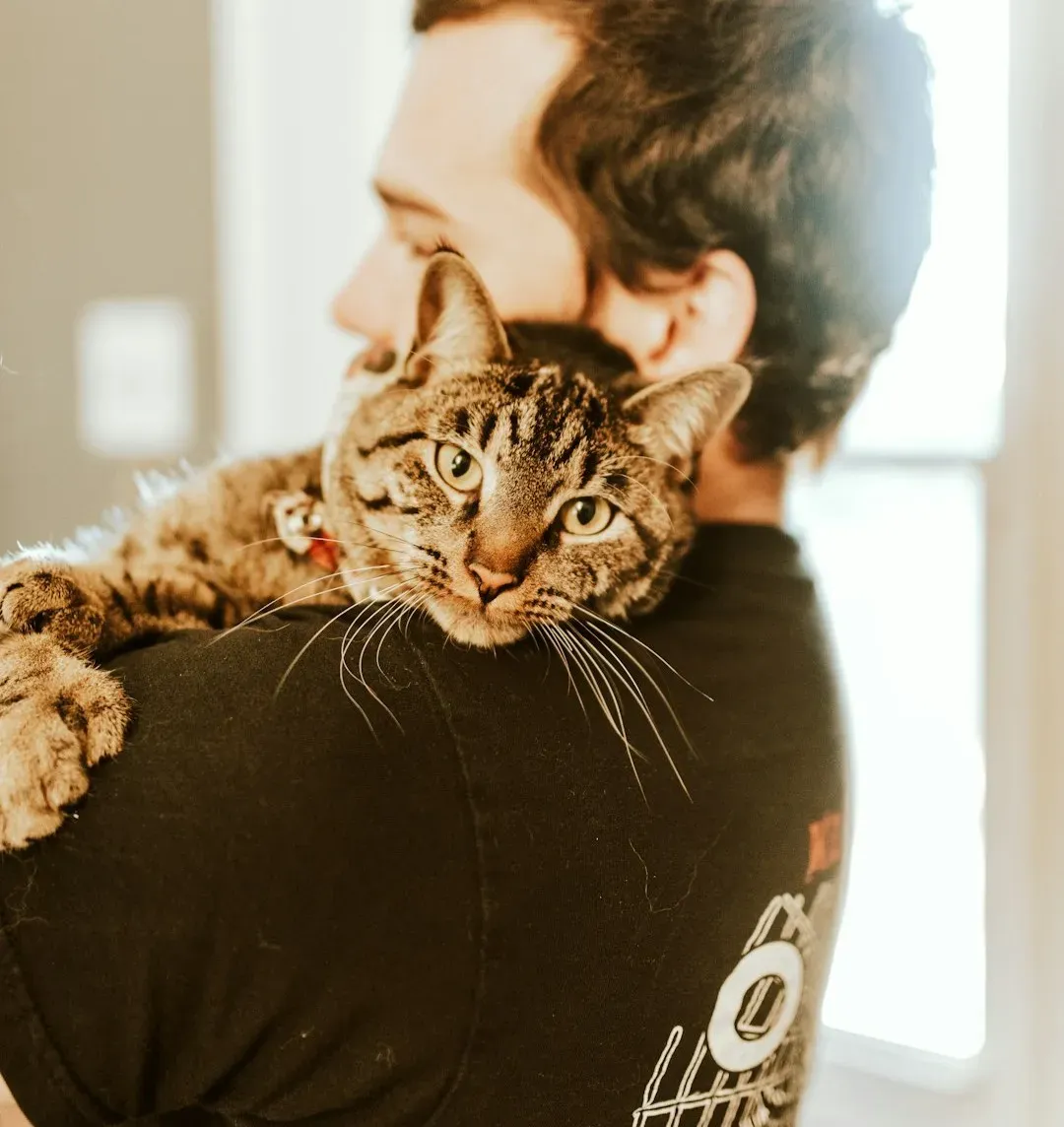
If your old cat suddenly becomes glued to your lap for no obvious reason, don’t dismiss it as coincidence. Cats that spend significant time pressed against your body build an internal baseline for what “normal” sounds like. Once a cat has heard your resting heart rate hundreds of times, deviations don’t slip by unnoticed.
Some owners have reported unusually clingy behavior from a cat right before a cardiac event, and while it’s not a diagnosis, it’s not nothing either. A cat that knows your heartbeat that intimately is arguably paying closer attention to your body than most people in your life. The uncomfortable truth is that your cat may notice cardiac stress before your smartwatch does.
#4 – The Pain You Think You’re Hiding So Well
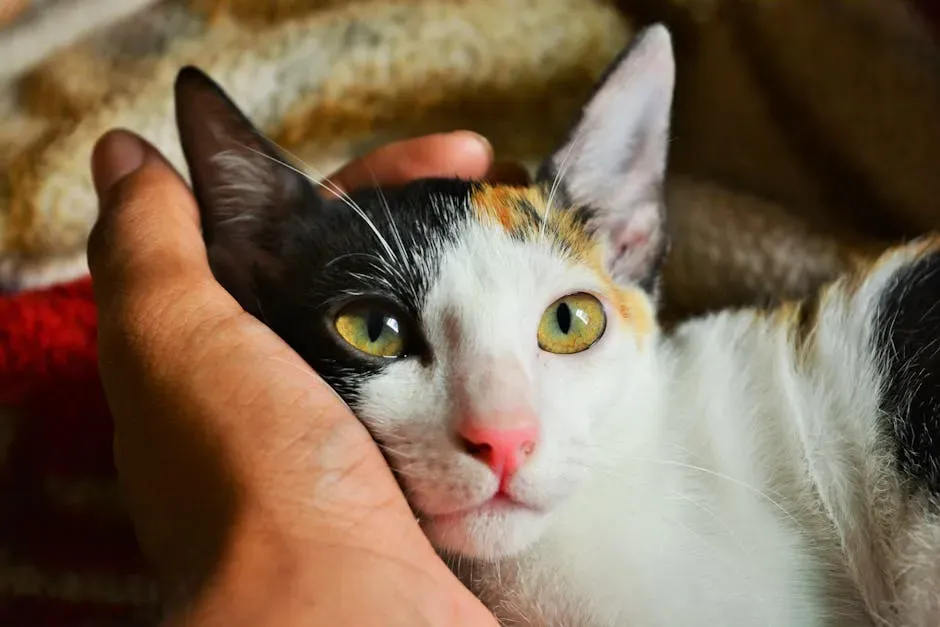
Old cats are unnervingly good at spotting the pain you’re trying to push through. Humans are notorious for masking discomfort – smiling through a bad back, ignoring a throbbing joint, pretending the headache isn’t there. Cats don’t buy the performance for a second.
Feline behavior specialists point out that cats are very good at reading facial expressions, especially when a wince is paired with a change in vocal tone. Even a stifled grimace gets logged somewhere in that small, calculating brain. Most owners think their cat is just being clingy when it won’t leave their side. It might actually be the first one to know you’re hurting.
#5 – Your Mood Swings Before You’ve Named Them
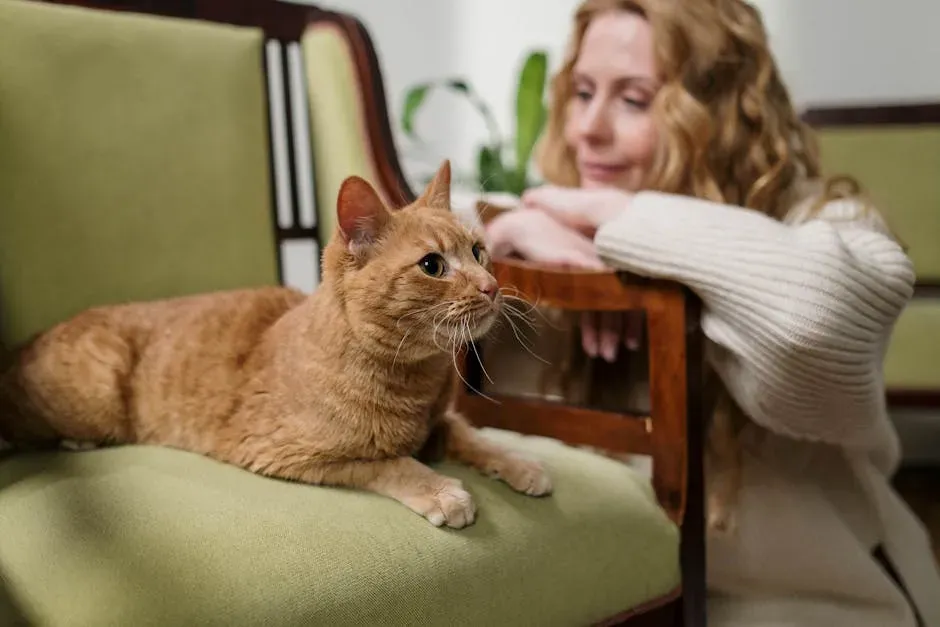
Your senior cat may know you’re spiraling emotionally before your best friend does. Cats are remarkably tuned into the emotional temperature of a household, picking up on shifts in heart rate, posture, and tone of voice long before anyone says a word out loud.
Cats are incredibly perceptive creatures who can pick up on our emotional distress, being sensitive to changes in physiological parameters, such as heart rate and body language, which can indicate our emotional state.
Feline behavior research summary
The response can go either direction depending on the cat’s temperament – some become more playful when you’re happy, others go quiet and clingy when you’re low. Here’s the controversial part: some experts argue this “empathy” is really just risk-assessment behavior, not affection, and that distinction matters more than most owners want to admit.
#6 – The Blood Sugar Crash Coming Before You Feel Dizzy
This one sounds like science fiction, but it’s backed by real anecdotal medical reporting. Diabetic owners have described their cats reacting to a blood sugar drop before any physical symptoms showed up – pawing, meowing insistently, or refusing to settle down until the person checked their levels.
While dogs get all the credit for medical-alert training, cats appear to be doing something similar with zero formal conditioning whatsoever. Most people assume only trained service animals are capable of this kind of detection. Turns out your untrained house cat might be quietly running the same playbook, just without the vest.
Worth Knowing
- Diabetic-alert dogs typically go through extensive, structured training before they reliably respond to a blood sugar swing.
- Cats displaying this same alerting behavior have had no formal training whatsoever.
- Both are believed to be reacting to chemical byproducts, like ketones, released as blood sugar rises or falls.
- The training gap is exactly what makes an untrained cat picking up on this pattern so remarkable.
#7 – The Seizure Warning No One Trained Them For
Some old cats appear to sense a seizure coming before the person having it does. This is one of the more startling claims in feline behavior research, and it isn’t purely folklore – there’s a mix of scientific curiosity and consistent anecdotal reports behind it, with theories pointing to scent changes or subtle pre-seizure behavior shifts that cats pick up on instinctively.
Unlike trained service dogs, cats seem to stumble into this ability naturally, through sheer sensory sharpness rather than deliberate conditioning. The implications matter for owners managing chronic conditions, even if science hasn’t fully mapped the mechanism yet. Most people would never trust a cat with something this serious, but the anecdotal evidence keeps piling up.
#8 – The Cold You Haven’t Admitted to Yourself Yet
Long before your thermometer confirms anything, your cat may already be acting differently around you. The scent of illness changes fast, and cats notice fast. Your body chemistry shifts the moment you get sick, and cats pick up on those differences well before you’d call yourself “under the weather.”
Owners frequently report this exact pattern days before symptoms peak – a cat that usually avoids physical affection suddenly won’t stop rubbing against your legs. Most people call this “needy cat behavior.” It might actually be an early diagnostic tool you’re brushing off as neediness.
#9 – The Weight Change Your Jeans Haven’t Noticed Yet
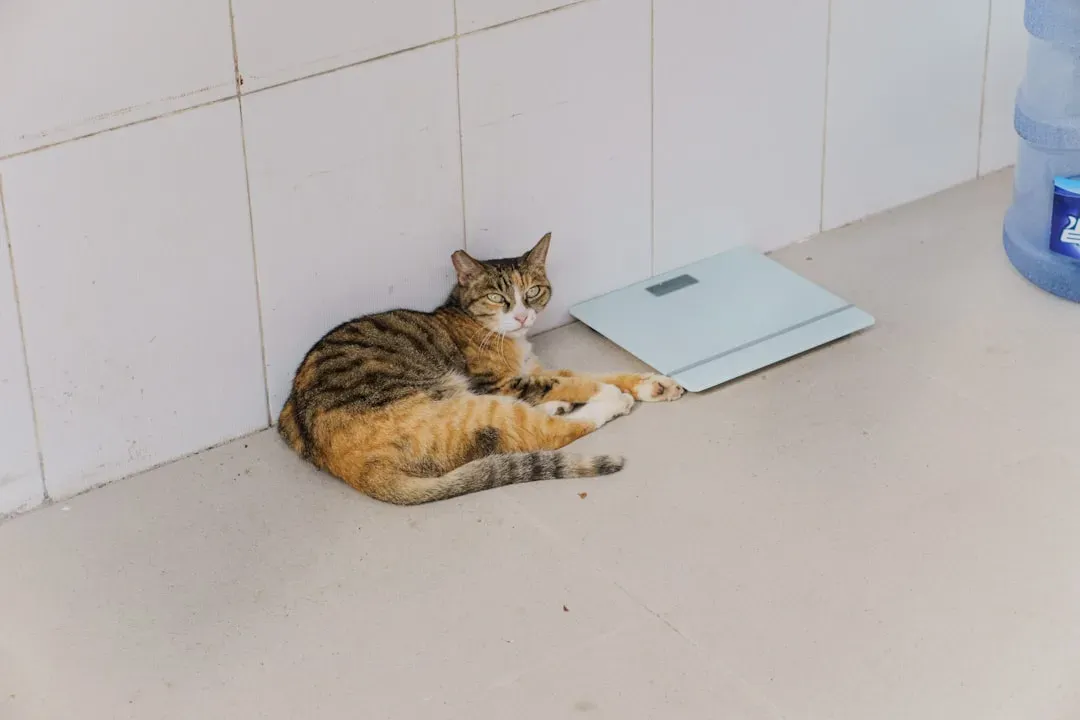
Old cats notice fluctuations in your body faster than your own clothes do. This ties back to their scent-detection abilities, but it also involves simple physical observation – how you move, how heavy you feel when they settle on your lap, even shifts in your smell caused by altered metabolism.
Cats pay close attention to changes in their owners’ daily routines and physical patterns, and unexpected shifts often register as something worth watching. Most owners assume their cat can’t possibly tell they’ve lost or gained weight. The daily physical contact says otherwise.
Quick Compare
- Scent-based metabolic shift: your cat notices it almost immediately; you notice it only once old clothes stop fitting.
- Weight settling on the lap: your cat feels it the moment you sit down; you might not step on a scale for weeks.
- Routine changes tied to appetite or activity: your cat logs it as a pattern shift instantly; you chalk it up to “just a busy week.”
#10 – The Medicine Cabinet Smell They Never Forget
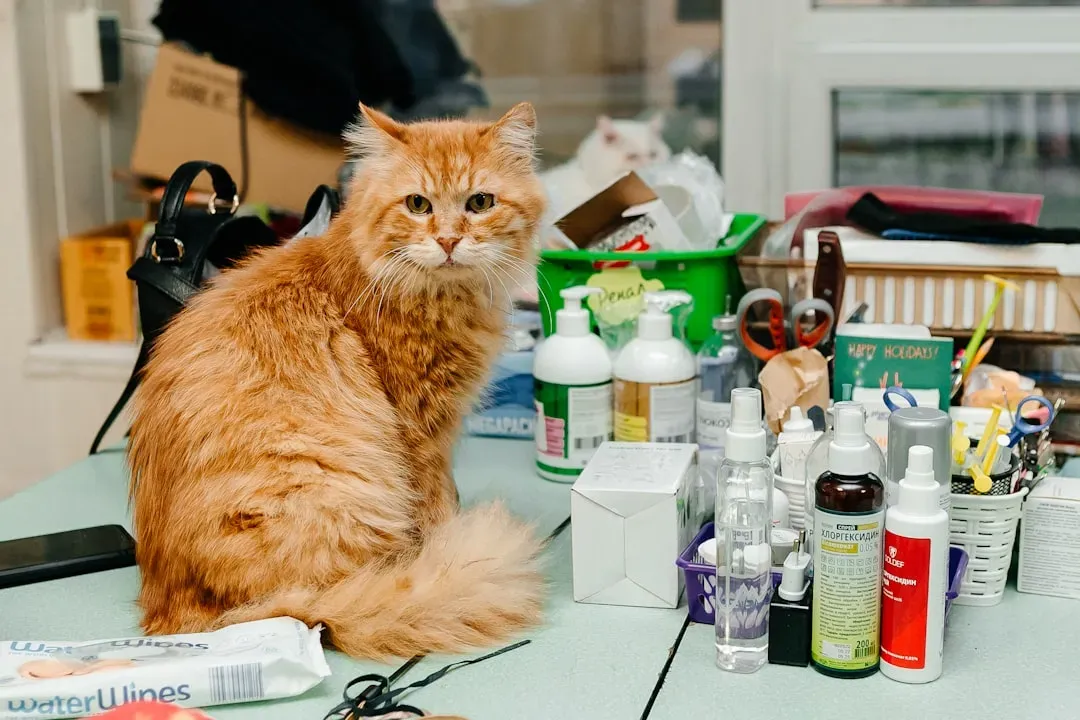
If you’ve ever started a new prescription and your cat suddenly acted strange around you, this is why. Cats build scent associations with illness far beyond just body odor – cough drops, lotions, specific medications all get filed away in their memory as “the smell that shows up when something’s wrong.”
That association can stick for years, quietly waiting to be triggered again. Most people think their cat is reacting to the medicine bottle itself. It’s actually reacting to a pattern it learned to associate with you being sick a long time ago.
#11 – The Tension in the House They Feel First
Cats absorb tension in a room like a sponge, and old cats are especially attuned to it. If you’re feeling anxious or stressed, your cat might start mirroring it – an increased heart rate, restlessness, excessive grooming, even hiding more than usual.
This is where the controversial opinion comes in: many behaviorists now argue that constant “emotional mirroring” in senior cats isn’t a sign of a deep bond, it’s a sign of chronic low-grade anxiety that owners are unknowingly transmitting to their pet every single day. That reframes cuddly, clingy behavior as a stress symptom rather than affection, and it’s an uncomfortable idea for a lot of cat owners to sit with.
#12 – The Five-Minute Schedule Shift They Clock Instantly
Nothing gets past an old cat’s internal clock, not even a five-minute change in your schedule. Cats pay obsessive attention to routine, and seniors especially rely on predictability to feel secure in their environment.
Any unexpected shift – spending more time at home, changing feeding times, coming through the door later than usual – registers as a signal that something is different. This is why an old cat pacing by the door at an odd hour, or suddenly waiting somewhere new, often means it noticed a pattern shift before you’d even consciously planned one. Most owners think their cat just “likes routine.” It’s actually running a silent audit on your life every day.
#13 – The Decline Nobody Wants to Talk About
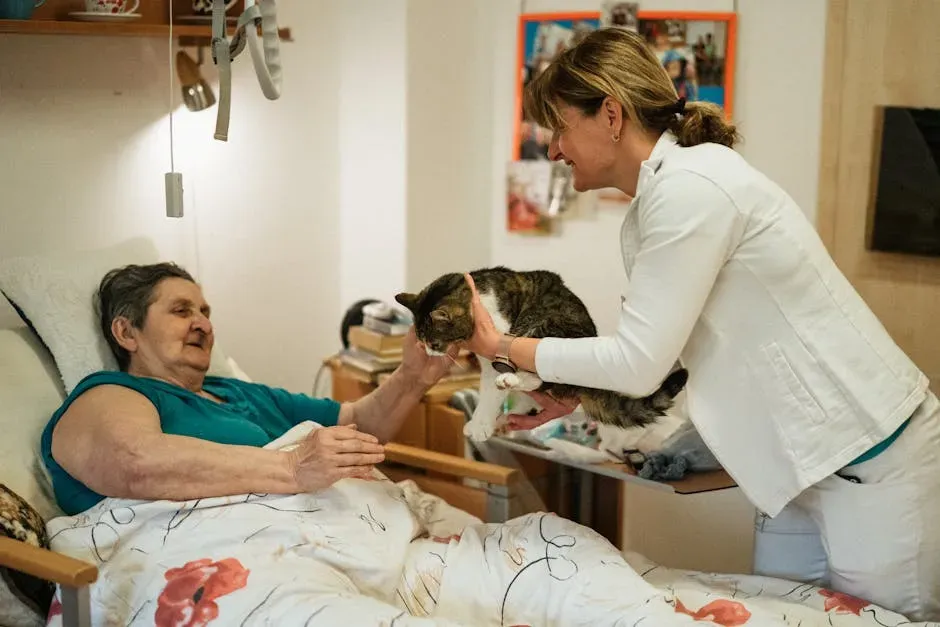
This is the one nobody wants to talk about, but it’s the most documented of all. There’s long-standing anecdotal and clinical interest in cats sensing the final stages of human decline, with some researchers hypothesizing that a dying body gives off pheromone changes that a cat’s extraordinary sense of smell can pick up on.
One widely cited case even made it into formal medical literature – a nursing home cat documented in the New England Journal of Medicine that reportedly curled up beside residents in their final hours, seemingly sensing what staff hadn’t yet confirmed. This is admittedly the most speculative item on this list, and legitimate researchers are careful to say the science isn’t settled. Still, the sheer volume of consistent anecdotal reports from hospice workers and longtime owners makes it hard to dismiss entirely.
At a Glance
- The cat, known as Oscar, lived at the Steere House Nursing and Rehabilitation Centre in Providence, Rhode Island, which specializes in caring for people with severe dementia.
- Dr. Dosa first publicized Oscar’s gift in an article in the New England Journal of Medicine in 2007.
- Early reporting tracked his accuracy, observed in 25 cases, while later accounts noted it was believed that Oscar accurately predicted 100 deaths.
- Staff began alerting families the moment Oscar settled beside a resident, treating it as a reliable signal that time was short.
The Bottom Line
The evidence here is a mix of hard biology and stubborn anecdote. Cats undeniably have the sensory hardware to detect scent, sound, and behavioral shifts far earlier than humans can manage on our own. What’s still debated is how much of their reaction is genuine concern versus instinctive self-preservation.
Either way, dismissing your old cat’s sudden clinginess, avoidance, or restlessness as “just being weird” is starting to look like a mistake more than a joke. The nose, ears, and instincts of an aging cat are quietly more advanced than most owners give them credit for. Has your senior cat ever tipped you off to something before you even felt it yourself? Drop your story in the comments – the collection of these stories is genuinely part of how this behavior is starting to be taken seriously.
Kristina is a young writer from India. An arts graduate and an avid content creator, Kristina is passionate about animals and wildlife. She enjoys exploring topics related to pet care, animal behavior, conservation, and nature, combining thorough research with engaging storytelling.