Every night around the same time, your old cat vanishes into the same corner behind the same chair, and you probably think you know why. “She’s just getting old,” you tell yourself. “Cats like routine.” It sounds harmless, almost sweet.
But veterinarians and feline behaviorists say that nightly disappearing act is rarely just habit. It can be a survival instinct, a pain signal, or an early warning sign of disease hiding in plain sight – and most owners scroll right past it without ever asking why. Here’s what’s actually going on in that quiet corner.
#1 – It’s Written Into Their DNA Long Before They Were “Old”
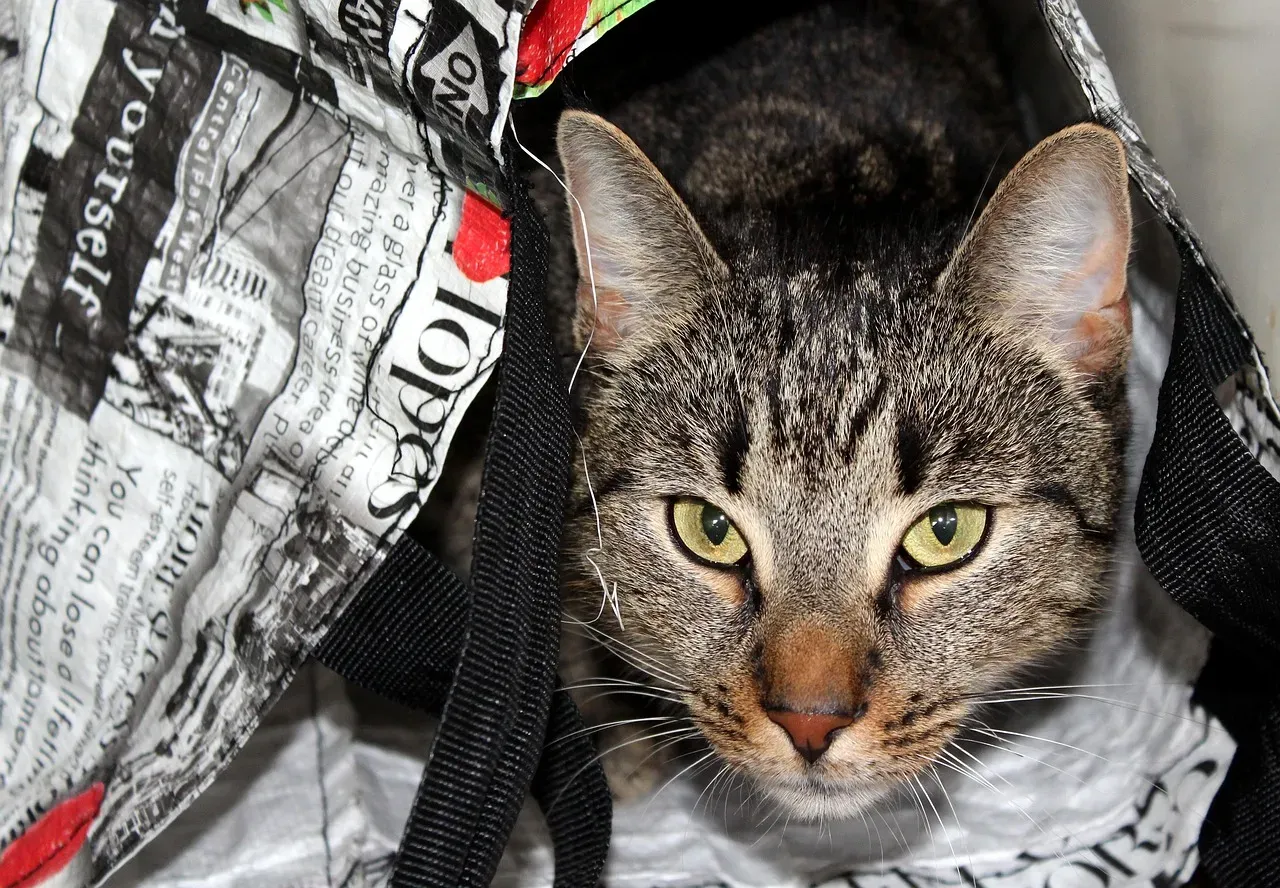
Your cat isn’t picking that corner at random. Evolution picked it for them thousands of years before you brought them home.
Cats are naturally more active at dawn and dusk, so seeking a secluded, hidden spot as evening settles in is instinctual, not sentimental. That quiet corner is prime “on alert” territory in the wild – a place to stay still, stay hidden, and stay safe while predators and prey move under cover of low light.
Fast Facts
- Cats are crepuscular, meaning they’re wired to be most alert at dawn and dusk.
- Hidden corners once protected cats from being hunted while they were hunting smaller prey.
- This instinct doesn’t fade with age – many older cats lean into it even harder.
Hiding also historically protected cats from being hunted themselves while they hunted. As cats age, this crepuscular wiring doesn’t fade – if anything, older cats lean into it harder because it’s predictable, low-effort, and safe. Most owners assume this is a senior quirk, when it’s actually a survival script written millions of years before your cat ever met you.
#2 – Failing Eyesight and Hearing Make Familiar Corners Feel Safer
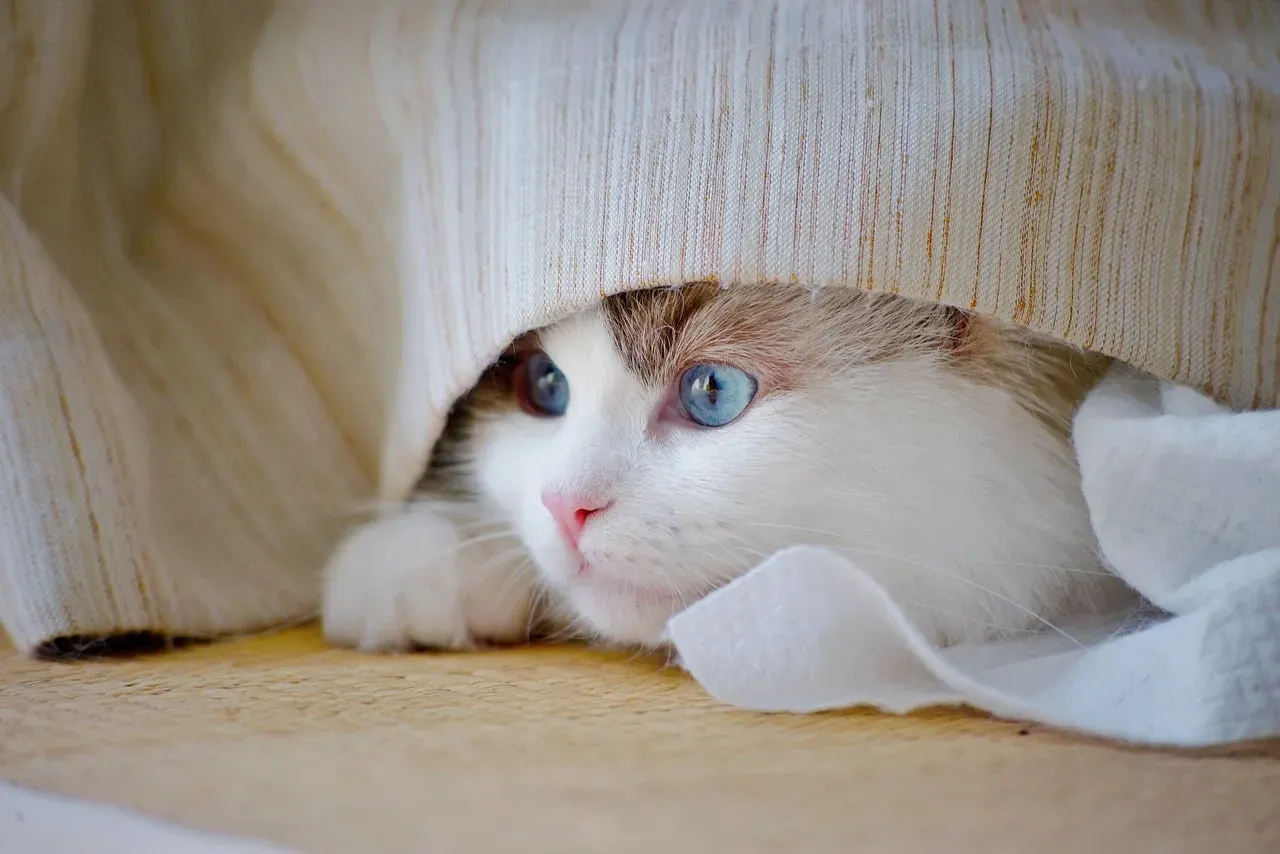
Here’s something almost no owner considers: your cat may be choosing that corner because the rest of the house has quietly become confusing.
Older cats hide more often partly because of declining eyesight and hearing. Blurrier vision and muffled sound can make once-familiar rooms feel unpredictable, even threatening. A well-worn corner requires zero guesswork – no new furniture angles, no surprise shadows, no disorienting glare.
As senses fade, cats can become easily startled or anxious when approached unexpectedly, especially from behind. That’s exactly why the same quiet spot every evening becomes a comfort zone: it’s the one place their weakening senses have already fully mapped. Owners often mistake this for stubbornness, when it’s really a cat compensating for a world that’s gotten blurrier and quieter around them.
#3 – Arthritis Pain Is Silently Driving the Choice
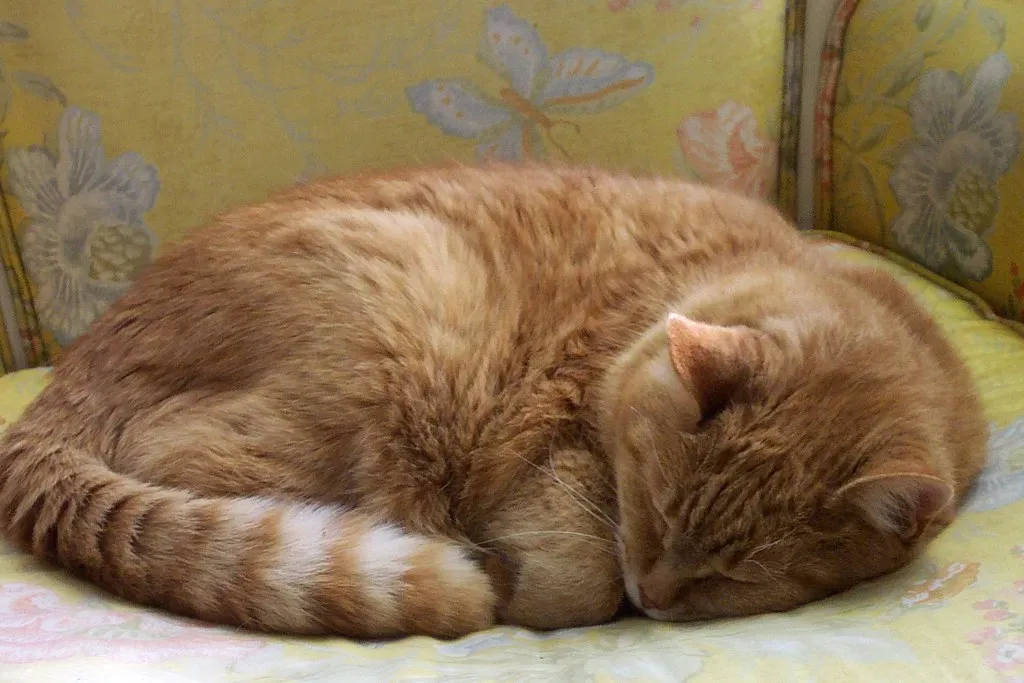
This one surprises almost everyone: that “cozy” corner might actually be pain management in disguise.
One scientific study found that 90% of cats over 12 years old showed signs of arthritis on X-ray – yet cats have a natural instinct to hide pain, so it routinely goes undiagnosed. That means the overwhelming majority of senior cats curling into corners every night are quietly managing joint pain nobody has ever caught.
Heat-seeking behavior – lying by heat vents, near a coffee maker, or in a fading sunny patch – is a classic arthritis giveaway. If your cat’s evening corner happens to sit near a radiator, the last warm rays of a window, or a soft rug, that’s not coincidence. It’s joint relief. Most owners call this “settling down for the night.” Vets call it self-medicating for chronic pain.
#4 – The Corner Is Basically Marinated in Their Own Scent
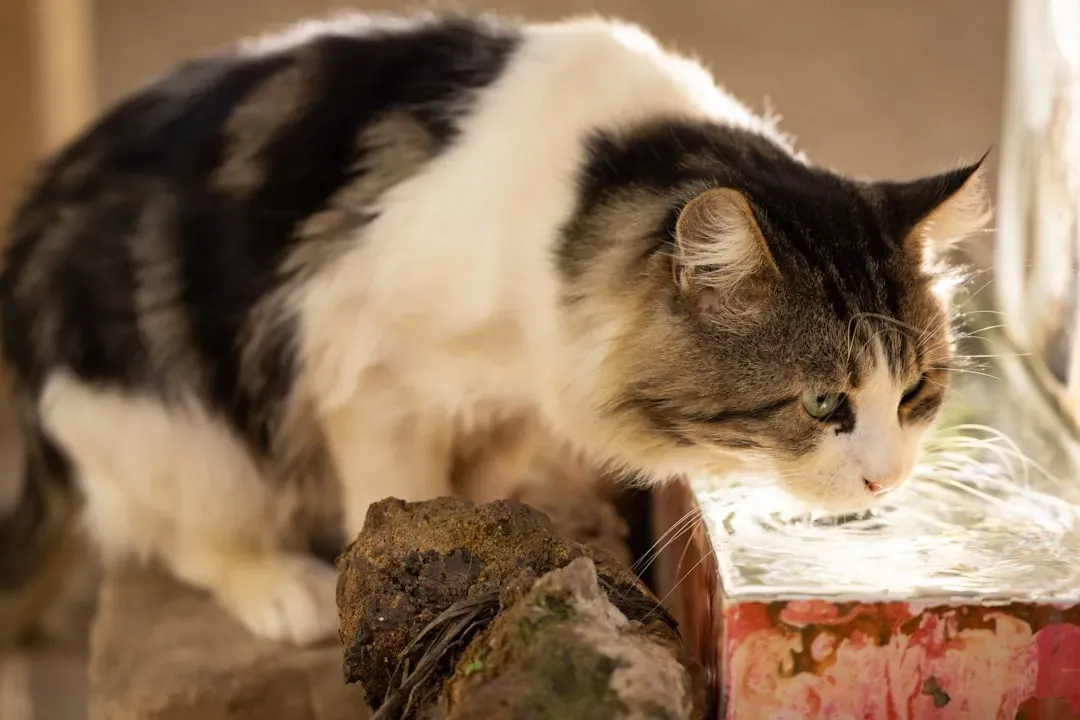
Cats don’t pick spots emotionally the way we do. They pick them chemically, and this is where it gets genuinely fascinating.
Given a small, enclosed space, a cat quickly saturates it with its own scent through rubbing and resting, turning a random patch of floor into a personalized safe zone. Once a corner is layered with a cat’s own pheromones, it becomes a self-soothing space – essentially a scent-based security blanket built over time.
For a senior cat whose confidence is already shaky from aging joints or fading senses, that scent-marked corner is one of the only places in the house that feels completely controlled. Nobody talks about this, but that corner is essentially your cat’s personal safe house, built molecule by molecule over months or years of quiet repetition.
#5 – It Could Be an Early Sign of Feline Dementia
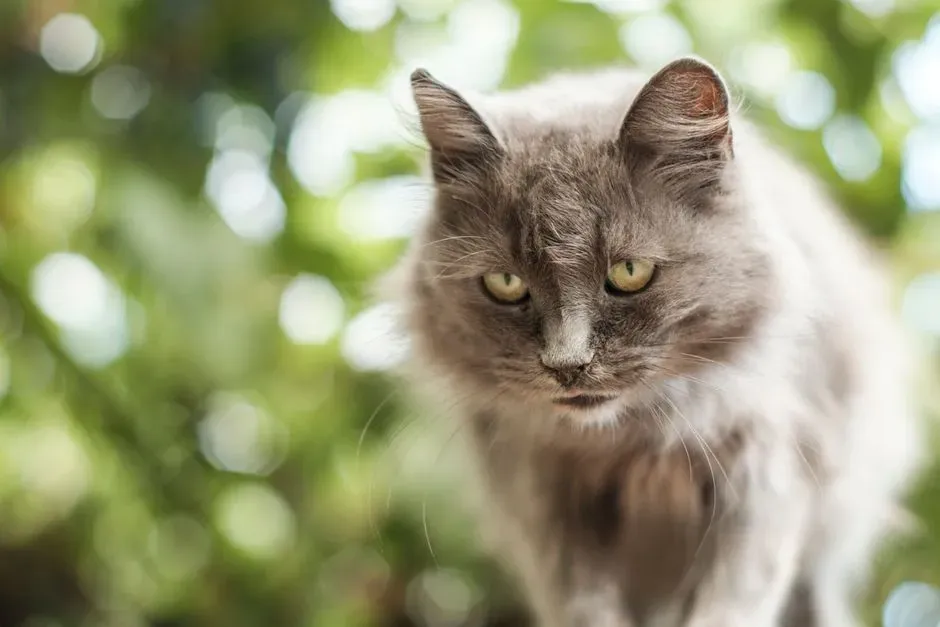
This is the one that makes most cat owners stop scrolling, because it reframes the “cute routine” entirely.
Cognitive decline, known as feline cognitive dysfunction, is estimated to affect more than 55% of cats aged 11 to 15, and more than 80% of cats aged 16 to 20. That’s a staggering majority of senior cats living with some level of brain aging most owners never suspect.
At a Glance
- Ages 11-15: over 55% show signs of feline cognitive dysfunction.
- Ages 16-20: more than 80% show signs of cognitive decline.
- Common signs include disrupted sleep-wake cycles and getting “stuck” in familiar corners.
Cognitive dysfunction can look like simple withdrawal, but it often carries a distinctive “disorientation” flavor: disrupted sleep-wake cycles, getting stuck in corners, or seeming unsure in rooms they’ve lived in for years. A cat repeatedly returning to one specific spot may be doing so because it’s the only location their aging brain can reliably navigate to. Vets increasingly link this kind of repetitive corner-seeking to the same underlying brain changes seen in human Alzheimer’s patients.
#6 – Sound and Light Sensitivity Skyrockets With Age
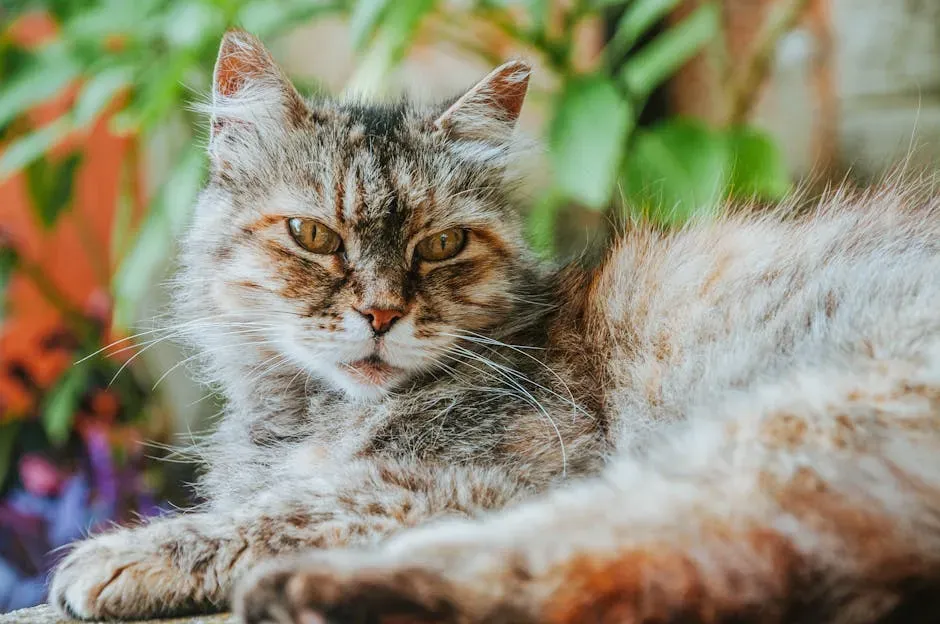
Most people assume a senior cat retreating in the evening is simply tired. Experts say it’s often something sharper: sensory overload.
This isn’t always classic hiding – it can be heightened sensitivity to noise, light, and sudden movement as the nervous system ages. Evening is exactly when household noise peaks: dinner clatter, TV volume, kids winding down, doors opening and closing in every direction.
Instead of the sunny window ledge, an aging cat might choose the shadowed armchair. Instead of the busy kitchen hub, they retreat to the hallway or under the coffee table. A quiet, dim corner isn’t boredom-driven withdrawal – it’s a sensory escape hatch from a home that’s grown too loud for aging ears. Experts compare it to an elderly person quietly slipping out of a noisy family gathering: not antisocial, just overwhelmed.
#7 – The Corner Doubles as a Watchtower
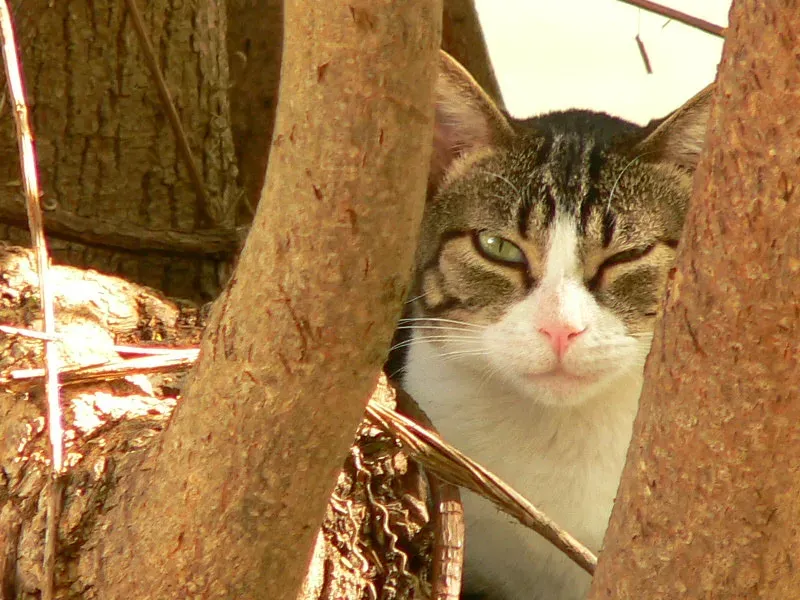
Here’s a controversial take: many owners assume retreating to a corner means a cat wants to be left alone completely. That’s not quite accurate.
Most cats prefer hiding spots that are dark, warm, and closed off at the back, which instinctively offers protection from attacks from behind and below – while still letting them watch what’s happening in front of and above them. That evening corner isn’t a hideaway. It’s a command post.
Elevated or protected positions let cats observe their surroundings without feeling exposed, because for cats, height and cover equal safety. An older cat guarding a specific sightline of the living room isn’t shutting the family out – it’s quietly supervising from the position that costs the least energy and offers the most control. Most people misread this as isolation, when it’s really surveillance.
#8 – Their Internal Thermostat Is Failing
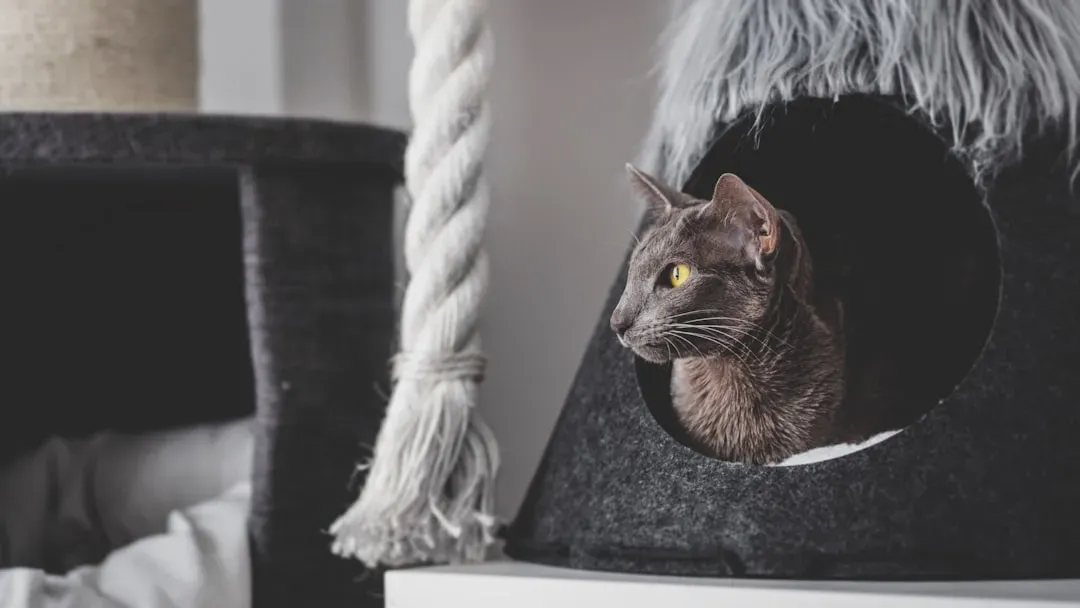
Here’s a fact that surprises almost every cat owner: your senior cat is likely colder than you realize, most of the time.
Just like in humans, cold weather can make achy joints more painful and tight, which is why keeping a senior cat’s main resting area warm matters more than people think. That evening corner is very often the warmest, most draft-free spot in the entire house, chosen with the precision of a thermostat.
Quick Compare
- Cat’s ideal resting temperature: around 86°F.
- Typical human comfort setting at home: roughly 68-72°F.
- That gap is why a room that feels warm to you can still feel chilly to your cat.
Cats are natural heat-seekers, with an ideal resting temperature around 86°F – far higher than what feels comfortable to us. As cats age and lose muscle mass, this heat-chasing instinct intensifies, turning a single warm corner into a nightly non-negotiable. Most people think their cat “just likes” that spot, when really their cat’s body is quietly demanding it.
#9 – Masking Weakness Is a Survival Reflex, Not a Mood
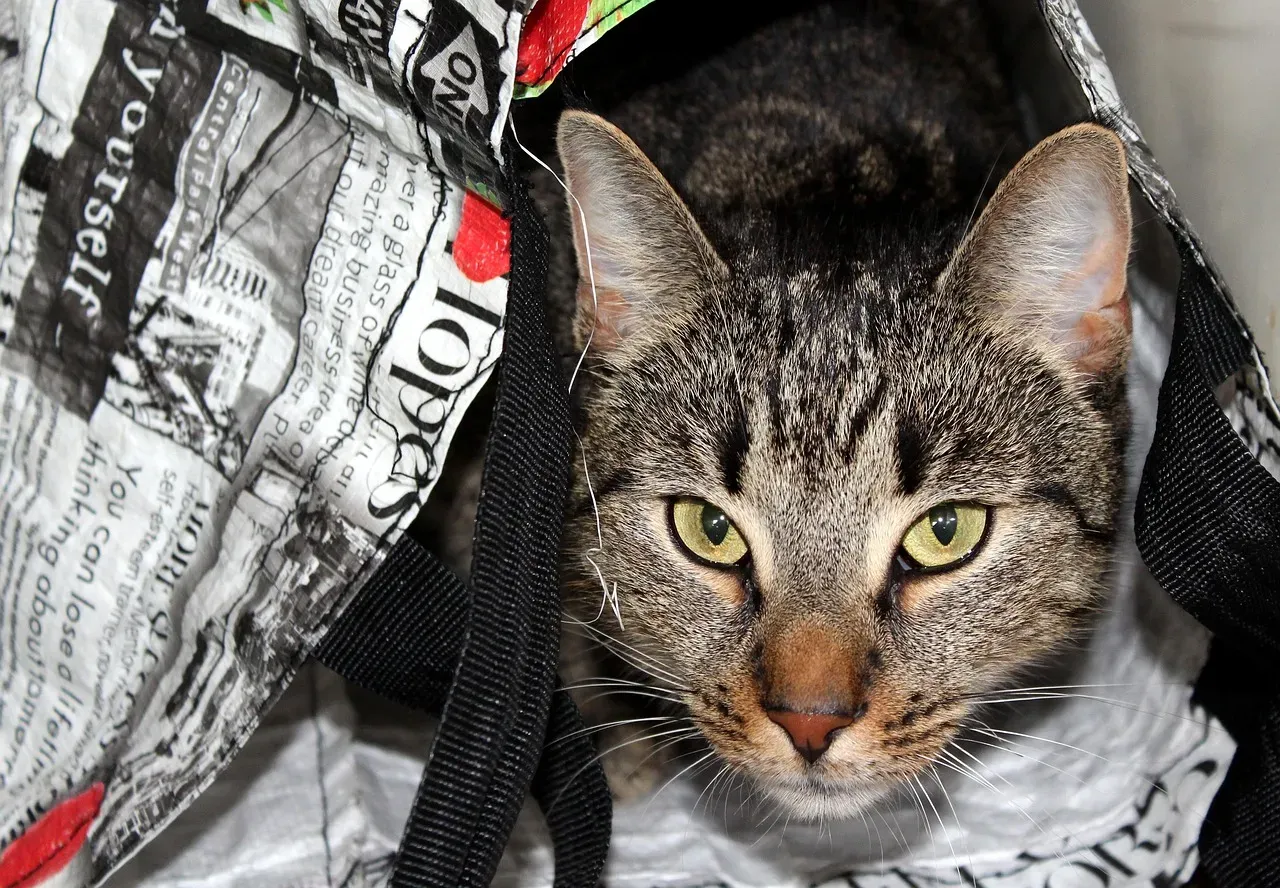
This is the one that tends to spark the most debate, because it challenges how people interpret their cat’s “independence.”
Cats are hardwired to mask weakness, disappearing when they feel vulnerable. That means a cat quietly retreating to the same corner every night isn’t being distant – it’s following an ancient rule that showing weakness invites danger.
Worth Knowing
- Cats mask discomfort more effectively than dogs, often hiding pain until it’s advanced.
- A cat retreating to one safe spot can be a sign of trust, not distance.
- A sudden increase in hiding time is worth mentioning at your cat’s next vet visit.
Arthritis affects many senior cats, yet they hide discomfort far better than dogs typically do. A cat instinctively knows a bad hip or foggy vision makes it vulnerable, so it removes itself from the “herd” rather than risk looking weak out in the open. Many owners take this personally, assuming their cat loves them less. Biologically, it’s the opposite – it’s total trust that this one spot is safe enough to be vulnerable in.
#10 – For Some Cats, It’s a Quiet Ritual of Comfort and Connection
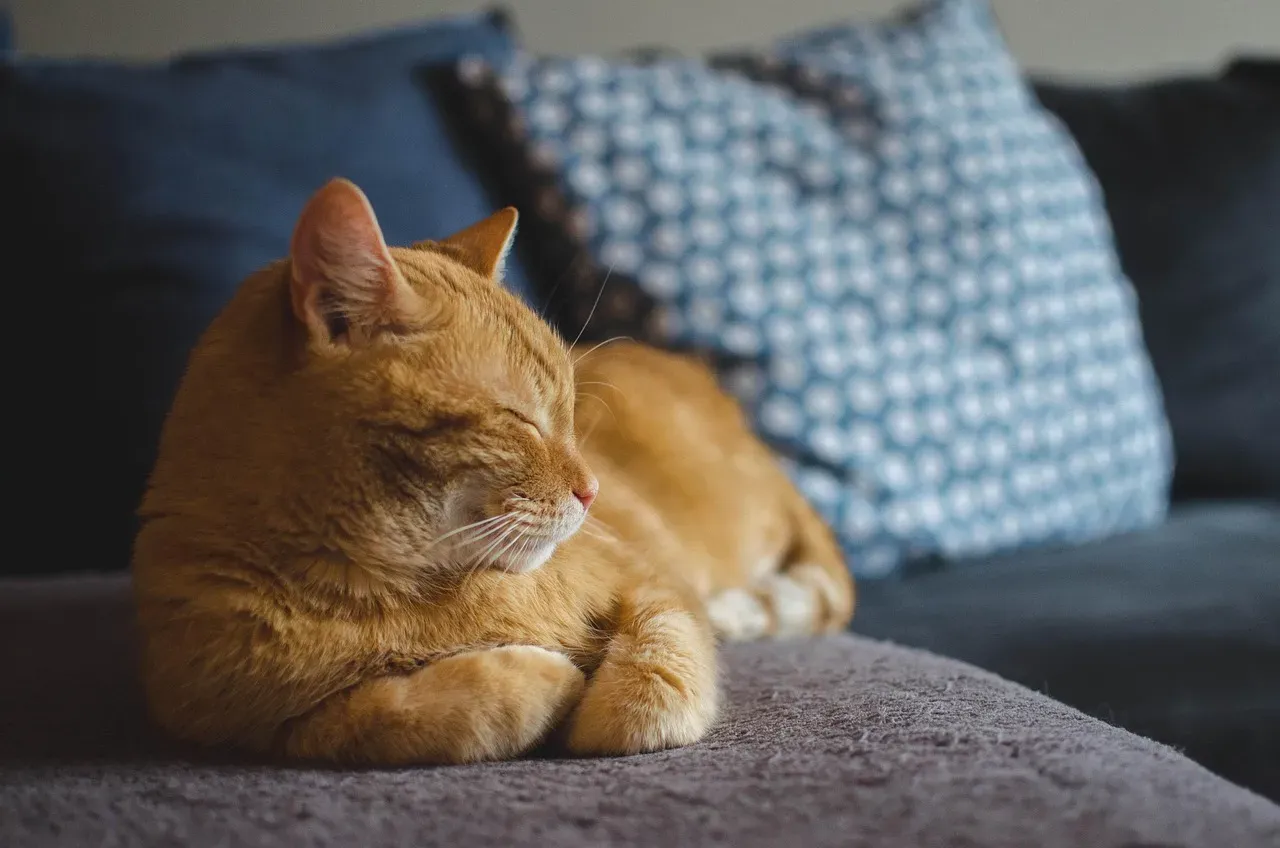
This final reason is the one that hits hardest, and it’s the one vets in hospice and palliative feline care see over and over again.
Aging cats often return to habits from kittenhood – sleeping in one particular spot, kneading a favorite blanket, or seeking out one special person again and again. It may be an animal’s way of anchoring itself to what feels safe inside a body that’s slowly changing on them. That nightly corner isn’t random comfort. It’s a small ritual holding an increasingly uncertain world together.
Vets who work with palliative and hospice cases often describe watching a cat’s world slowly narrow down to its core person, a few chosen spots, and a handful of rituals. This is the layer most owners never think about: their cat isn’t just resting. It’s actively choosing the safest, most familiar version of home it has left.
The quiet corner your senior cat claims every evening isn’t a cute quirk. It’s closer to a running diagnostic report, written in body language instead of words. Fading eyesight, arthritis pain, a failing internal thermostat, sensory overload, and even early feline dementia can all disguise themselves as “just settling down for the night.”
Here’s the opinion worth sitting with: most owners romanticize this behavior as personality, when vets will tell you it’s often the earliest, most honest signal an aging cat gives that something in their body or brain needs attention. A cat can’t tell you their hip hurts or their vision has dimmed – but they can show you, every single evening, in the exact same spot. Watching where your cat retreats, and how intensely, may tell you more than a routine checkup ever will. Does your old cat have a “spot”? Tell us where it is and how old they are in the comments.
Kristina is a young writer from India. An arts graduate and an avid content creator, Kristina is passionate about animals and wildlife. She enjoys exploring topics related to pet care, animal behavior, conservation, and nature, combining thorough research with engaging storytelling.