Your cat has been staring at you for ten straight minutes, and you probably chalked it up to an empty food bowl. It probably wasn’t that at all. Most owners write off their senior cat’s blank stares, sudden yowling, and 3 a.m. wandering as “just old age” or a grumpy phase she’s earned.
A growing stack of veterinary and behavioral research says something far stranger is happening inside that graying head. Your cat is processing, remembering, and reacting to more than almost anyone gives her credit for, right up until the very end. Here’s what researchers, veterinarians, and feline cognition scientists have actually found when they finally looked closely enough.
#1 – She Knows Her Own Name, Even When She Ignores It
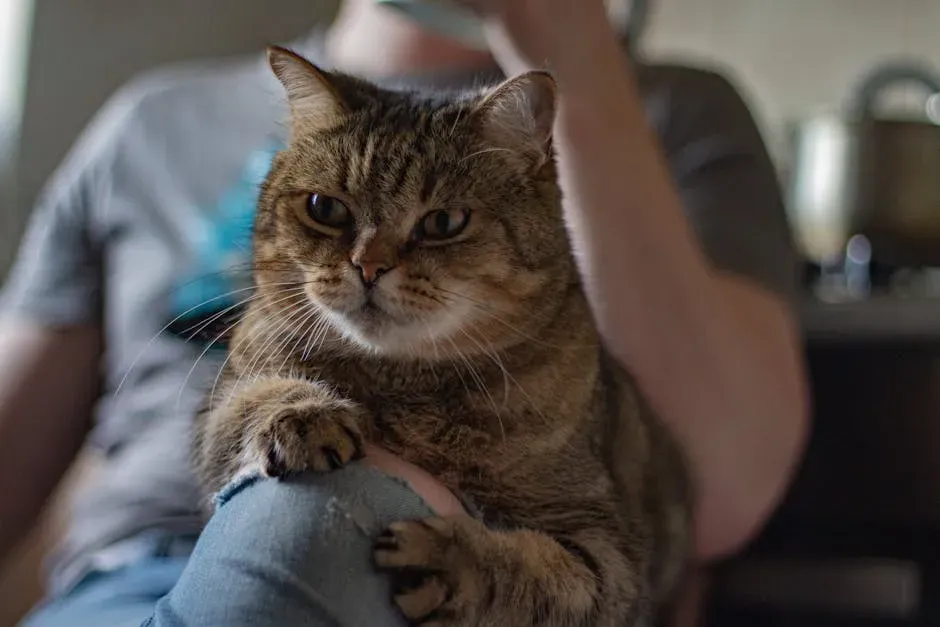
Your cat isn’t confused when you call her name. She’s choosing to ignore you, and that’s a very different thing entirely.
A landmark University of Tokyo study tracked cats’ responses when their names were played aloud versus similar-sounding nouns or other cats’ names. Pet cats reliably recognize their own names when their owners use them regularly, and the study included cats spanning a huge age range, well into their senior years.
Even more telling: a cat who doesn’t respond hasn’t necessarily failed to recognize the word at all. Researchers noted that a cat that ignored its name may still recognize it perfectly – the silence may simply come from “low motivation level to interact with humans, or their feelings at the time.” Old, aloof, or half-asleep, she still knows exactly who you’re talking to.
Fast Facts
- University of Tokyo researchers tested how cats respond to their own name versus other words.
- Cats reacted differently to their name than to similar-sounding nouns or other cats’ names.
- The recognition held true across a wide age range, including senior cats.
- Not responding doesn’t mean she didn’t hear you – it may just mean she’s not motivated to react.
And #2 gets even stranger.
#2 – She Understands That Hidden Things Still Exist
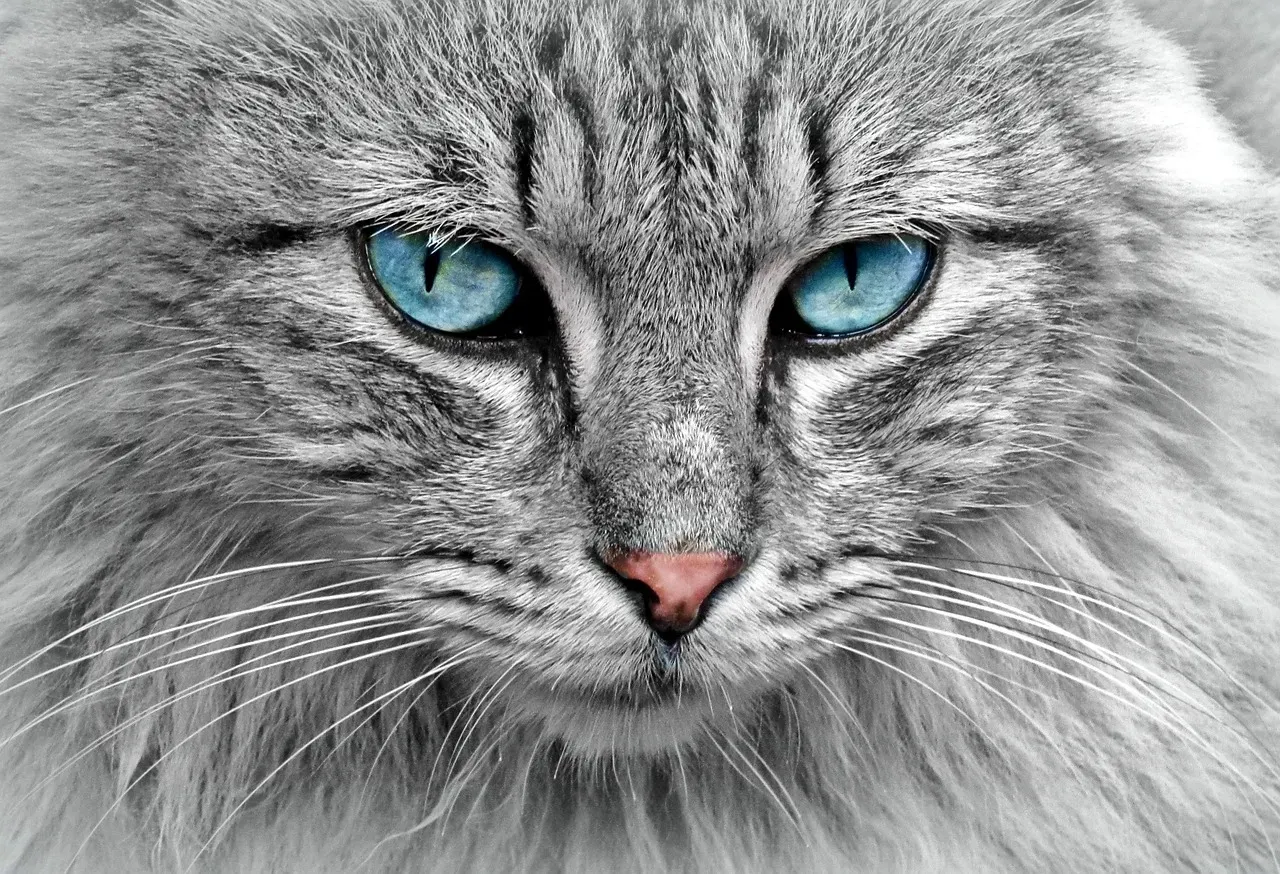
This one sounds basic until you realize how many animals fail it completely.
It’s called object permanence – the understanding that something still exists even after it vanishes from view. Researchers test this by hiding a treat or toy behind a screen and watching whether the cat searches in the correct spot. In these visual displacement tests, cats consistently pass, searching for the object exactly where it was last seen.
This isn’t a party trick your cat grew out of. Her brain still tracks invisible things with real accuracy well into her senior years, unless disease has damaged the specific memory circuits involved. She knows the treat bag went into the cupboard even after the door swings shut.
Which makes #3 land even harder.
#3 – She Cross-References Your Voice and Your Face
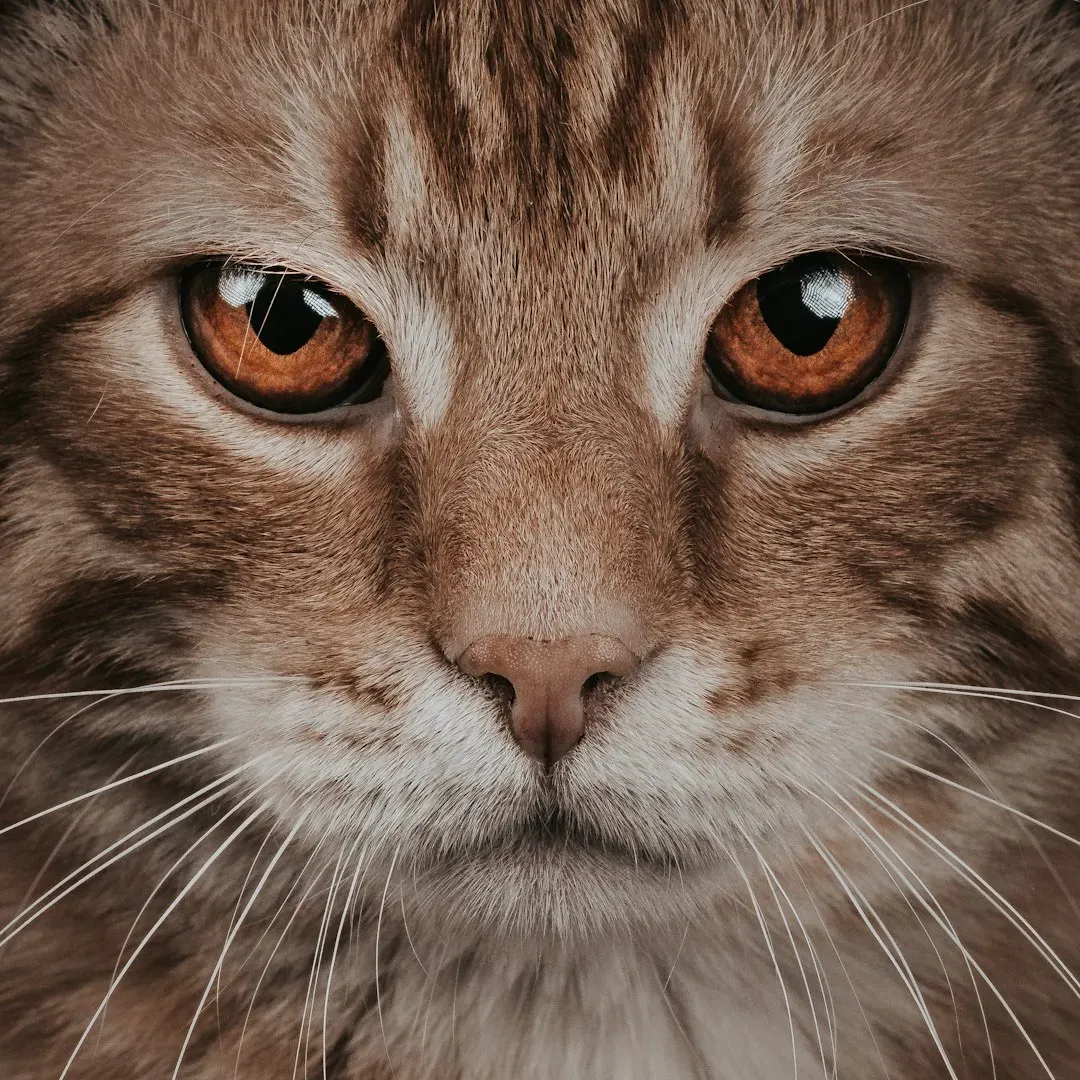
Cats have quietly been building an emotional dictionary of you for years, and it works across two senses at once.
A 2020 study titled “Emotion Recognition in Cats” tested whether felines could match a vocal tone to the correct facial expression, in both humans and other cats. The results were clear: cats integrate visual and auditory signals to recognize emotions and adjust their own behavior based on the emotional tone they perceive.
In plain terms, she doesn’t just hear your angry tone. She matches it to your angry face, and her stress response shifts accordingly. This cross-modal matching is a genuinely sophisticated cognitive skill, not a simple reflex, and it’s one of the clearest signs yet that the “aloof cat” stereotype badly undersells what’s going on behind those eyes.
Wait until you see what #4 reveals.
#4 – She Deliberately Asks You For Help
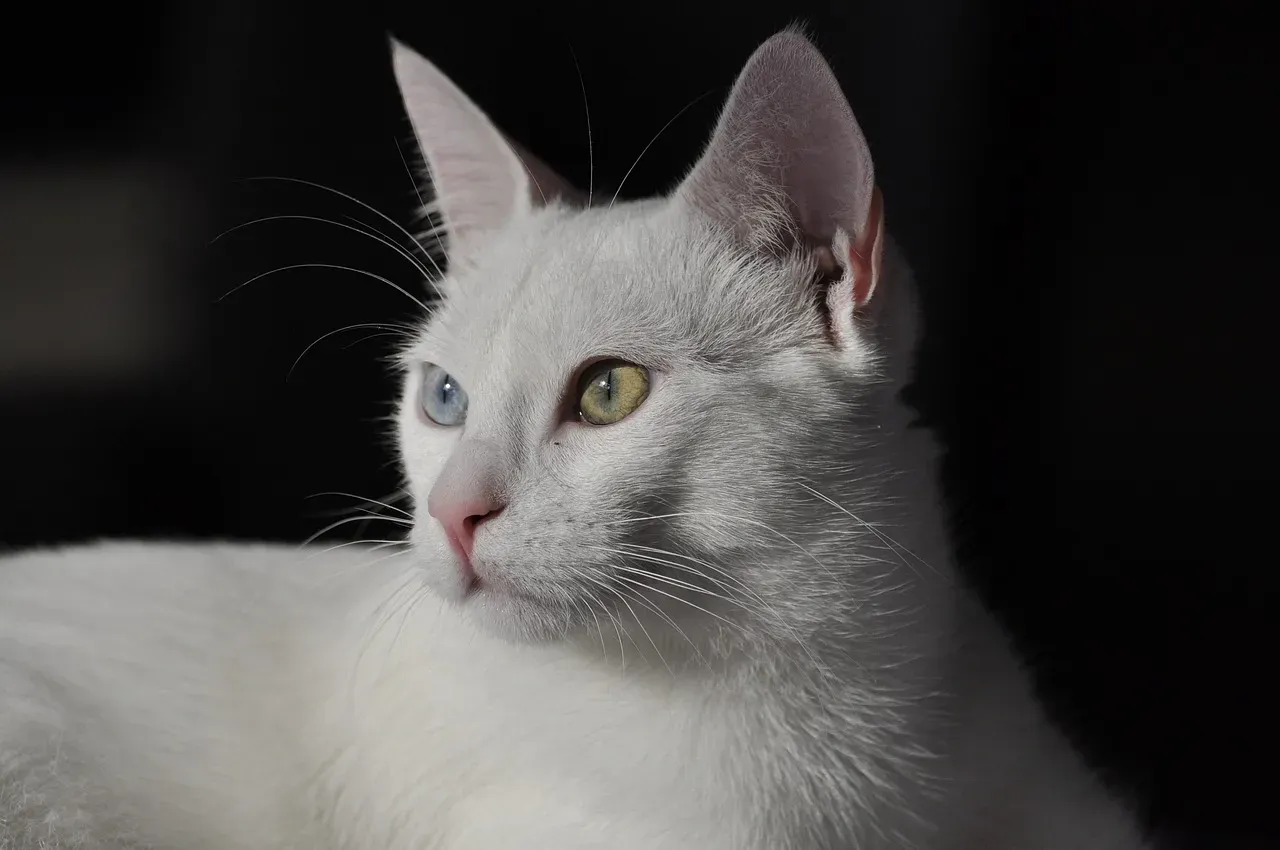
Most people assume a “confused cat” staring at a sealed container is just, well, confused. She may actually be sending you a very specific message.
Researchers studying social cognition gave cats an unsolvable task – a treat sealed inside a container – and watched what happened next. A specific behavior called gaze alternation emerged, where the cat looks back and forth between the object and her caregiver, a documented indicator that she understands the problem and is deliberately seeking help.
This glance-back-and-forth is called referential communication, and it’s a strategy, not confusion. Interestingly, older cats with more stress or inflammation showed less of it, since elevated levels of the inflammatory marker IL-1beta predicted reduced social referencing, particularly in senior cats. That’s a biological reason your old cat may “ask less” as she ages – not because she understands less, but because her body is working against her.
#5 makes the case even stronger.
#5 – She Tracks Your Mood Shifts Through Body Language
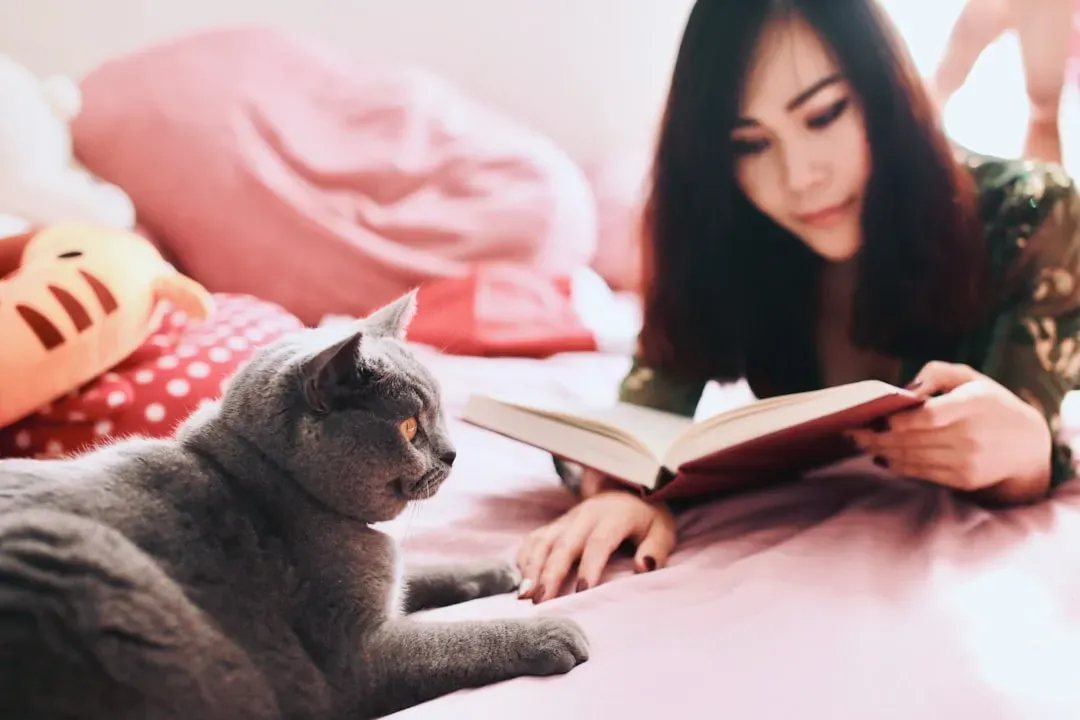
Here’s a controversial opinion: the idea that cats are emotionally indifferent to their owners is one of the most outdated myths in pet ownership.
Multiple studies now show cats picking apart human emotional states through posture and expression alone. Research suggests they can distinguish between human emotions, especially happiness and sadness, even though they rarely broadcast concern as visibly as dogs do. One Italian study went further, introducing owners to a genuinely novel object and watching how their reactions shaped their cats’ behavior.
When owners reacted negatively toward the unfamiliar object, their cats usually shied away from it, following the owner’s lead. When owners stayed neutral, their cats simply glanced between the object and the owner without reacting either way. That’s social referencing – your cat is using your reaction to decide how to feel about her environment, a skill usually reserved for far more “social” species like dogs and primates.
But #6 might be the biggest shock yet.
#6 – Her Aging Brain Looks Startlingly Like a Human One
Most people assume feline and human brains age in totally different ways. Scientists studying aging are increasingly convinced that’s wrong.
A wave of recent research treats senior cats as a legitimate model for studying human brain aging. This reinforces what many veterinarians already recognize in practice: senior cats can develop cognitive dysfunction, a condition that closely resembles dementia in humans. The similarities go deeper than behavior, too – cats possess biological aging markers similar to ours, including changes in DNA methylation, sometimes called an epigenetic clock.
At the tissue level, the parallels are striking. Neuropathology studies have found amyloid protein distributed in the hippocampus and cortex of aging cats, in patterns similar to those seen in human Alzheimer’s disease. Your cat’s brain isn’t just “slowing down.” It’s aging through recognizably human-like biological processes.
Quick Compare
- Humans: Alzheimer’s linked to amyloid buildup in the hippocampus and cortex.
- Senior cats: Similar amyloid deposits found in the same brain regions.
- Humans: Aging tracked partly through DNA methylation changes.
- Senior cats: Show comparable epigenetic “clock” markers as they age.
Here’s where it gets uncomfortable: #7.
#7 – Cognitive Decline Is Far More Common Than Owners Realize
Here’s an uncomfortable fact: roughly half of the oldest cats alive are dealing with some degree of brain-based cognitive change, and most owners have no idea.
The data on this is more specific than most people assume. The older the cat, the more likely the behavioral change – 50% of cats over 15 years and 28% of cats aged 11 to 14 years show at least one clinical sign of cognitive dysfunction syndrome. Separate research confirms the pattern almost exactly.
That means an aging cat acting “weird” is statistically more likely to be experiencing a real neurological shift than simply “becoming a difficult old cat.” Vets increasingly push back on the idea that these changes are just cosmetic quirks of getting old.
At a Glance
- 28% of cats aged 11–14 show at least one sign of cognitive dysfunction syndrome.
- 50% of cats over 15 show at least one clinical sign.
- Most owners never connect these signs to a real neurological shift.
- The older the cat, the higher the odds something in the brain has changed.
Which brings us to the part owners hate hearing: #8.
#8 – That 3 A.M. Yowling Is a Message, Not Defiance
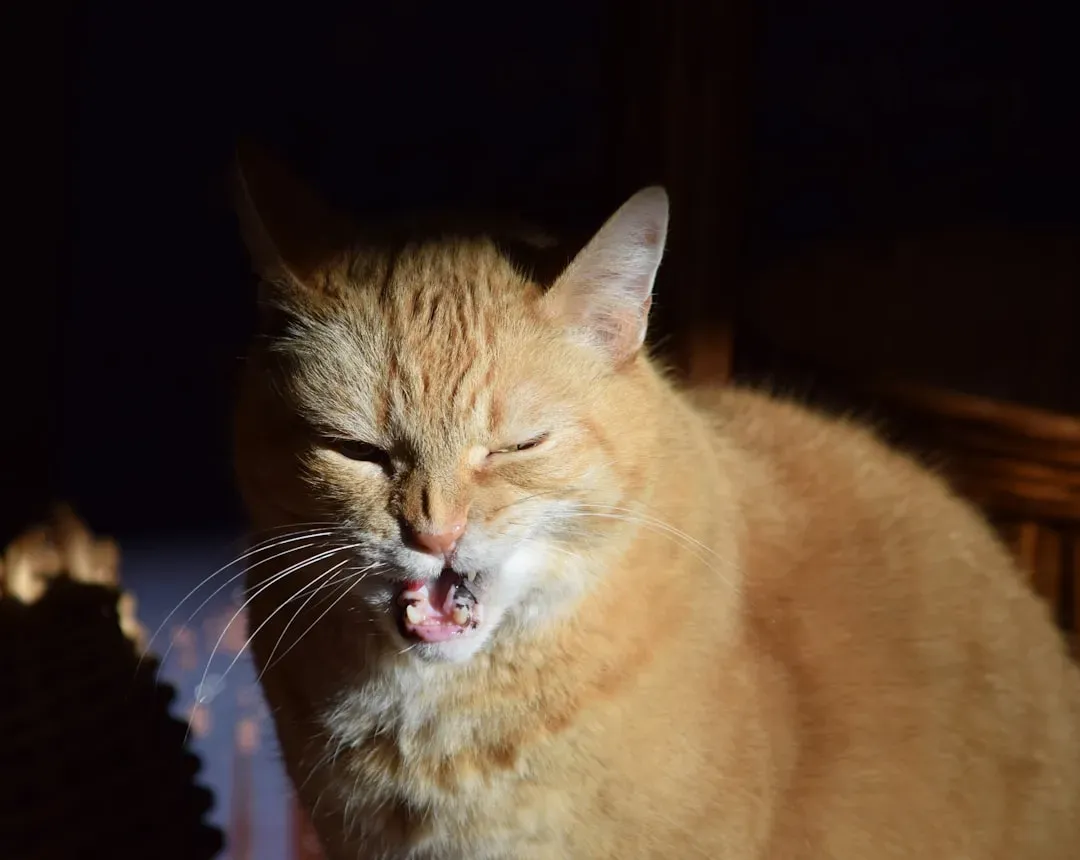
It’s one of the most common senior-cat complaints on the internet, and one of the most misunderstood.
Owners often assume relentless nighttime crying is attention-seeking behavior their cat has simply decided to adopt out of spite. The actual data tells a more sympathetic story: in one survey, the majority of owners reported their cat’s vocalizing was most likely caused by disorientation (40.5%) or attention seeking (40.5%), followed by seeking a resource like food (16.2%), and pain (2.7%).
Disorientation ties directly to nighttime and worsens specifically after dark, when environmental cues and stimulation drop off. She’s not punishing you for going to bed. Her sense of time and space is genuinely breaking down, and the dark makes it dramatically worse.
Now here’s the twist nobody expects: #9.
#9 – Failing Senses Get Mistaken for a Failing Mind
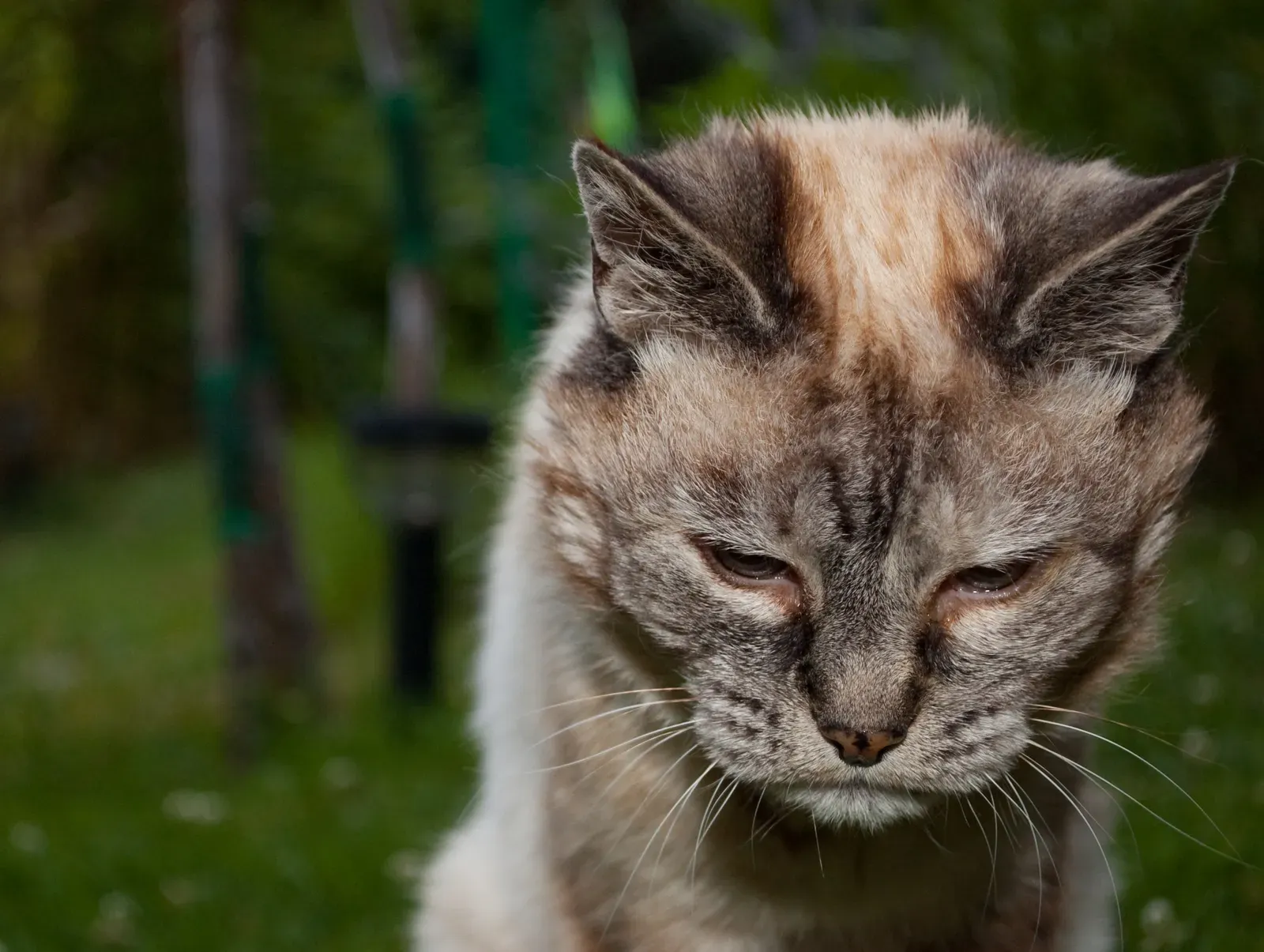
This is where a lot of owners get it completely wrong, and it’s arguably the most controversial point on this list: many cats diagnosed as “senile” by frustrated owners are actually just losing their sight or hearing.
One case documented by animal welfare specialists makes the point perfectly. A cat began yowling nightly at 3 a.m. until his owner made one small change. The vet suggested keeping a light on all night so the cat, who could no longer see well in the dark, could find his litter box and food. The nighttime vocalizing stopped completely.
That single lightbulb fix eliminated a “dementia symptom” entirely, because it was never dementia to begin with. Vets are blunt about this overlap: cats with other neurological diseases, kidney and liver disease, vision loss, hearing impairment, and arthritis can all produce symptoms that look identical to cognitive dysfunction on the surface.
Worth Knowing
- Vision loss can cause nighttime disorientation that looks like dementia.
- Hearing impairment often triggers confused or excessive vocalizing.
- Kidney and liver disease can mimic cognitive symptoms.
- Arthritis pain can change behavior in ways owners misread as “senility.”
Which leads straight into the most misread symptom of all: #10.
#10 – Forgetting the Litter Box Isn’t Rebellion
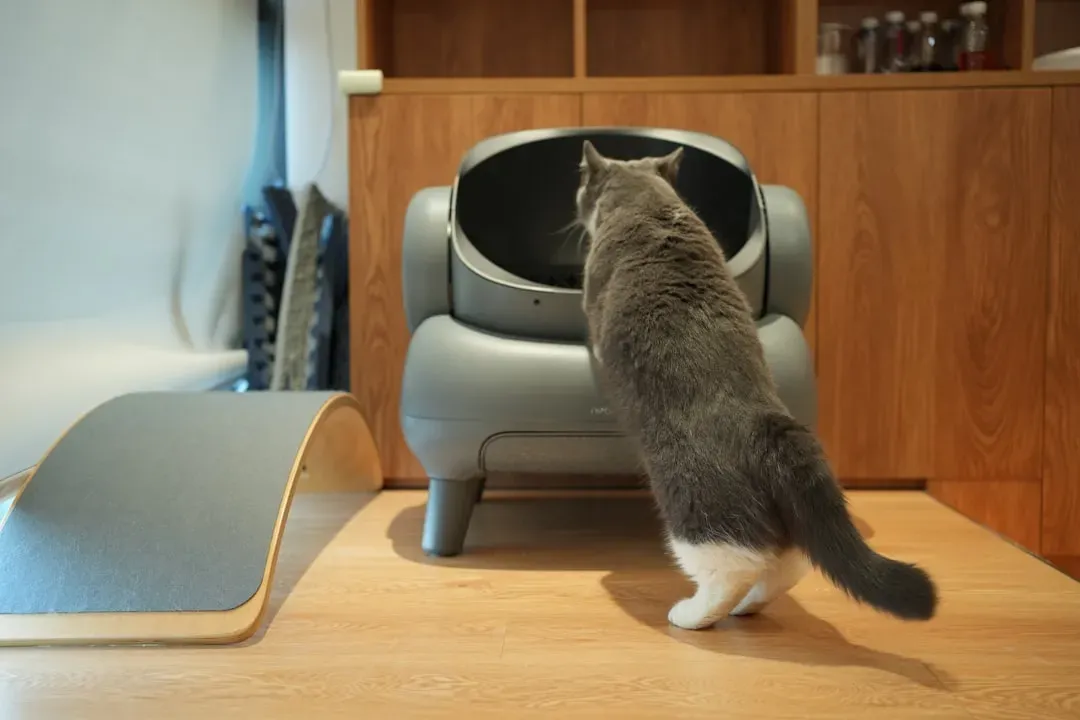
If you’ve ever assumed your senior cat is “acting out” by missing the litter box, the science suggests you’re misreading a medical event as a personality flaw.
The mechanism behind this is specific and well-documented. Memory is often affected by cognitive dysfunction, and cats may forget when feeding time is or where their litter box is located, sometimes finding themselves lost in a room or even in a corner. This isn’t a behavioral choice. It’s the direct result of neuron loss caused by age-related decline, driven by a buildup of beta amyloid protein that damages the brain, slows blood flow, and kills off neurons over time.
Punishing a cat for “forgetting” the litter box is like scolding someone with a head injury for getting lost in their own house. Vets consistently urge owners to rule out medical causes before assuming it’s simple stubbornness or spite.
And finally, the part that should change how you see her forever: #11.
#11 – She Still Knows Exactly Who You Are
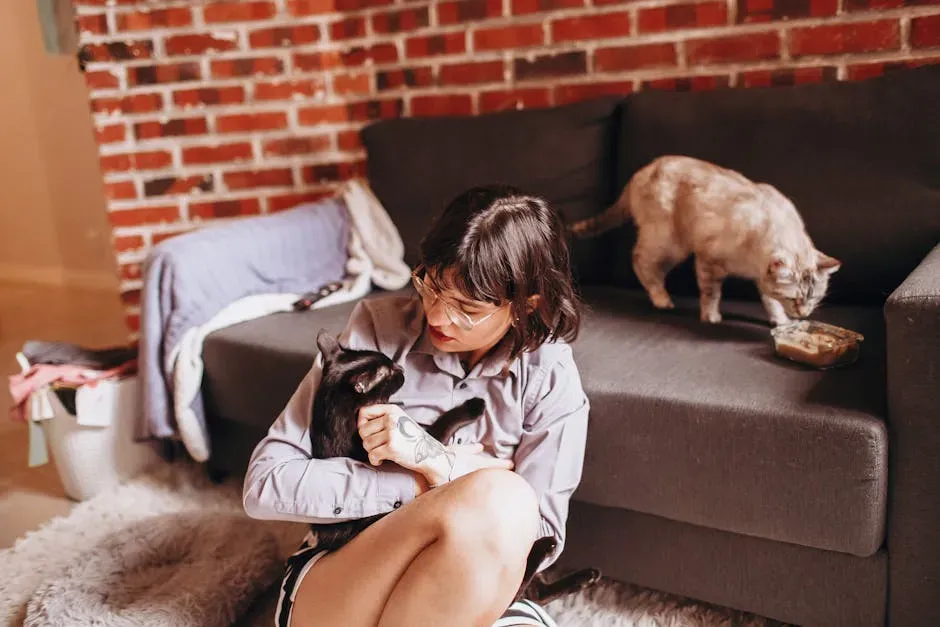
Even in decline, the bond doesn’t disappear. It just gets quieter.
Feline dementia can blunt a cat’s responses, but recognition of familiar people is often one of the last things to fully fade, and its disruption is itself a documented clinical sign, not proof of total disconnection. Some cats with cognitive dysfunction fail to recognize familiar family members or show a delayed response to being called by name, and these moments of apparent disconnection are a direct result of disrupted brain function. That word “delayed” matters enormously. It implies the recognition is often still there, just slower to surface.
On the emotional side, the science is even more forgiving. The answer to whether your cat senses your emotions is most likely yes, even if her personality means she won’t always show it by curling up on your lap when you’re sad. The attachment survives the decline far more often than the myths suggest.
The Bottom Line
The evidence is hard to argue with: your old cat isn’t shutting down, she’s running an aging brain that’s biologically closer to yours than most owners ever imagined. She recognizes her name, reads your face, remembers hidden objects, and asks for help when she’s stuck, right alongside genuine, measurable neurological decline that owners routinely mistake for spite or stubbornness.
The real mistake isn’t that cats are mysterious. It’s that we keep assuming the mystery means “nothing’s going on in there.” We think that’s backwards, and honestly, a little insulting to every cat who’s ever stared at us like we were the slow ones.
Does your senior cat still surprise you with how much she notices? Tell us what she’s done that convinced you she understands more than you thought.
Kristina is a young writer from India. An arts graduate and an avid content creator, Kristina is passionate about animals and wildlife. She enjoys exploring topics related to pet care, animal behavior, conservation, and nature, combining thorough research with engaging storytelling.