You probably think Grandma keeps her cat around out of habit – an old preference that just followed her into retirement. That assumption is wrong, and doctors are the ones proving it.
A quiet daily ritual happening on laps across the country is producing measurable changes in blood pressure, brain function, and mental health. It starts with a sound you’ve heard a thousand times without ever knowing what it was actually doing to the body.
#5 – They’ve Turned a Cat’s Purr Into a Nightly Prescription
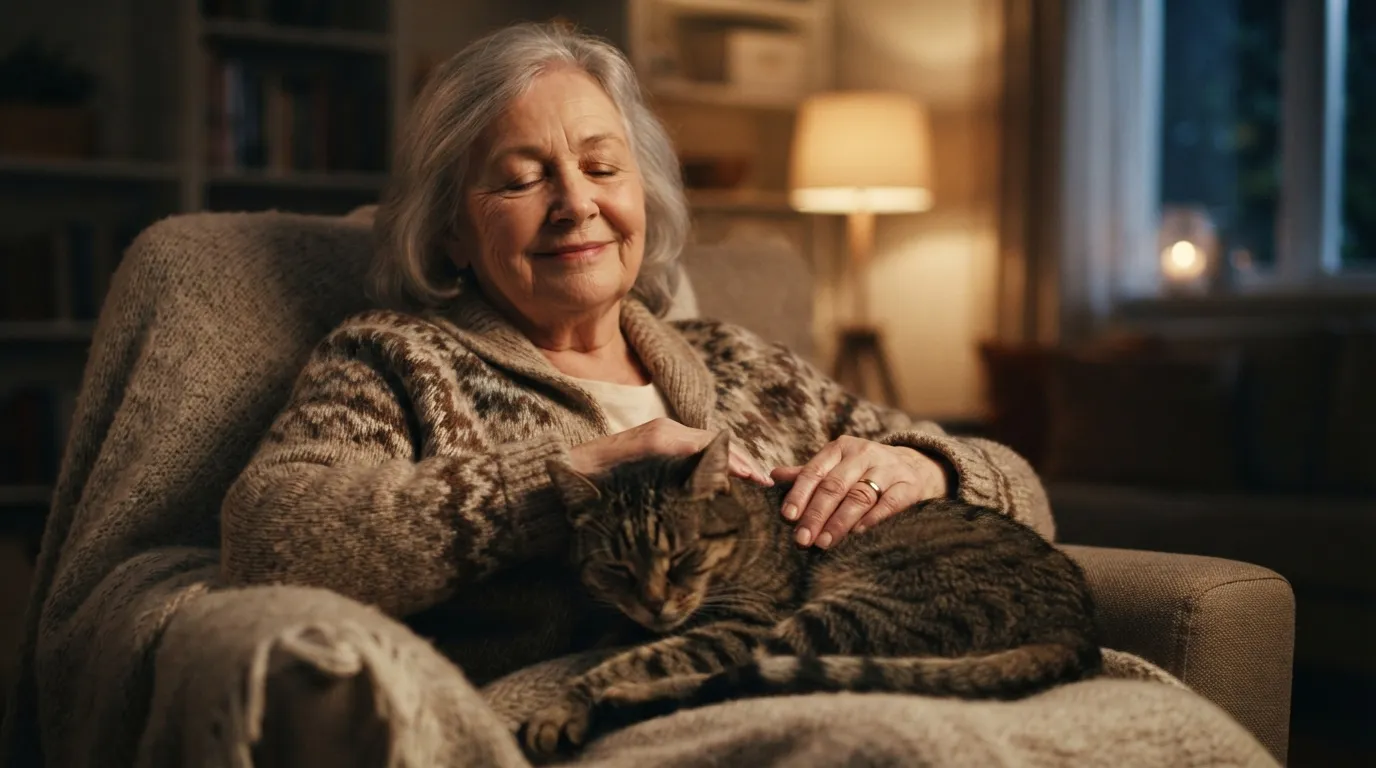
Most people think a purr is just a cute quirk. Doctors are starting to treat it like a therapy session.
A cat’s purr typically vibrates between 25 and 150 Hertz. That range isn’t random – it’s the same frequency band researchers associate with reduced inflammation, better bone healing, and improved joint mobility.
Here’s the part that stops people cold: spending just 15 to 30 minutes near a purring cat can measurably lower stress hormones and blood pressure. For a grandparent managing hypertension or chronic pain, that’s real relief with no prescription bottle involved.
Petting a cat, or simply listening to it purr, triggers a release of oxytocin – the hormone tied to calm and connection. That drop in cortisol is the same stress hormone doctors link to high blood pressure and chronic discomfort.
Fast Facts
- Purr range: 25-150 Hz, linked to lower inflammation and faster healing
- 15-30 minutes nearby can ease stress hormones and blood pressure
- Oxytocin rises, cortisol falls – a real hormonal shift, not just a feeling
The purr is just the opening act. What it’s doing to the heart is where things get serious.
#4 – They’re Quietly Protecting Their Hearts
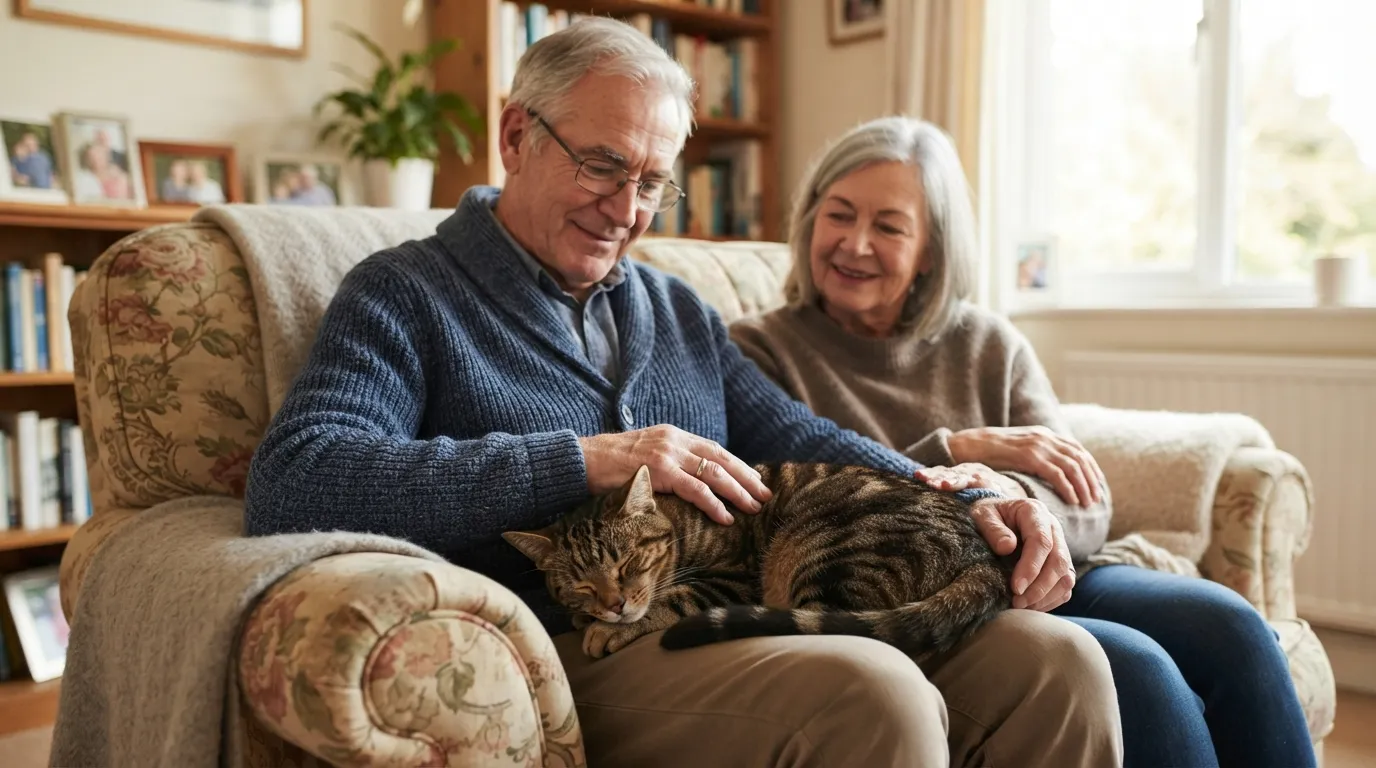
Doctors have connected cat ownership to something most people would never think to link with a pet: cardiovascular health.
A 2022 study found that cat owners saw a greater reduction in cardiovascular risk factors than owners of other pets. Not equal to – greater than. That detail rarely makes it into mainstream coverage.
The American Heart Association has confirmed that pet ownership can lower blood pressure in some studies. For seniors, where high blood pressure drives most heart attacks and strokes, even a small drop matters.
A cat’s steady presence can ease heart rate, cholesterol, and blood pressure all at once. Grandparents aren’t consciously treating themselves – they’re just sitting still with a cat, and their bodies are doing the rest.
What happens in the brain during those same quiet moments might be even harder to believe.
#3 – They’re Keeping Their Minds Sharp Without Even Trying
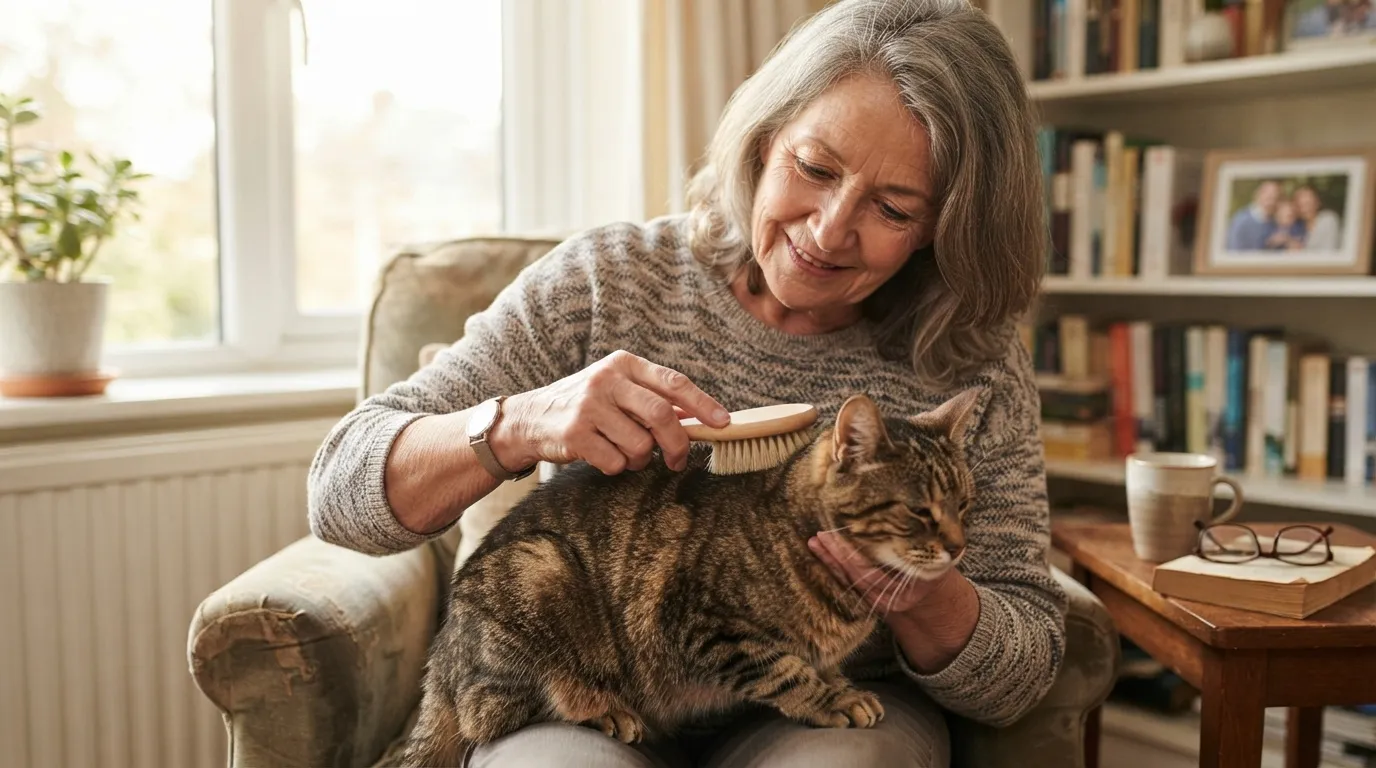
Retirement quietly strips away the structure that keeps a brain active. A cat rebuilds it without anyone noticing.
Feeding schedules, grooming routines, and litter box maintenance all demand memory and timing. That daily rhythm reinforces cognitive patterns the same way a job or a school schedule once did.
The Health and Retirement Study found that adults 65 and older who had owned pets for more than five years scored better on cognition and verbal memory than non-owners. Five years of cat ownership – and the difference shows up on the tests.
At a Glance
- 5+ years of ownership tied to better cognition and verbal memory scores
- Daily routines – feeding, grooming, litter care – reinforce memory and timing
- The effect shows up on actual cognitive tests, not just self-reports
That’s a striking result for an animal people often write off as low-maintenance and emotionally distant. But the biggest surprise in the research isn’t about memory at all.
#2 – They’re Fighting the Loneliness Crisis – and Winning
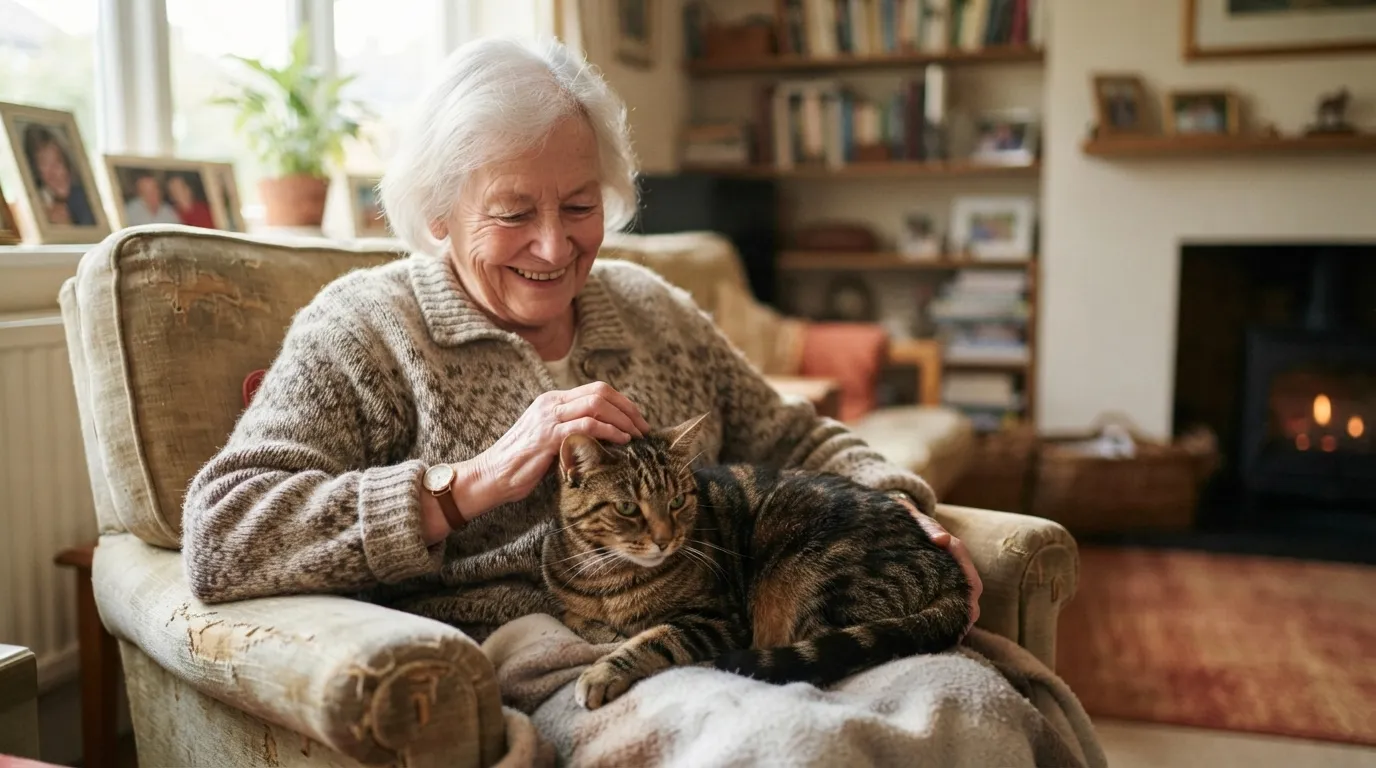
Loneliness in older adults isn’t just sad. It’s dangerous, and cats are emerging as a real front-line response.
Researchers now rank chronic loneliness alongside smoking and obesity as a threat to long-term health. Most people don’t realize the stakes are that high until they see the numbers.
A study funded by the Human Animal Bond Research Institute found that cat ownership can ease loneliness, improve health, and even reduce doctor visits. Fewer doctor visits isn’t a soft wellness outcome – that’s a measurable shift in how the healthcare system gets used.
In that study, twenty-nine adults over sixty who lived alone and had no other pets fostered a cat for four months. Loneliness scores dropped, and mental health scores climbed – in people who weren’t exactly starting from a strong support network.
For seniors who are feeling isolated, a pet can be transformational, offering connection and purpose.
Dr. Lisa Gibbs, UCI Health geriatrician
Separate research on homebound seniors found that cat owners reported fewer depressive symptoms than dog owners. That’s the loneliness fight already being won in living rooms nationwide.
But the most surprising part of this story is still ahead – the one that could put a cat on an actual prescription pad.
#1 – Doctors May Soon Be Prescribing Cats
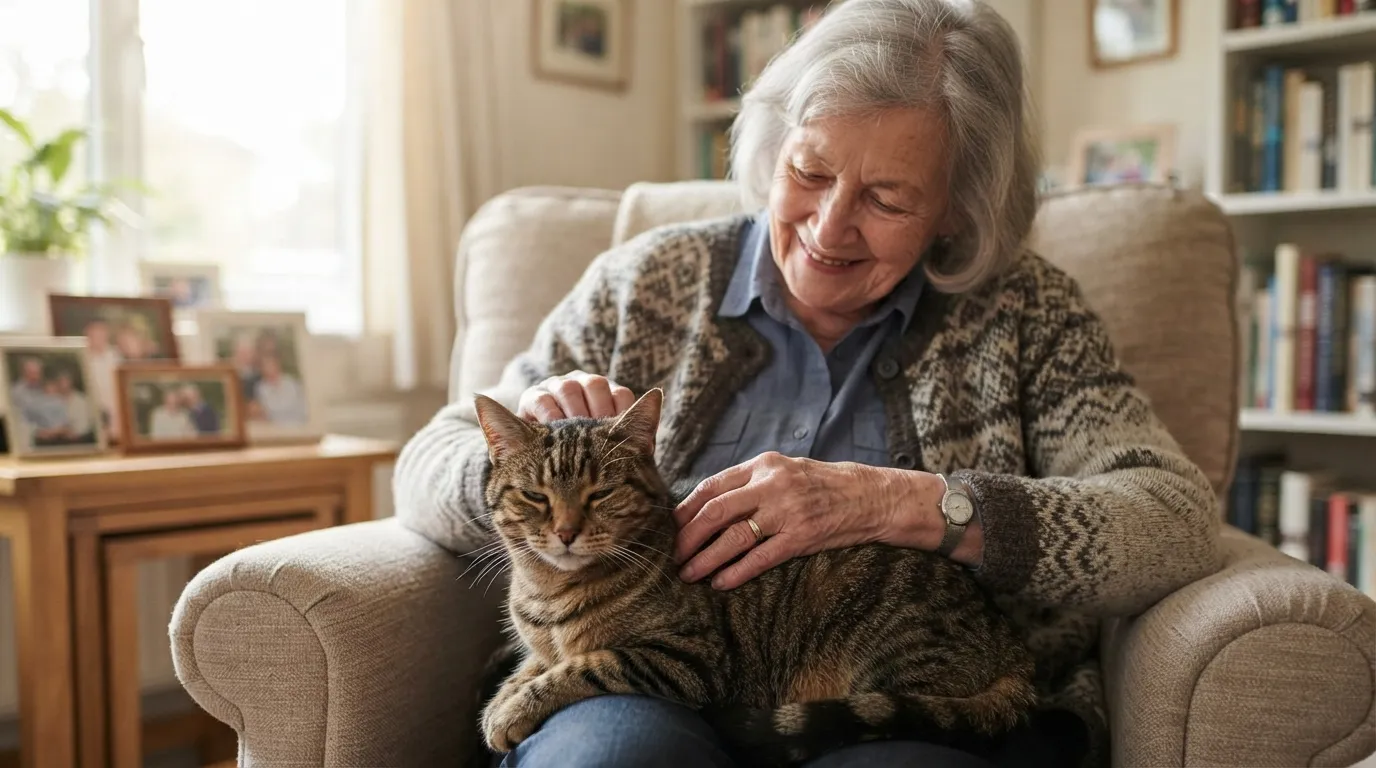
This is the part of the story most people, even in healthcare, haven’t heard yet.
“Perhaps once we do a larger-scale study, if a person is lonely, their doctor would prescribe them a cat essentially to help with that loneliness, knowing that it’s been shown to help reduce loneliness and improve mental health,” said researcher Sanderson. That’s a scientist talking plainly about cats as clinical treatment.
Some healthcare systems are already moving in that direction, building programs that help seniors afford pet ownership through financial assistance, veterinary access, and housing accommodations. That’s the shift from nice idea to institutional policy, and it’s already underway.
Caring for a pet gives seniors a sense of purpose and daily structure – two things doctors rank as critical for mental well-being. The side effects, unlike most prescriptions, are warmer laps and lower stress.
The bond, once it forms, tends to stick. Nearly 95.7% of foster participants in the HABRI study ended up adopting their cat permanently.
Why It Stands Out
- Some health systems now fund pet ownership access for seniors directly
- 95.7% of HABRI foster participants kept their cat for good
- Purpose and daily structure rank among the top drivers of senior mental health
Grandparents who live with cats aren’t just following an old habit. They’re ahead of the medicine.
The Bottom Line
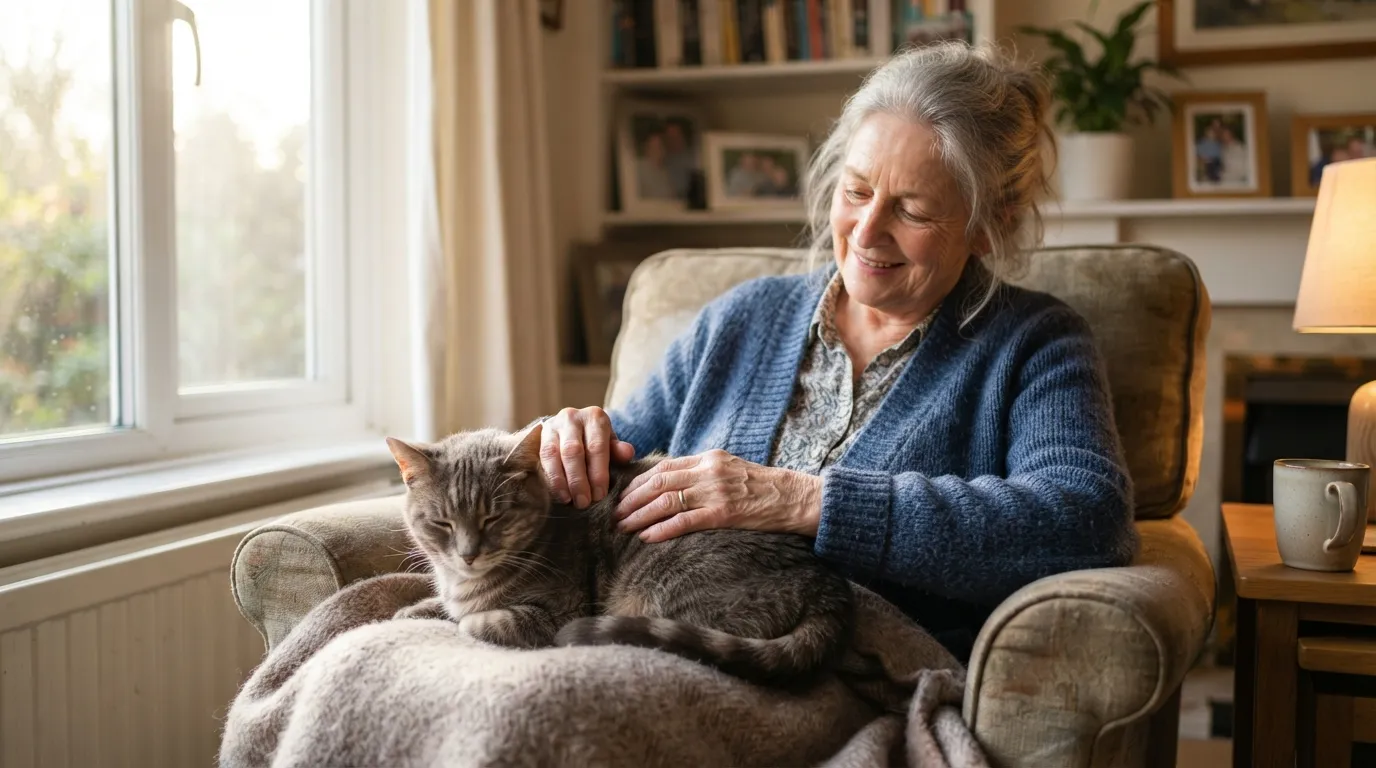
Add it all up and the picture is hard to ignore. Lower blood pressure, sharper memory, less loneliness, a healthier heart, and real gains in mental health – all from one daily ritual most people never thought twice about.
Worth Knowing
- Heart: lower blood pressure and eased cardiovascular risk factors
- Mind: sharper cognition and verbal memory after 5+ years of ownership
- Mood: less loneliness, fewer depressive symptoms, fewer doctor visits
Researchers funded by major health institutes are now seriously floating cats as a clinical tool, not just a comfort. The science isn’t sentimental here – it’s building a real case that a cat on a grandparent’s lap is doing actual medical work.
Does this match what you’ve noticed in your own family?
Growing up traveling and experiencing new cultures and wonders, I have had a passion for nature, adventuring, photography, and videography. I am currently working towards a BSc in Biodiversity and Ecology at Stellenbosch University, and I hope to specialise in Marine Sciences one day.
Please send any feedback to Feedback@animalsaroundtheglobe.com