#1 The scent connection that shapes early trust
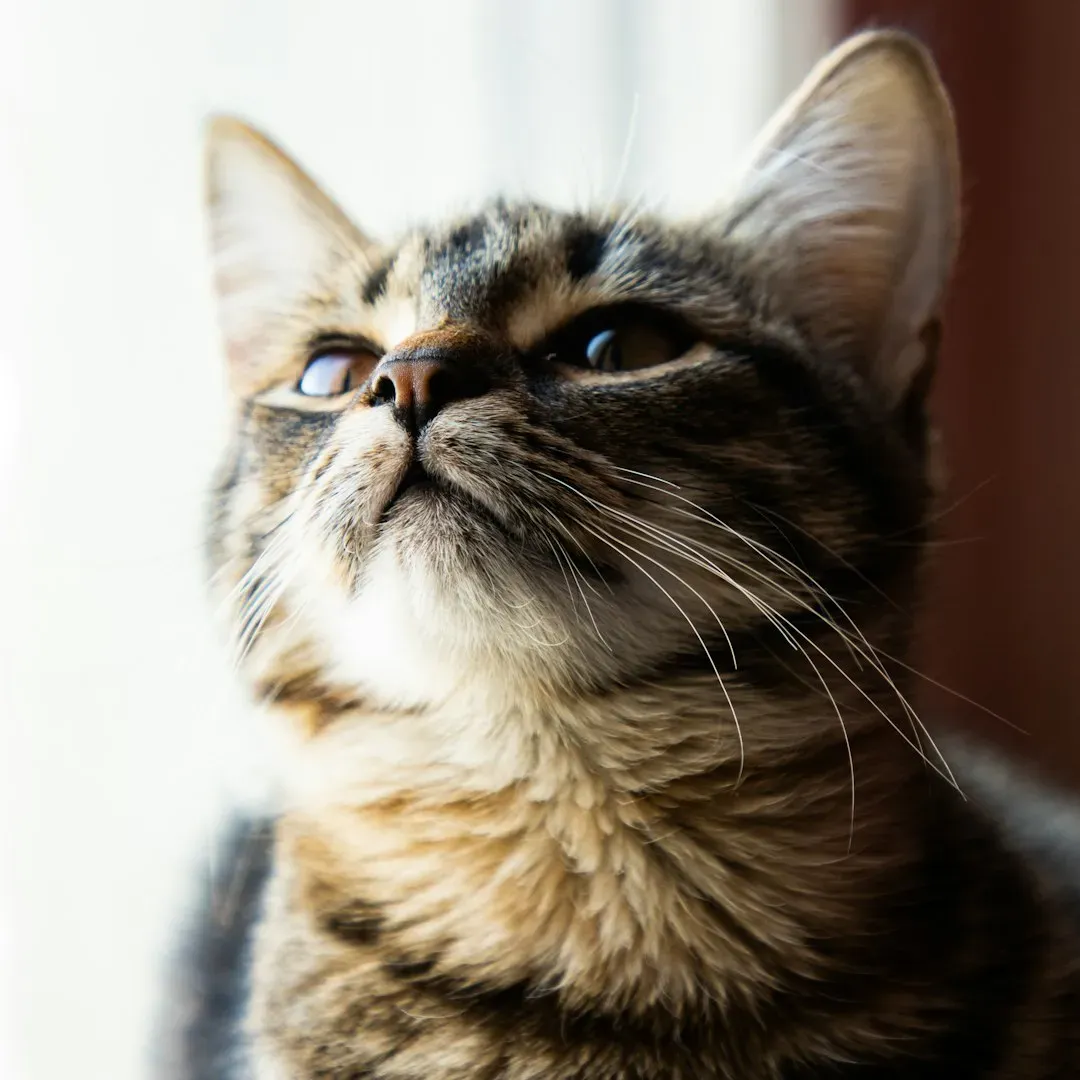
Cats navigate the world nose first, and that sense of smell plays a much bigger role in bonding than most owners realize. Cats rely heavily on smell to recognize and feel comfortable with others, and they often bond with people whose scent is familiar and calming to them, which is why cats may sleep on one person’s clothing or side of the bed. In many households, the mom is the one doing laundry, cooking, and handling the cat’s bedding, which means her scent becomes woven into the environment the cat considers safe.
Japanese researchers have also confirmed that scent recognition goes both ways between cats and their people. It has long been known that cats have a highly developed sense of smell and use scents for communication, and previous studies on feline recognition of humans have shown that cats can distinguish between voices, interpret someone’s gaze to find food, and adjust their behavior according to a human’s emotional state, which they recognize through scent. If mom is the household’s emotional anchor, her scent profile likely becomes the cat’s personal shorthand for “everything is fine.”
#2 A softer voice tends to earn a softer response
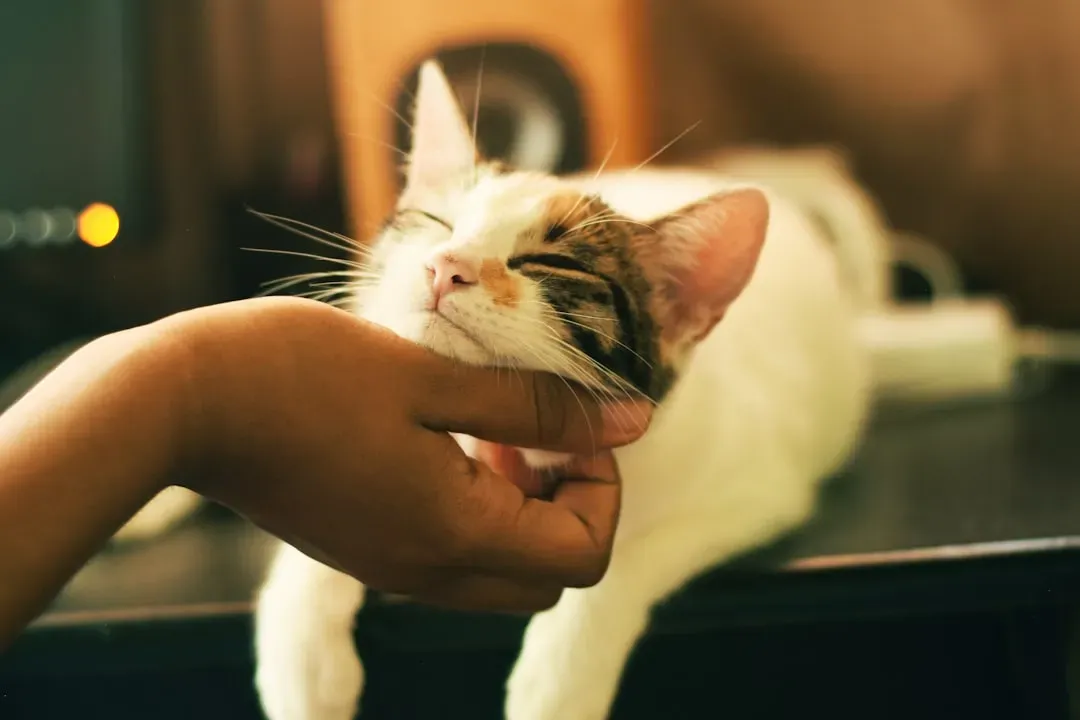
Cats are surprisingly picky about tone, and this is where a lot of moms unintentionally win favor. Recent observational research from Ankara University found a telling detail buried in ordinary greeting behavior. According to the study, male cat owners produced an average of 4.3 vocalizations during the first 100 seconds of entering the room, compared to an average of 1.8 for female owners.
The researchers suggested this wasn’t about affection level, but about communication style. Other studies have found that women are much better at giving their cats more attention, understanding their cats’ emotions, and are more likely to mimic their cats’ vocalizations, and it is possible that male caregivers require more explicit vocalizations to notice and respond to the needs of their cats, which reinforces cats’ tendency to use louder vocal behavior to get attention. In plain terms, cats may simply feel more effortlessly understood by mom, so they don’t need to work as hard to be heard.
#3 Reading emotional cues with more precision
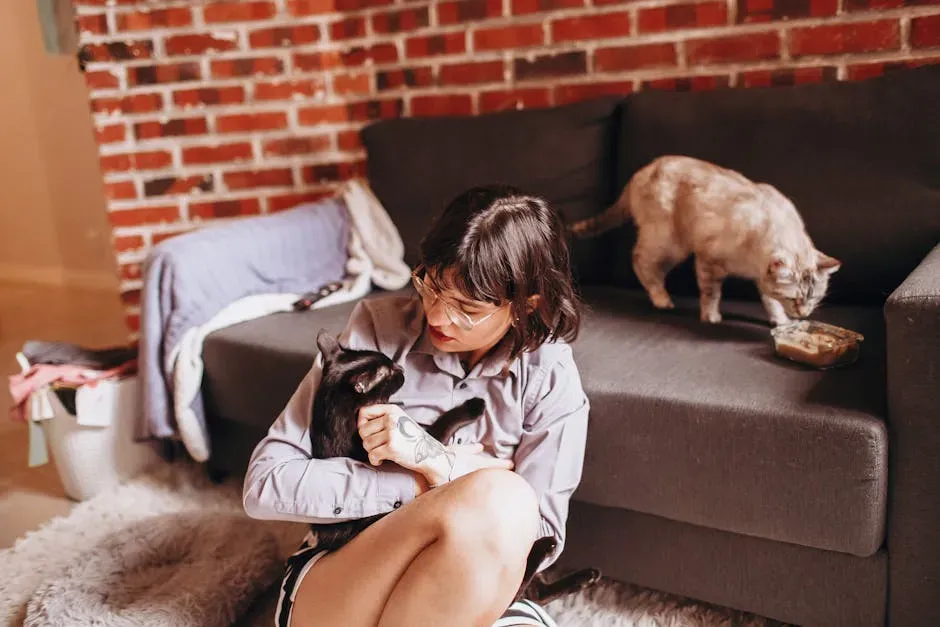
Cats are quietly excellent at picking up on stress, tension, and mood in a room, and they respond to whoever handles that atmosphere with steadiness. Cats are remarkably sensitive to stress, tension, and mood shifts, and they may bond more closely with someone whose presence feels steady and reassuring, even if that person spends less time actively interacting with them. In many homes, mom ends up being that emotional thermostat, whether she signed up for the job or not.
There’s also evidence that this emotional reading goes deeper than general vibes. A Budapest study revealed that women demonstrate superior ability to interpret feline emotions and needs, with female cat owners consistently scoring higher when identifying their pet’s hunger signals, play preferences, and emotional states, creating a more harmonious relationship between cats and their female caretakers. A cat that feels accurately understood tends to relax, and relaxation is basically the foundation of feline trust.
#4 The caregiver role still counts, even if it’s not everything
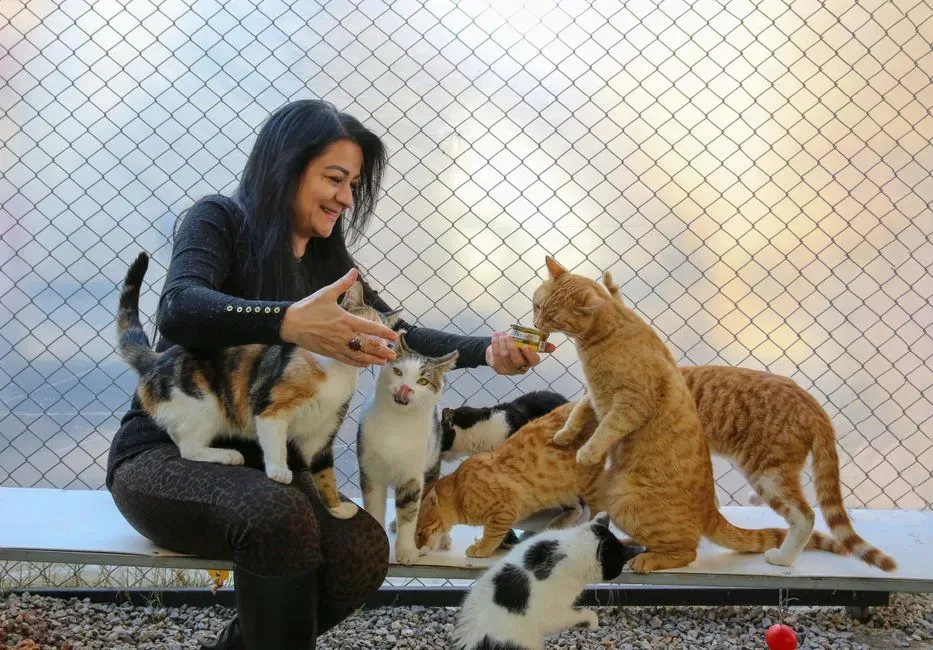
It’s tempting to assume the person who fills the food bowl automatically wins the cat’s loyalty, and there’s some truth to that. Cats tend to choose their favorite human based on who provides consistent care such as feeding, scooping, and gentle play, and who respects their pace, though cats can love multiple people even as one deep attachment remains the more common pattern. In households where mom handles the bulk of daily pet care, this alone builds a strong case for her being the chosen one.
That said, the relationship is more nuanced than a straightforward transaction. Interestingly, it’s not always the caregiver who becomes the favorite, since sometimes it’s the person who sits quietly nearby, offering companionship without demands. So while mom often does hold the “keeper of meals” title, what really seems to matter is the quality of attention layered on top of that routine.
#5 A parenting style cats seem to recognize
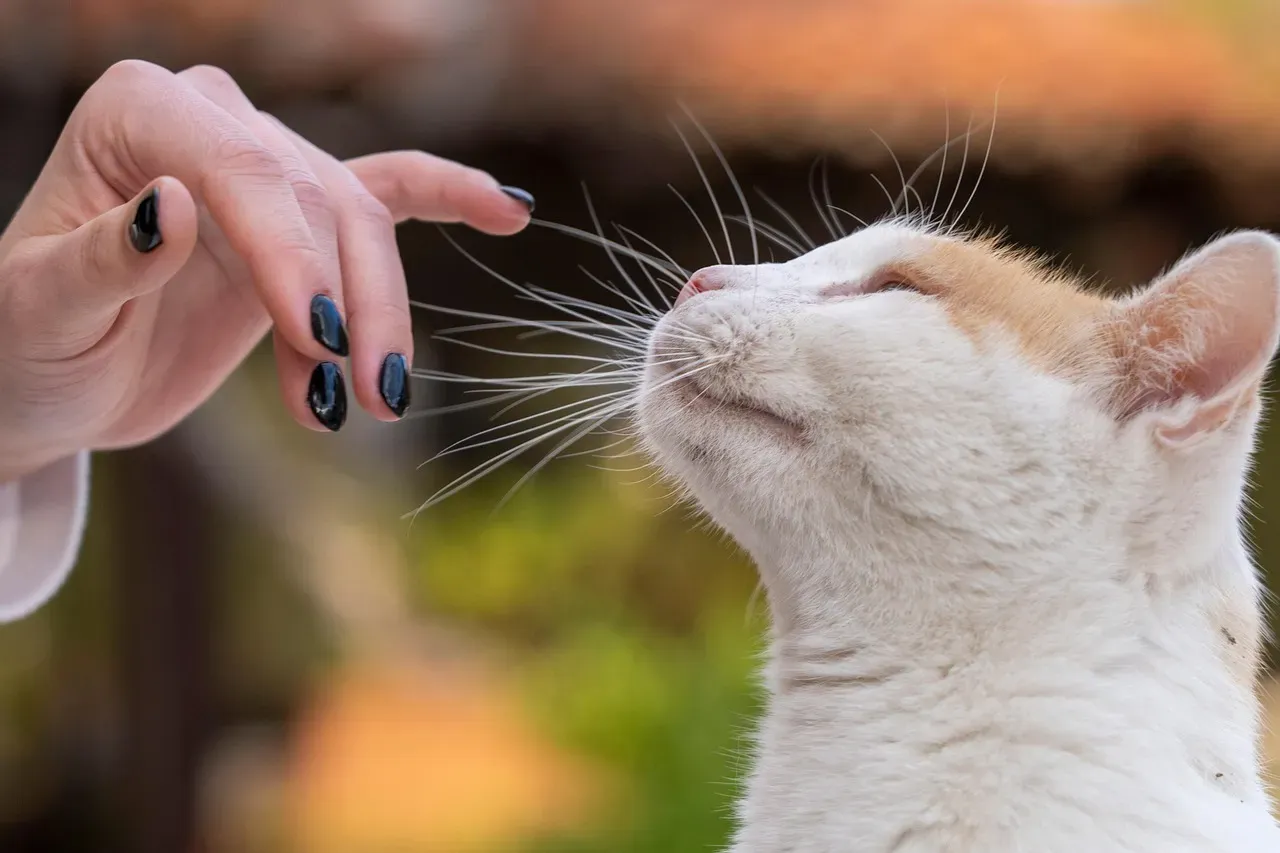
One of the more striking findings in feline behavior research is how closely the cat-woman dynamic can resemble a parent-child relationship. The study showed that, while cats bond with both men and women, the bond with women more closely mirrored that between mother and child. This doesn’t mean cats think of mom as literally their mother, but the behavioral patterns, like seeking comfort, checking in, and returning to her as a home base, echo that early caregiving dynamic.
Broader attachment research backs this up in a different way. Attachment to humans may represent an adaptation of the offspring-caretaker bond, and it is a biologically relevant behavior, with cats using humans as a source of comfort when living in a state of dependency. If mom is the one consistently offering that comfort day after day, it makes sense the cat would gravitate toward her as its secure base.
#6 Patience and respect for boundaries build lasting trust
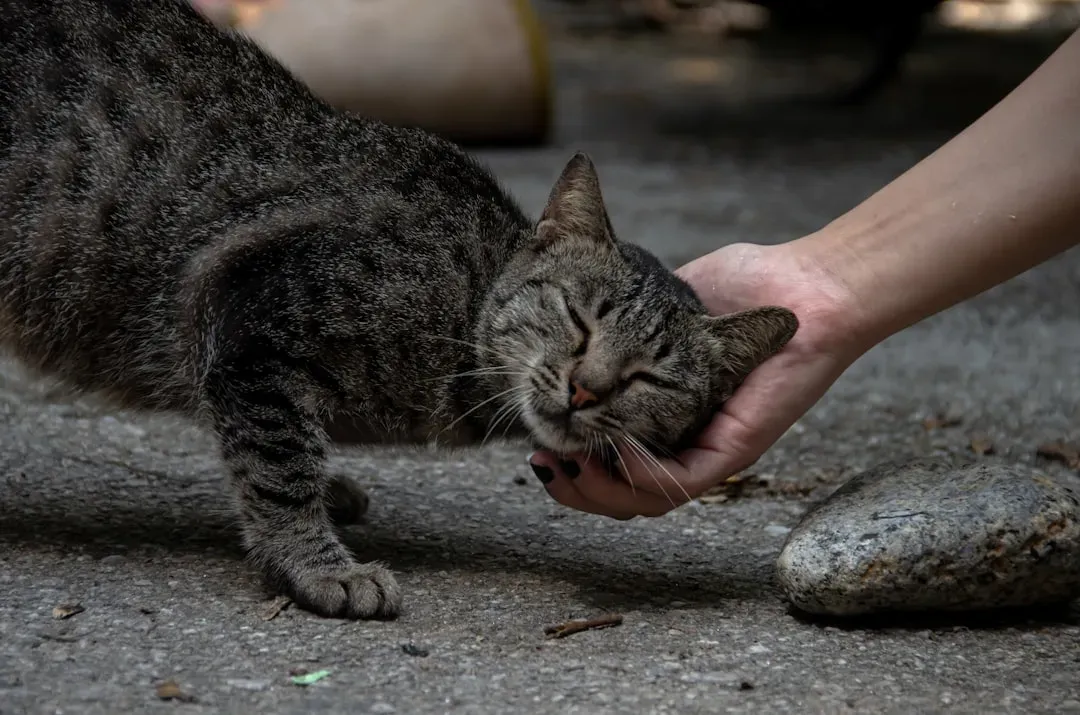
Cats notice more about our behavior than we tend to give them credit for, especially when it comes to how we approach physical contact. One of the biggest factors is interaction style, since cats tend to gravitate toward people who move calmly, speak softly, and don’t force contact, and someone who lets the cat initiate affection is far more appealing than someone who scoops them up uninvited. In many households, mom is the one who instinctively waits for the cat to approach rather than chasing it down for cuddles.
This preference for gentleness isn’t a minor detail either. To a cat, being given a choice matters, a lot. Over time, that pattern of letting the cat set the terms of engagement quietly becomes the difference between a cat that tolerates you and one that actively seeks you out.
#7 Presence, routine, and the accumulation of small moments
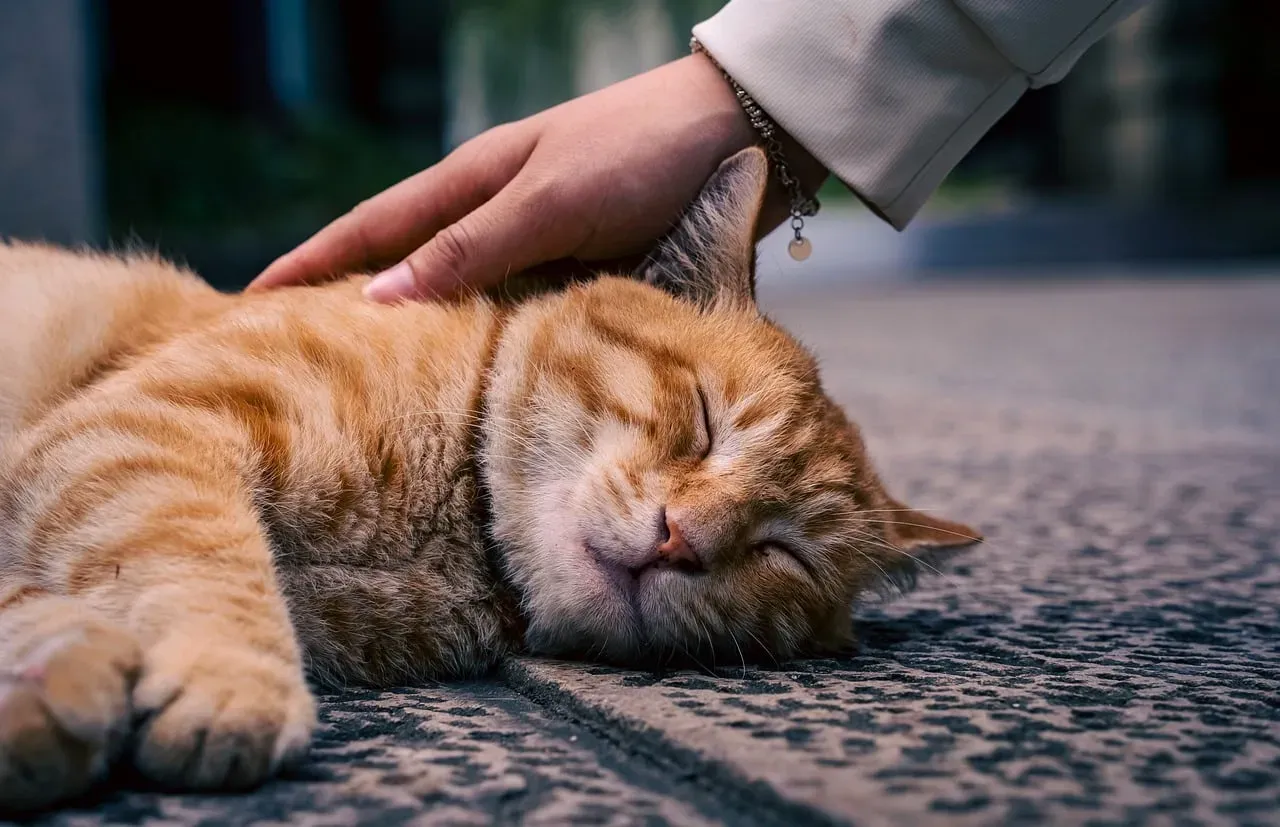
Attachment doesn’t happen in one dramatic instance. It builds slowly through the small, repeated moments of a shared day, and mothers often accumulate more of these moments simply through the rhythm of household life. Research from the University of Vienna demonstrated that women spend more time at home on average, providing more opportunities for bonding, and even career-focused women tend to have more flexible schedules that allow for increased pet interaction throughout the day.
That accumulated time seems to translate directly into trust. Cats repeat what works, and the person who feeds them, plays with them, handles them gently, and respects boundaries often becomes the favourite because that person is predictable and safe, since cats love routine. When mom is consistently present through school mornings, dinner prep, and quiet evenings, the cat simply has more chances to build that sense of safety around her specifically.
The verdict on mom’s magnetic pull
Kristina is a young writer from India. An arts graduate and an avid content creator, Kristina is passionate about animals and wildlife. She enjoys exploring topics related to pet care, animal behavior, conservation, and nature, combining thorough research with engaging storytelling.