#1 The bite that breaks the rules
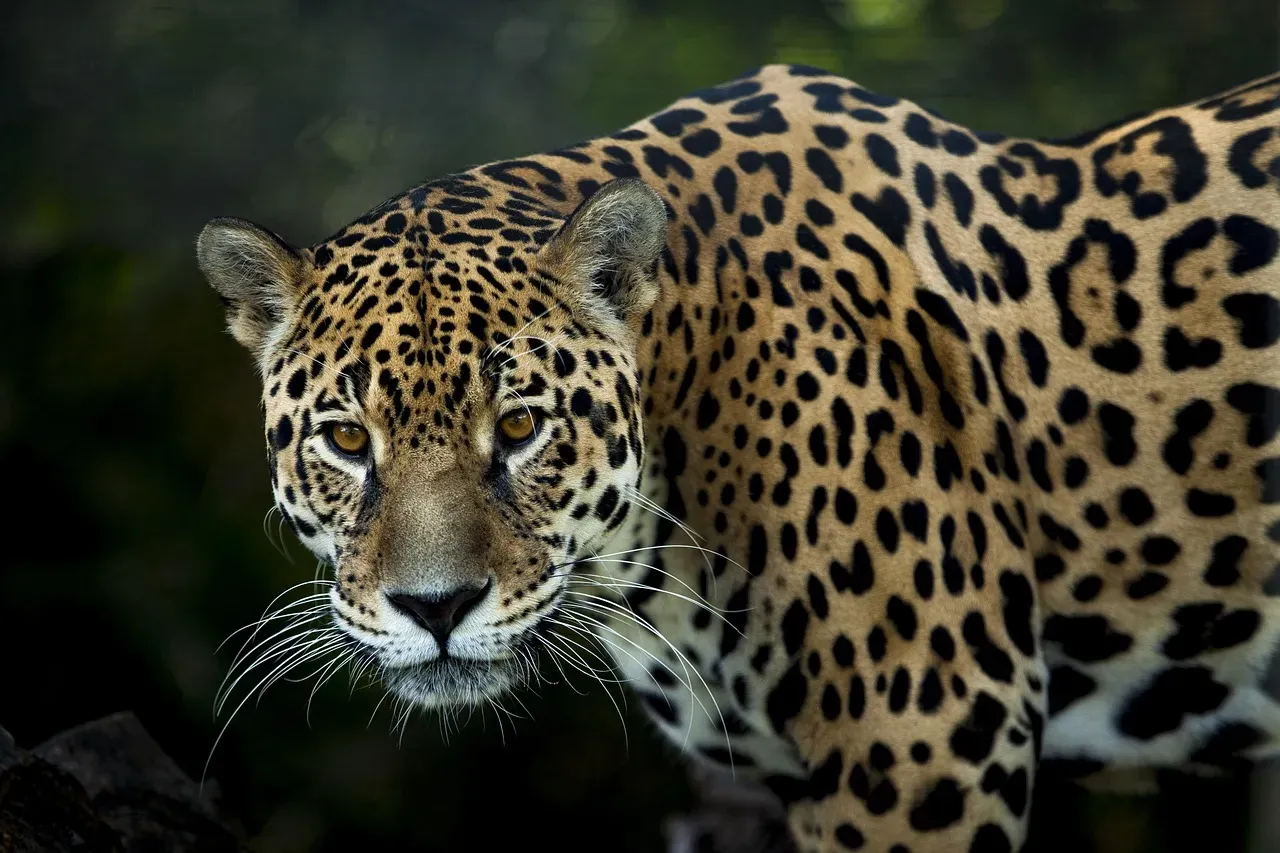
Bite force is usually treated as a fun statistic, something to compare on a chart. For jaguars, it’s closer to a foundational trait that shapes their entire hunting identity. That compact frame houses the strongest bite of any cat species, generating roughly 1,400 PSI of force, compared to a lion’s bite at around 650 PSI. Some estimates push even higher, with certain sources citing figures near 1,500 PSI relative to body size.
That kind of pressure isn’t just about brute strength for its own sake. This exceptional biting power enables jaguars to dispatch prey quickly and efficiently, minimizing their own risk of injury during hunts, a critical evolutionary advantage in their competitive rainforest habitats. In a world full of animals with horns, tusks, and armor plating, that margin of safety matters a lot.
#2 A skull built like a vault
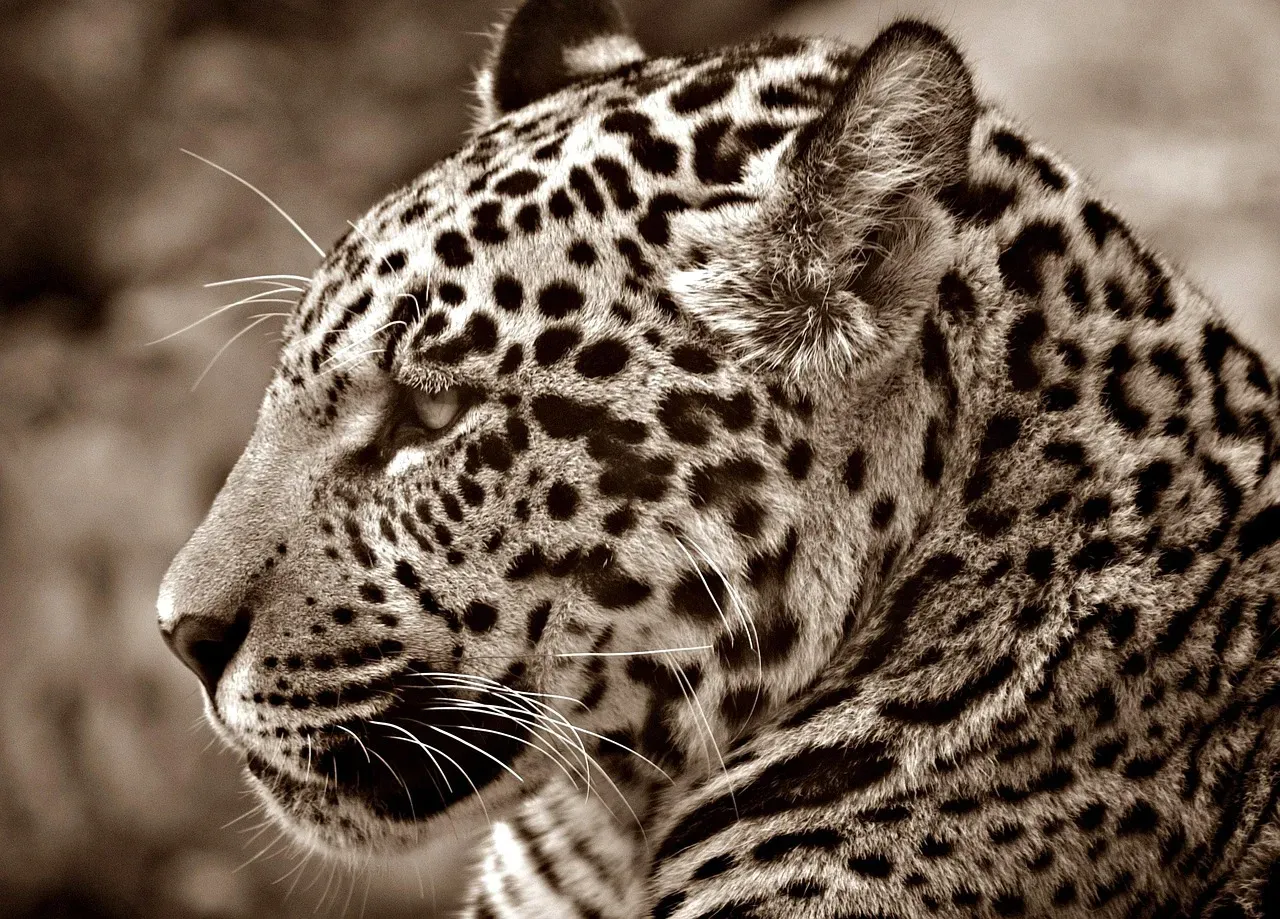
The bite doesn’t come from nowhere. It comes from a head shaped almost like a different blueprint compared to other big cats. Unlike other large cats with elongated jaws, jaguars have shorter, more compact skulls, providing greater leverage and power for biting. That shorter face acts like a lever arm, concentrating force right where the canines meet bone.
Underneath that structure sits some serious engineering. The secret to this power lies in the jaguar’s exceptionally wide zygomatic arches, which flare outward, creating a massive opening for the masseter muscle and the temporalis muscle to pass through the skull structure. More room for muscle means more raw torque, and that torque is exactly what lets a jaguar do things other cats simply can’t.
#3 Why the throat bite doesn’t fit the jaguar’s world
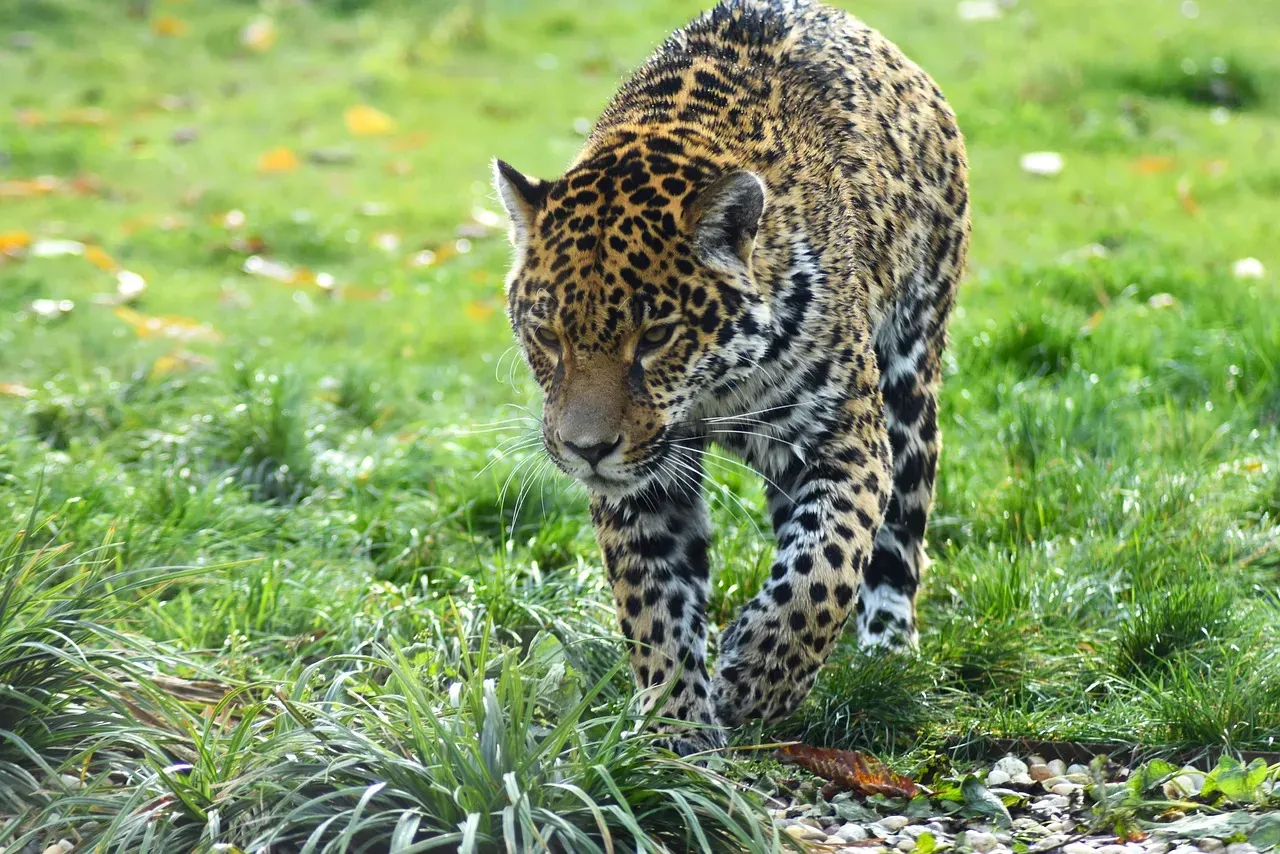
Lions and tigers rely on a method that’s been well documented for over a century: clamp onto the throat, hold on, wait. The jaguar utilizes its unique bite strength in a specialized hunting strategy that differs from those of most other cats. Lions and tigers typically kill large prey by suffocation, clamping down on the throat or severing the spinal cord with a bite to the neck. The jaguar, conversely, often employs a technique known as the cranial bite, delivering a precise and powerful bite directly through the temporal bones of the prey’s skull, piercing the brain and resulting in instantaneous death.
The difference in outcome is stark. A suffocation bite, the method most other large cats use, can take several minutes and leaves the predator vulnerable to kicks, horns, or the arrival of other animals, while a direct brain strike ends the fight immediately. For a solitary hunter working alone in dense terrain, cutting that window down to almost nothing is a real survival advantage, not just a party trick.
#4 Cracking armor that stops everything else
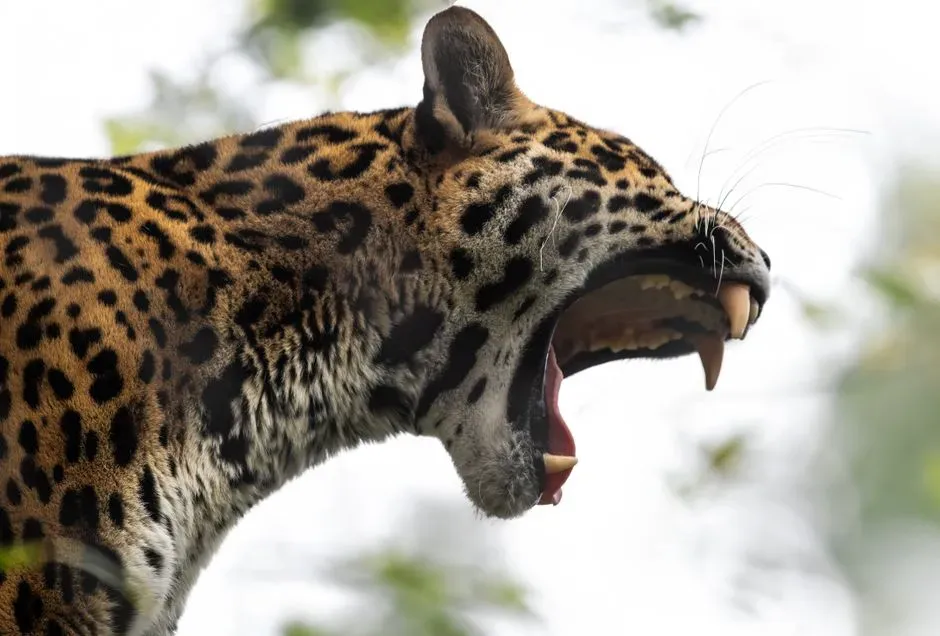
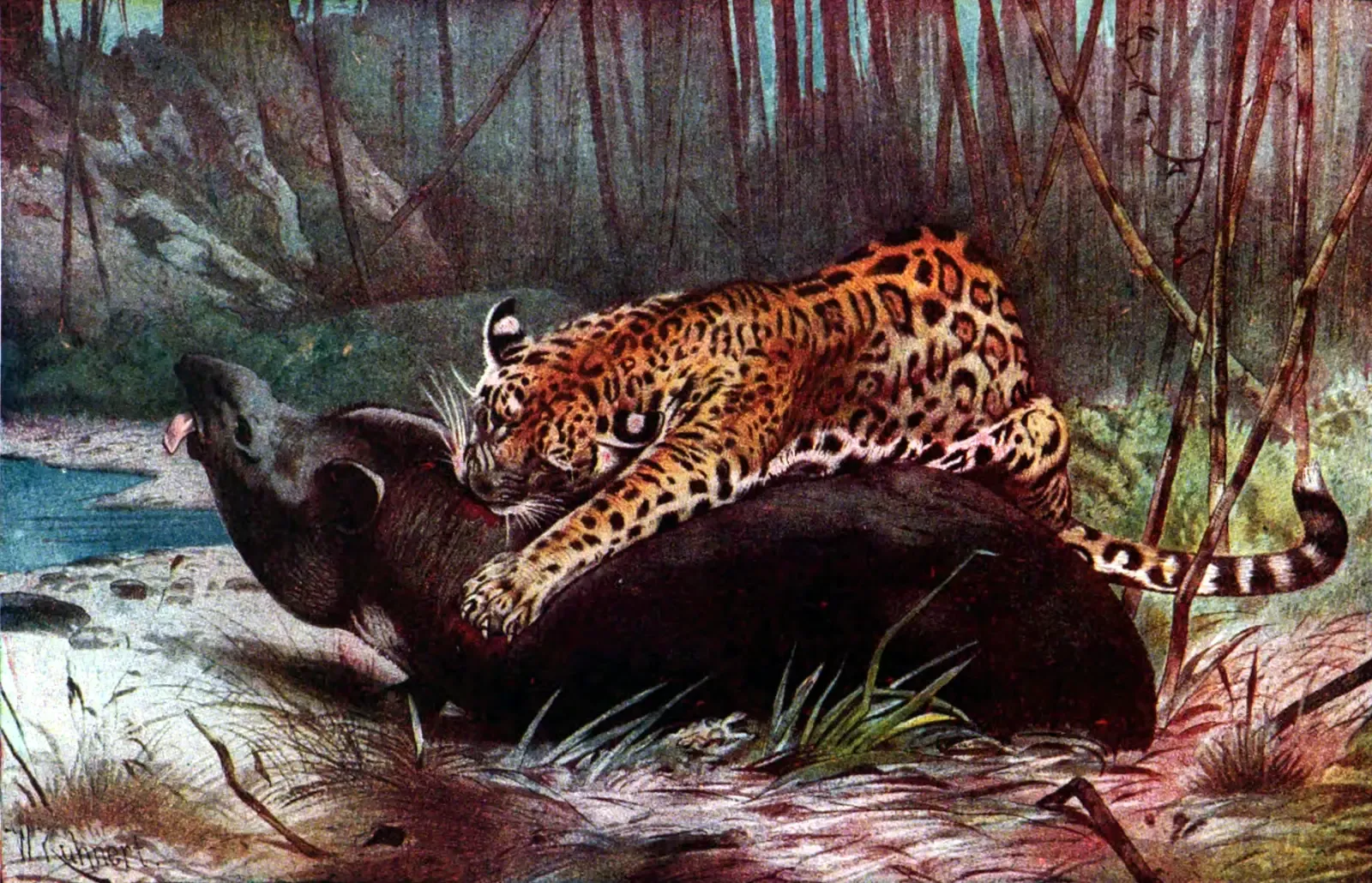
Turtles, tortoises, and armored reptiles are usually a dead end for predators. Not for jaguars. This capability is effective against prey with natural defenses. The jaguar’s diet includes armored species, such as turtles and tortoises, whose shells can be pierced and cracked by the cat’s powerful bite. That single trait opens up an entire category of food that would otherwise sit untouched.
The same applies underwater, where scaled reptiles come with their own defenses. This specialized killing technique allows jaguars to take down prey with extraordinarily thick hides and skulls, including caimans, capybaras, and giant river turtles, supported by a more robust skull and stronger neck muscles than other comparably-sized cats. Few other land predators on the continent even attempt caiman as a regular menu item.
#5 Hunting in water most cats avoid
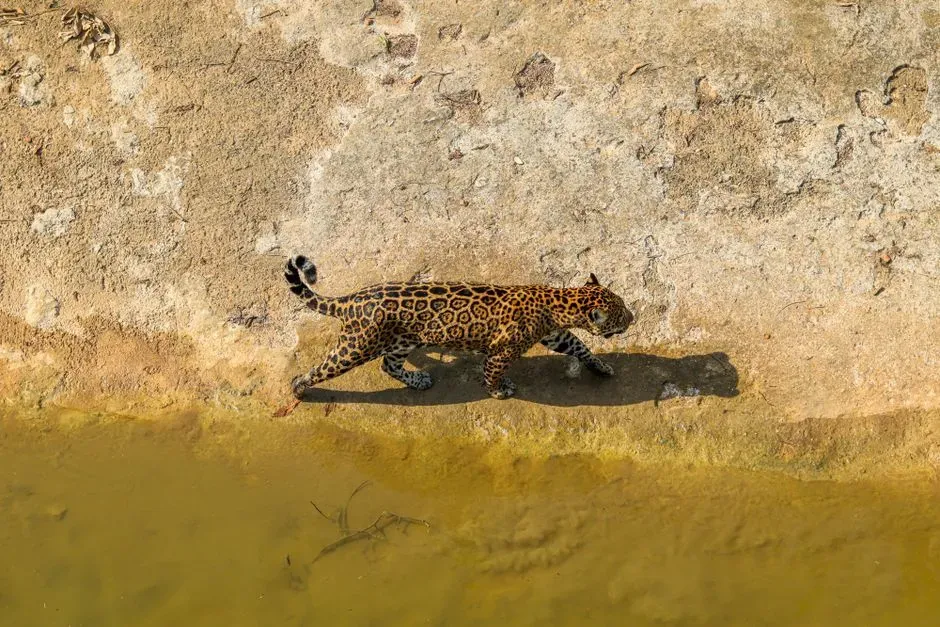
Cats and water don’t usually mix, at least according to the stereotype. Jaguars quietly ignore that stereotype. Jaguars are good swimmers and play and hunt in the water, possibly more than tigers, a remarkable observation given how well-known tigers are for their affinity with water, and the jaguar takes it further by actively using rivers and waterways as hunting territory. That comfort in water isn’t incidental; it’s tied directly to the bite that lets them finish a kill quickly even in a slippery, chaotic environment.
Speed matters more in water than almost anywhere else, since a struggling animal can drag a predator under or simply escape into deeper channels. This specialized hunting method allows jaguars to quickly dispatch prey even in water, where other killing techniques might be less effective, giving them a significant advantage when hunting caimans, capybaras, and other semi-aquatic species. A throat hold that takes minutes just isn’t practical when your prey can dive.
#6 Ambush over endurance
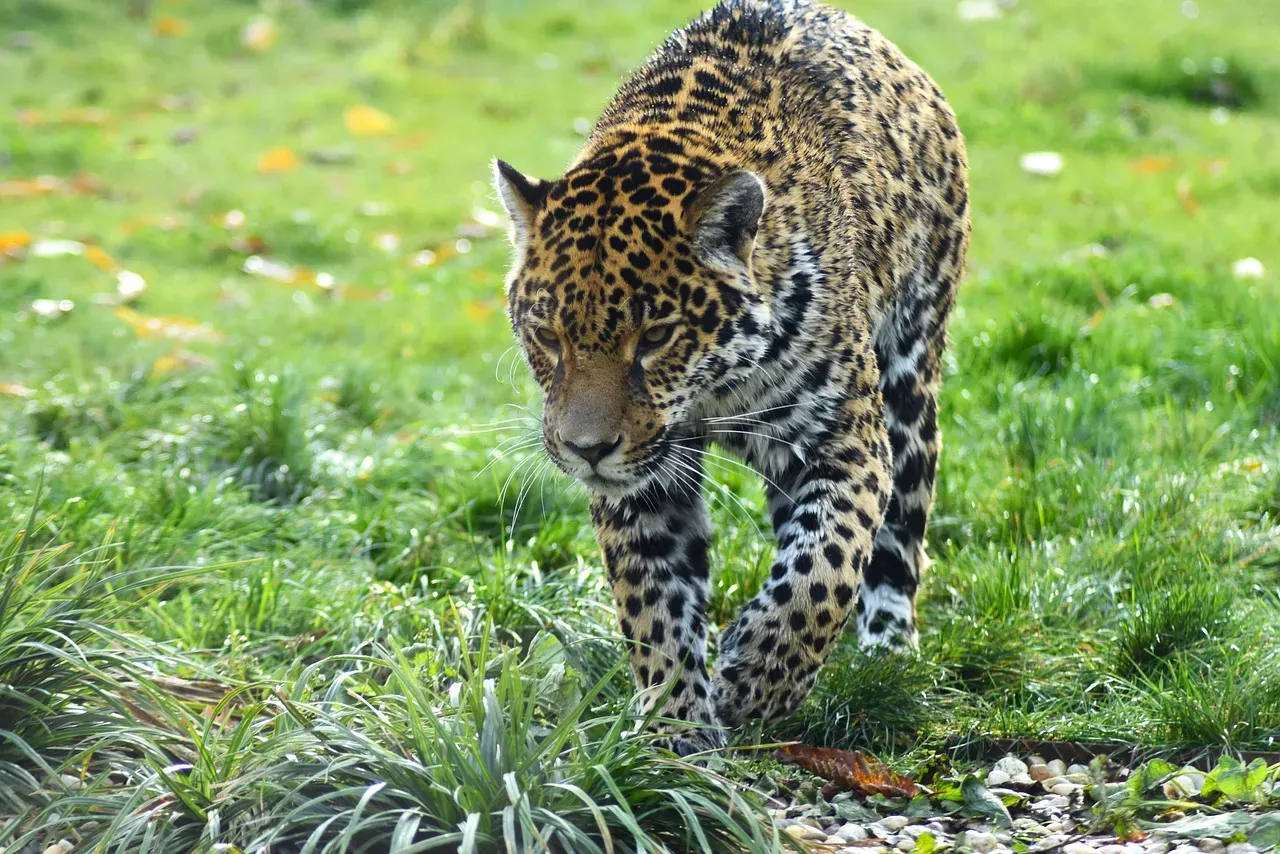
Jaguars aren’t built for long chases, and biologists have noted this pattern for years. This approach reflects a predator built for explosive, close-range ambush rather than prolonged chases, and jaguars are stocky and muscular compared to other big cats, with shorter legs and a broader head. That body plan pairs naturally with a bite meant to end things fast rather than a body meant to wear prey down over distance.
The kill sequence itself has been described in surprising anatomical detail. The cat takes the prey’s head into its mouth and drives its long, thick canines through the skull to pierce the brain, positioning opposing canines on either side of the skull and biting one or more times until the teeth penetrate, with death nearly instant. It’s less a struggle and more a single, decisive mechanical event.
#7 A diet no other cat can match
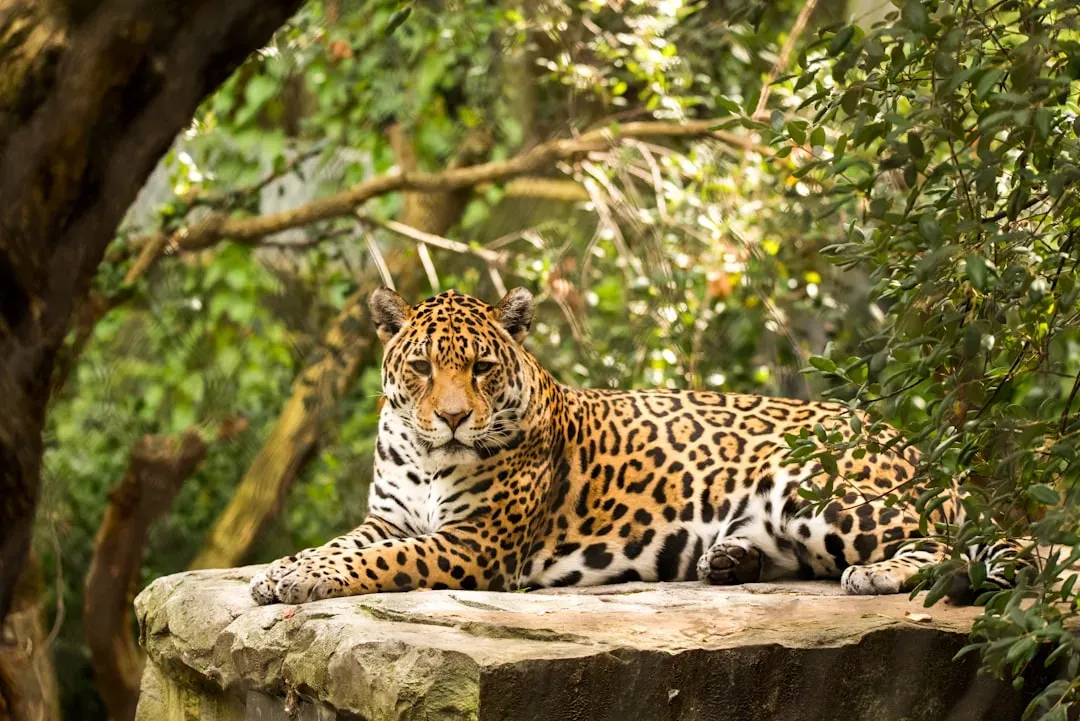
All of this bite mechanics translates into something very practical: an unusually wide menu. Jaguars are opportunistic hunters and can prey upon almost anything they come across, and over 85 different species have been found in the jaguar’s diet, including capybaras, deer, monkeys, armadillos, caimans, fish, birds, iguanas and snakes. That breadth isn’t a coincidence tied to opportunity alone.
It’s a direct product of anatomy meeting behavior in a very specific way. That versatility isn’t luck. It’s the result of a hunting system, physical and behavioral, that is simply more complete than what any other cat in the Americas possesses. Take away the skull-piercing bite, and a huge portion of that diet simply disappears from the menu.
Final thoughts
Kristina is a young writer from India. An arts graduate and an avid content creator, Kristina is passionate about animals and wildlife. She enjoys exploring topics related to pet care, animal behavior, conservation, and nature, combining thorough research with engaging storytelling.