#1 Cats Build Secret Mental Maps of Your Home
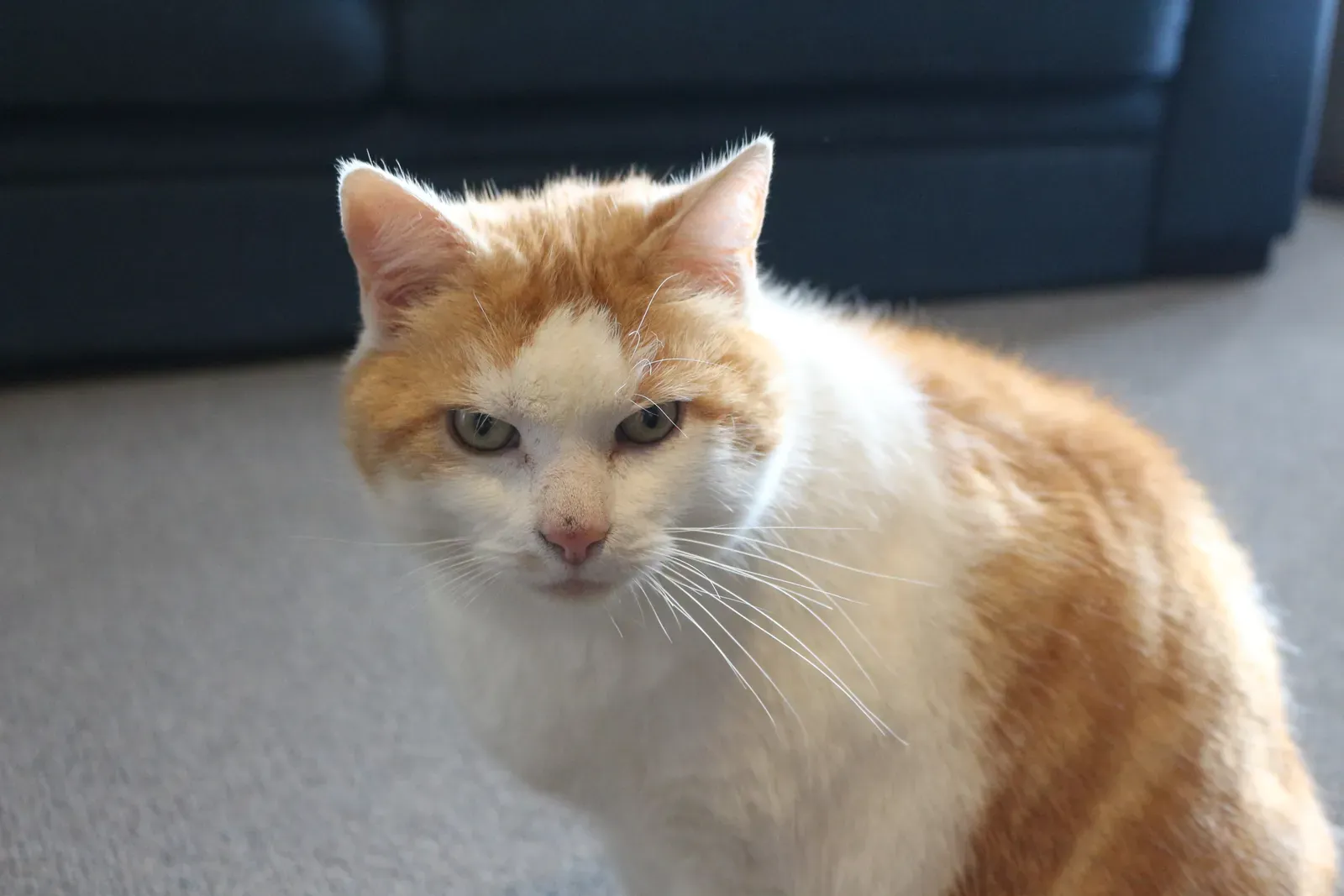
It turns out your cat is not just wandering aimlessly between naps. Researchers have found that cats can mentally map their owner’s position based solely on the sound of their voice, a finding that came out of work done at Kyoto University. That means your cat is not just hearing you, it is placing you somewhere specific in its head, almost like a little internal floor plan with a moving dot marking where you are.
This mental map is not static either. It updates constantly. This finding suggests that cats not only recognize their owner’s voice but also associate it with a specific location, updating their mental map as their owner moves through the environment. So when you go from the bedroom to the bathroom, your cat is not confused about where you went. It already adjusted the map before you even shut the door.
#2 Their Ears Are Basically Tiny Satellite Dishes
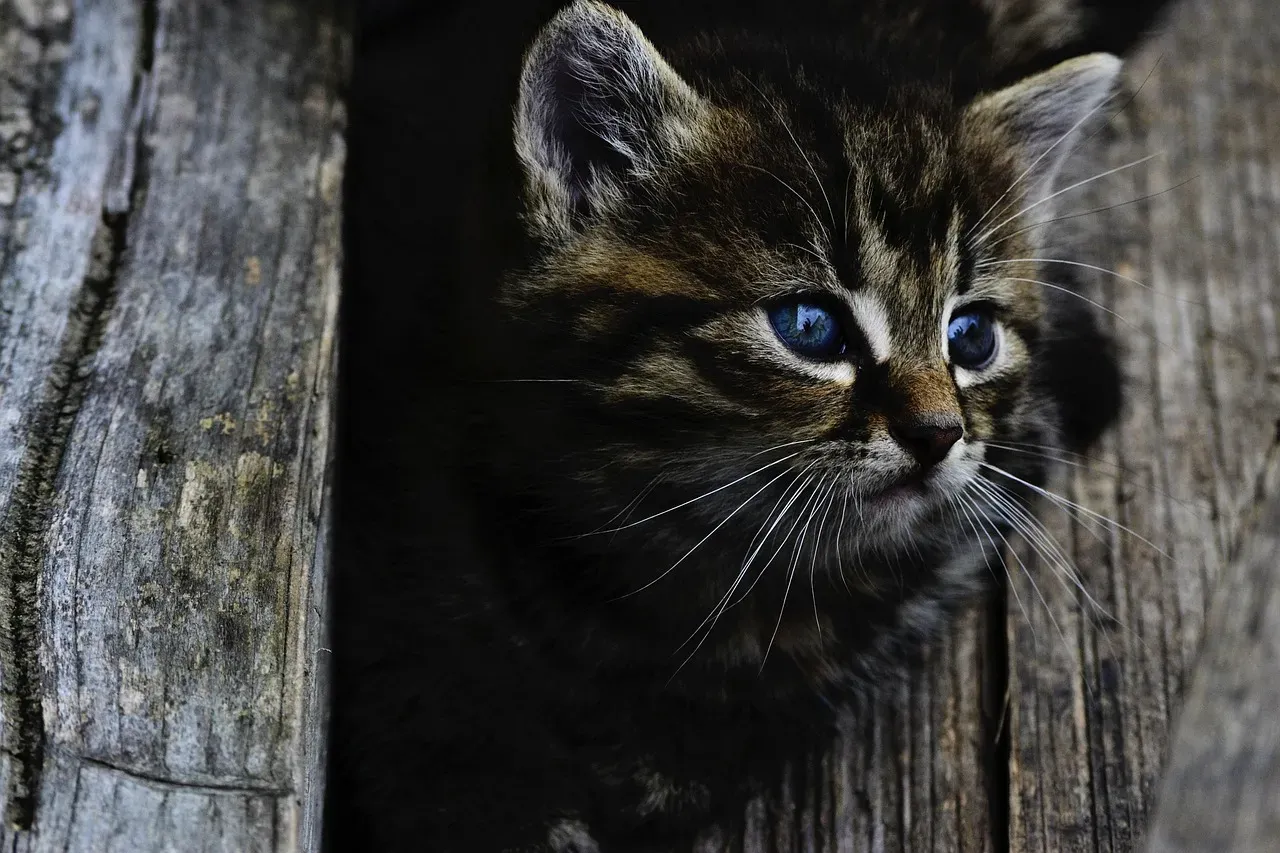
If you have ever watched a cat’s ears twitch and rotate while it lies perfectly still, you have seen the hardware behind this ability. Cats have remarkably sensitive hearing, tuned to pick up tiny sounds that would completely escape most humans, and their ears can swivel independently, acting like biological satellite dishes that scan for the slightest rustle, footstep, or voice. It is a feature built for hunting, originally meant to track a mouse rustling through grass, not a human shuffling around in socks.
Over months and years of living with you, that same hardware gets repurposed for something more social. Over time in a stable home, your cat learns what your typical sounds mean: the way your keys jingle, how you walk on the stairs, even the pattern of your voice echoing in different rooms. It is a bit humbling, honestly, to realize your footsteps have a signature your cat has memorized without you ever trying to teach it anything.
#3 The Kyoto University Experiment That Proved It
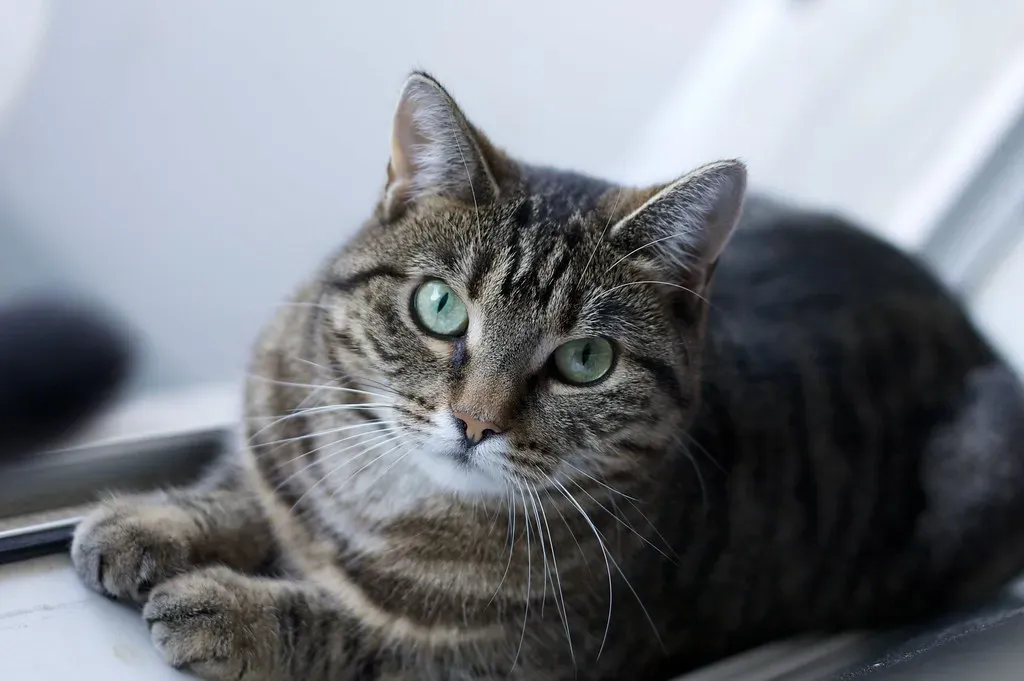
None of this was just casual observation. Researchers led by Saho Takagi designed a real experiment, and the setup was clever in its simplicity. They placed one speaker outside a familiar room and another as far as possible from it inside the room, then left the cat alone. In the habituation phase, the cat heard its owner’s voice calling its name five times from the outside speaker, and shortly after, one of the two speakers played either the owner’s voice or a stranger’s voice calling the cat’s name once.
The genius of the design was in what happened next. Sometimes the voice played from the same spot the cat expected, and sometimes it suddenly seemed to jump to the opposite speaker, essentially teleporting across the room. Results showed that cats were surprised when their owner appeared to be teleported to a new, unexpected location, but they did not react in the same way when tested with non-social stimuli, suggesting that cats hold a mental representation of the unseen owner and map their owner’s location from the owner’s voice. That single detail, the reaction only happening with a human voice and not a random sound, is what separates a real cognitive finding from a fluke.
#4 Cats Get Genuinely Confused When Sounds Teleport
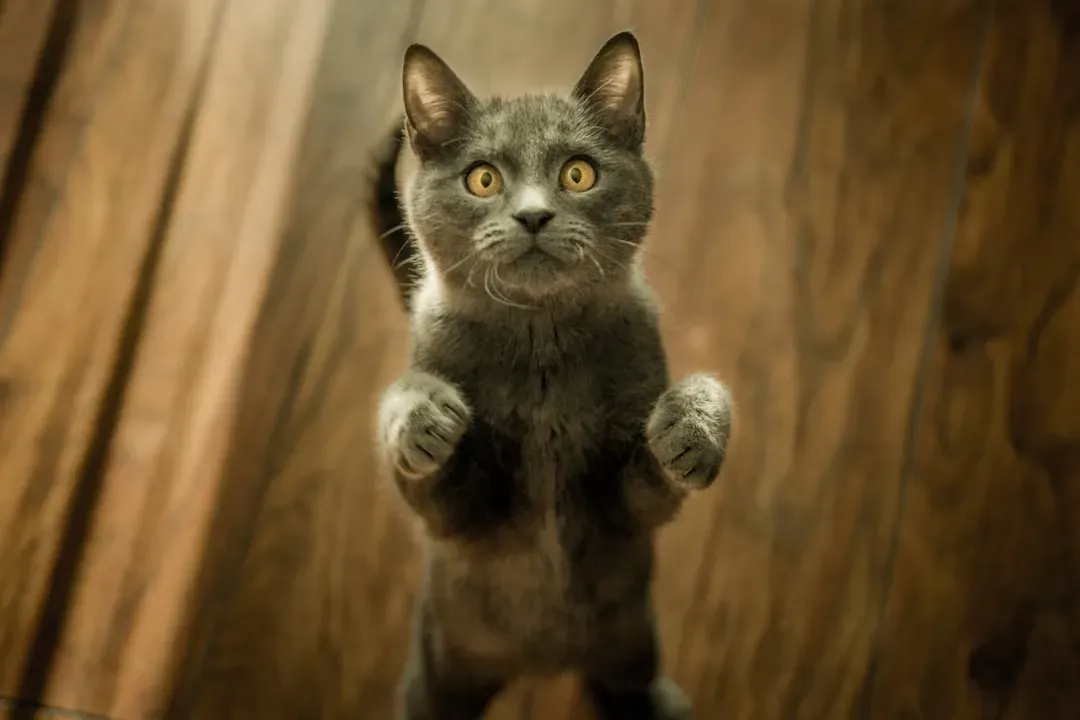
Watching a confused cat is oddly relatable, honestly. The behavior researchers observed was not dramatic, no jumping or hissing, just small but telling signs. When the voice suddenly seemed to jump from one place to another without any obvious movement in between, cats often showed signs of surprise, like looking quickly toward the new location or pausing mid-groom, a reaction suggesting they had an expectation of where the person should be, and the sound breaking that expectation caught their attention.
Independent observers were even brought in to rate the reactions, which added a layer of scientific rigor beyond just researchers watching their own experiment. Another group of people, who were not animal behavior experts, rated the cats’ level of surprise from a scale of 0 to 4, based on behaviors like ear and head movements. It is a small methodological detail, but it matters, because it means the surprise reaction was not just wishful interpretation from people who wanted to believe their cats were secretly geniuses.
#5 This Ties Into Something Called Object Permanence
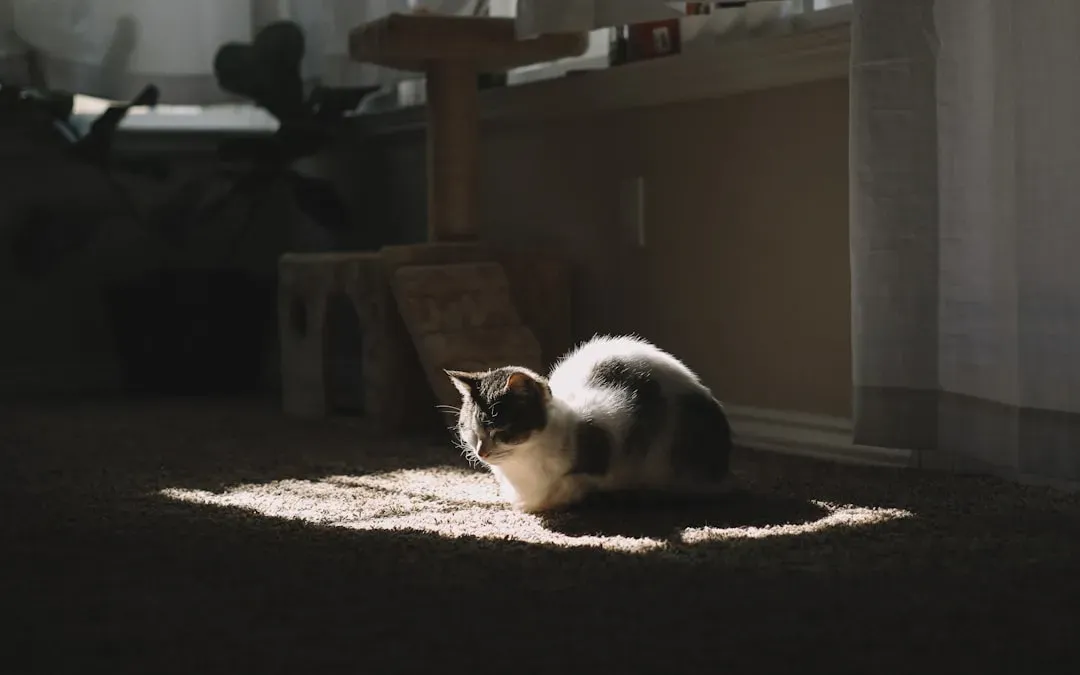
There is a name for the deeper skill underneath all this, and it is not exclusive to cats. Object permanence is broadly defined as the understanding that objects continue to exist even when hidden out of sight. Human babies develop this gradually, and researchers use it as a benchmark for measuring intelligence across species, from primates to birds to marine mammals.
What makes the cat findings notable is how they push this concept into a new, more social direction. The results suggest that cats have mental representations about their out-of-sight owner linked to hearing the owner’s voice, indicating a previously unidentified socio-spatial cognitive ability. In plain terms, it is not just that your cat knows a toy still exists after it rolls under the couch. It is that your cat knows you still exist, and roughly where you are, even after you leave the room entirely.
#6 It Debunks the Myth That Cats Don’t Care
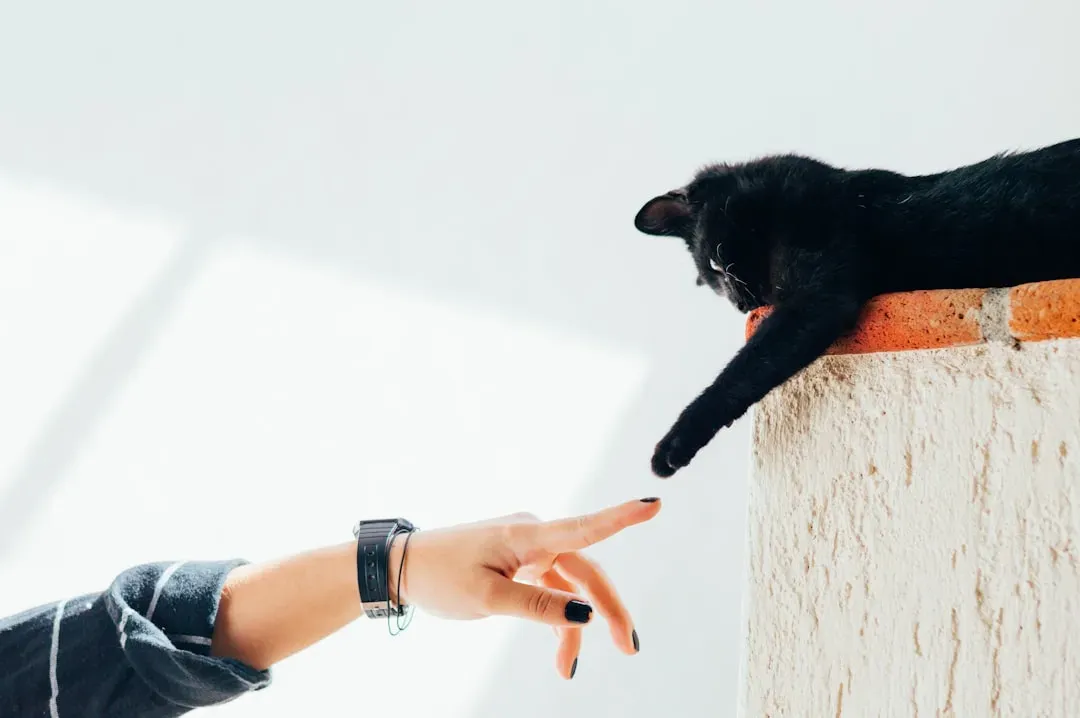
Cats have carried this reputation for decades, the aloof housemate who tolerates you rather than bonds with you. This research quietly chips away at that idea. Contrary to common beliefs about cats’ legendary independence, this research shows their constant attention to human activity. A cat that is tracking your voice through walls and updating a mental map in real time is not exactly indifferent to your presence.
Cat behavior experts who work with owners day to day have noticed the emotional side of this too, not just the cognitive one. Ingrid Johnson, a certified cat behavior consultant, has noted that cats can get attached to their humans, especially when they’re older, and that some senior cats wake up distressed when they can’t see or hear their owners. That distress only makes sense if the cat had an expectation about where you were supposed to be in the first place, which lines up neatly with everything the mental mapping research points toward.
The Takeaway
Kristina is a young writer from India. An arts graduate and an avid content creator, Kristina is passionate about animals and wildlife. She enjoys exploring topics related to pet care, animal behavior, conservation, and nature, combining thorough research with engaging storytelling.