#1 The sightings nobody notices
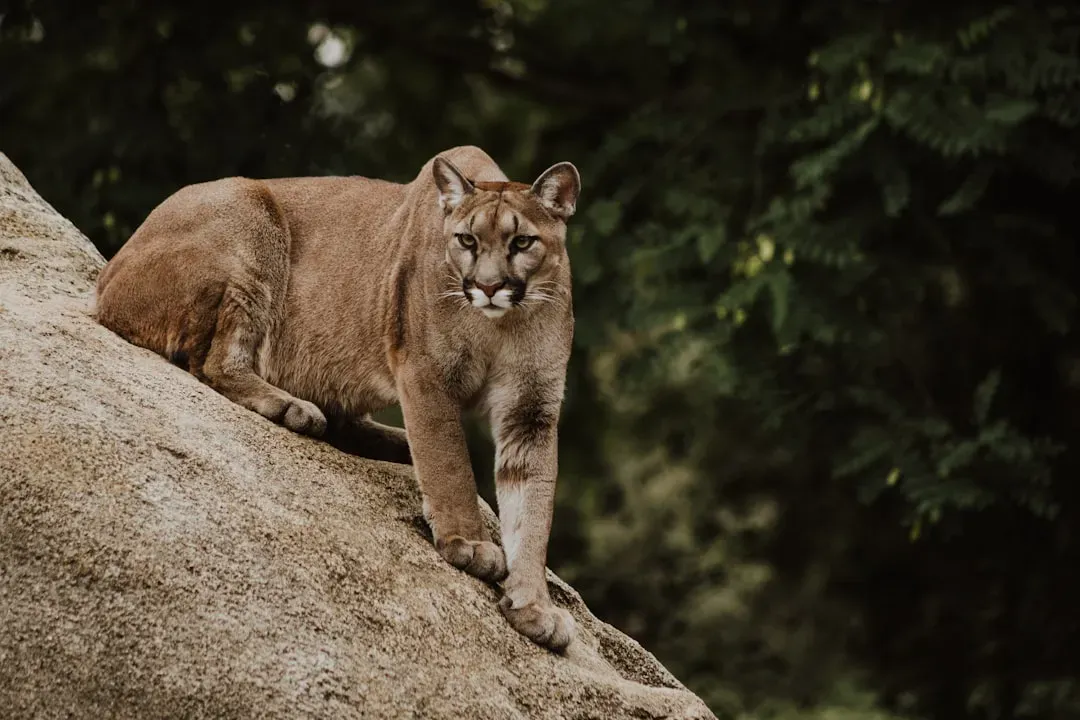
A wildlife biologist and filmmaker named Denise Peterson once sat beside a busy Utah trail for three hours watching a young female mountain lion. For three hours, wildlife biologist and filmmaker Denise Peterson sat beside a busy Utah trail watching a young female mountain lion, and during that entire time, joggers passed by repeatedly, completely unaware of what was just off the path.
That single afternoon captures something researchers have documented again and again. In Southern California, university researchers collared mountain lions in a heavily used park and tracked them alongside recorded human foot traffic. The results indicated that some lions were mere feet away from people who were unaware of the lion’s presence, and during the course of this study, no reports of aggressive lion behaviors were ever reported to the researchers or park personnel. The watching, it turns out, is the rule rather than the exception.
#2 Reading the body language that actually matters
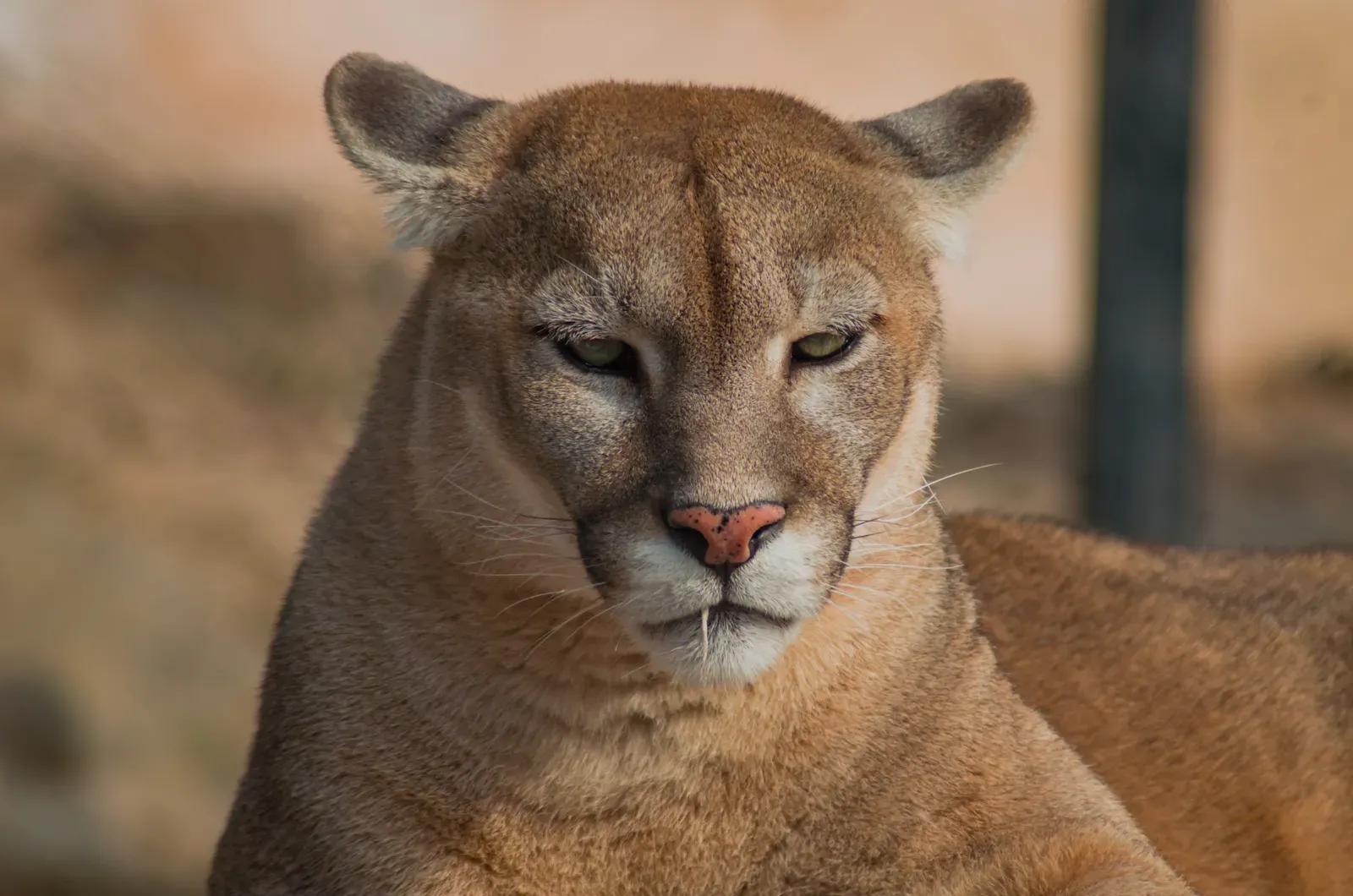
Not every stare means the same thing, and biologists have gotten fairly good at telling the difference. A curious puma typically maintains its distance, and it may stand tall to get a better view of you or move to a higher vantage point. That upright, alert posture is a cougar trying to figure out what you are, not deciding how to take you down.
Predatory intent looks nothing like casual curiosity. A fixed, unblinking eye contact indicates a cougar has locked onto you as potential prey, along with a low, crouching posture and rhythmic tail twitching, which are primary signals that a cat is preparing for a strike. There’s also a small but telling detail about direction. Lions will not turn their back on you if they view you as dangerous, because they know from their own hunting behavior that predators attack from behind. A cougar that keeps its back to you while moving away is, in its own way, telling you it isn’t worried.
#3 Why curiosity beats predation in the cougar playbook
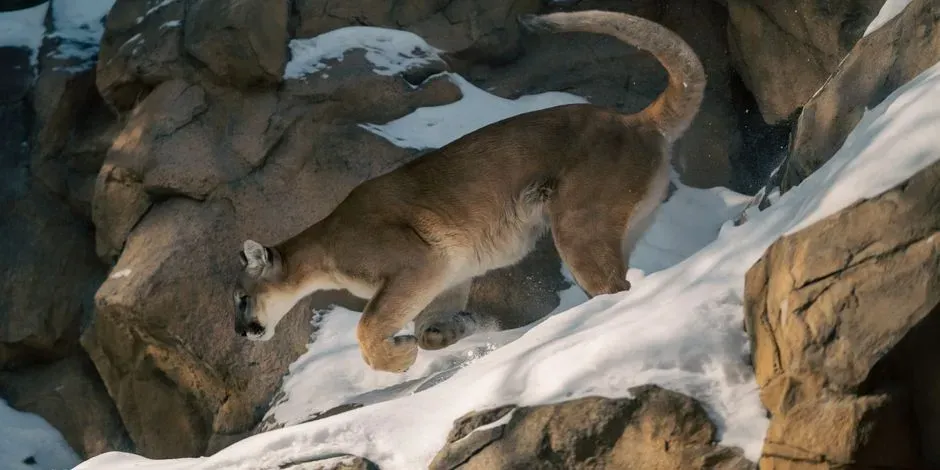
Popular imagination paints mountain lions as opportunists just waiting for a person to wander into range. The science says otherwise. One common myth is that cougars actively hunt humans, but in reality, attacks are rare and often involve extenuating circumstances such as mistaken identity or extreme hunger. Watching from a distance is closer to background research than target selection.
A viral video from a few years back made this point unusually clear. When a mountain lion appeared to follow a hiker down a trail, a Colorado State University researcher who studies human carnivore coexistence looked at the same footage and reached a different conclusion. Mountain lions are considered ambush predators, meaning they typically sit and wait for prey to pass and then pounce quickly and with force, but this mountain lion did nothing of the sort, and taken together, the clues suggested it was trying to protect her cubs and escort the hiker away from the area. The lion never attacked despite ample opportunity, which tells you something about what was actually driving the behavior.
#4 What long-term studies reveal about watching behavior
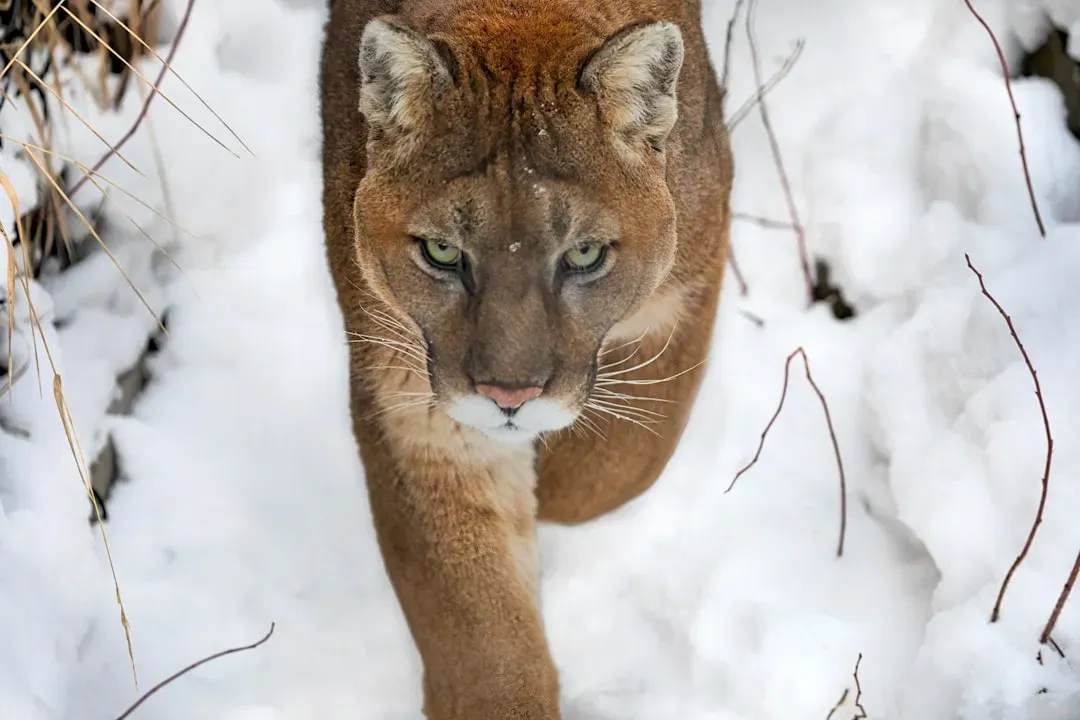
Researchers working in California’s Santa Cruz Mountains spent six years gathering GPS data from three dozen collared mountain lions, then cross referenced it with recreational activity logged through the fitness app Strava. They had six years of high-resolution GPS data from 36 mountain lions in the Santa Cruz Mountains, then obtained activity data from users of the fitness app Strava. The pairing let them see, almost hour by hour, how lions responded to human movement across the landscape.
What they found undercuts the idea that closer proximity means higher danger. Differences in habitat use among more human-tolerant mountain lions don’t seem to make conflicts with people more likely, and their reduced distance from humans did not result in more human-lion conflicts. Other researchers describe a similar pattern of quiet risk assessment rather than pursuit. Mountain lions are learning to interpret human signals, such as voices and machinery noises, to avoid encounters, and by observing from a distance, they gauge potential risks and adjust their movements accordingly. The watching, in other words, is largely defensive intelligence gathering.
#5 When watching turns into warning signs
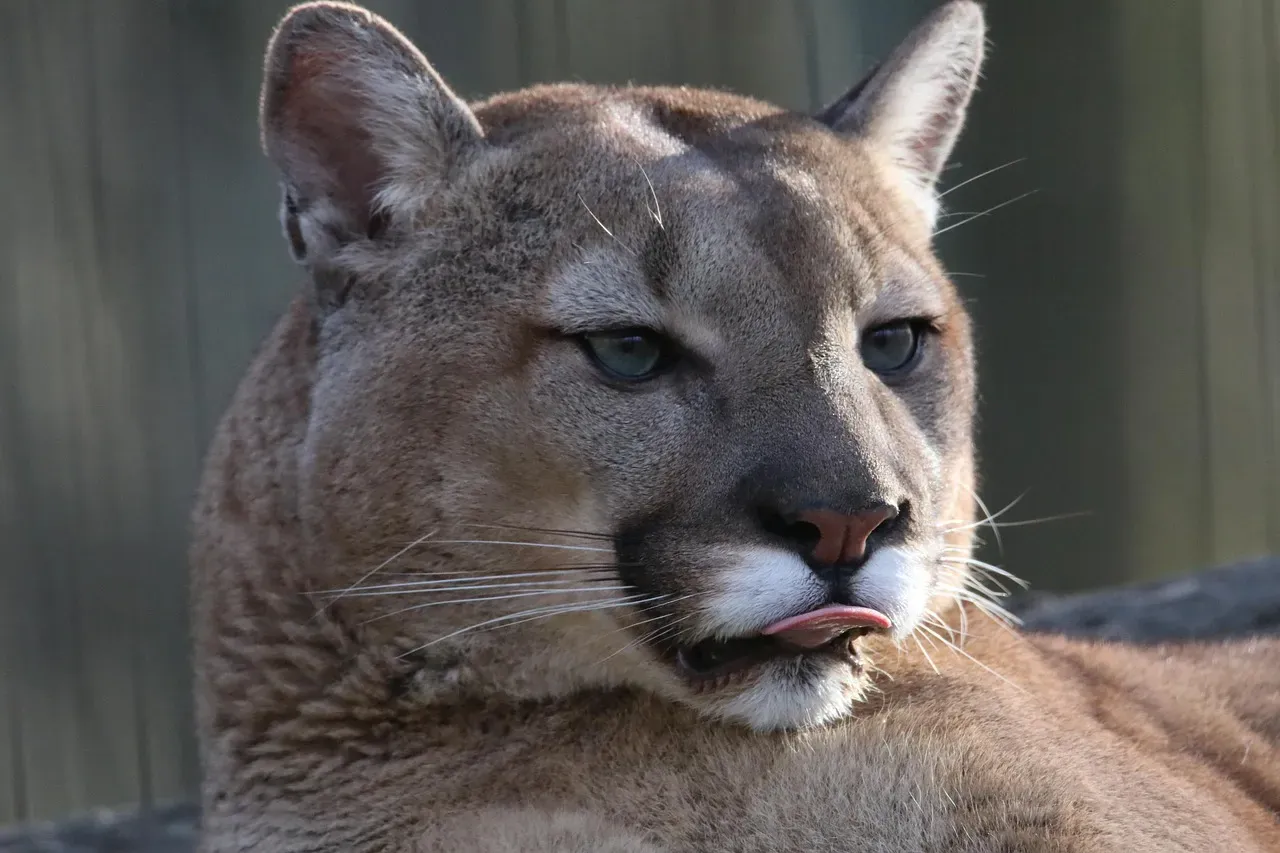
None of this means every cougar sighting is harmless by default, and biologists are careful not to suggest that. Age and health play a measurable role in which animals become dangerous. Young (≤2.5 years) or unhealthy (by weight, condition, or disease) cougars were more likely than any others to be involved in close encounters that threatened the involved person. A cat that’s struggling to hunt normal prey may behave less predictably around people.
Human behavior during an encounter matters just as much as the animal’s condition. People who were moving quickly or erratically when an encounter happened, such as running, playing, skiing, snowshoeing, biking, or ATV riding, were more likely to be attacked and killed compared to people who were less active. A crouching cat with fixed eyes and a twitching tail combined with a person sprinting away is a very different scenario than a lion standing tall on a ridge two hundred yards off. Context, not just the stare itself, is what separates curiosity from a real threat.
#6 The numbers behind the fear
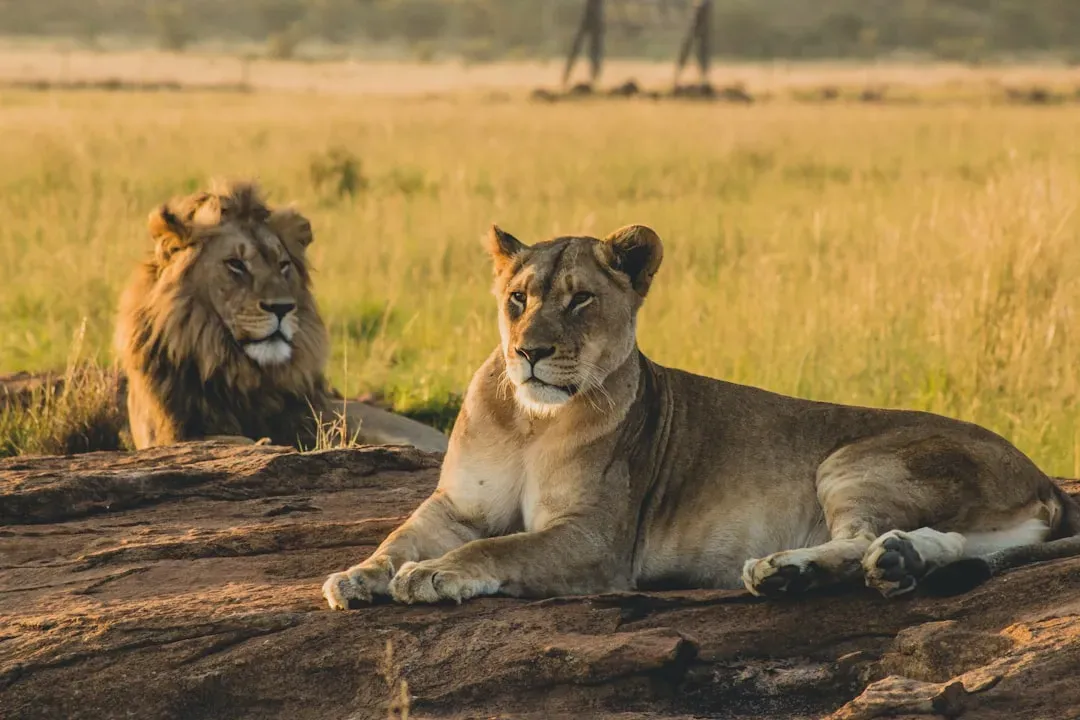
Given how often lions apparently watch people unnoticed, the actual danger level is worth putting in plain terms. A Wyoming Game and Fish biologist who has studied large carnivores for years put it bluntly during a public presentation. They are extremely effective killers, but they rarely prey on humans, with less than two dozen fatal attacks nationwide in recent memory. That’s across an entire country, over decades, not a single year.
Government wildlife data backs up how rare these events remain even as cougar and human populations both grow in shared territory. Overall, cougar attacks on people in Canada and the United States were rare, currently four to six per year, compared to attacks by large felids and wolves in Africa and Asia, which number in the hundreds to thousands per year. Considering how many people hike, camp, and run through cougar country every single week, those numbers suggest the animals are doing far more avoiding than hunting.
#7 What biologists recommend if you’re being watched
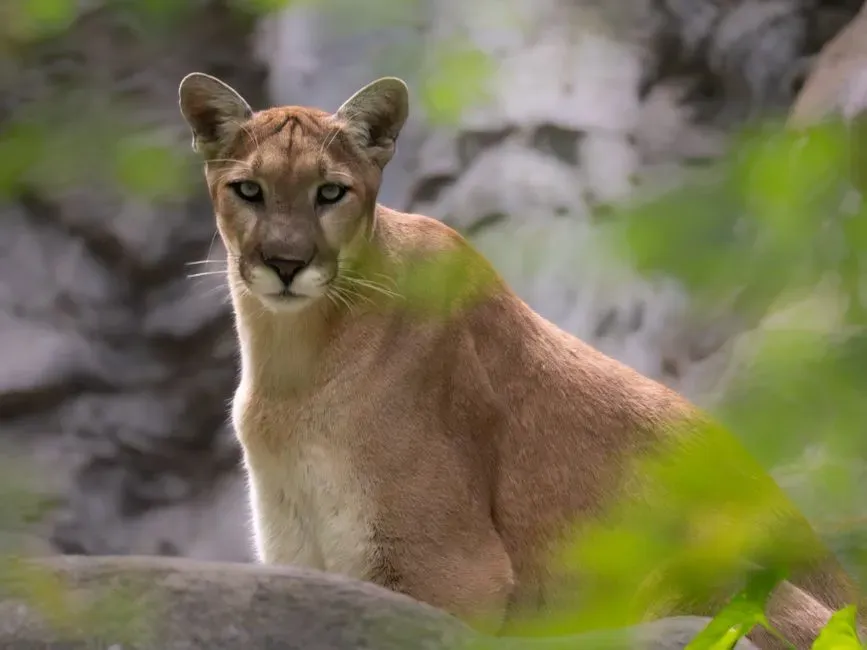
Knowing the difference between curiosity and threat only helps if you know what to do with that information. The advice from wildlife professionals is remarkably consistent. Make yourself appear as big as possible, raise your arms, stretch yourself out, and try to persuade the cougar to simply walk away. Running is the one instinct you have to override.
If a lion does close the distance rather than retreat, the response shifts. Never run, since that will only excite the animal and bring its predatory instincts to the fore, and slowly back away while keeping the lion in front of you, since mountain lions prefer to attack by biting on the base of a victim’s skull. Most sightings never reach that point, though. Typically, mountain lion sightings occur from a distance and usually around dawn or dusk, which is exactly the pattern you’d expect from an animal doing reconnaissance rather than stalking prey it intends to attack.
Final thoughts
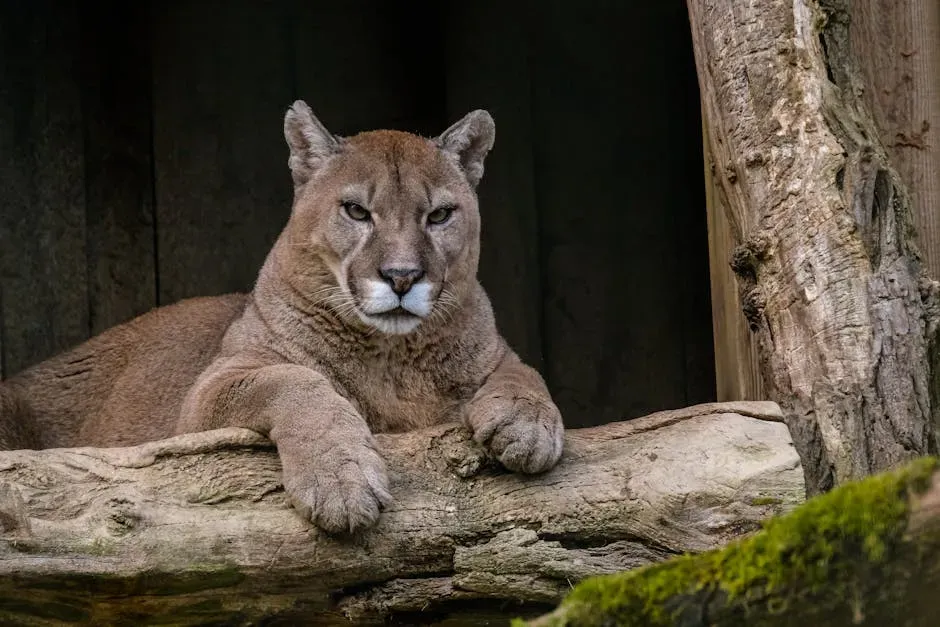
There’s a certain irony in how much fear surrounds an animal that spends most of its energy avoiding us. The research is fairly consistent on this point, and I think it deserves more weight than the dramatic headlines usually give it. A mountain lion watching you from a rock outcrop is doing what any smart, cautious animal does around something unfamiliar and potentially dangerous. It’s gathering information, not loading a plan.
That doesn’t mean complacency is the right response either. Cougars are still wild predators capable of real harm under the wrong circumstances, and the biology backs that reality too. The healthier take, and the one the evidence actually supports, is respect without panic. Learn the signals, keep your distance when you can, stand your ground when you can’t, and trust that the cat watching you from the tree line probably wants nothing more than to see you move along.
Kristina is a young writer from India. An arts graduate and an avid content creator, Kristina is passionate about animals and wildlife. She enjoys exploring topics related to pet care, animal behavior, conservation, and nature, combining thorough research with engaging storytelling.