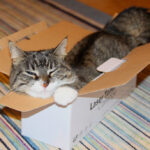
#1 Cardboard boxes
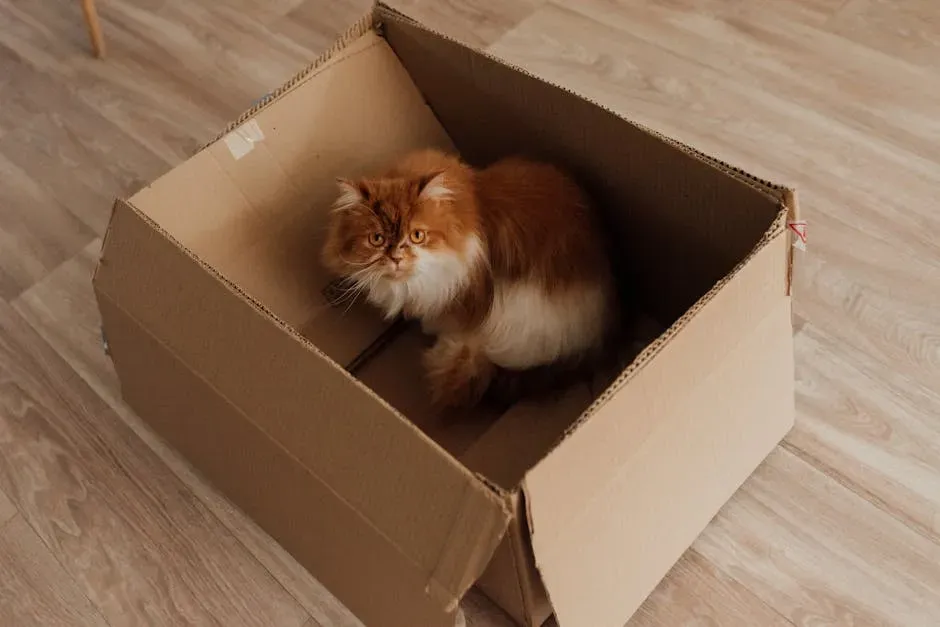
It’s almost a cliché at this point, but the box obsession is rooted in real behavior. Boxes offer enclosed, snug spaces that mimic the tight burrows and crevices a cat might seek out in the wild for safety. The cardboard also provides insulation, trapping body heat in a way that open floor space simply can’t match, which is especially appealing to a species that prefers warmer resting temperatures than humans do.
There’s also a stress-reduction angle backed by animal behaviorists. A confined space limits the visual field, which can lower a cat’s anxiety by reducing the number of things it feels it needs to monitor at once. So when your cat picks the box the new blender came in over the actual bed you bought, it’s not being difficult. It’s following an instinct that says smaller and darker equals safer.
#2 Bathroom sinks
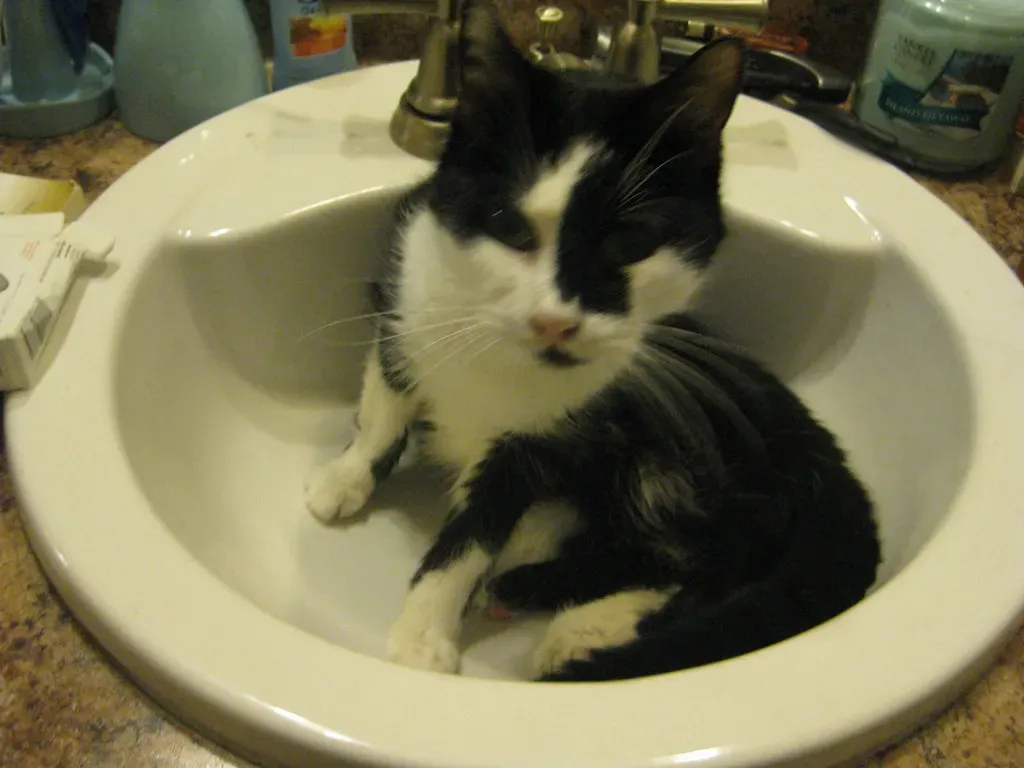
The sink might seem like an odd choice given how hard and cold porcelain can be, but that’s exactly the appeal in warmer months. Cats regulate their body temperature less efficiently than humans through sweating, so they naturally seek out cool surfaces when they’re warm, and ceramic or porcelain holds a lower temperature than most household materials.
The curved shape of a sink also happens to match a cat’s natural resting posture, letting them curl into a tight circle with minimal effort. It’s a passive kind of comfort, no cushioning required, just a shape that fits. Combine that with the fact that bathrooms are often quiet and away from foot traffic, and the sink becomes a surprisingly logical nap spot rather than a random quirk.
#3 On top of laundry, especially clean piles
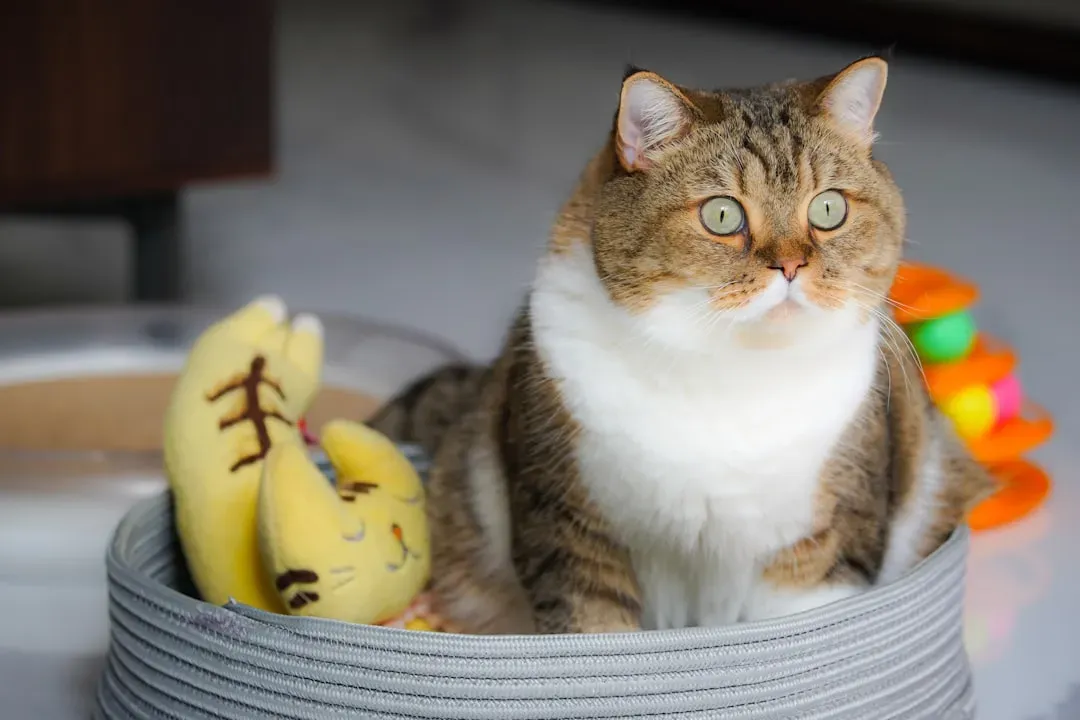
Fresh laundry seems like an unlikely target, but the scent is the real draw here. Cats have scent glands on their cheeks, paws, and body, and freshly laundered clothes often carry a faint trace of their owner’s smell mixed with the neutral scent of detergent, creating a comforting blend rather than an off-putting one. Scent marking and familiar smells play a significant role in feline comfort and territory recognition.
There’s a textural element too. Piles of clothing are soft, shift slightly under body weight, and often trap warmth from the dryer for a while after being folded. Cats are drawn to warmth almost instinctively, since their ideal resting temperature runs higher than what most people keep their homes at. A warm, soft, familiar-smelling heap checks every box a cat cares about, which is why the clean laundry basket rarely stays undisturbed for long.
#4 Inside kitchen cabinets
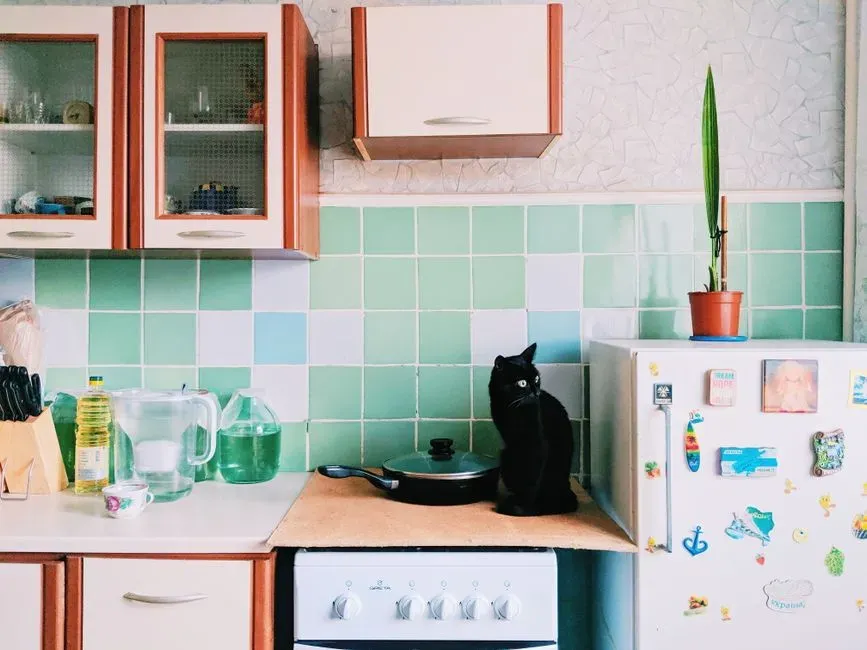
Open cabinet doors are basically an invitation as far as many cats are concerned, and the appeal comes down to darkness and enclosure again, but with an added bonus. Cabinets are often tucked into corners of the kitchen, away from the general flow of household activity, giving a cat a quiet vantage point that still lets them keep tabs on what’s happening if they choose to peek out.
This behavior also connects to a cat’s natural instinct as both predator and prey in the wild. Tucking into a hidden space provides a strategic advantage, letting them observe without being easily seen themselves. It’s less about hiding from danger in a domestic setting and more about satisfying a deeply wired preference for controlled, semi-enclosed vantage points, even if that vantage point happens to be next to the mixing bowls.
#5 Shoes and shoe boxes
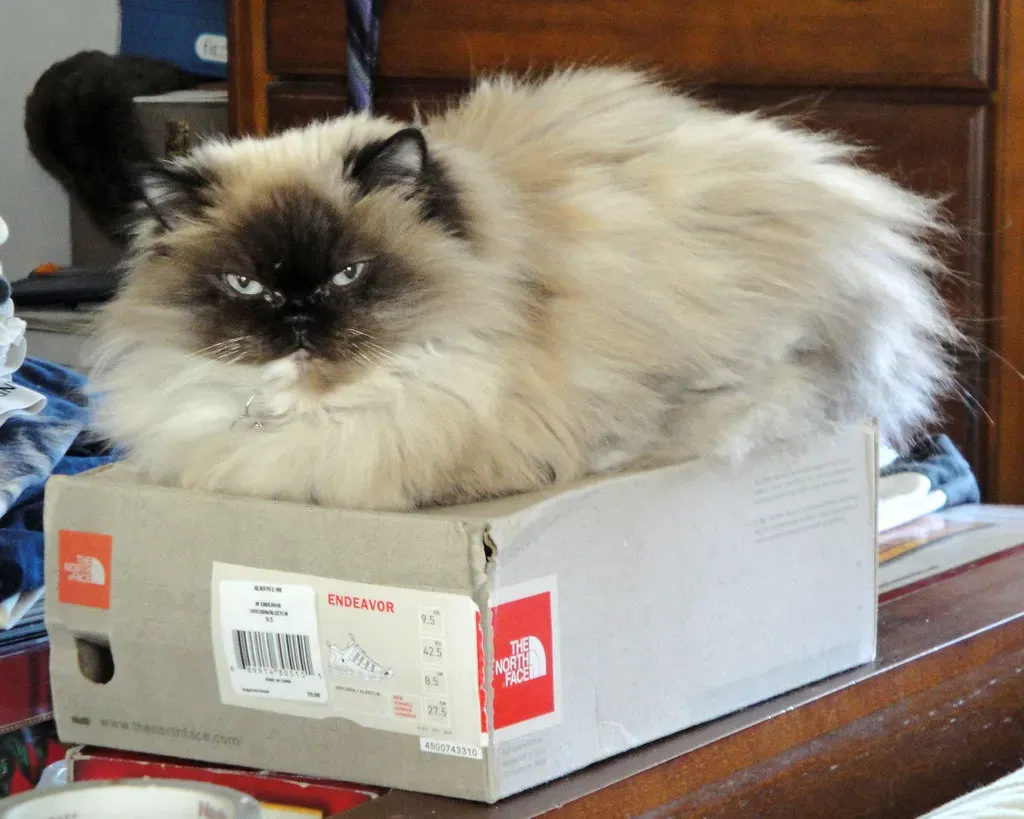
A single shoe seems like a strange fit for an animal that can weigh anywhere from eight to fifteen pounds, but cats are remarkably good at compressing themselves into spaces that look too small. Shoes carry strong scent signatures from their owner, and that human scent can be soothing rather than repellent, similar to the appeal of worn laundry.
Shoe boxes take this a step further by combining the scent factor with the classic box benefits already mentioned, snugness, insulation, and reduced visual stimulation. It’s a small, portable version of the cardboard box phenomenon, minus the practicality. Most cats aren’t thinking about practicality anyway. They’re thinking about comfort, and a shoe box quietly delivers on several fronts at once.
#6 On top of the refrigerator or other tall furniture
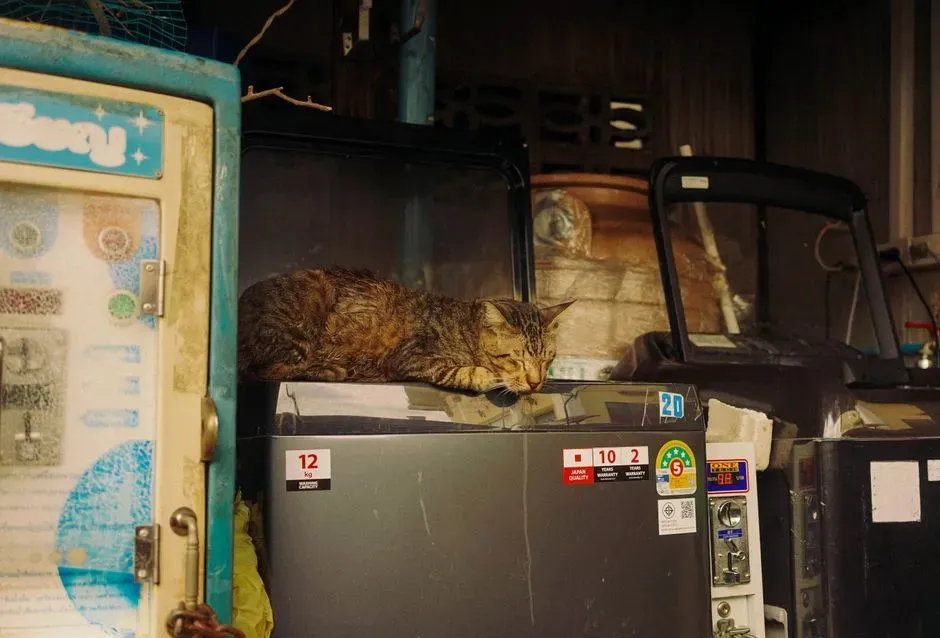
Height matters enormously to cats, and it goes back to their evolutionary roots as both hunters and potential prey to larger animals. Elevated positions offer a wider field of view and a sense of security, since fewer threats can approach from above undetected. The top of a refrigerator checks that box while also offering a bonus most owners overlook, ambient warmth rising from the appliance’s motor and coils below.
This combination of vantage point and gentle heat makes tall furniture, bookshelves, and refrigerator tops genuinely appealing rather than random. Cats that spend time in elevated spots also tend to display fewer stress behaviors in multi-pet households, since height allows them to remove themselves from tension on the ground level. It’s a survival instinct dressed up as a nap spot, and it explains why cats gravitate upward whenever the opportunity presents itself.
#7 Inside grocery or paper bags
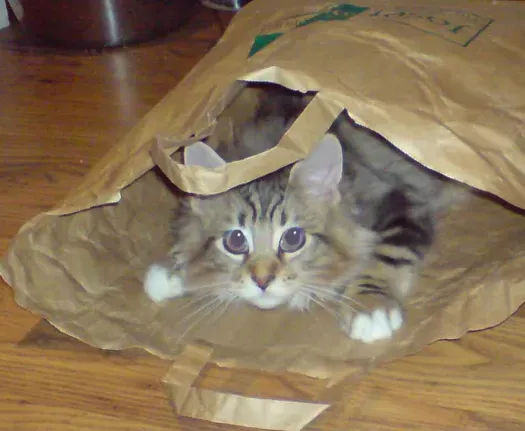
Paper bags share a lot of the same appeal as cardboard boxes, but the crinkly texture adds something extra. The sound and feel of paper shifting under a cat’s weight seems to trigger curiosity and play behavior in some cats, while also offering the enclosed, insulated space that makes a nap feel secure. It’s a low-effort way to satisfy both instincts at once.
There’s also a novelty factor at play. Cats are drawn to new scents and objects introduced into their environment, and a grocery bag fresh from a shopping trip carries all sorts of unfamiliar smells worth investigating. That investigation often ends in a nap, since exploring a new object and then settling into it is a fairly common feline pattern. The bag becomes both a puzzle and a bed within the space of a few minutes.
#8 Directly on top of their owner
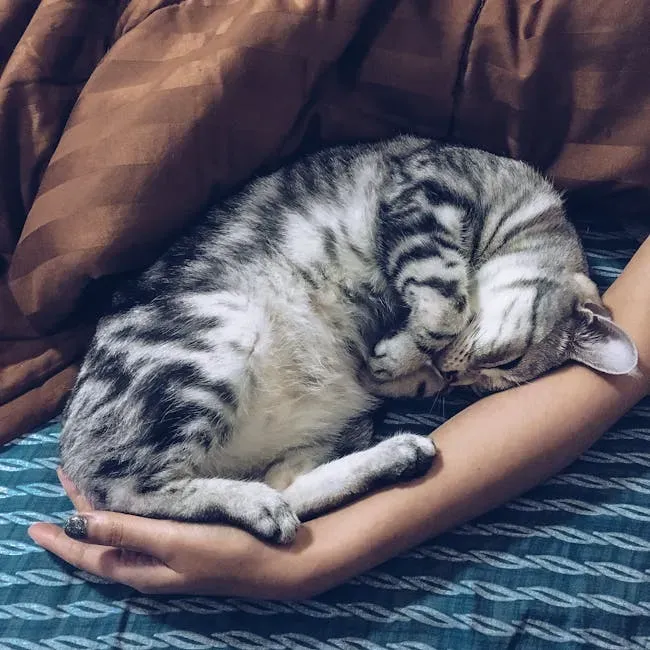
This one feels obvious until you consider the biology behind it. Sleeping on or very close to an owner gives a cat access to consistent body heat, and since cats often prefer warmer resting temperatures than the average room provides, a human body becomes a walking, breathing heat source. It’s practical in a way that’s easy to overlook simply because it’s so common.
There’s an emotional layer here too, one that researchers studying cat-human bonds have increasingly taken seriously. Cats that feel secure in their environment and their relationship with their owner are more likely to seek physical closeness during rest, since sleep is a vulnerable state and proximity to a trusted individual reduces that vulnerability. So when a cat picks your chest over the bed three feet away, it’s less about ignoring the effort you put in and more about choosing you specifically.
The Real Takeaway
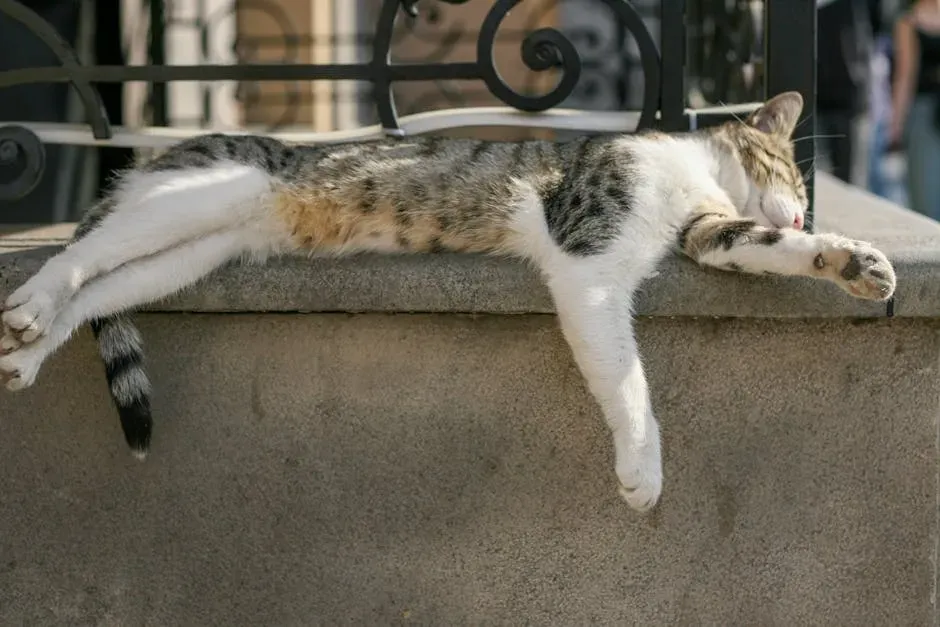
After going through all eight of these spots, one thing becomes pretty clear: cats aren’t being deliberately difficult or ignoring the comfortable options we provide out of spite. Every strange nap location traces back to a mix of temperature preference, instinctual security-seeking, scent familiarity, or evolutionary leftovers from a time when cats needed to watch their backs, sometimes literally, from above.
My honest opinion after digging into this is that the fancy cat bed industry might be slightly overselling itself. Cats don’t necessarily want luxury, they want function, and function to a cat looks like a warm, tight, quiet, or elevated space that happens to smell familiar. So the next time your cat abandons a forty-dollar bed for an empty tissue box, don’t take it personally. You’re not being rejected. You’re just living with an animal whose idea of comfort has been fine-tuned by instinct long before either of you moved in together.
Kristina is a young writer from India. An arts graduate and an avid content creator, Kristina is passionate about animals and wildlife. She enjoys exploring topics related to pet care, animal behavior, conservation, and nature, combining thorough research with engaging storytelling.