#1 Cucumbers and Other Long, Skinny Objects
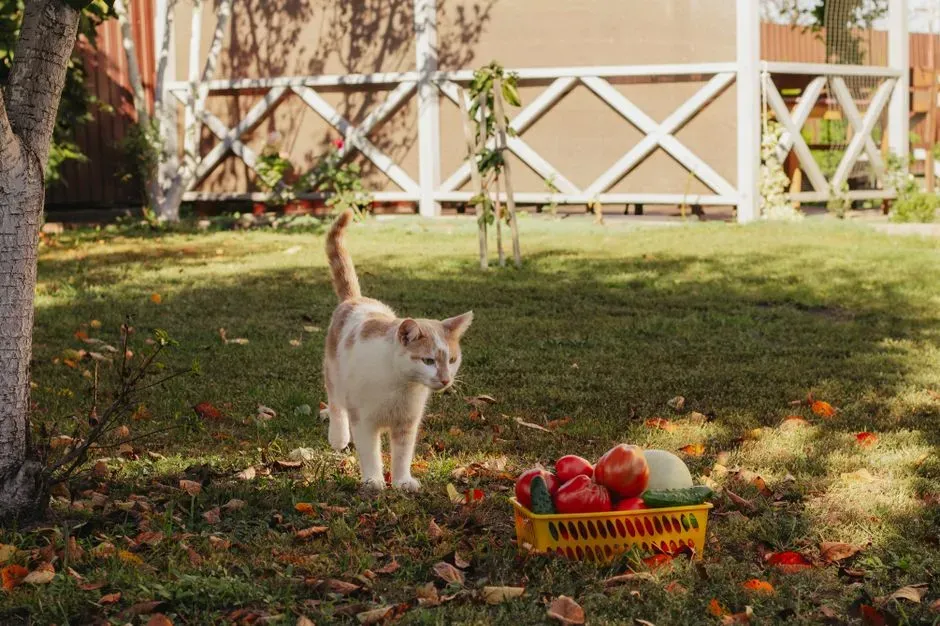
The cucumber phenomenon became internet famous for a reason. Cats that walk away from their food bowl and find a cucumber placed quietly behind them often jump straight into the air, sometimes knocking things over in the process. Veterinary behaviorists generally explain this as a startle response tied to shape recognition rather than the vegetable itself.
A long, curved object appearing suddenly and silently near a cat resembles the general outline of a snake, at least at a glance and from a low vantage point. Cats did not evolve to question first and react later when something snake shaped appears in their peripheral vision. The jump is not really about cucumbers being scary. It is about survival instincts firing before the brain has time to process that dinner is not actually a predator.
#2 Their Own Reflection
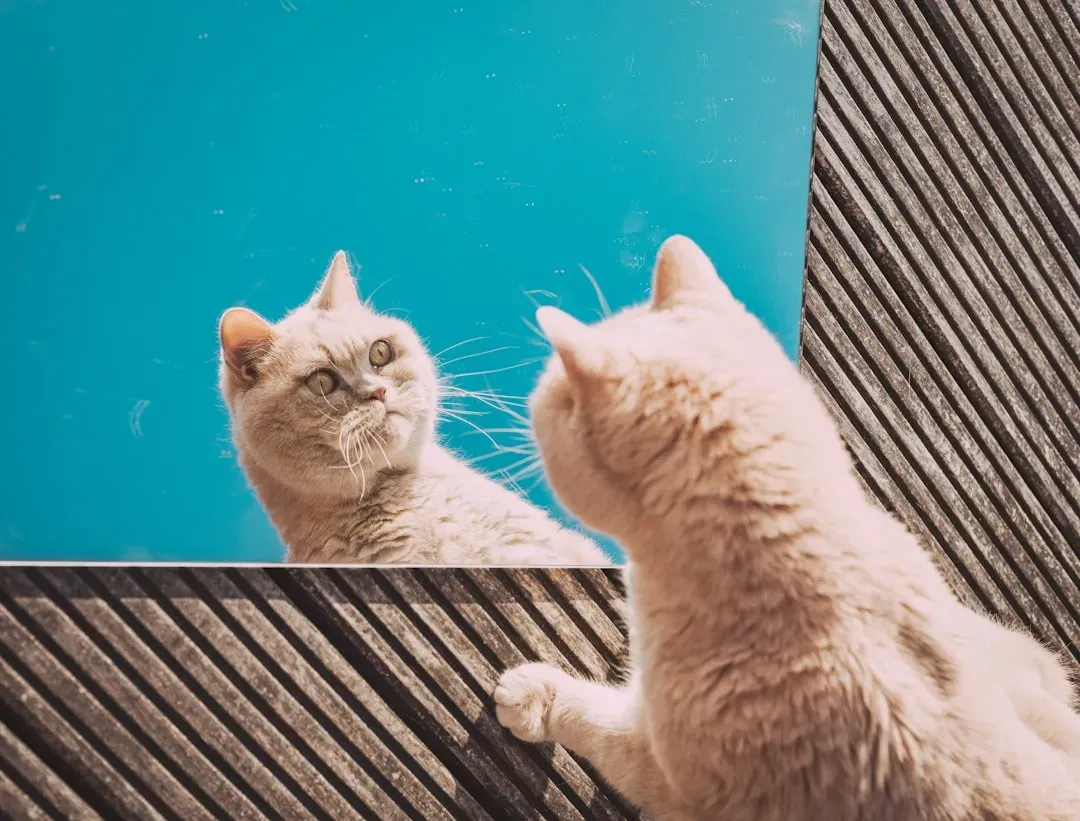
Some cats catch their reflection in a mirror, window, or shiny appliance and act like a total stranger has entered the house. Fur puffs up, the tail goes rigid, and a low growl might follow. This reaction tends to show up more often in kittens or cats that have not had much exposure to reflective surfaces.
Cats do not process mirror images the way humans do, since there is no matching scent or sound coming from the “other” cat. Without that sensory confirmation, the brain treats the visual alone as suspicious. Most cats eventually lose interest once they realize the reflection never actually does anything, but the first encounter can look genuinely dramatic.
#3 Paper Bags and Crinkling Sounds
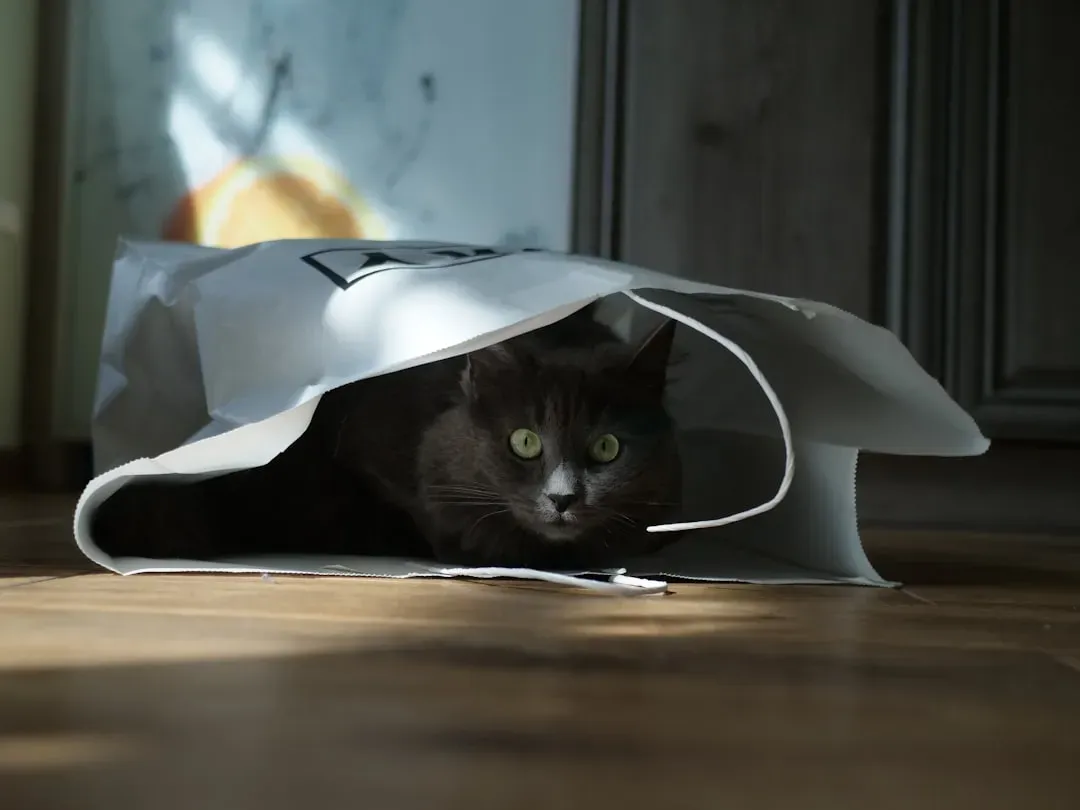
A crumpled paper bag left on the floor can send a cat sprinting from the room, only for the same cat to cautiously return minutes later to investigate. The sudden crinkling noise, especially if it happens unexpectedly, taps into a cat’s sharp sensitivity to sharp, unfamiliar sounds. Cats have a much wider hearing range than humans, which means noises that seem mild to us can feel abrupt and piercing to them.
Interestingly, this fear rarely lasts. Once a cat associates the bag with something safe, like a fun hiding spot, curiosity usually takes over completely. It is a good example of how a cat’s fear response and its curiosity response often run on separate tracks, with curiosity frequently winning in the end.
#4 Vacuum Cleaners
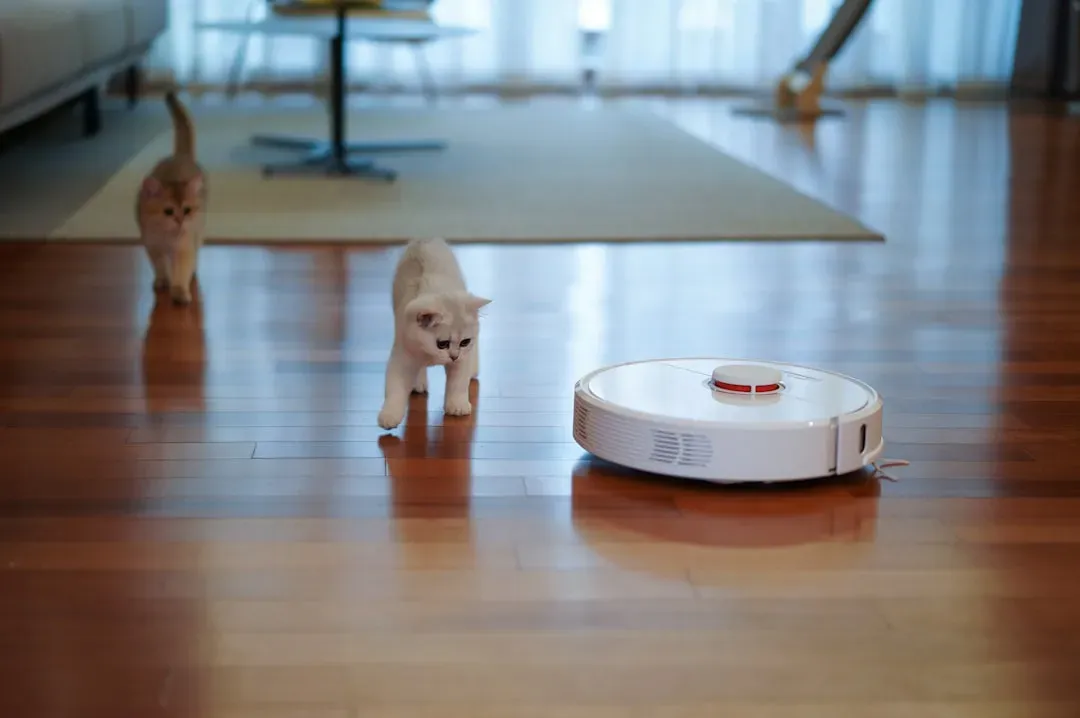
This one arguably makes the most sense of the bunch, yet it still earns a spot because of how theatrical the reaction can be. Vacuum cleaners combine loud motor noise, sudden movement, and an unfamiliar shape gliding across the floor. For a cat, that is a lot of red flags happening at once.
Some cats respond by fleeing to the highest shelf in the house, while others freeze completely in place, hoping to become invisible. The fear is not irrational so much as amplified, since a cat’s hearing and vibration sensitivity make a vacuum feel far louder and more threatening than it does to the person pushing it.
#5 New Furniture or Rearranged Rooms
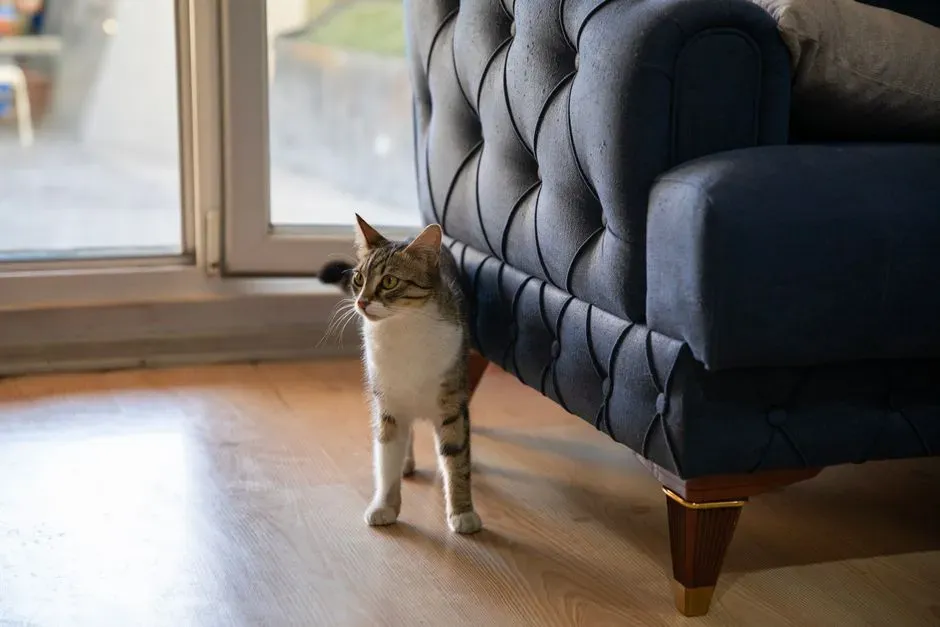
Cats build detailed mental maps of their territory, tracking scent markers, escape routes, and familiar landmarks. When a new couch appears or furniture gets rearranged, that map suddenly stops matching reality. The result can be a cat that creeps around the edges of a room, sniffing everything with visible suspicion.
This wariness fades quickly once the cat re-scents the space and confirms nothing dangerous is hiding behind the new bookshelf. It is less about the object itself and more about the disruption to a carefully maintained sense of control. Cats value predictability, and anything that shifts their environment without warning tends to get a cautious once-over.
#6 Certain Smells, Especially Citrus

Many cats visibly recoil from the smell of oranges, lemons, or citrus-scented cleaning products. Their noses are far more sensitive than ours, and strong scents that seem pleasant to humans can be overwhelming or unpleasant at close range for a cat. This is actually well documented enough that citrus is sometimes used as a natural deterrent to keep cats away from certain furniture or plants.
The reaction usually looks like a quick head shake, a wrinkled nose, or a hasty retreat rather than outright panic. It is a mild aversion rather than genuine fear, but the exaggerated facial expressions cats make when they catch a whiff of citrus have made this one a frequent source of amusement for pet owners filming their reactions.
#7 Loud, Sudden Noises Like Thunder or Fireworks
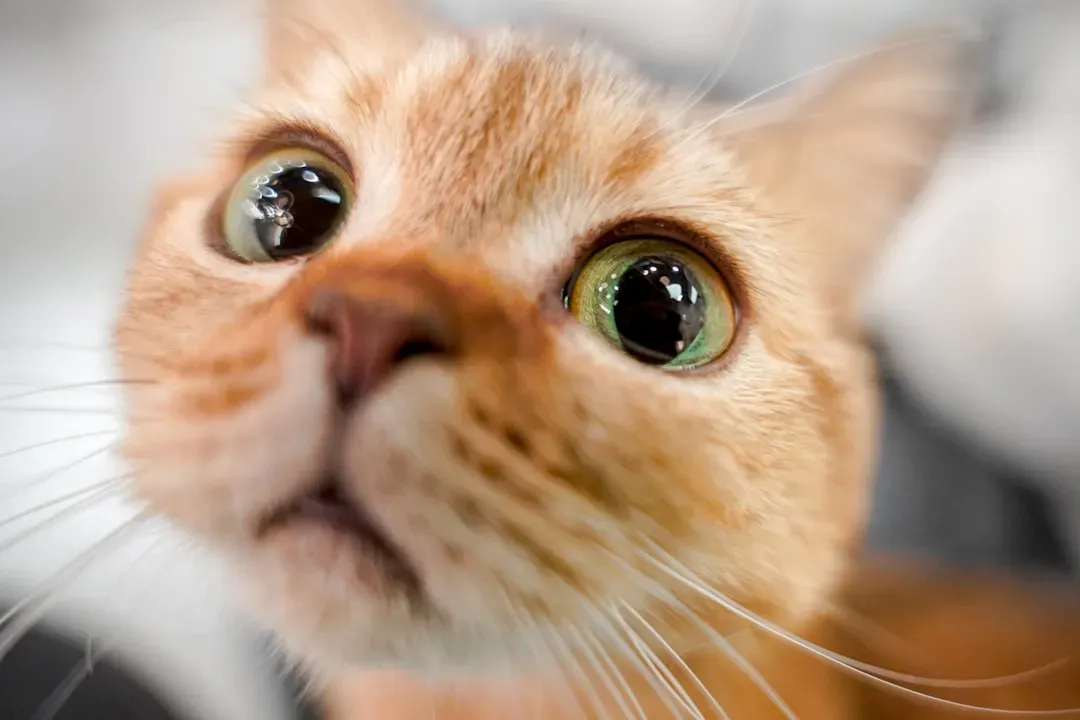
Thunderstorms and fireworks rank among the more understandable fears on this list, yet the intensity of a cat’s reaction can still catch owners off guard. Some cats hide for hours, refusing to come out even after the noise stops completely. Others pace, pant, or show other signs of stress that resemble anxiety in dogs.
Part of this comes down to a cat’s acute hearing combined with an inability to predict when the noise will happen again. Unlike a vacuum cleaner, which a cat can eventually learn to associate with cleaning time, thunder and fireworks arrive without warning and without pattern. That unpredictability is often what makes the fear linger rather than fade with repeated exposure.
#8 Other Animals on Television or Phone Screens
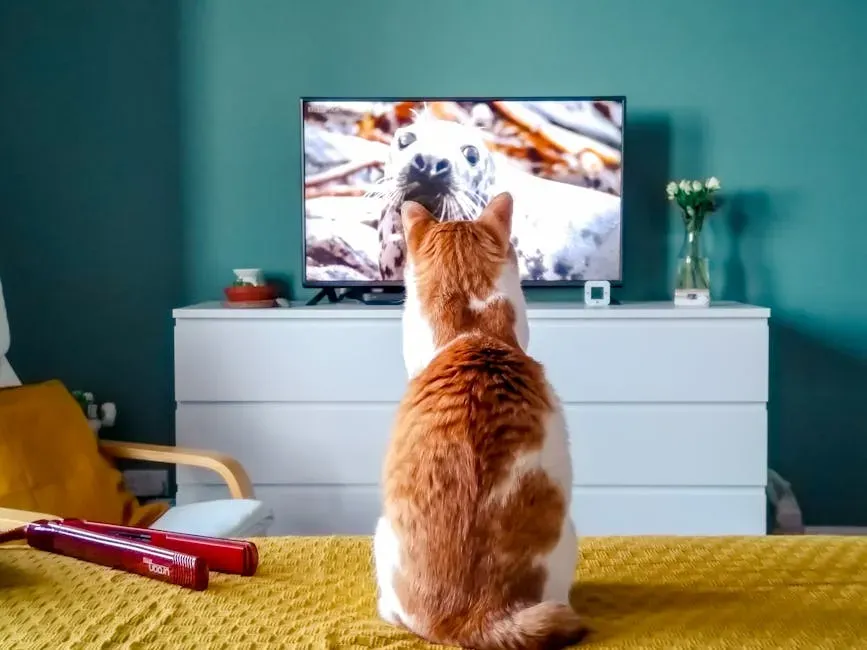
Cats that watch birds, mice, or other cats on a phone or television screen sometimes react as if the animal is physically present in the room. This can mean intense staring, pawing at the screen, or occasionally backing away with flattened ears if the image feels threatening. Screens present moving shapes and colors that mimic real prey or rivals closely enough to trigger genuine instinctive responses.
What makes this particularly funny to watch is the confusion that follows. A cat will often look behind the television or check the surrounding room, clearly trying to reconcile what it just saw with the total absence of a smell or sound to match it. This mismatch between sight and other senses seems to be at the heart of a lot of screen related confusion in cats, similar to what happens with mirrors.
The Verdict on Cat Logic
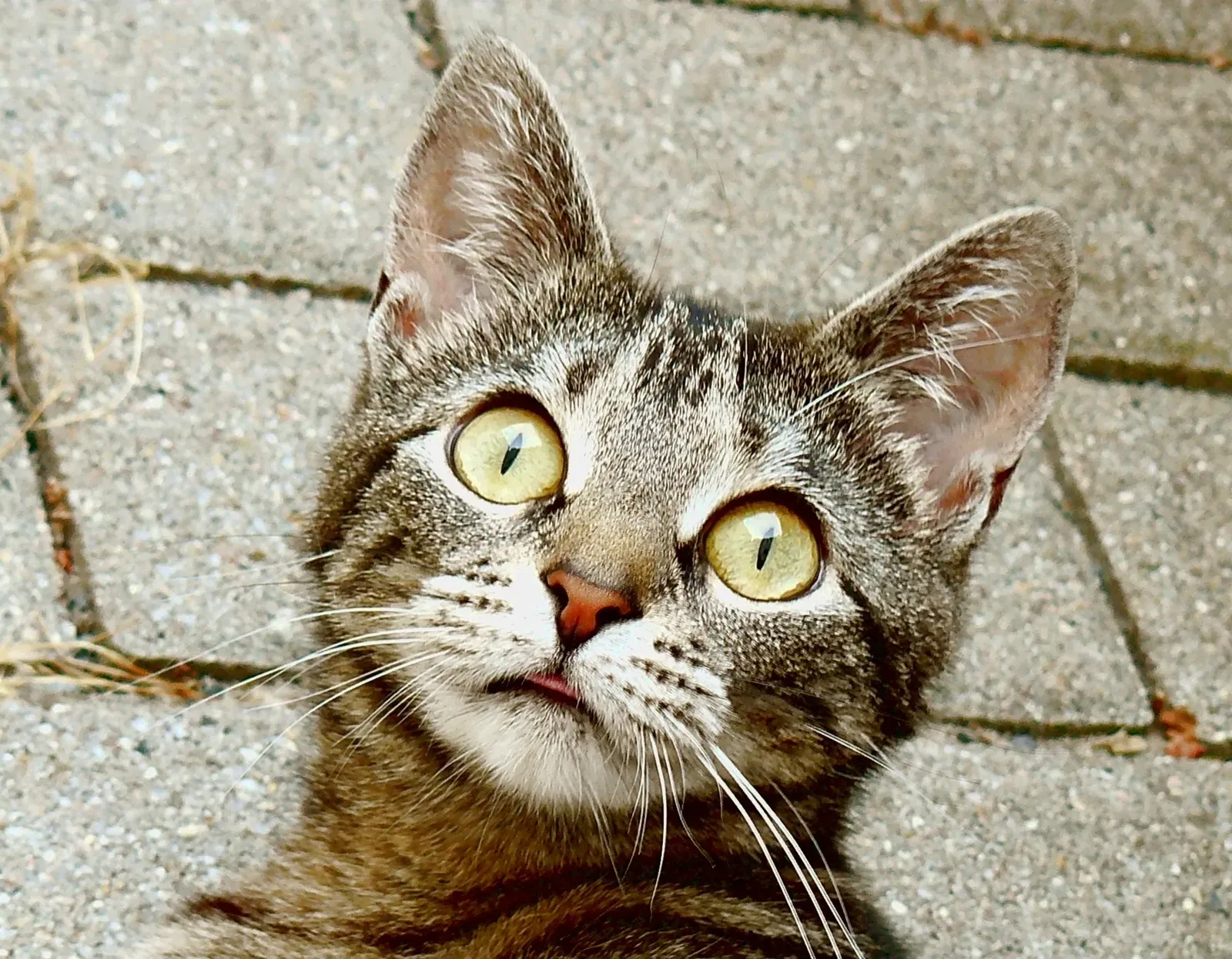
After going through all eight of these, one thing becomes pretty clear. Cats are not actually irrational, they are just running ancient survival software in a modern living room, and sometimes that software glitches over a cucumber or a paper bag. Their fears almost always trace back to real evolutionary wiring, even when the trigger itself is completely harmless.
Honestly, this is part of what makes cats so entertaining and so endearing at the same time. A little unpredictability keeps things interesting, and frankly, a cat that occasionally loses its composure over its own reflection feels a lot more relatable than a robot pet ever could. The next time your cat leaps sideways over nothing, it is worth remembering that somewhere deep in that brain, a very old and very serious alarm system just went off, even if the threat was only ever a vegetable.
Kristina is a young writer from India. An arts graduate and an avid content creator, Kristina is passionate about animals and wildlife. She enjoys exploring topics related to pet care, animal behavior, conservation, and nature, combining thorough research with engaging storytelling.