#1 The sound of your voice
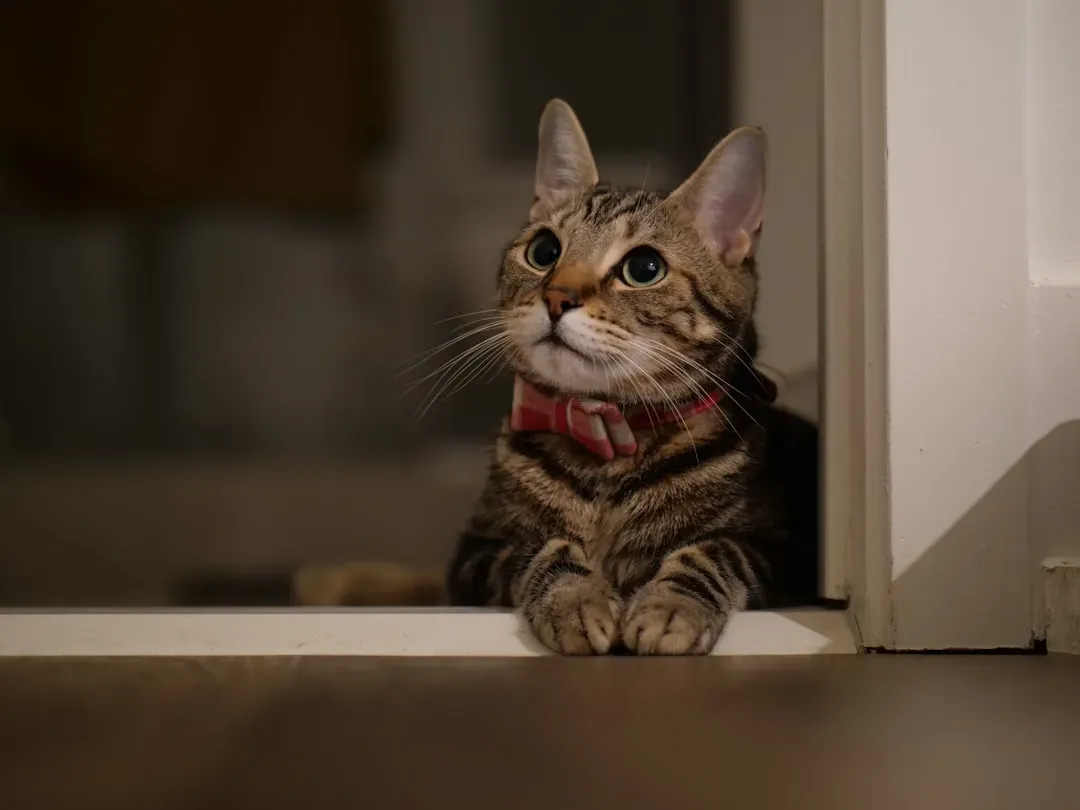
Cats learn to recognize their owner’s voice early on, and studies on feline auditory cognition suggest they can distinguish it from a stranger’s voice even without visual cues. This isn’t just about tone. Cats pick up on cadence, pitch, and the specific way someone says their name or calls them for dinner.
That recognition doesn’t fade quickly. Cats who’ve been separated from an owner for weeks or months have been observed perking up, approaching, or vocalizing in response to a familiar voice played from another room. It’s one of the simplest reminders that a cat’s bond with a person isn’t purely visual or scent based.
#2 Who fed them, and when
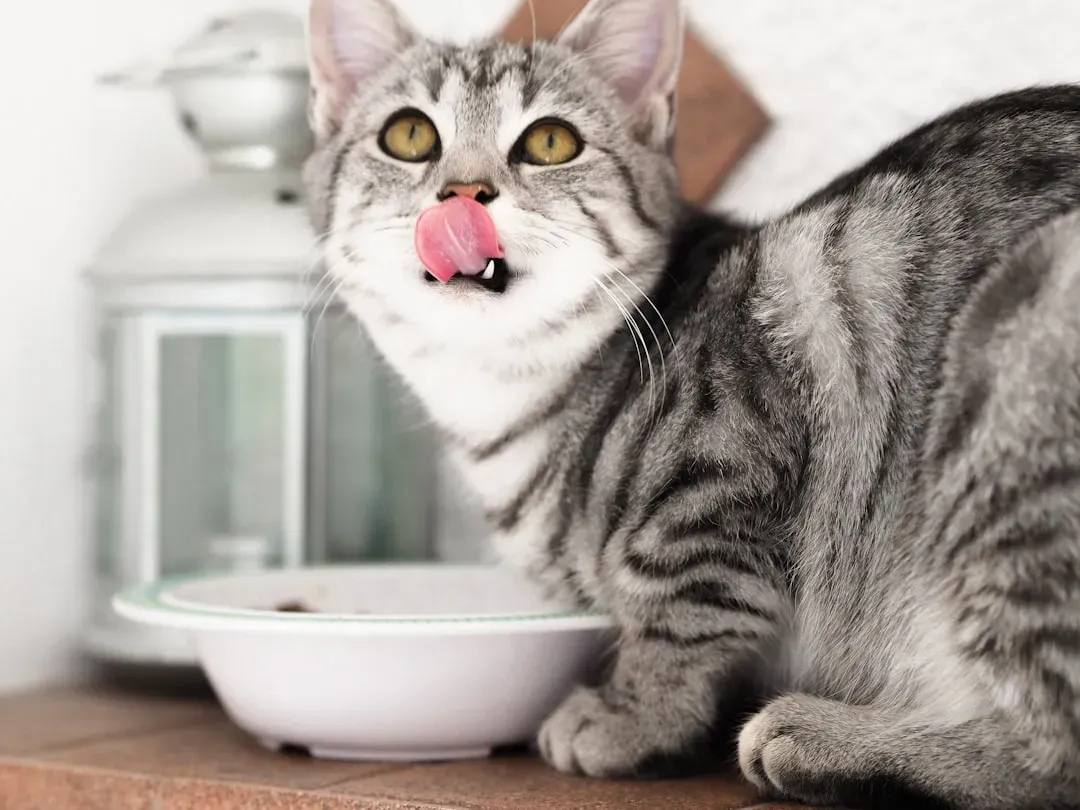
Cats are creatures of routine, and food is one of the strongest anchors in their memory. They learn to associate specific people with mealtime, often gravitating toward whoever handles feeding duties even if that person isn’t the one who spends the most time with them otherwise.
This memory can be surprisingly precise. Many owners notice their cat waiting by a particular door or chair at the same time every day, a behavior linked to the cat’s internal clock syncing with a consistent feeding schedule. Miss that window a few times and the cat will often let you know about it, sometimes loudly.
#3 Moments of fear or pain
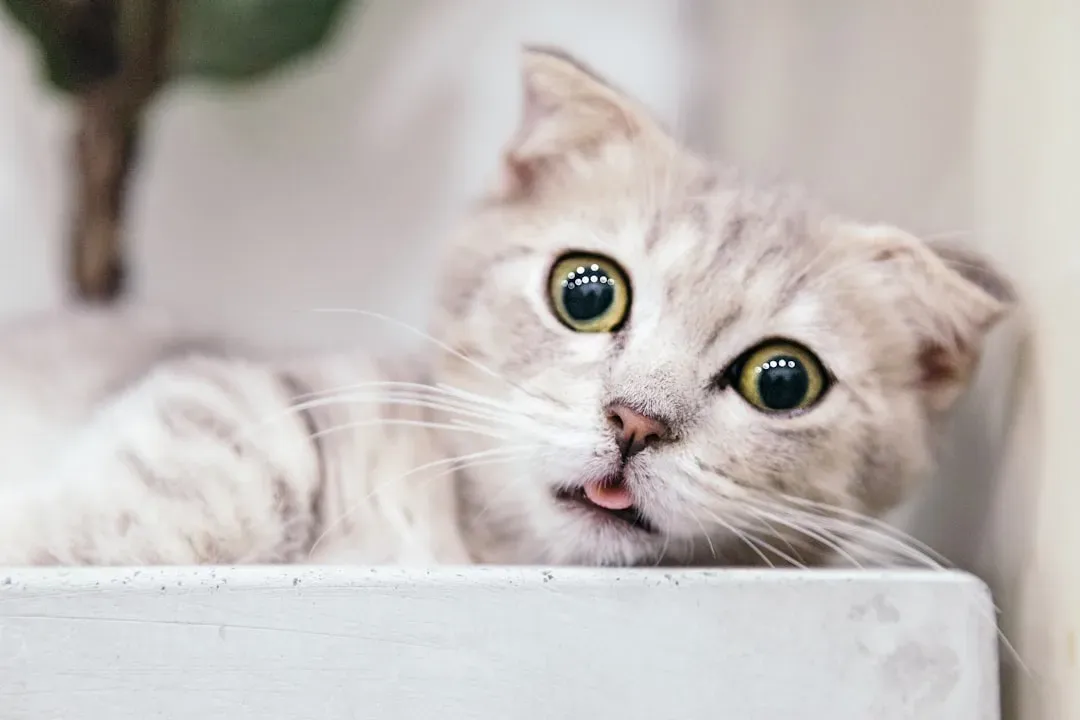
Negative experiences tend to leave a stronger imprint than neutral ones, and cats are no exception. A cat that’s been startled, hurt, or frightened in the presence of a specific person or in a specific location often remembers that association for a long time, sometimes avoiding that person or spot altogether.
This is part of why vet visits can be so stressful for cats and their owners alike. The carrier, the car ride, the exam table, all of it gets filed away as a chain of unpleasant events. Even a single bad experience can shape a cat’s behavior around certain routines for years afterward.
#4 The person who comforted them when they were sick or scared
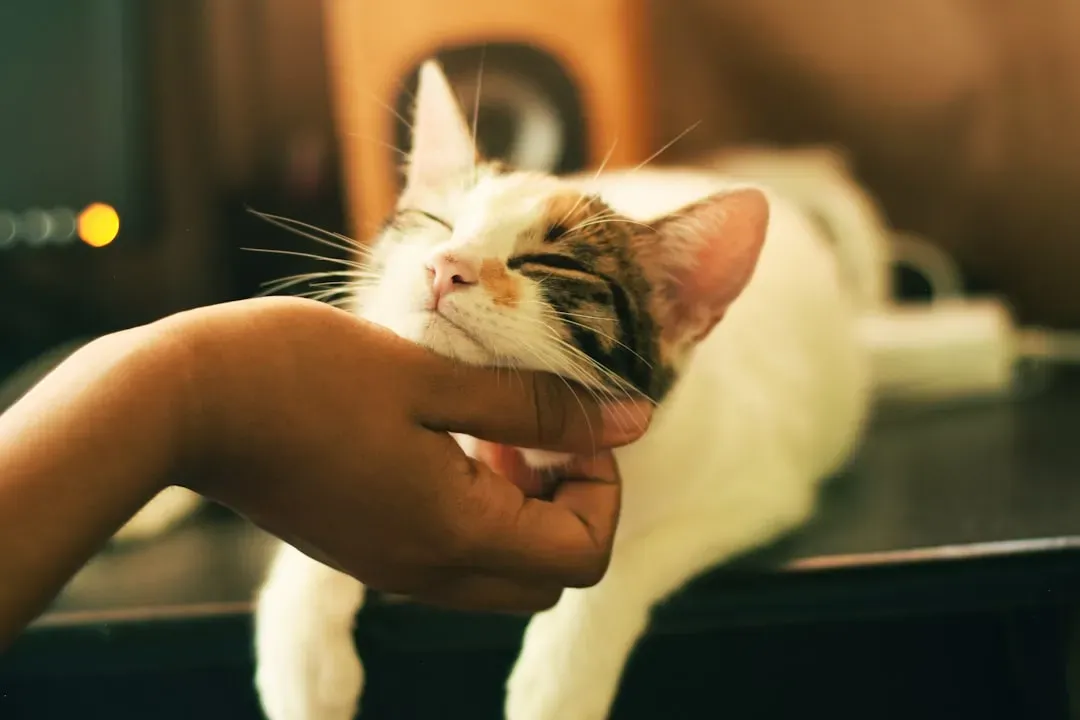
On the flip side, cats also remember who showed up for them during a hard moment. If someone sat with a sick cat, spoke gently, or helped them through a scary situation, that association tends to register as safety rather than threat.
Over time, this can translate into a cat seeking out that specific person during future moments of stress, whether it’s a thunderstorm, a vet visit, or a new environment. It’s a quiet form of trust building that many owners don’t even realize is happening until they notice their cat consistently choosing them over others in tense situations.
#5 Their name, and how it’s said
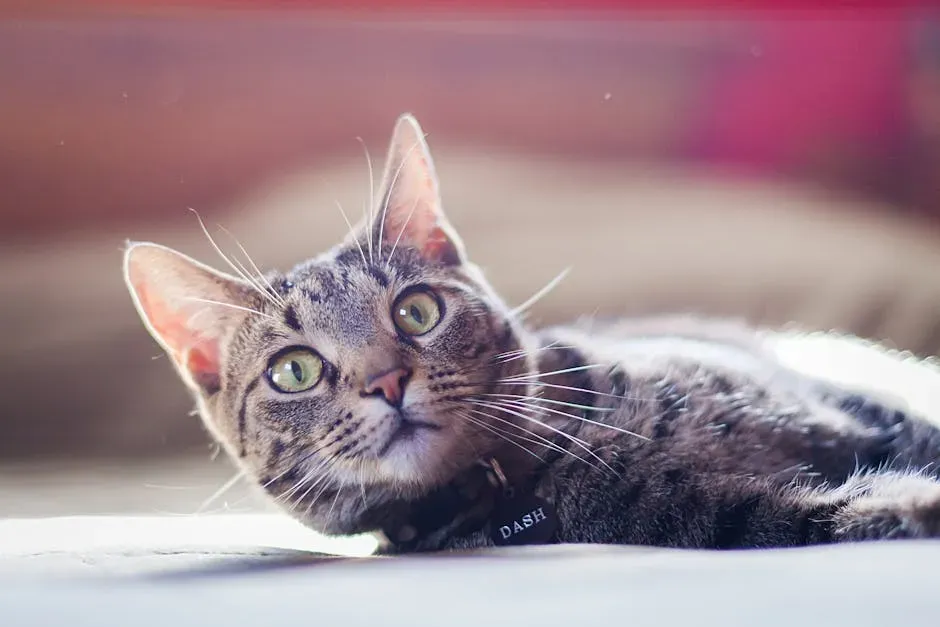
Contrary to the old joke that cats ignore their names, research using controlled sound tests has shown that cats can distinguish their own name from other words, even similar sounding ones. What’s less discussed is how attached that recognition is to the person saying it.
A cat may respond differently to its name depending on who’s calling and in what tone. A familiar, warm delivery from a trusted person often gets a different reaction than the same word spoken by a stranger or in an unfamiliar tone. The name itself matters less than the emotional context wrapped around it.
#6 Physical touch that felt safe
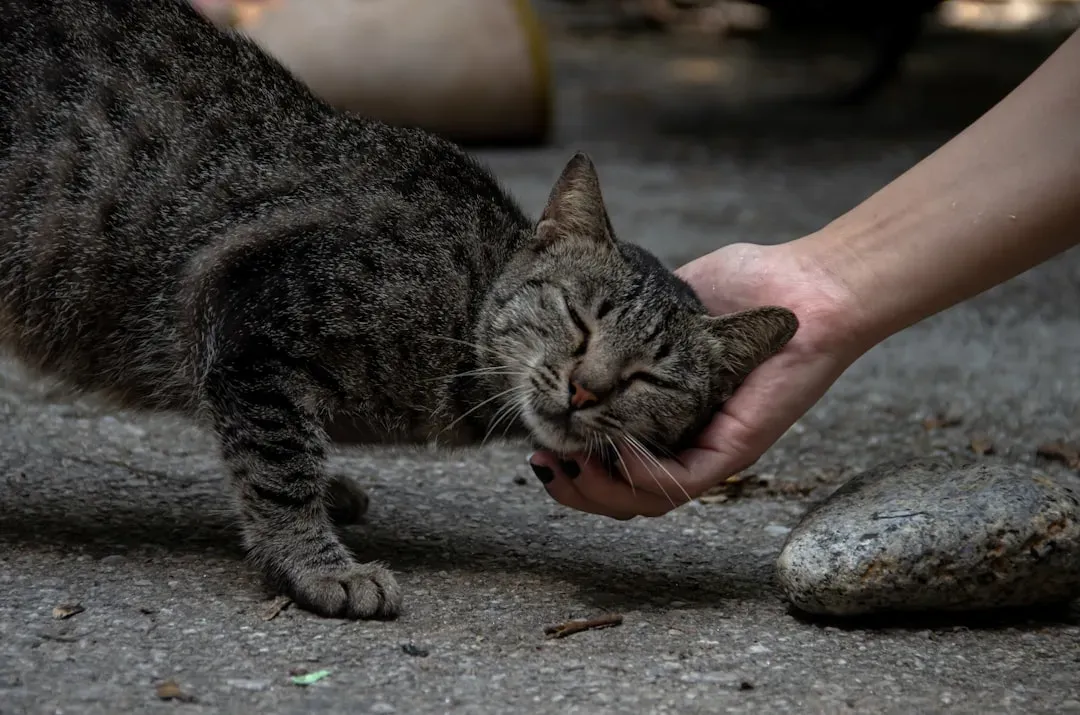
Touch is one of the most direct ways cats build trust, and they remember which hands have been gentle. A person who has consistently offered slow blinks, calm strokes, and respected the cat’s boundaries tends to be remembered as safe long term.
This memory shows up in small ways, like a cat leaning into a specific person’s hand or choosing their lap over someone else’s. It’s less about grand gestures and more about a pattern of predictable, low pressure interactions building up over time into something the cat clearly favors.
#7 Who left, and who came back
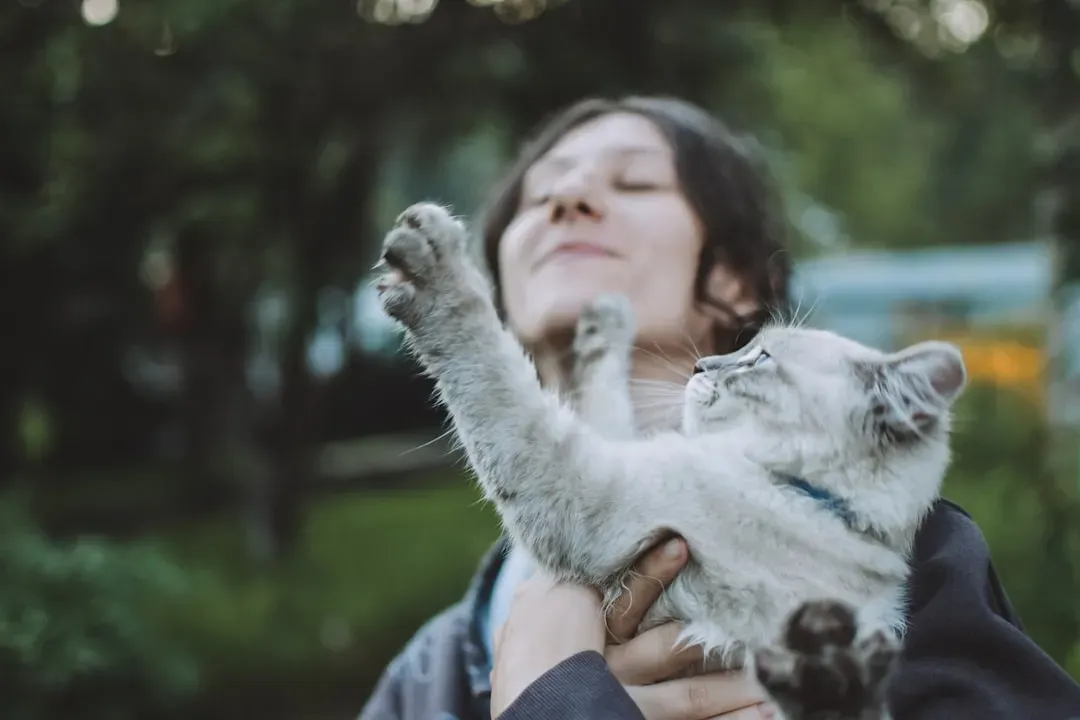
Cats notice absence more than people often assume. Multiple studies on feline attachment have found behavioral changes in cats after an owner’s temporary absence, including increased vocalization, changes in appetite, or clinginess upon return.
This suggests cats hold onto some form of memory tied to a person’s presence and departure, not just the immediate moment. It’s part of why reintroducing yourself gently after a long trip matters. The cat likely remembers you were gone, even if it can’t say so in words.
#8 The tone used during training or correction

Cats are sensitive to vocal tone, and harsh or startling corrections tend to stick with them, sometimes creating lasting wariness around the person who delivered them. Unlike dogs, cats don’t respond well to punishment based training, and repeated negative tones can erode trust rather than teach a lesson.
This is one reason positive reinforcement has become the standard recommendation among veterinary behaviorists for shaping feline behavior. A cat’s memory of being yelled at or startled by a specific person can linger far longer than the behavior it was meant to correct.
#9 Their favorite hiding or resting spots shared with a person
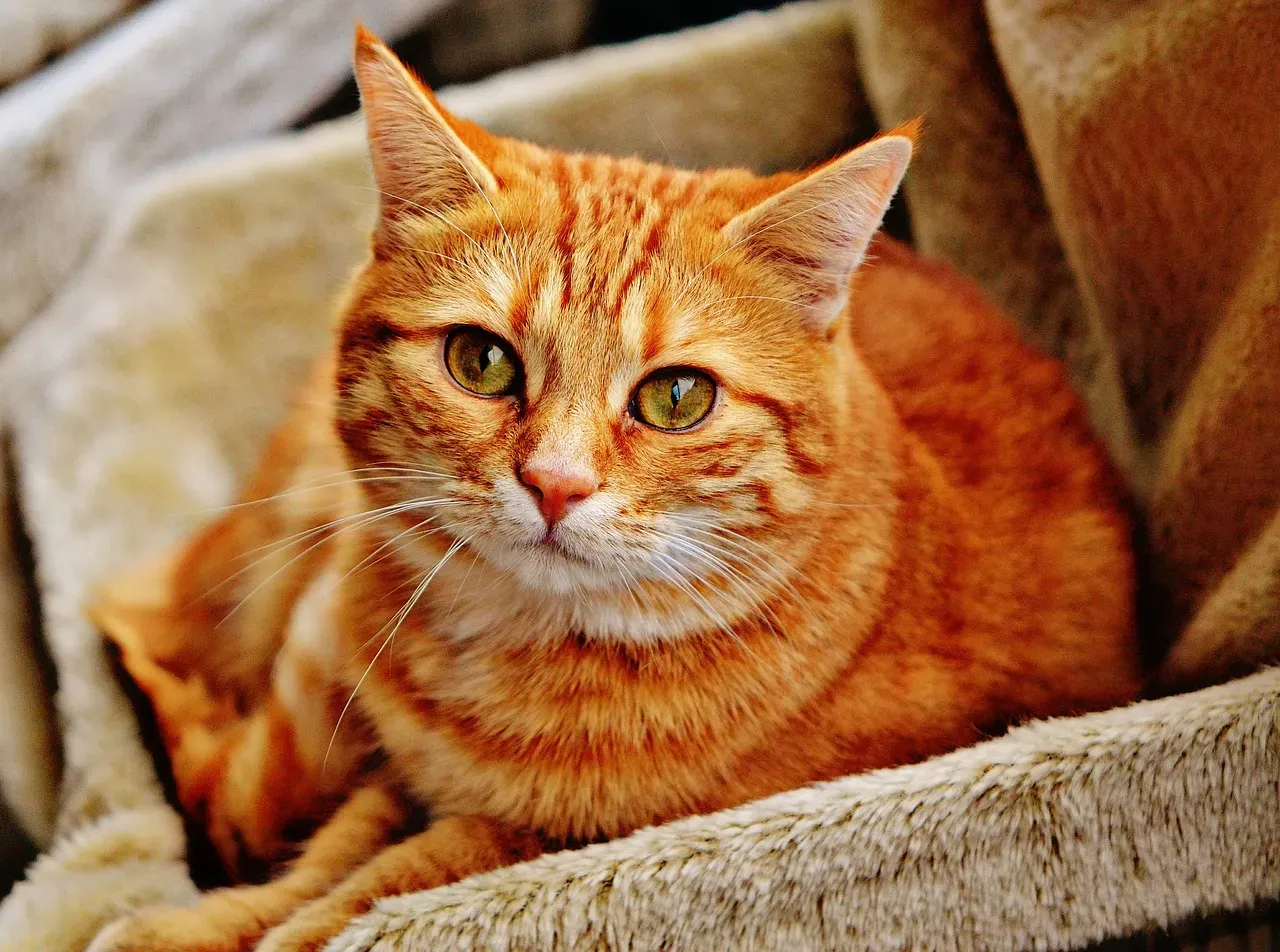
Cats build strong associations between comfort and location, especially when a specific person is part of that setting. A lap, a particular chair, or a corner of the bed that’s regularly shared with an owner becomes tied to that person’s presence in the cat’s memory.
This is why cats often return to the same spots after a person has been away, sometimes seemingly searching for them there first. The location and the person become intertwined in the cat’s understanding of what feels safe and familiar.
#10 The overall emotional pattern of a relationship
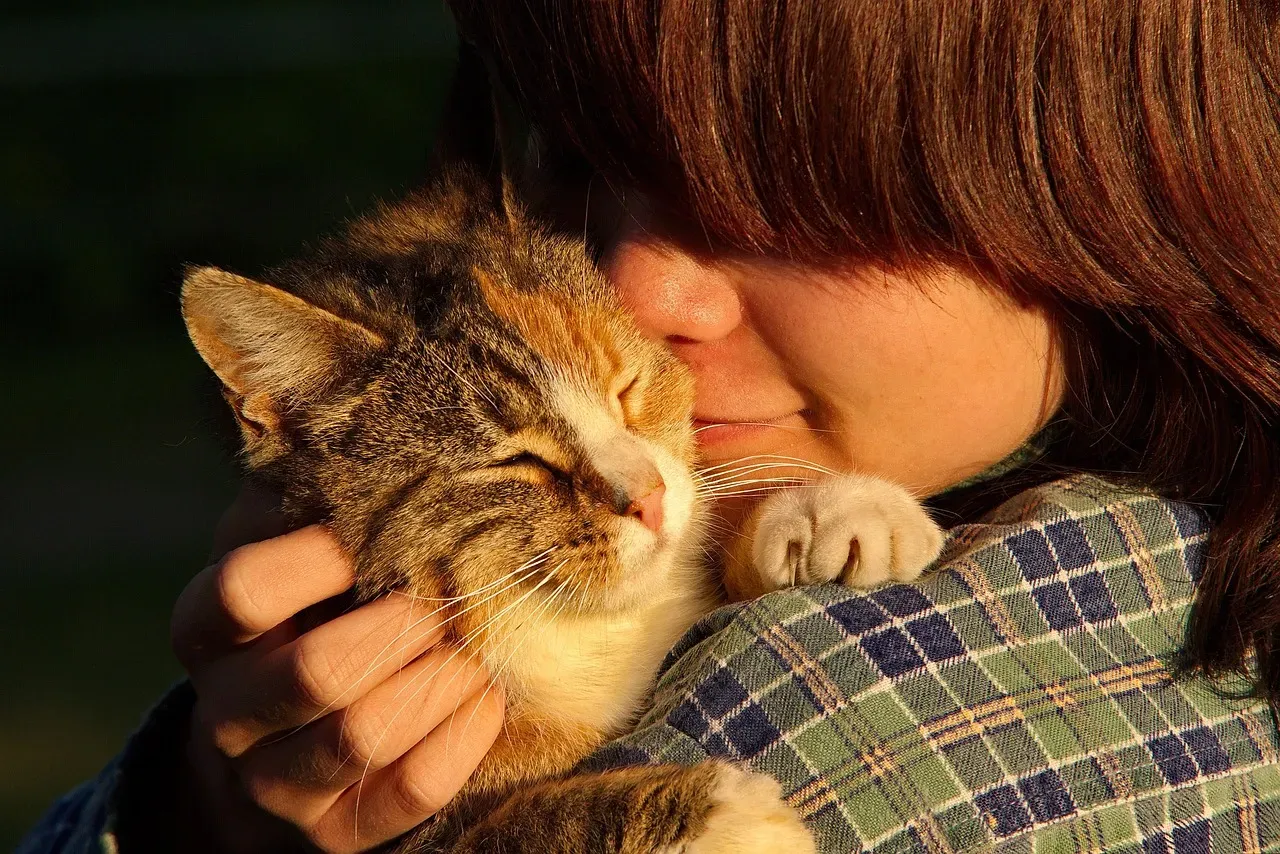
Perhaps the most significant thing cats remember isn’t a single event but the accumulated emotional tone of a relationship. Cats seem to form a general impression of a person based on repeated interactions, whether that person has generally been calm and attentive or unpredictable and stressful.
This long term impression shapes how a cat approaches that person daily, more than any single incident. It’s less about one dramatic moment and more about the steady, quiet pattern built over months and years, which is arguably the most human thing about how cats seem to love.
Final Thoughts

What stands out across all of this is that cats aren’t nearly as detached as their reputation suggests. Their memory system may be simpler than a human’s, but it’s clearly tuned to emotional weight, favoring safety, consistency, and gentleness over anything flashy or forced.
If there’s an opinion worth stating plainly, it’s this: the idea that cats don’t care who takes care of them is outdated and a little unfair. They remember. They just show it differently than we’re used to, and honestly, that quieter kind of loyalty might be more meaningful than anything louder could ever be.
Kristina is a young writer from India. An arts graduate and an avid content creator, Kristina is passionate about animals and wildlife. She enjoys exploring topics related to pet care, animal behavior, conservation, and nature, combining thorough research with engaging storytelling.