#1 Ragdoll
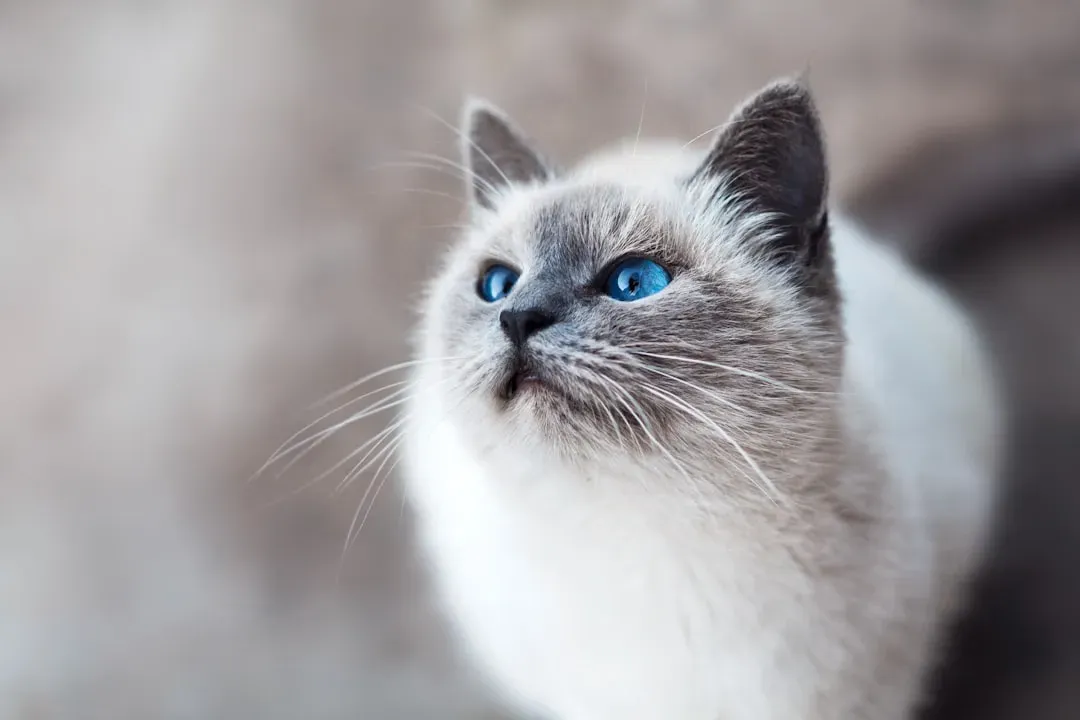
Ragdolls earned their name because they go limp with contentment when you pick them up, but the more telling trait is how they act on their own four feet. These cats tend to trot after their owners like small, floppy shadows, checking in on laundry, cooking, and even bathroom trips. They were originally bred in the 1960s with a calm, people-oriented temperament in mind, and that gentle dependency has stuck around ever since.
What makes Ragdolls especially endearing is that their attachment doesn’t come with high energy demands. They’re not bouncing off the walls; they’re simply present, often flopping down nearby rather than demanding constant play. It’s a low-key kind of loyalty, more like a quiet companion than a needy one, which suits people who want closeness without chaos.
#2 Siamese
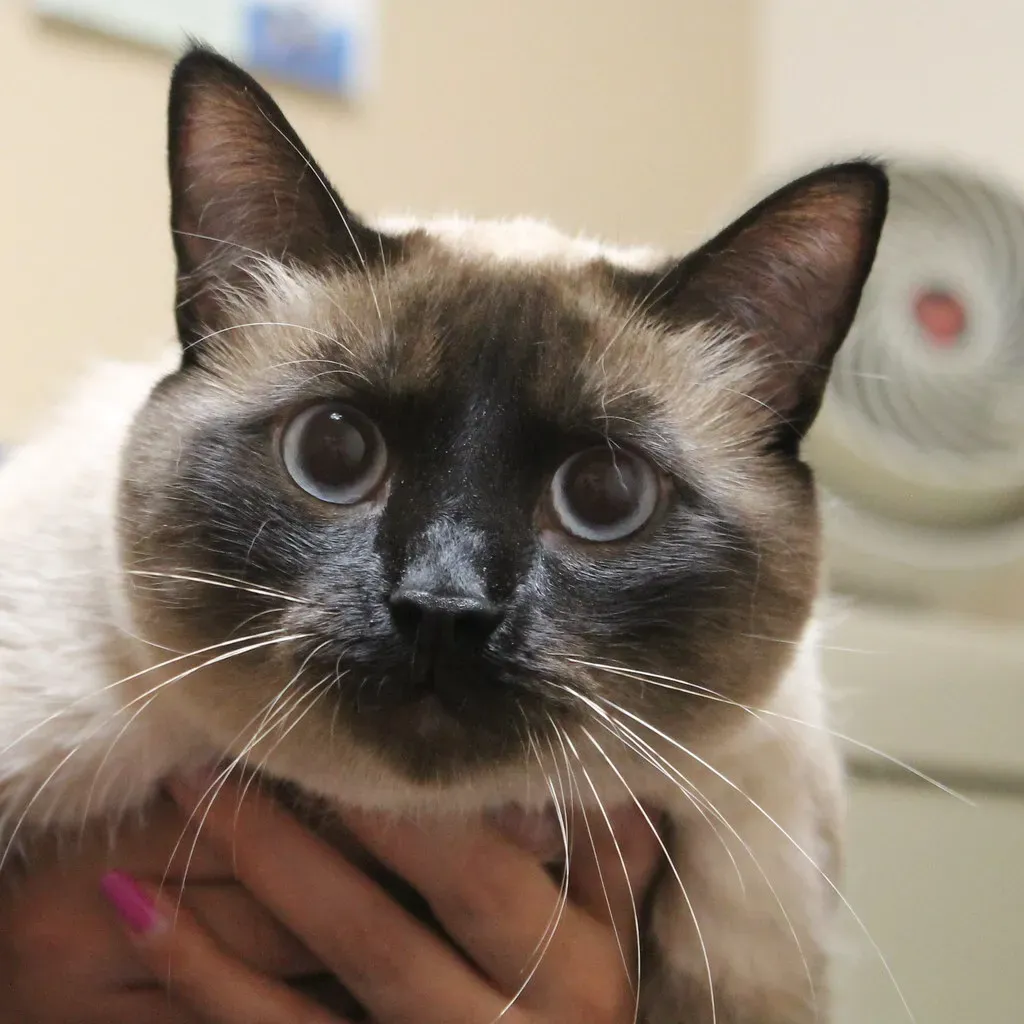
Siamese cats are famous for their striking blue eyes and even more famous for their voices, but their social intensity is the real headline. These cats form strong bonds with their households and are known to narrate their day loudly while trailing a favorite person from room to room. They were among the first recognized breeds in the West, and their reputation for being talkative and clingy goes back generations.
Owners often describe living with a Siamese as having a very opinionated conversational partner who happens to have fur. They don’t do well being ignored for long stretches, and they’ll make that known. If you want a cat that treats solitude as a personal affront, the Siamese delivers that with theatrical flair.
#3 Sphynx
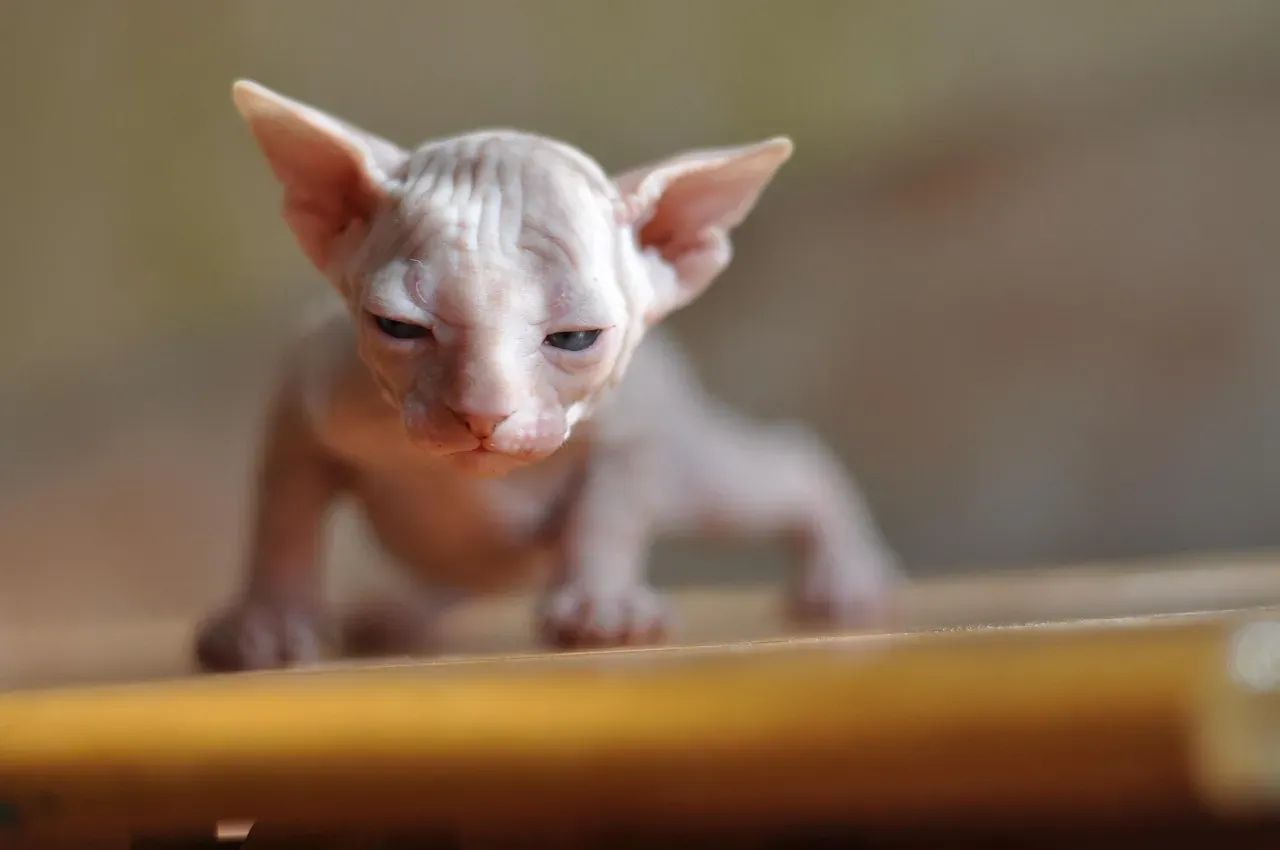
Without a coat to retreat into, Sphynx cats seem to compensate with sheer social presence. They’re known for seeking out warmth and attention constantly, which often means curling up against their owner’s neck or perching on a shoulder while chores get done. Their hairlessness isn’t just a look; it seems tied to a broader personality that leans extroverted and people focused.
Because they lack the insulation other breeds have, Sphynx cats genuinely benefit from staying close to warm bodies, which partly explains the constant shadowing. It’s a practical need dressed up as affection, though most owners will tell you it feels like pure devotion either way. Either way, you’ll rarely get a moment of solitude with one around.
#4 Maine Coon
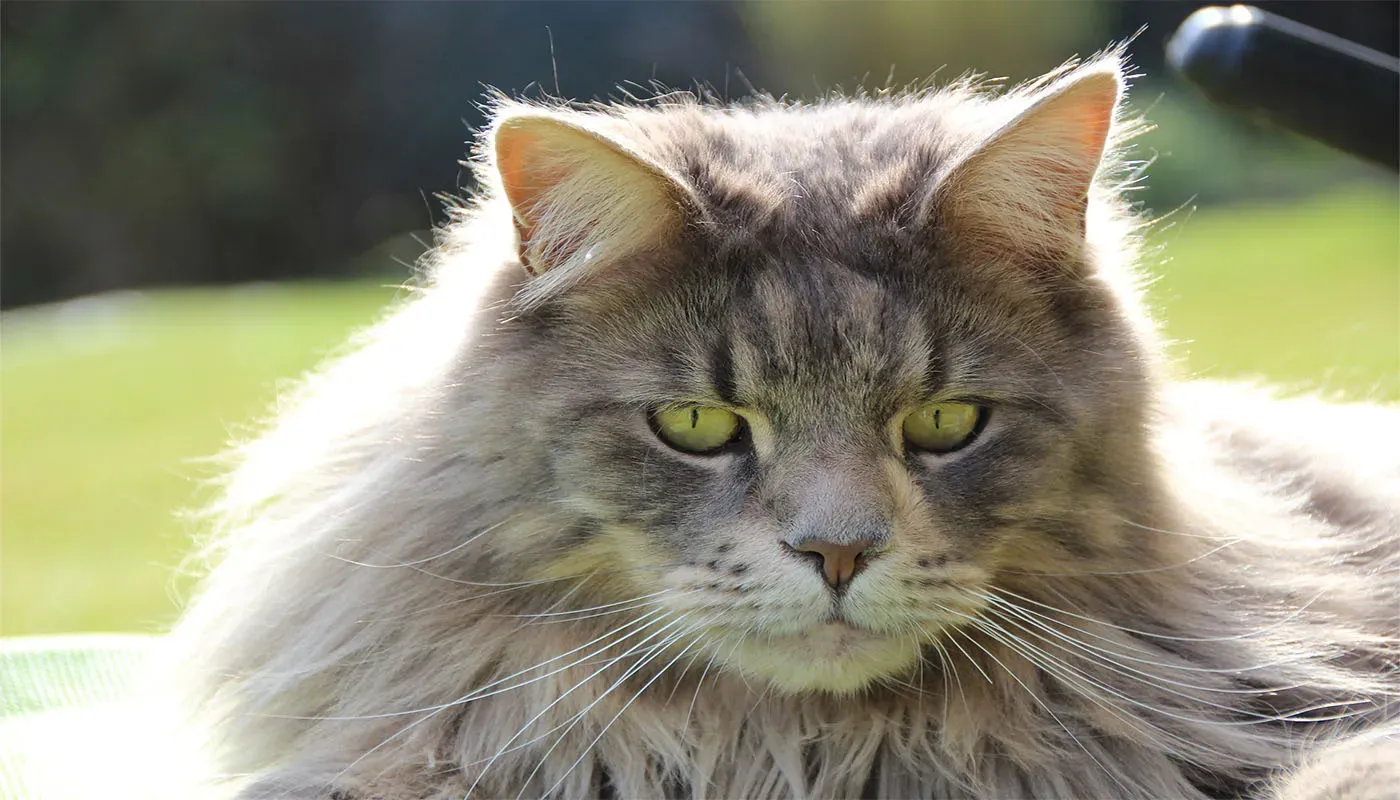
Despite their large, rugged build, Maine Coons have a reputation as gentle giants who like to keep tabs on their humans. They’re often described as dog-like in temperament, following owners around the house and even learning to fetch small toys. This breed developed in New England farms, where a practical, people-friendly nature likely helped them thrive alongside working families.
Their size can make their devotion feel almost comical, a cat the size of a small dog wedging itself into whatever room you’re in. Maine Coons tend to be patient and easygoing, which means their companionship rarely tips into anxious neediness. It’s steady, dependable closeness rather than frantic clinginess.
#5 Burmese
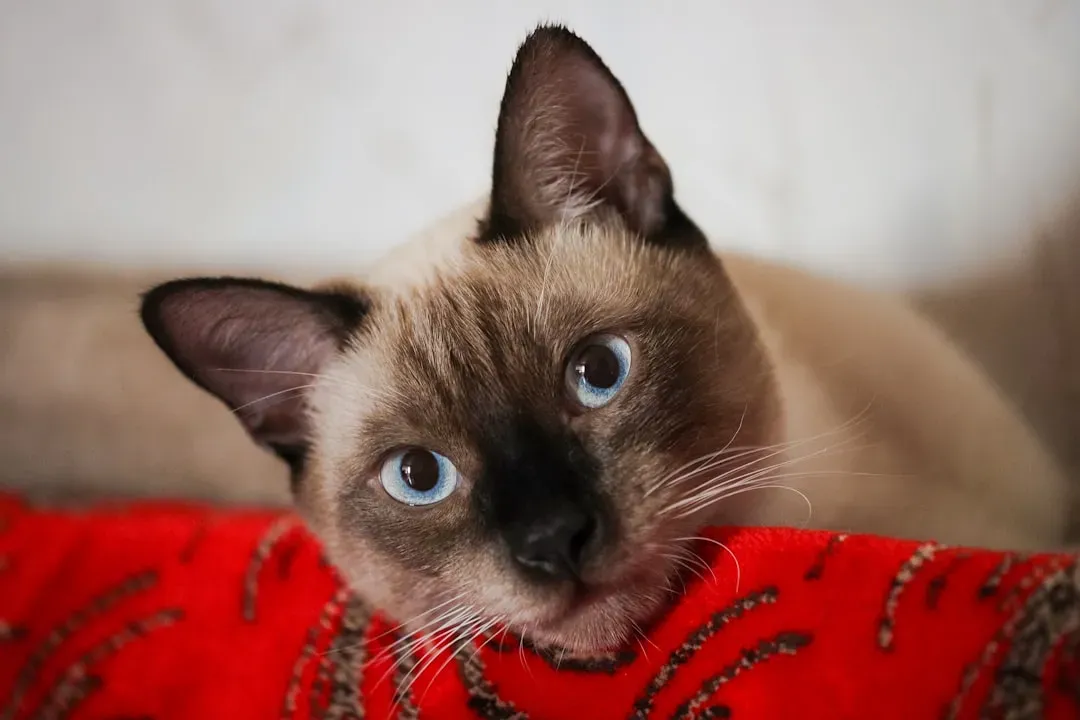
Burmese cats are compact, muscular, and famously people oriented, often forming an especially tight bond with one particular person in the household. They’re known for wanting to be involved in everything, whether that’s sitting on a laptop keyboard or perching on a shoulder while you cook. Their affectionate nature was part of why they became popular in North America after being developed from a single foundational cat in the 1930s.
This breed doesn’t just tolerate handling, it often seeks it out, kneading and nuzzling in ways that feel distinctly emotional rather than transactional. Burmese cats can also be vocal about wanting company, chirping or meowing softly to draw attention. For people who want a cat that treats them like the center of its universe, this breed tends to deliver.
#6 Devon Rex
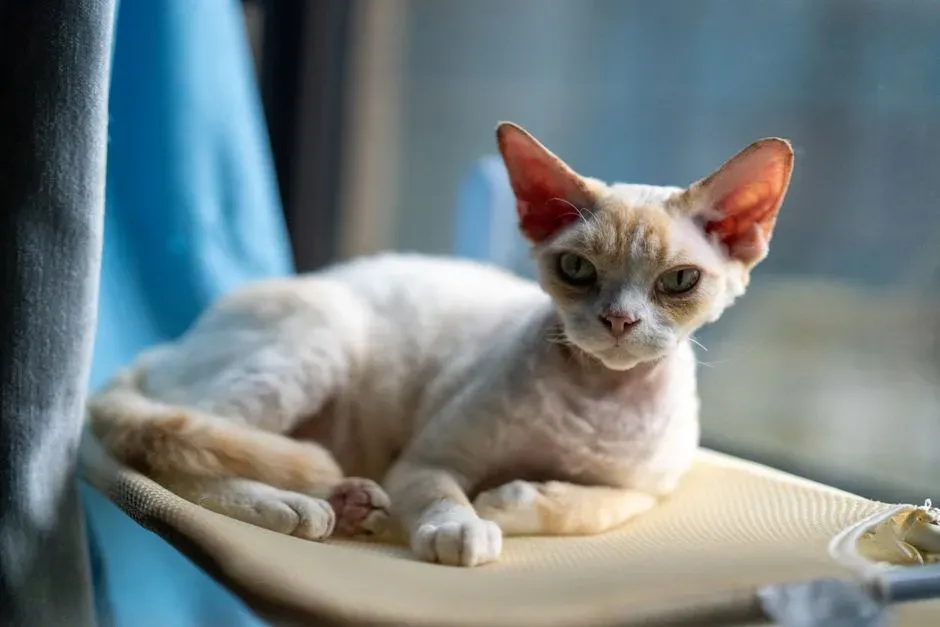
With their oversized ears and impish expressions, Devon Rex cats look like they’re always up to something, and often they are, usually something involving you. They’re known for perching on shoulders, investigating whatever task is at hand, and generally inserting themselves into daily life. Their curious, monkey-like energy has earned them comparisons to primates more than typical house cats.
This breed tends to be playful well into adulthood, and that playfulness usually involves a human audience. Devon Rex cats aren’t content entertaining themselves in another room; they want you watching, or better yet, participating. It’s an active, engaged kind of companionship rather than a quiet lap-cat presence.
#7 Abyssinian
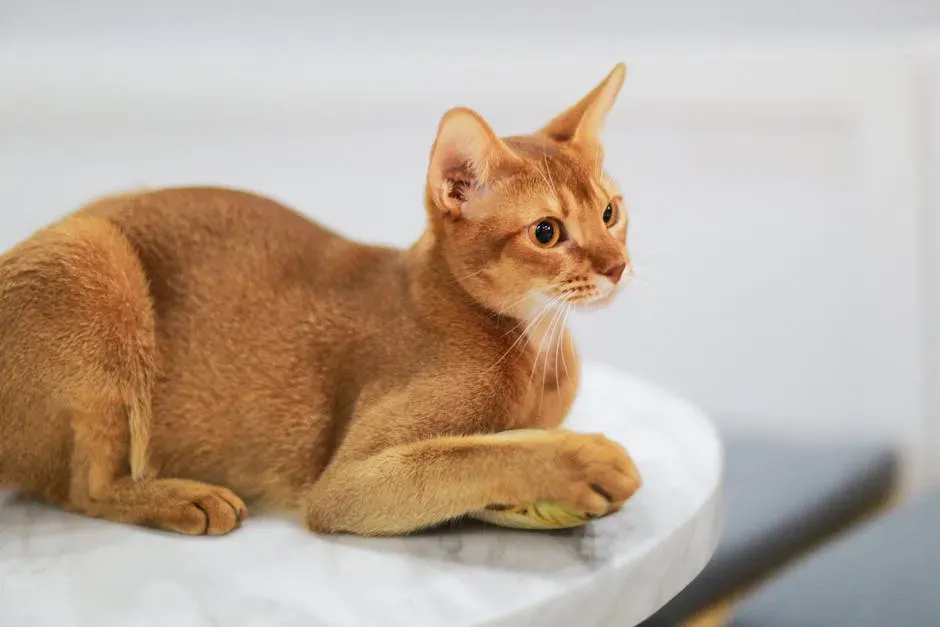
Abyssinians are often described as one of the more dog-like breeds in terms of activity and attachment, constantly on the move and usually moving toward their owner. They’re curious, athletic cats that like to supervise household activity from up close rather than watching from a distance. Their ticked coat and alert posture give them an almost wild look, but their behavior is thoroughly domestic and social.
These cats don’t really do “alone time” gracefully. They tend to follow their favorite person around out of genuine interest in what’s happening, not just a desire for food or attention on demand. If you want a cat that treats your daily routine as a shared adventure, the Abyssinian fits that role well.
#8 Bombay
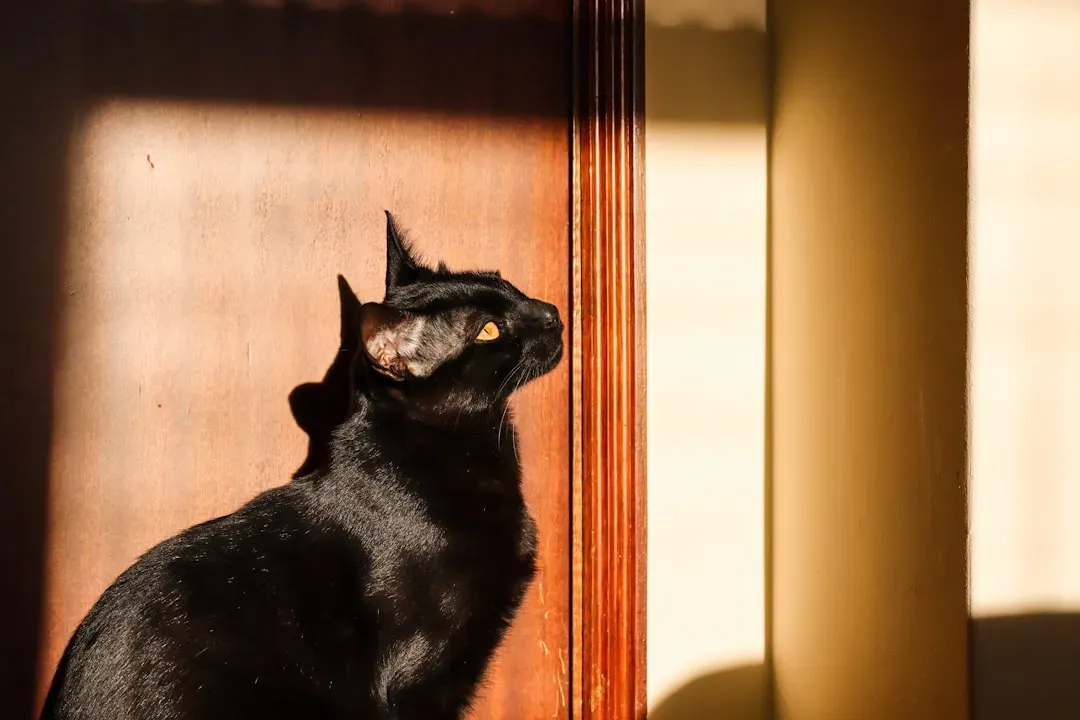
Bombays were deliberately bred to resemble small black panthers, but their personalities lean far more toward lapdog than predator. They’re known for forming close attachments to their owners and often follow them from room to room throughout the day. This breed was developed in the 1950s by crossing Burmese and American Shorthair cats, and some of that Burmese warmth clearly carried over.
Bombays tend to enjoy being held and carried, which is somewhat unusual among cats, and they often seek out physical closeness rather than just proximity. They’re comfortable being part of whatever’s happening, whether that’s watching television or helping unpack groceries. It’s a breed that treats companionship as a full-time job.
#9 Tonkinese
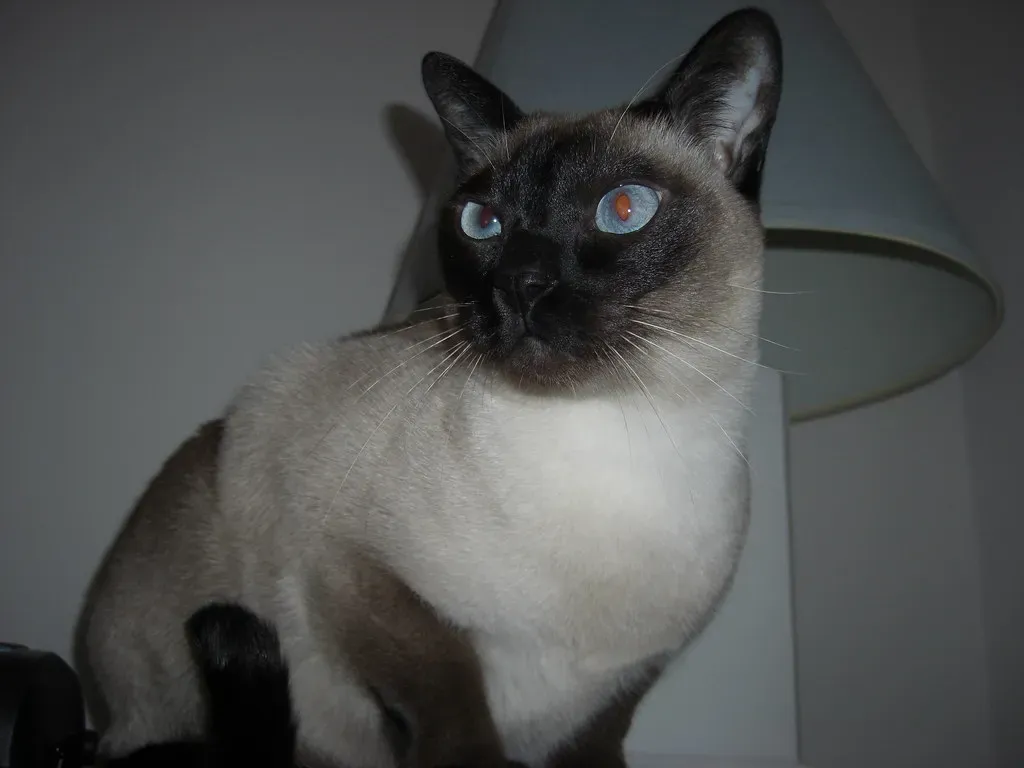
Tonkinese cats are a cross between Siamese and Burmese, and they seem to have inherited the social intensity of both parent breeds. They’re known for being highly interactive, often following owners around and engaging in play or conversation throughout the day. This breed doesn’t really have an off switch when it comes to wanting engagement.
Their attachment can be intense enough that some owners describe them as demanding, though most would call it endearing. Tonkinese cats tend to dislike being left alone for long periods and do best in households where someone is around fairly often. For people seeking constant companionship rather than occasional affection, this breed tends to overdeliver.
#10 Scottish Fold
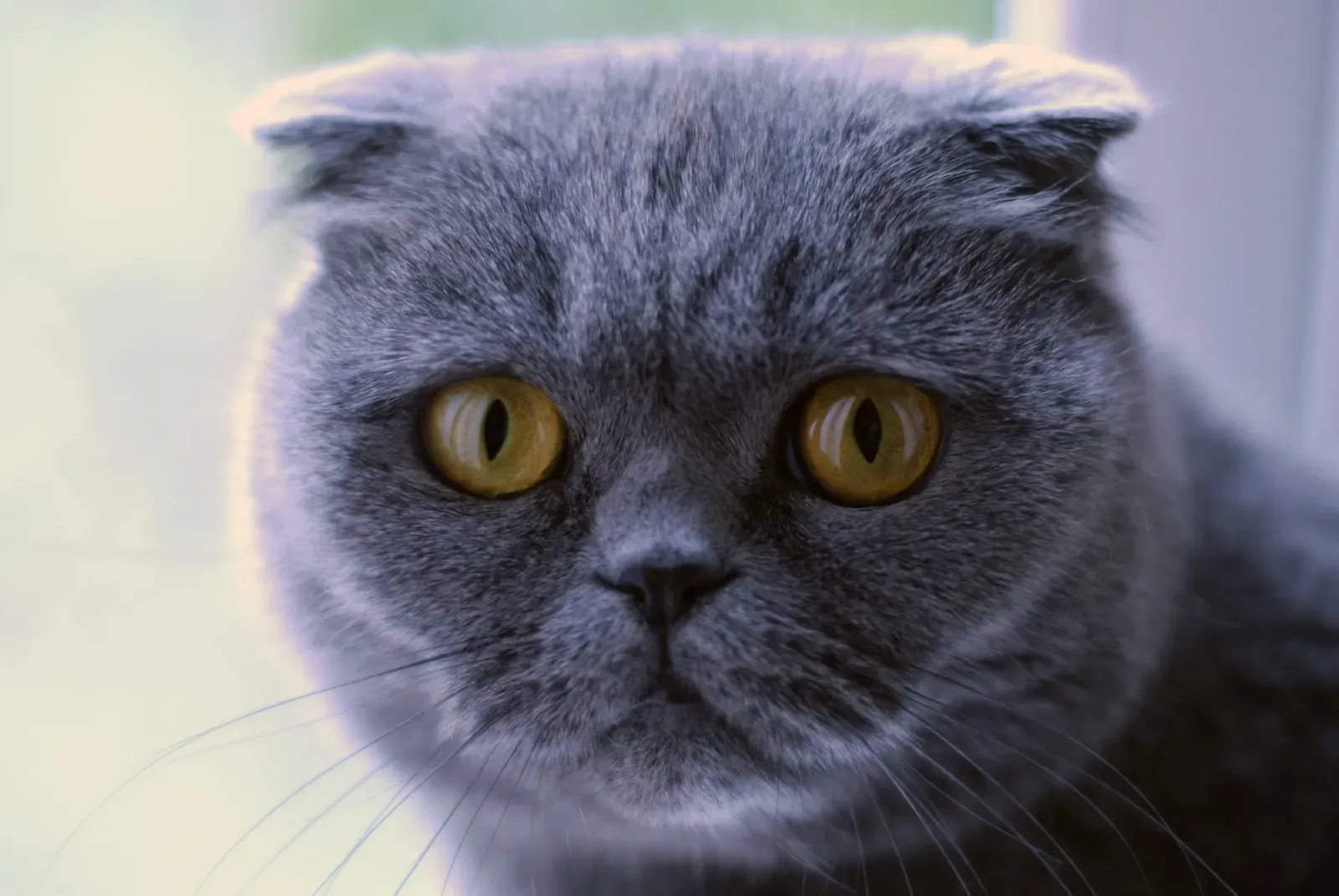
Scottish Folds, known for their distinctive folded ears, also carry a reputation for being unusually attached to their families. They’re often described as quiet shadows, following their owners around without the vocal insistence seen in breeds like the Siamese. Their calm, adaptable temperament makes them well suited to sticking close without becoming overwhelming.
This breed tends to bond deeply but expresses it in subtle ways, curling up nearby rather than demanding constant interaction. Scottish Folds often prefer being in the same room as their favorite person even if they’re not actively being petted. It’s companionship built on presence rather than performance, which many owners find quietly comforting.
The Bottom Line
Kristina is a young writer from India. An arts graduate and an avid content creator, Kristina is passionate about animals and wildlife. She enjoys exploring topics related to pet care, animal behavior, conservation, and nature, combining thorough research with engaging storytelling.