You probably know where your cat is right now without even looking. On the back of the couch. Curled in your laundry basket. wedged into that weird box you meant to throw out three weeks ago. Your cat’s favorite sleeping spot is not random at all; it’s a quiet window into how they feel about you, your home, and their own little feline place in the world.
When you start paying attention to where your cat chooses to sleep day after day, you notice patterns. Those patterns can reveal whether your cat is confident or cautious, clingy or independent, heat-seeking or always on high alert. You’ll never read your cat’s mind perfectly, but you can get surprisingly close just by watching where they close their eyes.
1. Sleeping On Your Lap: The Ultimate Trust Badge

When your cat chooses your lap as their go-to sleeping spot, you’re basically wearing a living, purring medal of honor. Cats are at their most vulnerable when they sleep, so curling up on your legs or chest means your cat sees you as safe, predictable, and worth relaxing on for a long nap. You become their heated, soft mattress that also happens to provide the comfort of your scent and heartbeat.
You might notice your cat picks your lap more often in the evening when the house is quiet or when you finally sit down after a long day. That isn’t an accident. Your stillness and calm body language make it easier for your cat to completely let go and drift off. If you suddenly stand up a lot or fidget, you’ll probably see your cat choose nearby spots instead of your actual lap, which is their gentle way of saying they love you, but not the constant motion.
2. Sleeping On Your Pillow Or Near Your Head: Deep Bonding And Scent Comfort
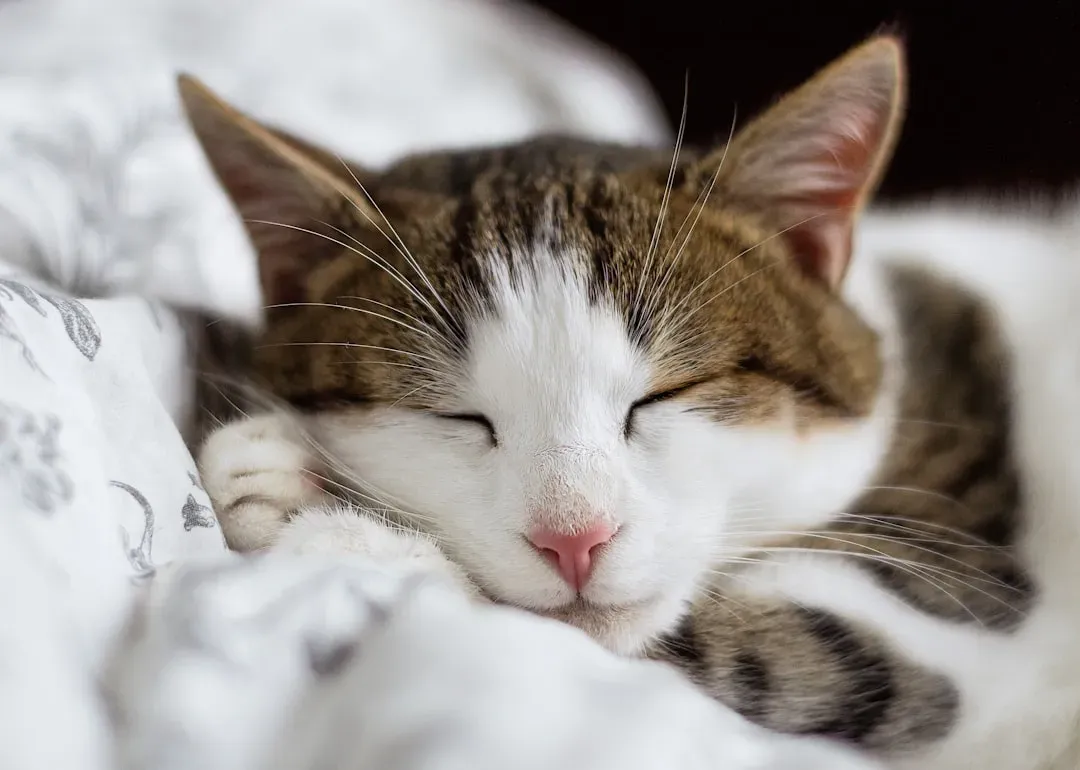
If your cat insists on sleeping on your pillow, above your head, or literally wrapped around your hair, you’ve got a serious attachment situation going on – in a good way. Your head and face carry a strong concentration of your scent, and your breath is warm and rhythmic, so your cat gets a kind of built-in lullaby just by being close to you. Sleeping there means your presence is not just comforting, it’s their favorite background noise.
This behavior can also reveal that your cat craves closeness but prefers a slightly higher, more secure position instead of your chest or lap. Near your head, your cat gets your smell, your warmth, and a nice vantage point. If they tend to do this more during stressful times – like after you’ve been away for a few days or there have been changes at home – they might be using your pillow as an emotional anchor to feel more secure again.
3. Perched On High Places: The Confident Watchtower Cat
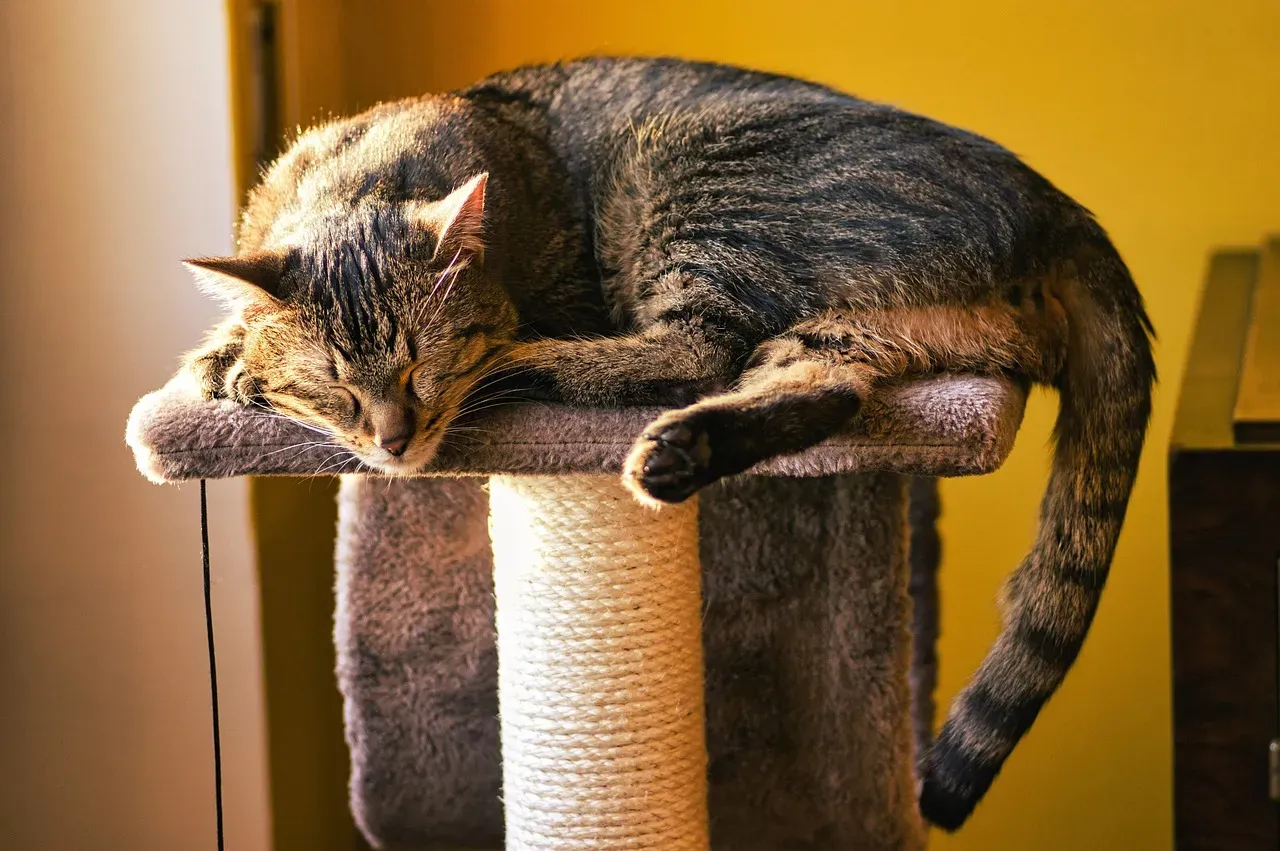
If your cat loves napping on the top of the bookshelf, the fridge, a tall cat tree, or the back of the couch, you’re living with a “lookout” type. High sleeping spots give your cat a panoramic view of their territory while still allowing them to rest. This tells you your cat likes control and prefers to keep an eye on things, even with their eyes half closed. It’s a smart survival strategy that many confident but alert cats naturally adopt.
You’ll often see this with cats who grew up having to be cautious, or in multi-pet homes where they like to observe from above instead of being in the middle of the action. From a high perch, your cat can decide when to join in, when to avoid chaos, and when to simply sunbathe. If you add a tall, stable cat tree near a window, you’ll probably see them choose it as a primary sleeping spot, because it combines height, safety, and something interesting to watch.
4. Hidden Under Beds, In Closets, Or Inside Boxes: The Cautious Soul
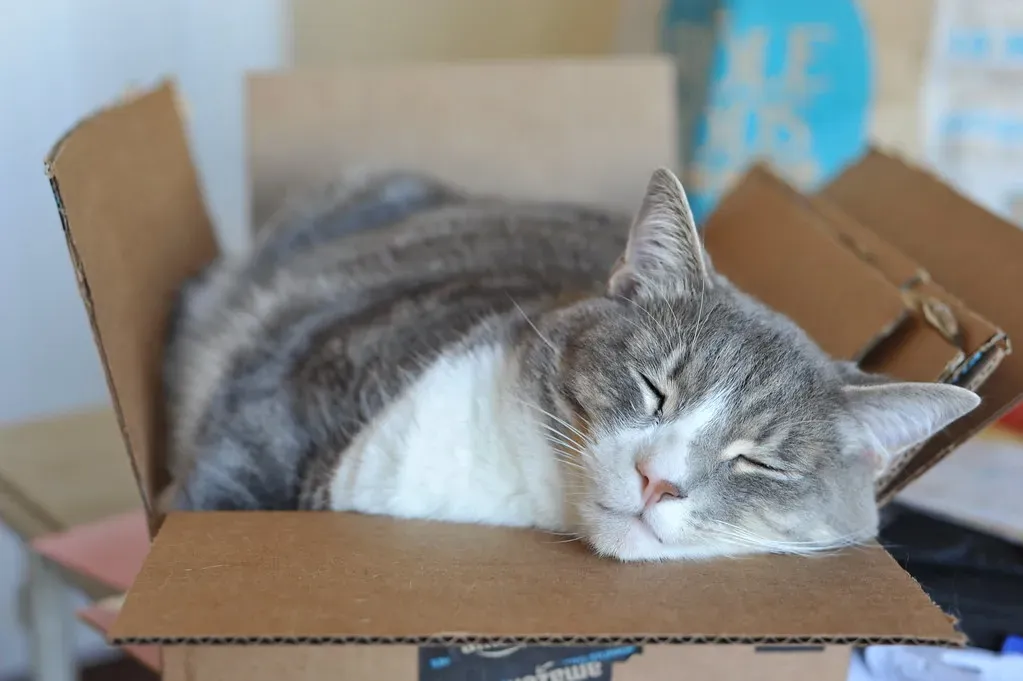
When your cat prefers to sleep under the bed, deep in a closet, or buried in cardboard boxes, you’re looking at a cat who values security over everything. These cozy dens make your cat feel protected from above and behind, which is a big deal for a species that evolved as both predator and prey. For many cats, especially new or anxious ones, hidden sleep spots are a way to rest without feeling the need to stay half-awake and ready to bolt.
This doesn’t automatically mean your cat is unhappy or unhealthy; some personalities just genuinely prefer caves to open spaces. However, if you suddenly notice your normally social cat abandoning sunny windowsills for tight hiding places and staying there more than usual, that can be your early warning sign that they’re stressed, scared, or not feeling well. Paying attention to that shift in sleeping location can help you catch issues sooner and adjust the environment or talk to your vet.
5. Curled In Sunbeams: The Heat-Seeker And Mood Booster
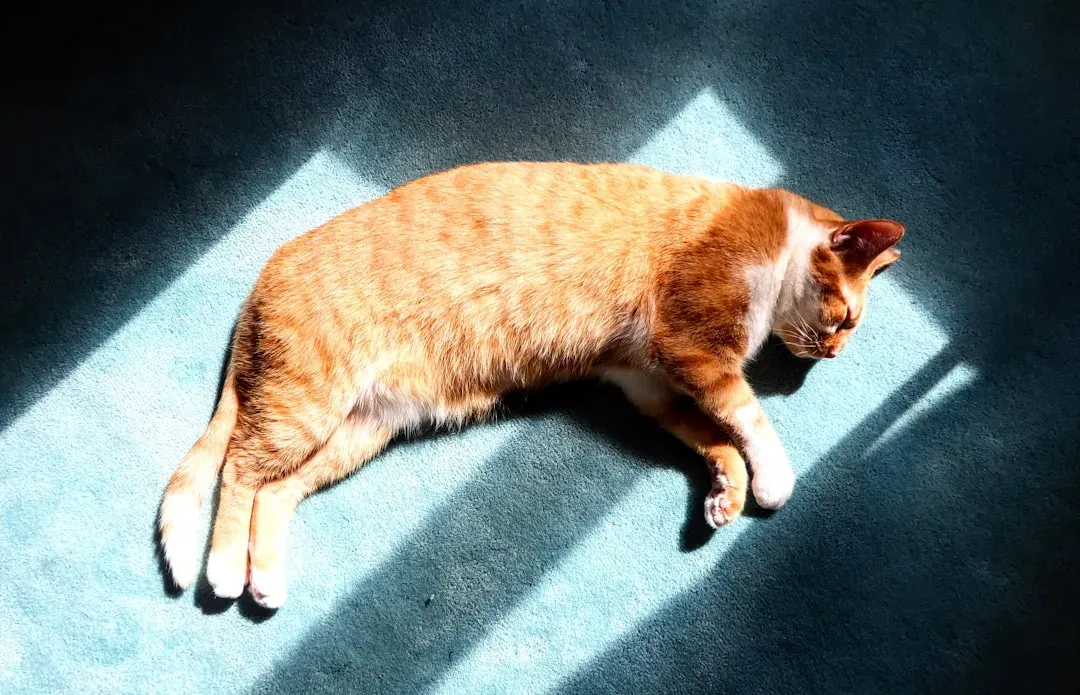
If you can reliably find your cat in a warm square of sunlight on the floor, on the bed, or along a window ledge, you’ve got a classic sun worshipper. Cats naturally seek heat because it helps them conserve energy and keep their body temperature comfortable without working hard. A sunny sleep spot tells you your cat is tuned into comfort and may be more relaxed and easygoing, soaking up warmth like a little furry solar panel.
You might notice your cat following the sun across the room throughout the day, changing spots as the light shifts. This behavior shows how closely they track their environment and how much they prioritize physical comfort. Offering a soft bed or blanket in that sunlit area makes it even more appealing, and you’ll often see your cat stretch out fully there – a posture that signals they feel safe enough in your home to expose their belly to the sky, even if they don’t actually want you to touch it.
6. On Or In Your Laundry: Scent-Driven Attachment
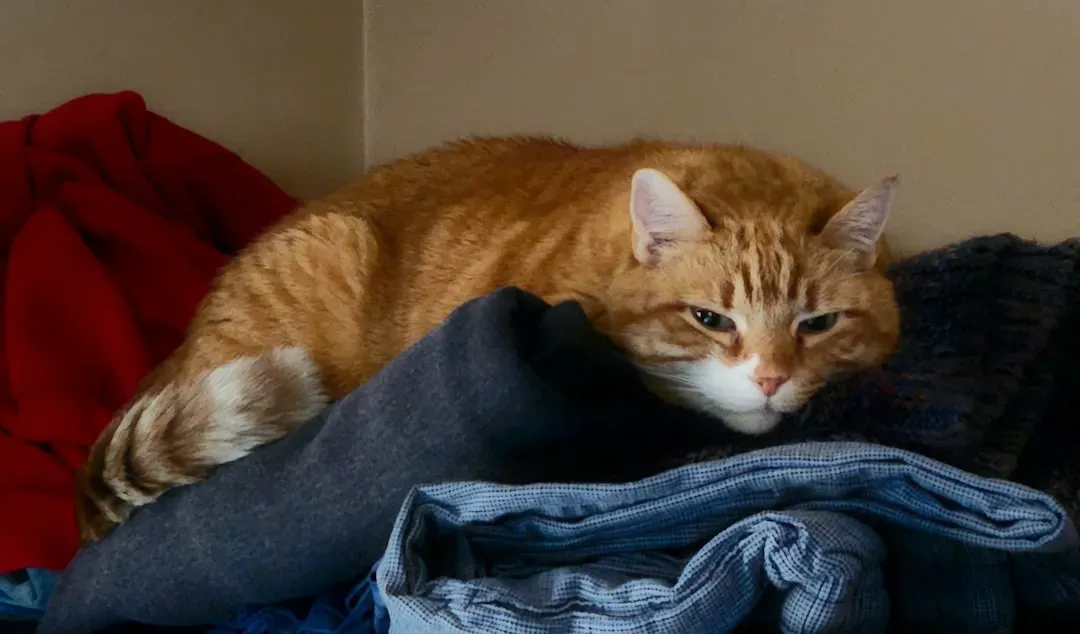
This kind of sleeping spot is especially common when you’re away more often or after a schedule change. Your cat may climb into your laundry because it’s the closest they can get to you when you’re not physically around. In a way, they’re creating a you-scented nest. If you find this adorable but also annoying, you can offer a worn T-shirt or pillowcase in a designated cat bed so they still get that emotional comfort without turning your closet into their private hotel.
7. Right In The Middle Of High-Traffic Areas: The Social Butterfly
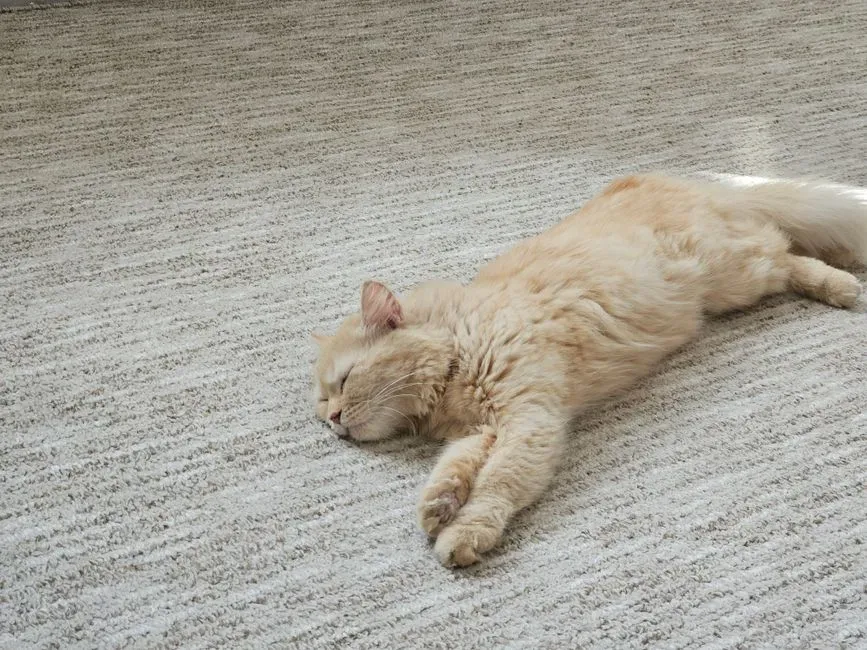
Some cats will flop down and nap in the hallway, in the center of the living room rug, or right in the doorway you use ten times a day. When your cat routinely sleeps right where everyone walks, they’re sending a surprisingly bold message: they want to be in the middle of family life and are comfortable enough to doze off where the action is. That kind of choice signals confidence, sociability, and a strong sense of ownership over the shared space.
These cats often double as unofficial greeters when guests arrive, choosing spots where they can see and be seen. Sleeping in busy areas also means they’re not particularly worried about surprise threats. If your cat does this, you can support their social nature by placing a comfortable mat or bed in a central location so they can rest more comfortably while still keeping an eye on everything and everyone.
8. Rotating Between Many Spots: The Flexible, Mood-Driven Cat
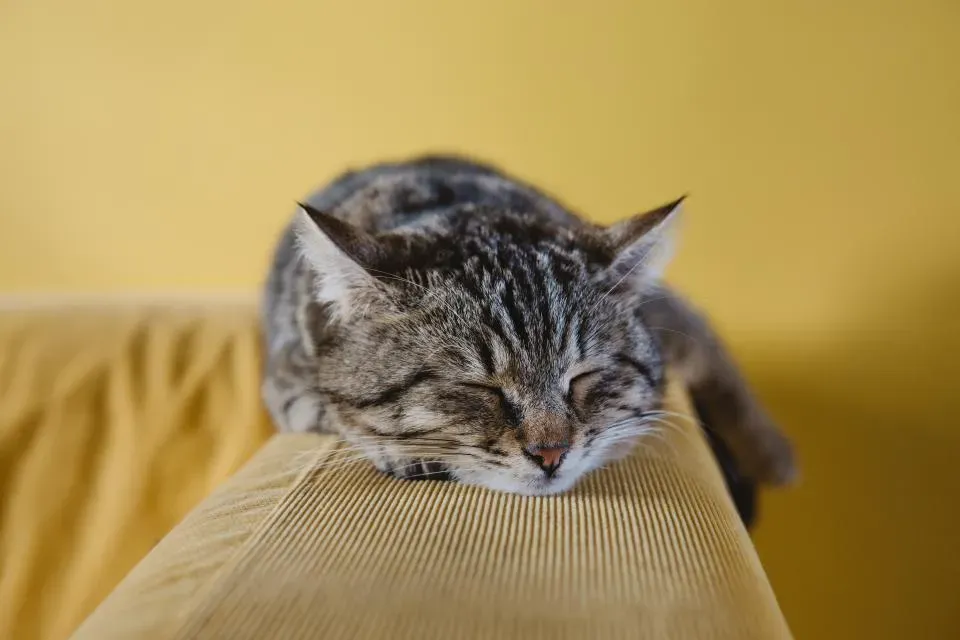
Some cats seem to change their favorite sleeping spot every few days: today, the windowsill; tomorrow, the couch; next week, the cardboard box in the kitchen. If your cat is a serial spot-switcher, it usually means they’re highly responsive to subtle changes in temperature, light, noise, and even your routine. Their sleep choices are more about what feels right in that moment than one fixed favorite place.
You’ll notice patterns over time – maybe they prefer the bed in winter, the tile floor in summer, and the high shelf when guests are over. That tells you your cat is both confident and adaptable, customizing their rest spots to match their current mood and environment. You can support this by offering several appealing options around your home: a high perch, a cozy cave, a flat mat near you, and a sunny window bed, so your cat can “choose their own adventure” nap by nap.
What You Can Do With What You’ve Learned
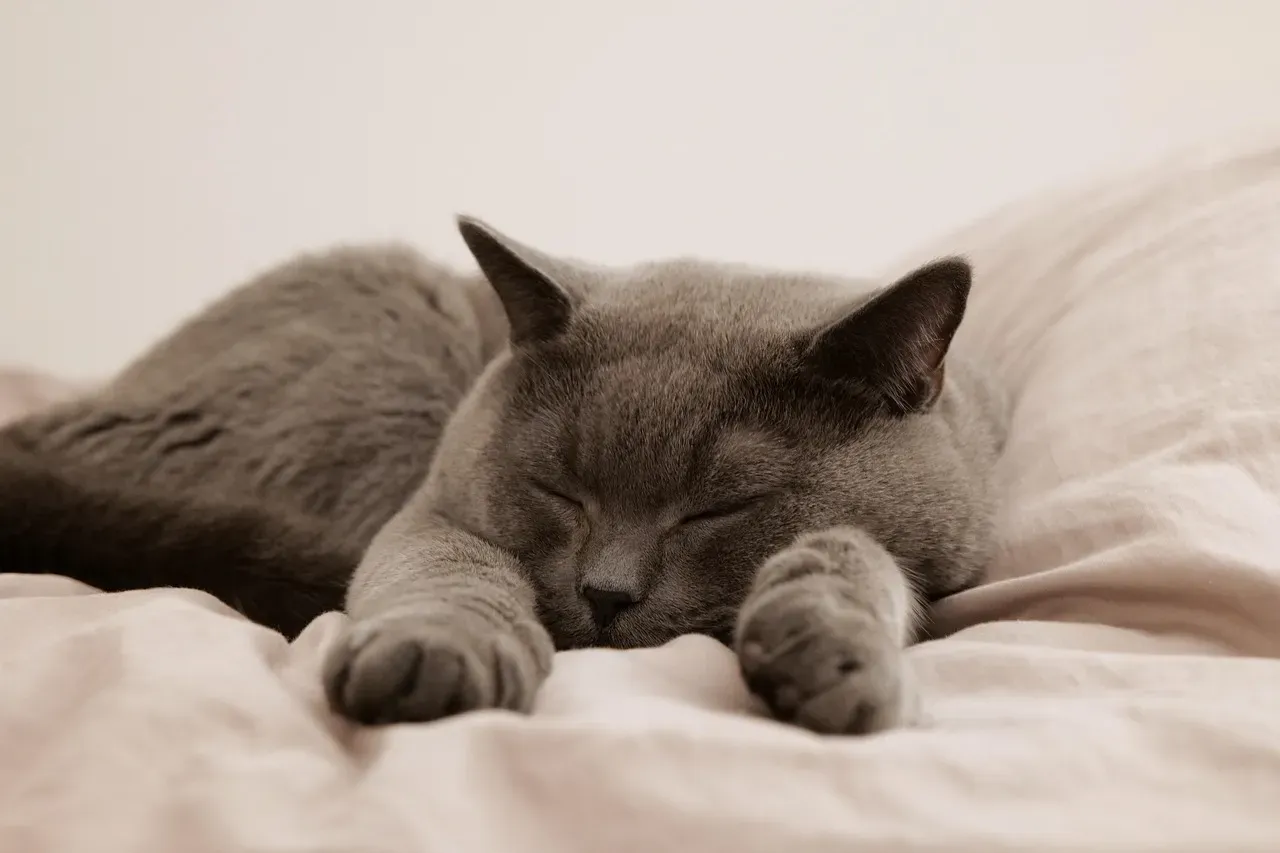
Once you start connecting your cat’s favorite sleeping spot with their personality and emotional needs, your home becomes easier to set up in a cat-friendly way. If you live with a shy, hiding type, you can add more covered, quiet beds and avoid forcing them into open spaces. If you’ve got a confident perch-lover, adding a tall cat tree or window hammock might be the best gift you could give them.
Most importantly, you begin to see these choices not as quirky randomness, but as tiny, consistent signals about how safe, secure, and connected your cat feels. Over time, you’ll learn to notice when something shifts – when the lap cat turns into a closet cat or the hallway sleeper retreats under the bed – and treat that as real information, not just a phase. When you look around your home right now, what does your cat’s favorite sleeping spot say about the way they feel with you?
Kristina is a young writer from India. An arts graduate and an avid content creator, Kristina is passionate about animals and wildlife. She enjoys exploring topics related to pet care, animal behavior, conservation, and nature, combining thorough research with engaging storytelling.