You know that feeling when your cat just parks themselves a few feet away, not quite on your lap, not quite ignoring you either? It can be strangely confusing: are they snubbing you, or is this their quiet way of saying they feel safe with you? When you start looking at it through the lens of feline psychology, that low‑key presence suddenly looks a lot like a deep, understated attachment.
Once you stop expecting your cat to behave like a small dog, a whole new picture of affection starts to make sense. Cats often express closeness by simply choosing to share your space, with no fanfare and no demands. In a way, your cat sitting nearby without asking for attention can be the emotional equivalent of a friend who feels comfortable enough to sit in silence with you. It may not look dramatic, but it is often more meaningful than you think.
The Silent Shadow: Why Your Cat Chooses “Near, Not On” You
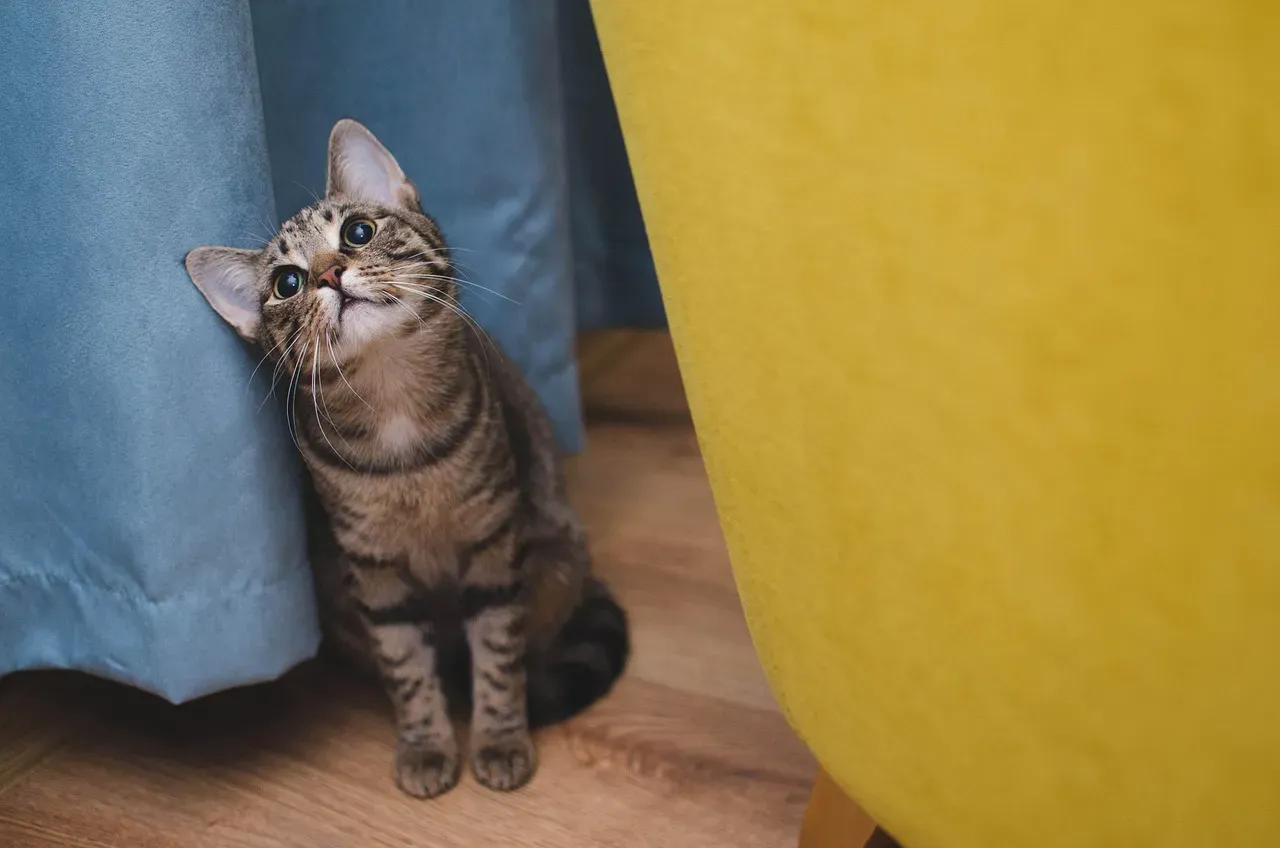
When your cat settles a few feet away instead of on your lap, it’s easy to assume they’re indifferent. In reality, you’re probably watching a classic cat compromise between independence and attachment. They want proximity to you, but they also want freedom to move, nap, or observe without feeling trapped by cuddles they didn’t sign up for.
This “near, not on” distance is often a sweet spot where your cat can enjoy your presence while still feeling fully in control of their body and their exit routes. You might notice they choose spots with a clear line of sight to you, like the arm of the couch, the end of the bed, or a chair across the room. That positioning isn’t random; it’s their way of staying emotionally close while physically just out of reach.
Attachment, Cat-Style: What Secure Closeness Really Looks Like
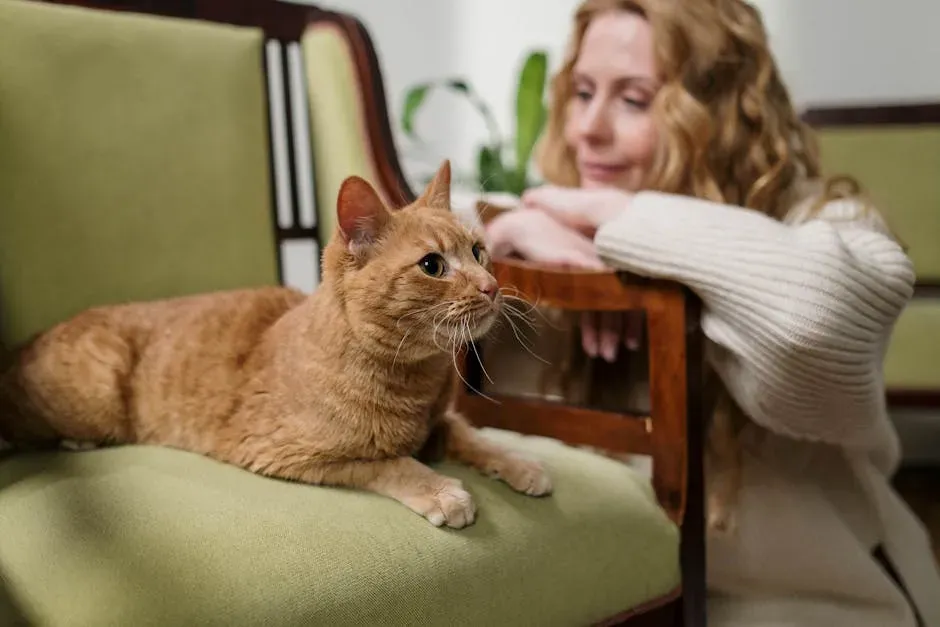
If you judge your cat’s love by how often they leap into your lap, you’ll almost always underestimate their bond with you. Feline attachment is often about choice and predictability: your cat willingly uses you as a social “base camp” but doesn’t need to cling. A cat who calmly hangs out in the same room as you, dozes while you work, or moves from room to room following your general orbit is usually more attached than the dramatic cuddler who appears only when they’re cold or hungry.
You can think of it like a securely attached child in a familiar environment: they check in, but they also explore. When your cat settles nearby and simply relaxes, they’re signaling that they trust you and the environment you provide. They’re not anxiously hovering or excessively needy; they’re comfortably “with” you, even when they don’t touch you.
Body Language Clues: Reading Calm Presence as Affection
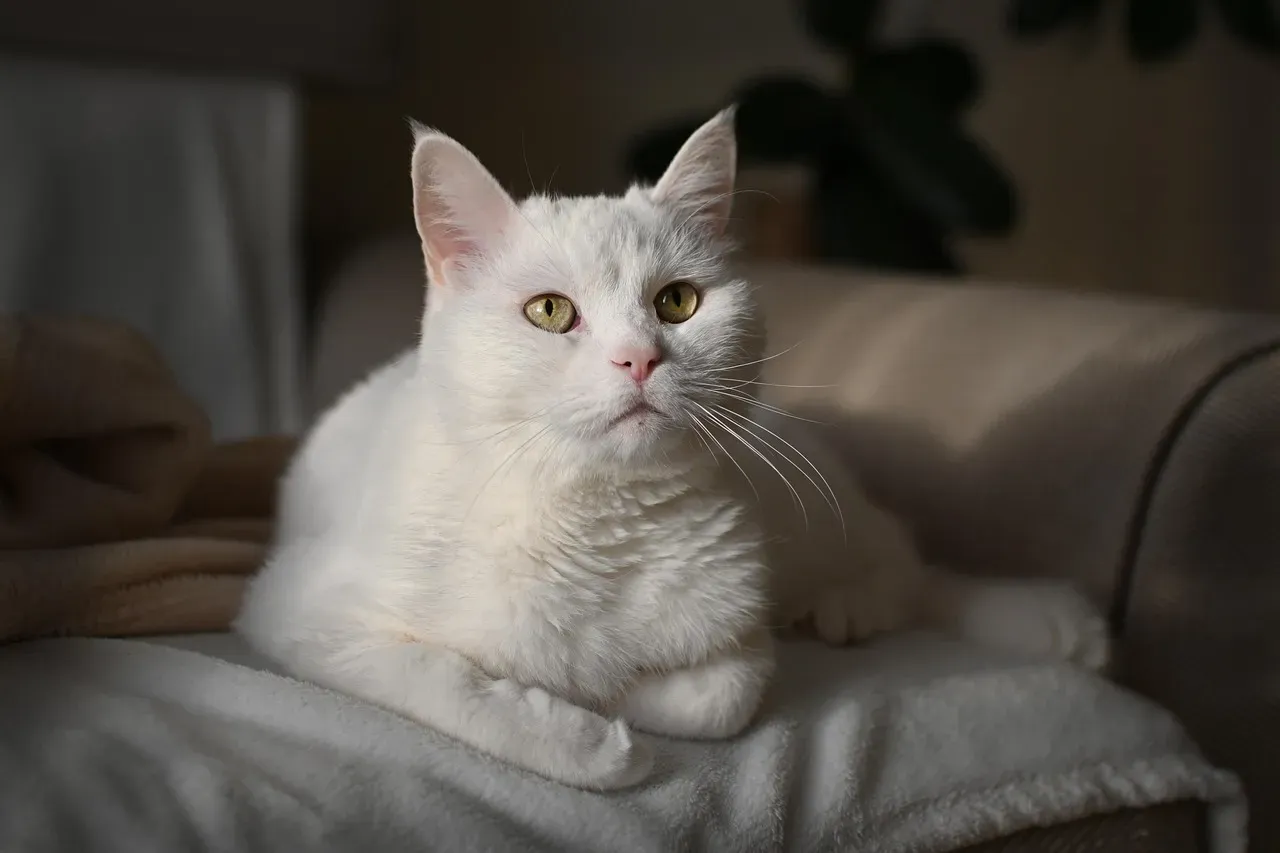
To understand how attached your cat really is, you need to look beyond obvious cuddles and start decoding the subtler signals. A cat who lies with their body angled toward you, ears relaxed, eyes slowly blinking, and paws tucked under is not indifferent; they’re advertising comfort and mild affection in the quietest way. Even a tail tip softly flicking in your direction can be a sign they’re tuned in to you.
Pay attention to how they position themselves when they sit “just nearby.” If they choose a spot where they can see you clearly, show you their side or even their belly, or turn their back to you while remaining close, that’s trust. In the wild, exposing a vulnerable side or relaxing enough to sleep near another being would be a big deal. Your living room version of this is a cat dozing by your feet while you scroll your phone.
Proximity as a Trust Test: The Safety Zone Around You

For a cat, closeness without direct contact is still a strong vote of confidence. By choosing to stay within a few feet of you while they nap or groom, your cat is essentially placing you inside their “safety zone.” They’re confident you won’t suddenly grab, chase, or scare them, and they trust you not to disturb their rest in a way that feels threatening.
If your cat repeatedly chooses spots close to where you usually sit or sleep, even when there are warmer, softer, or technically “better” places available, that says a lot. It means your presence is more valuable than perfect comfort. They may still dart away if you move too fast or try to pick them up, but that doesn’t cancel the trust it takes to rest nearby in such a vulnerable state.
Independence vs. Neediness: Why Your Low-Key Cat Might Be the Most Attached
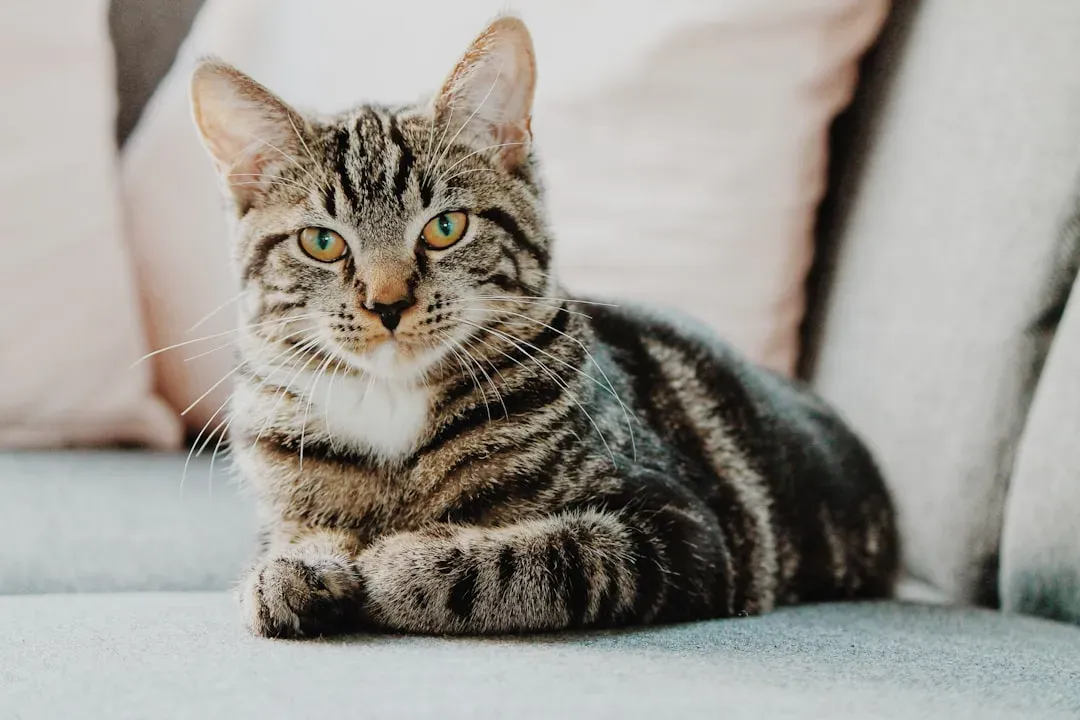
It’s tempting to assume the clingiest cat is the most loving, but attachment and neediness are not the same thing. A cat who constantly demands attention may be anxious, bored, or unsure of their environment, not deeply secure. In contrast, a cat who calmly chooses to just be near you without constant demands often feels safer and more stable in the relationship.
Your quiet companion might not jump into your arms every time you sit down, but they show up in a softer, steadier way. They park nearby while you watch TV, move to the bathroom when you brush your teeth, and lounge in the doorway of whatever room you’re in. That pattern of peaceful following and nearby resting often reflects a strong, steady attachment that doesn’t need constant reassurance.
The Slow-Burn Bond: How Routine Builds Invisible Attachment
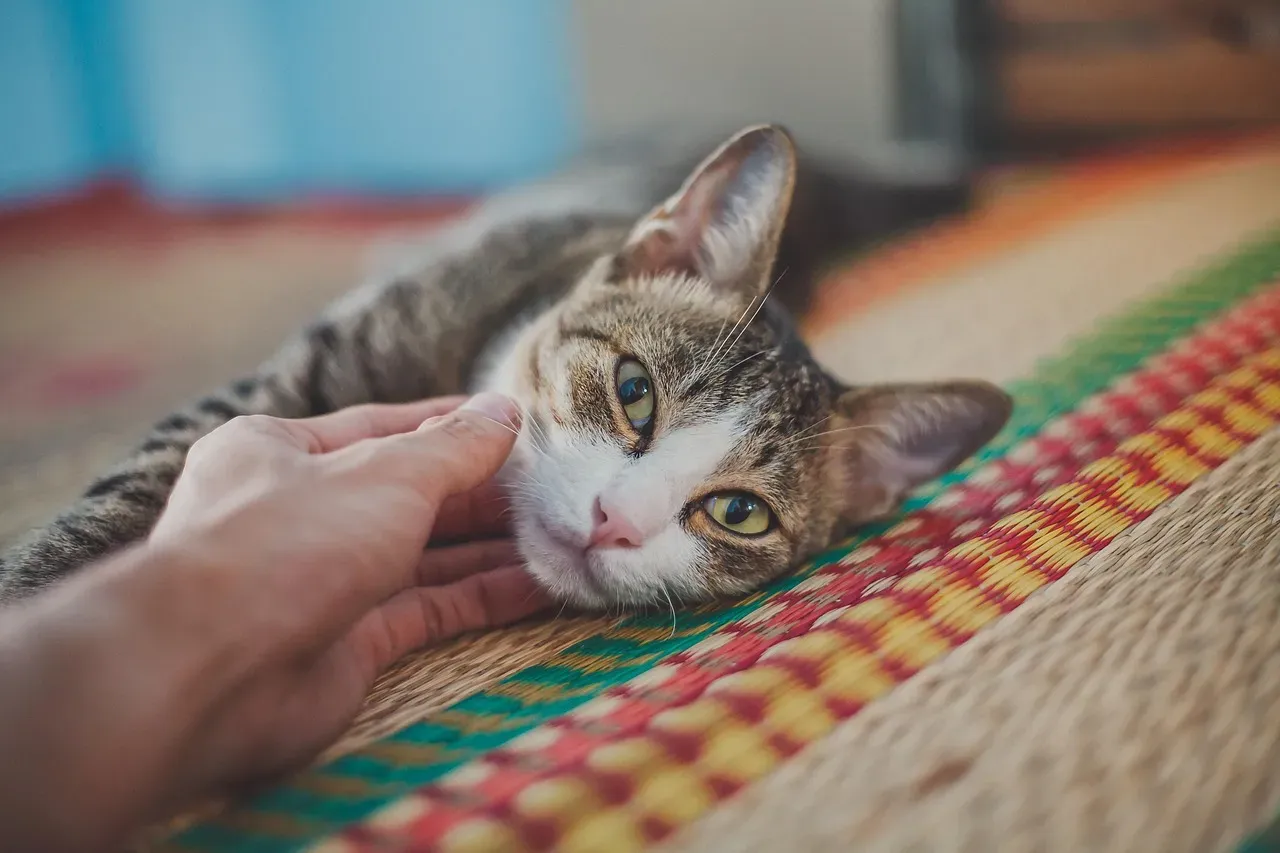
You build your cat’s attachment less through dramatic moments and more through thousands of tiny, predictable interactions. Feeding them at consistent times, speaking in a calm voice, respecting when they pull away, and occasionally playing when they show interest all stack up into a feeling of safety. Over time, your cat learns that being around you is easy and pleasant, not chaotic or overwhelming.
That’s when you start seeing the quiet behaviors: the nearby naps, the gentle following, the way they appear in the doorway right after you change rooms. It might not be as flashy as a cat who constantly demands cuddles, but it’s a deeper, more sustainable kind of trust. Think of it as a slow-burn friendship instead of a whirlwind romance: less spectacle, more substance.
How to Respond When Your Cat Just “Exists” Beside You
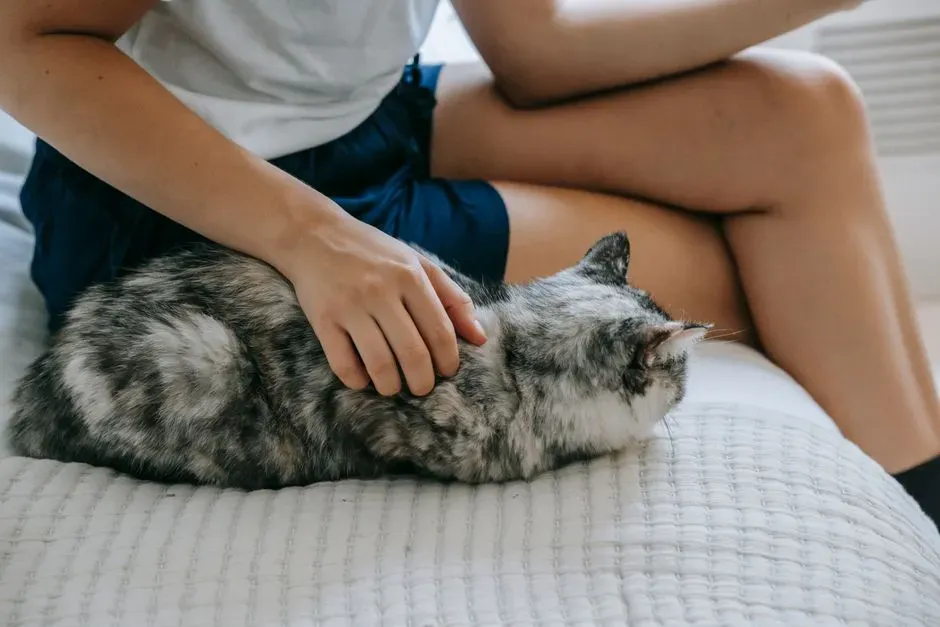
When your cat settles nearby without asking for attention, your best move is often to do… very little. Keep your movements calm, your voice soft, and let them simply share your space. If you want to interact, try offering a slow blink, a gentle verbal greeting, or a hand held out low and still for them to sniff or rub against if they choose.
If they don’t move toward you, resist the urge to scoop them up or reach over repeatedly. Every time you respect their choice to just be near you without turning it into a full contact moment, you reinforce their sense of safety. Ironically, giving them that space tends to invite more future contact, because they learn that being close to you doesn’t always lead to unwanted handling.
When Quiet Closeness Might Signal Something Else

Most of the time, a cat sitting quietly nearby is simply content and attached, but staying observant is still important. If your usually independent cat suddenly becomes unusually still, sticks close to you, and also seems low-energy, withdrawn, or off their food, you should pay attention. Increased proximity combined with other changes can sometimes signal pain or illness rather than pure affection.
Likewise, if your cat seems tense while they sit near you – ears back, eyes wide, body rigid – this may be more about hypervigilance or stress than relaxed bonding. In those cases, you’ll want to look at what else is going on in their environment: noise, new animals, household changes, or conflicts with other pets. Quiet nearness should feel soft and easy; if it feels sharp-edged or uneasy, you may need to dig a little deeper.
Strengthening the Bond Without Smothering Your Cat
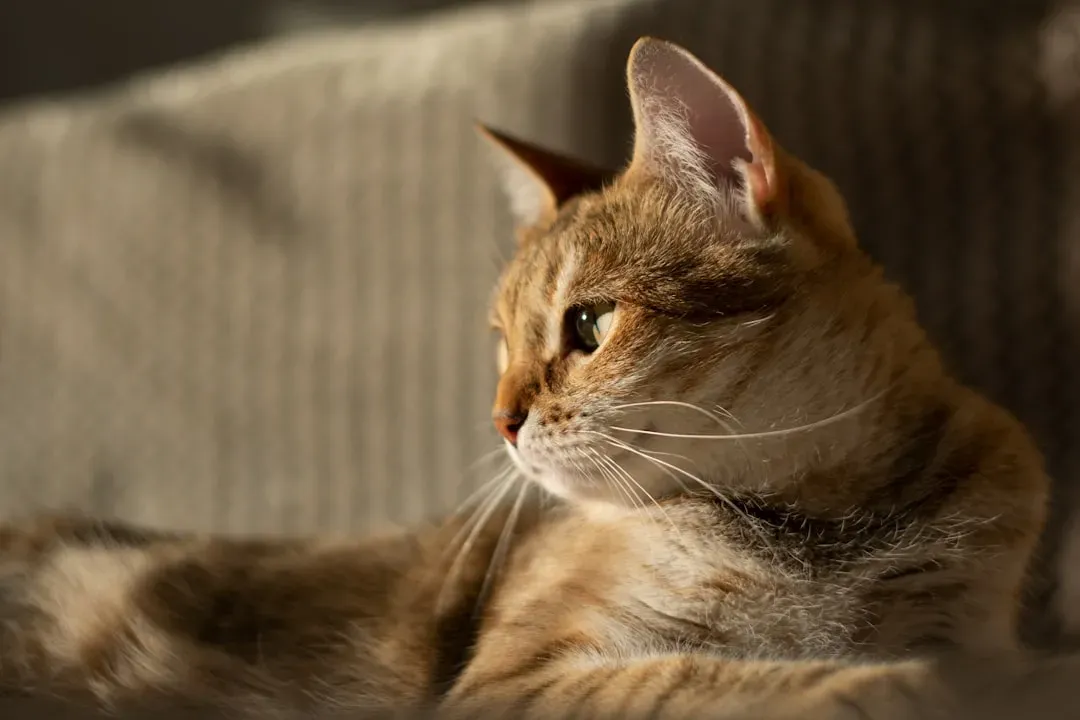
You can deepen your connection with a cat who prefers quiet proximity without forcing them into more physical affection than they want. Short, predictable play sessions, gentle grooming if they tolerate it, and speaking to them calmly as you move around the house all build emotional glue. You’re showing them that you’re a reliable, interesting presence rather than a grabby, unpredictable one.
Let your cat set the pace for physical contact. If they come closer, lean into your hand, or climb onto your lap, respond warmly but not overwhelmingly. If they retreat to their “nearby” spot again, accept it with grace. Over time, this respectful dance tells your cat that your relationship is safe, which is what ultimately encourages them to keep choosing your company, even in their quietest moods.
Seeing Your Cat’s Quiet Presence in a New Light

When you start understanding feline psychology, that cat who just lies near you while you work suddenly looks less aloof and more devoted. Their quiet presence is often their way of saying you’re part of their inner circle, even if they don’t fling themselves into your arms. Choosing to share your space without constant demands can be one of the clearest signs that your cat feels securely attached to you.
So the next time your cat stretches out on the floor just within arm’s reach and then pretends you don’t exist, try seeing it as a compliment. They trust you enough to rest, watch, and simply be near you with their guard down. In a world where cats are often misunderstood, that calm, wordless closeness might be one of the strongest “I’m yours” messages you’ll ever get – did you expect it to look so quiet?
Kristina is a young writer from India. An arts graduate and an avid content creator, Kristina is passionate about animals and wildlife. She enjoys exploring topics related to pet care, animal behavior, conservation, and nature, combining thorough research with engaging storytelling.