If your cat curls up against you every night like clockwork, it can feel incredibly sweet and a little mysterious at the same time. You might tell yourself it is just affection, or maybe that you are warm and convenient, but feline behavior research suggests there is more going on beneath that purring surface.
When a cat repeatedly chooses the same sleeping partner, it is often reflecting complex layers of trust, attachment, routine, and even subtle risk calculations. By paying attention to how, where, and when your cat sleeps beside you, you can learn a surprising amount about how it sees you, your home, and its own place in your shared world.
Your Cat’s Nighttime Choice Is Often About Deep Trust and Safety

In the wild, sleep is the most vulnerable state for any small predator, and domestic cats have kept that instinctive caution. When your cat voluntarily dozes off right beside you, especially exposing its belly or back, it is essentially telling you that it feels safe enough to let its guard down. That kind of repeated behavior is usually less about habit and more about a long-term trust decision.
You can think of it like this: your bed is a campsite, and your cat is choosing you as its safest tent-mate every single night. It has learned, over time, that you do not startle it, you do not hurt it, and you rarely disrupt its sleep in a threatening way. The more consistently your cat makes that choice, the more confident you can be that it sees you as a secure base, not just a warm object.
Attachment, Not Just Affection: You Become a “Secure Base”
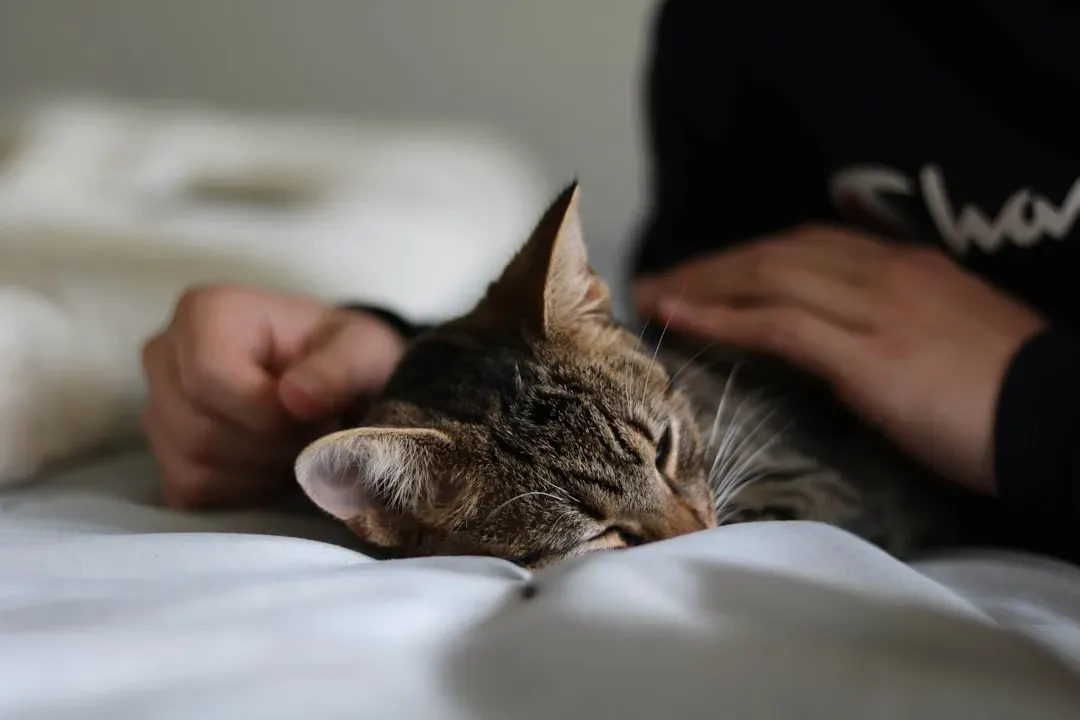
Modern studies of feline behavior suggest that many cats form attachment styles to humans that look a lot like those seen in young children with caregivers. When your cat follows you around, settles quickly when you return, and insists on sleeping beside you, it is likely treating you as its primary secure base. That means you are not just loved; you are psychologically important.
If your cat gets restless when you are not in bed yet, or refuses to settle until you lie down, you are seeing that attachment in action. Your presence helps regulate your cat’s stress levels, so sharing a sleep space is less about being clingy and more about anchoring its emotional world. You may notice that on nights you stay up late or travel, your cat acts unsettled or vocal, as if its internal compass is temporarily off.
Territory and Ownership: Your Cat Is Quietly Claiming You
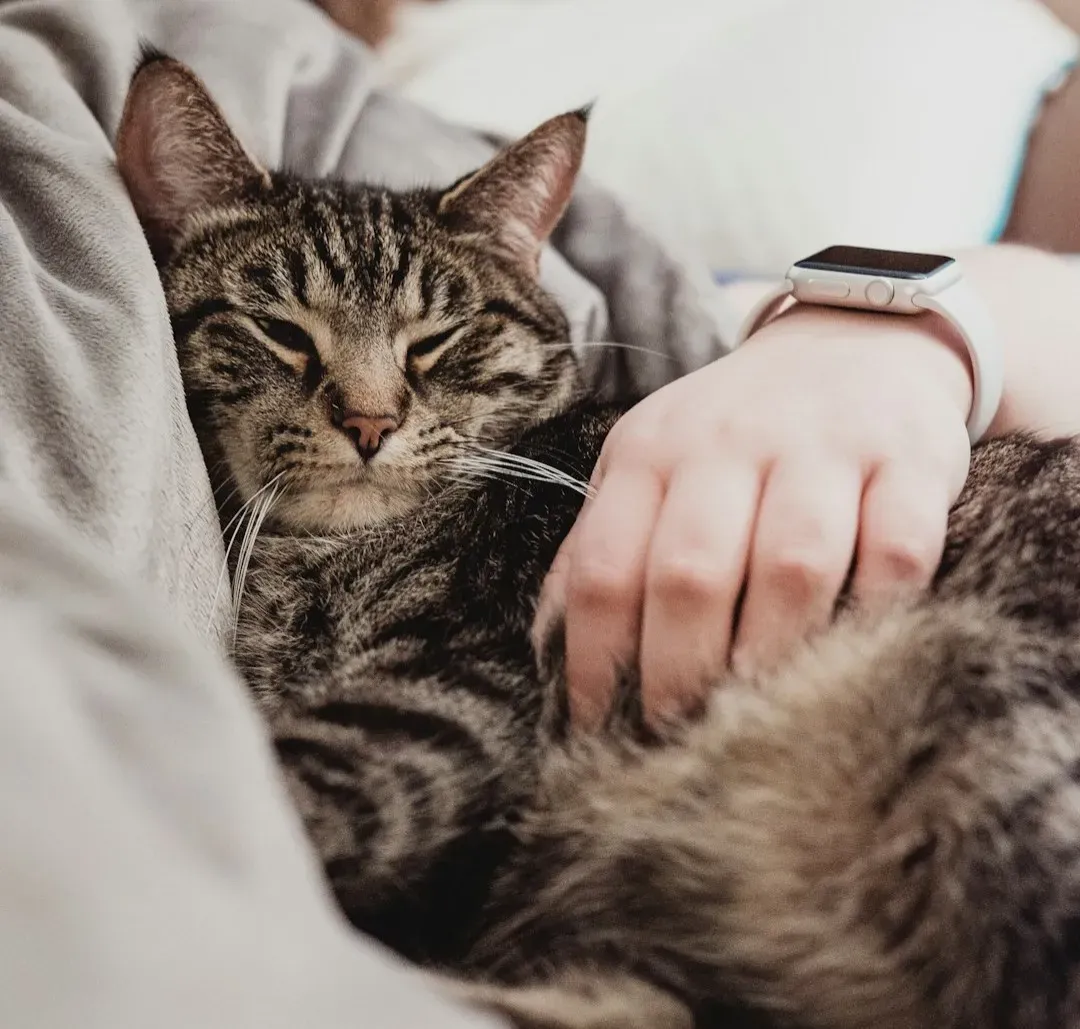
Cats are intensely territorial, and your body is not an exception to that rule. When your cat sleeps pressed against you, kneads your blanket, or rubs its face on your pillow, it is spreading subtle scent markers from glands in its cheeks and paws. From your cat’s point of view, this does not just mean “I like you”; it means “You are part of my territory.”
By repeatedly choosing to sleep beside you and not, say, at the foot of the bed or in another room, your cat may be reinforcing a social claim over you versus other people or animals in the home. If you live with a partner or roommates and your cat consistently picks your side, it may have decided you are its primary person. It is a quiet form of social status, like continually sitting in the same seat at a favorite café and leaving your jacket there to signal that it is yours.
Heat, Heartbeat, and Routine: Why Your Body Feels So “Right”
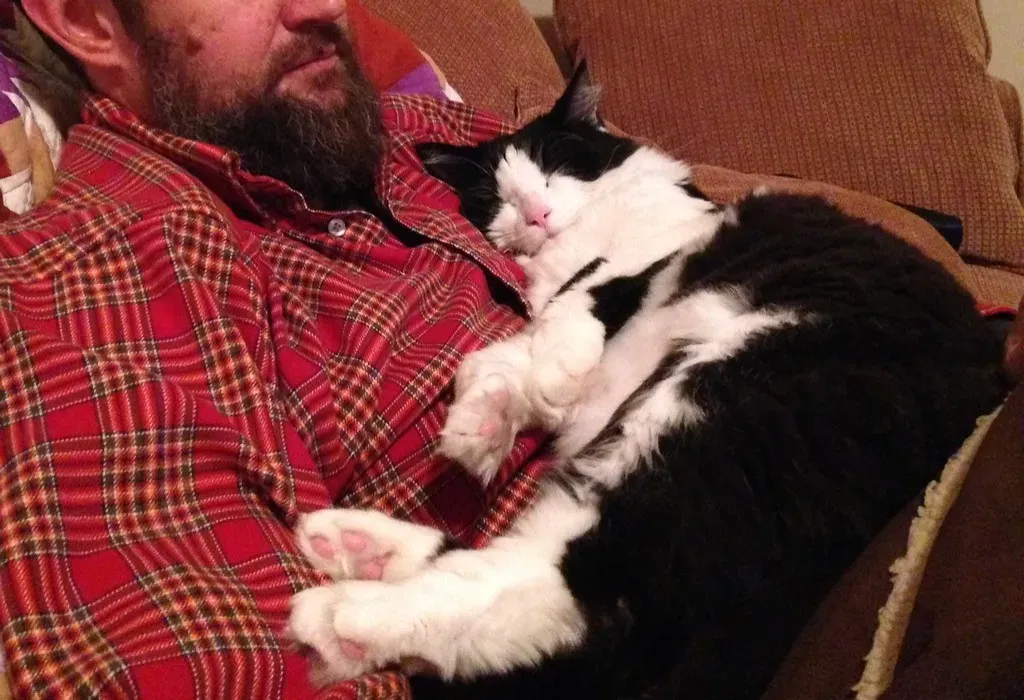
Yes, warmth absolutely matters, but it is not the whole story. Your natural body heat, steady breathing, and heartbeat create a soothing environment that reminds many cats of the comfort and rhythm they experienced huddled with their mother and littermates. Over time, your cat can start to associate your specific body cues with a reliable, calming signal that says, “It is safe to sleep now.”
When your cat seeks you out at the same time and in the same place every night, you are watching a powerful routine taking shape. Cats are creatures of habit; predictable patterns help reduce their stress. By becoming part of your cat’s nightly ritual, you are effectively a living bedtime signal. Even small changes, like switching sides of the bed or changing your nightly schedule, might briefly throw your cat off because you have become part of its internal clock.
Vigilance Partner: Your Cat May Be “Sharing Watch Duty”

Even the most relaxed house cat has a survival program running quietly in the background. Sleeping beside you can be your cat’s way of splitting the job of staying alert. From its perspective, it is safer to rest when another large, trusted creature is nearby who will also notice unusual sounds or movements in the night. You are not just a mattress; you are part of the night security system.
You might notice that your cat sometimes lifts its head when you stir, or changes position if you roll over, as if it is briefly checking that everything is still normal. This light level of vigilance is completely natural. By choosing to sleep against you night after night, your cat is, in a sense, appointing you as a co-guardian of the sleeping space. It is a quiet, practical partnership: you get the comfort of a purring companion, and your cat gets the reassurance of a bigger ally nearby.
Health and Emotional Check-In: Your Cat May Be Reading You, Too
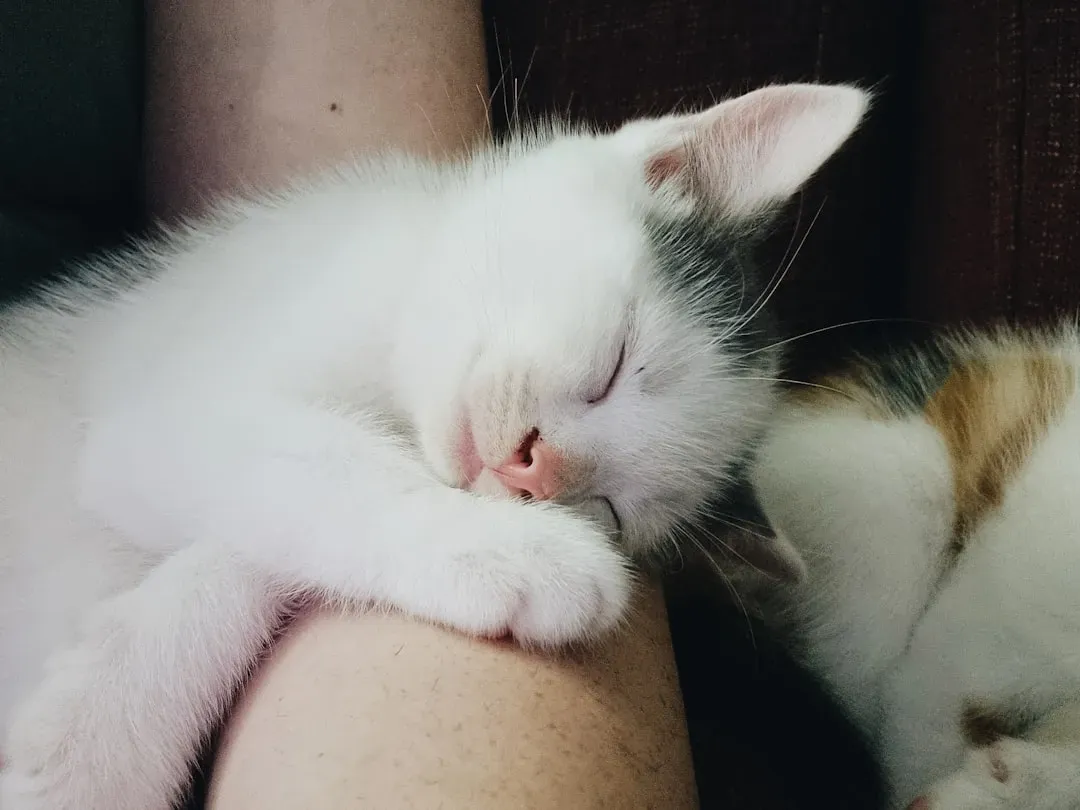
Because cats are sensitive to scent, body language, and small shifts in routine, your night-sleeping cat may be tracking more about your state than you realize. Changes in your breathing, restlessness, or even subtle differences in your scent can signal to your cat that something is off. Some owners only notice this when a cat suddenly becomes extra clingy at night during times of illness or stress.
If you go through a period of grief, anxiety, or physical pain and your cat suddenly insists on pressing closer to you in bed, you might be seeing a genuine response to perceived change. While you should never treat a cat as a medical device, you can see this behavior as a sign that your cat is not just attached but observant. In its own quiet way, it may be trying to stabilize your emotional climate by staying within reach, the same way you provide stability for it.
Jealousy, Preference, or Both: Why Your Cat Always Picks You

If there are multiple people in your home and your cat still picks your side of the bed every night, it is very likely expressing a social preference. Cats do develop favorites based on handling style, voice, consistency, and past experiences. If you are the one who feeds regularly, plays gently, or respects its boundaries, you are stacking the deck in your favor as the chosen sleep partner.
Sometimes this preference can look like jealousy, especially if your cat wedges itself between you and someone else or paws at you when you hug another person in bed. While it is easy to laugh this off, it does hint at your cat’s desire to maintain its special access to you. Sleeping beside you nightly becomes a way of quietly reaffirming that bond and keeping its place in your inner circle secure.
When Your Cat Suddenly Stops Sleeping Beside You

A sudden change in your cat’s sleeping habits can be just as revealing as the choice to sleep beside you. If your cat has always settled next to you and then abruptly starts sleeping elsewhere, it may signal discomfort, pain, environmental changes, or stress. Maybe the room temperature has shifted, your schedule has changed, or your cat is dealing with health issues that make the bed less comfortable.
It is worth paying attention instead of assuming your cat has simply lost interest. If the change is sudden and comes with other signs like reduced appetite, hiding, increased vocalizing, or changes in grooming, it is wise to check in with a veterinarian. On the other hand, if the shift lines up with something obvious, like bringing in a new pet or partner, you may need to rebuild a sense of safety and routine before your cat feels comfortable returning to its old spot.
How to Gently Encourage (or Adjust) Shared Sleep

If you enjoy having your cat sleep beside you, you can make that choice easier by keeping your bedtime routine predictable and your sleeping area calm. Soft bedding the cat likes, a stable room temperature, and minimal late-night chaos all help. Positive experiences associated with the bed, like calm petting or a small treat when you both settle in, can strengthen your cat’s sense that this is a safe, rewarding place to rest.
If you love your cat but do not love being woken at three in the morning, you can still protect the bond while setting boundaries. Giving your cat an appealing bed or blanket right beside yours, providing enough play and stimulation during the day, and feeding at consistent times can shift its pattern without breaking the attachment. You are not rejecting your cat; you are renegotiating the terms of the sleep partnership so both of you can rest better.
Conclusion: Your Cat’s Sleeping Choice Is a Quiet Window Into Its Heart

When your cat curls up beside you night after night, you are not just being used as a warm pillow. You are being chosen as a trusted ally, a secure base, a piece of valued territory, and sometimes even a co-guardian of the nighttime world. That small, familiar weight against your legs or tucked under your arm is a living sign of a relationship that, in its own quiet feline language, runs deeper than simple convenience.
The next time you feel your cat hop onto the bed and settle into its usual spot, you can see it as a wordless vote of confidence in you and in the life you share. You are not just where your cat sleeps; you are where your cat feels safest. Knowing that, how differently will you look at that nightly ritual tonight?
Kristina is a young writer from India. An arts graduate and an avid content creator, Kristina is passionate about animals and wildlife. She enjoys exploring topics related to pet care, animal behavior, conservation, and nature, combining thorough research with engaging storytelling.