If you have ever caught your cat staring at you and then giving a long, exaggerated slow blink, you might have brushed it off as drowsiness. But animal behavior research suggests something far more touching is going on in that tiny moment. Your cat may actually be telling you, in the only language it has, that it feels safe with you and maybe even that it likes you.
Once you start noticing those slow blinks, it becomes hard to unsee them. They pop up when your cat is relaxed, perched in a sunny window, curled up on the couch, or quietly watching you from across the room. When you understand what they probably mean, those sleepy-looking eyes stop being ordinary and start to feel like a private, wordless conversation between the two of you.
The Science Behind the Feline Slow Blink
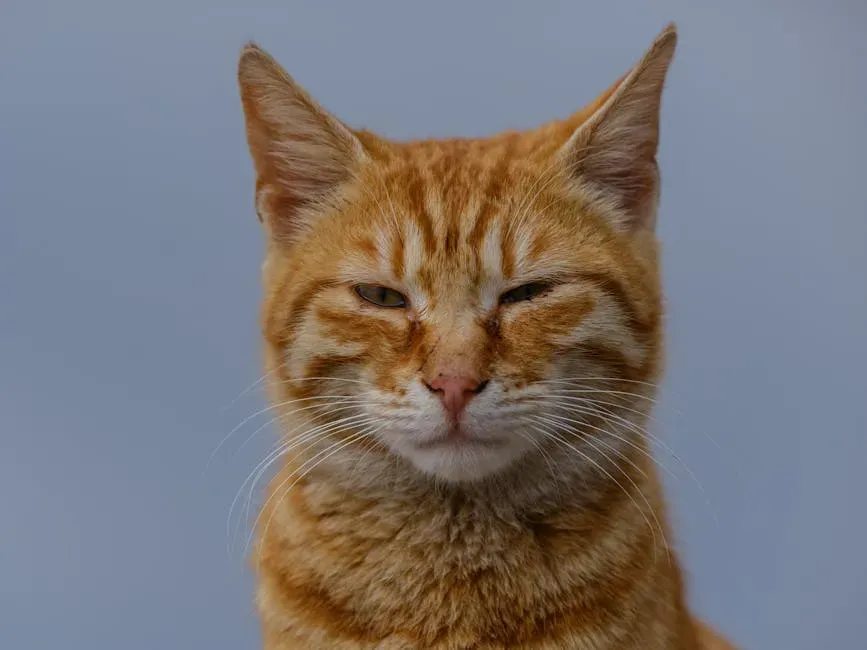
Research on cat behavior has found that slow blinking is closely linked to a relaxed emotional state. When your cat narrows its eyes and lets its eyelids close in a long, deliberate blink, it is showing that it does not feel the need to stay hyper-alert or on guard. In the wild, closing your eyes, even for a second, is a vulnerable thing to do, so doing it around you is a quiet sign of trust.
In controlled studies, when people slowly blinked at unfamiliar cats, the cats were more likely to approach and show friendly behavior compared with when the person kept a neutral expression. That suggests you are not imagining it when your cat responds differently to your soft, squinty eyes than to your normal stare. You are tapping into a subtle social signal that cats seem to recognize and use with each other and with humans.
Why Narrowed Eyes Mean Trust, Not Tiredness
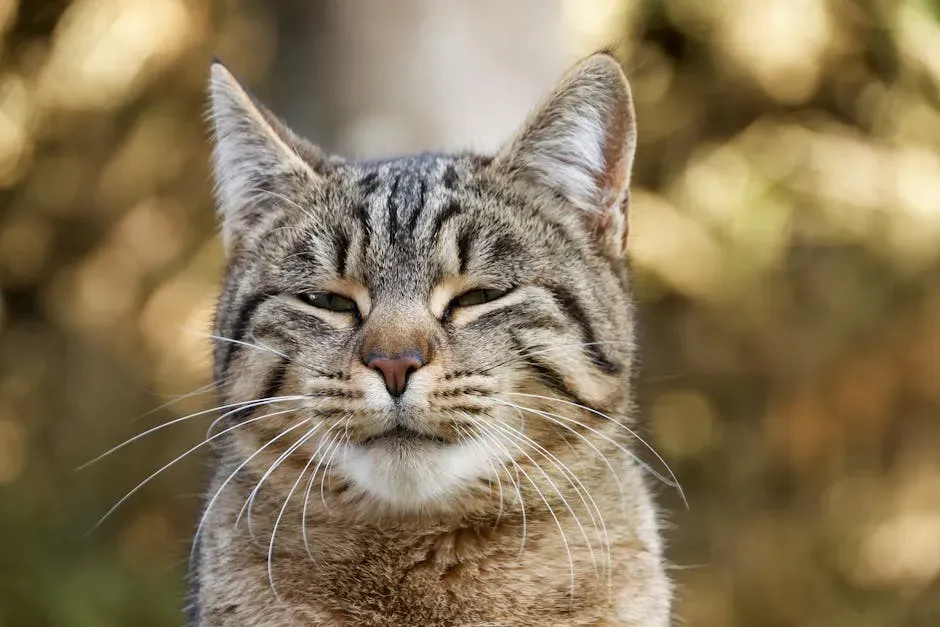
It is natural to assume that a cat with half-closed eyes is simply sleepy, but behavior patterns tell a different story. A truly tired cat usually goes all the way into a doze, head drooping, breathing deepening, and muscles loosening. The slow blink, by contrast, tends to happen when your cat is awake, aware, and simply choosing to soften its gaze in your direction.
For a predator species that is also potential prey, letting the eyelids lower is a big deal. It signals that your cat is not worried about sudden attacks or surprises in that moment. When your cat does this while facing you, it is as if it is saying, “I do not see you as a threat; I feel safe enough to let my guard down.” That is a deeper emotional statement than simple sleepiness, and it is one of the sweetest compliments your cat can give you.
How Slow Blinking Works as a “Cat Smile”
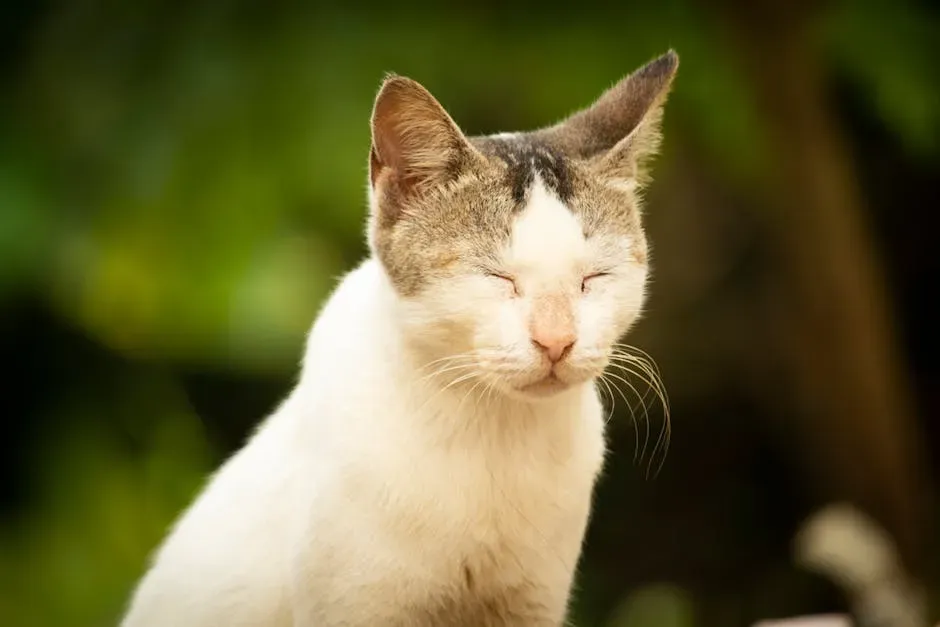
You are used to reading human smiles as signs of friendliness, but cats do not move their mouths in the same expressive way. Instead, they rely much more on their eyes and body posture to send social messages. The slow blink has been described by many behaviorists as the closest thing cats have to a warm smile or a nod of friendliness.
Think of it this way: where you might smile and relax your face when you see someone you like, your cat tightens its facial muscles slightly, softens its eyes, and lets the lids sink into a lazy close. When you see that long, gentle blink, you are essentially being given a feline version of “I am good, you are good, everything is calm here.” Once you frame it in that light, it feels a lot more personal and meaningful.
What Your Cat Is Likely “Saying” With a Slow Blink
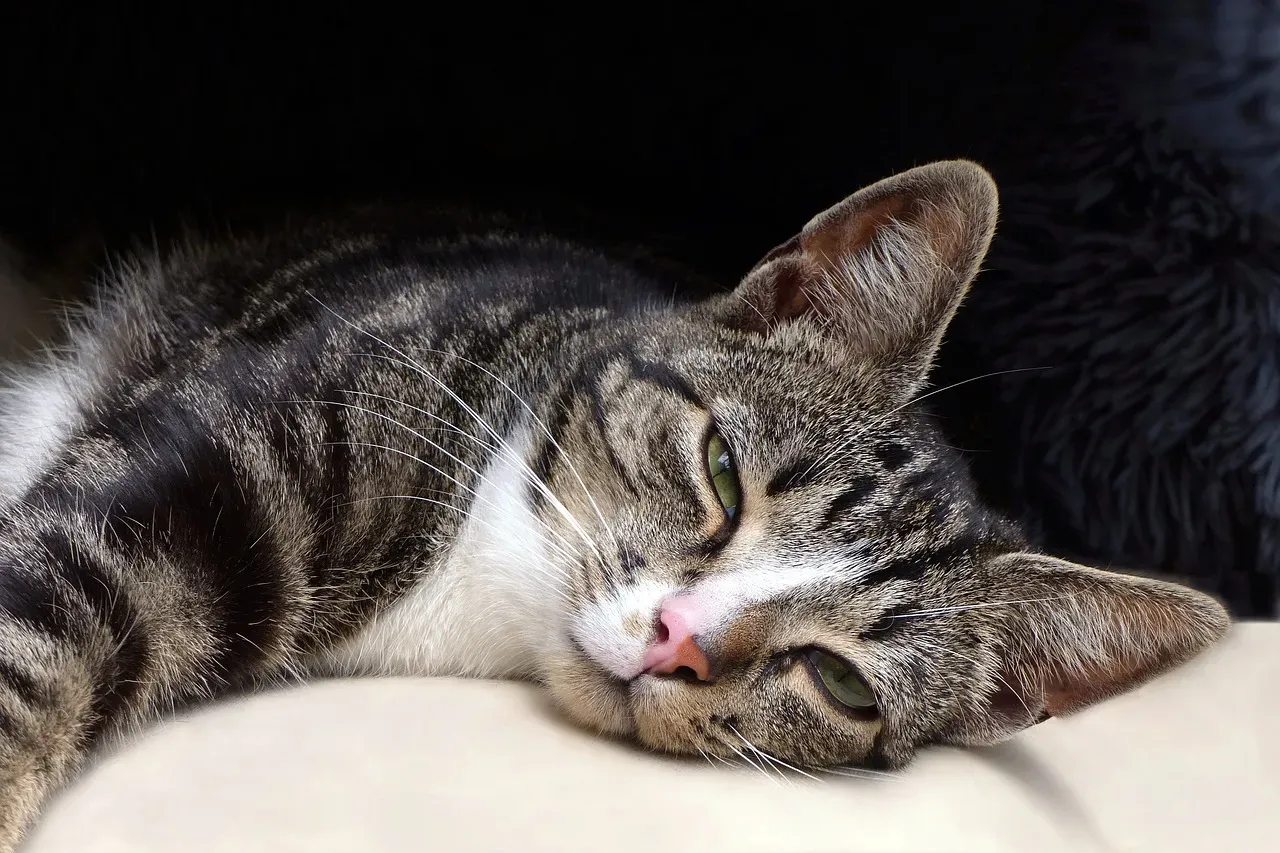
Of course, you cannot translate your cat word for word, but you can make reasonable guesses based on what researchers and behavior experts have observed. A slow blink from a relaxed cat toward a trusted human usually signals comfort, safety, and a low level of arousal. It is as if your cat is quietly affirming the bond you share, confirming that, in that moment, your presence is welcome and nonthreatening.
You might notice your cat slow blinking during peaceful, everyday scenes: when you are reading nearby, working on your laptop, or even scrolling your phone. Those are times when you are not actively engaging, but you are still there in your cat’s social space. The slow blink can function as a soft little check-in: a calm, unhurried “I see you, and I am okay with you being here.”
How to Slow Blink Back to Strengthen Your Bond
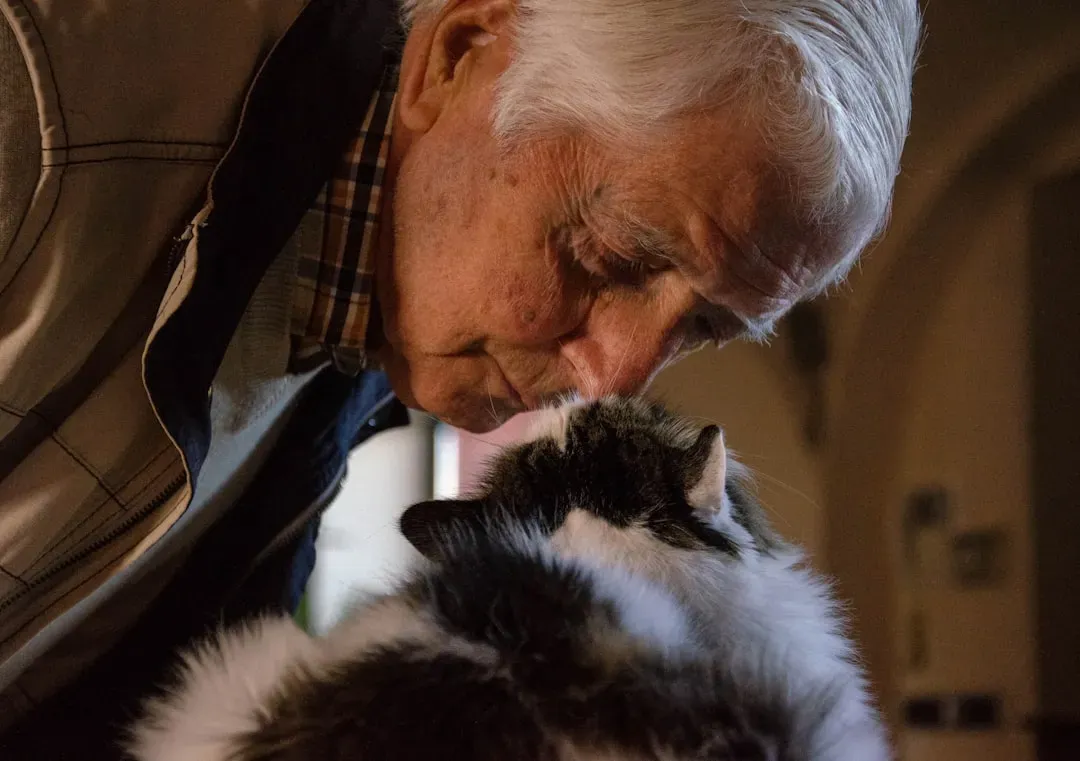
You can join this quiet conversation surprisingly easily. When your cat looks at you, relax your own face, soften your gaze, and slowly close your eyes for a second or two before gently opening them again. Try not to stare too intensely, because a hard, unblinking stare can feel threatening to a cat; you want your expression to feel loose and gentle.
If your cat is comfortable with you already, you may notice it responding with another slow blink, a head tilt, or a tiny body shift toward you. Over time, this back-and-forth can become part of your daily routine, like saying hello in a shared language. You are showing your cat that you understand and can respond in kind, which may deepen the sense of mutual trust.
When a Slow Blink Means “You Can Approach Me Now”
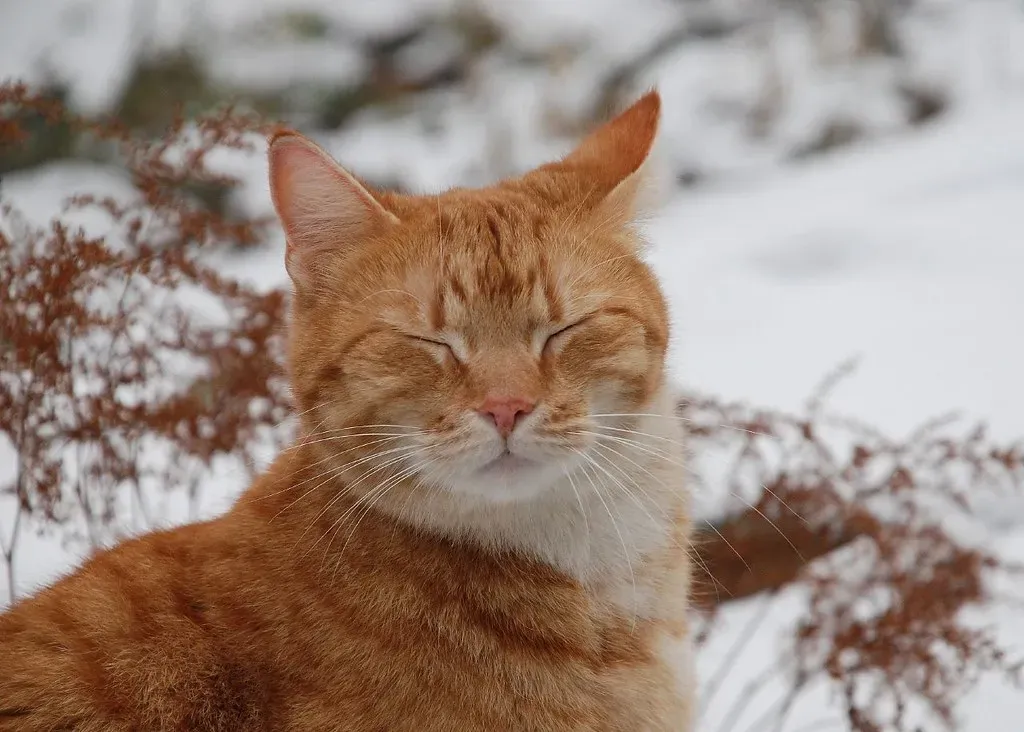
In some situations, a slow blink is more than a general show of trust; it can act as an invitation. Cats who are naturally cautious or who are still building confidence with humans may use a slow blink to signal that they are open to calm, respectful contact. If you see your cat give you that soft, unhurried blink while its body looks relaxed and its tail is not twitching tensely, it may be an ideal moment to offer a gentle approach.
You can test this by slowly extending a hand for your cat to sniff, rather than marching in for head scratches right away. Let your cat come to you, and watch for signs like leaning in, rubbing, or remaining in place. If your cat stays relaxed, you have likely read the signal correctly. Over time, you will get better at linking that slow blink with other body language cues, turning it into a reliable hint about when physical affection is welcome.
How Slow Blinking Differs From Other Cat Eye Signals
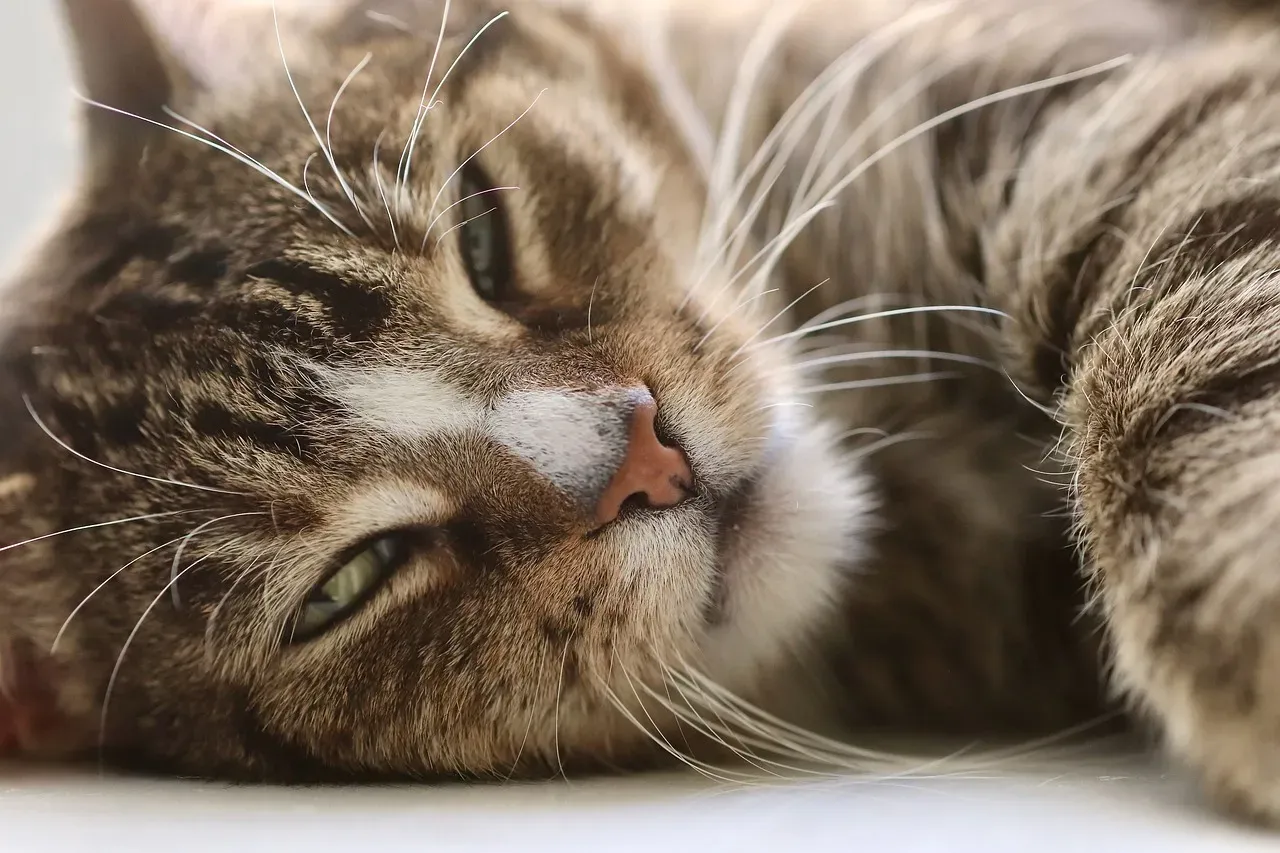
Cats say a lot with their eyes, and understanding the differences can keep you from misreading your pet. Wide, dilated pupils in bright light can signal excitement, fear, or intense focus, almost the opposite of the calm, narrowed-eye slow blink. A hard, continuous stare with unblinking eyes, especially with a stiff body, can come across as a challenge or a warning, not as friendliness.
By contrast, the slow blink happens with softened facial muscles, relaxed ears, and a loose or comfortably curled body. You will often see it paired with other peaceful signals, like a gently swishing tail, a paw tucked under the body, or a quiet purr. When you learn to tell these signals apart, you stop lumping all “eye contact” together and start hearing the different emotional tones your cat is sending.
Using the Slow Blink to Help Shy or Anxious Cats
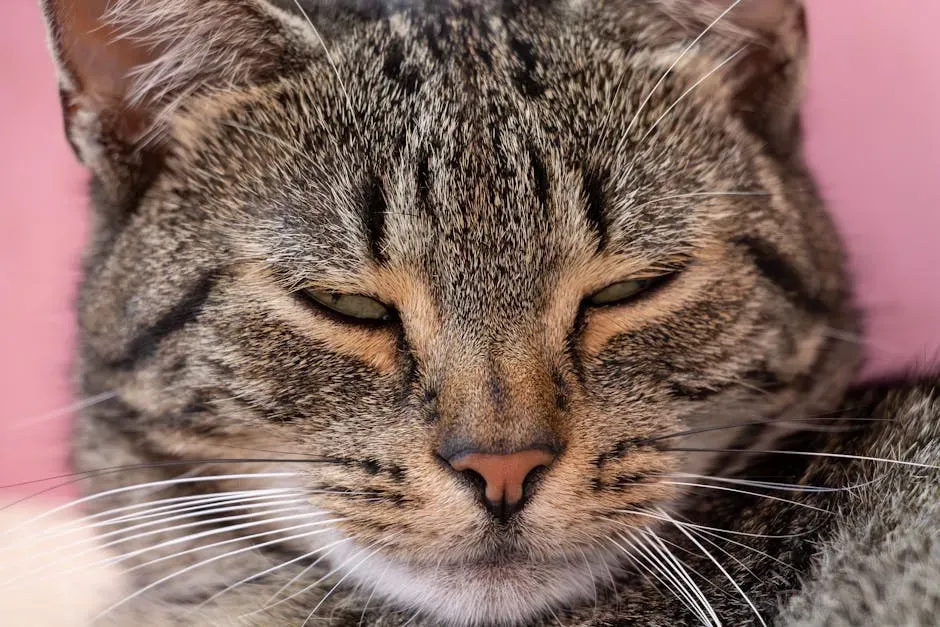
If you live with a shy rescue cat or a naturally nervous feline, the slow blink can be a powerful tool for building trust. Instead of trying to win your cat over with constant movement and talking, you can sit at a comfortable distance and let your eyes do the work. A series of soft, patient slow blinks can tell a fearful cat that you are not a threat and that you respect its space.
Over days or weeks, you might notice the cat’s body language slowly change: less hiding, more watching, and eventually cautious blinks back in your direction. You are basically learning to speak a gentle dialect of “cat,” and for an animal that has likely learned to be wary of humans, that effort can be surprisingly powerful. You are meeting your cat where it is, instead of insisting that it meet you on human terms.
Common Misunderstandings About Cat Sleepiness and Affection
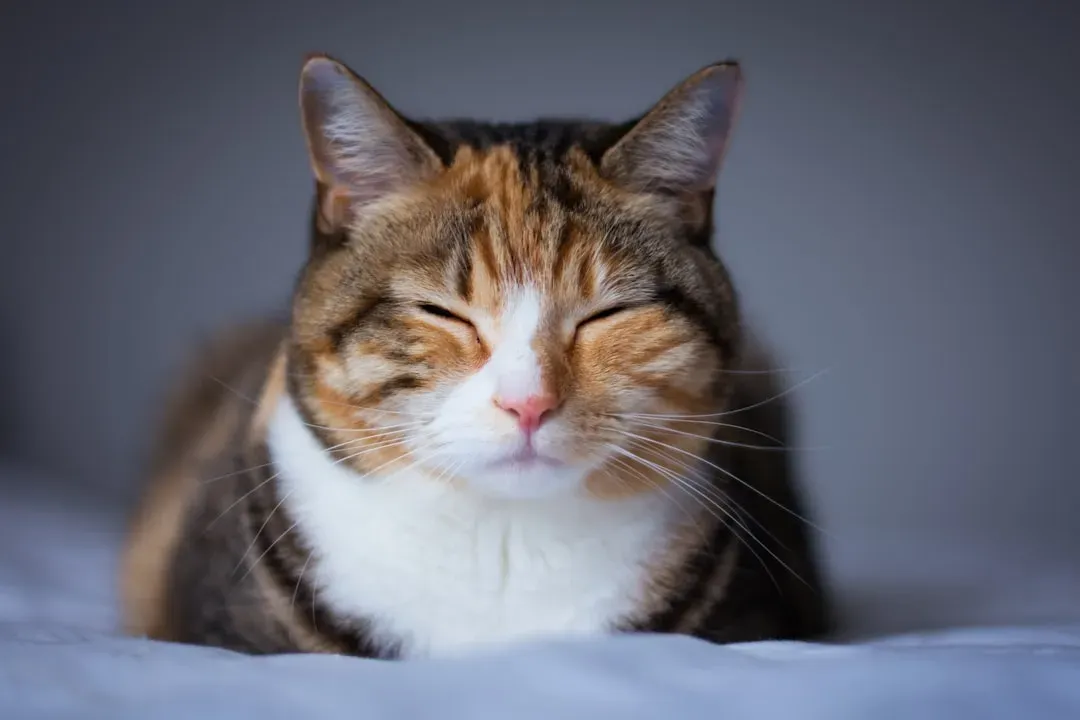
It is easy to dismiss many cat behaviors as random or purely instinctive, especially if you grew up hearing that cats are aloof and independent. That mindset can make you miss subtle signs of affection, like the slow blink, and write them off as your cat being lazy or detached. When you learn what the science suggests, you start realizing your cat may have been “talking” to you all along, just in a quieter emotional language.
Recognizing the slow blink as a social cue does not mean every half-closed eye is loaded with deep meaning. Sometimes your cat really is just sleepy. The key is to consider the whole scene: your cat’s body posture, the environment, and what you are doing. When everything points to calm connection rather than simple drowsiness, you can safely assume there is something more tender going on than a need for a nap.
Turning Everyday Moments Into Shared Rituals
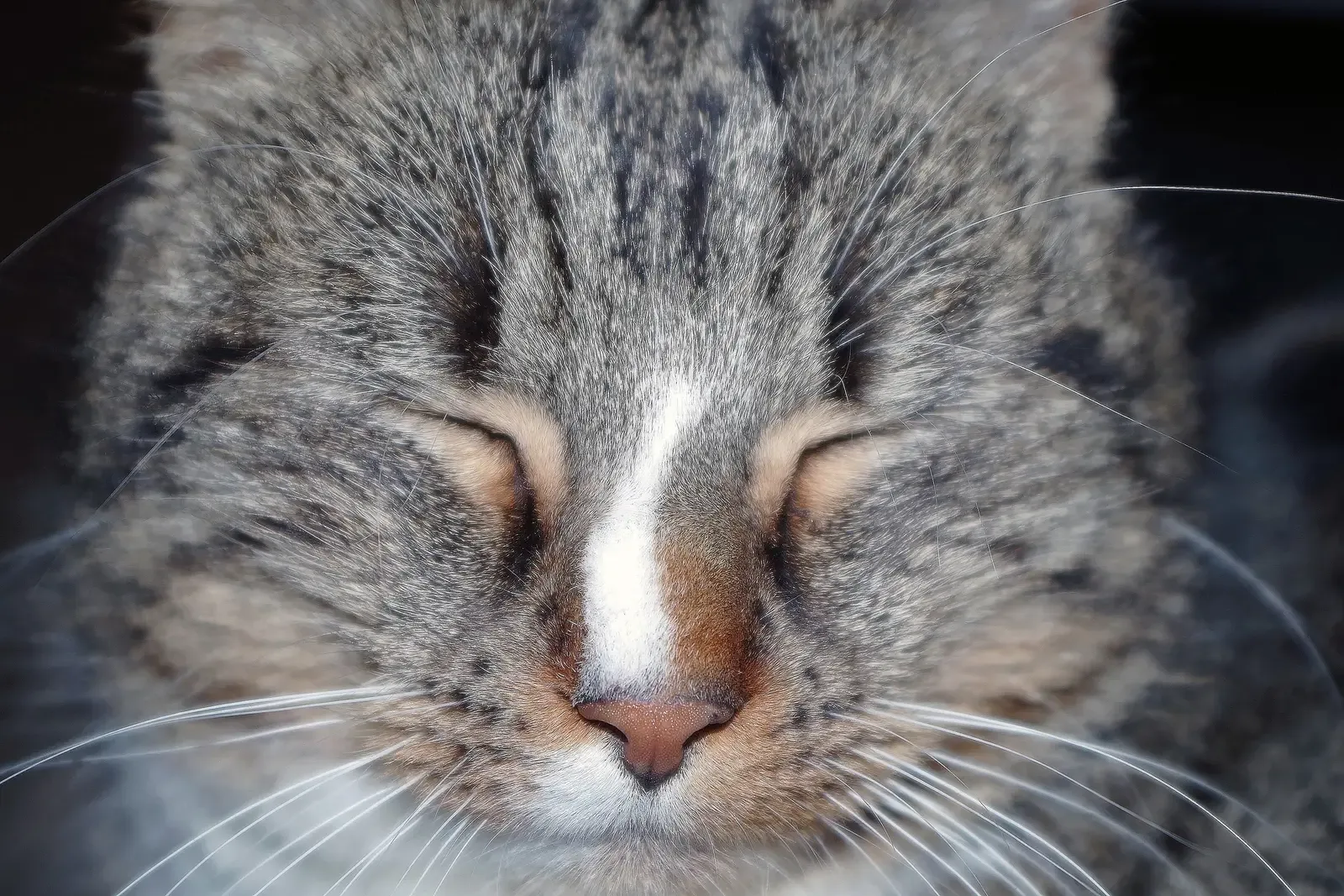
Once you start responding to your cat’s slow blinks, everyday moments at home can take on a new emotional richness. That quiet glance from across the room while you drink your coffee, the lazy blink from a sunny windowsill, the gentle eye softening as your cat settles beside you on the couch – all of these become tiny, shared rituals. You are no longer just coexisting in the same space; you are exchanging reassurance and warmth in a way that fits your cat’s nature.
Over time, these rituals can change how you feel about your relationship with your cat. You stop wondering whether your cat truly cares and start recognizing the understated way it shows you that you matter. That simple, almost sleepy-looking blink turns into a small but powerful reminder that trust does not always shout; sometimes, it barely opens its eyes.
Conclusion: A Small Gesture With a Big Emotional Message
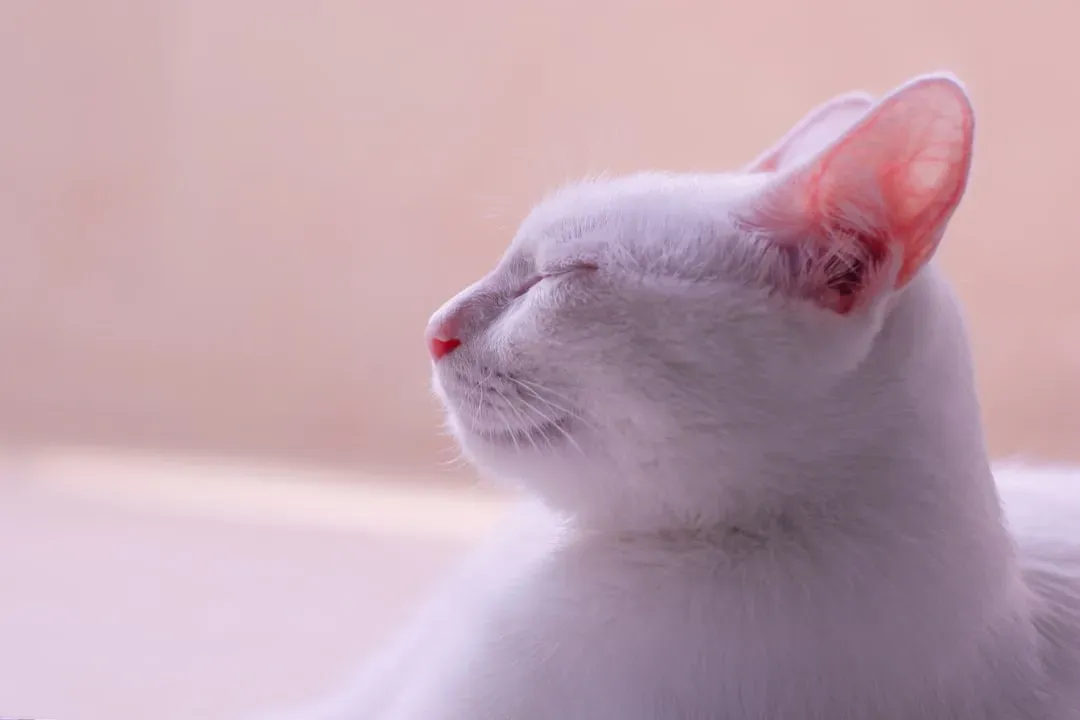
When you look at your cat’s slow blink through the lens of animal science and everyday observation, you see that it is much more than a sign of sleepiness. It is a quiet, vulnerable gesture that says your cat feels safe, calm, and comfortable in your presence, and that is a privilege you earn over time. By learning to recognize and return that signal, you are actively participating in your cat’s emotional world instead of standing on the outside guessing.
So the next time your cat meets your eyes and closes them in that long, gentle blink, try answering back with your own soft blink and a relaxed smile. You are not just humoring a cute behavior; you are speaking a language built on trust, safety, and quiet affection. Who would have thought that something as small as closing your eyes for a heartbeat could say so much between you and your cat?
Kristina is a young writer from India. An arts graduate and an avid content creator, Kristina is passionate about animals and wildlife. She enjoys exploring topics related to pet care, animal behavior, conservation, and nature, combining thorough research with engaging storytelling.