Picture this: you call your cat from the kitchen, and they’re lounging in the bedroom. A few seconds later, you step into the hallway and speak again. Your cat’s ears twitch, their head snaps toward the door, and they stare as if you’ve just teleported. You might think they’re just being dramatic, but research in animal cognition suggests something deeper is going on in that fluffy head.
You’re not just background noise to your cat. When they hear your voice coming from another room, there’s growing evidence that they may actually be holding a kind of mental map of where you are supposed to be. When your voice suddenly shows up in a place that doesn’t match that map, your cat may be genuinely surprised – and that reaction tells you a lot about how smart they really are.
How Scientists Figured Out Your Cat Is Probably Tracking You
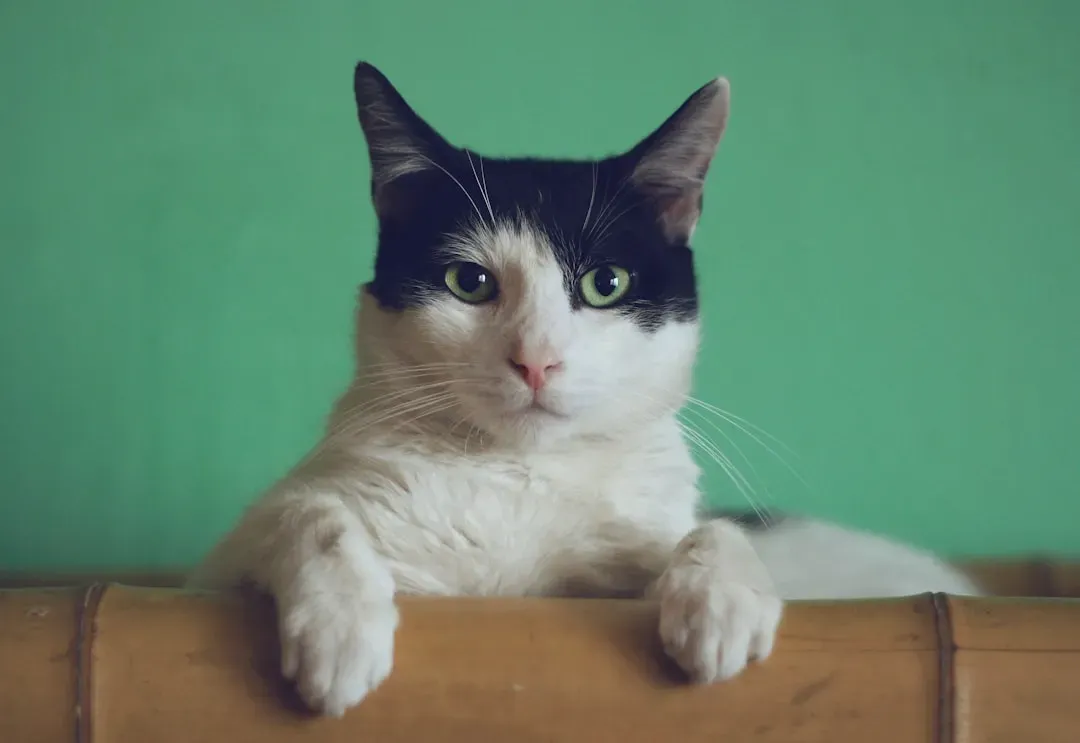
Researchers studying cat cognition have started using simple but clever experiments to test how your cat keeps track of you. In some studies, cats hear their owner’s voice from a hidden speaker in one place, and then, a few moments later, hear it suddenly from a different spot that would be impossible if the person moved normally. When that happens, many cats show a kind of “what on earth?” reaction: they freeze, turn quickly, or stare longer at the source of the sound.
Those reactions matter because they’re not random. They suggest your cat expected you to still be in the first place they “heard” you and is startled that you’ve apparently jumped locations. For a cat to be surprised that you’re in the “wrong” spot, they have to be doing something mentally sophisticated: keeping track of where you are over time, even when they can’t see you. That’s a big step beyond just reacting reflexively to noises.
What Mental Tracking Actually Means For Your Cat
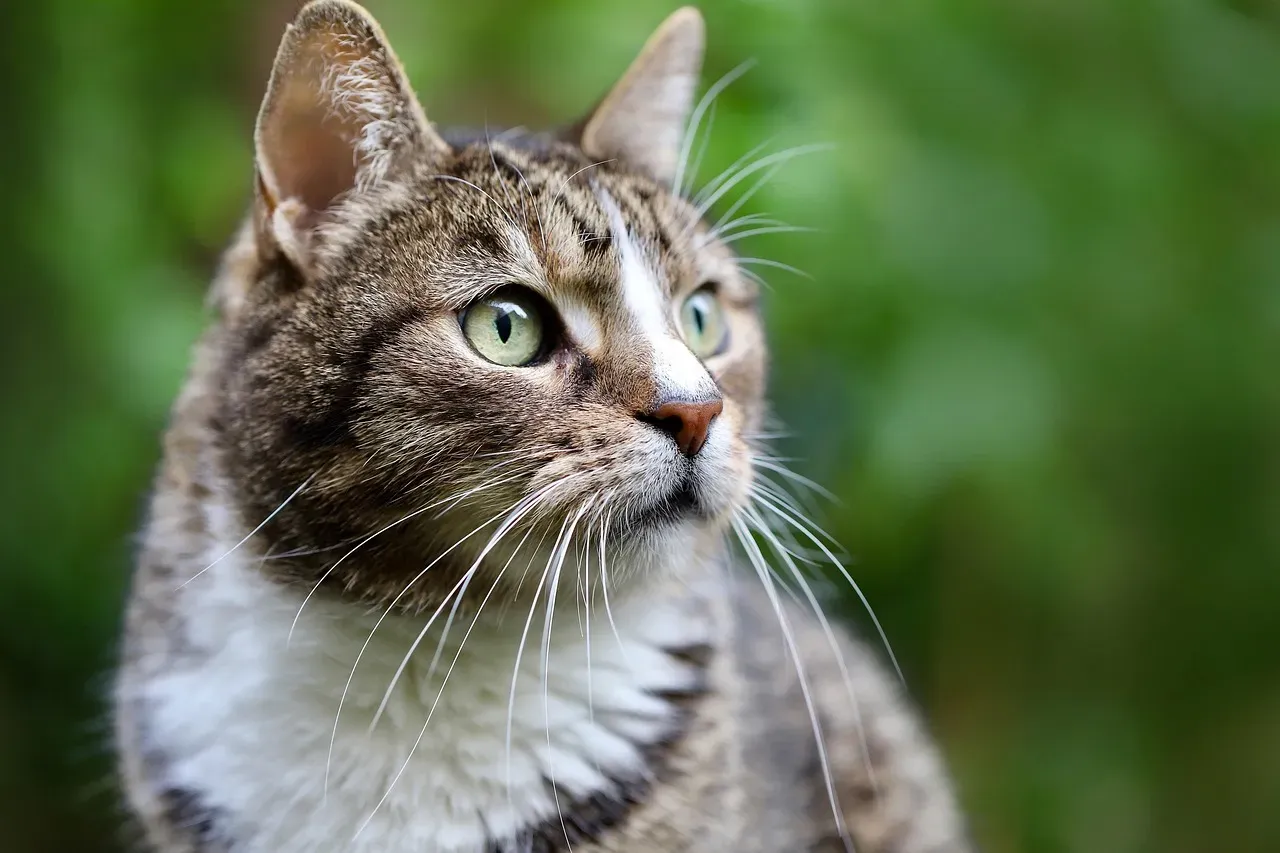
When you think about “mental tracking,” imagine how you feel when a friend leaves the room; you still know, in your mind, they’re in the next room even if you can’t see them. Your cat seems to be doing a simpler version of the same thing. Based on your voice, footsteps, and daily habits, they’re building a rough internal picture of where you probably are in your home at any given moment.
So when your voice suddenly appears in a place that doesn’t match that internal picture, it seems to clash with their expectations. That clash is a sign your cat wasn’t just passively listening; they were actively predicting. It means your cat isn’t just floating through life in a blur of naps and snacks. They’re quietly modeling you – your location, your movements, and maybe even your routine – like a little furry detective.
Why Your Voice Matters More Than You Think
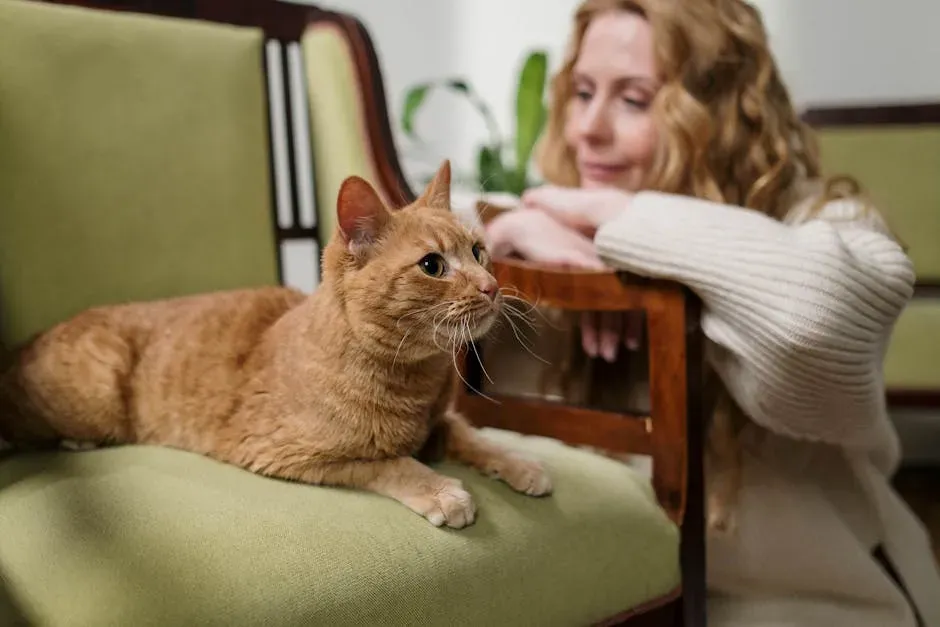
You might assume your cat cares more about food than your voice, but evidence suggests your sound is a big part of how they understand their world. Your cat learns your tone, volume, and patterns of speech, and can distinguish you from strangers just by how you sound. When they hear you call their name from the bedroom versus the front door, they’re not just hearing noise; they’re getting a clue about where you are and what might happen next.
Over time, your voice becomes a kind of anchor in your cat’s mental map of the home. If you always call them before feeding or greeting them when you walk in the door, they start using your voice almost like you use GPS. When it comes from the “wrong” direction or an unexpected distance, it disrupts their mental picture, and that’s where you see that classic wide-eyed, ears-forward, slightly offended look that says, in their own way, that you just broke the rules of their universe.
Object Permanence: Your Cat Knows You Still Exist When You Leave
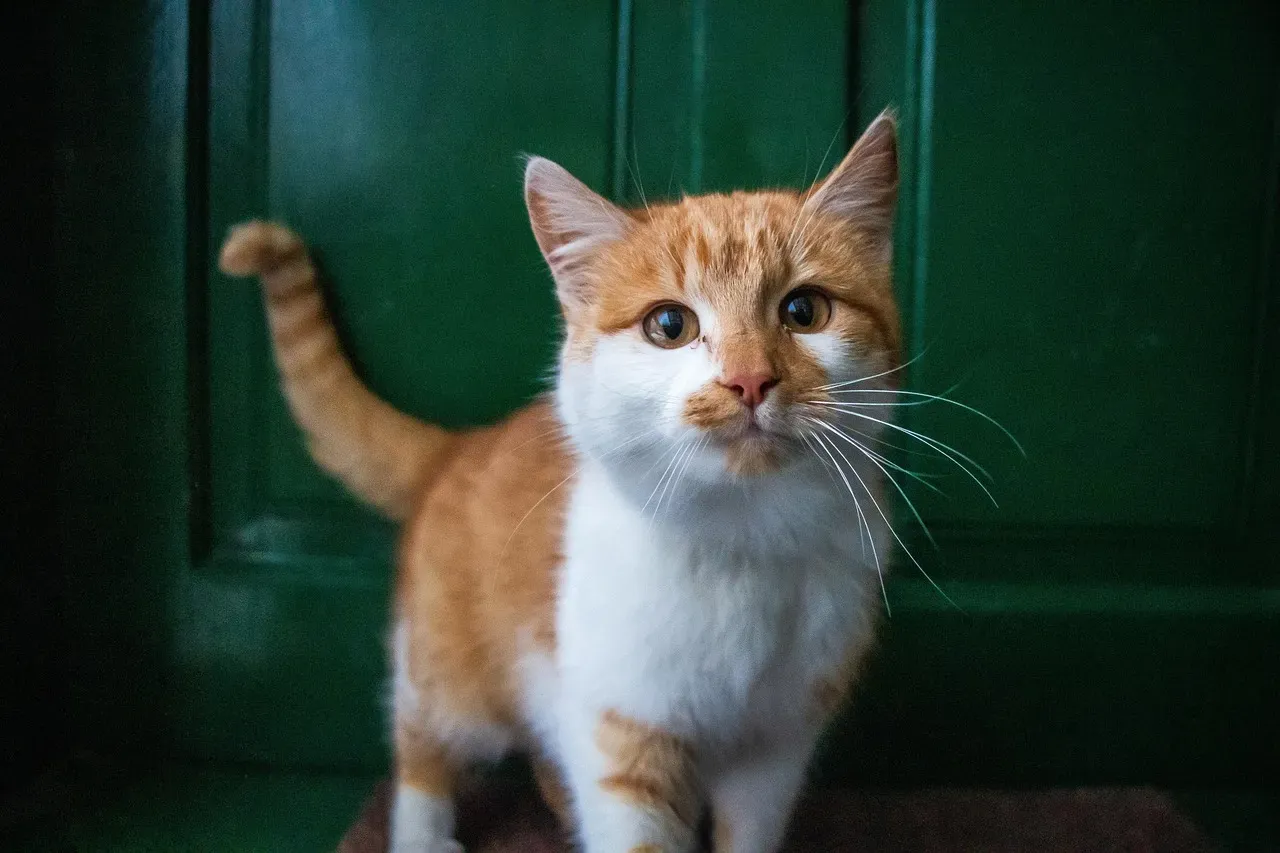
At the core of this tracking ability is something called object permanence: the understanding that something continues to exist even when it’s out of sight. You normally associate that with human babies, but your cat seems to have at least a basic version of it too. When you walk behind a wall or close a door, they act as if you’re still “there,” not magically erased from reality.
That’s why your cat can sit by the bathroom door waiting for you, meow outside your office when you’re working, or run to the front door when they hear your keys outside. They’re not guessing randomly. They’re mentally connecting sounds, movements, and habits to your ongoing existence. The voice experiments just give scientists a way to “catch” that invisible process in action and show that your cat’s brain is doing more behind the scenes than you might have assumed.
How This Changes The Way You See Your Relationship

Once you realize your cat is mentally tracking you, your relationship stops being a one-sided story where you care deeply and they just tolerate you. Instead, you can see that your cat may be quietly investing effort in knowing where you are and what you’re likely to do next. That effort is a type of social awareness, even if it doesn’t look like a dog’s wagging, in-your-face enthusiasm.
Think about the times your cat somehow ends up in the same room where you’ve settled, or appears just before your usual bedtime, or meets you near the door when you come home. Those moments feel random, but they’re probably the result of learning, pattern recognition, and mental tracking. In a subtle way, your cat is organizing their day around you far more than you might realize.
Why Cats Developed This Skill In The First Place

To understand why your cat tracks you mentally, it helps to zoom out to their wild relatives. In nature, knowing where allies, rivals, and prey are – even when you can’t see them – can be the difference between a full stomach and an empty one. Environmental clues like sound, scent, and movement help cats build mental maps of who is around and where they might appear next.
When your cat lives indoors with you, that same mental machinery doesn’t just disappear. Instead, it gets repurposed to track you and other members of the household. Your voice, footsteps, and habits become the “forest sounds” of their domestic environment. They may not be hunting you, but the cognitive skill that lets them imagine where you are is a direct descendant of the one that kept their ancestors alive.
Everyday Signs Your Cat Is Keeping Tabs On You
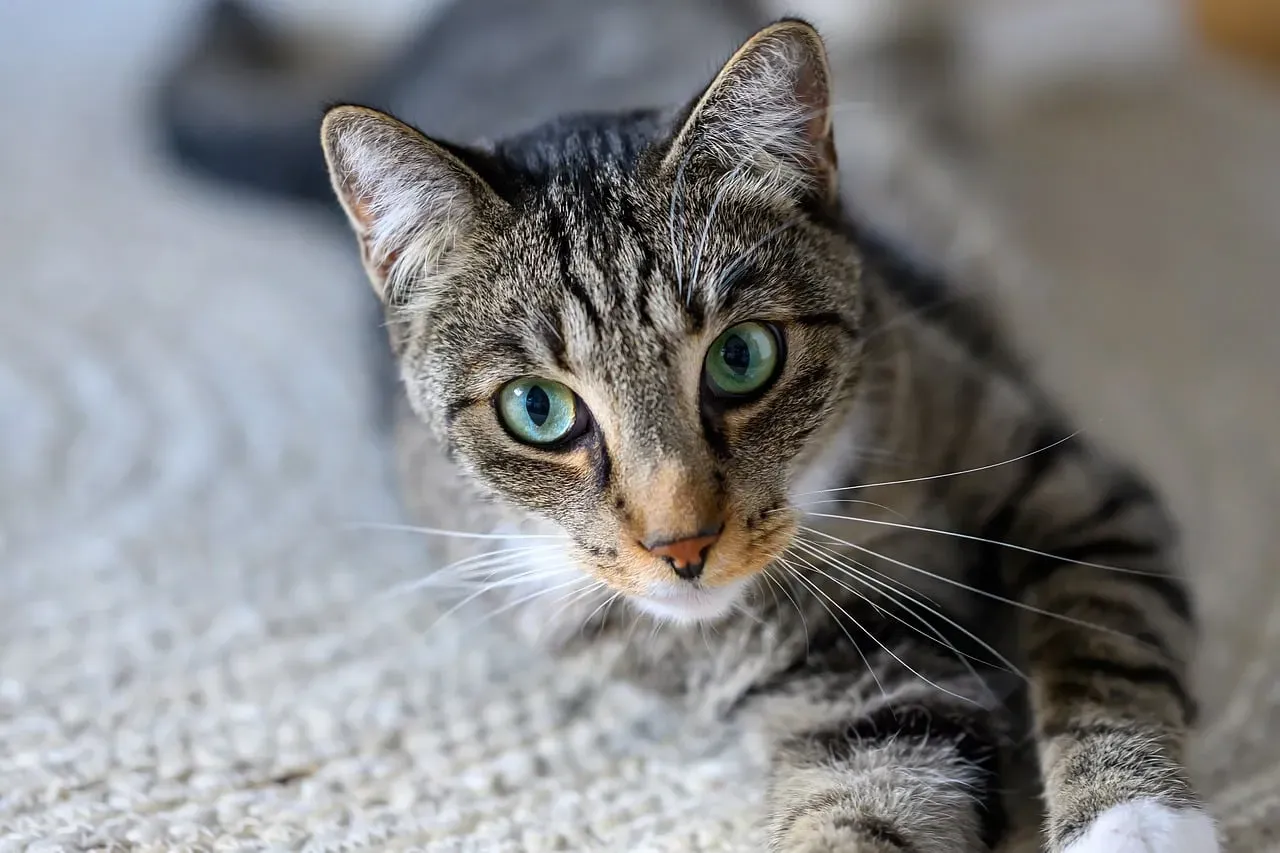
You’ve probably noticed subtle behaviors that make more sense once you think about this mental tracking. Maybe your cat appears outside the bedroom door right as your alarm goes off, even if they weren’t next to you when you woke up. Or they run to the kitchen when they hear the exact cupboard you open before feeding them, even if they were in another room seconds before.
You might also see it when you move around the house while talking on the phone. If you watch closely, your cat may rotate their ears, adjust their head, or reposition themselves as your voice changes location. That isn’t random curiosity; it’s your cat continuously updating their internal map of where you are, like a silent, whiskered radar that never really switches off while you’re home.
How You Can Support Your Cat’s Clever Little Brain
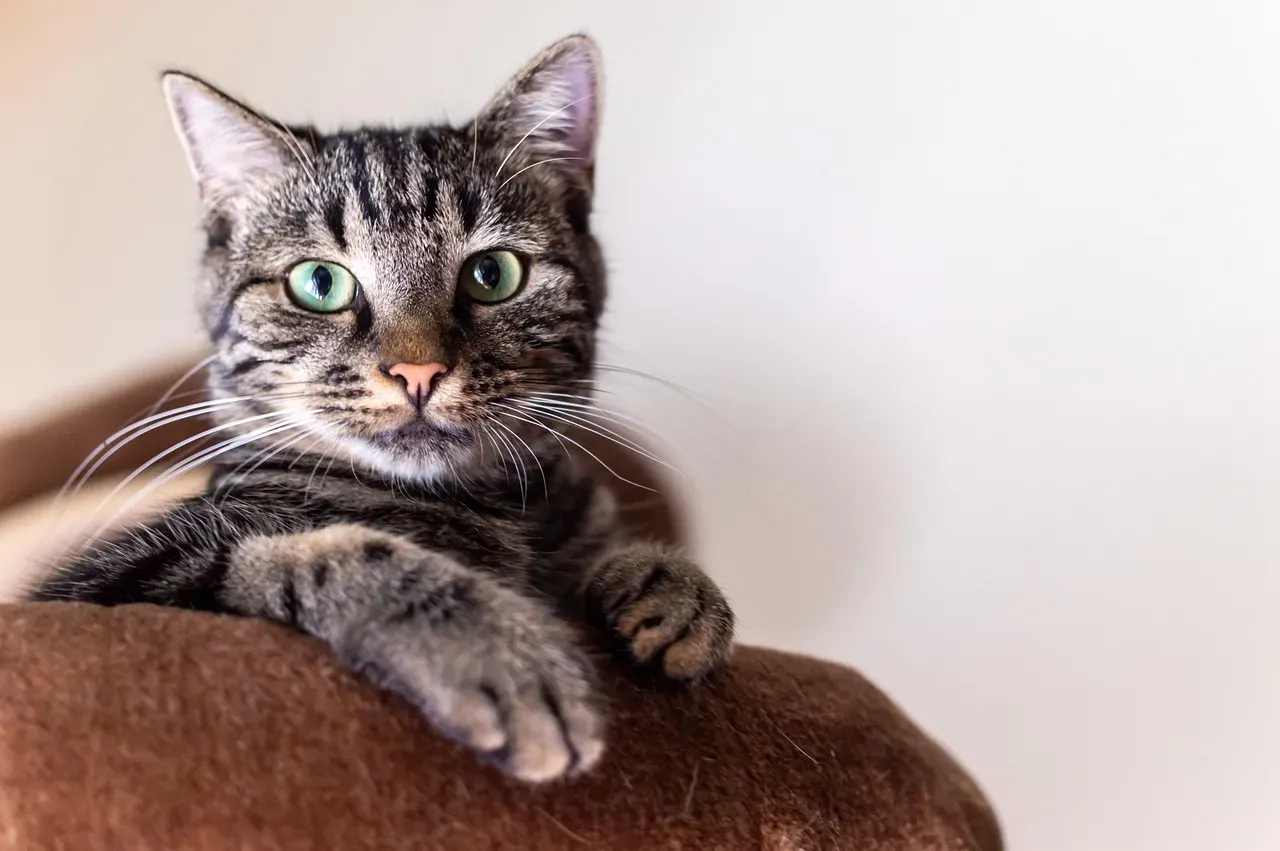
Knowing that your cat is mentally tracking you gives you a chance to interact with them in more thoughtful ways. You can create vocal routines they can rely on, like calling them before feeding, using a consistent phrase when you leave the house, or greeting them the same way when you get home. These habits reinforce those mental maps and make their world feel more predictable and safe.
You can also play games that engage their tracking skills, like calling them from another room, then moving and calling again to see how they respond, as long as you keep it gentle and not stressful. Pair your voice with positive experiences – treats, playtime, gentle affection – so that your cat learns that following your voice usually leads to something good. Over time, you’ll start to notice just how quickly they can locate you without ever seeing you, and it becomes hard to pretend they’re not thinking about you at all.
What This Tells You About Feline Intelligence Overall

When you add this mental tracking ability to everything else cats can do – remembering locations, solving simple problems, reading your body language, and recognizing routines – a clear picture of their intelligence starts to emerge. It may not look like human intelligence, and it certainly doesn’t look like a dog’s, but it is structured and purposeful. Your cat gathers information, forms expectations, and reacts when those expectations are broken.
This should reshape how you interpret their behavior. That blank stare at a doorway, the way they pause when your voice sounds “wrong,” the timing of their arrivals and exits – all of it hints at a mind that is quietly organizing the chaos of daily life into something understandable. Your cat may not be solving equations, but they are absolutely doing real mental work to keep track of you and their environment.
Conclusion: Your Cat Is Watching You, Even When They’re Not Looking

Once you start paying attention, it becomes hard to unsee just how tuned in your cat is to your presence. That moment when they freeze because your voice came from the “wrong” place is not a glitch; it is your window into a surprisingly rich mental life. Your cat is not just reacting to you in the moment, they are constantly updating their private map of where you are supposed to be, and they notice when the map and reality collide.
The next time your cat tilts their head when you call from another room, you can recognize it for what it is: evidence that they were already holding you in mind, even when you were out of sight. You take up real mental space in your cat’s world, in a way that is structured, emotional, and ongoing. Knowing that, how could you ever look at that supposedly aloof little creature quite the same way again?
Kristina is a young writer from India. An arts graduate and an avid content creator, Kristina is passionate about animals and wildlife. She enjoys exploring topics related to pet care, animal behavior, conservation, and nature, combining thorough research with engaging storytelling.