You probably think you’re the one watching your cat, but if you pay closer attention, you’ll notice it’s the other way around. Your cat is quietly tracking patterns in your day with the focus of a tiny, furry detective, filing away every sound, step, and habit you repeat.
Over time, your cat builds a detailed mental map of your routine: when you wake up, when you slump on the couch, even when your mood dips after a long day. You might feel unpredictable, but to your cat, you’re surprisingly consistent. And that consistency is exactly what they read, anticipate, and cleverly use to their advantage.
1. Your Wake-Up Time (Even When Your Alarm Is Off)
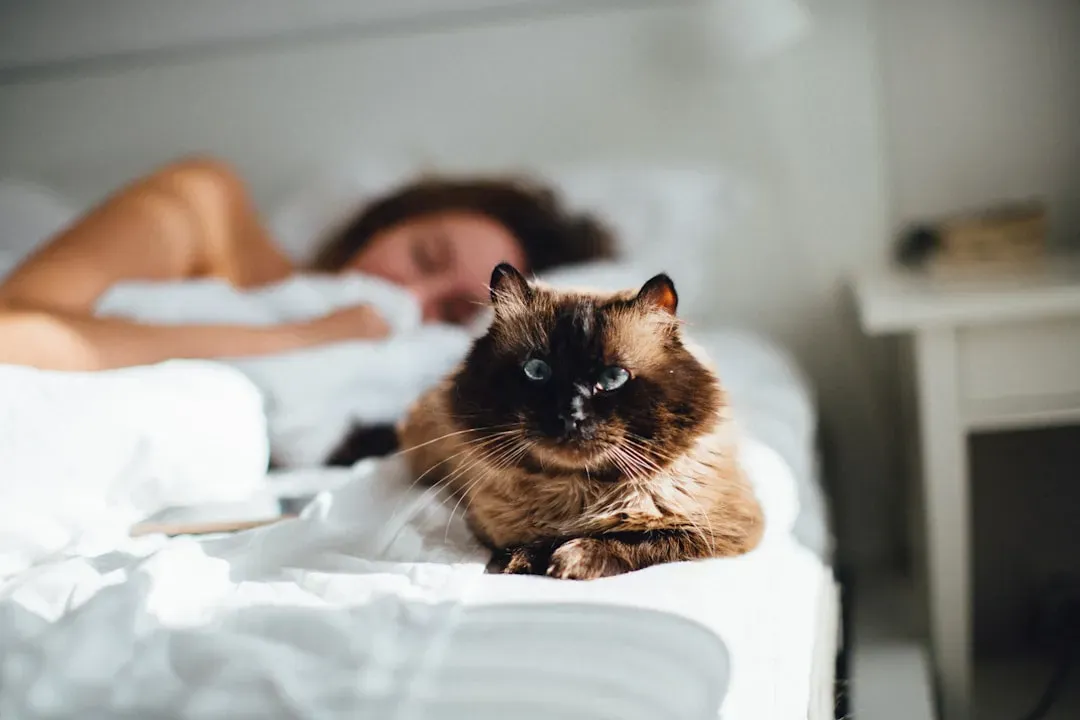
Your cat often knows when you’re about to wake up before you even open your eyes. It’s not magic; you follow subtle patterns every morning that you don’t notice, but your cat does: the way your breathing changes, the faint buzz of your phone, the sound of traffic outside, or even the timing of the sunrise through your curtains.
After seeing the same sequence repeat day after day, your cat learns that this is the window when you’re most likely to get up and move. That’s why you’ll get a paw to the face, a head-butt, or loud meowing just minutes before your alarm rings – or right around your usual wake-up time on weekends when you swore you’d sleep in.
2. When You’re Really Leaving vs. Just Walking Around
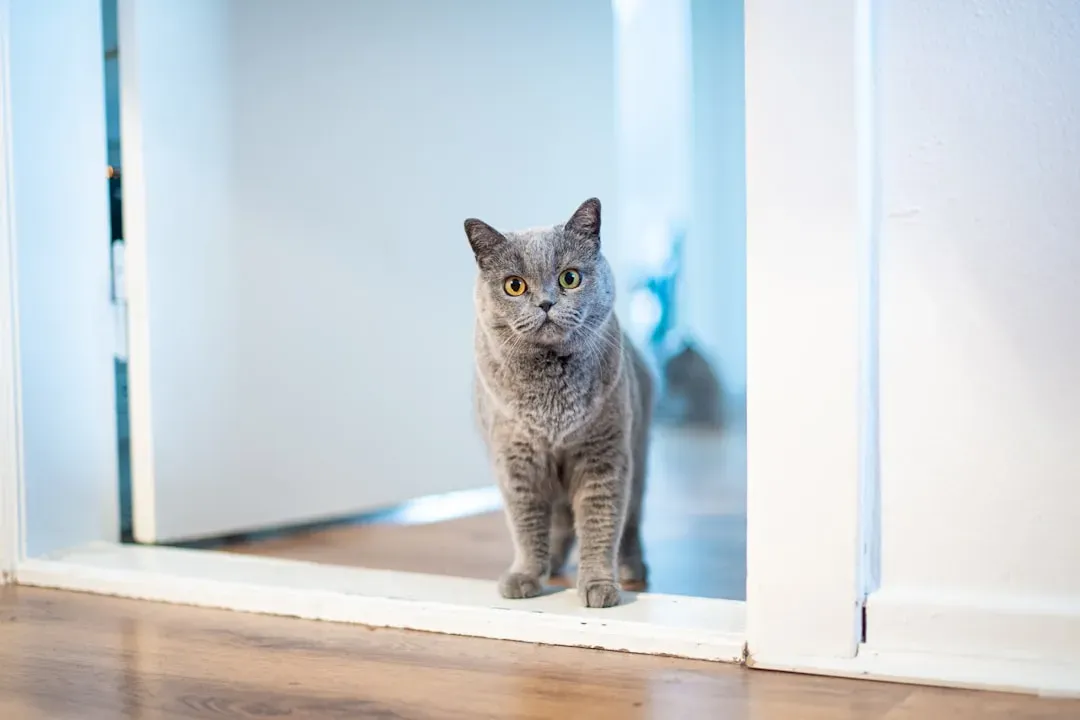
You might think your cat panics every time you head toward the door, but your cat can usually tell the difference between you grabbing something from the car and actually leaving for hours. The clues are all in your routine: shoes going on, keys picked up, bag lifted, maybe a last-minute bathroom trip or a specific jacket you always wear for work.
Over time, your cat connects these cues with how long you’re gone. On days when you just shuffle from room to room in socks, your cat might barely glance at you. But the moment you zip that one bag or put on those particular shoes, you’ll see them watching, following, or even positioning themselves right in your path, as if trying one last attempt to keep you home.
3. Your Mealtimes (And How to Guilt-Trip You)

Your cat may not care about the time on the clock, but they absolutely care about the rhythm of your meals. They notice that you tend to roll into the kitchen after waking up, that you shuffle toward the fridge when you’re tired in the evening, or that you often grab snacks during a certain show or break in your day.
Once your cat knows your meal rhythm, they start aligning their own demands with it. That’s why your cat magically appears when you open the fridge or heads to the food bowl right as you walk into the kitchen. They learn that you’re more likely to give in when you’re already handling food, and suddenly you’re being stared down by big, unblinking eyes every time you even think about making a sandwich.
4. Your Work and Screen Habits
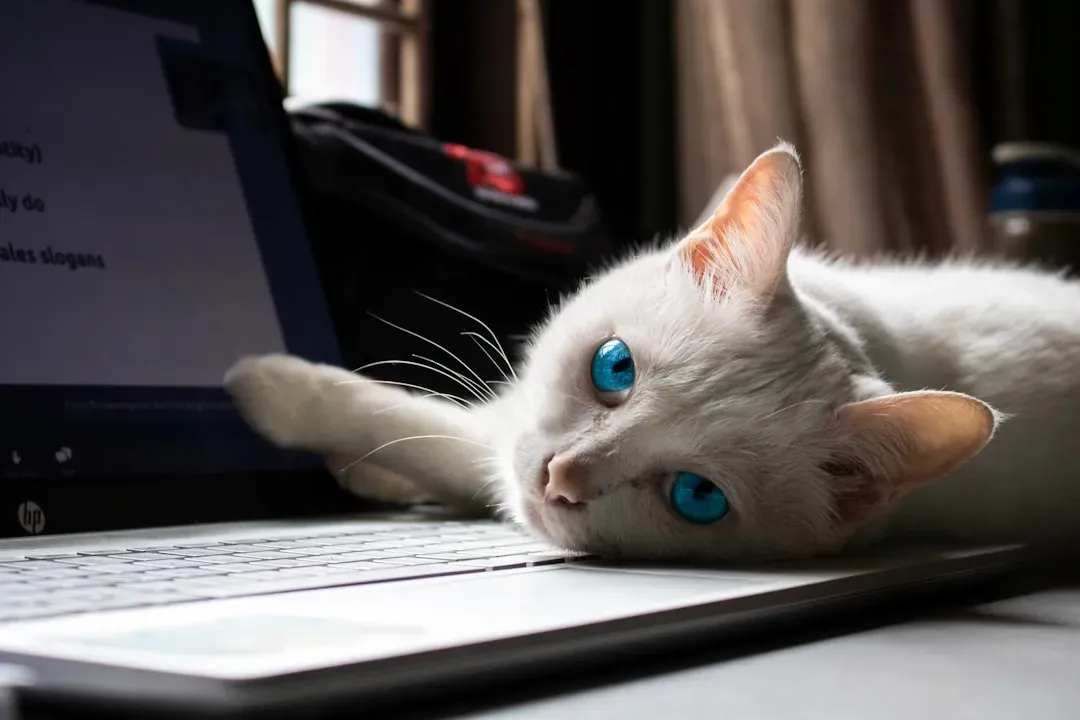
Your cat quickly figures out that when you’re at a desk, on the couch with a laptop, or glued to your phone, you’re less likely to move. To a cat, that’s prime time to demand attention. If you sit down to answer emails at the same time most days, don’t be surprised if your cat suddenly jumps on the keyboard or parks themself directly in front of your screen.
They’ve learned that this is when you get absorbed in something and they have to work harder to pull your focus back to them. You might assume your cat is randomly disruptive, but from their point of view, they’re choosing the exact moment when your routine makes you most predictable – and most vulnerable to a well-placed tail across the monitor.
5. Your Mood Shifts and Stress Patterns

You probably don’t realize how differently you move, speak, and breathe when you’re stressed, exhausted, or upset – but your cat does. They pick up on small changes: the way you stomp instead of walk, how quickly you move around the house, how quiet or talkative you become, and even your posture when you sink into a chair.
Some cats respond to these changes by becoming clingier, curling up near you, or following you from room to room when your routine feels off. Others might give you more space, watching from a distance but staying nearby. Either way, your cat learns to link certain times of the day – like when you drag yourself home from work or rush around in the morning – with certain moods, and they adjust their own behavior to match that emotional routine.
6. Your Bathroom and Shower Rituals
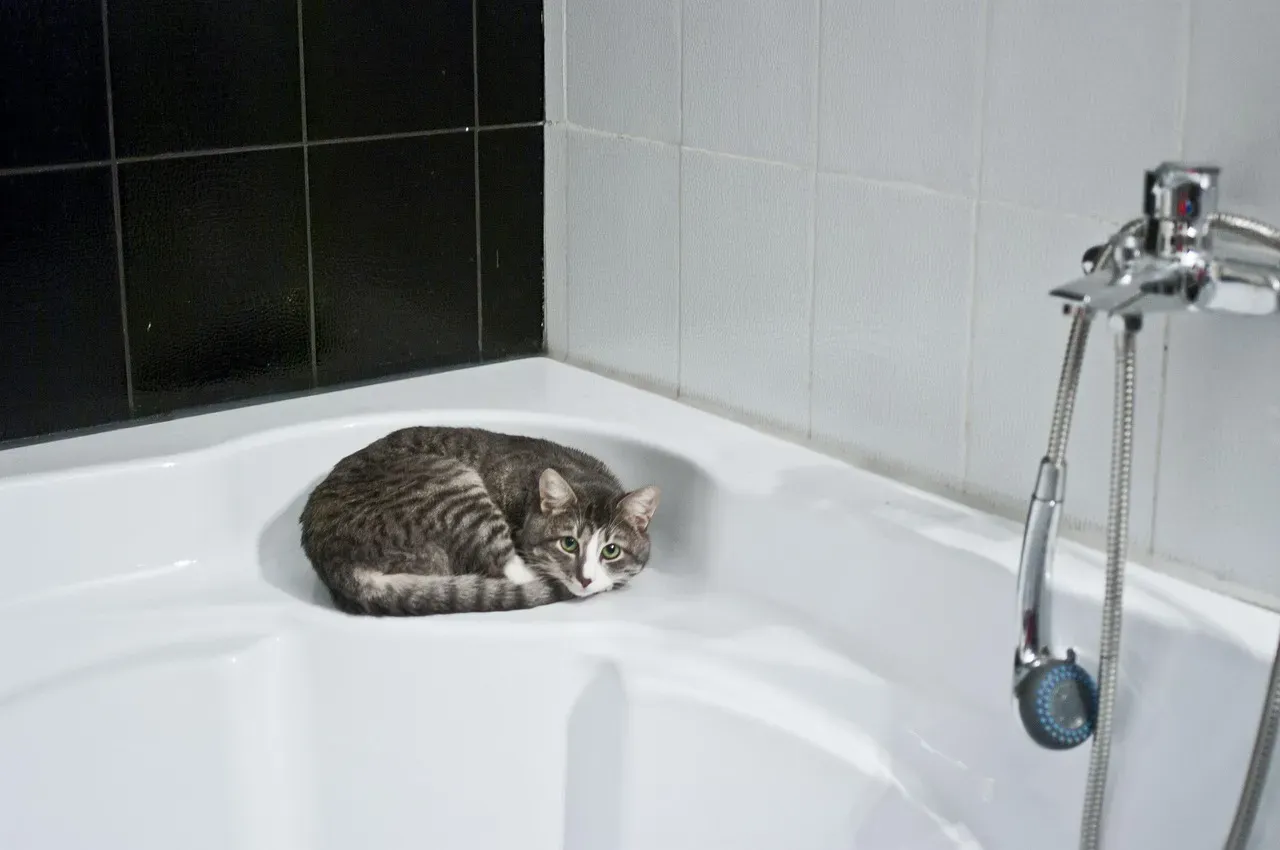
If your cat shows up like clockwork when you head to the bathroom, it’s not just nosiness; it’s pattern recognition. You go in, close the door, the fan comes on, water runs, and you’re in there for a predictable stretch of time. Your cat learns that this is one of the few moments when you’re in a small, contained space and can’t wander away.
That’s why some cats linger outside the door, scratch at it, or slip in before you close it. They know they’ve got a captive audience. To them, this is built into your daily routine: bathroom time equals a guaranteed window where you’re stuck in one place and highly available for a little staring contest, purring, or pace-laps around your feet.
7. Your Relaxation Window and Couch Time
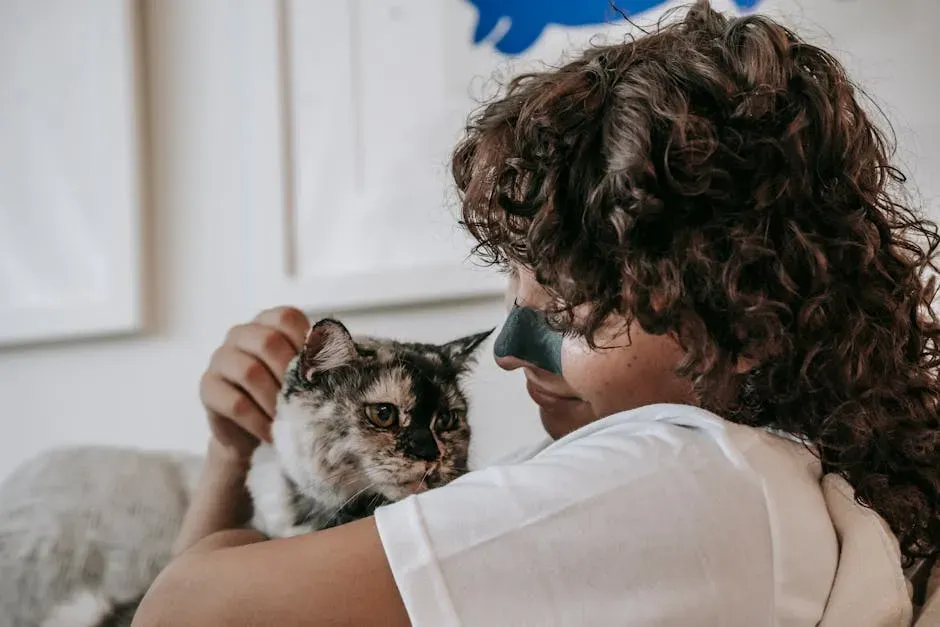
Your cat is very good at predicting when you’re finally going to slow down. Maybe you always end up on the couch after dinner, or you retreat to your favorite chair once the dishes are done. After seeing this happen over and over, your cat starts showing up just before you sit, as if they booked the spot in advance.
This is when you’re most likely to be still, warm, and available for cuddles or just quiet companionship. Your cat learns that this is the moment your attention softens and your guard drops. So they time their lap jumps, gentle kneading, or dramatic flops onto your chest to perfectly line up with your daily wind-down ritual.
8. Your Sleep Schedule and Nightly Rituals

Your bedtime routine is probably more consistent than you realize: maybe you dim the lights, brush your teeth, check your phone, lock the door, and then head to bed in a familiar order. Your cat picks up every bit of that sequence, and before long, they know that when certain actions happen, the night is officially starting.
That’s why you’ll often see your cat heading to the bedroom before you do or waiting on the bed like a tiny, judgmental roommate. They may also anticipate the parts of your routine that affect them, like a last pre-bed snack or a quick play session. To your cat, your nightly rituals form a predictable script, and they know their role in it by heart.
9. The Little Exceptions You Think No One Notices
Here’s the sneaky part: your cat doesn’t just learn your normal routine; they also notice when you break it. If you stay home sick, come back earlier than usual, skip your evening plans, or start pacing around before a big event, your cat picks up on the fact that something’s off. The whole rhythm of the day shifts, and they feel that change faster than you think.
On those days, your cat may act differently too – more curious, more affectionate, or sometimes a bit restless. They’ve built their sense of security around your usual pattern, so when that pattern bends, they react. You might think no one notices when you’re thrown off, but your cat is quietly logging those exceptions right alongside your everyday habits.
Conclusion: Your Cat Is Always Taking Notes
When you zoom out, you realize your cat is not just wandering through your life randomly; they’re constantly tracking your daily script, from your first sleepy stretch to the moment you turn off the lights. They’re not reading clocks or calendars – they’re reading you: your footsteps, your routines, your pauses, and your moods.
Once you start seeing your day through your cat’s eyes, you notice how many tiny rituals you actually have, and how deeply your cat is woven into them. The real question is not whether your cat understands your routine, but how much more you might understand yourself if you paid attention the way they do. Now that you know how closely they’re watching, what do you think your cat would say is the most predictable part of your day?
Kristina is a young writer from India. An arts graduate and an avid content creator, Kristina is passionate about animals and wildlife. She enjoys exploring topics related to pet care, animal behavior, conservation, and nature, combining thorough research with engaging storytelling.