Most people think becoming a cat health expert takes years of vet school. Turns out, millions of cat owners built that same instinct completely by accident – one anxious 3 a.m. Google search at a time.
They notice the third eyelid. They read the litter box like a lab report. They know the difference between a stress sneeze and a real infection, and they never once thought of it as expertise.
Vets say this kind of quiet observation is exactly what separates cats treated early from cats that decline unnoticed. Here are the 14 signs you’ve become one of these accidental experts – and the last one is the habit that actually saves lives.
#14 – You Know That Cats Are Built to Hide Pain
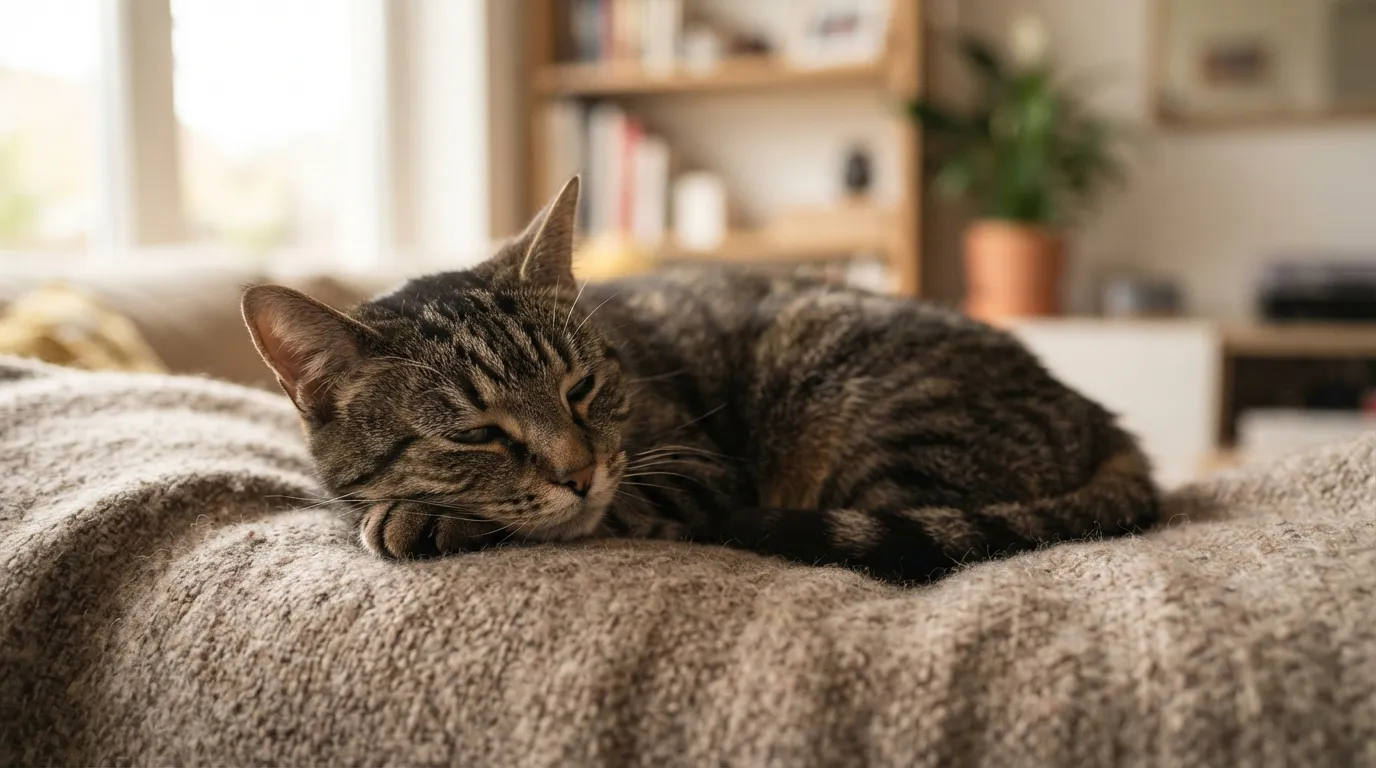
You’ve learned not to trust a calm cat.
Cats evolved to hide pain and illness – it’s a leftover survival instinct from the wild, where a sick animal quickly becomes prey.
Most owners find out something is wrong far too late. A cat can look completely normal at home and still get diagnosed with kidney disease, dental infection, or arthritis at the very next exam.
If you’ve stopped assuming “quiet means fine,” that instinct alone puts you ahead of most cat owners.
That’s just the warm-up. Wait until you see what your litter box has been trying to tell you all along.
#13 – You Check the Litter Box Like It’s a Lab Report
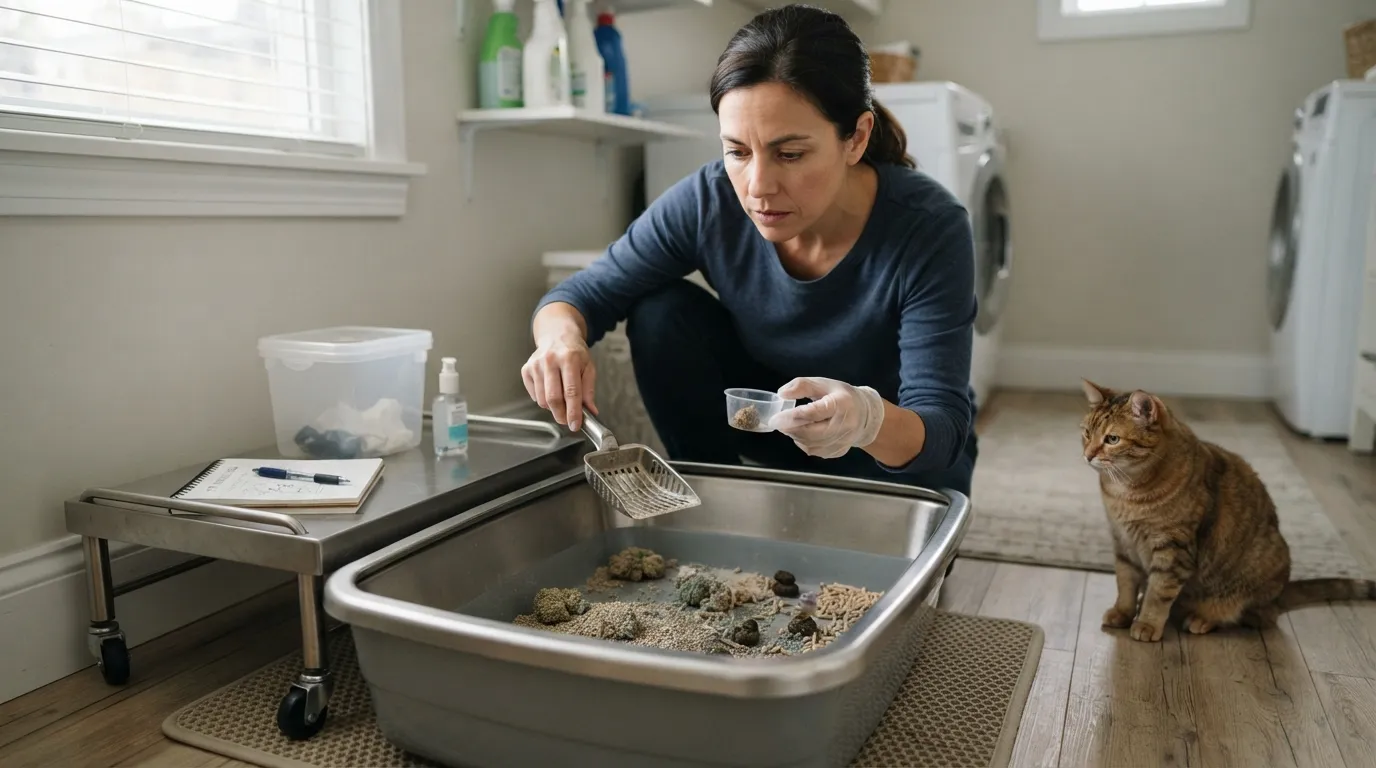
You don’t just scoop. You assess.
Changes in how often your cat uses the box, the size of urine clumps, or the look of the stool can all be important clues.
Straining, frequent trips with little output, or crying in the box are red flags most owners ignore. Those signs can point to infections, inflammation, kidney disease, or even a blockage.
You’ve turned a chore into an early-warning system. That’s not paranoia – that’s expertise.
Impressive detective work. But your cat’s coat has been sending you signals too.
#12 – You Know What a Healthy Coat Actually Looks Like
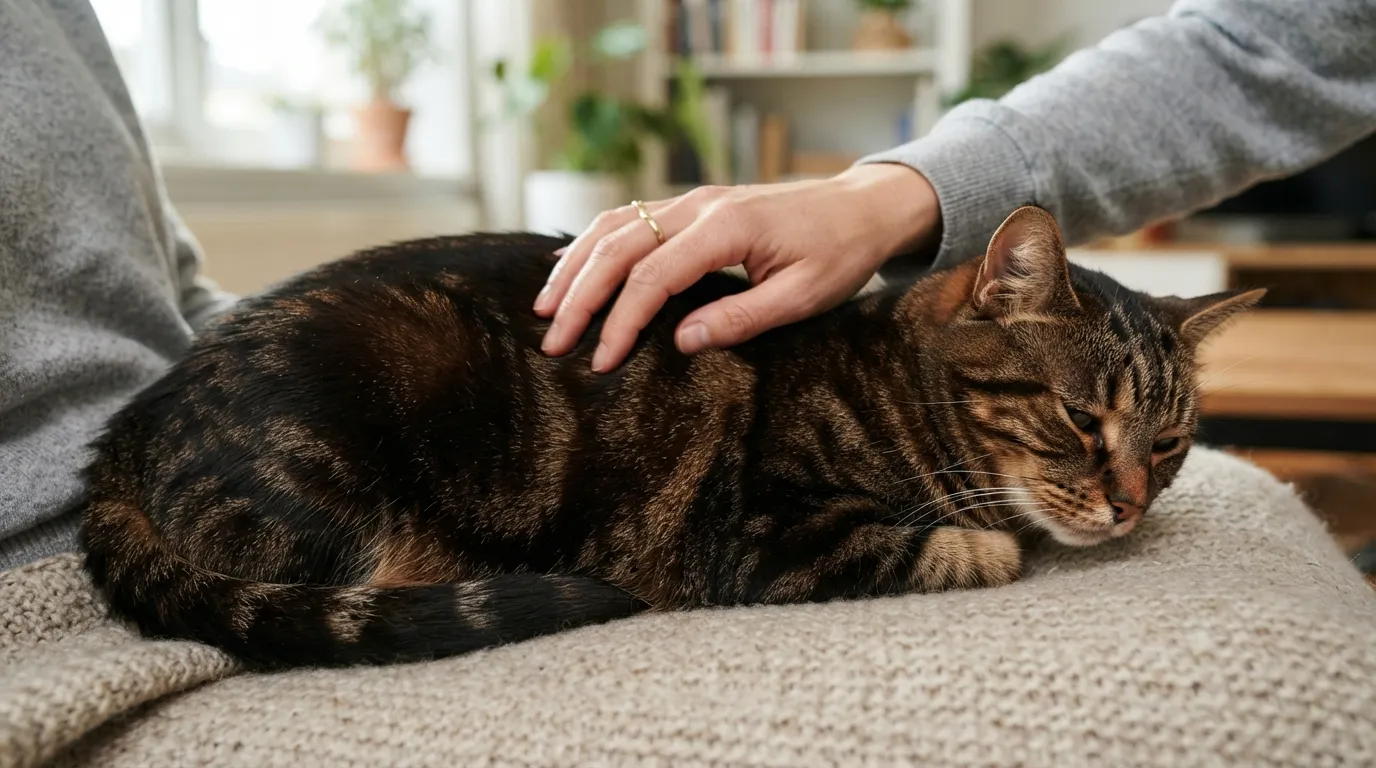
You don’t just pet your cat. You notice texture, sheen, and patches.
A healthy feline coat is rich in color and free of flakes and mats – dry or oily skin can point to an environmental or medical problem.
A dull or greasy coat is often the first visible sign that something systemic is wrong. Excessive shedding, flaky patches, or oily fur can mean an allergy, a skin disease, or a nutritional deficiency.
If you’ve ever run your hand along your cat’s back and thought, “Something’s off today,” you were doing veterinary work without realizing it.
A good coat check is solid instinct. The next sign is even sneakier – it hides in plain sight.
#11 – You’ve Spotted the Third Eyelid
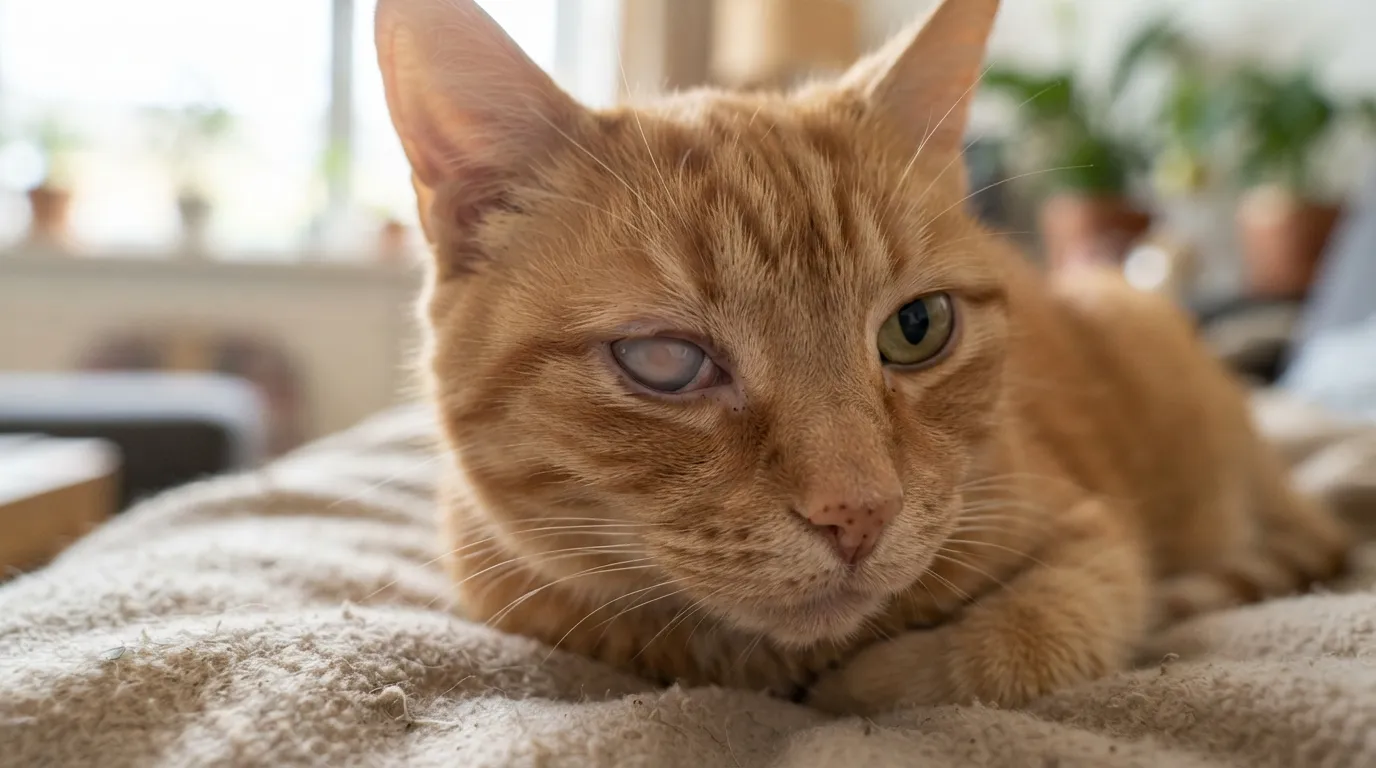
Most people don’t even know cats have a third eyelid. You’ve seen it – and you knew it mattered.
In a sick cat, the third eyelid rises and covers part of the eyeball, sitting just beneath the lower lid.
This is one of the most overlooked illness signals in cats, and spotting it takes real observational skill. Droopy lids, colored discharge, squinting, or uneven pupils are all warning signs that go with it.
Worth Knowing
- Vets call this membrane the “nictitating membrane.”
- In a healthy, relaxed cat it usually stays completely out of sight.
- When it shows in both eyes, vets often check for pain, dehydration, or intestinal illness first.
- It’s one of the few visible signals a cat truly can’t fake or hide.
If you’ve ever caught your cat’s eye looking “off” and acted on it, you read a signal that most owners walk past for weeks.
Spotting that is rare skill. The next sign hides somewhere even more obvious: your cat’s behavior.
#10 – You Track Behavior Changes as Health Data
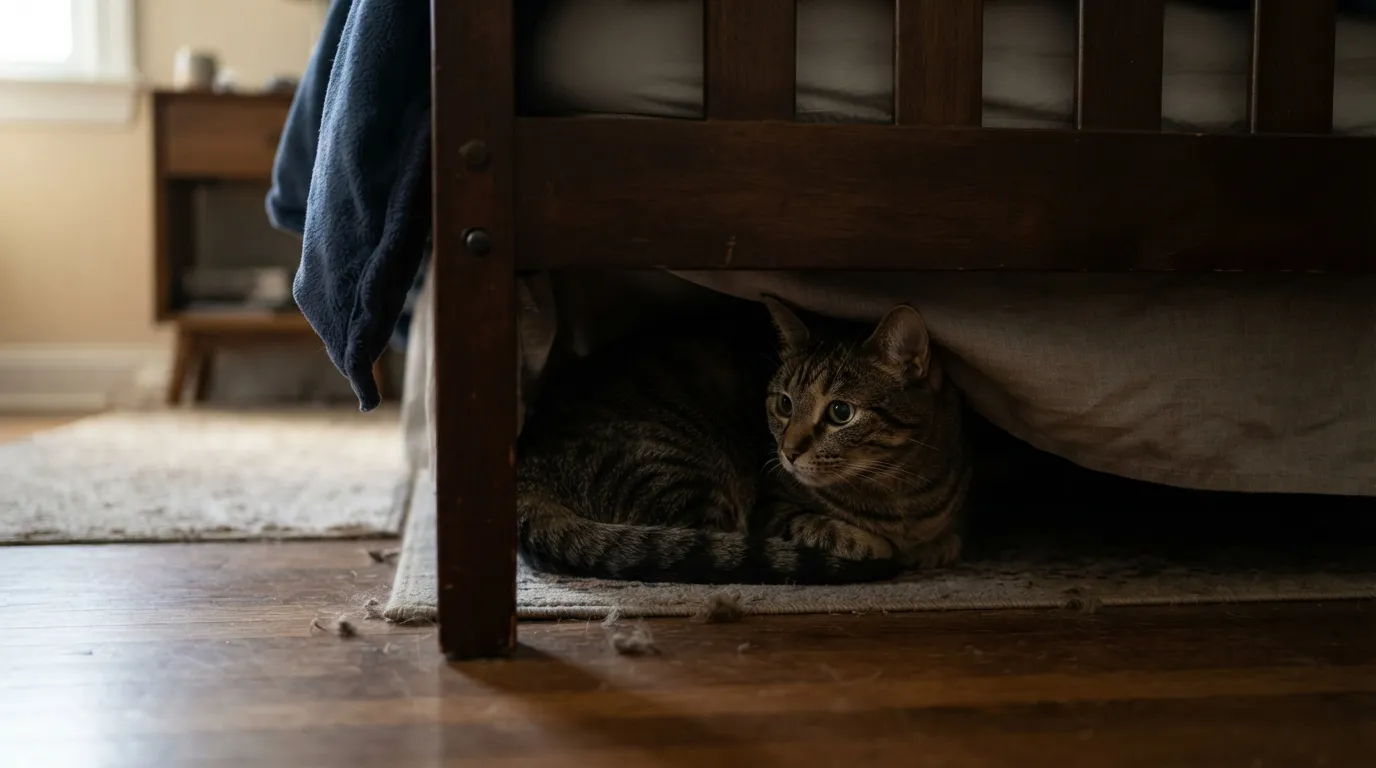
You’ve noticed when your cat suddenly disappears under the bed – and you don’t dismiss it.
A sick or injured cat often hides in unusual places for comfort and stress relief, so excessive hiding is a genuine red flag.
Behavioral shifts are actually one of the earliest clinical signs of illness. A normally affectionate cat may turn withdrawn or snappy, while an independent cat might suddenly become clingy, vocal, or anxious.
You’ve trained yourself to read personality changes as symptoms. That’s not overthinking – that’s clinical observation.
Reading behavior like a chart is next-level. But here’s a number that might make you rethink your cat’s whole body.
#9 – You Understand the Weight Problem Nobody Talks About
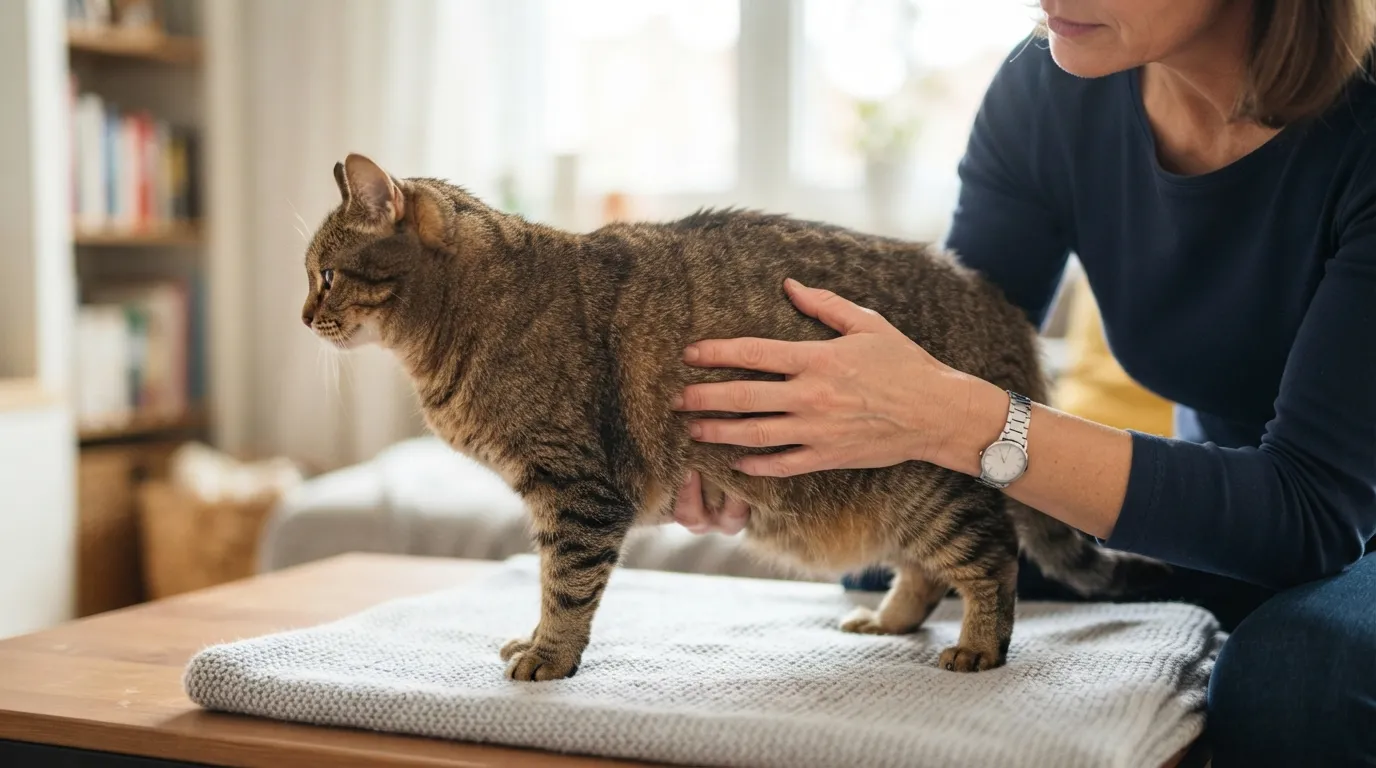
You’ve wondered if your cat is looking a little… rounder. And you took it seriously.
Over half of the cat population in the United States is overweight, and vets warn that extra weight is an early indicator of kidney failure, heart disease, and other illness down the road.
“Obesity in pets is not just a cosmetic issue, it is a major health issue.”
Dr. Ernie Ward, Association for Pet Obesity Prevention
The correct weight check isn’t about eyeballing it – it’s about what you can feel. You should be able to see the outline of a waist, feel the ribs without pressing hard, and the belly should sit fairly flat.
If you’ve done this test without anyone telling you to, you’ve been doing your vet’s job between appointments.
Weight checks matter. But there’s a quieter warning sign – one that shows up in the water bowl.
#8 – You Know Increased Thirst Is a Warning Sign
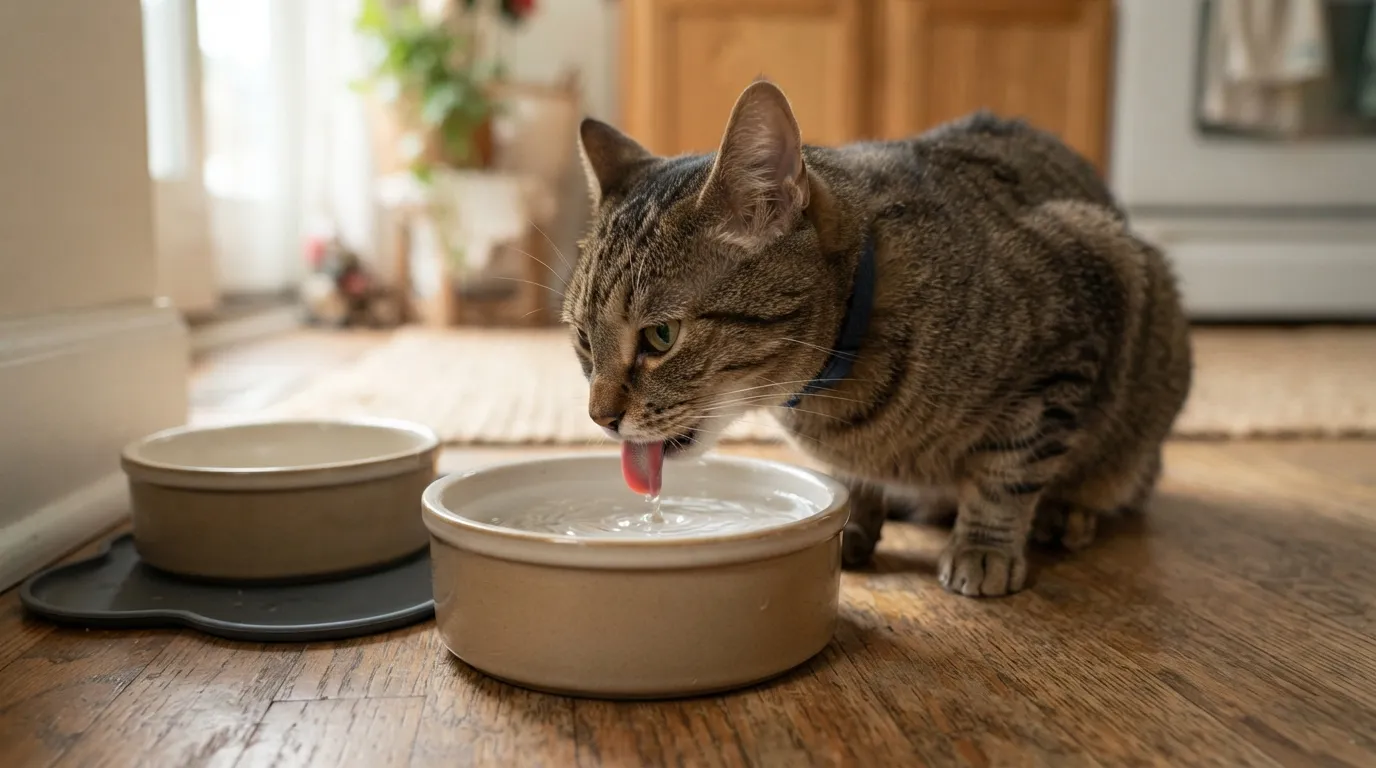
You’ve noticed when the water bowl empties faster than usual. And it made you nervous for a reason.
Increased thirst and urination is often the earliest sign of kidney trouble – damaged kidneys can’t process water properly, so the cat pees more, gets thirstier, and drinks more in a cycle.
The scary part is how invisible this problem can be early on. In the early stages of chronic kidney disease, cats often show no obvious clinical signs at all, because the body compensates for the lost function.
Catching a change in drinking habits is exactly the kind of early flag that changes outcomes – and you’ve been watching for it.
Thirst is one clue. Grooming habits reveal something just as telling.
#7 – You Know Grooming Changes Mean Something
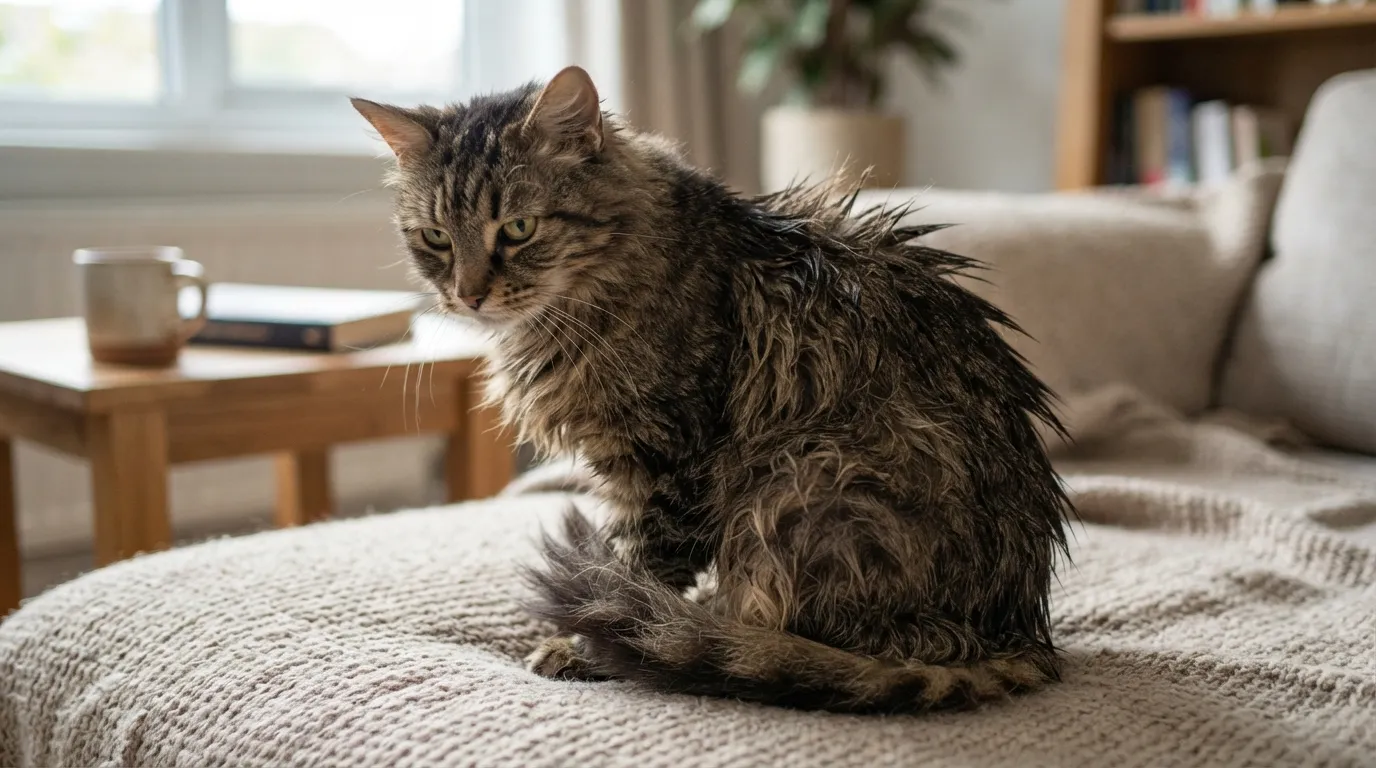
You’ve noticed when your cat stops grooming – or can’t stop grooming. Both worry you, and both should.
When a cat feels unwell, grooming is often one of the first things to slip, leaving fur greasy, dull, matted, or uneven, especially along the back or hind end.
The back and hind end are the hardest spots for a cat to reach – neglect there is a dead giveaway that something hurts. On the flip side, obsessive over-grooming can be just as telling a red flag.
You’ve learned to read your cat’s self-care routine as a health dashboard. Most owners never make that connection.
Grooming tells one story. Appetite tells another – and most owners only catch half of it.
#6 – You’ve Mastered the Appetite Observation Game
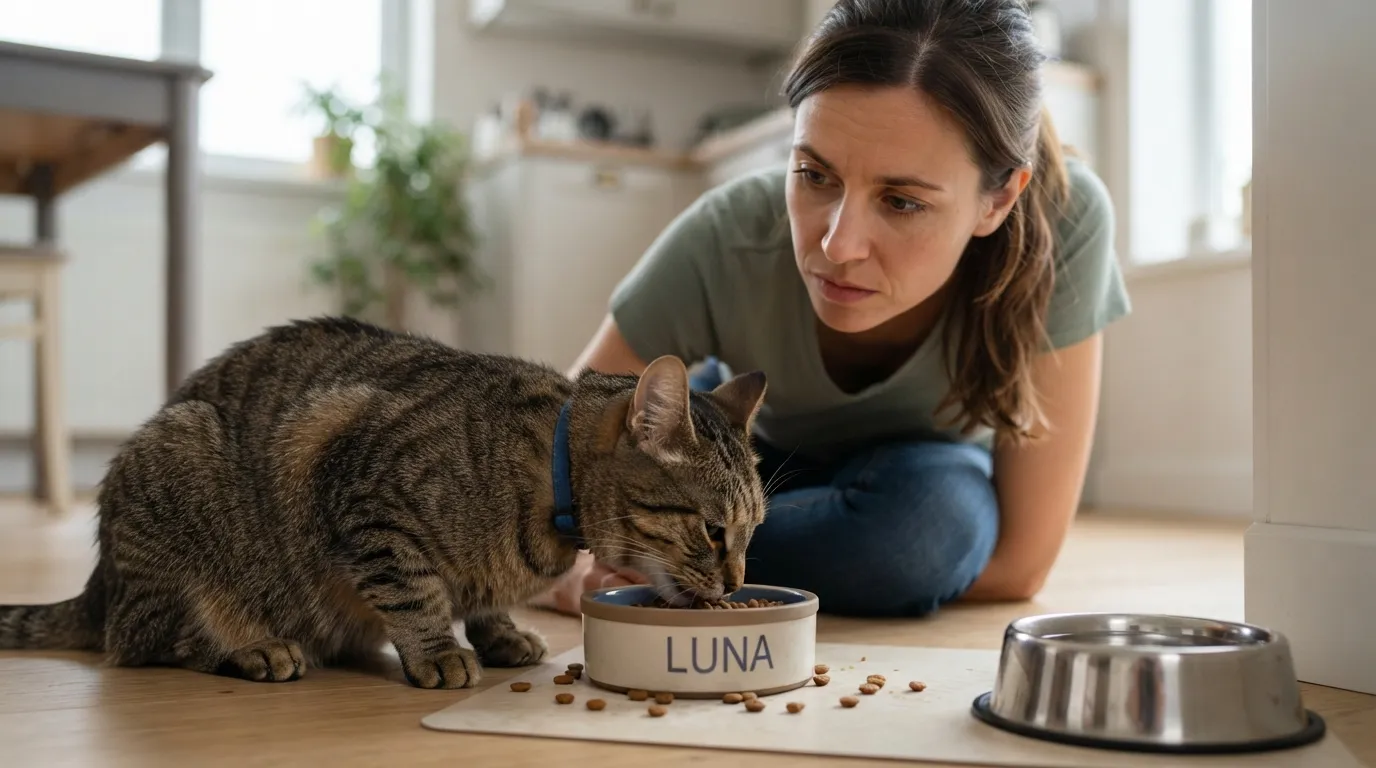
You know the difference between a picky day and a genuine loss of interest in food.
A loss of appetite can signal intestinal parasites, inflammatory bowel disease, pancreatitis, or kidney failure – especially alongside thirst, vomiting, fatigue, or mouth sores.
But here’s the flip side most owners miss completely: being greedy isn’t a sign of good health either. A cat that gobbles its bowl too fast may be stressed, on the wrong diet, or genuinely ill.
You’ve learned to read both ends of the appetite spectrum. That’s not a coincidence – that’s accumulated expertise.
Appetite is only part of the picture. The rest is written in your cat’s tail and ears.
#5 – You Know Body Language Is a Medical Clue
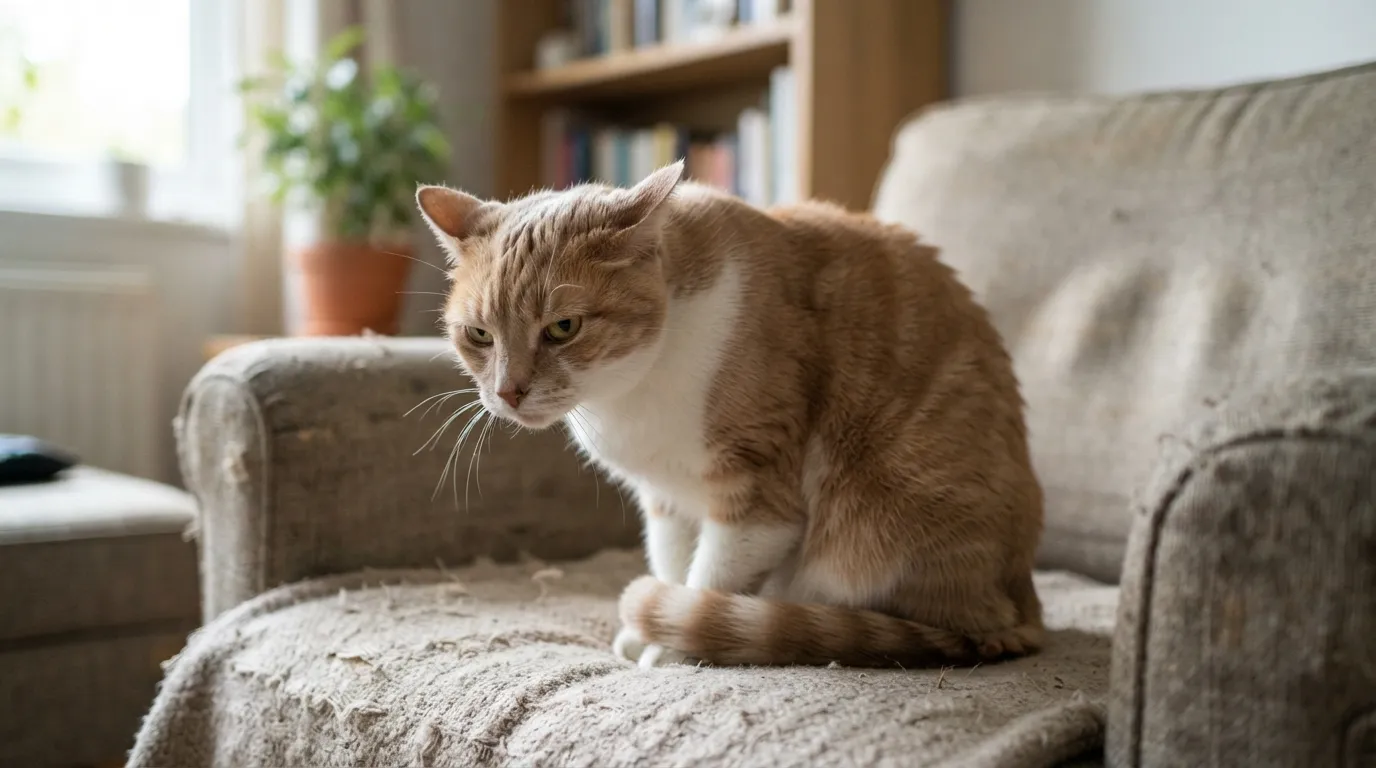
You’ve learned to read your cat’s tail, ears, and posture – not just for mood, but for pain.
An upright tail signals all is well, while a tail held low to the ground can mean your cat is hurting.
Most people think flattened ears just mean a grumpy cat. Experts know it’s often something more. Cats fold their ears back when upset or in pain, while a happy, comfortable cat keeps its ears forward and alert.
Quick Compare
- Tail up, slight curve: confident and comfortable
- Tail low or tucked: possible pain or fear
- Ears forward: relaxed and alert
- Ears flattened back: stressed, upset, or hurting
You’ve stopped seeing body language as personality quirks and started reading it as clinical data. That shift is everything.
Body language is a skill. Knowing when to double that attention is another.
#4 – You Know Senior Cats Need Twice the Attention
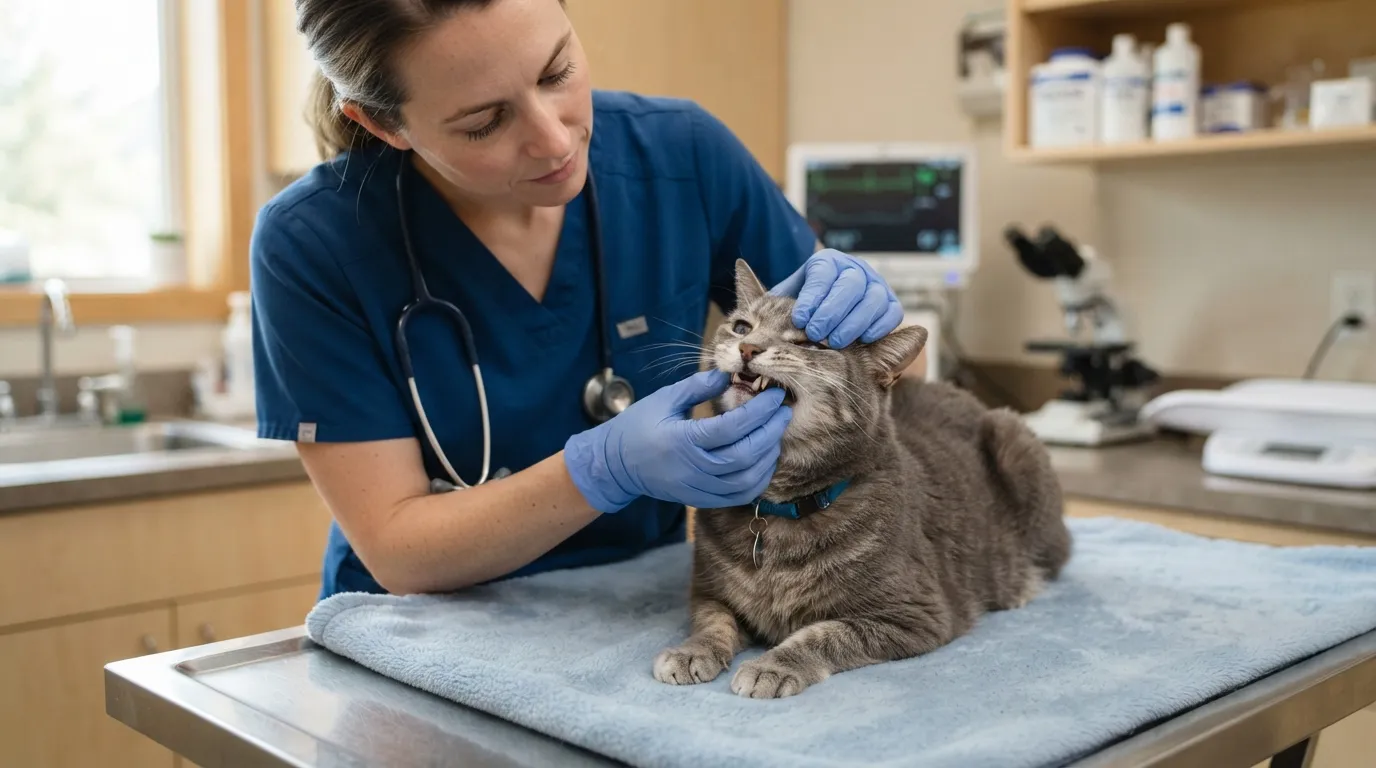
You don’t treat an 8-year-old cat the same as a 2-year-old. And that instinct is exactly right.
Senior cats over 8 or 9 should see a vet twice a year, since older cats get sick more easily and catching problems early matters more.
The two biggest silent threats in aging cats – dental disease and organ decline – develop with almost no obvious warning. Staying indoors doesn’t stop either one, which is why even indoor senior cats need regular checkups.
If you’ve started watching your older cat more closely than you used to, that’s not anxiety. That’s correct veterinary thinking.
Age changes everything – and so does something most owners never think to check: the mouth.
#3 – You Know That Dental Health Connects to Everything Else
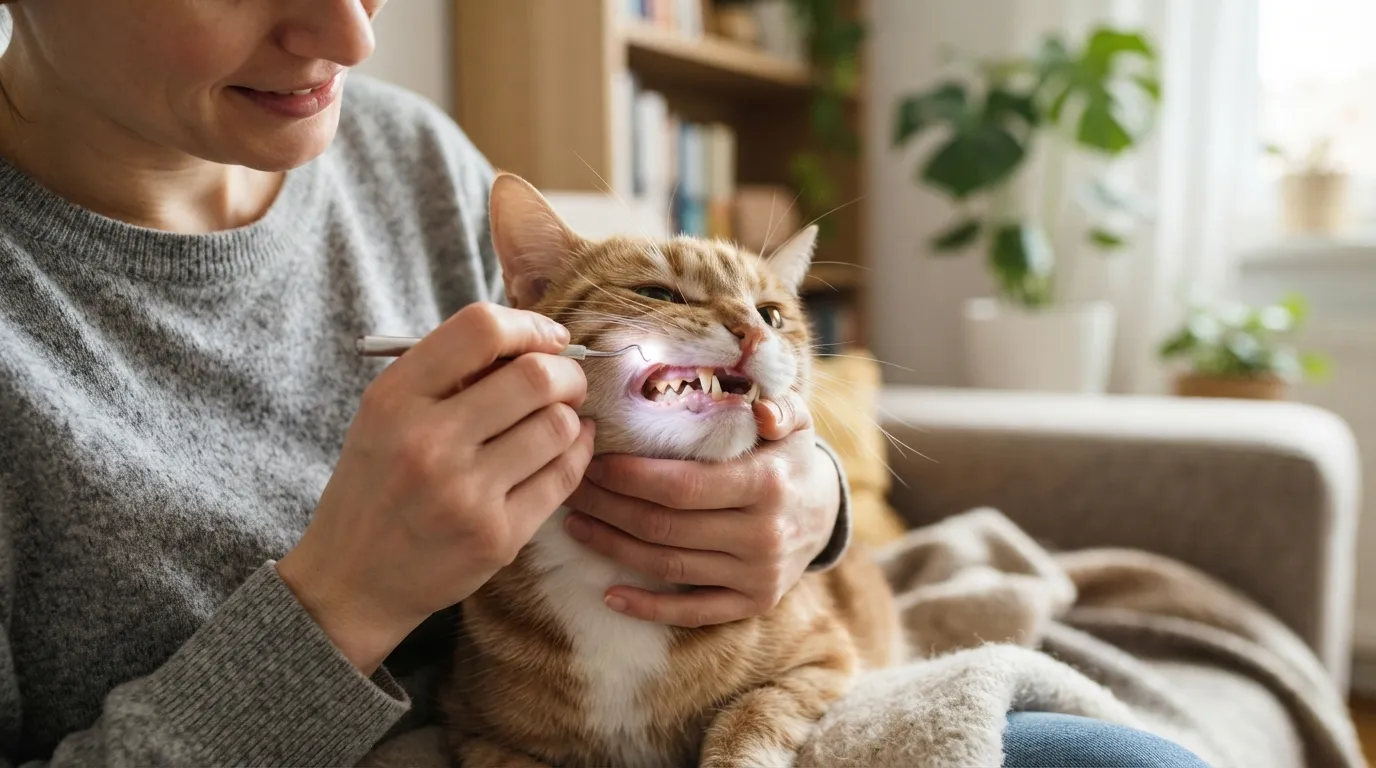
You check your cat’s breath. You notice when it’s off. And you know that matters beyond just the mouth.
Cats deal with a wide range of dental problems – gingivitis, periodontitis, stomatitis, tooth resorption, tartar buildup, and fractured teeth – and any of them can quietly kill an appetite.
What most owners don’t realize: dental infection doesn’t stay in the mouth. Plaque is roughly 80% bacteria, and left in place below the gumline it leads to gum recession and bone loss over time.
If you’ve ever caught a whiff of your cat’s breath and immediately booked a vet appointment, you already knew what most owners learn only when it’s too late.
Dental health hides a lot. But this next test takes only seconds, and almost nobody knows it exists.
#2 – You Know How to Check for Dehydration at Home
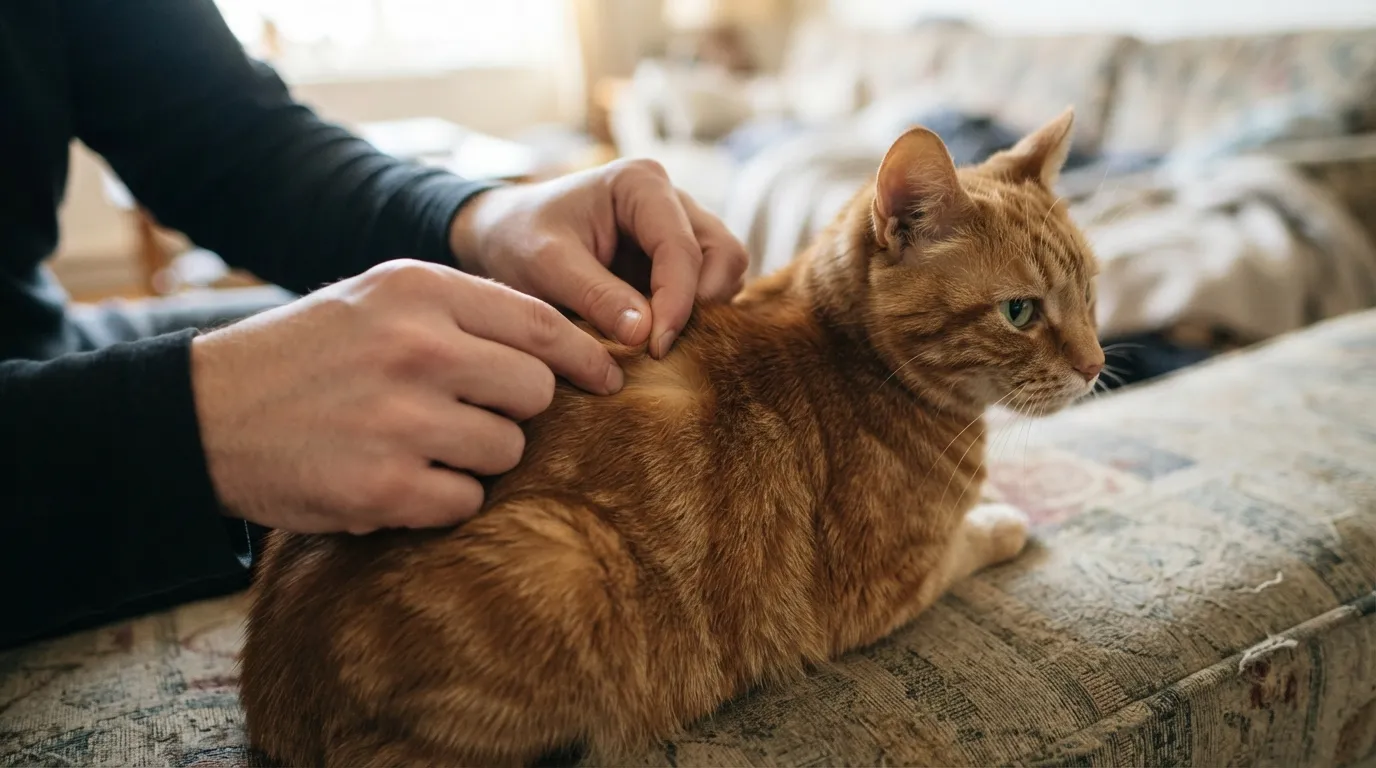
You’ve pinched the skin between your cat’s shoulder blades to test for dehydration. Most cat owners have never even heard of this test.
A healthy cat’s skin snaps back into place when pinched and released – a dehydrated cat’s skin stays “tented” instead.
Dehydration in cats can escalate quickly and is often tied to something serious underneath. Dry gums, sunken eyes, and reduced skin elasticity usually come with it.
Fast Facts
- Normal cat body temperature: 100°F to 102.5°F
- Normal resting heart rate: 140 to 220 beats per minute
- Normal breathing rate: 20 to 30 breaths per minute
- Readings well outside these ranges warrant a same-day call to the vet
Knowing this test – and thinking to use it – puts you in the small group of people who catch emergencies before they become crises.
That’s a real emergency-catching skill. But the last sign on this list is the one that actually separates the amateurs from the true accidental experts.
#1 – You Act on Subtle Changes Before There’s an Obvious Problem
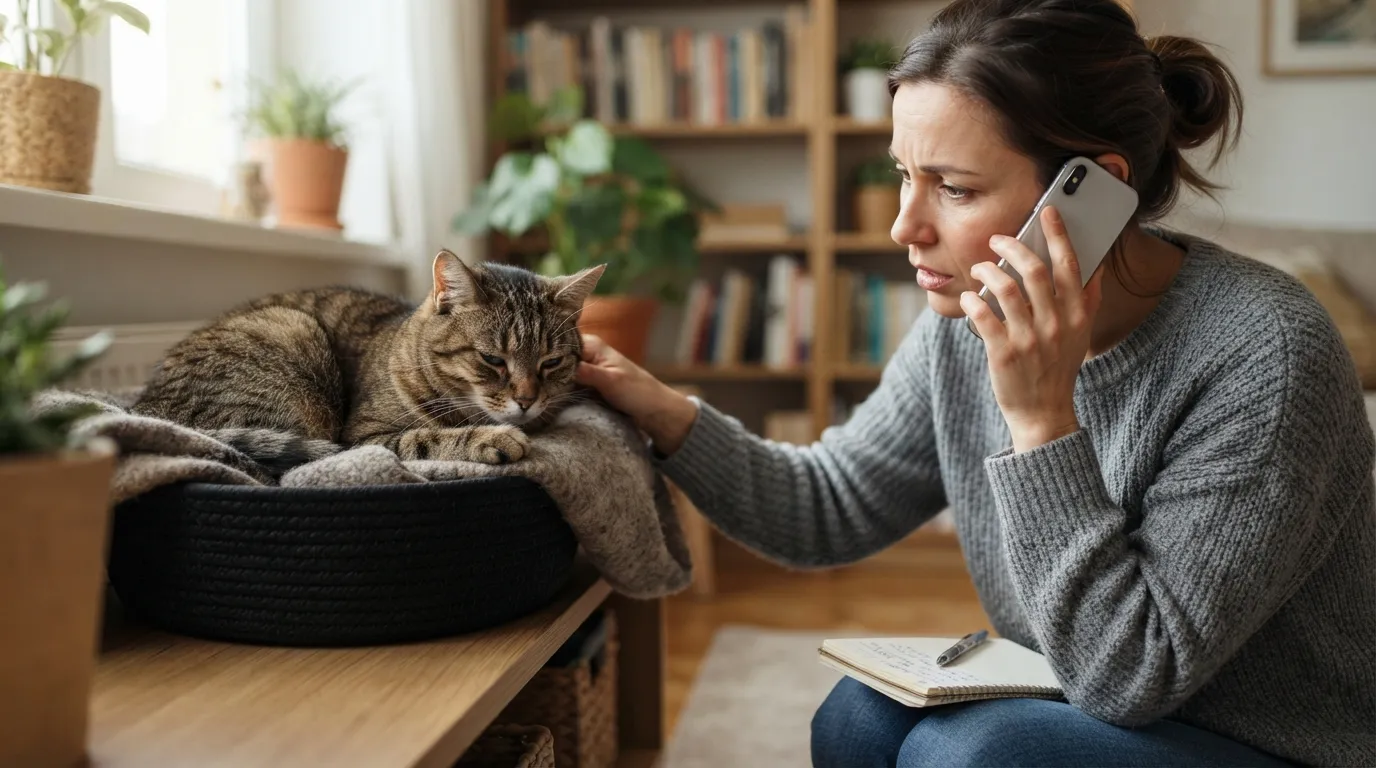
Here’s what separates real cat health experts from everyone else: they don’t wait for obvious symptoms.
The safest approach is treating any change in routine as a reason to call the vet, instead of waiting for clear signs of distress – cats rarely vocalize pain the way dogs do.
This is the single most important habit in feline healthcare, and no textbook can fully teach it. In early illness, the only visible clue is often that a cat has gone quiet and withdrawn – which means it may already be seriously sick by the time an owner notices.
A short phone call describing what changed, even something as small as a new sleeping spot, gives a vet more useful information than most owners realize.
If you’ve ever watched your cat and thought “something’s just not right today” – and acted on it – you’ve done more for that animal than most people ever will.
The Bottom Line
You didn’t enroll in a class. You didn’t crack open a textbook.
But somewhere between late-night Google searches, obsessive litter box checks, and learning to read a tail like a mood ring, you quietly became an expert in cat health.
Regular vet visits are still essential – but you can do a lot of the detective work yourself once you know what to look for. The owners who catch the dull coat, the extra thirst, the hiding, the changed appetite are the ones who give their cats the longest, healthiest lives.
The knowledge was never accidental. It was love, paying close attention, over and over again.
Which sign on this list made you say “that’s totally me”? Drop it in the comments.
Growing up traveling and experiencing new cultures and wonders, I have had a passion for nature, adventuring, photography, and videography. I am currently working towards a BSc in Biodiversity and Ecology at Stellenbosch University, and I hope to specialise in Marine Sciences one day.
Please send any feedback to Feedback@animalsaroundtheglobe.com