You probably picture lions, tigers, or leopards when you think of elite hunters. But some of the most lethal predators on the planet could actually curl up in your lap, at least in terms of size. These small wild cats quietly out-hunt many of the big names, taking down prey with a mix of stealth, speed, agility, and sheer persistence that would embarrass a lazy lion on a hot afternoon. In this guide, you’re going to meet ten small wild cats whose hunting skills punch far above their weight. You’ll see how they stalk in deserts, dive in swamps, prowl rainforest canopies, and even raid chicken coops with military precision. By the end, you’ll probably never look at a “little” cat the same way again.
Black‑Footed Cat – The Tiny Super‑Predator
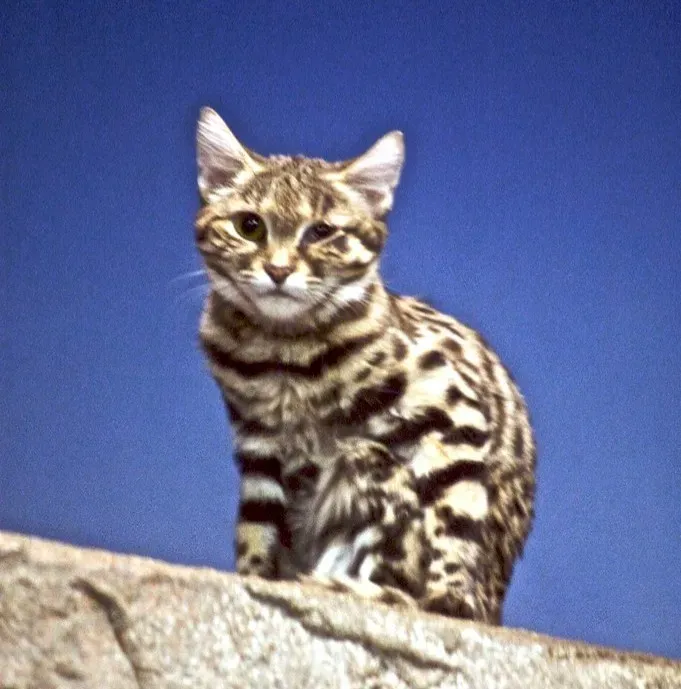
If you want to start with the most outrageous example, you go straight to the black-footed cat. You’re looking at one of the smallest wild cats on Earth, yet it’s often described as the most efficient feline hunter alive. Field studies have shown that a single black-footed cat can kill around a dozen small animals in one night, sometimes more, which works out to roughly a fifth of its own body weight in prey every 24 hours. That’s like you eating your own weight in food every week, just to stay alive. What makes this cat so brutally effective is how relentlessly it works through the night. You’ll see it employ several tactics: fast, low sweeping walks to flush prey, patient sit-and-wait ambushes near burrows, and sudden lunges when it hears the faintest rustle. Its targets are mainly rodents and small birds, but it’s bold enough to tackle animals bigger than itself, including hares or small ground birds. For something that looks not much larger than a chunky house cat, its kill count would put a leopard to shame.
Fishing Cat – The Semi‑Aquatic Assassin
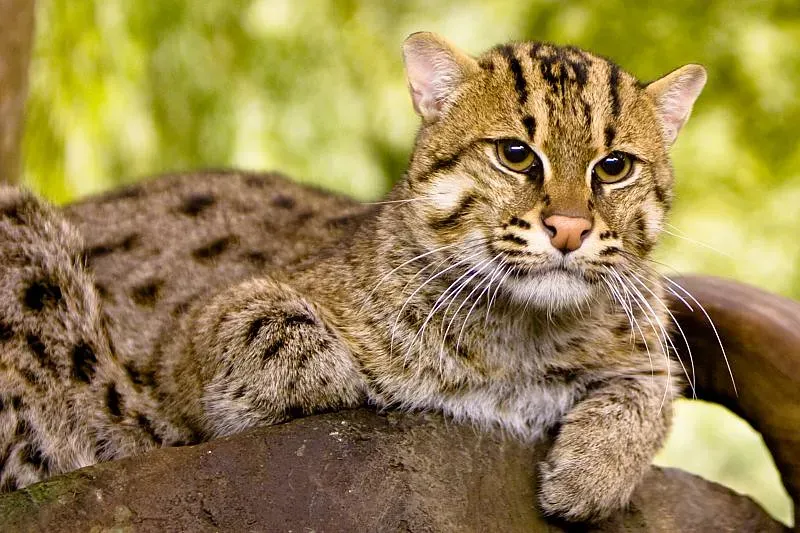
You’re used to cats avoiding water, but the fishing cat treats rivers and marshes like an all‑you‑can‑eat buffet. This medium‑small wild cat is built for aquatic ambush: it has partially webbed feet, a dense water‑repellent coat, and claws that help it grip slippery fish. Instead of prowling dry ground for rodents, it patrols the banks of swamps, mangroves, and rice paddies, watching the water as carefully as a heron, then striking with shocking speed. What really sets this cat apart is how confidently it works the water column. You’ll see it tap the surface to attract curious fish, wade slowly along the shallows, or suddenly plunge in with a full-body dive. It doesn’t just take small fish either; it’s known to go after sizable prey, including larger fish, crustaceans, and occasionally young mammals near the water’s edge. Compared to many big cats that fail more often than they succeed when hunting, the fishing cat’s aquatic specialization gives it a serious edge in places where rival predators barely dare to get their paws wet.
Serval – The High‑Jumping Sniper of the Grasslands
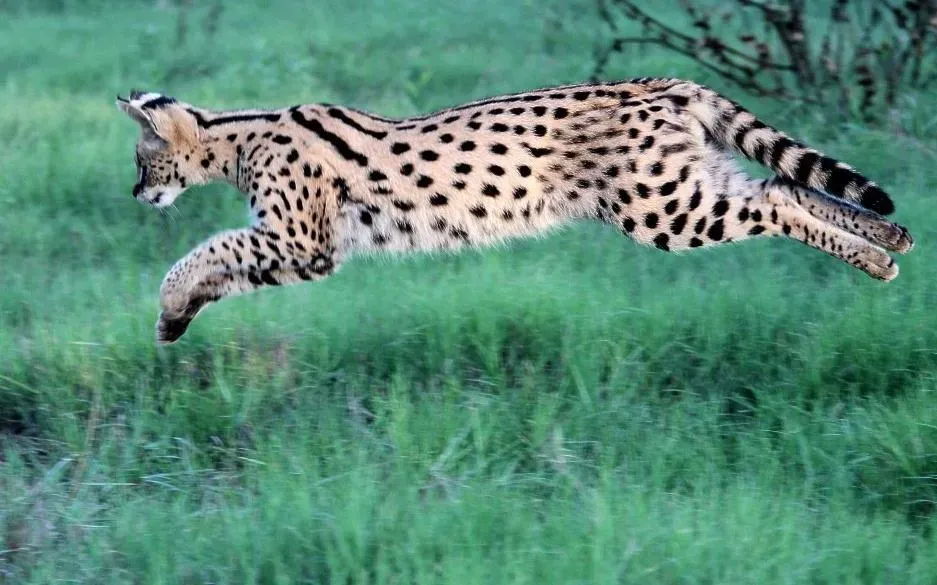
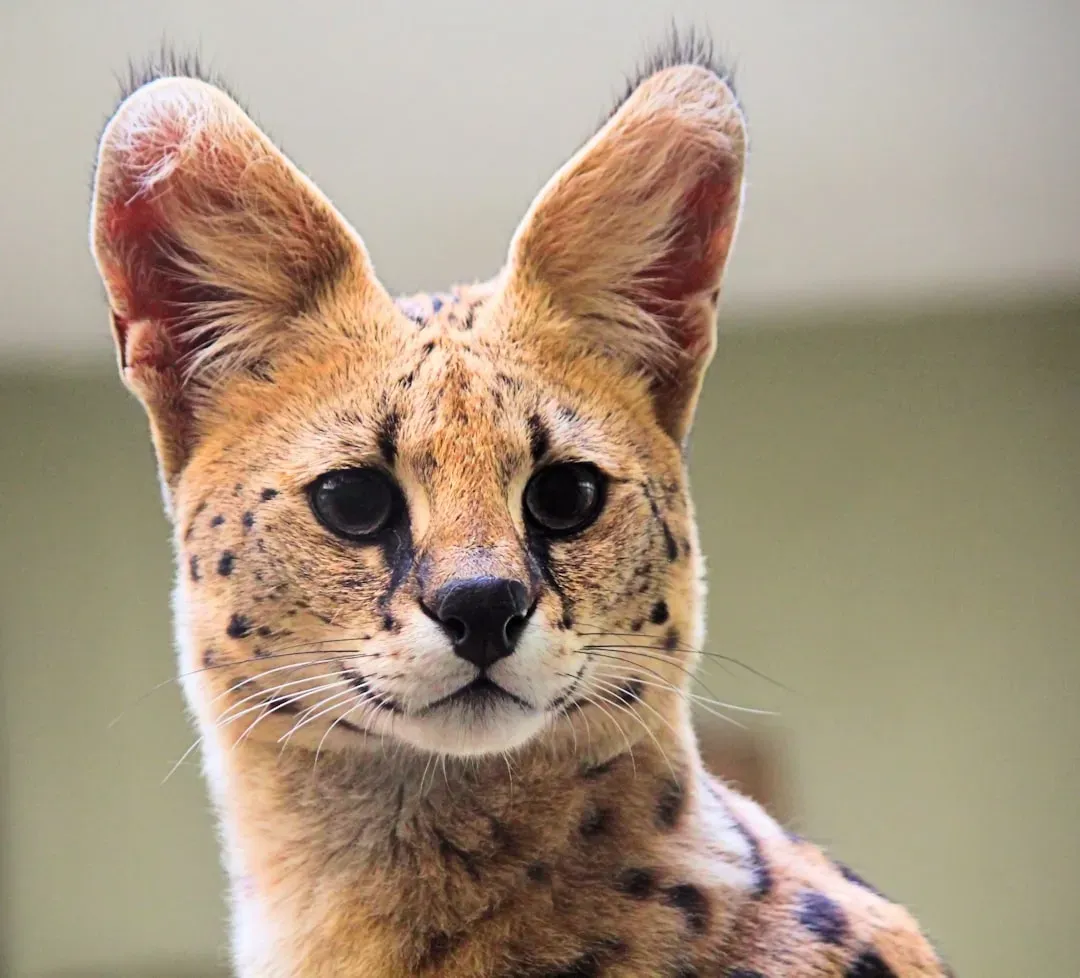
If you dropped a spring into a cat and set it loose on an African savanna, you’d get a serval. This long‑legged, relatively small wild cat has an almost absurd leg‑to‑body ratio, with oversized ears that act like living radar dishes. You’ll see it stand statue‑still in tall grass, listening for the slightest squeak or rustle beneath the surface, then suddenly launch itself straight up and out, coming down like a guided missile onto an unsuspecting rodent. A serval’s vertical leap can easily clear a person’s head, and that athleticism translates into hunting success. You’re looking at a cat that can pluck birds right out of the air and pin rodents hiding deep in vegetation with uncanny accuracy. While lions might spend most of a day sleeping and fail at many of their hunts, a serval often racks up multiple kills in a single outing, working quickly and efficiently. On the savanna, it’s like a precision‑strike specialist operating in the same battlefield where the heavy artillery – lions and hyenas – lumber around.
Sand Cat – The Ghost of the Desert
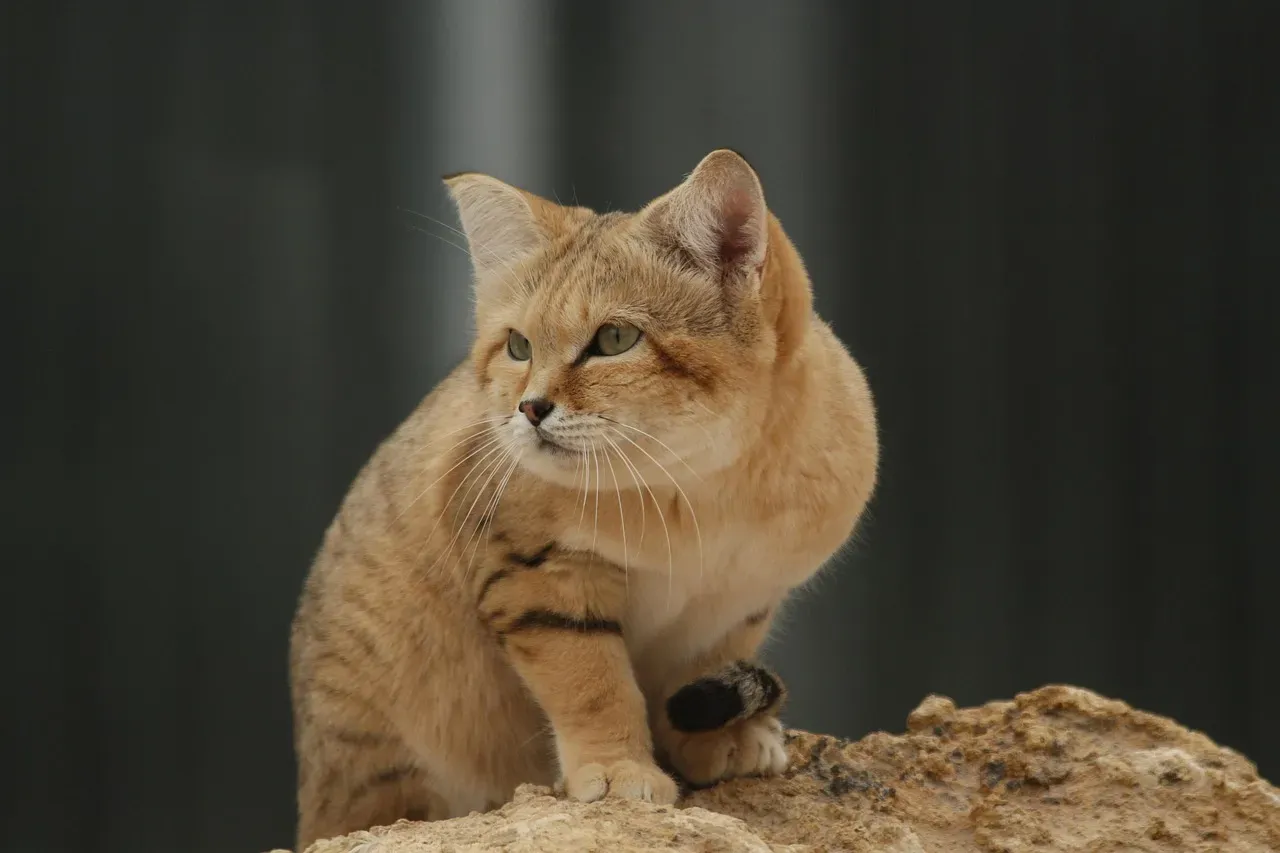
Imagine trying to hunt in a place where temperatures soar by day, plunge at night, and there is hardly any cover. That’s your life if you’re a sand cat. This small wild cat thrives in some of the harshest deserts in North Africa and Asia by turning stealth into an art form. Its pale, sandy coat blends almost perfectly with the dunes, and dense fur on its feet lets it walk on hot sand without leaving obvious tracks, as if it were a ghost gliding over the surface. You’ll notice that the sand cat does most of its work after dark, when its enormous ears help it pick up the sounds of rodents and other small creatures moving under the sand or near their burrows. It has the patience to wait, then the explosive speed to dig and pounce in a single smooth motion. Some individuals have been documented taking venomous snakes, which is a level of boldness you don’t usually associate with a cat barely bigger than your pet at home. In environments where many larger predators struggle to find enough food, the sand cat quietly survives by being almost impossible to detect until it’s too late.
Margay – The Acrobat of the Rainforest Canopy
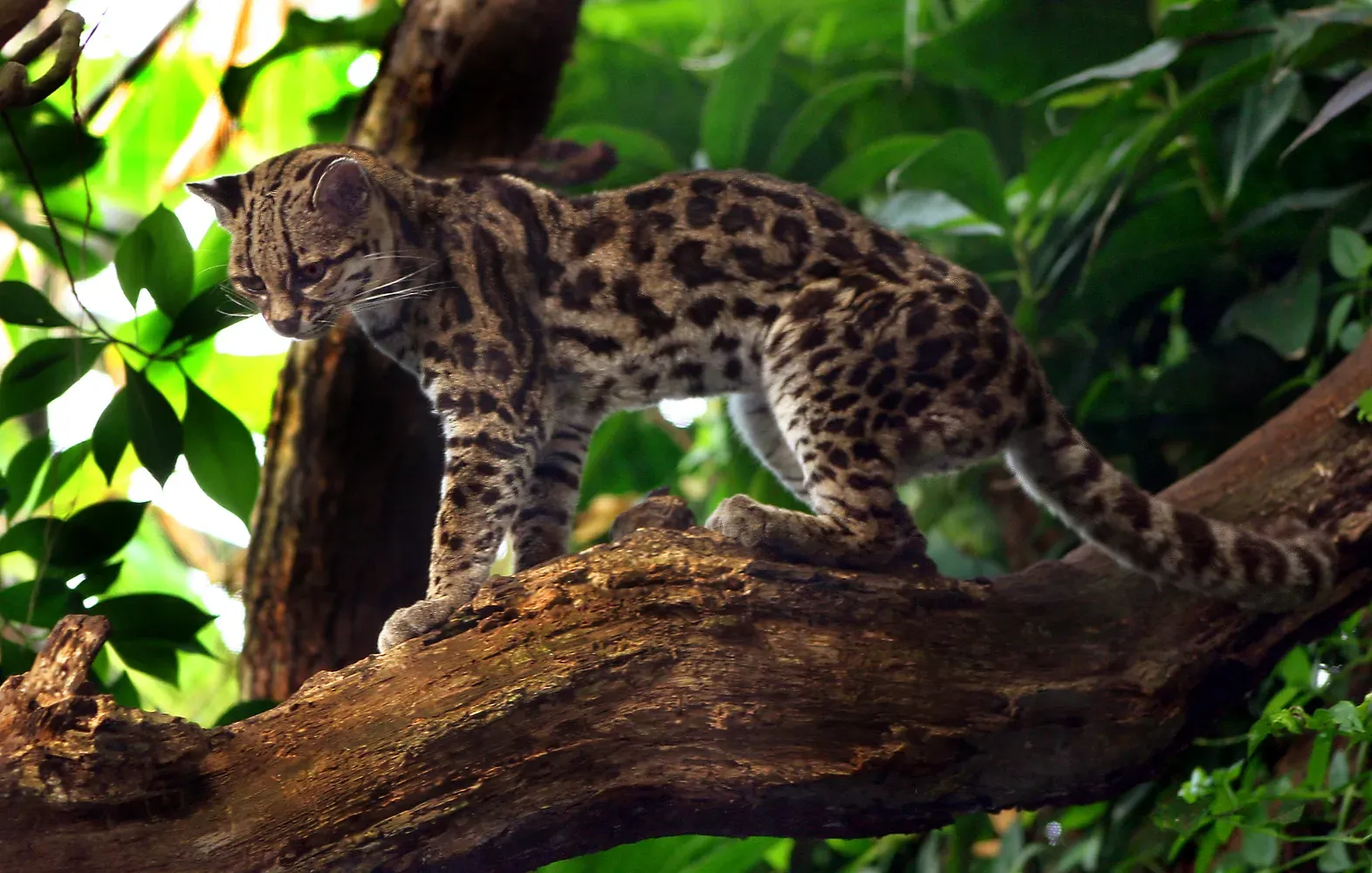
If you’ve ever watched a house cat do something improbably gymnastic on a bookshelf, the margay is that idea turned up to eleven. You’re dealing with a small Neotropical wild cat that spends most of its time in trees, not just climbing but truly living in the canopy. Its ankles can rotate far enough that it can run head‑first down tree trunks, and it can leap between branches with a confidence that would make a squirrel nervous. This arboreal superpower translates into a hunting style that very few other predators can match. You’ll see margays stalking birds, squirrels, small monkeys, lizards, and even tree‑dwelling frogs, often moving so quietly that the victim never realizes danger is overhead. Because it hunts above ground where bigger cats like jaguars focus less, it taps into a whole extra layer of prey in the forest. In a way, it’s like a small, silent panther operating on a different level of the jungle, exploiting vertical space that larger predators simply cannot use so precisely.
Oncilla – The Miniature Ghost of the Understory
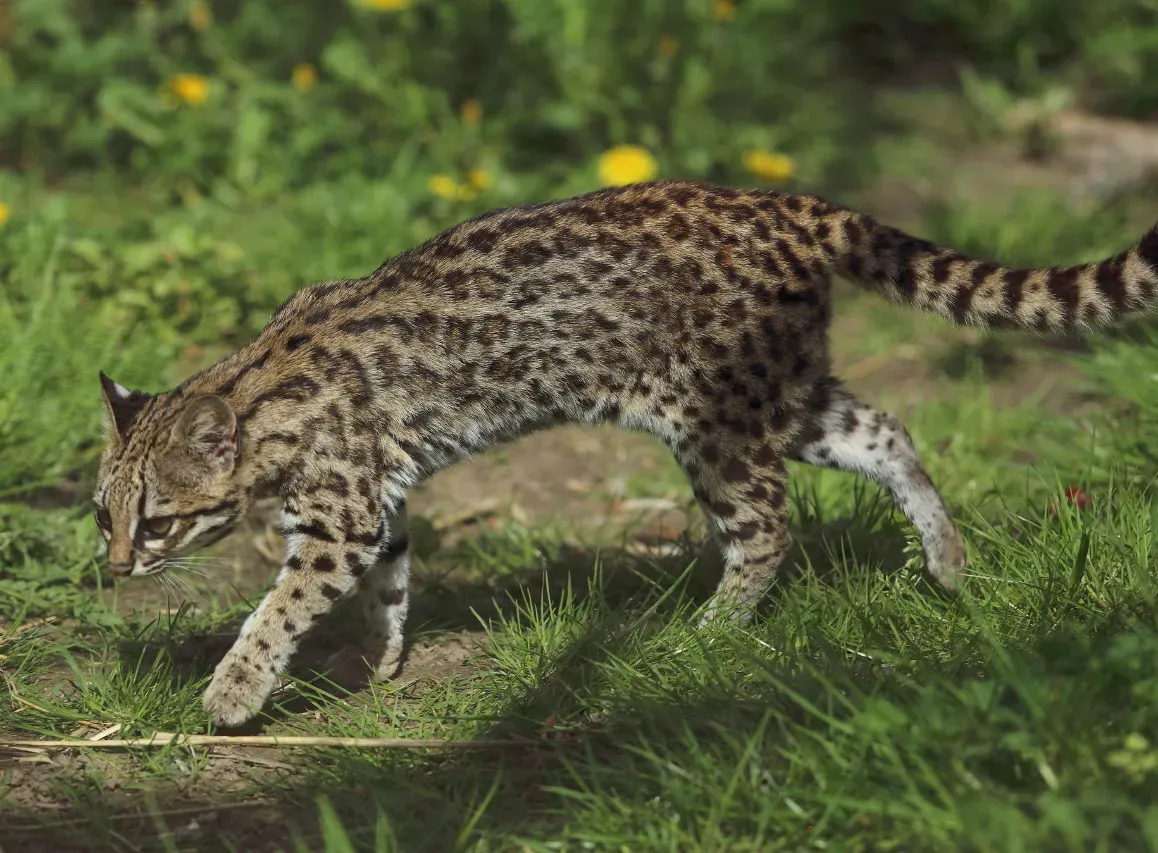
At first glance, you might mistake an oncilla for a shrunken ocelot, but this small spotted cat plays its own game in the forests of Central and South America. You usually find it slinking through dense undergrowth or along forest edges, where its dappled coat breaks up its outline perfectly. It’s light, agile, and low to the ground, which makes it ideal for stalking small mammals, birds, and reptiles that live close to the forest floor. While big cats rely on strength and intimidation, the oncilla gets results through near‑invisibility. You’ll see it use slow, deliberate movements, often freezing mid‑step to become part of the leaf litter. When it finally launches an attack, the distance is short because it has already crept in so close. That close‑range precision means it wastes much less energy than a large predator that has to sprint hard over open ground. In busy tropical forests where prey is wary and alert, that subtle, low‑key hunting style allows this tiny cat to keep up with much larger competitors.
Kodkod – The Tiny Terror of the Temperate Forest
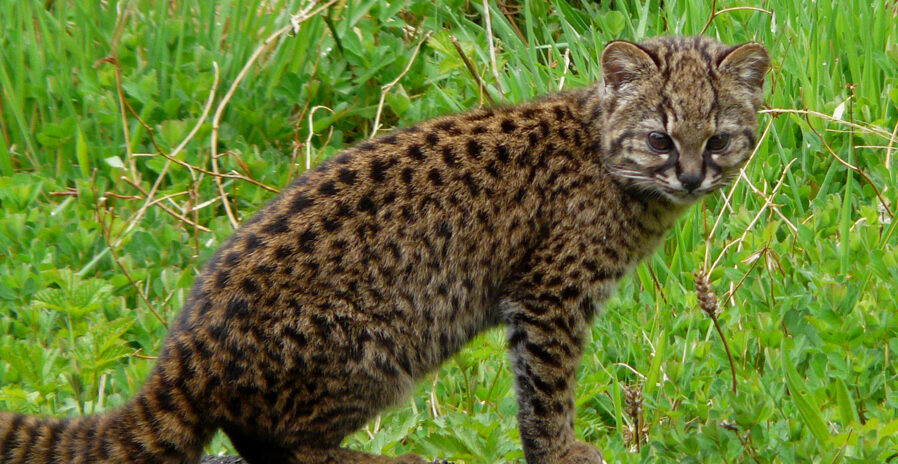
The kodkod, also known as the güiña, is one of the smallest wild cats in the Americas, and you could easily underestimate it based on size alone. Found mainly in the temperate rainforests of Chile and Argentina, this little hunter uses dense vegetation as its ally. You’ll usually find it working at the edges of forest and farmland, slipping through shrubs and understory so quietly that even experienced field researchers struggle to see it in action. Despite its tiny frame, the kodkod has a serious reputation around rural homesteads because of how effectively it raids chicken coops and goes after small domestic fowl. In the wild, it feeds on small mammals, birds, and sometimes reptiles, moving with a confidence that seems almost out of proportion to its build. Where larger cats might stand out or avoid heavily vegetated corners near human settlements, the kodkod melts into those spaces and exploits them. If you’ve ever watched a mouse vanish into a wall and thought “how did it do that?”, the kodkod is basically that idea in feline form, but with talons.
Jungle Cat – The Marshland Stalker
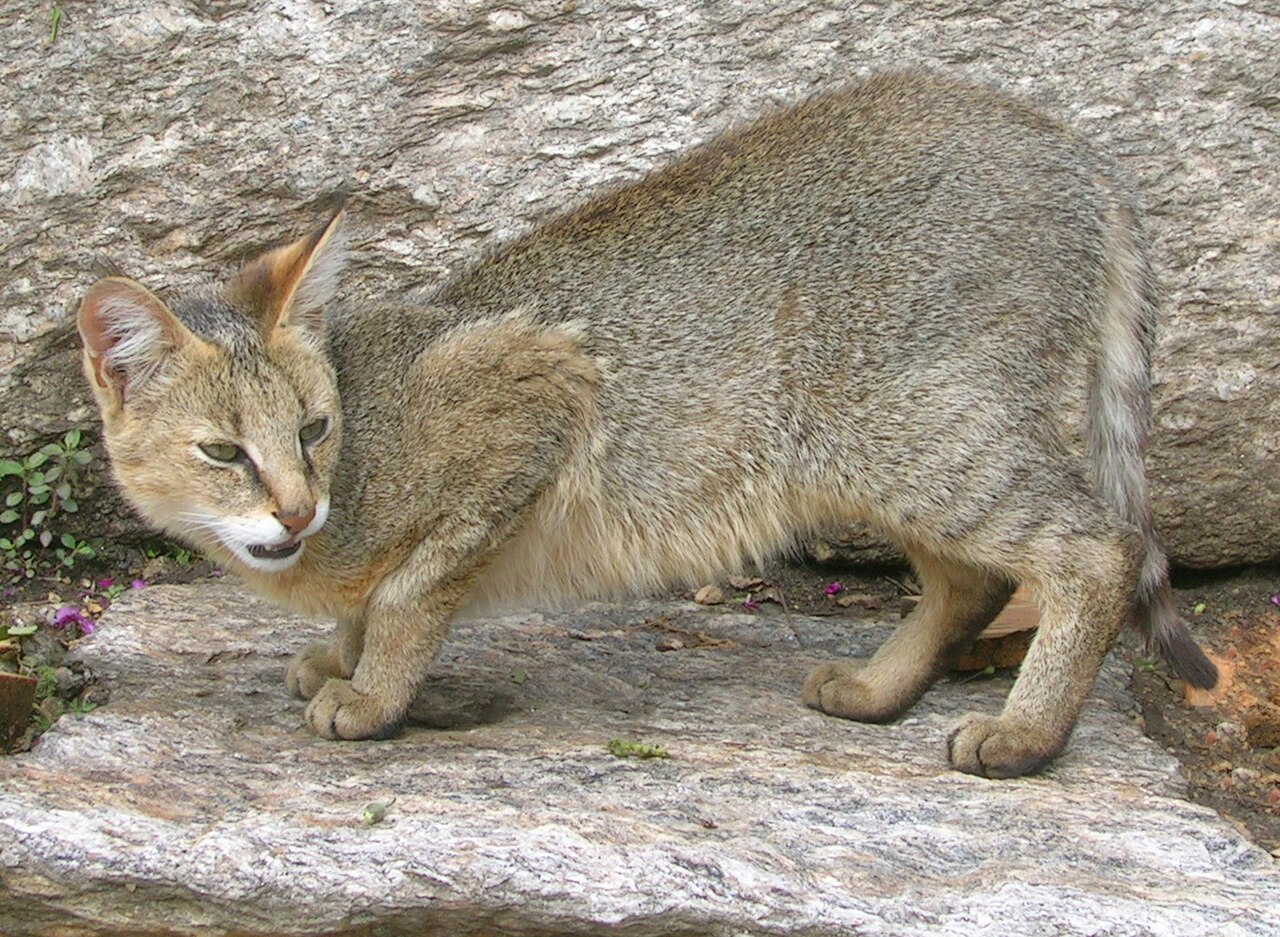
The jungle cat is not as showy as some of its patterned cousins, but don’t let its plain coat fool you. Ranging from the Middle East across South and Southeast Asia, it often works in wetlands, reed beds, and agricultural fields, where it specializes in rodents, birds, and other small animals. You’ll see it walking with a confident, almost dog‑like stride through tall grasses, stopping abruptly when it hears movement, then exploding into a short, decisive chase. This cat is particularly good at combining stealth with opportunism. It can leap to grab birds, pounce on rodents along irrigation channels, and even raid villages for poultry if given the chance. Unlike some big cats that depend heavily on a few large prey species, the jungle cat’s menu is broad and flexible, which boosts its success rate. In landscapes where you find jackals, foxes, and even larger felines, it still carves out a niche by being fast, adaptable, and constantly alert to small movements in the grass.
Rusty‑Spotted Cat – The Pocket‑Sized Powerhouse
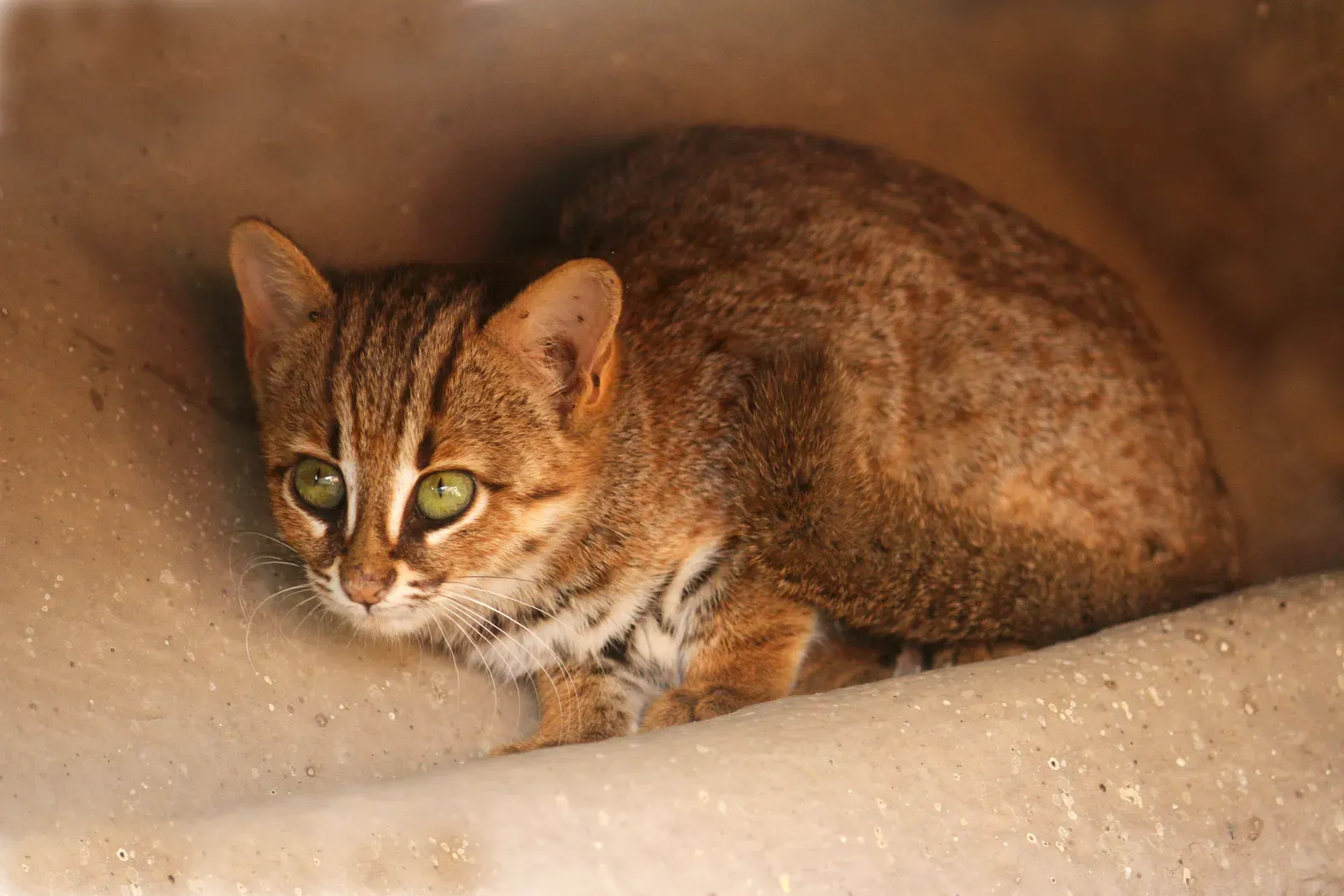
Often called one of the smallest wild cat species in the world, the rusty‑spotted cat from India and Sri Lanka looks almost too cute to be dangerous. But when you scale its abilities to its size, you’re looking at a shockingly capable hunter. It commonly weighs less than a large house cat, yet it moves with lightning‑fast reflexes through scrub, forest edges, and even human‑dominated landscapes where it chases rodents, small birds, lizards, and insects. You’ll notice that this cat makes excellent use of cover, squeezing through bushes, rock piles, and even buildings to surprise prey at extremely close range. Because its targets are small but abundant – mice, shrews, and similar creatures – it can rack up multiple kills in a relatively small area without drawing attention. While a tiger might need a huge territory and lots of large herbivores to survive, the rusty‑spotted cat thrives on the tiny, overlooked creatures that scurry under your feet. In terms of sheer efficiency per kilogram of predator, it more than holds its own against many of the “giants” of the cat family.
European Wildcat – The Original Farmyard Ghost
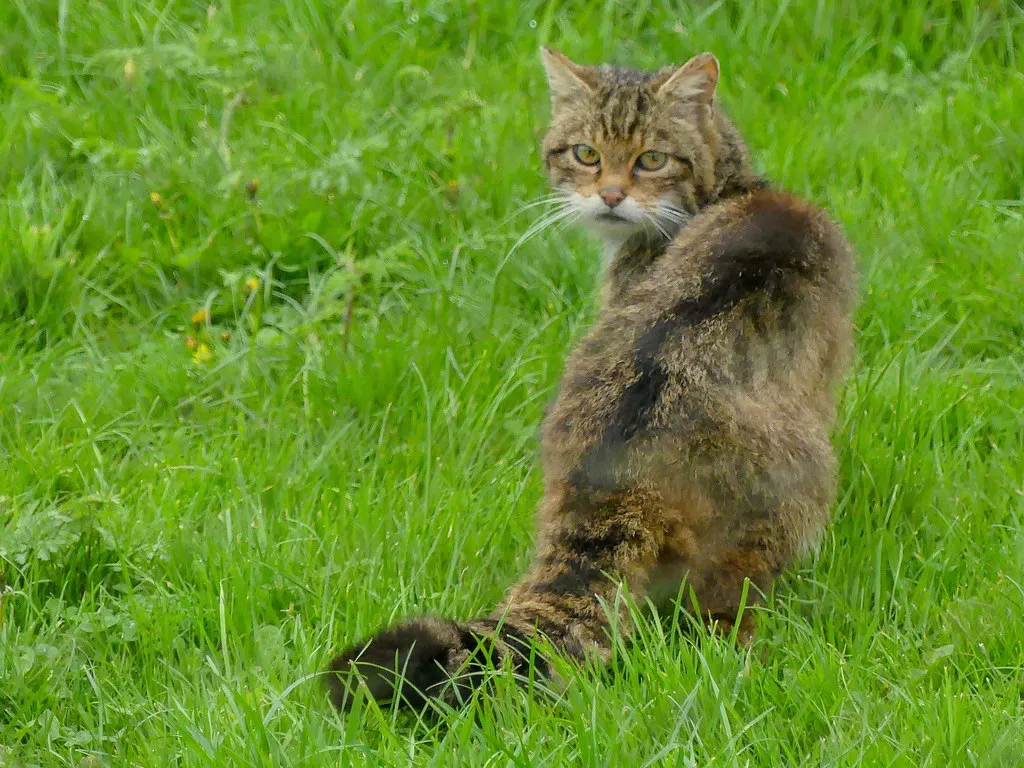
The European wildcat might look, at a glance, like a beefy tabby, but you’re dealing with a true wild predator that has been perfecting its craft since long before modern domestic cats appeared. It hunts mainly small mammals – especially rodents – through forests, scrubland, and farmland edges across parts of Europe. Its striped, earthy coat and cautious nature help it blend into hedgerows and woodland shadows, letting it slip very close to prey before pouncing. Where this cat really shines is in its relationship with human‑altered landscapes. While larger predators like wolves or lynx often clash with people or avoid settled areas, the European wildcat quietly exploits the surge in rodent numbers around crops, barns, and grain stores. It works mostly at night or in low light, and you’re unlikely to see it even if it lives not far from you. As a hunter of small prey, it may not have the flashy reputation of a lynx taking down a deer, but in terms of consistent, nightly success, it can surpass many larger carnivores that depend on fewer, riskier hunts.
Conclusion: Small Body, Big Impact
When you line these ten small wild cats side by side, a pattern jumps out at you: success in the wild isn’t just about size or brute force. It’s about how cleverly you use your environment, how finely tuned your senses are, and how consistently you can convert opportunity into food. From the black‑footed cat’s relentless nightly kill streak to the fishing cat’s fearless dives and the margay’s aerial acrobatics, each of these species has evolved a niche where it quietly outperforms many larger, more glamorous predators. Next time you watch a house cat stalk a toy with exaggerated seriousness, you’re getting a tiny glimpse of the same instincts that drive these wild specialists. On paper, they might weigh only a few pounds, but in their own ecosystems, they punch at a level that would surprise you. It makes you wonder: if you had to survive out there with nothing but your wits and your body, would you be half as efficient as one of these “little” hunters?
Kristina is a young writer from India. An arts graduate and an avid content creator, Kristina is passionate about animals and wildlife. She enjoys exploring topics related to pet care, animal behavior, conservation, and nature, combining thorough research with engaging storytelling.