You know that strange little moment: you’re relaxing, your cat climbs into your lap, and instead of just purring, they start licking your hand like you’re a giant, hairless kitten. It can feel sweet, weird, ticklish, and even a bit painful if they really go for it. You probably wonder what on earth is going through that tiny fuzzy head when they do it.
The truth is, cat licking is packed with meaning, and it goes way beyond hygiene. When your cat licks you, they’re sending signals about trust, territory, stress, memories, and even how they see you in their world. Once you start reading the body language that goes with the licking, you’ll never look at that sandpapery tongue the same way again.
Your Cat May Be Grooming You As Part Of Their Family Group
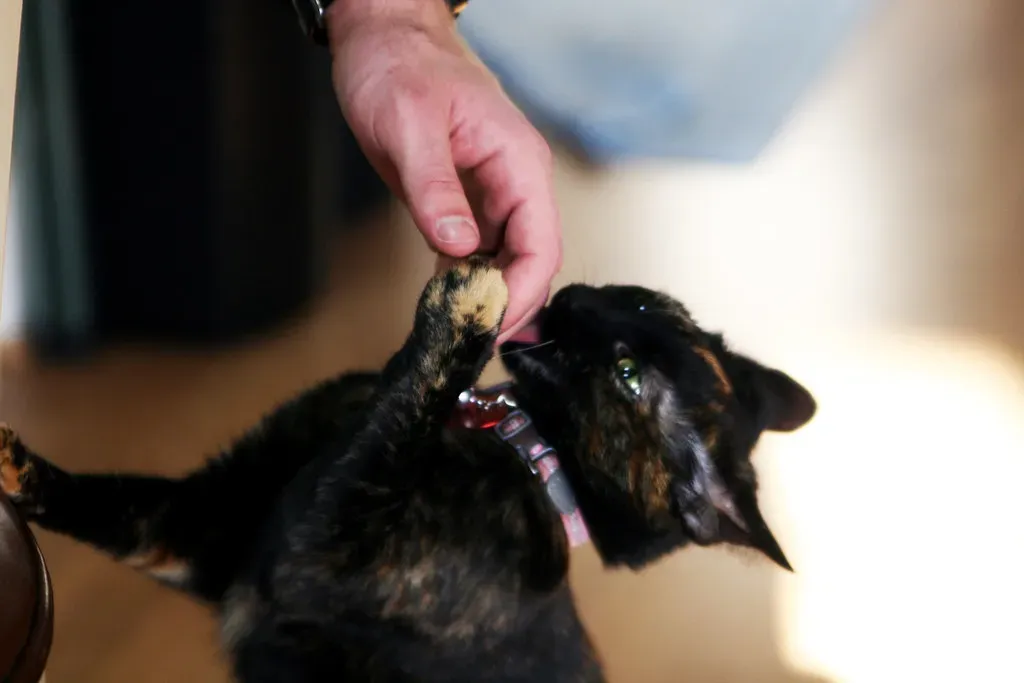
One of the most heartwarming reasons your cat licks you is that, in their mind, they’re grooming a family member. In cat social life, close companions often lick each other’s heads and necks in what’s called allogrooming. When your cat extends that grooming ritual to you, they may be saying that you’re part of their inner circle.
You might notice your cat focuses on areas that would be hard for another cat to reach on themselves, like your hairline or the back of your hand. That’s exactly what cats do for each other. From your cat’s perspective, you’re not separate from their world; you’re woven into it. Being licked might not feel as cozy as a hug to you, but in their language, it’s pretty close.
Licking Can Be A Powerful Sign Of Affection And Bonding
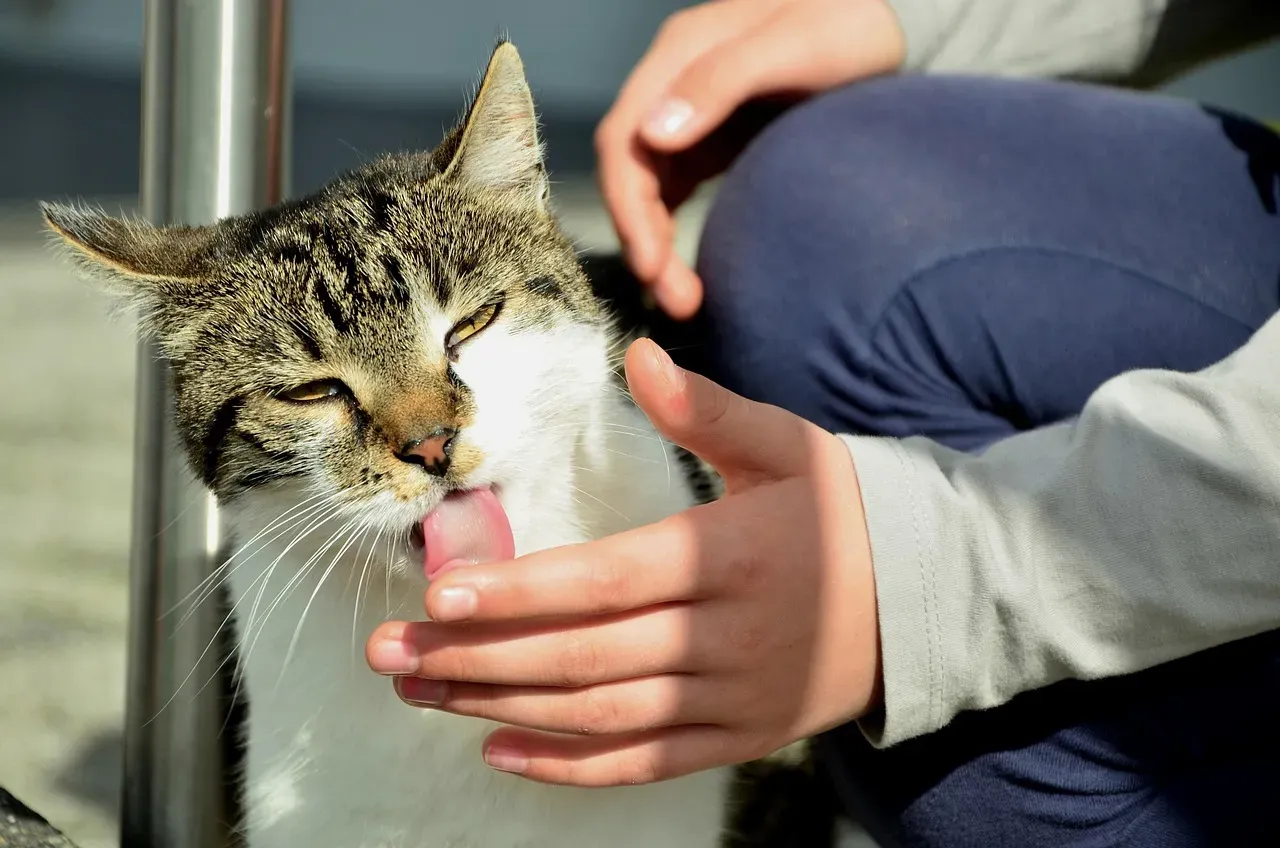
As strange as it feels, those rough little licks can be your cat’s version of a love note. Cats have subtle ways of showing affection: slow blinking, gentle head bumps, curling up against you, and yes, licking. When your cat chooses to lick you rather than simply lying near you, they’re often turning the affection dial up a notch.
Think of it like a friend who’s usually reserved, but every now and then, they lean on your shoulder or give you a longer hug. It stands out. If your cat licks you and then settles down, purrs, or falls asleep nearby, they may be associating you with safety and comfort. You might even find that your cat licks you more when you’re calm or when you’re giving them quiet, gentle attention, which reinforces that emotional bond between you.
Your Skin Tastes Interesting (And Sometimes Delicious) To Your Cat
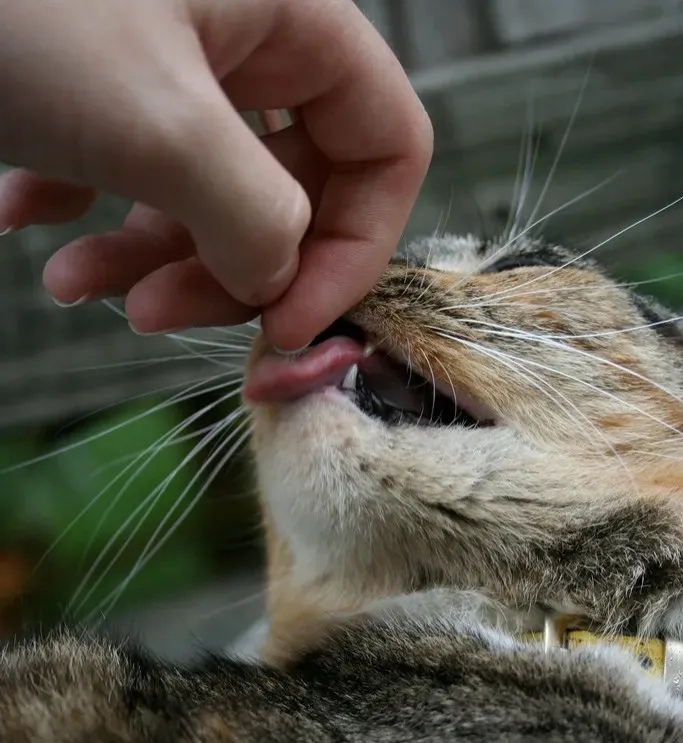
On a far less romantic note, sometimes your cat licks you because, frankly, you taste good. Your skin carries tiny traces of salt, food smells, lotions, soaps, and even sweat. To a cat with a powerful sense of smell and a curious tongue, you can be like a constantly changing flavor sampler.
You may notice more licking after you cook, work out, or apply certain products. Your cat could be drawn to the salty taste of your skin after exercise or the smell of something you spilled on your arm without noticing. This doesn’t mean your cat only sees you as a snack; it just means their instincts to explore the world through scent and taste are kicking in, and you happen to be right there.
Licking Can Be A Leftover Kitten Behavior Of Comfort And Security
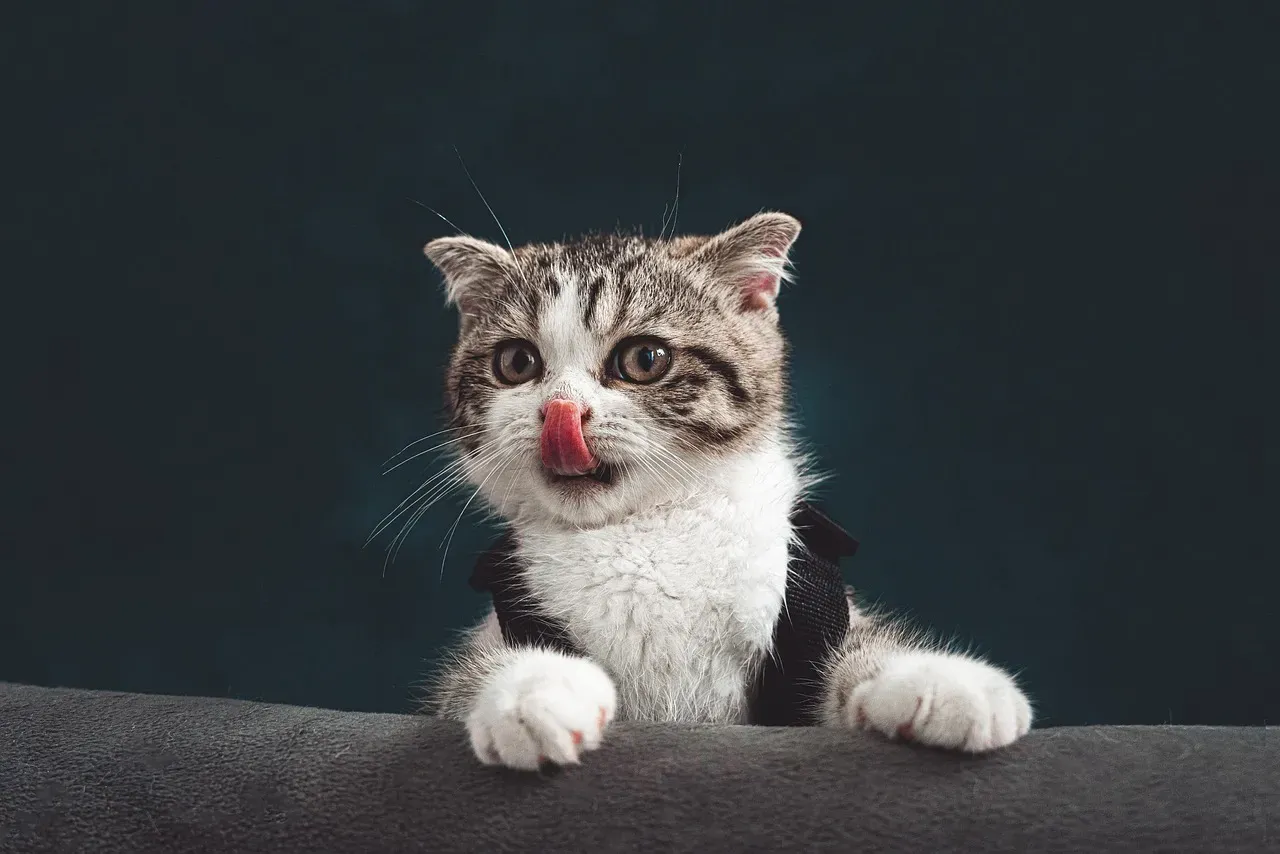
If your cat licks you in a repetitive, almost trance-like way, especially when they’re kneading you with their paws or snuggling into a blanket, you might be seeing a leftover kitten behavior. Kittens lick and knead while nursing from their mother, and those sensations get deeply wired into their idea of safety and warmth. As adults, many cats keep some version of that behavior when they feel especially secure.
In that moment, you’re not just a person in their house; you’re their safe place. Your warmth, your scent, and your familiar presence can mimic the comfort they felt with their mother. That’s why some cats lick especially much when you’re in bed, under a soft blanket, or during quiet evenings. You become their emotional security blanket, even if it comes with a bit of drool.
Stress, Anxiety, And Over-Grooming: When Licking Becomes A Coping Mechanism
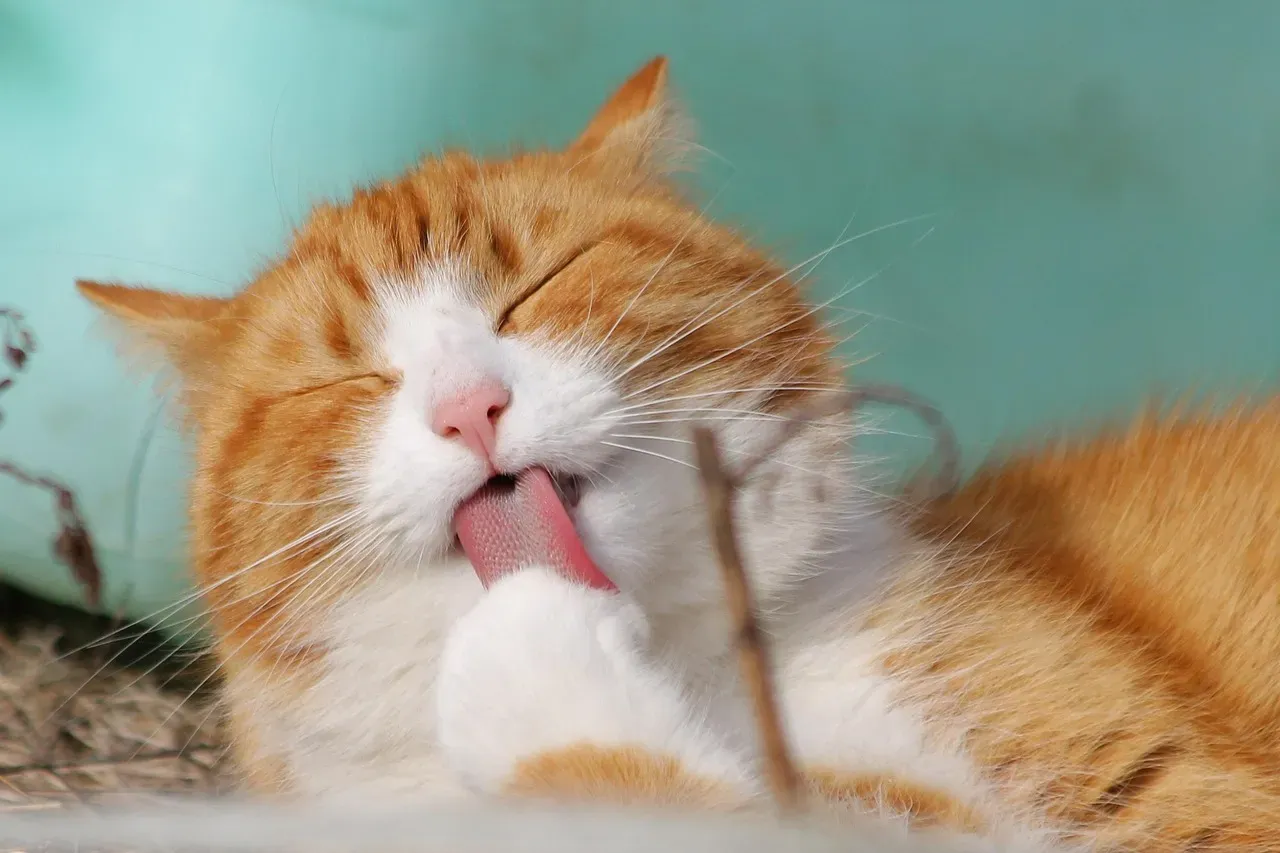
Licking isn’t always cute or harmless. For some cats, licking can turn into a way of coping with stress or anxiety. If your cat suddenly starts licking you obsessively, or licks themselves so much that fur starts to thin or bald patches appear, that can be a red flag that something is off in their world. Stress from changes in routine, new pets, loud noises, or health problems can all play a role.
In these situations, licking you might be their attempt to self-soothe, the way a person might bite their nails or pace when they’re nervous. If you notice this change, it’s worth paying close attention to what else is happening at home and with your cat’s health. A vet visit and a look at your cat’s environment can help uncover whether this is just a quirky phase or a sign that your cat really needs extra support.
Your Cat May Be Marking You As “Their” Territory
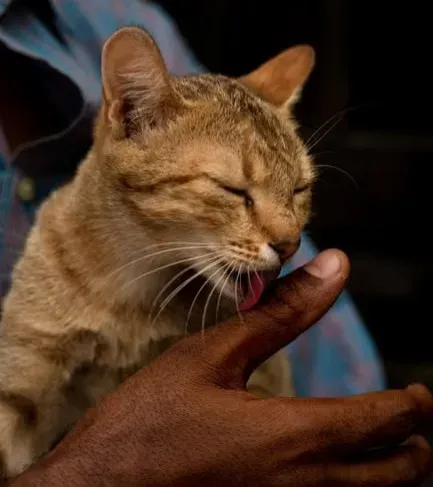
Cats are all about scent. They claim their world with cheek rubbing, scratching, and even grooming. When your cat licks you, they’re not only tasting you but also spreading their scent from their saliva. In a very real way, they might be saying to any other animals, visible or not, that you belong in their circle.
This territorial marking doesn’t have to look dramatic. It might simply be a few licks on your hand when you get home after petting another animal, as if they’re “re-stamping” their claim. You may notice this more in multi-pet households or if you suddenly start smelling like a dog, another cat, or even animals from a farm or shelter. To your cat, licking you becomes part of the ongoing negotiation of who and what is included in their space.
Licking Often Comes With Other Body Language You Should Read Together
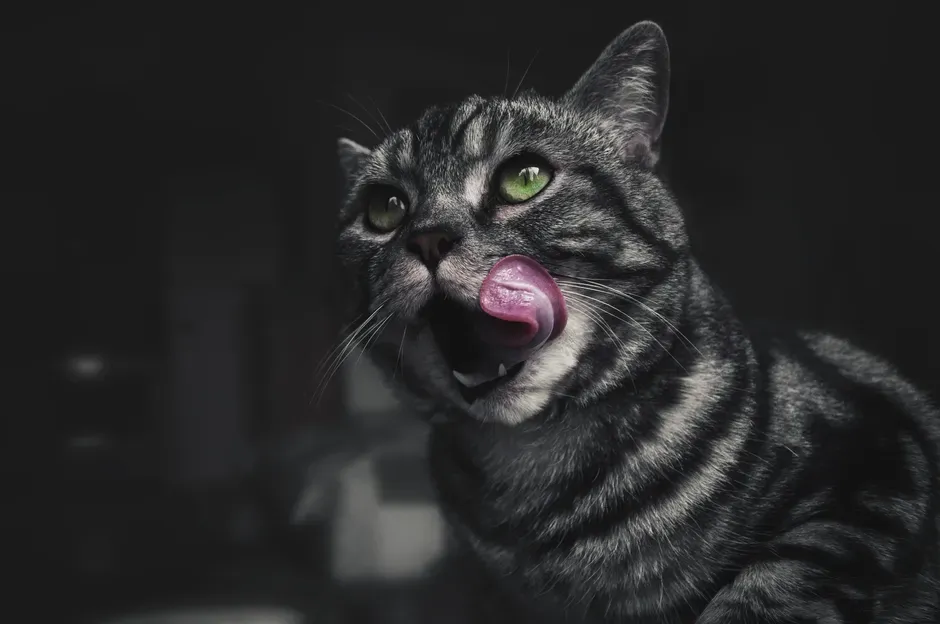
Licking never happens in a vacuum. Your cat’s tail, ears, eyes, and posture all color what that tongue action really means. A relaxed cat who licks you while purring, kneading, and blinking slowly is giving off a completely different message from a stiff cat who licks you once, then suddenly bites or bolts away. To really understand the licking, you need to read the whole scene.
If your cat licks you gently, then leans in for more petting or calmly curls up, that usually signals affection and contentment. But if they lick you once or twice, then their tail starts twitching, ears flatten a bit, or their body tenses, they may be slightly overstimulated or conflicted. In that case, easing off the petting, giving them space, or changing how you touch them can prevent the licking from turning into a warning nip.
Painful Or Excessive Licking: When You Should Step In Or See A Vet
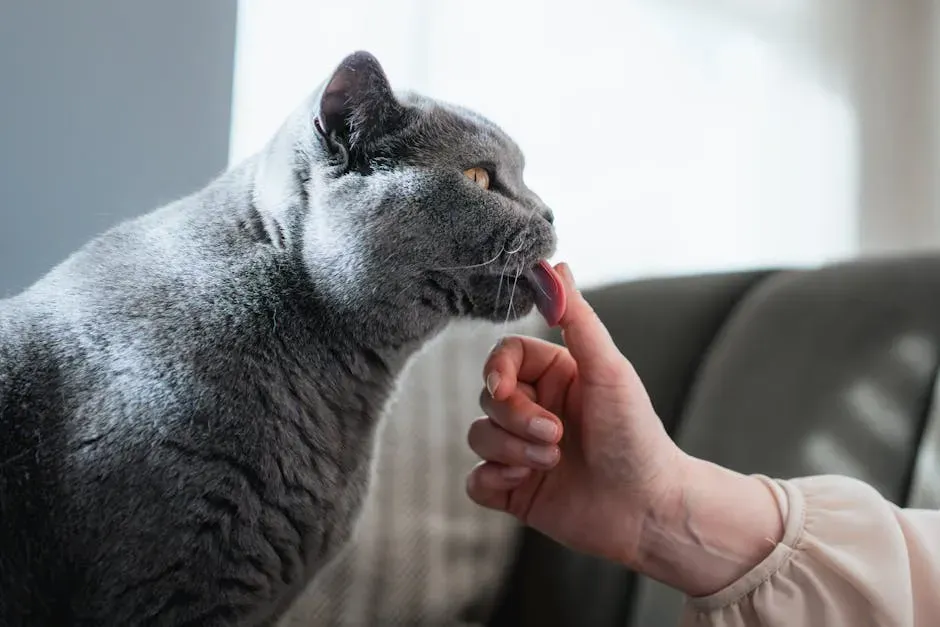
Sometimes your cat’s licking is more than just a sweet quirk. If the licking becomes so frequent that it interrupts your sleep, leaves your skin irritated, or is clearly attached to anxious behavior, your cat might need some help. The same goes if your cat is licking themselves raw or focusing obsessively on one spot, which can indicate pain, skin problems, or other medical issues.
You don’t need to panic, but you do want to pay attention. If you see changes in appetite, energy, bathroom habits, or grooming alongside intense licking, a vet check is important. You can also gently redirect your cat with toys, interactive play, or puzzle feeders to give them healthier outlets. Think of it like helping a stressed friend find better coping tools rather than just telling them to stop.
How To Respond When Your Cat Licks You (And When To Set Boundaries)
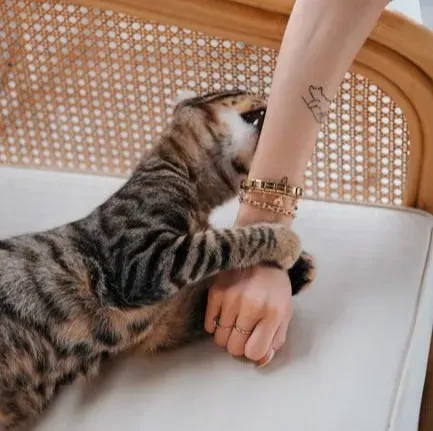
You don’t have to just accept every lick if you don’t enjoy it. It’s completely fine to set boundaries with your cat, as long as you do it kindly. If the sensation bothers you, you can slowly move your hand, gently redirect them to a toy, or invite them to settle beside you instead of on top of you. Over time, most cats get the message without feeling rejected.
On the other hand, if you like being licked now and then, you can treat it as a special little bonding ritual. Talk softly, offer a gentle pet or a chin scratch, and let your cat decide how long the moment lasts. What matters most is that you’re listening to their signals and honoring your own comfort level too, so the relationship feels good on both sides.
Conclusion: A Rough Tongue, A Soft Message
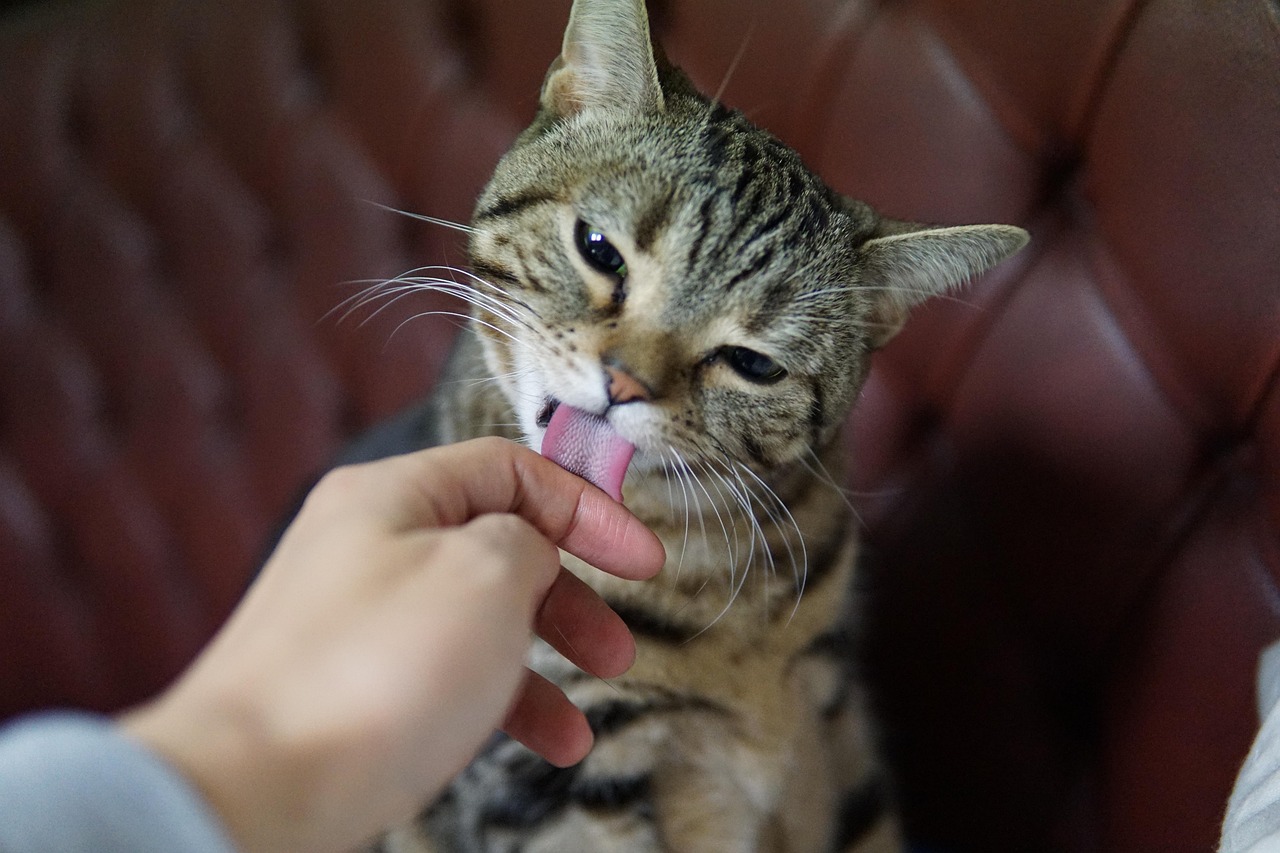
When your cat licks you, it’s almost never a random, meaningless habit. Whether they’re folding you into their family grooming rituals, tasting the day off your skin, coping with stress, or quietly claiming you as part of their territory, that little tongue carries a lot of emotional weight. Once you start reading the reasons behind the behavior, the whole act becomes less confusing and a lot more touching.
The next time you feel that sandpapery tongue on your hand, you’ll know it could be love, curiosity, comfort-seeking, or a plea for help, depending on the bigger picture. You can respond with affection, redirection, or a vet visit when needed, knowing you’re finally speaking a bit more of your cat’s language. Now that you see licking in a new light, what do you think your cat has really been trying to tell you all this time?
Kristina is a young writer from India. An arts graduate and an avid content creator, Kristina is passionate about animals and wildlife. She enjoys exploring topics related to pet care, animal behavior, conservation, and nature, combining thorough research with engaging storytelling.