You know that quiet moment at night when you finally sit down, and your cat hops onto the bed or couch… only to flop down with their back facing you? It can feel a bit like a tiny fuzzy rejection. You might even wonder if you did something wrong, or if your cat is mad at you. But the truth is almost the opposite of what it looks like.
When your cat turns away from you to sleep, you’re not being snubbed – you’re being trusted. Feline body language can look strangely aloof when, underneath it all, it’s actually deeply affectionate. Once you start to see that “cold shoulder” posture as a sign of safety, not distance, you’ll never look at your cat’s back the same way again.
Your Cat’s “Cold Shoulder” Is Often a Huge Compliment
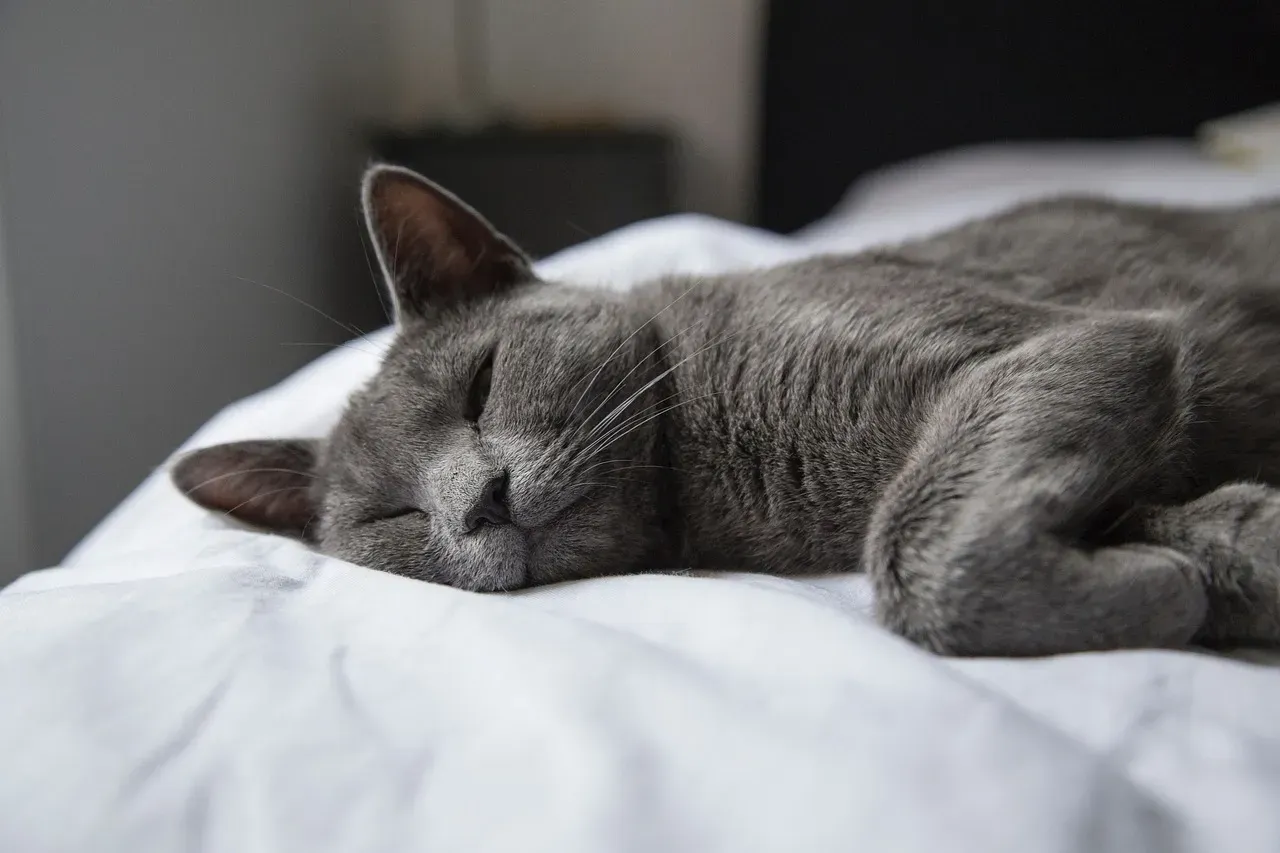
Think about how you sleep when you’re truly relaxed. You might roll onto your side, turn away from the door, and stop paying attention to every little sound. You only do that when you feel reasonably safe. Your cat is wired the same way, but with a much stronger survival instinct underneath it all.
When your cat lies down with their back toward you, especially in a vulnerable sleep, they’re basically saying that you’re not a threat and you’re part of their safe zone. Predators and prey in the wild keep their eyes on potential danger. If your cat chooses not to keep their eyes on you, they’re silently telling you that they don’t need to. It looks like emotional distance, but it’s often quiet trust.
In the Wild, Turning Your Back Means Someone Else Is on Guard
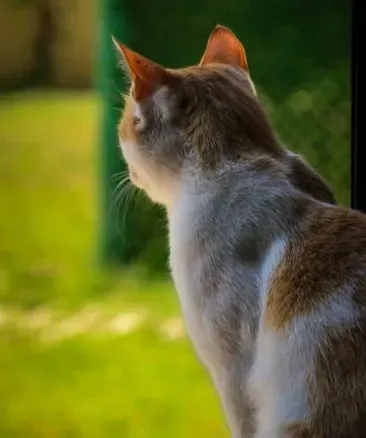
If you picture a group of cats outdoors, they don’t all stare in the same direction. One might face the brush, another might face the open space, and another might take a risk and nap. Turning a back to another animal can mean you’re relying on that animal to notice trouble first. It’s a kind of “you’ve got my back, I’ve got yours” arrangement.
When your pet turns away from you and settles in, they may be slipping right into that instinctive pattern. You become the one on watch, at least in their mind, while they relax. It’s like your cat is off-duty because you’re on-duty, even though you’re just scrolling on your phone. You might feel ignored, but from their side, you’re part of the security team.
Feeling Safe Does Not Always Look Cuddly
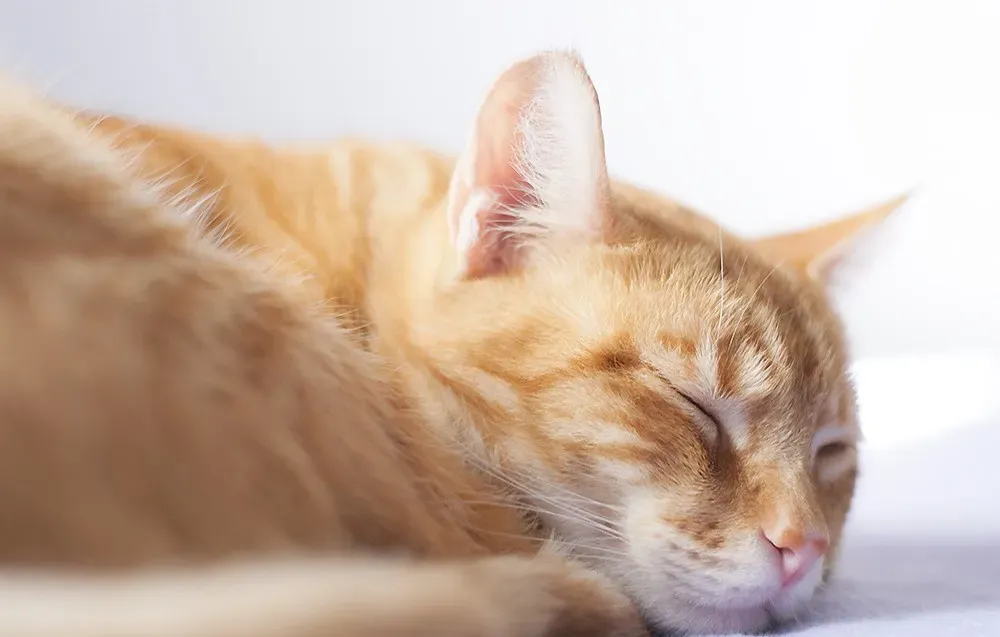
As humans, you tend to read affection as eye contact, face-to-face closeness, and obvious snuggles. With cats, you do get those, but you also get a lot of affection that looks subtle, distant, or even a bit rude. Safety for a cat can look like stretching out, exposing their side, and not checking where you are every two seconds.
Sleeping with their back to you can be one of those quiet, unflashy signs. Your cat might be choosing a position that feels physically comfortable or helps them regulate their temperature, but from an emotional standpoint, they’re willing to let their guard down around you. A cat that truly does not feel safe will usually stay more alert, face you, or position themselves by an escape route, not curl up with their spine casually exposed.
Look for the Little Extra Clues of Trust
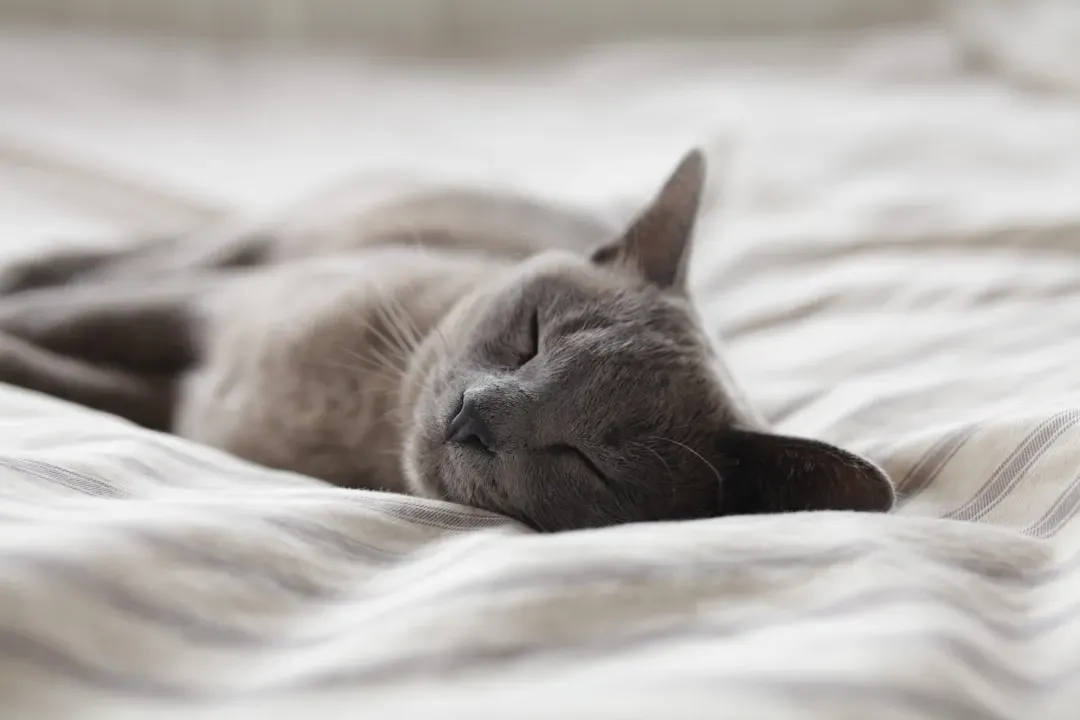
To really tell whether your cat’s back is a sign of comfort, you can watch for other small signals. If their body looks loose instead of stiff, their tail is relaxed, and their breathing is slow and deep, you’re most likely looking at a very content animal. Sometimes you’ll see their ears turned slightly toward you, even if their face is pointed away, like they still care where you are without needing to stare.
You might also notice that your cat chooses to sleep close to you, even if they are not facing you. Sleeping within arm’s reach, touching your leg, leaning against your side, or even just picking the spot next to your pillow all show that your presence feels safe. The direction of their nose is only one tiny part of the bigger trust picture, and the overall scene matters much more.
Back Toward You, Eyes on the Room
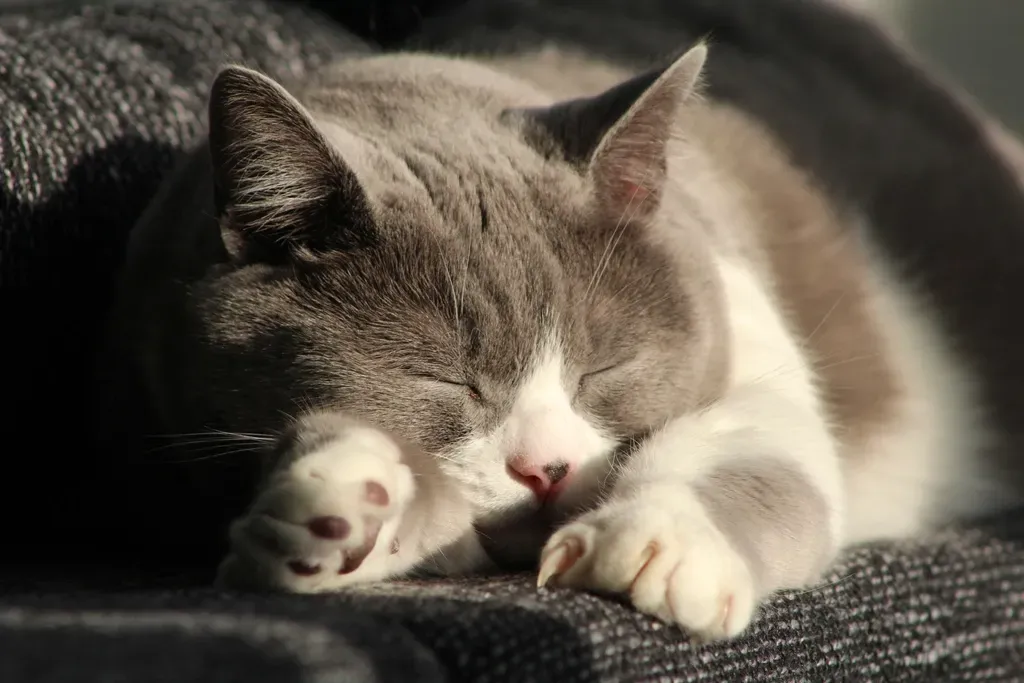
Sometimes your cat’s sleeping position is less about you and more about the environment. By turning their back toward you, they might also be angling their face toward the door, window, or hallway. That way they can keep an ear on the world while still resting against someone they trust. You’re the safe, familiar object behind them; the rest of the world is what they’re quietly monitoring.
This is especially common if you live in a busy home, have other pets, or there are sounds outside that could catch their attention. Your cat might unconsciously choose a position that lets them keep an eye, or at least an ear, on movement, while using you like a soft, warm barrier. It’s a funny mix of “security guard” and “nap enthusiast” all rolled into one furry shape.
Sometimes It’s Just About Comfort and Temperature
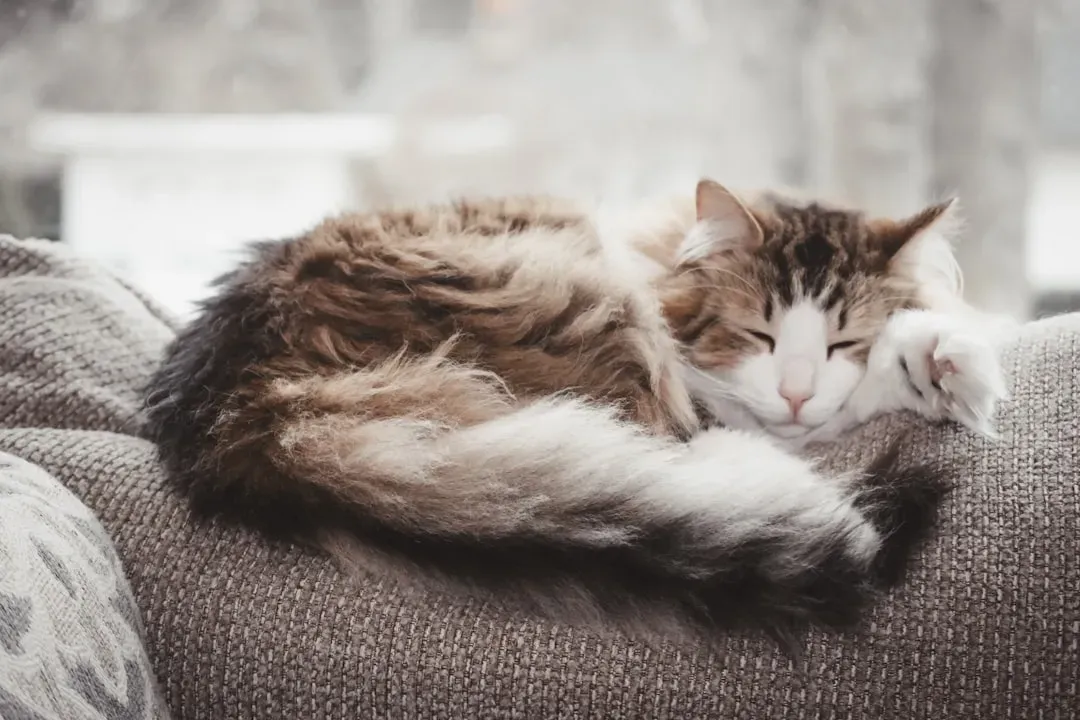
There’s also a very practical side to all of this: cats are comfort experts. They’ll twist, flop, and sprawl into whatever shape feels the best at that moment. Turning their back to you might simply be the position that keeps them from overheating, lets them stretch their spine, or fits the curve of the couch perfectly. You’re part of the furniture in the best possible way.
If your cat changes positions during the night, you might notice cycles where they curl into you, then flip away, then stretch long. None of that sudden turning away means they love you less; it’s just a creature with a flexible spine doing micro-adjustments for maximum coziness. In a way, they’re comfortable enough with you to prioritize their own comfort without worrying how it looks.
How to Respond When Your Cat Turns Their Back
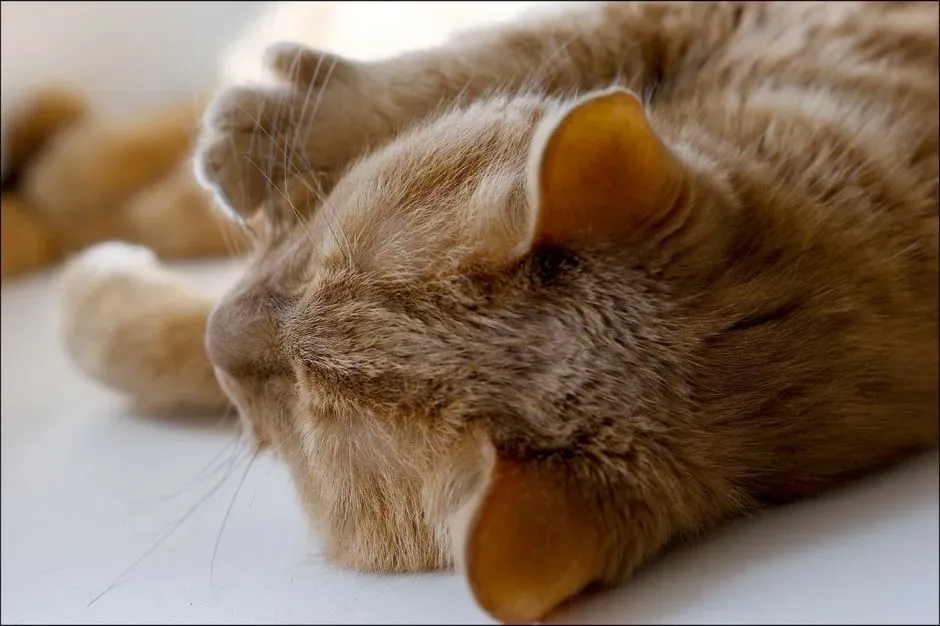
When you see that fluffy back instead of a cute little face, your first impulse might be to poke, call, or pick them up and turn them around. Sometimes that only teaches your cat that resting near you means they might get disturbed. A gentler approach is to accept the position, maybe offer a soft touch if they like it, and let them stay however they chose.
If you want to deepen the bond, you can quietly offer slow blink eye contact when they do turn around, or gently pet places they enjoy when they move closer on their own. By respecting their body language instead of forcing human-style cuddling, you teach your cat that being next to you – in any direction – is safe and pleasant. Over time, that usually leads to more voluntary snuggles, not fewer.
Recognizing When It’s Not About Trust
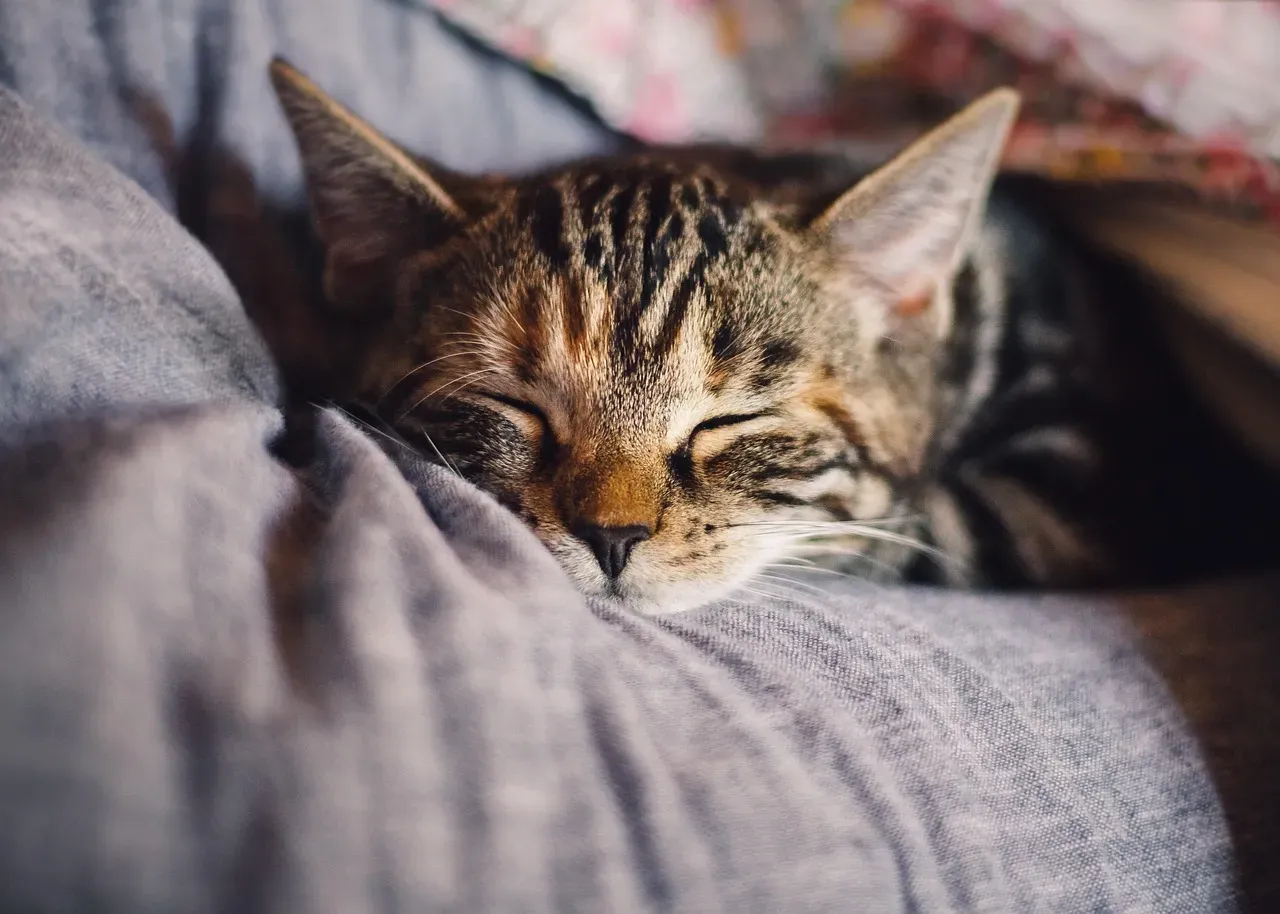
Of course, not every back turn is a love letter. If your cat’s body looks tense, their tail is flicking sharply, their ears are pinned, or they’re avoiding you altogether, that’s a different story. In those moments, turning away can be a sign of stress, irritation, or wanting space. The vibe is very different: rigid muscles, quick movements, maybe even hiding or swatting if you push it.
If you see those signs along with changes in appetite, litter box habits, or social behavior, it’s worth paying closer attention and, if needed, talking to a veterinarian. Pain, illness, or anxiety can all change how your cat chooses to rest near you. The key is to read the entire posture and context, not just the direction they happen to be facing on the bed or sofa.
Building a Home Where “Unaffectionate” Is Actually Deep Love
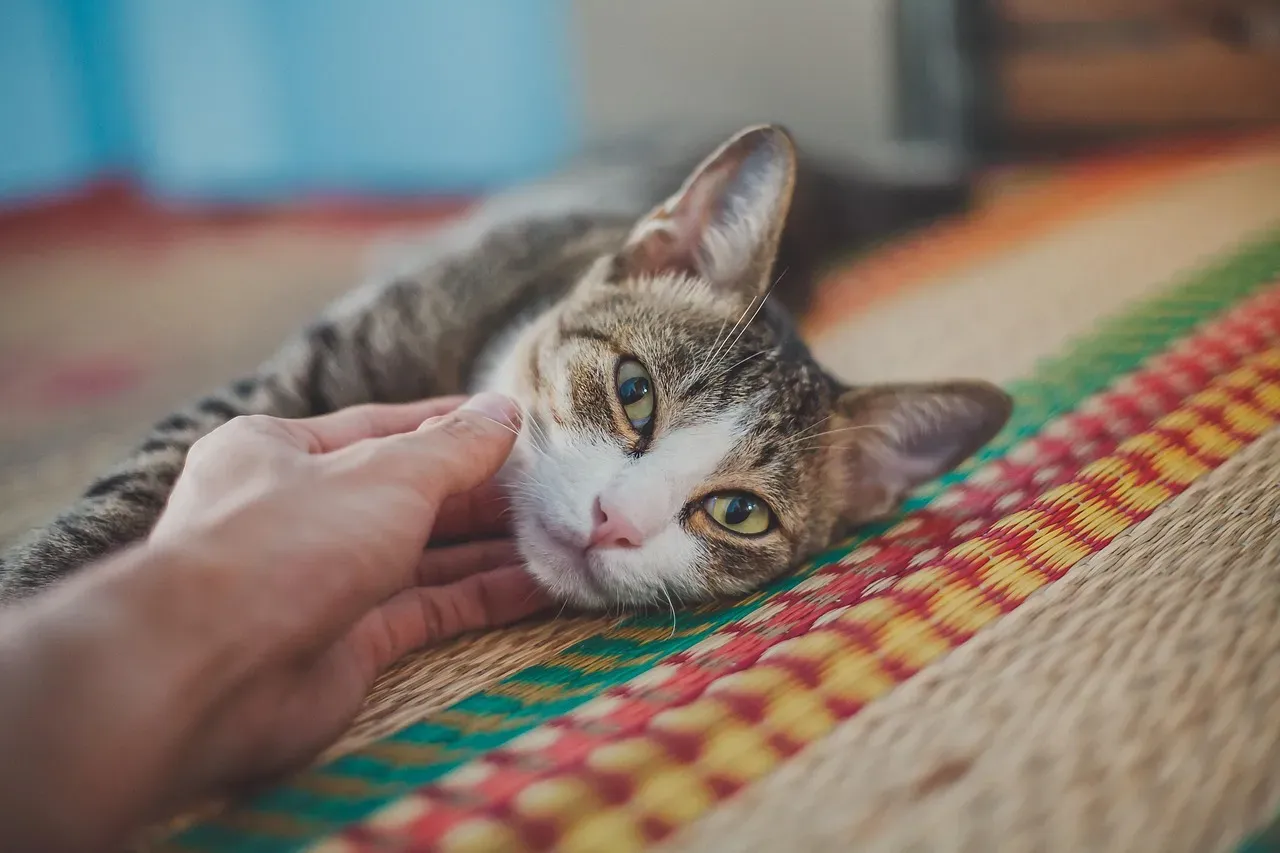
When you accept that a lot of feline affection is quiet, sideways, and occasionally backside-first, you start relating to your cat differently. You stop chasing dramatic proof and begin appreciating the small routines: the way they always nap near your feet, follow you to the bathroom, or claim the spot where your scent is strongest. Those things are your cat’s way of saying that your presence makes the world feel safer.
By giving your cat choices, safe hiding spots, predictable routines, and gentle interactions, you create an environment where turning their back on you while they sleep is completely natural. They do not need to keep tabs on you because, in their mind, you’re a stable part of their territory, not a threat. That quiet, confident indifference is sometimes the highest compliment a cat has to offer.
Conclusion: The Love Hidden in That Furry Little Back
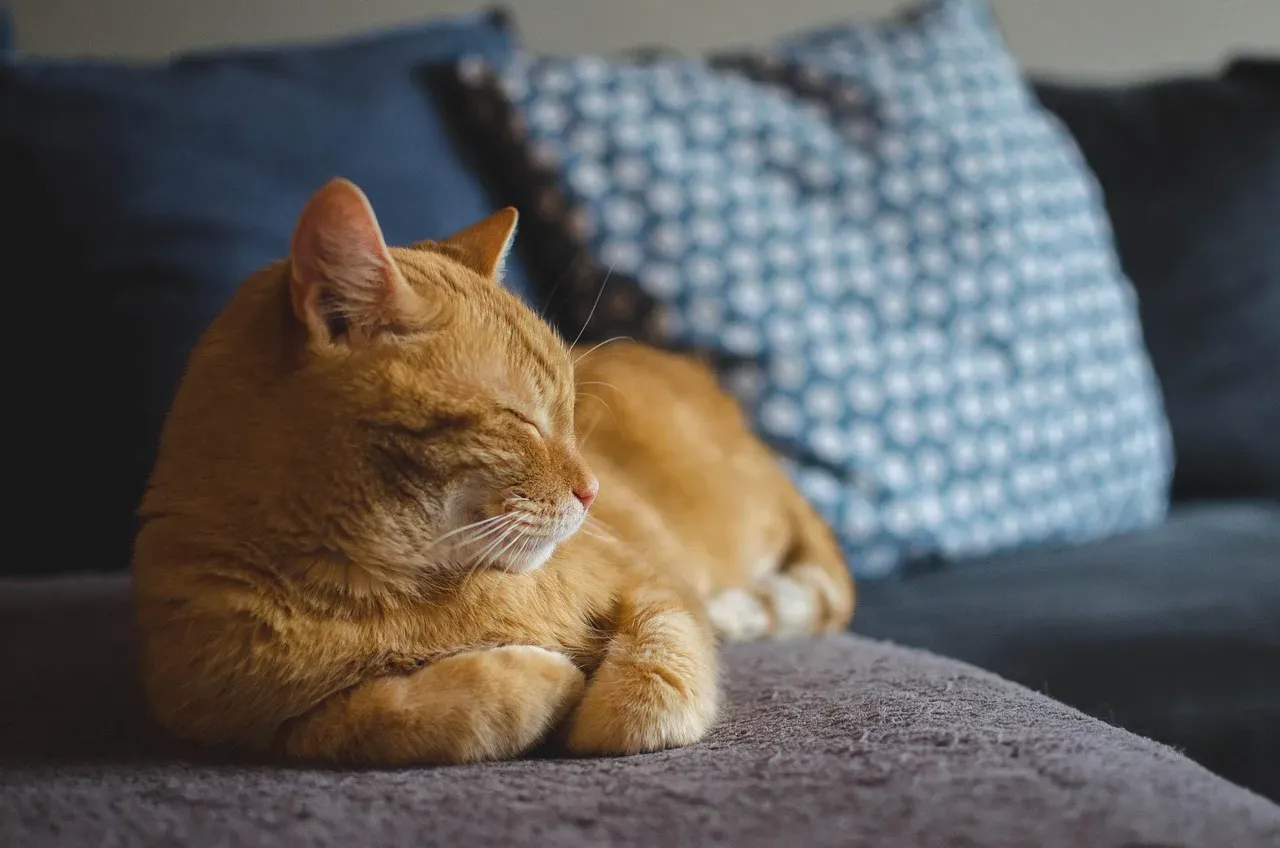
The next time your cat settles down beside you, spins around, and presents you with nothing but a tail and a spine, try seeing it as a different kind of “I love you.” You’re looking at an animal that feels safe enough to be vulnerable, relaxed enough to sleep deeply, and comfortable enough to stop watching your every move. It might not look like the storybook version of affection, but for a cat, it often is.
When you learn to read that quiet trust, your whole relationship with your cat shifts from confusion to appreciation. You stop wondering why they seem distant and start noticing how often they choose to simply exist right next to you. And really, in a world full of noise and drama, there’s something pretty special about a love that shows up as a peaceful back turned your way – who knew indifference could be this affectionate?
Kristina is a young writer from India. An arts graduate and an avid content creator, Kristina is passionate about animals and wildlife. She enjoys exploring topics related to pet care, animal behavior, conservation, and nature, combining thorough research with engaging storytelling.