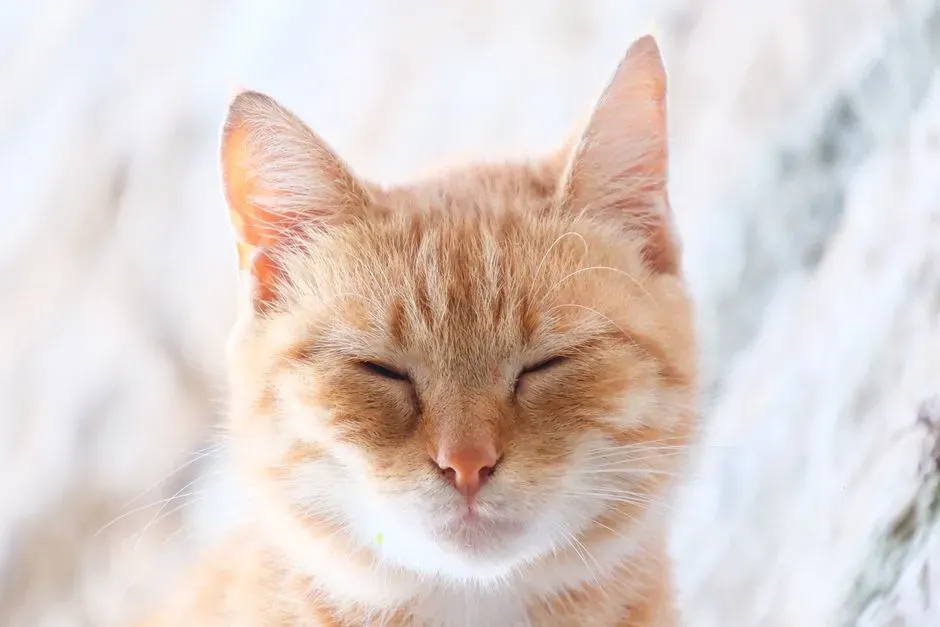
You know that feeling when your cat looks at you, holds your gaze, and then oh-so-slowly closes and opens their eyes? It almost feels like time pauses for a second. You might have wondered if they’re just tired, bored, or plotting something only cats understand. But that slow blink is one of the sweetest, softest messages your cat can send you: they feel safe with you. When you start to see it that way, those tiny moments suddenly feel huge. You’re not just a food dispenser or a warm couch; to your cat, you’re part of their safe zone. Once you understand what that slow blink really means, you can actually “talk back” in a language your cat already understands deep in their bones.
The Science Behind the Slow Blink: What Researchers Have Found
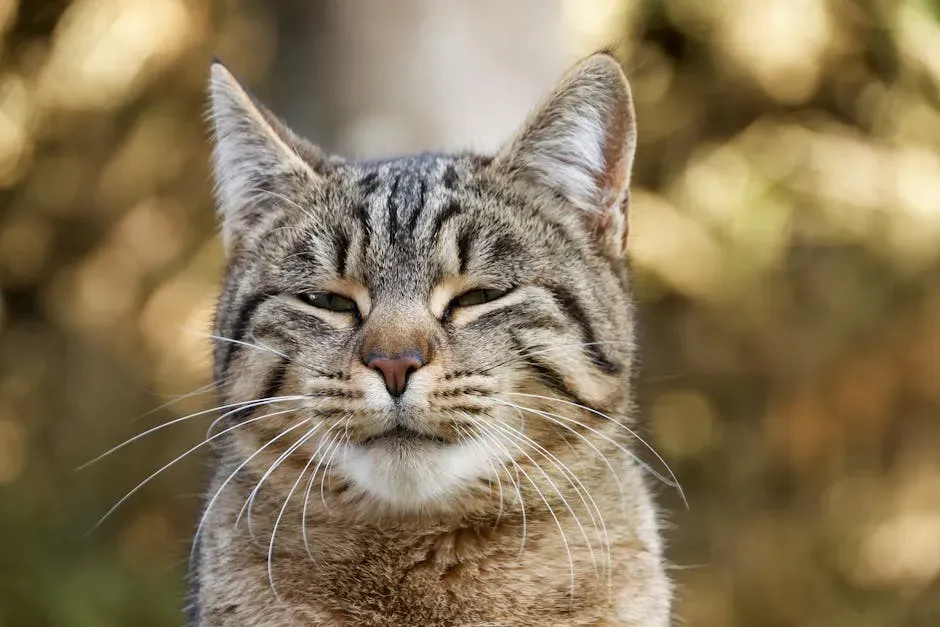
It might feel like a romantic idea to say your cat is “smiling” with their eyes, but there’s actually some science backing this up. In recent years, researchers have tested how cats respond to humans who slow blink at them versus humans who just stare or stay neutral. Again and again, cats were more likely to approach, relax, and show friendly behavior toward the slow-blinking humans. For you, that means you’re not just imagining it when your cat seems extra soft and open during those sleepy-looking eye moments. The slow blink seems to sit in the same emotional category as other positive, affiliative signals in cats, like rubbing against your legs or curling up near you. It’s not proof that your cat loves you in a human way, but it is strong evidence that they associate you with comfort and low threat.
Why Eye Contact Is a Big Deal in Cat Language
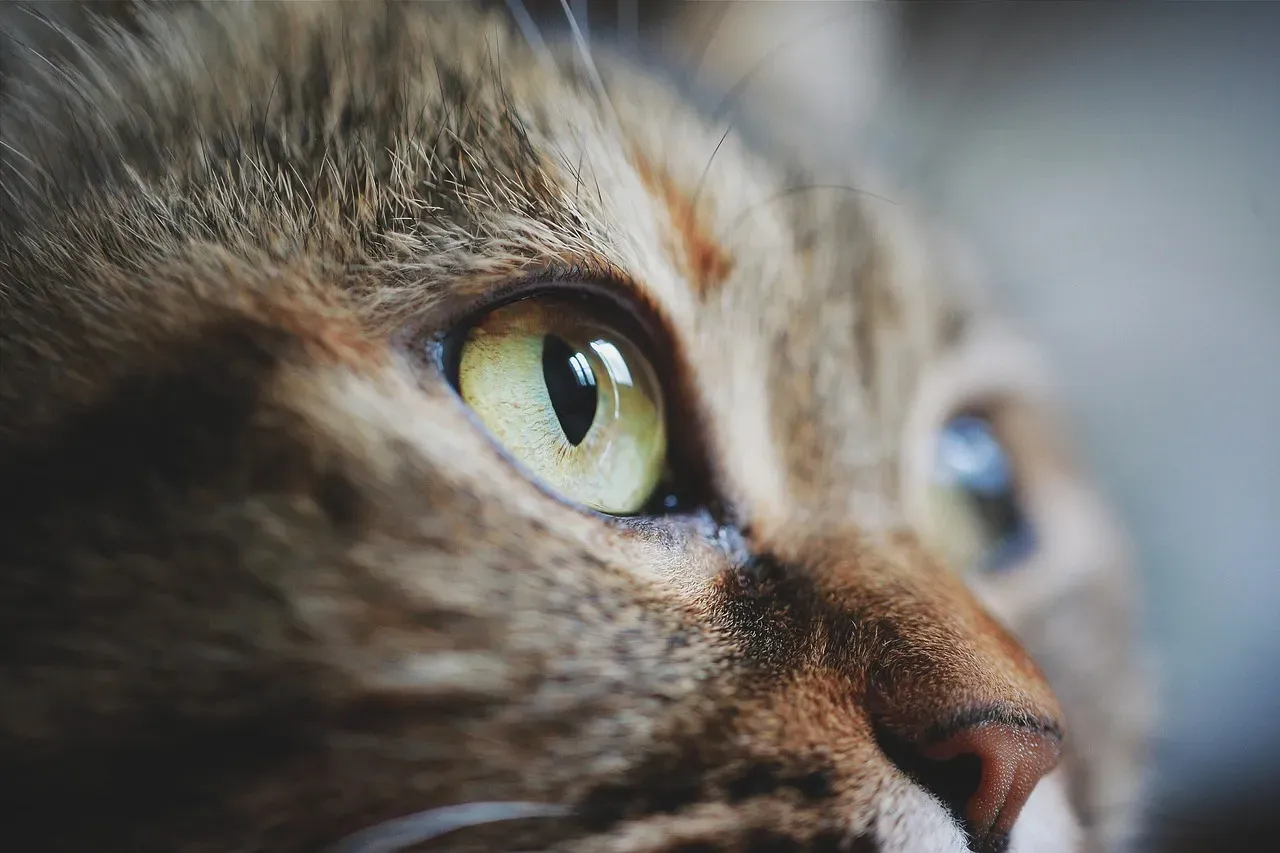
If a stranger stared you down from across the room without blinking, you’d probably feel weirded out. For cats, that kind of unbroken, intense stare is even more loaded. Among cats, direct and hard eye contact is often linked with tension, challenge, or potential conflict. So when your cat chooses soft, relaxed eyes around you, they’re doing almost the opposite of a challenge. You can think of the slow blink as your cat’s way of saying, “I’m not on guard with you.” Their eyes get softer, their face loosens, and sometimes you’ll see the rest of their body language melt a bit too. Instead of scanning for danger, they’re telling you they don’t feel the need to be hyper-alert. In the cat world, voluntarily letting your guard down is a pretty big compliment.
How to Slow Blink Back (And Actually “Talk” to Your Cat)
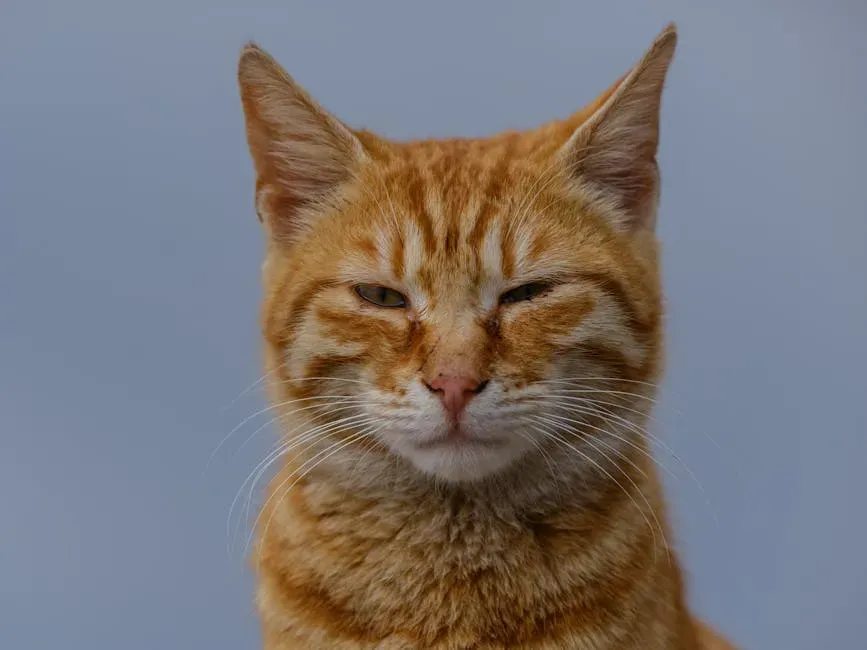
If you want to answer your cat in their own visual language, you can absolutely slow blink back. Start by making your gaze soft rather than intense; you don’t want to stare like you’re challenging them. Look at your cat’s eyes, then gently close your own eyes for a second or two, and slowly open them again. Keep your face relaxed, almost like you’re about to drift off into a pleasant nap. Then wait and see what your cat does. They might blink slowly back, look away calmly, or just stay relaxed and still. All of those responses are generally positive. Over time, if you repeat this in quiet, calm moments, your cat may start to associate your slow blink with safety and affection, the same way you might feel when someone gives you a warm smile across the room.
Comfort, Trust, and Safety: What the Slow Blink Really Signals
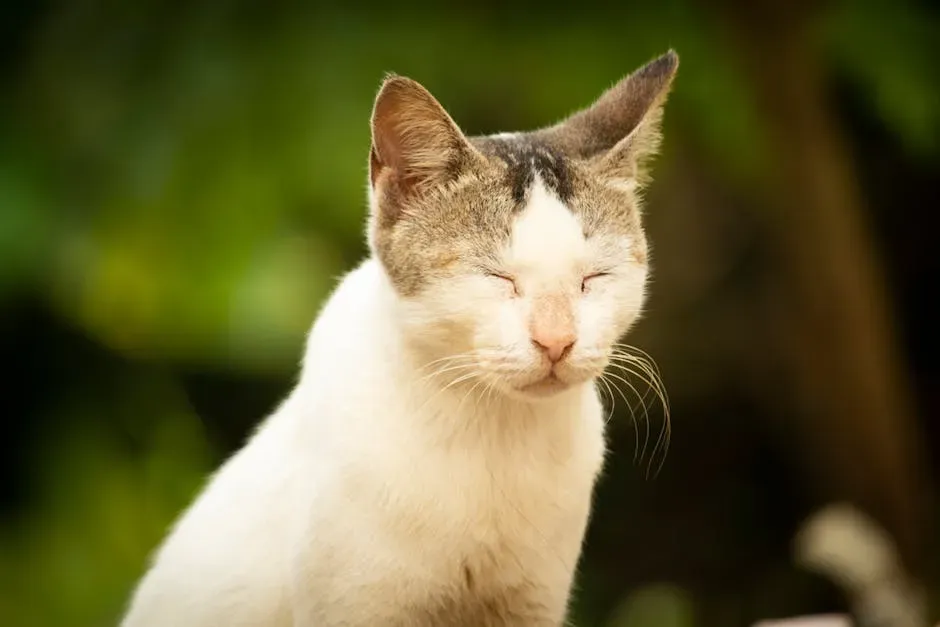
You might be tempted to label every slow blink as “love,” but it’s more accurate to think of it as trust and comfort. Your cat is signaling that, in that moment, they don’t see you as a threat and they’re content to let their defenses drop a notch. In the wild or outdoors, a cat would never fully relax their eyes near something they found risky; vigilance is built into their survival. So when your cat gives you that sleepy-looking eye squeeze, they’re basically saying, “I feel okay here. You’re not danger.” That might sound small, but for a species that survives by watching every shadow and sudden movement, it is huge. That sense of shared safety becomes the foundation for everything else you enjoy together: cuddling, playing, or even just sharing a couch while you scroll on your phone.
Slow Blink vs Sleepy Blink: How to Tell the Difference
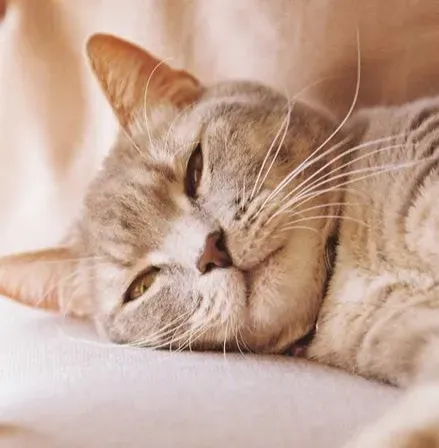
Of course, sometimes a blink is just a blink. A genuinely sleepy cat will often have heavier, drooping eyelids, and their blinks might be more random or followed by them fully dozing off. You’ll notice their entire body sinking into the surface they’re lying on, their breathing slowing, and their head maybe wobbling a bit as they drift. With a classic “friendly” slow blink, you’ll often see a bit more intention. Your cat might hold your gaze first, then deliberately close their eyes slowly, sometimes more than once, maybe with a tiny head tilt or a relaxed body posture that stays alert but calm. They might not immediately fall asleep afterward; instead, they might continue to lounge, groom, or look around in an unhurried way, like they’re just letting you know they’re at ease with you in the room.
Other Body Language That Often Comes With the Slow Blink
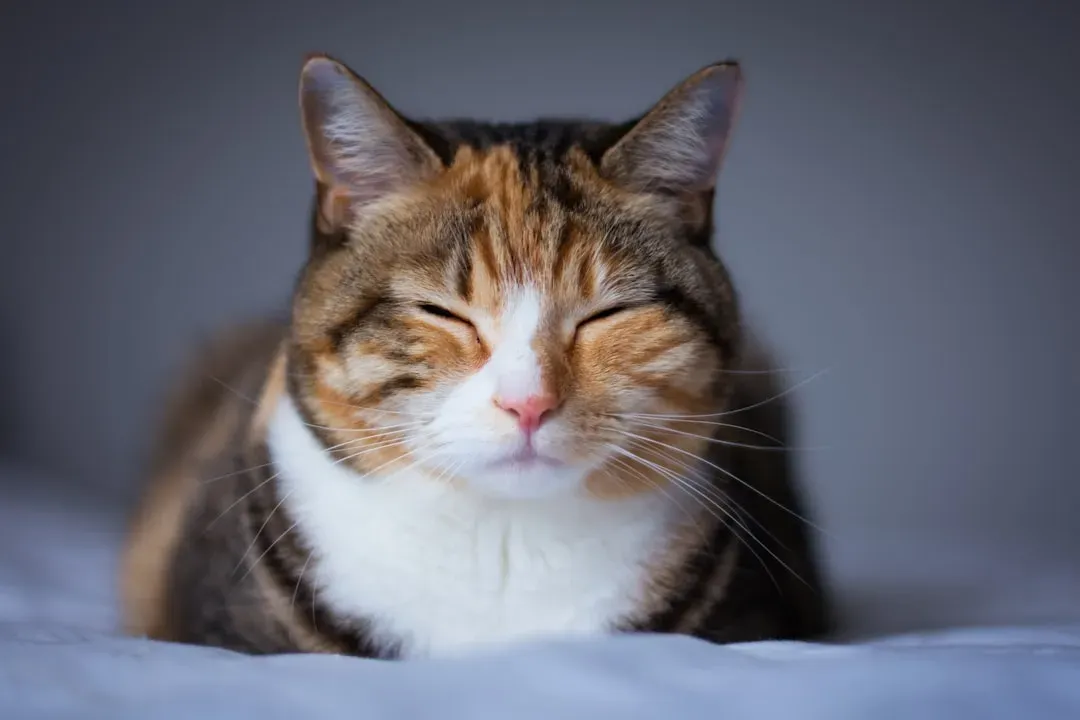
You’ll get the clearest message when you look at the whole cat rather than just the eyelids. A relaxed cat who feels good around you will usually have loose body posture, paws tucked or stretched comfortably, and a tail that’s either still or moving in slow, gentle motions. The ears will typically be facing forward or slightly to the side, not pinned back or flicking sharply. Sometimes the slow blink appears while your cat is kneading a blanket, loafing with their paws hidden under their chest, or purring softly. All of that together paints a pretty vivid emotional picture: your cat is comfortable, content, and not bracing for anything bad. When you pay attention to those combinations, you start to read your cat almost like you’d read someone’s tone of voice and facial expression at the same time.
When Your Cat Does Not Slow Blink: What That Might Mean
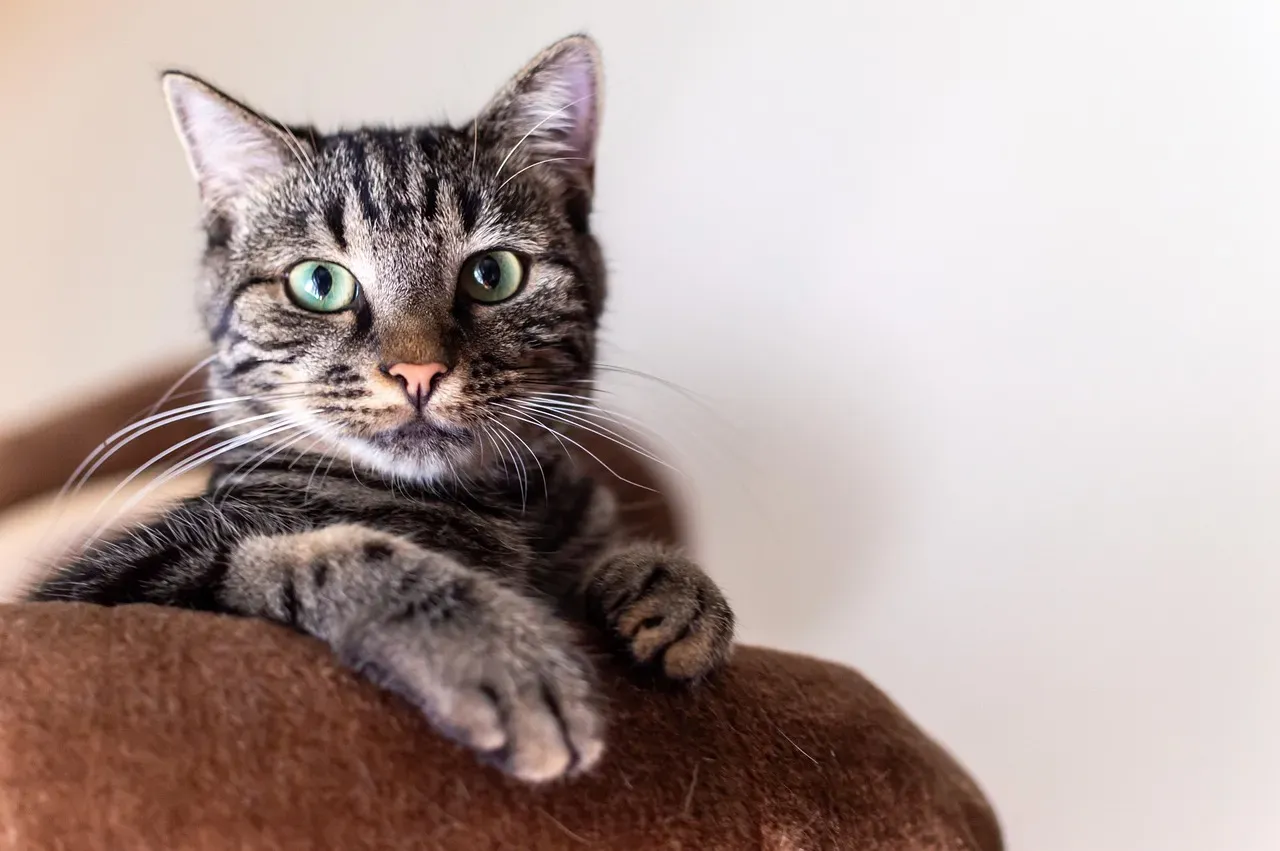
If your cat never seems to slow blink at you, it doesn’t automatically mean they dislike you. Just like people, cats have individual personalities. Some are more reserved or simply show their comfort in other ways, like choosing to sleep near you, following you from room to room, or greeting you at the door. Those can be just as meaningful as eye messages. On the other hand, if your cat’s eyes are often wide, pupils huge, and their body looks stiff or ready to bolt, that can be a sign they’re tense, fearful, or overstimulated. In that state, they’re not going to offer slow blinks, because they’re focusing on staying alert. In that case, it’s more helpful to work on building trust in general: consistent routines, gentle interactions, predictable handling, and letting them come to you rather than forcing contact.
Using the Slow Blink to Build a Better Bond
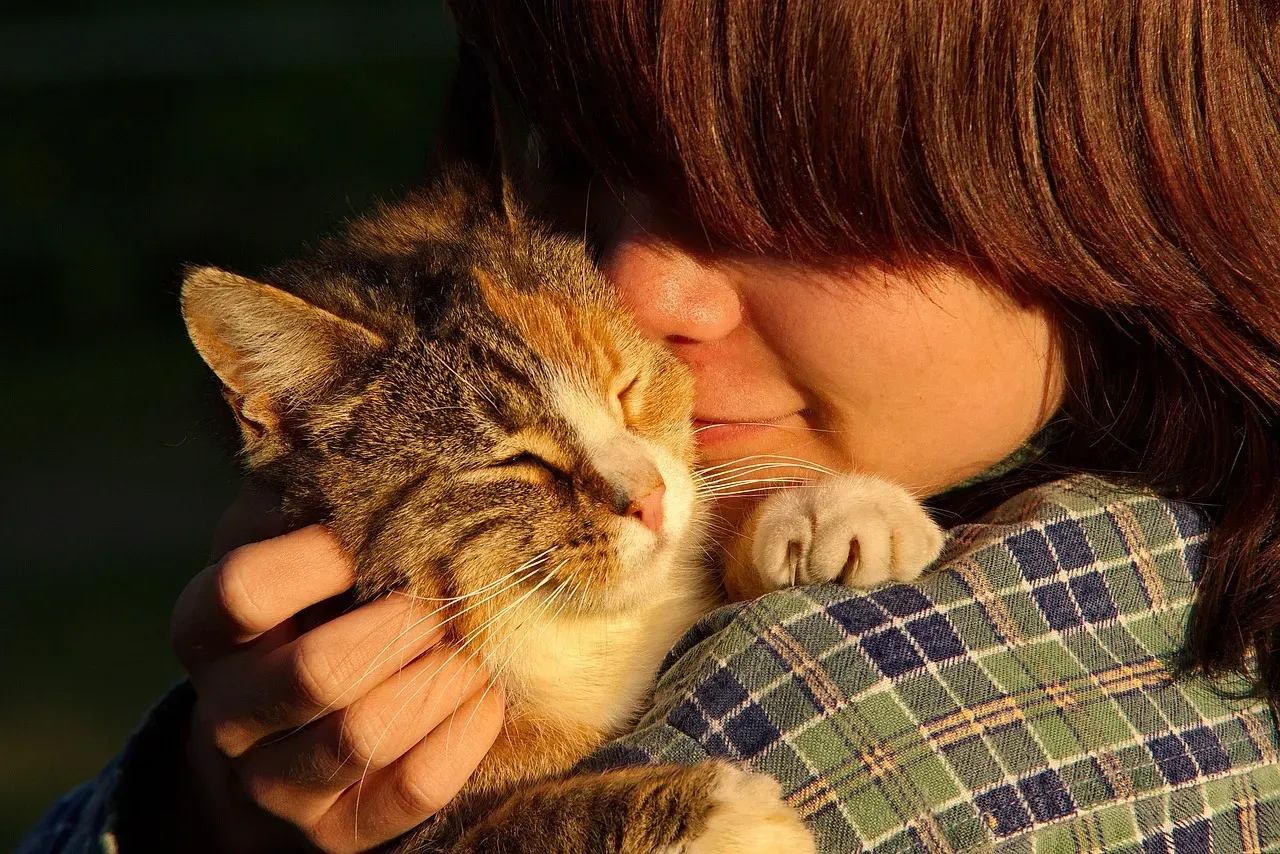
Once you realize how powerful this tiny signal is, you can start to use it on purpose to strengthen your relationship. Try slow blinking during calm moments, like when your cat is lounging nearby or perched somewhere they already like. Pair that with speaking softly, moving slowly, and resisting the urge to rush in and scoop them up the second they look cute. You’re teaching them that your presence plus your eye signal equals safety and no pressure. Over time, you might notice your cat choosing to stay closer when you enter a room, or hopping up onto the bed or couch where you’re sitting. That’s not magic; it’s the result of hundreds of little calm, respectful interactions where you’ve shown them you’re not a threat. The slow blink becomes like a quiet “it’s all good” that you and your cat exchange back and forth, reinforcing the bond you share.
Practical Tips for Everyday Life With a Slow-Blinking Cat
You can weave slow blinking into your everyday routines almost like a ritual. Maybe you do it as a greeting when you first see your cat in the morning, or when you set down their food and step back to give them space. You might also use it to reassure them in slightly stressful moments, like when the vacuum just stopped or a guest is in the house but at a distance. Just remember that slow blinking is not a magic button that fixes fear, aggression, or anxiety on its own. It’s one tool in a bigger toolbox of respect, patience, and consistent care. Paired with giving your cat places to hide, high perches, gentle play sessions, and predictable feeding times, that simple eye gesture can help turn your home into a place where your cat genuinely feels like they can breathe and relax around you.
Conclusion: A Tiny Gesture With a Big Emotional Weight
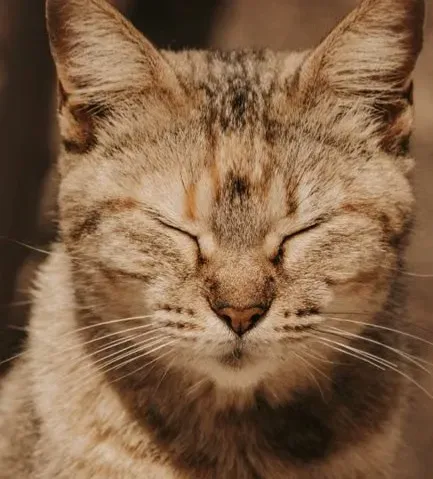
The next time your cat gives you that slow, sweet blink, you’ll know it’s not just random eyelid gymnastics. It’s a small but meaningful sign that, in a world where cats are wired to watch their backs, yours chooses to soften their gaze when they look at you. That’s not something to take for granted. When you slow blink back, you’re essentially replying in their own language: I see you, and you’re safe with me. For a creature that survives on alertness, that kind of shared ease is about as close as you can get to a silent thank-you. So the real question is: now that you know what that slow blink means, how are you going to answer your cat the next time they say it?
Kristina is a young writer from India. An arts graduate and an avid content creator, Kristina is passionate about animals and wildlife. She enjoys exploring topics related to pet care, animal behavior, conservation, and nature, combining thorough research with engaging storytelling.