You know that moment when you’re finally sitting down, and suddenly your cat plops their soggy mouse or crinkly ball at your feet? It feels adorable, random, and maybe a bit confusing. You might assume they just want you to toss it, but that little delivery actually says a lot about how your cat understands you, trusts you, and fits you into their inner world.
Once you start paying attention to when, how, and which toys your cat brings, you realize it’s not just a cute quirk. It’s a form of communication. In their own quiet, whiskered way, your cat is revealing whether they see you as a parent, a student, a hunting buddy, or even a slightly helpless creature that needs looking after.
Why Toy-Bringing Is More Than Just “Let’s Play”
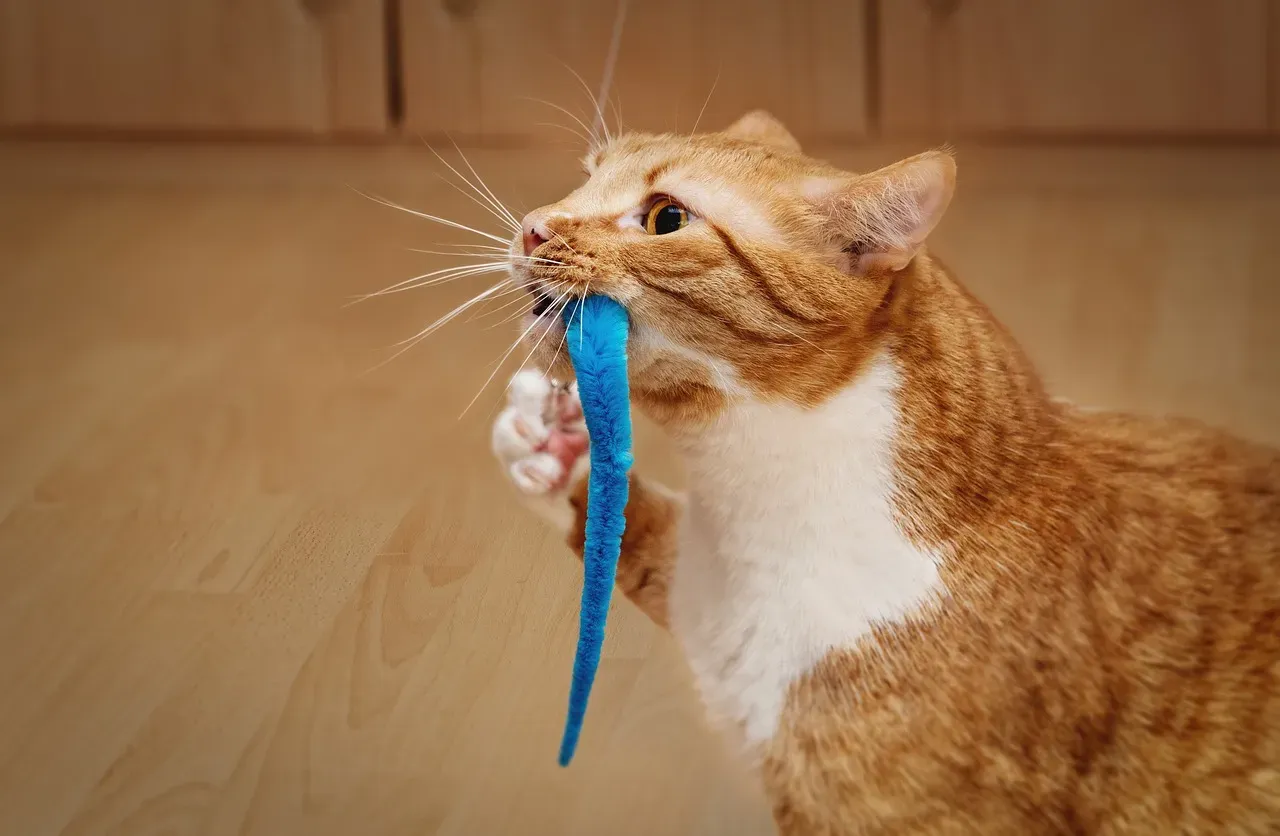
When your cat carries a toy over to you, especially one they clearly favor, they’re not only saying they want to chase something. They’re doing something that is deeply rooted in instinct: sharing. In the wild, a cat that has caught prey may bring it back to a safe spot or to a trusted companion, and your living room has basically become that safe den.
So when you see your cat marching proudly with a toy in their mouth, think of it as them letting you into their private hunting world. The toy is standing in for prey, and you are the chosen audience. Even if you never throw the toy, the simple act of placing it near you is often the main event: a kind of “Look what I have, and I’m bringing it to you because you matter.”
Your Cat Might Be Treating You Like Family
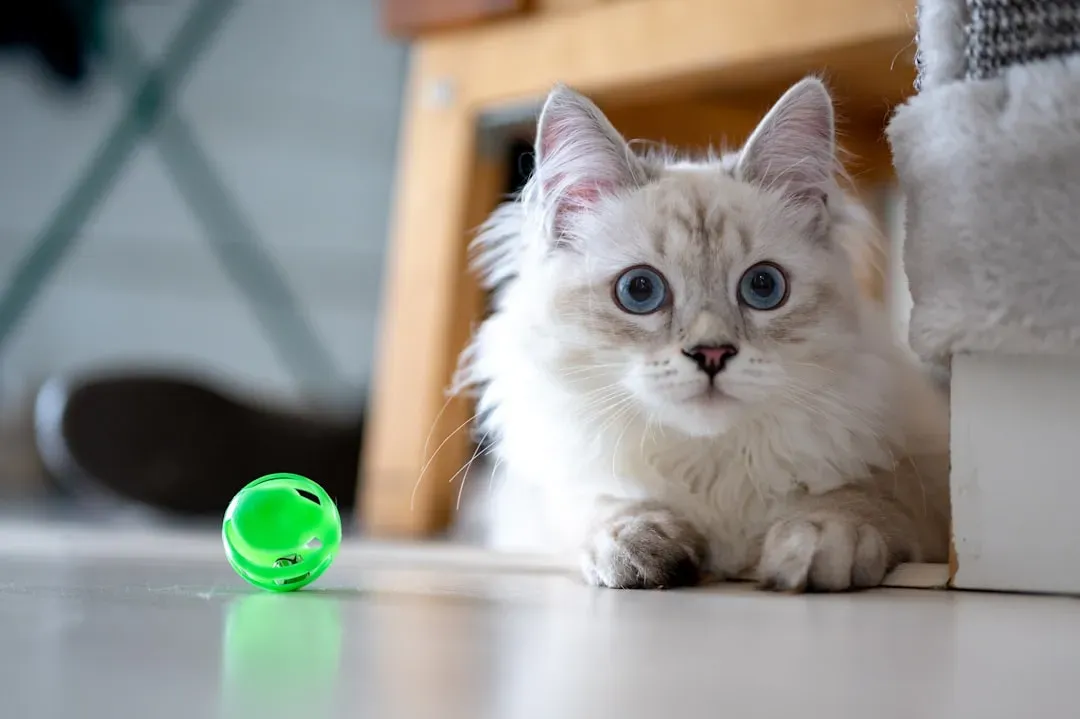
Cats form social bonds in flexible ways, and toy-sharing is often a sign that you’ve made it into the inner circle. When your cat brings you their favorite possession, they’re doing something they don’t do with just anyone. It’s a bit like a kid who insists you see their drawing before anyone else, because your opinion and presence matter most.
You might notice that your cat does this more when the house is calm and quiet, or when you’re in your usual resting spot. That pattern is a sign they associate you with safety and stability. The toy becomes a bridge between you and them, a little object that says, “You’re part of my world, and I want you in on what I’m doing.”
Sometimes They See You as a Helpless Student
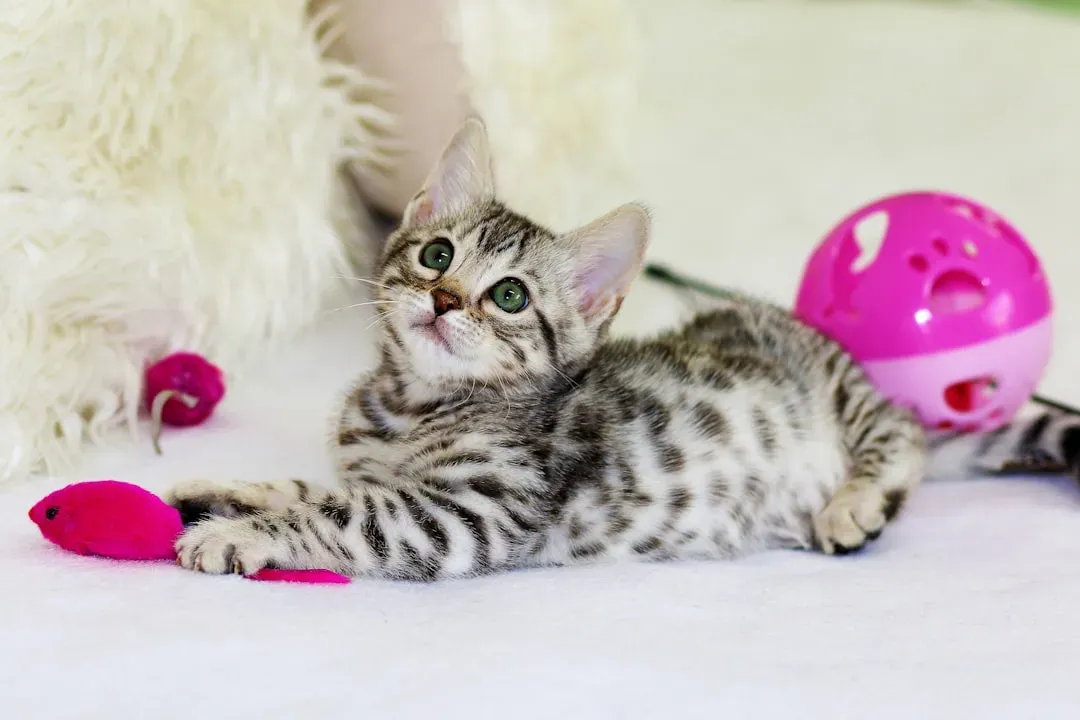
As funny as it sounds, your cat might be trying to teach you how to hunt. If they drop a toy at your feet and then back up, watching you intently, they could be waiting to see whether you’ll interact with it the “right” way. In their mind, you’re the awkward, slow learner who needs a demonstration of what to do with prey.
This is even more likely if they repeat the ritual again and again or if they pair it with those intense, unblinking stares. From your cat’s perspective, you might be a big, clumsy creature who never hunts or catches anything, so they step in as the instructor. The toy is their teaching tool, and you are the slightly hopeless trainee.
Other Times, You’re the Kitten They’re Caring For
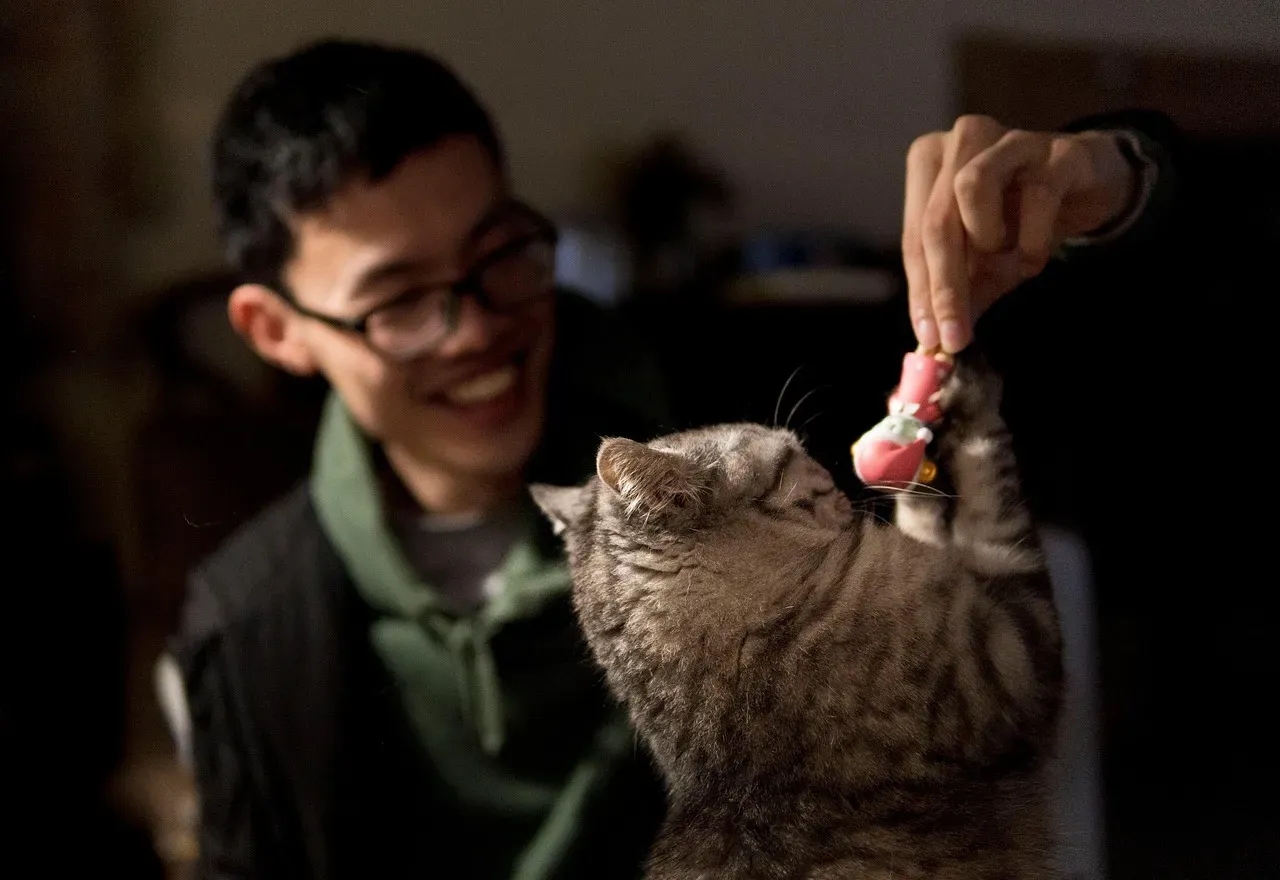
On the flip side, your cat might be acting like the responsible adult in the relationship, bringing you “food” because, well, you never seem to bring your own. This mirrors behavior seen in mother cats who carry prey to their kittens: first dead, then alive, to help them learn. Your cat’s plush mouse is the modern, apartment-safe version of that.
If your cat seems especially gentle when they drop the toy, maybe even pairing it with soft meows, think of it as them checking on you. You’re not just a roommate; you’re their slightly incompetent ward. They might not understand your grocery runs or your job, but they do understand that you never catch anything, so they step in to fill that gap in the only way they know.
The Specific Toy They Choose Actually Matters
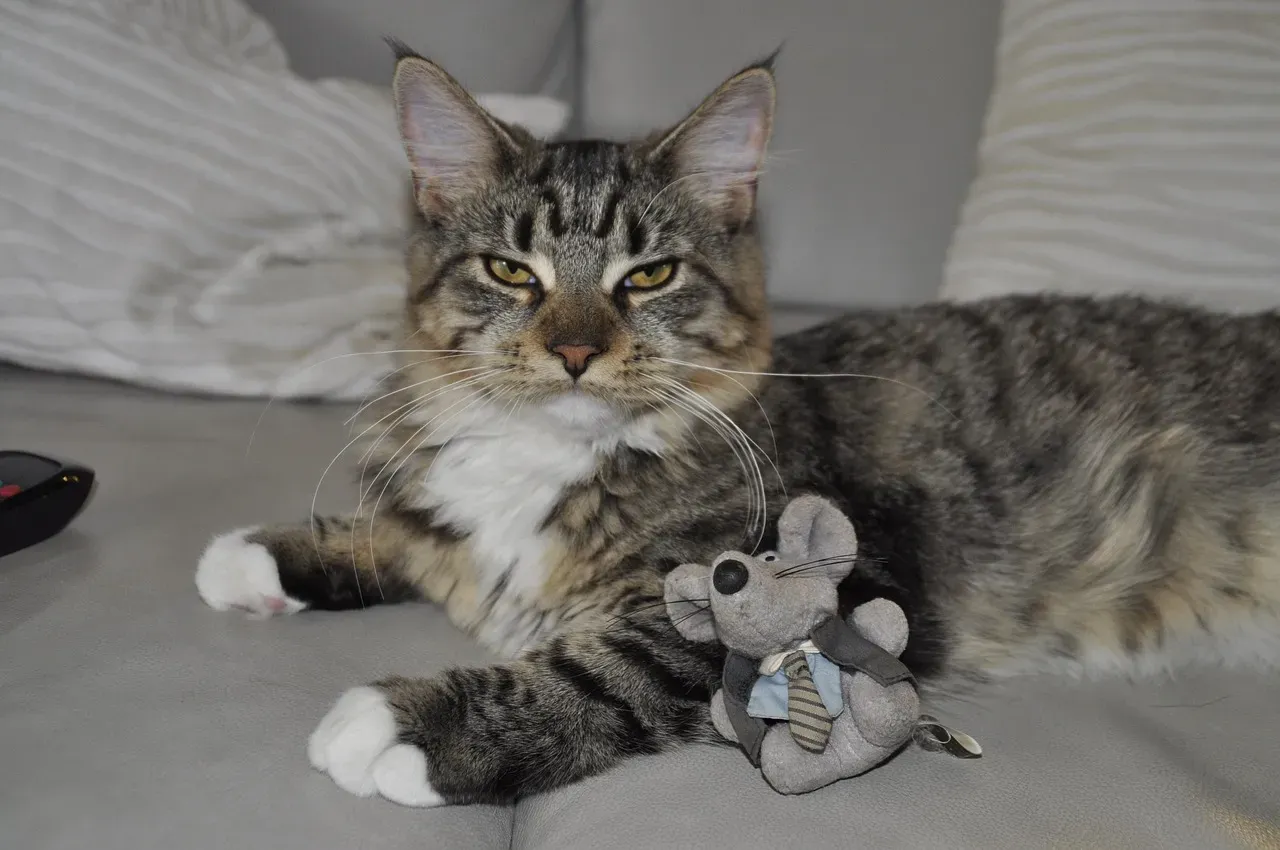
You might have a basket of toys, but your cat doesn’t pick from it randomly. If they always bring the same battered mouse, feather wand, or crinkle ball, that choice is telling you what they consider valuable and prey-like. They’re sharing the item that best fits their inner picture of “important stuff” to hunt or care for.
Lighter toys that are easy to carry, especially ones that resemble small animals, are common offerings. If your cat favors one object and constantly delivers it to you, it means that toy is tightly connected to their hunting or nurturing routine. You’re being invited into a ritual that, for your cat, is serious business.
Context Is Your Best Clue to What They Really Want
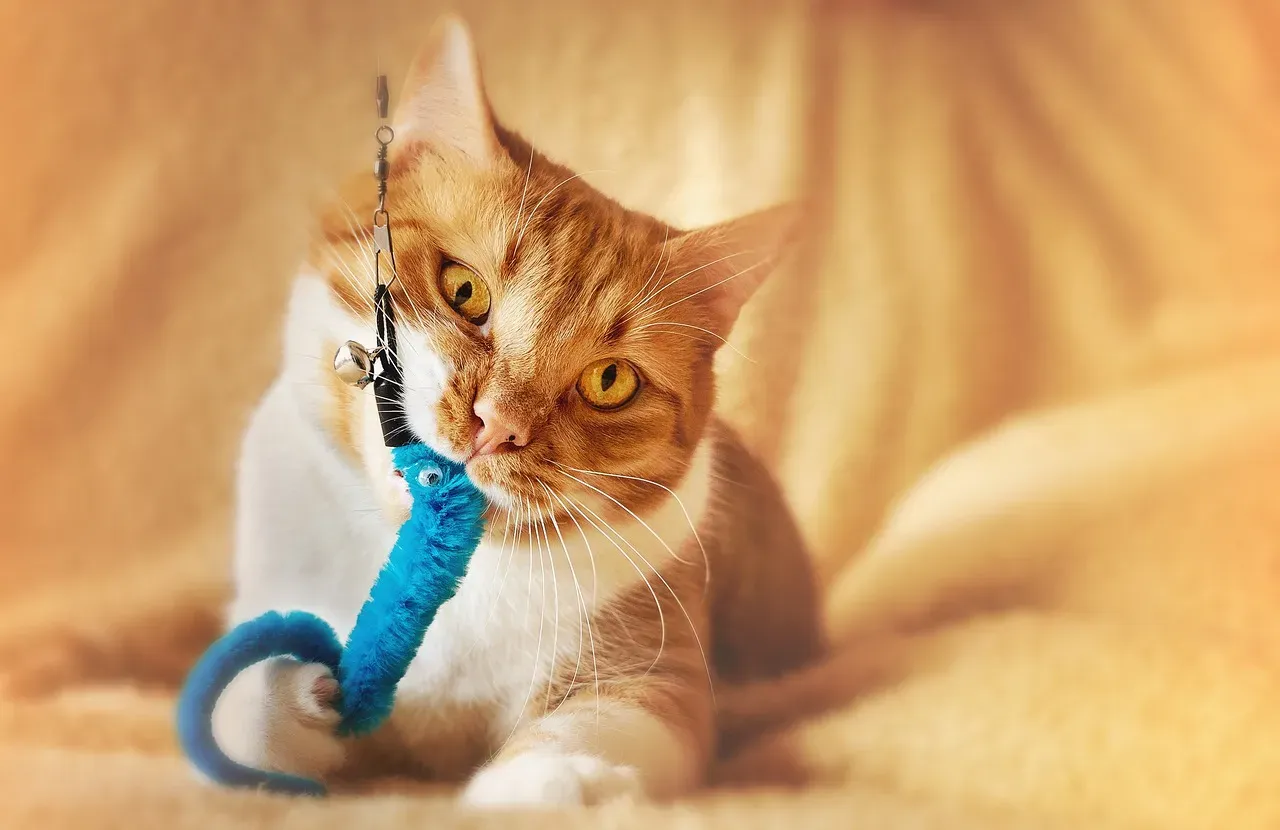
To understand what your cat is trying to say, focus less on the toy itself and more on when and how they bring it. If they drop it, chirp, and then dash a few steps away before looking back, that’s the classic “come on, chase it” move. You’re being recruited as an active play partner in that moment, not just a bystander.
But if they quietly place the toy near you while you’re working, in bed, or even in the bathroom, and then calmly lie down, something different is happening. That behavior is less about getting you to move and more about placing something meaningful in your space. It’s closer to an offering or a reassurance: “I’m here, this is ours, we’re safe.”
How You Respond Shapes Your Cat’s Bond With You
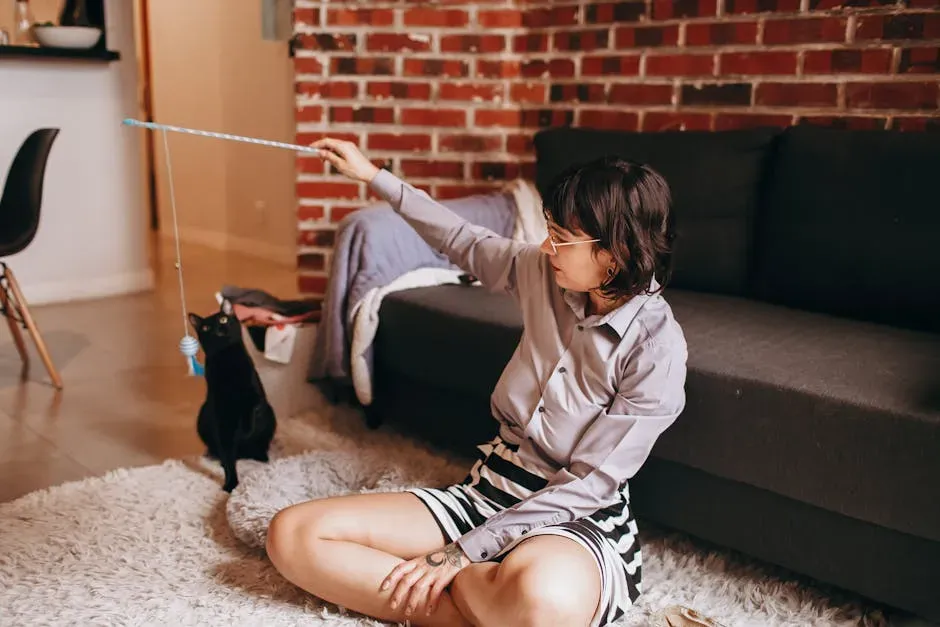
Even though your cat’s brain works very differently from yours, they absolutely notice what you do after they deliver that toy. If you consistently acknowledge them – by talking softly, giving a few pets, or joining in a short play session – you reinforce the idea that bringing you things is a positive, successful behavior. You become a responsive partner in their little rituals.
On the other hand, if you ignore them every time, some cats will simply try harder, while others might give up and do it less. You do not need to play every single time, but at least recognizing the gesture helps your cat feel seen. A simple routine like “thanks, buddy, nice toy” plus a brief interaction can go a long way toward deepening your bond.
When Toy-Bringing Becomes Excessive or Anxious
Sometimes the behavior can crank up to an almost frantic level: your cat pacing, vocalizing loudly, and repeatedly dropping the same toy in front of you or dragging it around the house. That can signal that this is no longer just a sweet gift or a playful moment, but a coping strategy for stress, boredom, or underlying anxiety.
If you notice that this happens mostly when there are big changes – like guests visiting, a new pet, loud construction, or when you’re gone longer than usual – it may be their way of self-soothing and checking in with you. In that case, more structure can help: predictable play sessions, extra hiding spots, vertical spaces, and, if needed, a check-in with a vet or behavior professional to rule out health issues or deeper stress.
How to Turn Toy Offerings Into Healthy, Fun Rituals
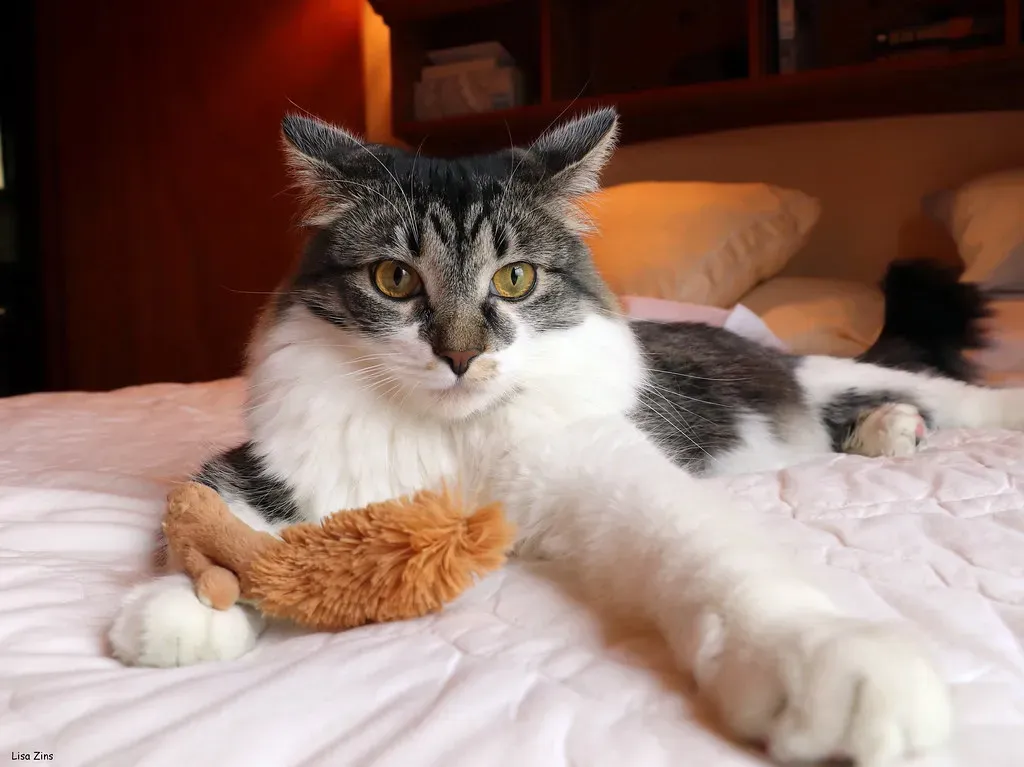
You can turn your cat’s toy deliveries into a daily ritual that supports both physical and emotional health. When they bring you something, take a moment to respond consistently, even if it is brief. If they seem energized and ready, follow up with a short play session that mimics hunting: stalking, chasing, pouncing, and then a “win” at the end.
At other times, you might treat the toy drop as a check-in rather than a game request. Maybe you simply place the toy beside you, give your cat a calm pet, and let them settle nearby. Over time, you’ll recognize the difference between “teach you,” “care for you,” and “play with me,” and you can respond in a way that respects what your cat is actually trying to say.
Conclusion: A Soggy Mouse With a Hidden Message
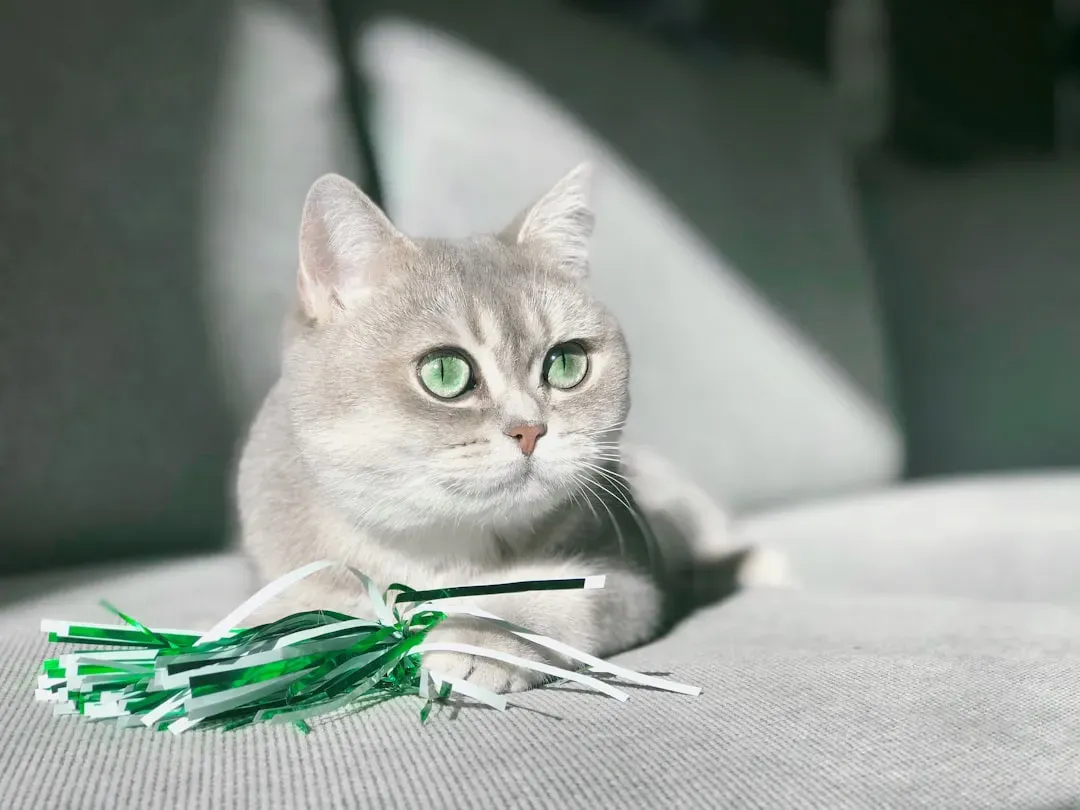
The next time your cat trots up proudly with their favorite toy, try seeing it as more than a random habit. That tiny gift can reveal whether they see you as family, student, kitten, or hunting buddy, and it’s one of the clearest windows you get into their private, instinct-driven world. Once you notice the patterns, you realize your cat has been talking to you in their own language for a long time.
You do not have to decode every subtle nuance perfectly to make a difference; simply treating those offerings as meaningful is a powerful start. When you respond with some combination of attention, play, and calm presence, you show your cat that you get it – at least a little. The real question is: now that you know what that soggy toy might mean, will you ever look at it the same way again?
Kristina is a young writer from India. An arts graduate and an avid content creator, Kristina is passionate about animals and wildlife. She enjoys exploring topics related to pet care, animal behavior, conservation, and nature, combining thorough research with engaging storytelling.