You probably work hard to make your home smell fresh, but your cat may secretly hate half the things you use. A cat’s sense of smell is many times more sensitive than yours, so what seems like a mild scent to you can feel like a smelly wall hitting them in the face. When your cat suddenly avoids a room, pees somewhere odd, or seems jumpy for no clear reason, certain everyday odors are often the hidden culprit.
Once you start looking at your home from your cat’s nose-level, a lot of their “mysterious” behavior begins to make sense. You do not have to live in a sterile, scent-free bubble, but a few thoughtful changes can make your space far more comfortable for your feline roommate. Let’s walk through some of the smells that quietly stress cats out, and what you can do differently without turning your whole routine upside down.
Citrus Cleaners and Fruit Scents

That bright lemon or orange scent you love in surface sprays, dish soap, or candles is often overwhelming for cats. Their noses pick up the sharp, acidic notes much more intensely than yours, so a freshly wiped countertop can feel like a giant flashing warning sign. Many cats will avoid walking on a surface that smells like citrus, or they may dart away from a room right after you clean it.
On top of that, concentrated citrus oils used in some cleaners and air fresheners can be irritating for cats if they breathe them in constantly or get them on their fur. You do not need to ban oranges from your kitchen, but it helps to switch to unscented or mildly scented cleaners in areas where your cat eats, sleeps, or spends a lot of time. If you love the smell of citrus, keep it to short bursts and well-ventilated spaces instead of a constant background odor.
Strong Bleach and Chlorine Products

Bleach has that unmistakable “clean” smell, but to your cat it can be harsh, chemical, and almost suffocating. Because cats explore floors, bathtubs, and litter areas with their noses close to the surface, fumes from bleach and similar chlorine products can hit them directly. You might notice your cat avoiding freshly scrubbed bathrooms or laundry rooms, or pacing anxiously when you mop with a strong solution.
There is another subtle problem: some cats can be weirdly drawn to strong cleaning smells and may lick at damp surfaces, which you absolutely do not want with products like bleach. You are better off using diluted, pet-safe cleaners and rinsing thoroughly, especially on floors or litter box areas. Open windows, fans, and closing the door while things dry can all give your cat’s nose (and lungs) a much-needed break.
Vinegar and Pickling Odors

Vinegar is a popular natural cleaner, but its sharp, sour scent can be just as offensive to a cat as chemical products. While you might think it dissipates quickly, a cat can pick up lingering notes on floors, fabrics, and even their food area long after you stop smelling it. If your cat suddenly hesitates to walk across the kitchen or avoids a food bowl you just cleaned, the vinegar smell might be part of the story.
Food-wise, a strong whiff of pickles, salad dressing, or anything heavy on vinegar can also make your cat pull away from the counter or leave the room. You do not need to stop using vinegar entirely, but reserve it for spots your cat does not spend much time in, or rinse thoroughly with plain water afterward. When cleaning food bowls or water fountains, switching to a gentle, fragrance-free dish soap instead of vinegar can make meal times more appealing for your cat.
Perfume, Cologne, and Scented Body Products
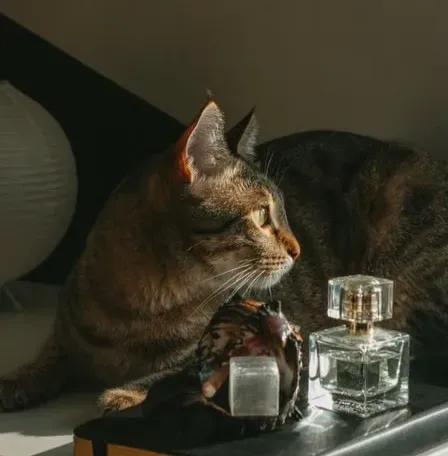
The perfume or cologne that feels like part of your identity can be overpowering to your cat, especially in small rooms. Cats rely heavily on scent to recognize you, and when you coat yourself in a strong fragrance, you are basically putting on an olfactory mask. Your cat might react by avoiding your clothes, hesitating to cuddle, or giving you that offended squint right after you spray.
It is not just perfume either; heavily scented lotions, hair products, and body sprays build up into a cloud your cat has to live in. If your cat loves sleeping on your pillow or laundry, those strong personal scents can turn a cozy spot into something they reluctantly tolerate or avoid. You do not have to give up smelling nice, but using lighter amounts, spraying in a different room, and choosing milder scents helps your cat feel more at ease around you.
Room Sprays, Plug-Ins, and Scented Candles
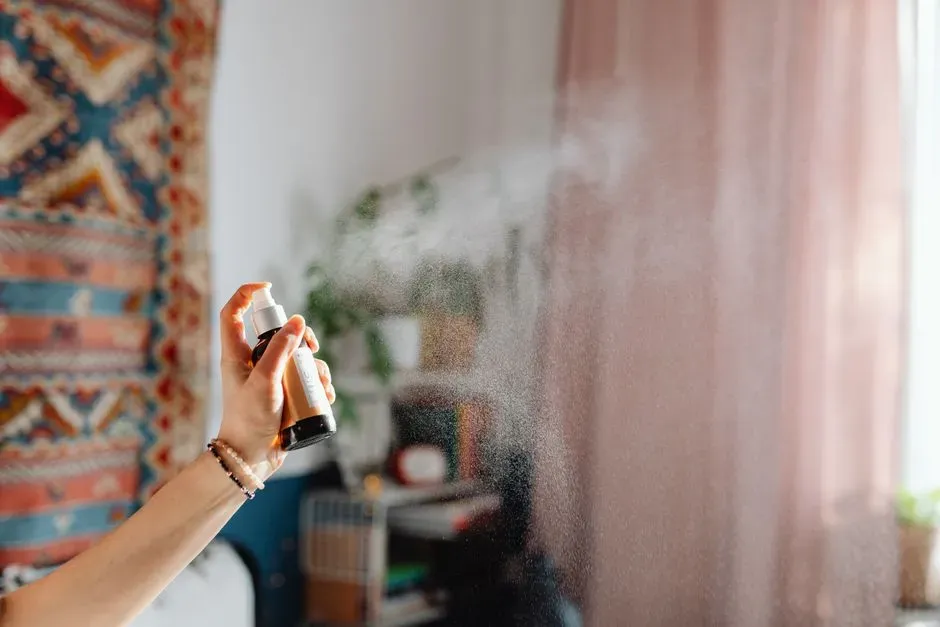
Home fragrance products are designed for human noses that dull quickly, not for cats that can pick up the faintest whiff. Plug-in diffusers, heavy room sprays, and strongly scented candles can create a constant haze of odor that you barely notice after a while, but your cat never escapes. You might see them choosing the farthest corner from the plug-in, avoiding certain rooms entirely, or grooming more because particles settle on their fur.
There is also a difference between briefly smelling something and breathing it for hours every single day. When you use these products in the same area as your cat’s litter box, food, or favorite sleeping spot, you are forcing them to live inside a permanent perfume cloud. Try scent-free versions where your cat spends most of their time, and if you love candles or sprays, treat them as occasional “short events” instead of nonstop background noise for your cat’s nose.
Essential Oils and Diffusers
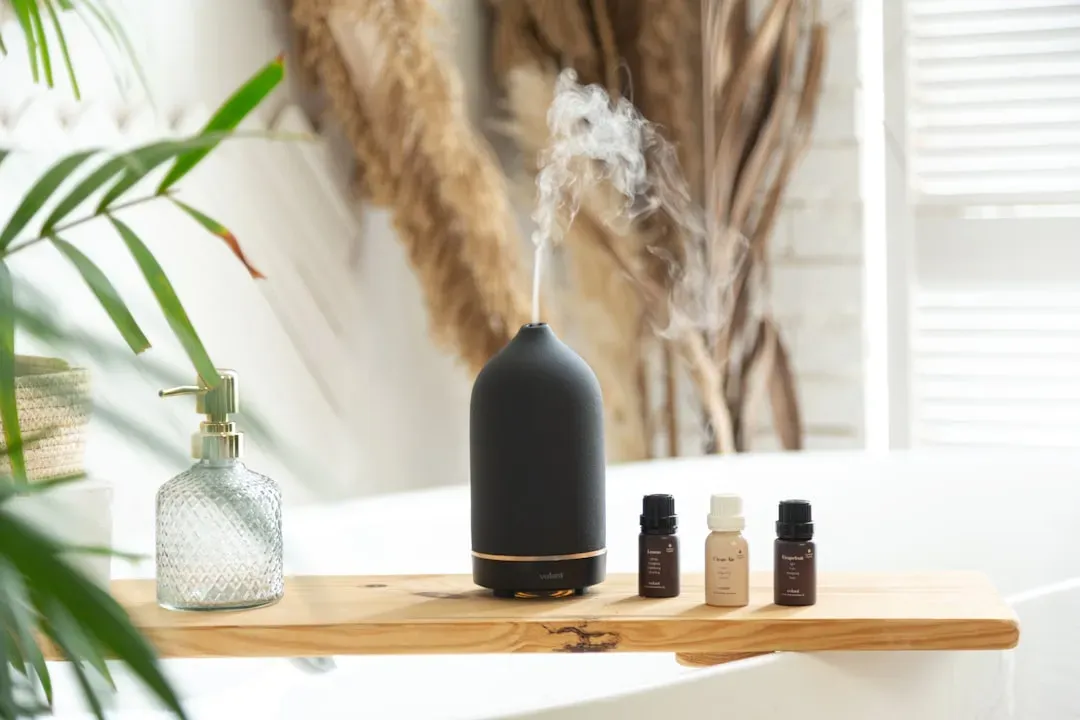
Essential oils might seem natural and harmless, but cats are particularly sensitive to many of them, including popular ones like tea tree, eucalyptus, peppermint, and some types of pine. Their livers process certain substances differently, which means even small amounts in the air can be more of a burden for them than for you. If you run a diffuser regularly, your cat may leave the room, squint, sneeze, or just seem restless and unable to settle.
Even without direct contact, tiny droplets from diffusers can land on your cat’s fur or favorite surfaces, leading to more exposure if they groom themselves. If you still want to use essential oils, it is safest to keep them out of the rooms where your cat lives, never apply them to your cat’s body, and avoid constant diffusion. When in doubt, lean toward fresh air, open windows, and simple cleaning instead of trying to “fix” the house smell with concentrated oils.
Strong Spices: Chili, Pepper, and Curry

When you cook with strong spices, your kitchen might smell amazing to you, but to your cat it can be like standing in a fog of sharp, prickly odors. Spices with a kick, such as chili, black pepper, or heavily spiced curry blends, release volatile compounds that can irritate your cat’s sensitive nose and eyes. You may notice your cat steering clear of the kitchen, blinking more, or sitting just outside the doorway when you are cooking something particularly intense.
Most cats will not try to eat heavily spiced foods, but even the smell alone can make them uncomfortable. Simple ventilation makes a big difference here: use a range hood, crack a window, and keep your cat out of the kitchen during the smokiest moments. Once the air clears and the strong cooking scents fade, your cat will usually wander back in as if nothing happened.
Ammonia and Strong Litter Box Odors
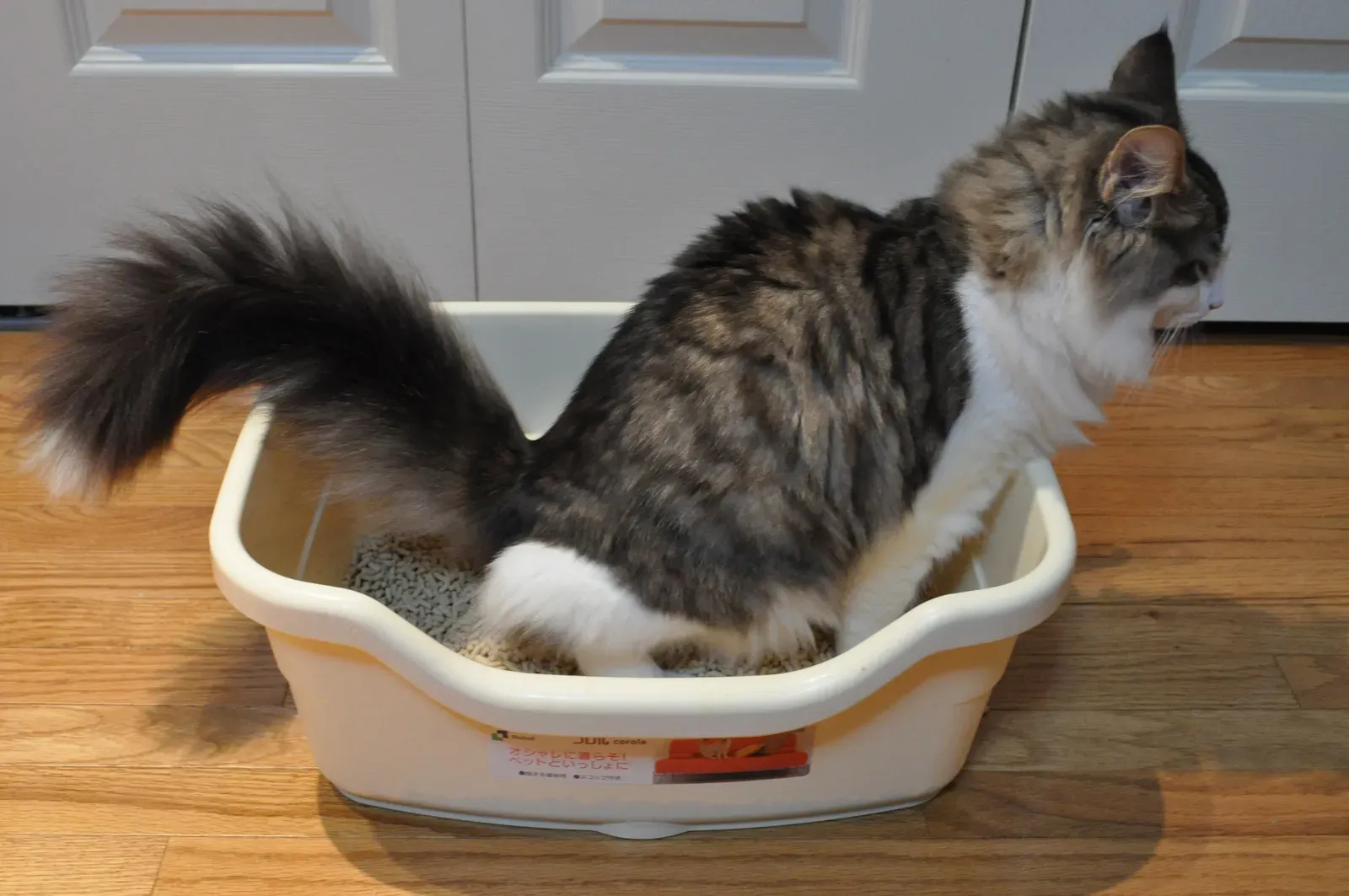
You probably already find a dirty litter box unpleasant, but for your cat the smell of concentrated ammonia from old urine can be overwhelming. Because their noses are so much more powerful than yours, what smells “a bit off” to you can feel completely intolerable to them. Some cats will start avoiding a box that smells too strong, which can show up as accidents on carpets, beds, or laundry piles.
Ironically, trying to cover litter smells with heavy fragrances can make the situation worse for your cat. Strongly scented litters, powders, or sprays layer another intense odor on top of the ammonia, turning the box into a double assault on their senses. Frequent scooping, good ventilation, and unscented or lightly scented litter usually work far better for your cat’s comfort than masking the stink with strong perfumes.
New Furniture, Plastics, and Paint Fumes
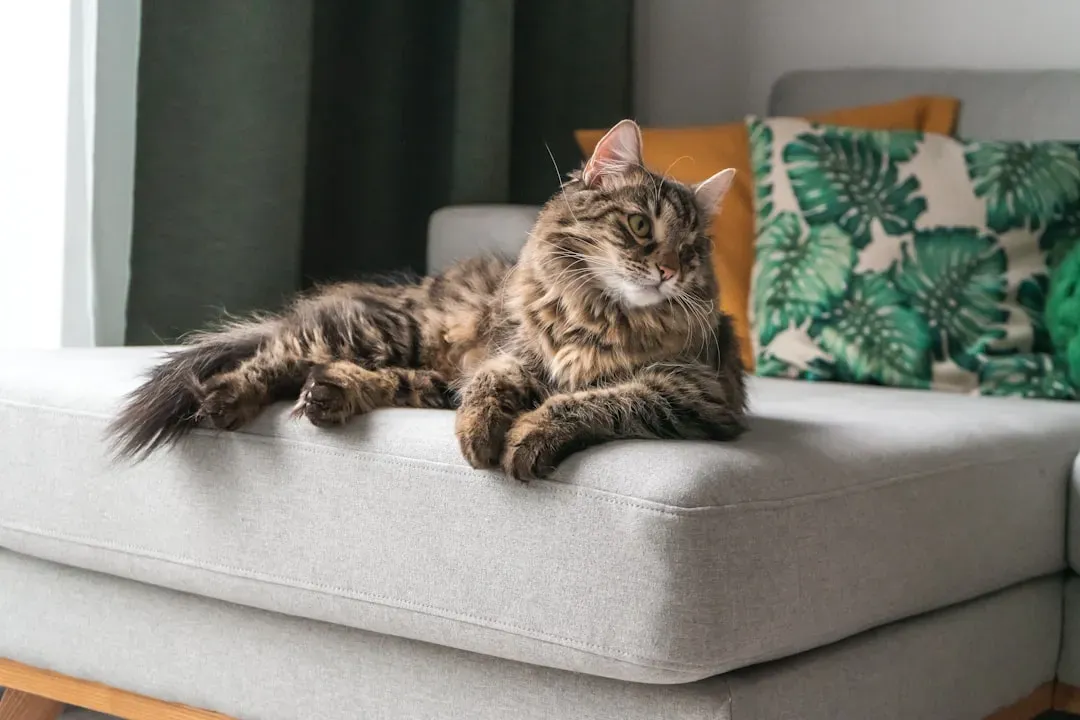
That “new” smell on furniture, rugs, or electronics is often a mix of glues, finishes, and plastics releasing fumes into the air. You might associate it with getting something nice and fresh, but your cat only experiences it as a strange, chemical presence that suddenly takes over their territory. When you bring home a new item, do not be surprised if your cat circles the room, sniffs cautiously, and then avoids that area for a while.
Fresh paint has a similar effect, especially in small or poorly ventilated rooms. Your cat’s nose is right at breathing level for many of these fumes, and they have no way to understand that the smell is temporary or harmless. Whenever you paint a room or unpack something that smells strongly “new,” giving it time to air out before letting your cat hang out there will make them much more comfortable and less stressed.
Alcohol, Nail Polish, and Harsh Solvents
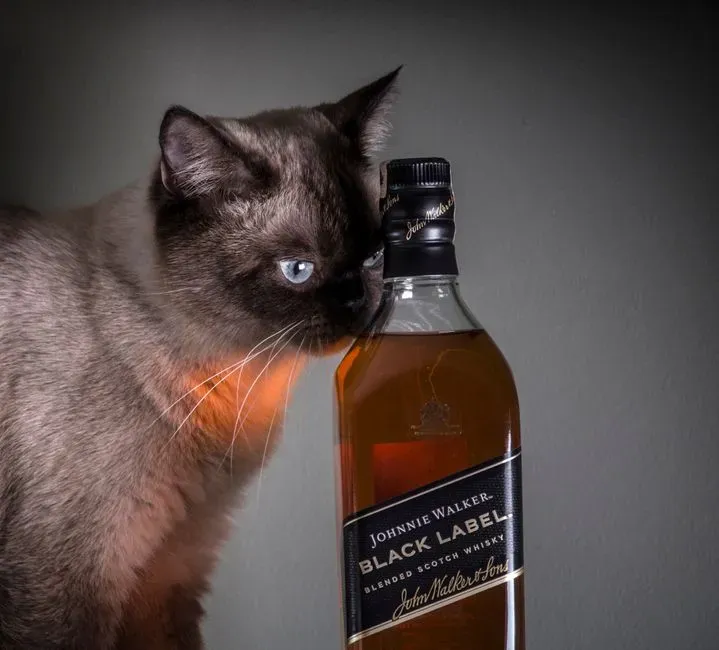
Alcohol-based products, like disinfecting wipes, hand sanitizer, and glass cleaner, have a sharp, medicinal smell that most cats strongly dislike. Because these products are often used on tables, counters, and doorknobs, your cat can end up nose-to-surface with them without any warning. You might see your cat flinch away from a freshly cleaned spot or hesitate to jump on a surface that smells like alcohol.
Nail polish, remover, and other strong solvents are even more intense, especially in closed rooms like bathrooms. If you have ever noticed your cat backing out of the room when you start doing your nails or cleaning with a strong product, their nose is probably protesting. Doing these activities in a well-ventilated area, away from your cat’s favorite spots, keeps the peace and protects their sensitive senses.
Conclusion: Making Your Home Smell “Right” for Your Cat
Once you realize how powerful your cat’s sense of smell is, you start to see your whole home differently. Many of the products and scents you have always used without thinking can feel harsh, confusing, or downright painful to a creature that experiences the world so strongly through their nose. The good news is that you do not need a total lifestyle overhaul; a few swaps to milder, unscented products and a bit more fresh air already make a huge difference.
If you pay attention, your cat will tell you what their nose thinks: moving away from certain rooms, avoiding your clothes after you use a product, or refusing a litter box are all clues worth listening to. By dialing back strong smells and watching how your cat responds, you create a home that works better for both of you. Now that you know how intense your cat’s world of scent really is, what are you going to change first?
Kristina is a young writer from India. An arts graduate and an avid content creator, Kristina is passionate about animals and wildlife. She enjoys exploring topics related to pet care, animal behavior, conservation, and nature, combining thorough research with engaging storytelling.